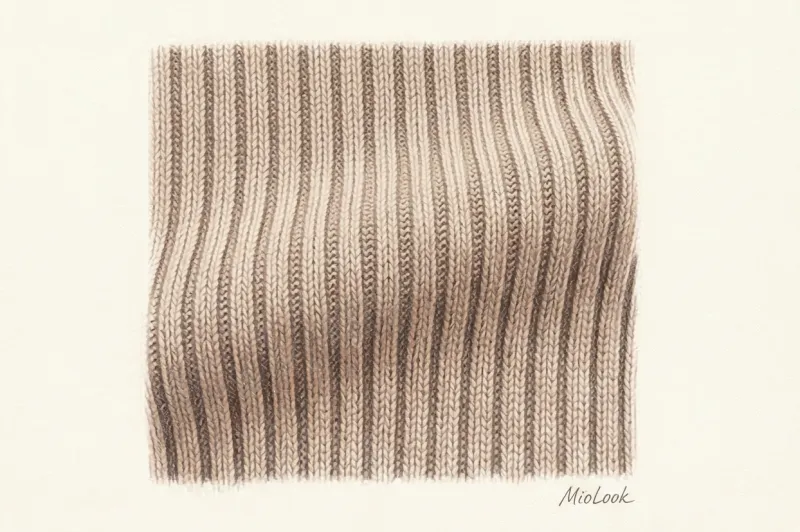
What is ribbed fabric?
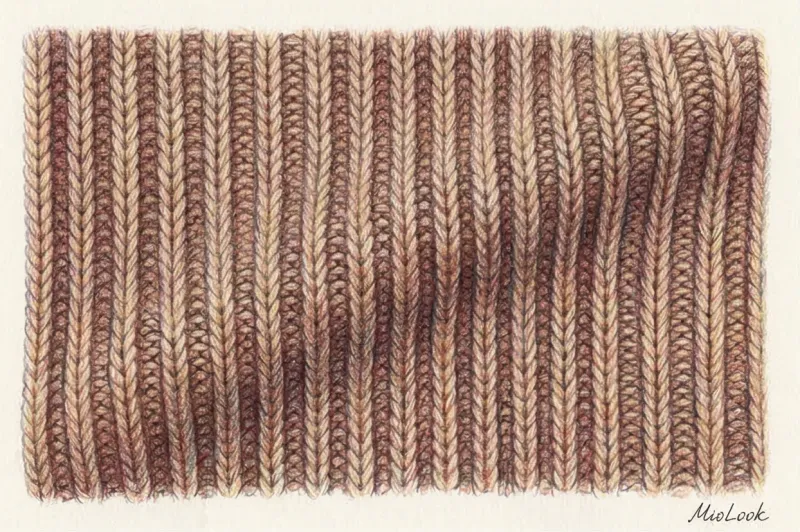
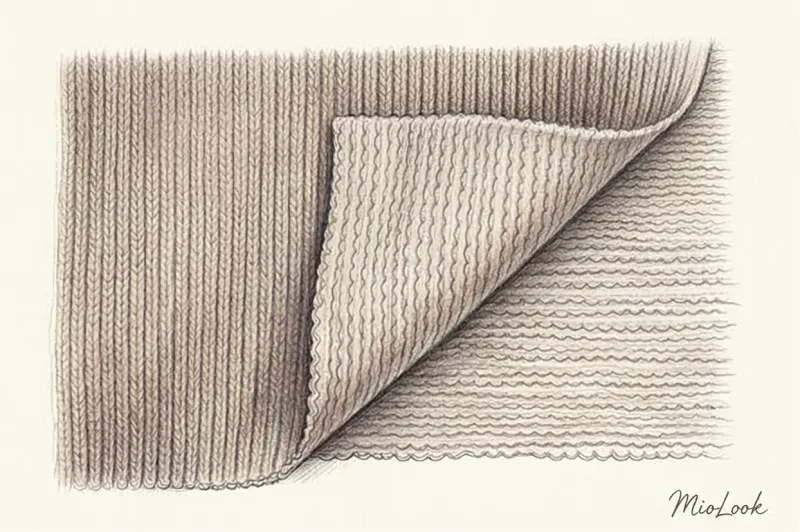
Cashcorse — is a stretchy knit fabric created using the circular knitting method in the classic English rib pattern. The material is knitted by rhythmically alternating knit and purl stitches. Typically, a 1x1, 2x2, or 3x3 pattern is used, creating a distinctive, pronounced vertical rib on both sides of the fabric.
Traditionally, the base of the fabric is made of natural cotton in a proportion of 70% to 100%. To increase elasticity and wear resistance, lycra, elastane, or spandex are added to the cotton thread, typically at a content of around 5%. This composition gives the material a uniform texture on both sides, a matte surface, and high stretchability, quickly returning to its original shape.
Main types and characteristics
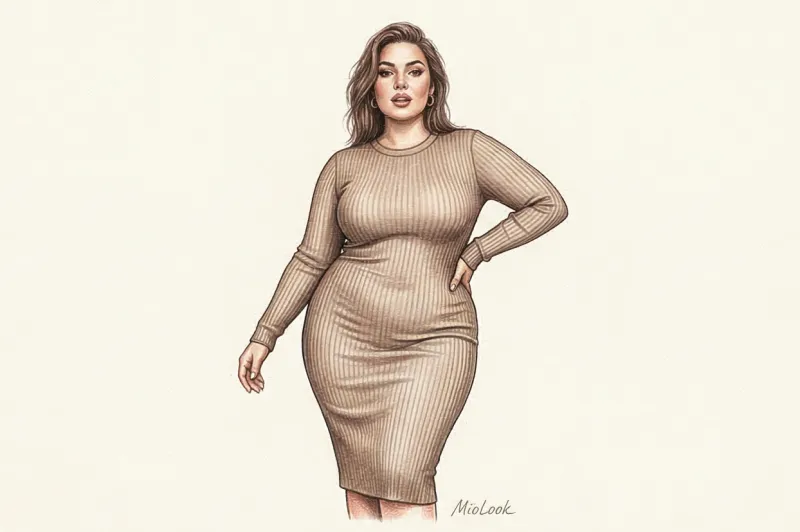
The material is classified primarily by density. Thin rib kashkorse, weighing 150–190 g/m², is used for underwear and lightweight tank tops. Medium-weight fabrics, weighing 200–280 g/m², are used for turtlenecks, long sleeves, and dresses. Heavier varieties, often called rib kashkorse (over 300 g/m²), are used for creating elastic cuffs, collars, and waistbands on outerwear.
Cotton yarn is divided into three main quality categories. Penye is the highest grade of long-staple cotton, characterized by its smoothness and lack of pilling. Ring is a medium-quality material with a slight hairiness, and open-end is made from short fibers and is used to create inexpensive clothing.
Thanks to its high cotton content, the fabric is highly breathable and hygroscopic, effectively wicking moisture away from the body. The elasticated texture allows the material to fit snugly, adapting to your body's contours without restricting movement.
How to use and care
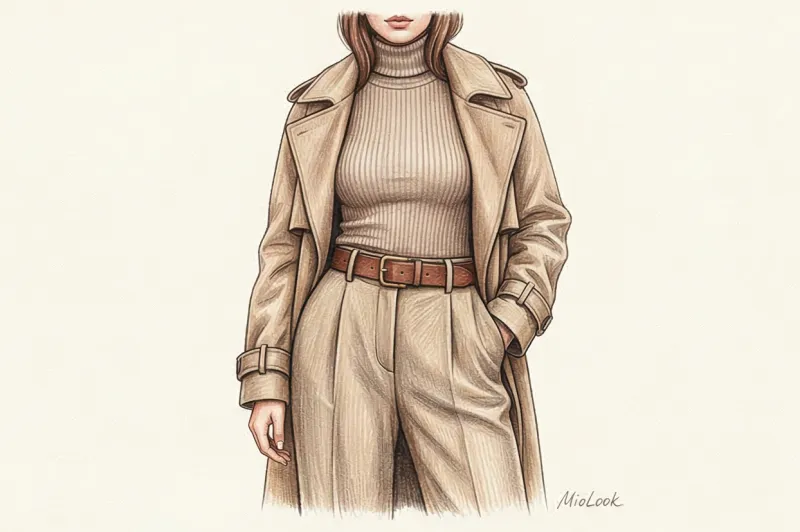
In today's wardrobe, rib knit is used to create basic turtlenecks (turtlenecks), form-fitting midi dresses, cardigans, and tracksuits. The material is also popular for loungewear, underwear, and beanies.
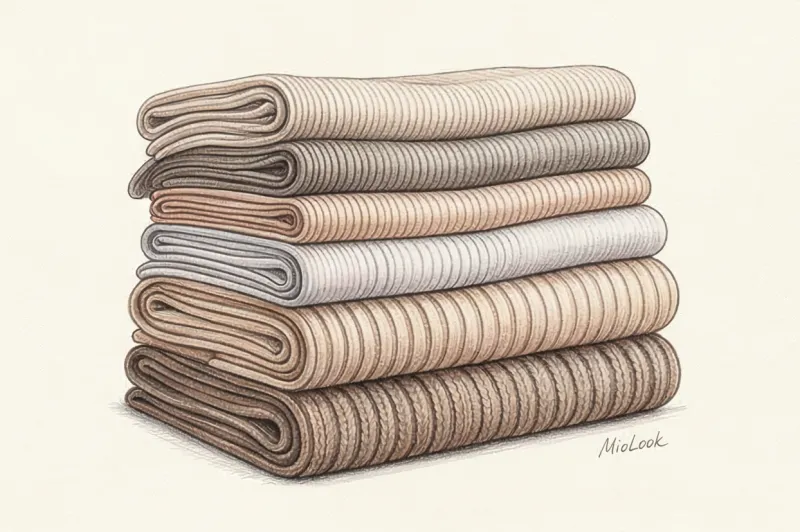
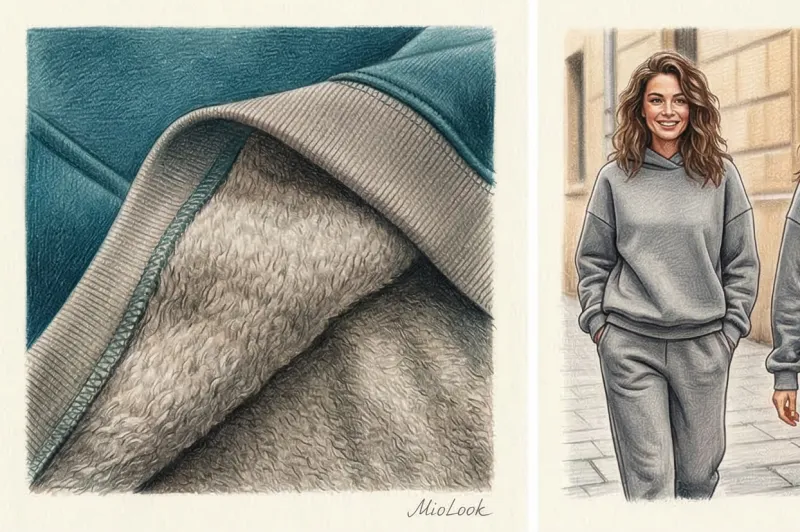
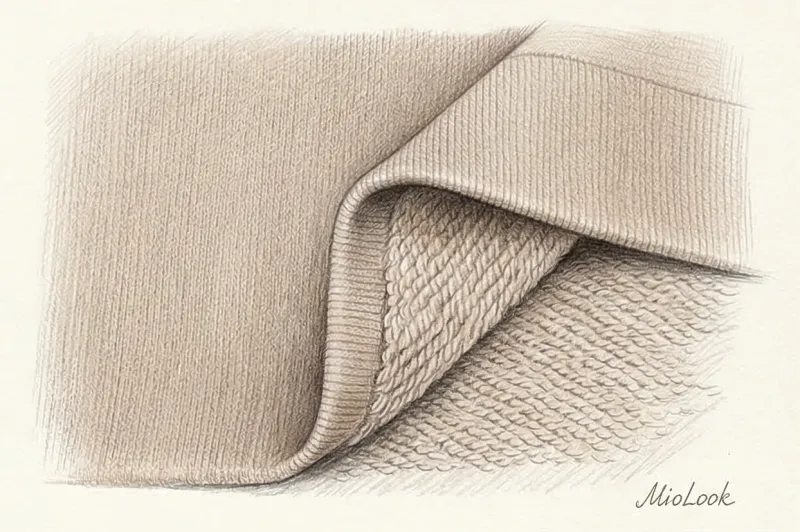
Dense fabrics are widely used as functional trims. They are used to create elastic cuffs on hoodies, sweatshirts, and bomber jackets, and to treat the necklines of T-shirts to prevent stretching.
To maintain their elasticity, these items require proper care. Machine wash on a delicate cycle at a temperature no higher than 30–40°C. Spin at a low speed (up to 600) to avoid deformation of the vertical rib.
Dry items made from this knitwear horizontally on a flat surface. Ironing is recommended on the reverse side at a temperature of up to 150°C, or using a steamer to avoid flattening the textured fabric.