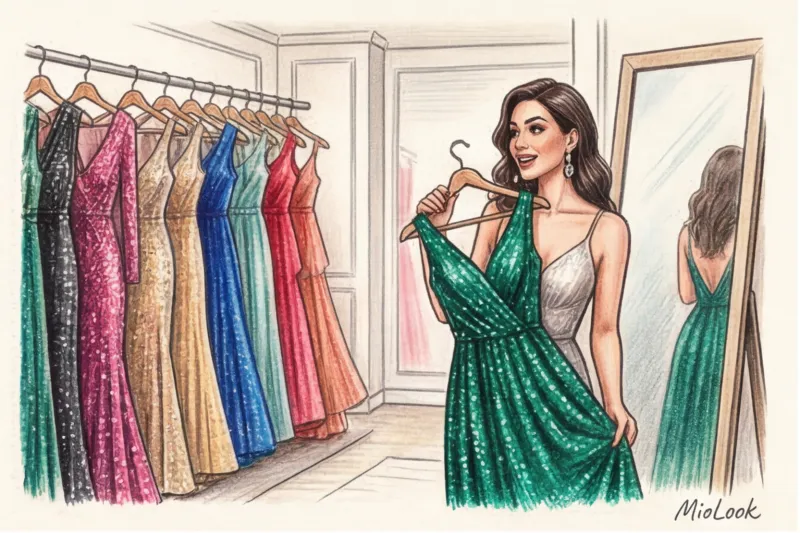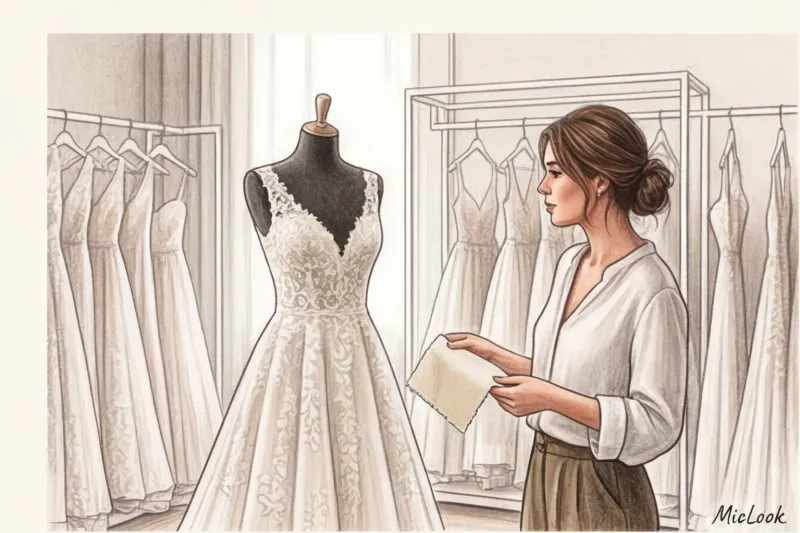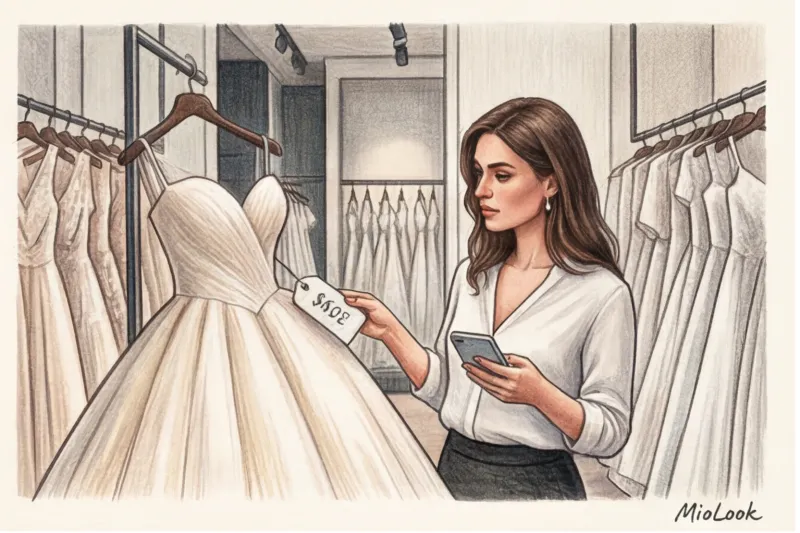
Last wedding season, a client came to me in tears. She'd received the first photos from the celebration, and in them, her puffy dress looked, and I quote, "like a wrinkled curtain from a cheap motel." She'd saved money: she'd bought a new, but very inexpensive, polyester tulle dress. At the fitting, in the soft light of the salon, it seemed passable, but the photographer's harsh flashes mercilessly revealed the cheap, plasticky sheen of the synthetic material. That's when we started talking about... Wedding dress rental - is it worth it? Should we even consider this option, or is it only for those who simply cannot afford to buy it?
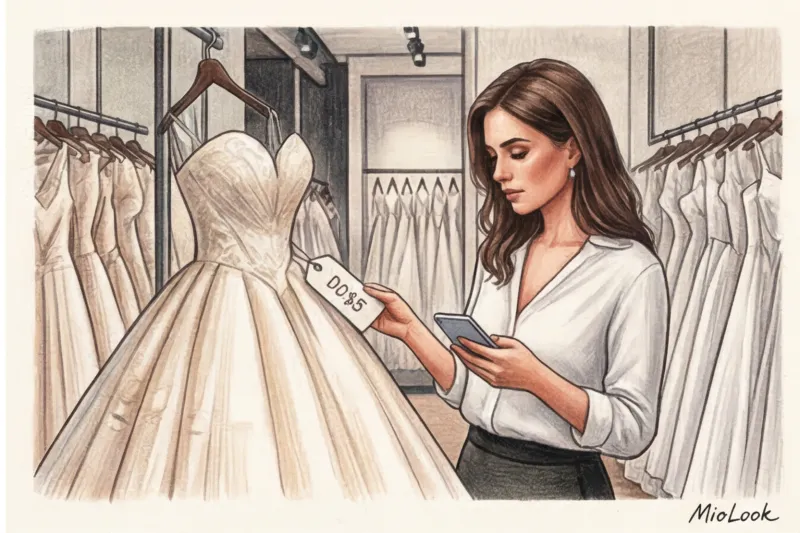
We talked about the basic rules of silhouettes in more detail in our a complete guide to choosing a wedding dress , but today I want to talk about something else. As a stylist with a background in clothing design, I categorically disagree with the stereotype of "modest, but at least your own." Choosing a wedding look isn't about Pinterest magic; it's about rigorous project management. And renting in this context often serves not as a compromise for the poor, but as a strategic tool for accessing couture sewing techniques.
Wedding dress rental: is it worth the effort or is it a false economy?
Every bride's biggest dilemma is this: buy a cheap mass-market dress that will forever hang in the closet, or rent a designer dress for the same price and return it the next day. In my experience, nine out of ten brides arrive at their first consultation with mood boards filled with couture masterpieces priced at €15,000–€20,000. When we start looking for similar dresses within a €500 budget, we reach the point of accepting the inevitable.
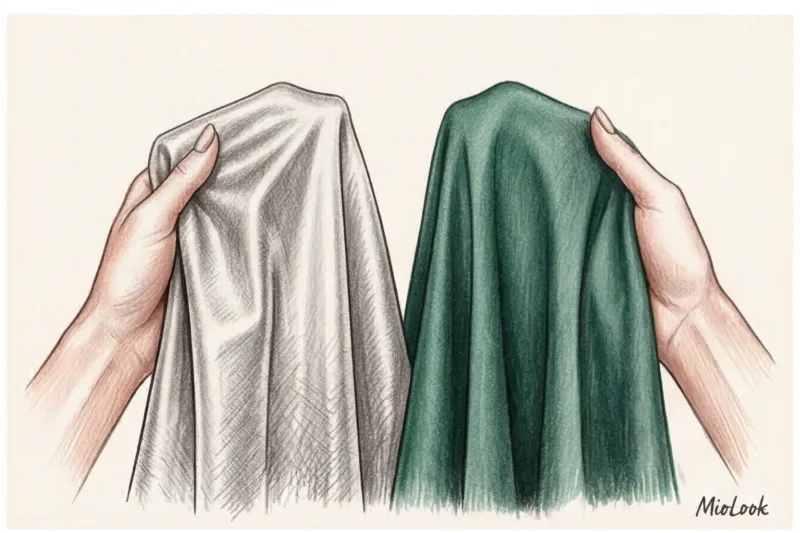
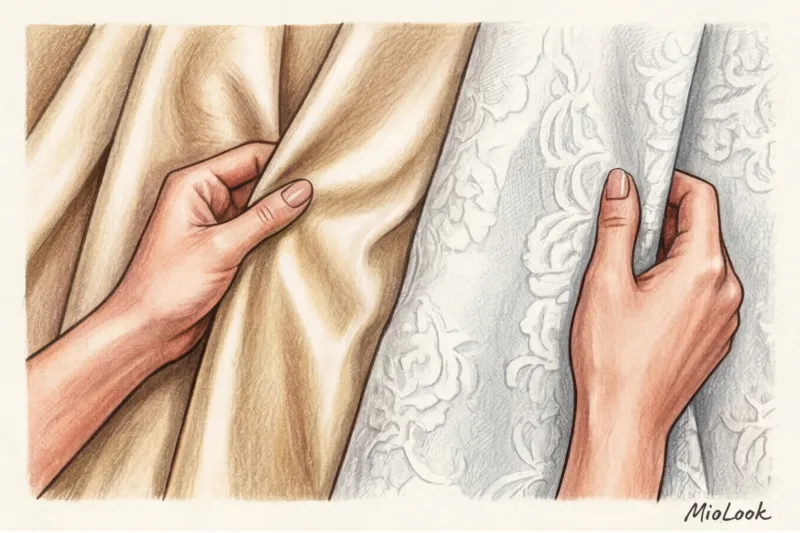
The difference between a $500 dress and a $5,000 dress isn't the brand. It's the fabric's architecture. Pure mikado silk, heavy crepe, or authentic French Chantilly lace all possess a certain visual weight. They refract light in a unique way, creating those "expensive" highlights in photographs. Cheap polyester catches the light in a flat, dead reflection. Renting is a legal cheat code, allowing you to wear premium fabric for a fraction of its actual cost.
Access to MioLook for €0.99 — one-time payment
A smart AI stylist will select the perfect look for any event, taking into account your individual parameters.
Get access — €0.99 onceRental Economics: Real Figures vs. Illusions
Let's do the math. The bridal salon math is pretty straightforward: renting a premium dress typically costs 15-25% of its full retail price. So, a $3,000 dress will cost you around $450-$600 to rent.
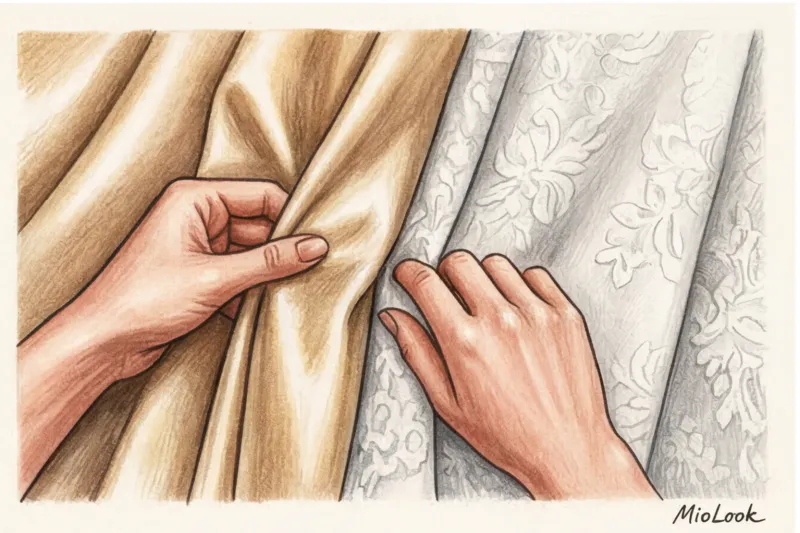
Buying a new dress with a perfect corset that won't dig into your ribs by the end of the evening for $500 is physically impossible. According to a 2024 WGSN analytical report, the cost of producing a high-quality hand-embroidered corset dress already exceeds that amount. However, renting a dress hides financial pitfalls that no one will tell you about right off the bat.
Hidden fees that salons keep quiet about
The price tag is just the beginning. Read the contract carefully, as the final cost can increase by a third due to associated expenses:
- Dry cleaning: Reputable salons include basic cleaning in the price. However, some studios delegate this responsibility to the bride, and professional dry cleaning of a dress with complex embellishments will cost between $100 and $250.
- Fines for damage: A dusty hem is normal wear and tear. A pin hole in a tulle train, a red wine stain, or a permanent self-tanner mark on the inside of a corset are all property damage, which is covered by your deposit.
- Fit: Tailoring services are often paid for separately.
If you want to delve deeper into how the texture of things affects the perception of status, I recommend reading our article on How to look expensive using the secrets of a prestigious wardrobe.
The main pitfall: dress architecture and fit
Now, about why renting a dress can be a disaster. There's a myth that any dress can be tailored to your body. This is a lie. As a stylist and designer, I must warn you: a rented dress will never fit as perfectly as one tailored to your measurements.
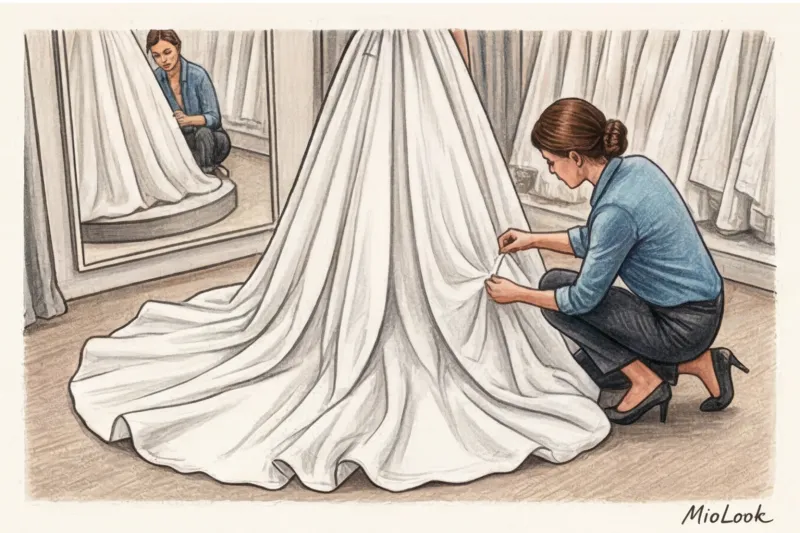
The main limitation of salons is that dresses are rented. you can't cut You can take it in with temporary stitches in the side seams (up to 1-2 sizes), but no one will allow you to trim off the excess hem. And herein lies the main problem with visual volume.
"If a dress pattern is designed for a height of 180 cm, and you're 160 cm, the tailor will simply fold in 20 centimeters of heavy fabric. This giant roll at the hem will create a "heavy cloud" effect, weighing down the bottom and visually making you look even shorter. The proportions will be hopelessly ruined."
Additionally, the waist dart should be positioned exactly at your natural curve. If the dress is too big, the waistline will drop down, disrupting your body's geometry.
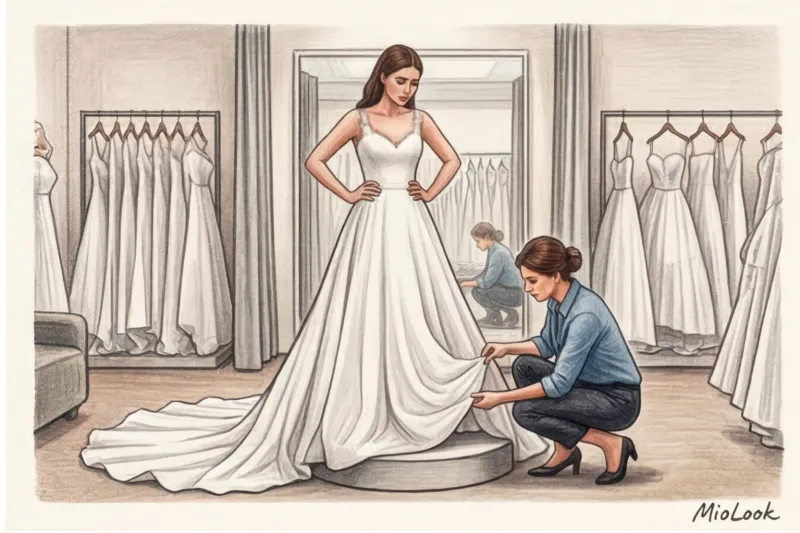
Who Should Avoid Renting Wedding Dresses?
As much as I love quality fabrics, I advise against renting in three cases:
- For girls with non-standard proportions. If you have a significant difference between your bust and waist measurements (for example, a D-cup bust with a 60 cm waist) or are shorter than 162 cm, renting a dress will be a hassle. A perfect fit won't be possible.
- For outdoor weddings. Forests, mountains, beaches, cliffs—the risk of tearing delicate tulle or staining the hem with oil or tar is 100%. You'll lose your deposit and spend the entire evening nervously tugging at your skirt.
- If you are squeamish. Salon statistics show that a dress is worn on average 3-5 times before being written off. No matter how well it's cleaned, it's still a piece of clothing with a history.
Your perfect look starts here
Join thousands of users who look flawless every day with MioLook. Create a capsule look for any occasion.
Get access — €0.99 onceThe benefits of renting: access to luxury and prestigious fabrics
If your figure fits the standard salon shape and your wedding is taking place in a restaurant, renting a dress offers its greatest advantage. You get access to the right support.
Cheap corsets are made with plastic whalebone, which bends in half when you try to sit down and digs into your stomach. Expensive designer corsets are created according to the principles of lingerie construction: they shape your posture, distribute the weight of a heavy skirt across your hips (not your shoulders), and allow you to breathe. One of my clients once rented a luxurious "cake dress," but because of the stiff, cheap corset (which she bought before working with us), she couldn't sit in it at the banquet. She had to quickly change into a silk slip. With premium dresses from a reputable rental store, such surprises don't happen.
It's also eco-friendly. Sustainable consumption has even reached the wedding industry. A dress that took dozens of meters of silk and hundreds of hours of handwork to create shouldn't end up in a dark closet after just one evening.
Alternatives to renting: what to buy if you're on a budget?
What should you do if you're 158 cm tall, on a tight budget, and can't stand the idea of looking cheap? My counterintuitive advice: skip the classic wedding dress altogether.
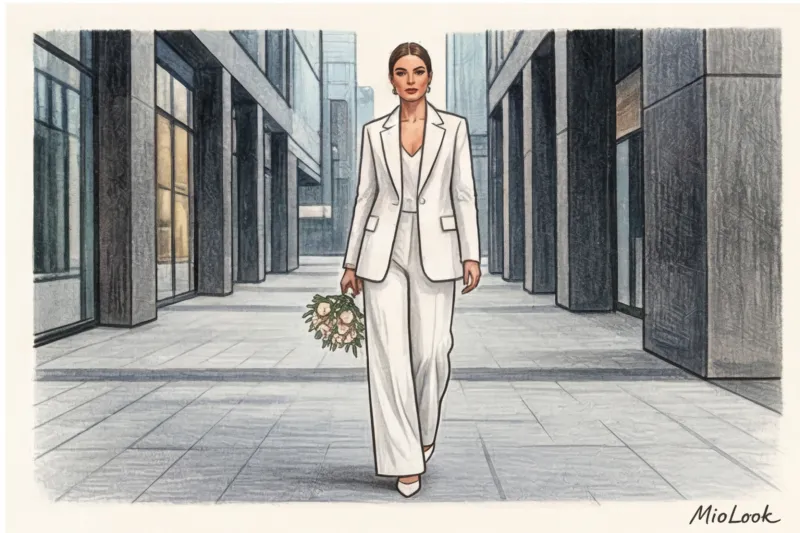
Instead of renting a dress that won't fit or buying a tulle nightmare, invest those $500 in a stunning white three-piece pantsuit. Choose a heavyweight suiting wool or viscose that holds its shape. Have it custom-made or buy one from a reputable brand (like COS or Massimo Dutti) and have it tailored to the millimeter.
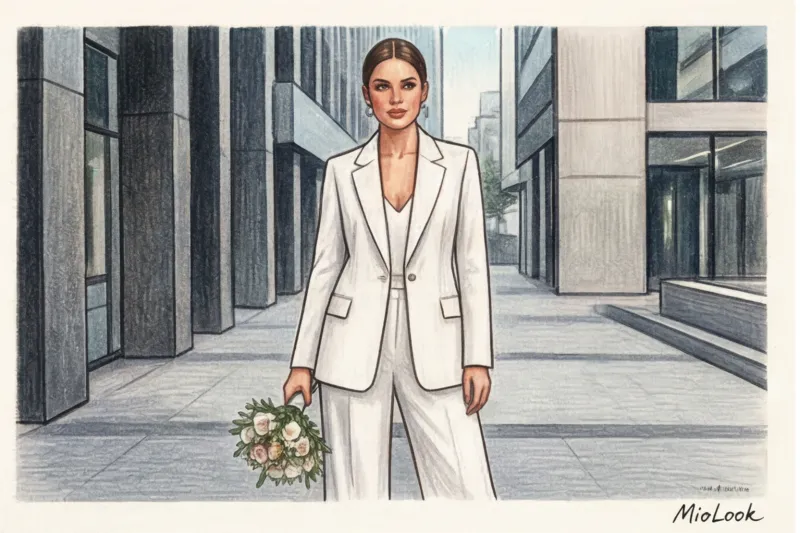
Firstly, it looks incredibly stylish and cinematic. For more information on how to choose the right cut, read our article about business style and accessories Secondly, you can break this outfit up: wear the jacket with jeans, and then wear the trousers to the office. Another great alternative is a minimalist slip dress made of thick, heavy silk (not lingerie, but dress silk), which can then be transformed into a luxurious evening gown.
A Stylist's Checklist: How to Rent a Wedding Dress
If you've weighed the pros and cons and decided to go with a rental, keep this algorithm in mind. These are the rules written on the tears and lost deposits of my clients:
- Inspection in daylight. Never evaluate the condition of a dress under yellow salon lighting. Ask to come to a window. Look for: yellow self-tanner stains on the inside of the bodice, snags in the silk (especially around the hips where brides rub against tables), and a gray, unwashable hem.
- Test drive in the fitting room. Don't stand there like a statue on the podium. Sit on a chair (the corset shouldn't be too tight). Raise your arms up as if you're embracing a tall groom (your sleeves shouldn't be flapping). Do a few dance steps.
- Hard photofixation. Before signing the acceptance certificate, take photos of every snag, every tiny stain, and every loose bead. Send these photos to the salon manager via messenger with the caption: "Condition of the dress upon receipt."
- Check the emergency rules. Ask directly: "What will happen if someone steps on my train and tears the tulle?" You need to know the cost of the risk before you put the ring on.
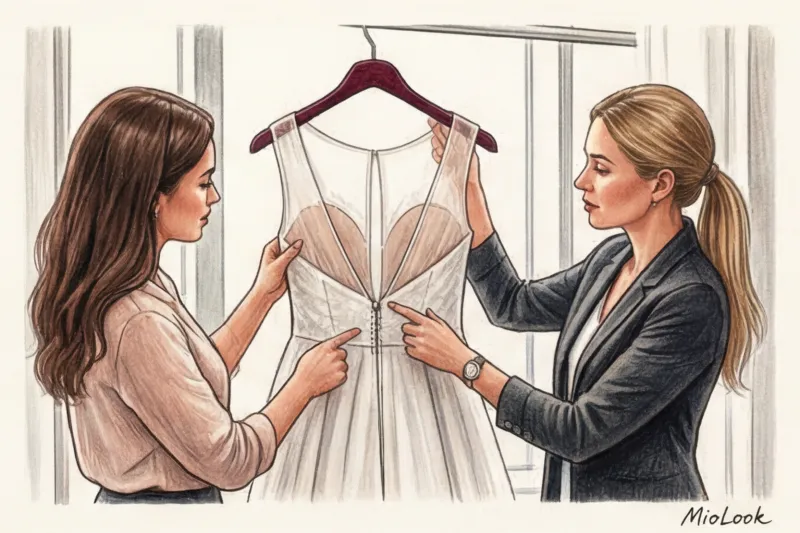
Renting a wedding dress is a great tool if you know how to use it. It gives you the opportunity to experience the fine art of tailoring without the need to take out a loan for a single day. But remember the most important rule of style: even the most expensive rented couture dress will look ridiculous if it doesn't fit your figure. Choose not the dress of your dreams, but the dress that makes you perfect.
Ready to get started?
Try MioLook's free plan—no commitments required. Upload your items and let the AI create stylish everyday outfits for you.
Get access — €0.99 once