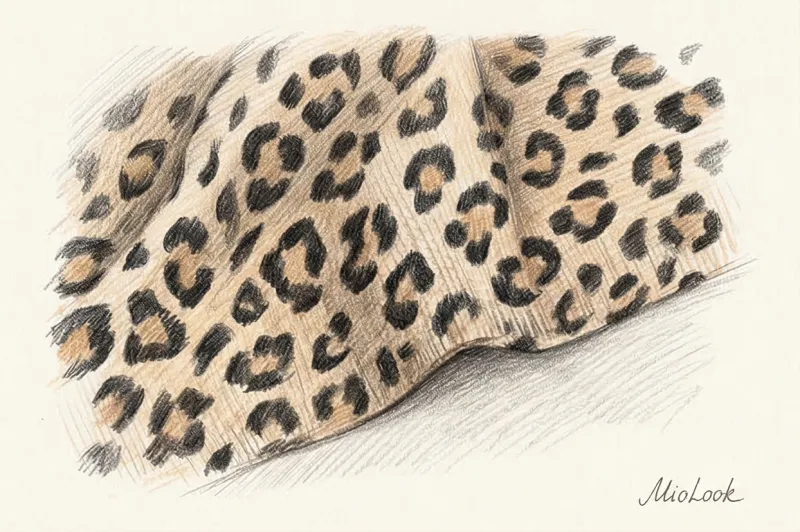
What is animal print?
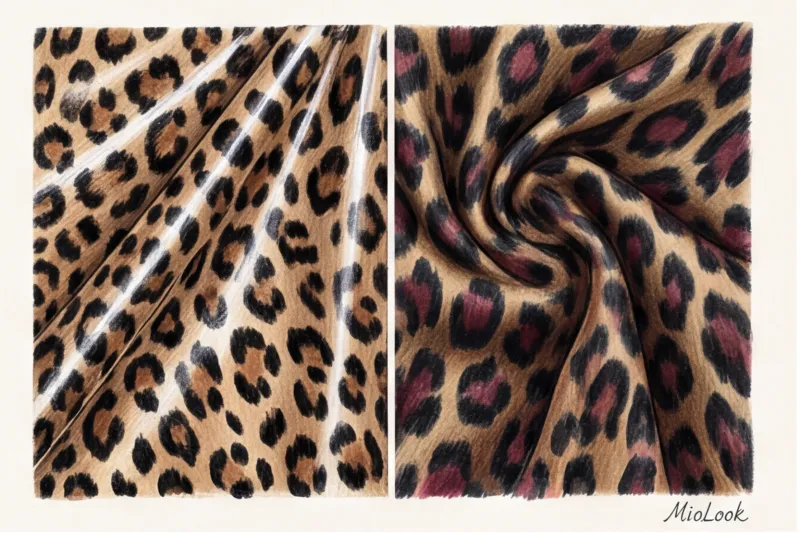
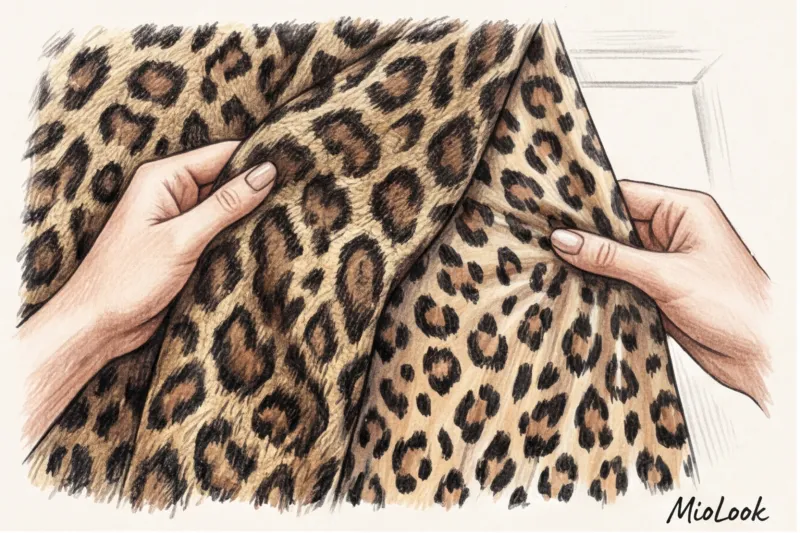
Animal print — is a pattern on fabric, leather or artificial materials that visually imitates the natural color of the skin, wool or shell of animals.
Historically, the use of natural hides was a symbol of high status. In the mid-20th century, thanks in large part to Christian Dior's 1947 collections, the pattern migrated to textiles and became an affordable decorative element.
The print can replicate the animal's natural colors, such as a classic brown-beige palette, or use imaginative, unnatural shades such as neon or pastel tones, while maintaining a recognizable biological pattern.
Main types
In clothing and accessory design, there are several basic categories of animal patterns, differing in rhythm and color scheme.
- Leopard and cheetah: Classic spotted patterns with rosettes or solid spots, traditionally done in warm sand and black tones.
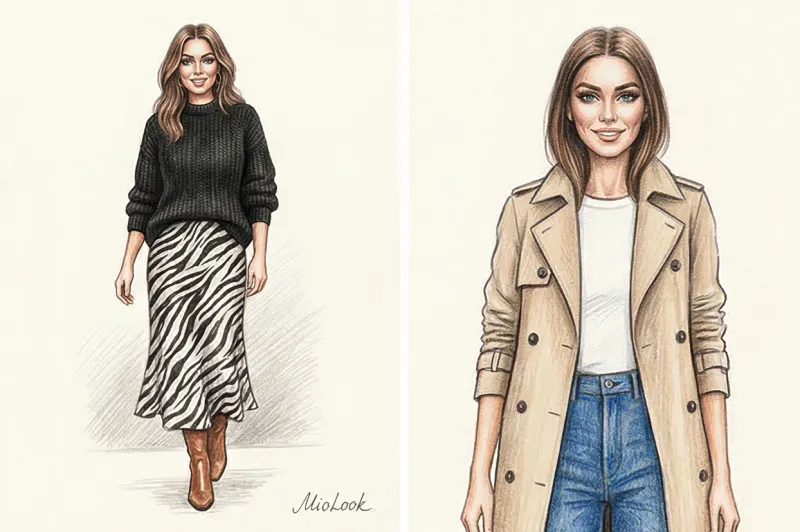
- Zebra and tiger: Contrasting striped patterns create a highly graphic and dynamic look. These include black and white zebra, as well as black and orange or black and beige tiger.
- Reptile (snake, crocodile): Imitation python scales or crocodile skin texture. Often accompanied not only by a visual pattern but also by embossed relief on the material.
- Cow and tortoiseshell: Patterns with large, smooth spots. Cow print is more often used in casual clothing, while translucent tortoiseshell is used in accessories such as eyeglass frames, buttons, and hairpins.
How to wear
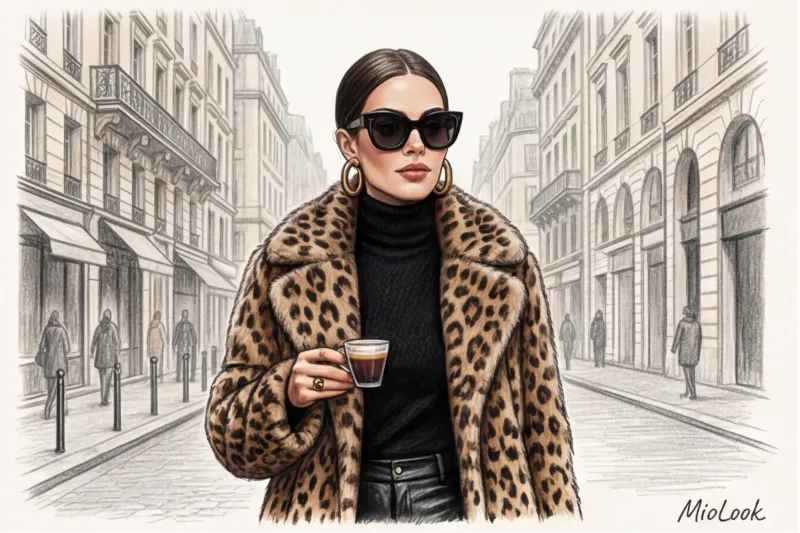
The safest styling involves wearing just one animal-print item paired with a neutral base. For example, a leopard-print midi skirt paired with a black turtleneck or white shirt.
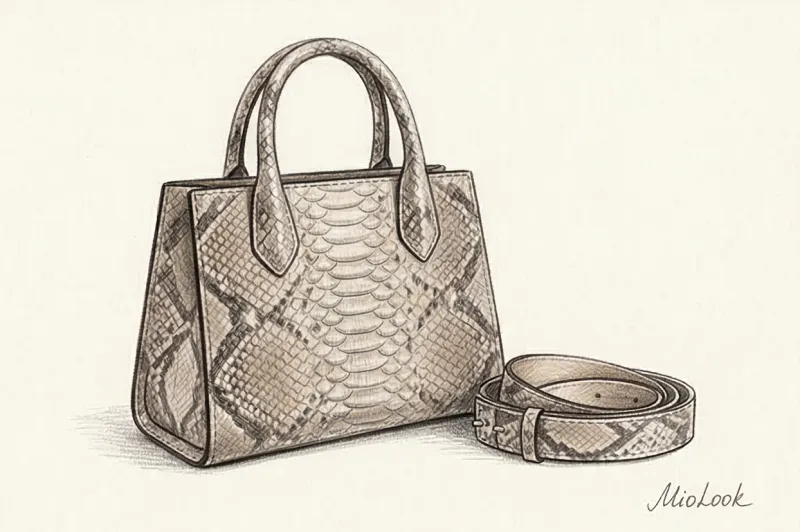
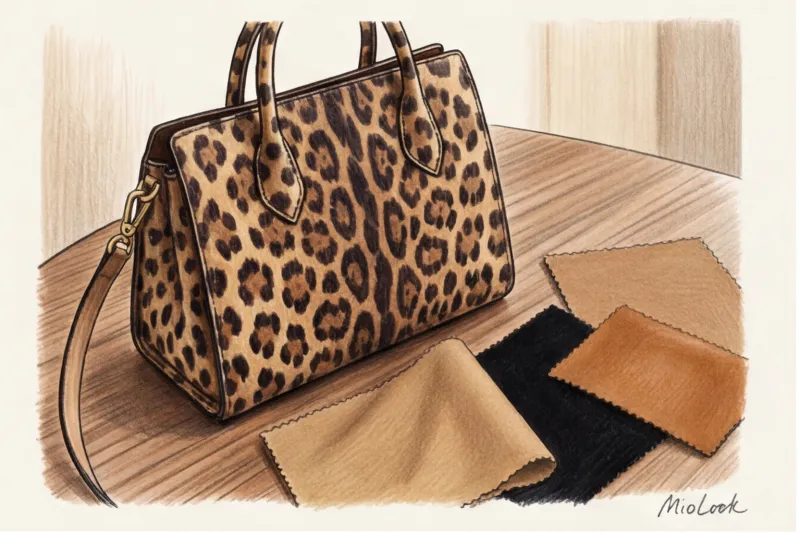
For a simple or minimalist wardrobe, the print is introduced locally through accessories. These could be snake-print pumps, a structured bag, a belt, or a silk scarf.
Animal prints look harmonious when paired with dense, matte materials. Blue denim, smooth leather, and suit wool visually calm the vibrant pattern and tone down its provocativeness.
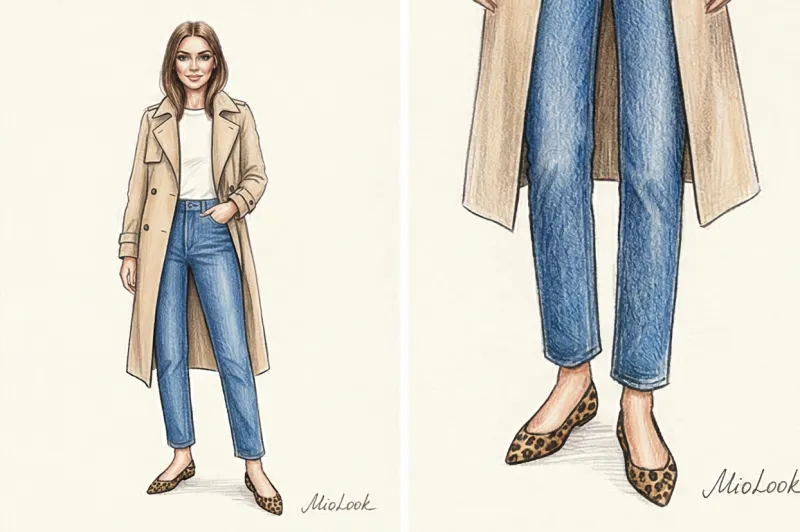
Animal prints are easy to combine with shades already present in the design: beige, brown, or black. Deep, contrasting colors, such as emerald or burgundy, can also be used to create a complex, layered look.