Почему «чистые» стили в одежде для женщин больше не работают
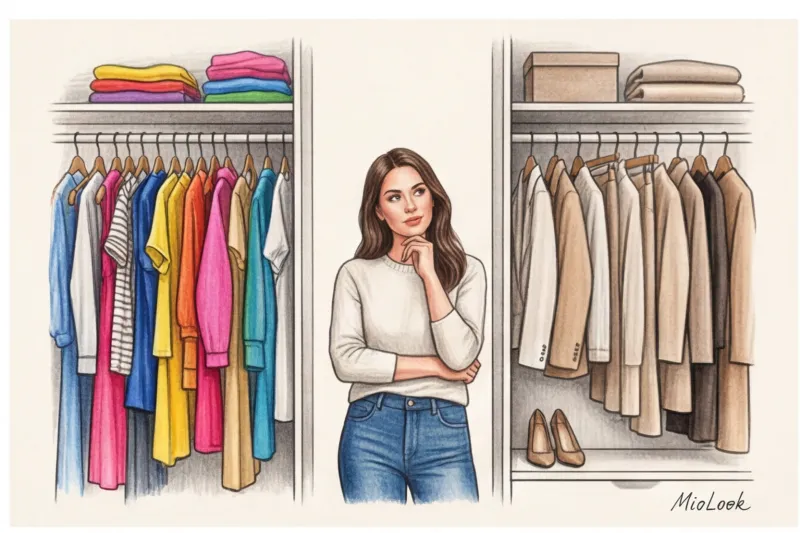
Помните эти глянцевые тесты из нулевых: «Пройди опрос и узнай свой стиль»? В конце вас ждал безапелляционный вердикт: вы — строгая классика, неисправимый романтик или богемная дива. Спойлер: сегодня этот подход безнадежно устарел. Пытаясь загнать себя в рамки шаблонов двадцатилетней давности и выбирая стили в одежде для женщин по принципу «или-или», мы сами провоцируем у себя ежедневный стресс.
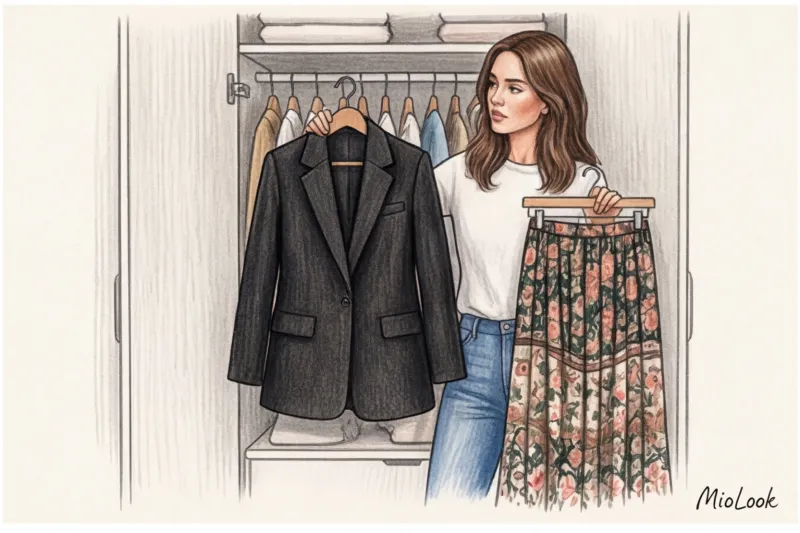
За 12 лет работы со шкафами клиенток я собрала четкую статистику. Женщины, которые пытаются выдержать 100% один «чистый» стиль (например, покупать исключительно вещи-сафари или только минимализм), в четыре раза чаще страдают от проблемы «полный шкаф, а надеть нечего». Это и есть классическое гардеробное выгорание. Представьте: вы решили, что ваша эстетика — это строгая классика. Вы инвестируете 400 € в идеальный структурированный костюм, покупаете жесткие лодочки и держите марку. Но ваша реальная жизнь состоит из поездок за рулем, работы за ноутбуком в любимой кофейне и прогулок. В итоге дорогой классический гардероб висит в шкафу как музейная экспозиция, а вы каждый день в спешке натягиваете одни и те же джинсы, чувствуя вину за потраченные деньги.
Одеваться в одном стиле с головы до ног — это современный моветон. Такой подход выглядит так, словно вы сняли образ с манекена в магазине, не добавив в него ни капли собственной личности. Настоящий стиль всегда рождается на стыке эстетик.
Переломный момент случился в 2020 году. Пандемия и массовый переход на удаленку навсегда изменили женский гардероб, безжалостно стерев границы между направлениями. По данным глобального исследования McKinsey (2023), гибридный формат жизни привел к тому, что потребители больше не хотят выбирать между формальностью и комфортом — они требуют и того, и другого одновременно. Мы научились сидеть на зум-коллах в строгих мужских пиджаках и трикотажных джоггерах, и этот уровень свободы мы уже никому не отдадим.
Чистая классика, театральная драма или бескомпромиссный гранж в повседневной городской среде теперь выглядят как костюмы для Хэллоуина. На смену типологиям пришла концепция Стилевого ДНК. Это не один стиль, а ваша персональная комбинация из двух-трех направлений, которая отражает ваш реальный, а не выдуманный образ жизни.
Как сформировать свое Стилевое ДНК: Ядро и Акценты
Чтобы ваш стилевой микс работал на вас, а не против вас, нужно правильно распределить пропорции. Забудьте о хаотичном шопинге — используйте структурный подход.
Первая и главная зона — это ваше стилевое Ядро. Оно должно занимать уверенные 70–80% шкафа. Ядро — это фундаментальная база, которая полностью закрывает вашу ежедневную рутину (работа, быт, прогулки). Для большинства современных женщин идеальным ядром становится Smart Casual, нормкор или комфортный минимализм. Здесь работают беспроигрышные многослойные формулы. Если вы сомневаетесь, с чего начать сборку базы, изучите, что надеть поверх белой рубашки или с чем носить водолазку — эти приемы создают тот самый комфортный каркас гардероба на каждый день.
Оставшиеся 20–30% — это стили-Акценты. Та самая модная «приправа», которая спасает образы от скуки и добавляет им характер. Акценты мы выбираем не для рутины, а «для души», свиданий или отпуска. Правило простое: ядро дает уместность, а акценты отвечают за эмоции. Вот как это выглядит на практике:
- Smart Casual (80%) + Драма (20%): строгий офисный лук вы дополняете дерзким леопардовым принтом через акцентные туфли-слингбэки.
- Минимализм (70%) + Бохо (30%): простые джинсы и футболка сочетаются с объемной замшевой сумкой с бахромой.
- Нормкор (80%) + Романтика (20%): комфортные кроссовки и худи надеваются поверх шелковой юбки-слип.
Звучит логично, но как объективно оценить, что является вашим ядром прямо сейчас? Человеческий мозг склонен к самообману. Когда я впервые решила проанализировать свои привычки, меня ждал шок: я была уверена, что я адепт парижского шика, но анализ показал, что 85% времени я ношу расслабленный скандинавский минимализм. Чтобы найти свое истинное Стилевое ДНК, нужно начать вести дневник нарядов (outfit tracking).
Не полагайтесь на память — делегируйте это технологиям. Сделайте фотографии своих вещей и загрузите их в «умный гардероб» MioLook. Отмечайте в приложении образы, которые вы надеваете каждый день, на протяжении хотя бы одного месяца. Сухая статистика честно покажет: вот эти 15 базовых вещей составляют ваше реальное ядро, а то летящее платье в стиле бохо за 150 €, которое вы так любите разглядывать на вешалке, вы не надели ни разу. Опираясь на данные, а не на фантазии, вы навсегда закроете вопрос «что надеть».
Классический стиль одежды: От строгости к Тихой роскоши
Недавно мы разбирали гардероб финансового директора крупной IT-компании. Из сорока вешалок с приталенными костюмами и строгими платьями-футлярами она регулярно надевала лишь пять вещей. Остальное висело мертвым грузом. Почему? Потому что традиционная классика (Business Formal) в её первозданном виде — с жесткими воротничками, наглухо застегнутыми жакетами и обязательными колготками даже в жару — сегодня стала узкой нишей. Теперь это униформа для залов суда, консервативного банковского сектора и дипломатических протоколов, а не основа повседневного гардероба.
Современные стили в одежде для женщин стремительно адаптируются к нашему ритму жизни. Мы больше не готовы терпеть дискомфорт ради статусного внешнего вида. Именно поэтому строгий офисный дресс-код органично эволюционировал в Smart Casual — расслабленную классику, которая позволяет дышать свободно и не сковывает движений.
Чтобы «расслабить» строгий костюм, достаточно изменить всего одну-две детали. Замените накрахмаленную сорочку на качественную базовую футболку из плотного хлопка или тонкий кашемировый джемпер. Вместо жестких лодочек на шпильке добавьте кожаные лоферы или минималистичные кеды. Разбейте костюмную пару: носите структурированный жакет с прямыми джинсами без потертостей, а костюмные брюки со стрелками — с объемным свитером крупной вязки. Такой подход мгновенно снижает градус формальности, сохраняя при этом профессиональный и собранный вектор.
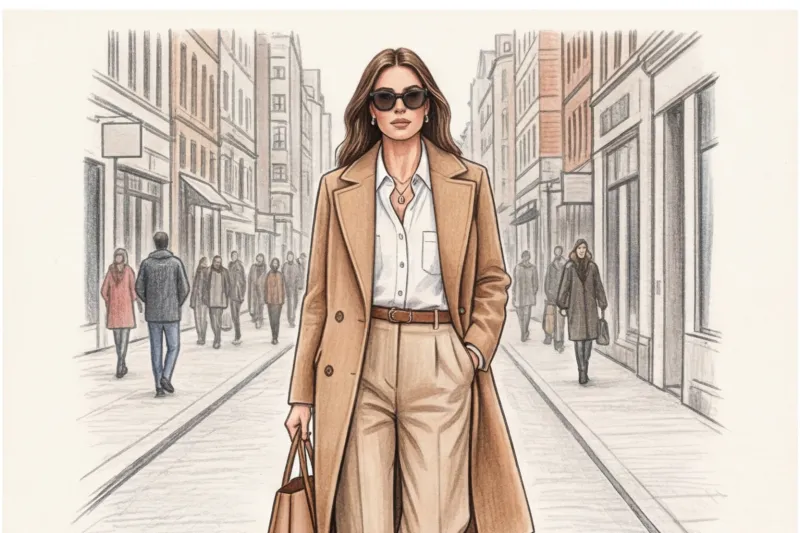
Если говорить о глобальных макротрендах 2024-2025 годов, то абсолютным триумфатором классического направления стали минимализм и эстетика Quiet Luxury («Тихая роскошь»). Согласно данным авторитетного индекса The Lyst Index, который ежеквартально анализирует поисковые запросы и покупки миллионов пользователей, спрос на лаконичные вещи без логотипов вырос экспоненциально. Бренды уровня The Row и Khaite задали тон, а масс-маркет премиум-сегмента (например, COS и Massimo Dutti) успешно подхватил инициативу, доказав, что элегантность не должна кричать о себе.
Инсайдерский совет от стилиста: в минимализме и современной классике всё решает плотность ткани. Это главный секрет, который отличает дорогой образ от неряшливого.
Тонкие, хлипкие материалы, которые не держат форму, моментально удешевляют любой крой. Если вы покупаете базовую рубашку, она должна стоять «колом», формируя четкий силуэт. Жакет из плотной, формоустойчивой шерсти за 150 € всегда будет смотреться статуснее и элегантнее, чем бесформенный блейзер из тонкой вискозы за 500 €, который собирается неопрятными складками на спине и локтях. Ищите на бирках плотный хлопок, габардин, тяжелый шелк и структурированную шерсть.
Доступ к MioLook за €0,99 — разовый платёж
Умный AI-стилист подберёт идеальный образ
Открыть доступ — €0,99 разовоКому подходит современная классика и как ее носить
Эстетика «Тихой роскоши» и расслабленного минимализма — это мощный визуальный инструмент для экспертов, руководителей и всех, кто осознанно выстраивает личный бренд. Если ваша задача — транслировать компетентность, надежность и спокойную уверенность без лишних слов, современная классика должна стать ядром вашего гардероба.
Чтобы этот стиль работал на вас, придерживайтесь трех ключевых маркеров при выборе вещей:
- Структурированный крой. Вещи должны создавать геометрически правильный силуэт. Плечевая линия жакета или двубортного пальто обязана быть безупречной, а брюки — иметь идеальную посадку на талии, скрывая нюансы фигуры.
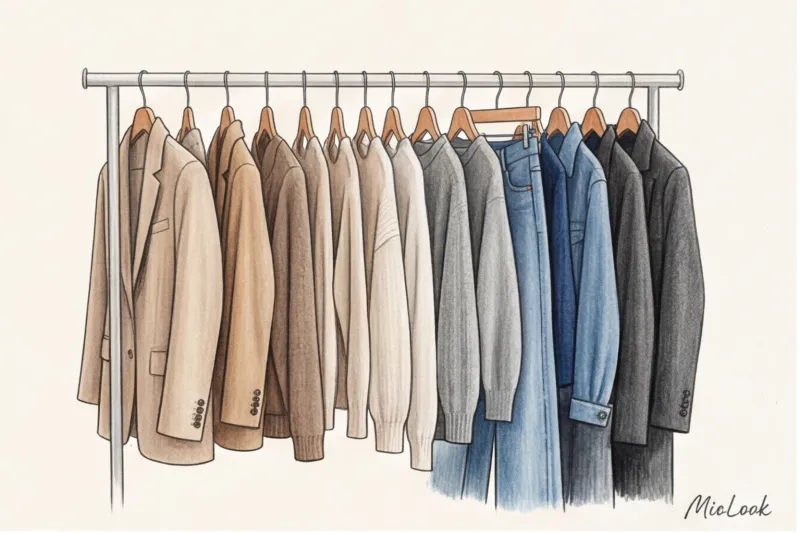
- Благородная нейтральная палитра. Откажитесь от кричащих неоновых вспышек. Ваша база — это оттенки camel (верблюжья шерсть), глубокий темно-синий (navy), графитовый серый, цвет слоновой кости (ivory) и горький шоколад. Эти цвета безупречно комбинируются между собой, позволяя собирать дорогие монохромные образы за пару минут.
- Полное отсутствие логотипов. Никаких кричащих надписей и пряжек с инициалами брендов. Настоящий статус демонстрируется через идеальную посадку по фигуре, дорогой матовый блеск ткани и качественную, но незаметную фурнитуру.
Когда ваш шкаф построен на этих принципах, проблема «нечего надеть» исчезает сама собой. Вещи в стиле современной классики феноменально легко комбинируются, превращая процесс сборов из утреннего стресса в приятный ритуал.
Кэжуал (Casual) и его гибриды: Главная база современного гардероба
А вы замечали, что слово «кэжуал» часто используют как удобное оправдание для ленивых образов? Многие думают, что это просто старые джинсы и растянутая футболка с логотипом любимой группы. На деле, настоящий повседневный стиль требует не меньше продуманности, чем деловой дресс-код. Современный кэжуал — это тот самый фундамент, на котором строятся базовые стили в одежде для женщин. Его суть не в небрежности, а в продуманной утилитарности: вещи должны работать на вас, не сковывая движений, но при этом сохраняя четкий, архитектурный силуэт. Хороший, дорогой кэжуал-образ собирается из плотного японского денима, качественного гладкого трикотажа и грамотно выстроенной многослойности.
Одна из моих клиенток-фрилансеров, старший UX-дизайнер, столкнулась с классической ловушкой удаленки. Год проработав из дома в пижамах и бесформенных хлопковых трениках, она призналась: «Я физически чувствую себя разобранной, моя продуктивность падает, а выйти за кофе в обед — это целая проблема». Мы не стали наряжать ее в жесткие пиджаки для домашних созвонов. Вместо этого мы «окультурили» ее расслабленный гардероб. Заменили тонкий, теряющий форму меланж на плотные структурированные худи (в среднем ценовом сегменте 80–120 €), добавили мягкие брюки-палаццо из смесовой шерсти и кашемировые кардиганы. Этот комфортный, но визуально собранный кэжуал моментально вернул ей профессиональный настрой даже на собственной кухне.
Секрет премиального повседневного гардероба — в фактурах. Замените тонкую футболку на модель из плотного хлопка пике, а мягкие треники на джоггеры из плотного футера — и ваш образ моментально перейдет из категории «домашний» в категорию «городской шик».
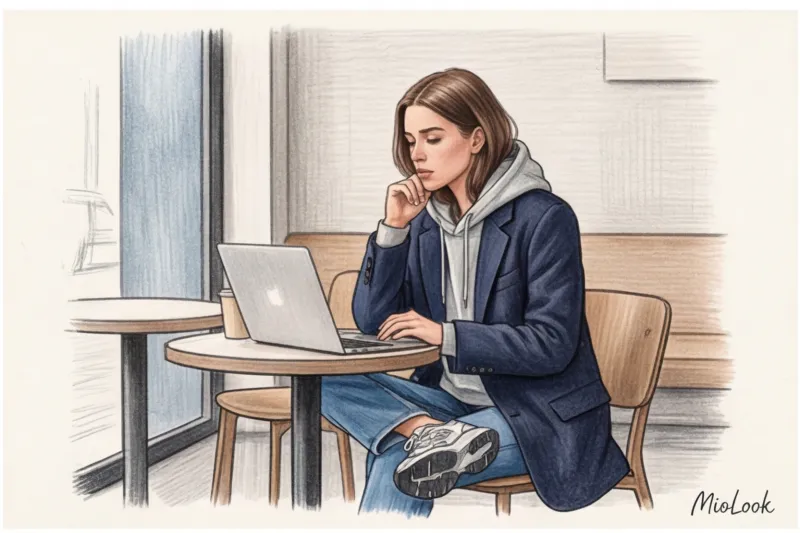
Из потребности совмещать комфорт и динамику городской жизни логичным образом родился Спорт-шик (Sport-chic). Но не обольщайтесь: это совершенно не значит пойти на бранч в экипировке, в которой вы только что занимались пилатесом. Секрет грамотного спорт-шика кроется в столкновении полярных контекстов. Искусство заключается в том, чтобы надеть объемное спортивное худи под строгий структурированный жакет с подчеркнутой линией плеча. Или скомбинировать плотные трикотажные джоггеры с изящными классическими лодочками и винтажным тренчем. По данным аналитического агентства WGSN (2024), именно гибридные сочетания, где спорт балансируется строгой геометрией, сейчас доминируют в гардеробах жительниц мегаполисов.
Если спорт-шик активно играет на контрастах, то Нормкор (Normcore) — это осознанный, почти философский отказ от модной гонки. Это идеальное направление для тех, кто устал от бесконечного цикла микротрендов. Нормкор пропагандирует гипер-комфорт и визуальную анонимность: прямые «папины» джинсы без малейших потертостей, базовые серые свитшоты, ортопедические кроссовки (вспомните классику вроде New Balance 990). Никаких кричащих логотипов, сложного кроя или ярких принтов. Суть нормкора в том, чтобы выглядеть так, словно вы вообще не тратили время на выбор одежды, хотя на самом деле на вас надет безупречно скроенный свитер из переработанного кашемира за 350 €.
Внедряя расслабленные спортивные элементы в свой шкаф, очень легко потерять контроль и скатиться в визуальный хаос, где вещи для йоги хаотично перемешиваются с офисным гардеробом. Чтобы держать баланс, я всегда рекомендую жестко разделять капсулы цифровыми инструментами. Используйте умный гардероб MioLook, чтобы создавать отдельные мудборды для спорт-шика и нормкора, отслеживая, не слишком ли много «расслабленности» в вашем шкафу. Попробуйте прямо сегодня: возьмите одну самую удобную спортивную вещь из вашего арсенала и скомбинируйте ее с тремя строгими (пиджак, классическое пальто, кожаные ботильоны) — вы увидите, как работает стилистическая магия контрастов.
Романтический и Драматический стили: Искусство дозировать эмоции
А вы знали, что наш мозг буквально «считывает» эмоции с одежды, которую мы надеваем? Долгое время считалось, что мода влияет только на внешнее восприятие, однако наука доказала обратное. Если базовая классика и минимализм — это надежный функциональный каркас нашего гардероба, то романтический и драматический стили — это чистые эмоции и мощный инструмент управления собственным настроением.
Согласно масштабным исследованиям в области Fashion Psychology, проведенным в Университете Хартфордшира (2012), одежда с ярко выраженной эмоциональной окраской способна физиологически повышать уровень дофамина. Это явление получило название Dopamine dressing (дофаминовый гардероб).
Dopamine dressing — это не просто красивый хэштег из соцсетей, а научно обоснованный способ использования вещей как терапии. Выбирая сложную фактуру, смелый крой или контрастный принт, вы отправляете прямой сигнал своей нервной системе. Устали от серых будней? Достаточно надеть блузу с викторианским воротником или жакет из плотной кожи, чтобы мозг считал это как выход за рамки рутины и выдал порцию гормонов радости.
В моей практике каждая вторая клиентка признается, что панически боится романтического стиля, ассоциируя его исключительно с платьями принцесс и наивностью. Но современная романтика — это не про инфантильность. Это про роскошную женственность, которая звучит уверенно, а не жалобно. Секрет того, как носить рюши, кружево и цветочный принт, не выглядя при этом как фарфоровая кукла, кроется в правильном «заземлении» фактур и палитры.
Во-первых, откажитесь от откровенно синтетических тканей, которые всегда дешевят образ. Выбирайте плотный хлопок, качественную вискозу или матовый шелк (базовая шелковая блуза достойного качества сегодня обойдется в диапазоне 150–300 €). Во-вторых, вместо леденцовых оттенков отдавайте предпочтение сложной гамме: припыленная роза, глубокий винный, изумрудный, горький шоколад. И главное: если вы надеваете топ с активными воланами, просто уравновесьте его жестким прямым денимом или мужскими брюками-палаццо.
На противоположном стилевом полюсе находится современный драматический стиль. Забудьте о театральном гротеске, обилии шипов и избыточном макияже из нулевых. Сегодняшняя драма в одежде — это статусная агрессия, строгий минимализм и четко выверенная дистанция.
Этот стиль строится на трех китах: жесткая геометрия кроя, максимальные контрасты (например, кипенно-белый в сочетании с угольно-черным или глубоким алым) и выразительные фактуры, в первую очередь — кожа. Как отмечает историк моды Валери Стил, кожаные элементы в женском гардеробе давно перестали быть символом субкультур, превратившись в маркер власти и контроля. Драма — идеальный выбор для дней, когда вам нужна визуальная броня. Асимметричный крой, пальто-макси прямого силуэта или жакет с гипертрофированными плечами в духе архивного Saint Laurent моментально собирают фигуру, транслируя окружающим непреклонность.
Как внедрить драму и романтику в рабочий гардероб
Многим кажется, что яркие эмоции неуместны в деловой среде. Действительно, прийти на утреннюю планерку или важные переговоры в полупрозрачном кружеве с ног до головы или в агрессивном тотал-коже — решение, мягко говоря, спорное. Однако стили в одежде для женщин не должны существовать изолированно от вашей карьеры.
Чтобы гармонично вписать эти акцентные направления в повседневную офисную рутину, я всегда рекомендую использовать «правило одной вещи». Суть предельно проста: вы берете абсолютно спокойную, нейтральную базу и добавляете ровно один элемент с максимальным градусом стилистической выразительности.
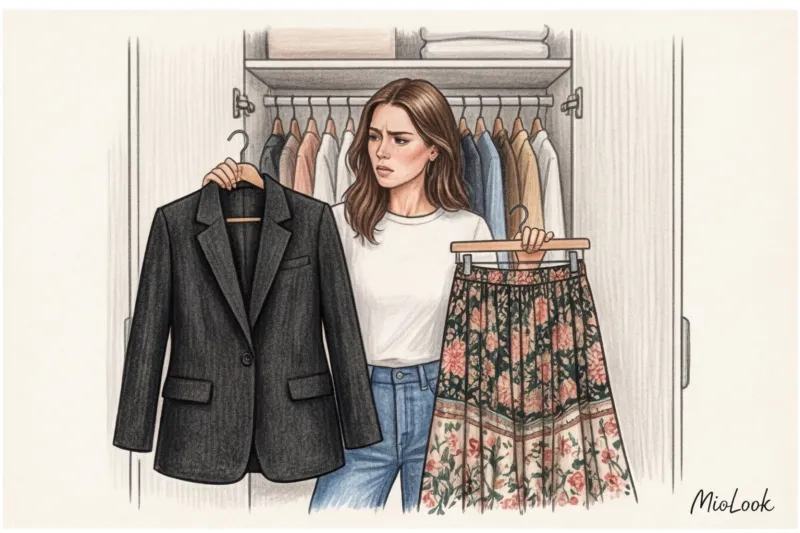
Хотите добавить уверенности перед важной презентацией? Драматичный жакет с острыми лацканами и четко очерченной линией плеч гениально сработает в паре с базовыми прямыми джинсами (если позволяет дресс-код) и классической белой футболкой. Образ останется понятным, но приобретет стальной стержень.
Аналогичный подход спасает и романтику. Романтичная блуза из натурального шелка с деликатным бантом или тонкой кружевной отделкой будет выглядеть не слащаво, а подчеркнуто статусно, если надеть ее под строгий костюм мужского кроя из плотной шерсти. Эта игра на контрасте «мужское-женское» всегда выглядит дорого и профессионально.
Кстати, объективно оценить, не переборщили ли вы с акцентами, помогает функция умного гардероба в MioLook. Сохраняя свои образы в приложении, вы сможете проанализировать статистику: сколько процентов в вашей капсуле занимает строгая база, а сколько — те самые «дофаминовые» вещи, которые делают ваш стиль узнаваемым.
Доступ к MioLook за €0,99 — разовый платёж
Начните создавать идеальные образы с помощью искусственного интеллекта и управляйте своим гардеробом без стилистических ошибок.
Открыть доступ — €0,99 разовоСтили-акценты: Этнический, Бохо, Гранж и Сафари
Давайте начнем с математики гардероба. На моей практике стилиста, когда мы с клиентками анализируем показатель CPW (Cost Per Wear — стоимость одного выхода вещи), всегда всплывает жесткая закономерность. Дорогие базовые предметы окупают себя за сезон: их CPW стремится к нулю, так как мы надеваем их по 50–70 раз в год. А вот вещи с яркой, акцентной стилистикой чаще всего «выгуливаются» от силы 4–6 раз. Вывод? Инвестировать 300–400 € в идеальную базовую капсулу — это рационально. Тратить те же 400 € на аутентичное этническое платье, которое пригодится только для фотосессии в отпуске — финансовая ошибка.
Стили-акценты редко работают как 100% база в городской среде. Во-первых, из-за неуместности: даже самый расслабленный офисный дресс-код плохо переносит обилие замшевой бахромы или рваного денима на утренней планерке. Во-вторых, из-за сложности ухода. Натуральная замша, многослойный шифон, сложная вышивка и кружево требуют химчистки или деликатной ручной стирки. Именно поэтому я всегда учу клиенток: собирайте ядро гардероба из износостойких плотных тканей, а акцентные вещи добирайте в винтажных магазинах или более демократичном сегменте (в диапазоне 40–80 €).
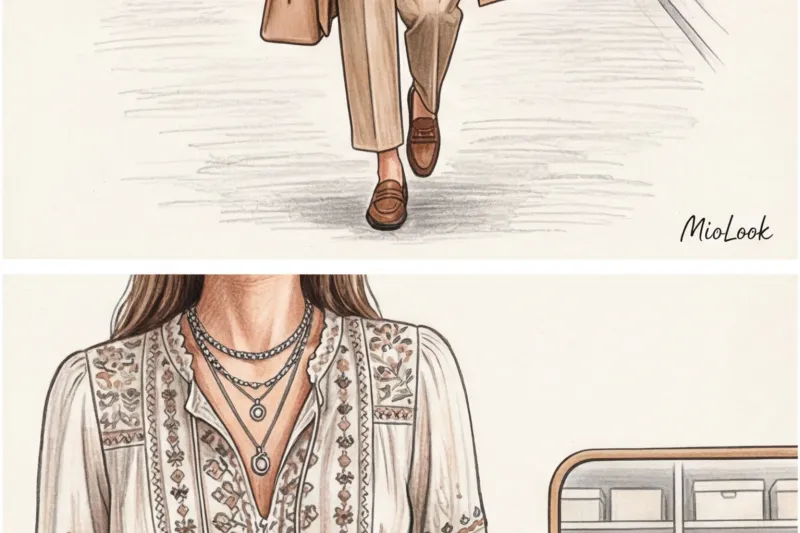
Среди акцентных направлений сейчас доминируют три большие группы. Первая — Бохо-шик (Boho-chic), переживающий мощный ренессанс. После громкой дебютной коллекции Чемены Камали для Chloé весной 2024 года, возвращение стиля 70-х стало фактом. Современный бохо — это не театральные цыганские юбки. Это игра на полутонах: куртки из рыжей замши, сумки с бахромой, летящие полупрозрачные блузы и сложная многослойность. Чтобы не выглядеть так, словно вы заблудились по пути на фестиваль Коачелла, интегрируйте бохо-детали в строгий городской деним.
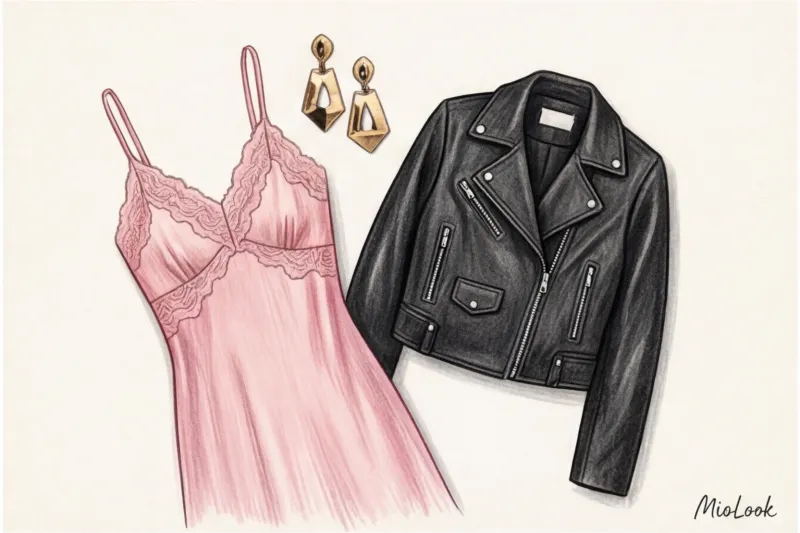
Противоположный полюс — Гранж (Grunge). Если бохо транслирует расслабленность, то гранж — это контролируемая небрежность и визуальный протест. Как завещал Марк Джейкобс в своей культовой коллекции 1993 года, суть не в том, чтобы выглядеть неопрятно, а в продуманном разрушении идеальной картинки. Это рваные фактуры, искусственно состаренный трикотаж, фланелевые рубашки и неизменно грубая обувь. Мой любимый стилистический прием: столкновение фактур, когда объемная гранжевая косуха надевается поверх гладкого шелкового платья-комбинации.
Третья группа — Сафари и милитари. Ив Сен-Лоран легализовал сафари еще в 1968 году, превратив его в эталон утилитарного шика. Это идеальный выбор для тех, кто хочет усложнить повседневный образ, избегая при этом как романтики, так и агрессии. Ключевые маркеры: утилитарность, накладные карманы-карго, эполеты, плотный хлопок и узнаваемая песочно-оливковая гамма (хаки, терракота, кэмел). Платье-рубашка в стиле сафари с широким кожаным ремнем — гениальная инвестиция в летний городской гардероб, когда в жакете душно, а в простой майке некомфортно.
Я настоятельно рекомендую использовать оцифровку, чтобы не перегрузить шкаф такими вещами. Добавьте свои покупки в виртуальный гардероб MioLook и начните собирать статистику сочетаний. Вы быстро поймете, что одной качественной куртки-косухи или одной замшевой сумки вполне достаточно, чтобы закрыть потребность в акцентах на пару лет вперед.
Микро-эстетики из соцсетей: Стоит ли менять стиль ради трендов?
Сколько раз за последний год алгоритмы убеждали вас полностью сменить гардероб? Каждые три недели лента выдает новую вирусную картинку, заставляя сомневаться в содержимом собственного шкафа. Однако по данным аналитического агентства WGSN за 2024 год, жизненный цикл таких микро-трендов сократился до трех месяцев. Здесь кроется фундаментальная разница: глобальный стиль (Core) — это ваш архитектурный каркас, а микро-эстетика (Aesthetic) — это всего лишь временный визуальный фильтр. Пытаться выстроить базу на основе короткого видео — все равно что строить дом из бумажных обоев: ярко, но недолговечно.
Давайте препарируем самые популярные феномены, которые сейчас правят бал на экранах смартфонов:
- Old Money («старые деньги»): Имитация наследственного богатства через бежевые оттенки, поло и лоферы. Ловушка этой эстетики в том, что настоящая тихая роскошь требует безупречного качества и начинается в диапазоне 800–1500 € за кашемировый свитер. Полиэстеровые масс-маркет версии быстро покрываются катышками, разрушая саму идею статуса.
- Coquette («кокетка»): Триумф инфантильности, пастельных оттенков, шелковых лент и кружевных гольфов. Отличный выбор для тематической вечеринки или отпуска, но абсолютно нежизнеспособная концепция, если завтра у вас сложная презентация перед инвесторами.
- Mob Wife («жена мафиози»): Агрессивный, громкий протест против минимализма. В основе — винтажный мех, леопардовый принт, красная помада и массивное золото в духе 80-х.
- Office Siren («офисная сирена»): Переосмысление корпоративного дресс-кода эпохи нулевых. Приталенные рубашки, узкие юбки-карандаши и прямоугольные очки a-la Miu Miu, которые превращают скучный офис в подиум.
Мой инсайдерский подход как практикующего стилиста: к TikTok-трендам нужно относиться исключительно как к «приправам», а не как к основному блюду. Вы же не станете есть ложку чистой соли или корицы на ужин? Точно так же нельзя собирать стопроцентный тотал-лук в одной эстетике, если вы не хотите выглядеть как аниматор.
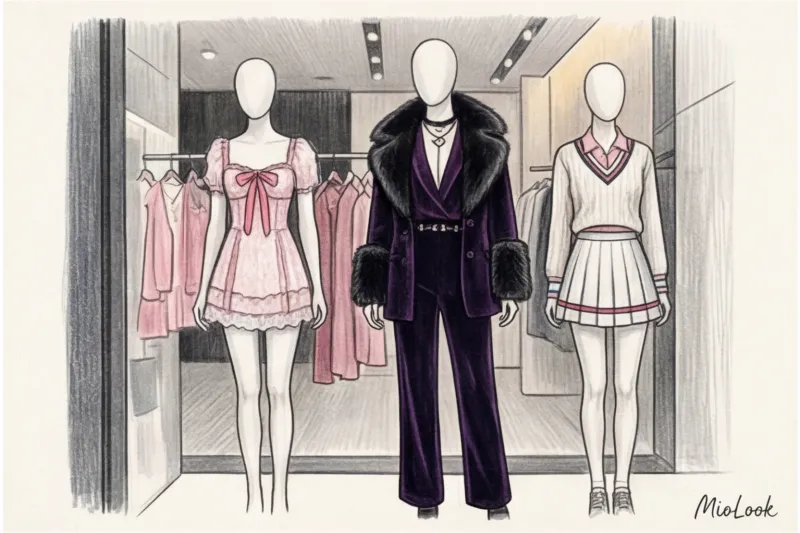
Секрет безопасной адаптации — интеграция через аксессуары и единичные акценты, которая не бьет по кошельку. Хотите примерить образ Office Siren? Вам не нужен новый деловой гардероб — достаточно купить характерные очки в тонкой оправе за 30–50 € и надеть их с вашей привычной базовой блузой. Хочется драмы Mob Wife? Повяжите леопардовый шелковый платок на ручку вашей строгой кожаной сумки.
Прежде чем поддаваться импульсу и заказывать вещи-однодневки, я настоятельно советую зайти в функцию «умный гардероб» в MioLook. Попробуйте виртуально скрестить трендовую деталь с тем, что у вас уже есть. Если розовый бант в стиле Coquette не мэтчится как минимум с тремя повседневными образами на экране вашего телефона — смело закрывайте корзину. Тренды проходят, а грамотно собранная база остается с вами навсегда.
Ваш идеальный образ
начинается здесь
Присоединяйтесь к тысячам пользователей, которые каждый день выглядят безупречно с MioLook.
Открыть доступ — €0,99 разовоФормула 80/20: Как смешивать стили одежды без ошибок
Задумывались ли вы, почему комплект, потрясающе выглядящий на манекене в витрине бутика или в Pinterest, в реальной жизни часто смотрится как карнавальный костюм? Проблема не в вашей фигуре и не в стоимости вещей (даже если это дизайнерский жакет за 300 €). Ошибка кроется в нарушении пропорций. Анализируя статистику сотен цифровых гардеробов моих читательниц, я вывела закономерность: самые стильные образы всегда строятся на выверенном математическом дисбалансе.
В современной стилистике существует золотое правило комбинаторики: 80% гардероба (или конкретного аутфита) должно принадлежать вашему базовому стилю, а оставшиеся 20% — отводиться под стилевой акцент. Представьте, что ваше функциональное ядро — это понятный Smart Casual. Если вы добавите к строгим брюкам со стрелками и лаконичной рубашке гранжевую потертую косуху с массивной фурнитурой, вы получите сложный, цепляющий взгляд образ. Вы остаетесь в зоне комфорта, но перестаете быть «скучной». Но стоит сместить пропорцию до 50/50 — надеть косуху, рваные джинсы и строгую рубашку — как начнется визуальный хаос, потому что вещи начнут спорить друг с другом за доминирование.
Чтобы эта формула работала без сбоев, я всегда учу применять правило «сталкивания фактур». Одинаковые по плотности ткани делают образ плоским и неинтересным. Искусство заключается в контрастах: смело соединяйте летящий шелк и грубую шерсть, нежное полупрозрачное кружево и жесткий винтажный деним, гладкую матовую кожу и пушистый кашемир.
«В визуальном мерчандайзинге этот прием называют тактильным диссонансом. Гладкие поверхности отражают свет, а ворсистые — поглощают его. Разница фактур заставляет глаз зрителя дольше задерживаться на вашем образе, создавая иллюзию дороговизны даже при самом минималистичном крое».
Еще один мощный, но редко обсуждаемый прием — принцип температурного контраста. И речь здесь вовсе не о прогнозе погоды, а о «психологическом градусе» самой одежды. Строгие, структурированные вещи, держащие форму (костюмы мужского кроя, жесткие сумки-тоуты, классические лодочки), считываются нашим мозгом как «холодные». Они транслируют дистанцию и статус. Расслабленные, мягкие и струящиеся формы (объемные свитеры, трикотажные палаццо, замшевые сумки-хобо) воспринимаются как «теплые» и уютные.
Если собрать образ исключительно из «холодных» вещей, вы рискуете выглядеть слишком сурово и недоступно. Добавьте к идеальному строгому костюму базовую хлопковую футболку и замшевые кеды — и вы моментально сбалансируете «температуру», показав, что вы профессионал, который не относится к себе слишком серьезно.
Сложно удерживать эту сложную арифметику в голове? Не пытайтесь собирать луки на бегу. Для безопасных экспериментов я использую функцию «умный гардероб» в MioLook. Просто закиньте фото своих вещей в конструктор образов, и вы наглядно увидите, не перевешивают ли акценты вашу базу, еще до того, как откроете дверцу шкафа.
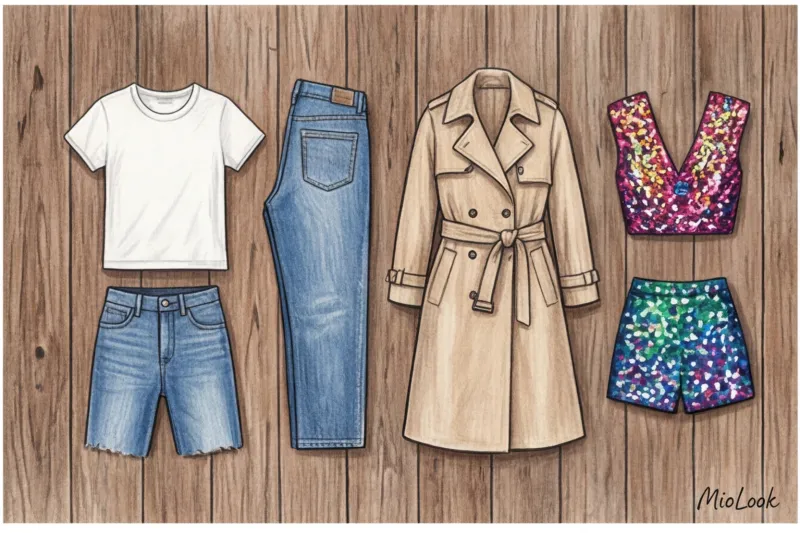
Практикум: Разбираем образ прямо сейчас
Чтобы теория не осталась просто текстом, давайте проведем быстрый стилистический аудит. Подойдите к зеркалу (или разложите на кровати то, в чем планируете выйти завтра) и препарируйте свой наряд по моей инструкции:
- Определите ядро (80%): Найдите самые крупные элементы комплекта. Например, прямые синие джинсы за 50 € и лаконичный серый джемпер. Какому стилю они принадлежат? Это чистый кэжуал. Они задают фон.
- Найдите акцент (20%): Какая деталь выбивается из этой базовой утилитарности? Если на вас белые кроссовки — акцента нет, образ ушел в 100% базу. Замените их на туфли Мэри Джейн (романтика) или казаки со скошенным каблуком (бохо/кантри). Вот он — ваш 20-процентный крючок.
- Проверьте фактуры и температуру: Оцените материалы. Если на вас только гладкий хлопок и базовая кожа, образ выглядит пресно. Поменяйте гладкий джемпер на кардиган крупной, рельефной вязки. Вы столкнете гладкий деним с объемной шерстью, добавив необходимый тактильный диссонанс.
Всего три шага занимают не больше двух минут, но именно они отличают образ, который хочется разглядывать, от одежды, которую мы надеваем просто чтобы не замерзнуть.
Технологии на службе стиля: Как оцифровка помогает найти себя
По данным масштабного исследования McKinsey (2024), среднестатистический потребитель активно использует не более 20% своего гардероба, постоянно собирая образы из одних и тех же проверенных комбинаций. При этом, если вы прямо сейчас откроете створки шкафа и попытаетесь визуально оценить свои стилевые предпочтения, ваш собственный мозг вас непременно обманет. Почему так происходит? В психологии потребления это явление называют «эффектом идеализированного Я».
Мы склонны ассоциировать свой вкус с нашими фантазиями, а не с ежедневной рутиной. Вы можете с нежностью перебирать капсулу из пяти роскошных шелковых платьев-комбинаций, купленных в порыве вдохновения для гипотетического отпуска, и искренне верить, что ваша основа — это утонченная романтика. Хотя суровая реальность такова, что 300 дней в году вы не вылезаете из прямых джинсов, удобных лоферов и структурированного жакета. Пытаясь самостоятельно определить, какие стили в одежде для женщин подходят именно вам, опираясь лишь на содержимое полок, вы рискуете продолжать инвестировать сотни евро в гардероб для воображаемой жизни.
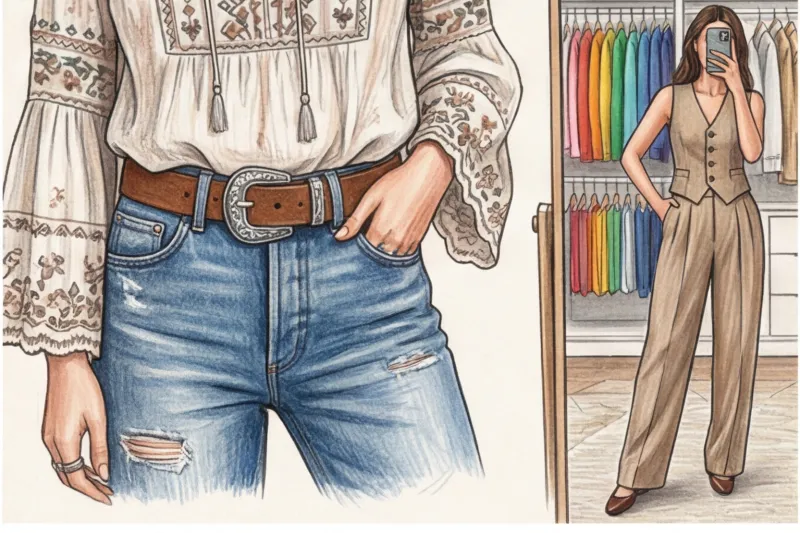
Здесь на помощь приходит безжалостная, но целительная сила данных — трекинг нарядов (Outfit tracking). Это метод системной фиксации каждого надетого образа, который работает по принципу финансового учета: невозможно оптимизировать бюджет, пока вы не запишете все скрытые расходы. Честное признание: долгие годы я думала, что мой стиль — бохо, пока не оцифровала шкаф и не поняла, что ношу минималистичный кэжуал 28 дней в месяце. В этот момент все иллюзии разбились о сухую статистику.
Аналитика, которую предоставляют современные инструменты управления стилем — например, функция «умный гардероб» в MioLook — буквально открывает глаза на ваше истинное стилевое ДНК. Вы начинаете четко видеть математические закономерности: какие фасоны обеспечивают самый низкий показатель стоимости за выход, какие цветовые схемы работают на практике, а какие вещи висят с бирками месяцами.
Кроме жесткого аудита, цифровая среда предлагает идеальное пространство для безопасных стилевых маневров. Использование ИИ-стилистов и виртуальных примерочных навсегда меняет наш подход к конструированию личного бренда. Раньше, чтобы протестировать на себе дерзкую драматическую эстетику или сложную геометрию авангарда, приходилось рисковать собственными деньгами — заказывать спорные трендовые вещи за 100–250 €, которые с вероятностью 80% потом отправлялись в долгий ящик. Сегодня алгоритмы машинного обучения способны проанализировать вашу внешность, учесть колорит и архитектуру тела, чтобы показать, как активный леопардовый принт или кожаная фактура сядут именно на вас, еще до ввода данных банковской карты.
Вместо стандартного подведения итогов, я хочу дать вам конкретный план действий на ближайшие выходные. Формирование личного стиля — это не магический дар, доступный избранным, а результат грамотной аналитики. Сделайте три простых шага уже сегодня:
- Сфотографируйте 10 самых носибельных вещей. Не те предметы, которые вы любите визуально, а те, которые чаще всего оказываются в корзине для стирки.
- Загрузите их в приложение-планировщик. Начните собирать из них комплекты на экране смартфона — вы удивитесь, сколько неочевидных сочетаний скрыто в этой базовой десятке.
- Фиксируйте реальные образы 14 дней подряд. Просто отмечайте надетые вещи в цифровом гардеробе каждое утро.
Через две недели у вас на руках будет объективный срез вашей реальной жизни. Вы перестанете гадать и пытаться втиснуть себя в жесткие рамки чужих эстетик из соцсетей. Современная мода — это не диктатура трендов, а адаптивный инструмент самовыражения, где технологии наконец-то позволяют нам быть предельно честными с самими собой.
Главы гайда
Модные эстетики в одежде: как носить тренды в жизни
Устали скупать вещи ради мимолетных трендов? Разбираемся, как адаптировать популярные микротренды под реальную жизнь и ваш личный стиль.
Драматический стиль в одежде: как создать эффектный образ
Современная драма — это не провокация, а интеллектуальный крой и уверенность. Узнайте, как носить смелые вещи каждый день и выглядеть уместно.
Как смешивать стили в одежде: секреты эклектики
Эклектика — это не творческий хаос, а строгая математика стиля. Учимся гармонично сочетать разные направления в одном образе.
Стиль гранж в одежде: как носить и не выглядеть подростком
Стиль гранж — это свобода, многослойность и выверенная небрежность. Узнайте, как добавить бунтарские нотки в свой гардероб и выглядеть актуально.
Скандинавский стиль в одежде женский: яркие тренды
Скандинавский стиль больше не ассоциируется только с базовым бежевым цветом. Откройте для себя эстетику Copenhagen Girl с яркими акцентами и комфортным оверсайзом.
Стиль преппи в одежде: как носить эстетику колледжей
Современный преппи — это не школьная униформа, а дорогая база для стильных образов. Узнайте, как носить эстетику элитных колледжей каждый день.
Романтический стиль в одежде: как носить современно
Романтика больше не требует платьев в цветочек с ног до головы. Разбираем, как внедрить женственные элементы в гардероб и выглядеть стильно в реалиях мегаполиса.
Стиль спорт шик женский: как сочетать с классикой
Забудьте банальное правило «кроссовки с платьем». Рассказываем, как мастерски сочетать строгие костюмы, объемные худи и шпильки в одном безупречном образе.
Стиль бохо в одежде женский: как носить стильно
Настоящий бохо-шик — это не растянутые туники, а статусная небрежность. Разбираем, как стилизовать замшу, принты и бахрому для актуальных городских луков.
Французский стиль в одежде: секреты парижского шика
Забудьте о клише вроде красного берета и тельняшки. Узнайте, как на самом деле создается безупречный парижский шик и почему легкая небрежность стоит так дорого.
Стиль минимализм в одежде: как создать стильный гардероб
Минимализм — это не отказ от индивидуальности, а сложная игра фактур и кроя. Стилист с 14-летним опытом рассказывает, как выглядеть дорого с минимумом вещей.
Классический стиль одежды для женщин: нескучные образы
Как превратить строгий деловой гардероб в статусный и роскошный? Раскрываем секреты современной классики: от архитектурного кроя до конфликта фактур.
Стиль кэжуал женский: как собрать базовый гардероб
Игнорирование повседневного гардероба — частая ошибка. Разбираем, как собрать комфортную и премиальную кэжуал-капсулу, чтобы всегда было что надеть.
Стиль смарт кэжуал женский: комфорт и элегантность
Устали от строгих офисных костюмов и бесформенной спортивной одежды? Откройте для себя смарт кэжуал — идеальный баланс между элегантностью и комфортом.
Стиль олд мани в одежде: как собрать дорогой образ
Настоящая «тихая роскошь» — это не просто бежевые кардиганы, а осознанный выбор и высокое качество вещей. Рассказываем, как собрать по-настоящему дорогой гардероб.
Как найти свой стиль в одежде: советы стилиста
Практическое руководство от персонального стилиста для тех, кто устал покупать красивые, но неудобные вещи. Учимся формировать гардероб для реальной жизни.