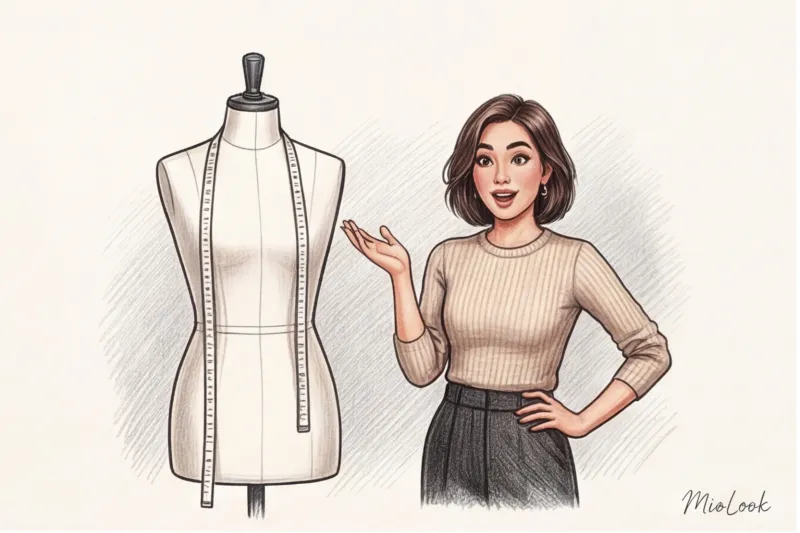
Буквально минулого тижня до мене прийшла клієнтка із запитом: «Дарина, я відклала 50 тисяч euro на спеціальний одяг для годування. Допоможи вибрати те, що не виглядає як безформний мішок». Знаєте, скільки ми витратили із цієї суми на спеціалізовані «годувальні» речі? Нуль. Ми докупили рівно три базові топи з мас-маркету, а решту часу я показувала їй, як годувати у звичайному одязі яка вже висіла в її шафі. Багато молодих мам навіть не здогадуються, що їхній завагітний гардероб приховує величезний функціонал, якщо знати, як з ним працювати. Докладніше про базові принципи материнського стилю я вже розповідала у нашому повному гіді по одязі для мам, що годують а сьогодні ми займемося чистою практикою.
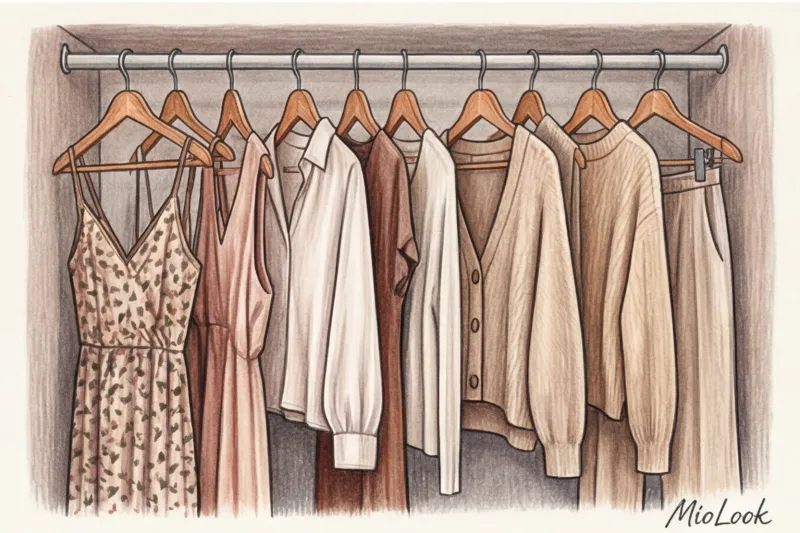
Чому вам не потрібно повністю міняти гардероб
Індустрія одягу для вагітних та годуючих тримається на прихованому «податку на материнство». Речі зі схованими блискавками у швах коштують на 30–40% дорожче за свої звичайні аналоги, але при цьому часто шиються з дешевих тканин. За статистикою виробників мас-маркету, близько 80% спеціалізованого одягу для мам відшивається з кулірної гладіни низької якості. Ви, напевно, бачили цей ефект: після п'яти прань футболка перекошується по боковому шву, а приховані блискавки починають йти «хвильою» на грудях.
Як стиліст, я завжди закликаю рахувати Cost Per Wear (ціну за вихід). Порівняйте: ви купуєте спеціальне худі з секретом для годування за 6000 €. Ви проносите його максимум 6-9 місяців, одягнувши, скажімо, 30 разів. Ціна одного виходу – 200 €. Альтернатива: ви купуєте розкішний джемпер з глибоким V-подібним вирізом із сумішевого кашеміру за ті ж гроші, носите його під час годування (з правильним нижнім шаром), а потім продовжуєте носити ще три роки. Вигода очевидна.
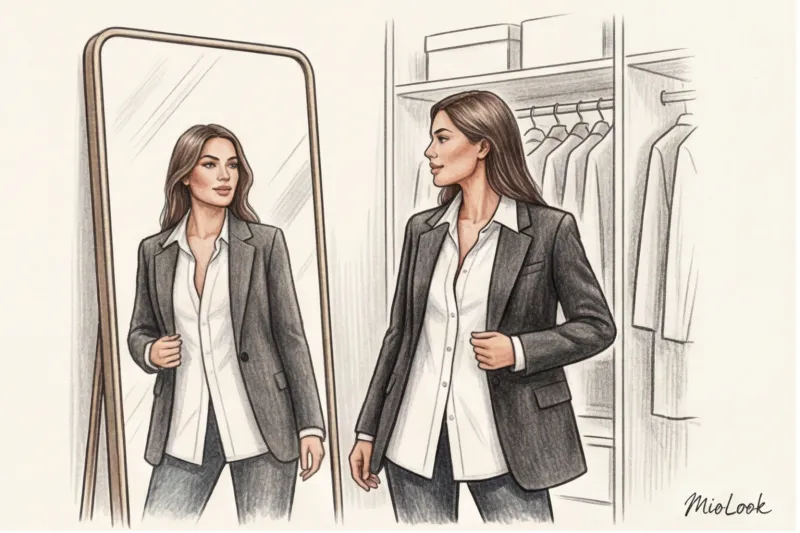
Але є і найважливіший, психологічний аспект. В мене була клієнтка Марина, корпоративний юрист. У перший місяць декрету вона впала в справжню тугу, бо її змусили переодягнутися в «годувальні світшоти» у квіточку. Носіння вашого звичного одягу, що відображає ваш істинний персональний стиль, - це найшвидший спосіб психологічно повернутися до себе після пологів.
Головний міф: «Просто носіть сорочки на ґудзиках»
Відкрийте будь-який блог для мам, і перша порада, яку ви побачите: «Купіть базову бавовняну сорочку оверсайз на ґудзиках». Як іміджмейкер, я офіційно заявляю — це одна з найгірших порад для комфортного годування у перші місяці.
Давайте розберемо механіку. Жорстка бавовна (наприклад, поплін) зовсім не тягнеться. Уявіть ситуацію: малюк плаче у візку чи на руках, вам потрібно швидко дати груди. Однією рукою ви тримаєте дитину, а другою намагаєтеся розстебнути дрібні гудзики на нееластичній тканині. Це довго та незручно.

Друга проблема – психологічна. Коли ви розстібаєте сорочку зверху вниз, ваші груди залишаються повністю відкритими зверху (у зоні декольте). Для багатьох жінок це створює сильний дискомфорт під час годівлі у громадських місцях. Крім того, сорочка прямого або оверсайз крою із щільної тканини створює ефект «намету», додаючи масивний візуальний об'єм там, де він зараз зовсім не потрібен. Альтернатива? Еластичні тканини з форми пам'яті.
Ваш ідеальний образ починається тут
Приєднуйтесь до тисяч користувачів, які щодня виглядають бездоганно. Завантажте свої речі і ІІ збере для вас комфортні капсули.
Почати безкоштовноАрхітектура вирізу: як годувати у звичайному одязі без блискавок
У стилістиці є поняття «архітектура горловини». Правильно підібраний виріз дозволяє обійтися без складної фурнітури і забезпечує ідеальний доступ. Головне правило тут у складі тканини. Я завжди змушую клієнток читати етикетки: щоб виріз можна було відтягнути і він повернувся на місце, не перетворившись надвечір на розтягнуту ганчірку, у складі має бути суворо від 3% до 5% еластану (спандекса).
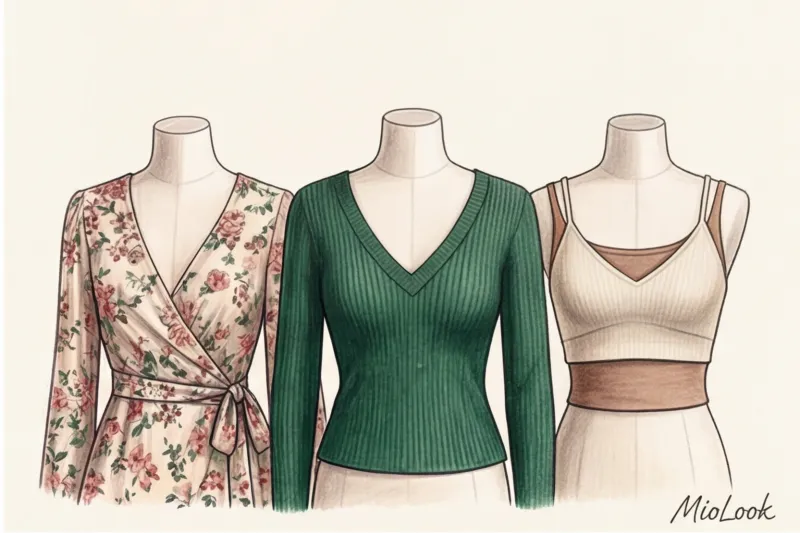
Виріз «гойдалки» (cowl neck) та м'які драпірування – геніальне рішення. Вони не лише дозволяють легко відтягнути тканину вниз, але й за рахунок об'єму маскують зміни розміру грудей протягом дня, коли прибуває молоко.
Сукні на запах: елегантність та функціональність
Wrap-конструкція (сукня на запах), яку в 1974 році популяризувала Діана фон Фюрстенберг, - ідеальний союзник мами, що годує. Ви просто відсуваєте одну поличку тканини убік. Влітку це може бути сукня з віскози або шовку, а взимку — з тонкої вовни (з тим самим додаванням еластану).
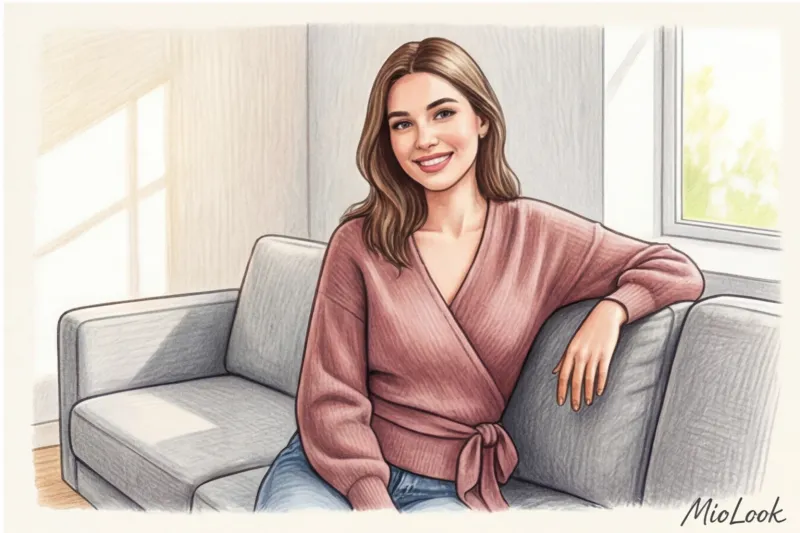
Квадратні вирізи та корсетні топи з трикотажу
Тренд на квадратні вирізи (каре) та трикотажні топи у корсетному стилі грає нам на руку. Широкі бретелі таких топів ідеально приховують широкі й часто найвитонченіші лямки бюстгальтерів для годування. Щоб нагодувати дитину, досить просто відтягнути еластичний квадратний виріз униз. Обмеження: цей прийом не спрацює зі справжніми корсетами на жорсткому китовому все - тканина має бути еластичною.
Формула «Подвійного шару»: секрет голівудських мам
Якби мене попросили залишити лише одну пораду щодо стилю для молодих мам, це була б формула подвійного шару. Її суть елементарна: нижній шар ми відтягуємо вниз (під груди), а верхній шар піднімаємо нагору. В результаті груди, живіт та спина залишаються повністю закритими тканиною. Видно лише вузька смужка шкіри, яку закриває сам малюк.
Нижнім шаром є базовий топ. Особистий лайфхак: замість дорогих майок для годування з кліпсами, що відстібаються, купіть звичайні безшовні топи в рубчик (ribbed tanks) в мас-маркеті на зразок Uniqlo, Tezenis або Zara. За рахунок фактури гумка вони феноменально тягнуться вниз і миттєво повертаються назад.
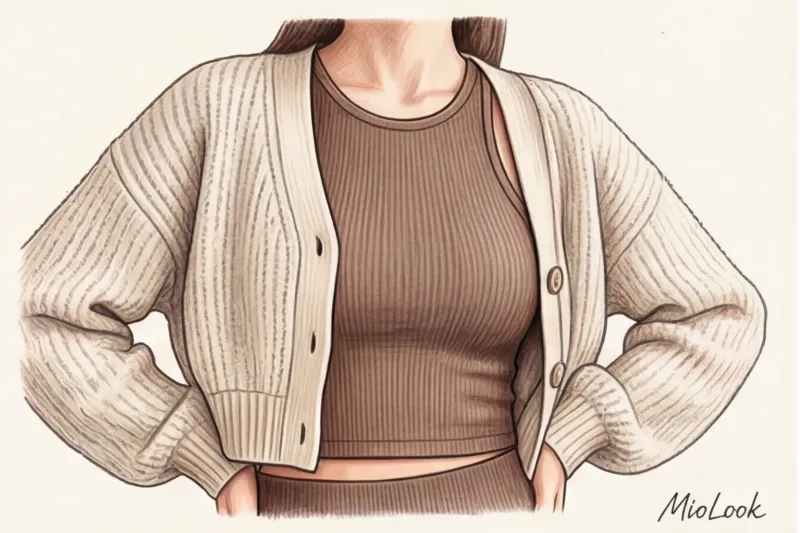
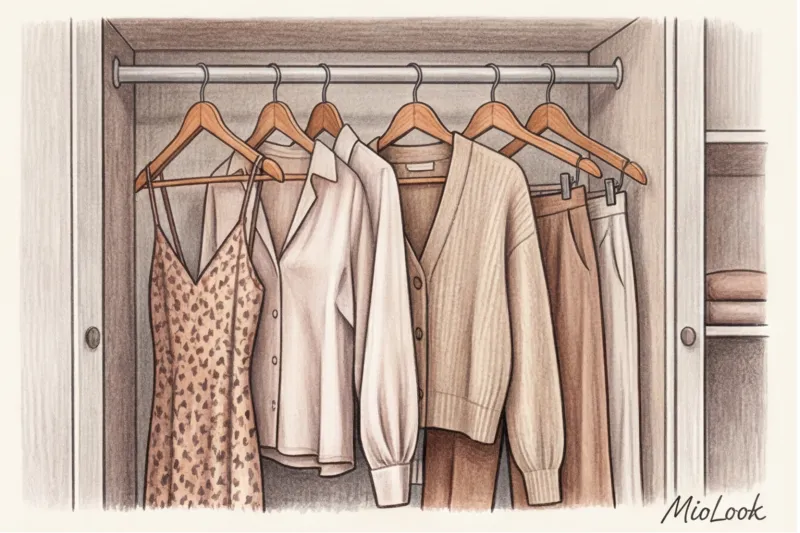
А тепер найцікавіше – верхній шар. Хто б міг подумати, що кроп-топи і вкорочені светри стануть кращими друзями жінок, які годують? Надівши об'ємний укорочений светр поверх гладкого облягаючого топу, ви створюєте стильну гру фактур. Щоб не ламати голову над поєднаннями вранці, ви можете оцифрувати свої речі через MioLook , і розумний гардероб сам запропонує вам десятки варіантів стильних багатошарових комплектів із того, що вже є на полицях.
Колористика та принти: маскуємо наслідки
Як колорист, я часто стикаюся з однією і тією ж помилкою: «Я стала мамою, носитиму чорне, воно не марке». Запам'ятайте: чорний та темно-синій – найгірші кольори для молодих мам. На гладкому чорному трикотажі видно все — від ворсинок з пледу до найменших крапель.
Плями від грудного молока мають білястий або жовтуватий підтон. Зригування - теж світлі. На темному тлі вони створюють максимальний контраст. Якщо ви хочете використовувати колір як оптичний камуфляж, зверніть увагу на такі рішення:
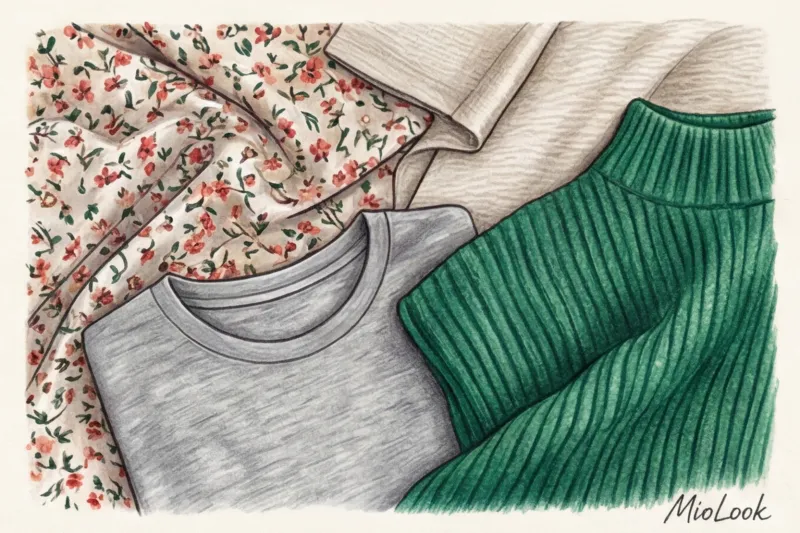
- Меланжева пряжа. Це нитка, що з волокон різних відтінків (зазвичай сірий чи бежевий меланж). За рахунок візуального «шуму» та неоднорідності кольору, меланж здатний приховати до 90% дрібних плям до того, як ви дістанетеся до пральної машини.
- Світла природна палітра. Відтінки вівсянки, екрю, пісочний, запорошена троянда. Вони знаходяться в одній світлоті з можливими забрудненнями, знижуючи контрастність плями.
- Рябі дрібні принти. Мільфлер (дрібна квіточка), леопард, абстрактна геометрія. Паттерн змушує людське око ковзати поверхнею, не фокусуючись на локальних недосконалості.
Спробуйте MioLook безкоштовно
Розумний AI-стиліст підбере ідеальний образ, враховуючи ваші особливості фігури, кольоротип та спосіб життя.
Почати безкоштовноЧек-лист: як перевірити звичайну річ перед покупкою
Тепер, коли ви знаєте теорію, покрокова інструкція-шпаргалка, яку я даю своїм клієнткам. Застосовуйте її прямо в примірювальній звичайного магазину:
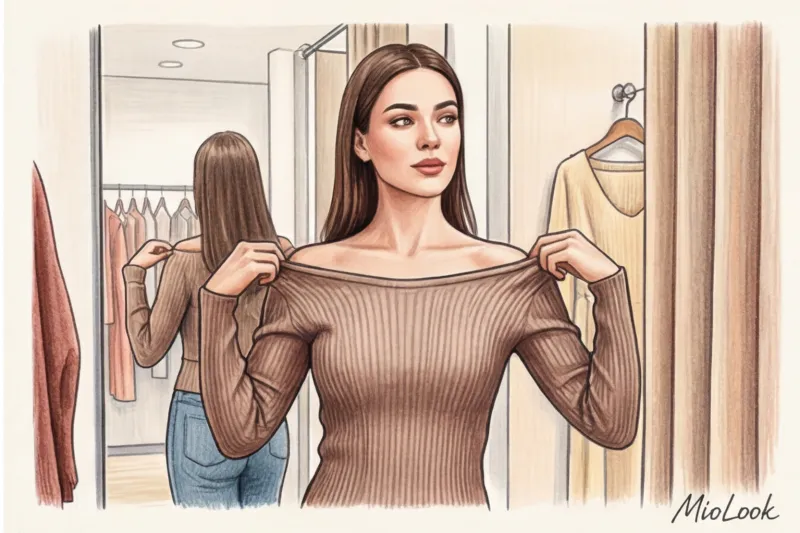
- Тест на розтяжність та «ефект пам'яті». Однією рукою сильно відтягніть виріз униз, імітуючи доступ до грудей. Відпустіть. Якщо тканина не повернулася у вихідне положення за 3 секунди і пішла «хвильовою» — річ нам не підходить.
- Тест у кулаку (на зминання). Годування – це завжди тісний контакт. Міцно стисніть поділ речі в кулаку на 10 секунд і відпустіть. Якщо тканина вкрилася жорсткими заломами, після 20 хвилин з малюком на руках ви виглядатимете так, ніби спали в цьому одязі. Шукайте тканини з додаванням синтетичних або штучних волокон (віскоза, тенсель, поліестер високої якості).
- Оцінка пройми. Якщо ви купуєте светр оверсайз, перевірте ширину пройми (отвори для рукава). Широка проймання кажана дозволяє взагалі не чіпати горловину, а здійснювати доступ до грудей збоку.
Аксесуари: відволікаємо увагу та підвищуємо статус
Стиль криється у деталях. Коли ваше вбрання стає максимально прагматичним (базові топи, м'які кардигани), саме аксесуари беруть на себе завдання «витягнути» образ до статусного. Наша мета – перетягнути фокус уваги від грудей та живота на обличчя (у портретну зону).
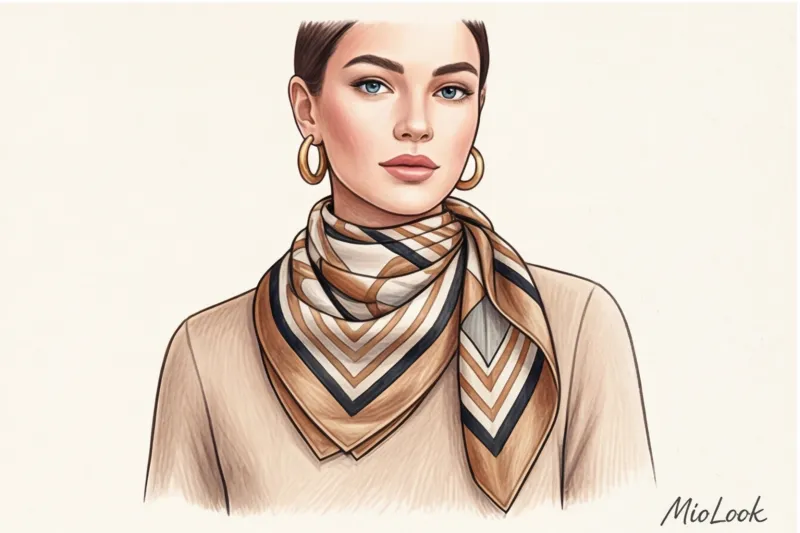
Великі акцентні сережки (гладкі кільця, барочні перли, геометрія) працюють бездоганно. Вони безпечні (дитина до них не дотягнеться в процесі) і миттєво роблять обличчя більш доглянутим та виразним. А ось від довгих кулонів, ланцюжків та брошків у портретній зоні доведеться на якийсь час відмовитися — це питання безпеки, малюк може зачепитися пальцями або подряпатися.
Відмінний робочий інструмент - шовкові хустки (каре) або палантини з віскози. Вони виконують подвійну функцію: створюють складну вертикаль, яка стрункішає, і при необхідності можуть бути легко накинуті на плече як стильна накидка (мілкснуд), що закриває вас від сторонніх очей.
«Ваш стиль не йде у декрет. Материнство — це не привід відмовлятися від естетики заради функції, це привід навчитися віртуозно поєднувати їх».
Звичайний одяг дає вам свободу вибору, бездоганну посадку та радість впізнавання себе у дзеркалі. Достатньо лише звертати увагу на правильний крій, наявність еластану та хитрощі багатошаровості. Не купуйте нові речі тільки тому, що на них стоїть позначка для годування — купуйте речі, які ви захочете носити і через три роки.