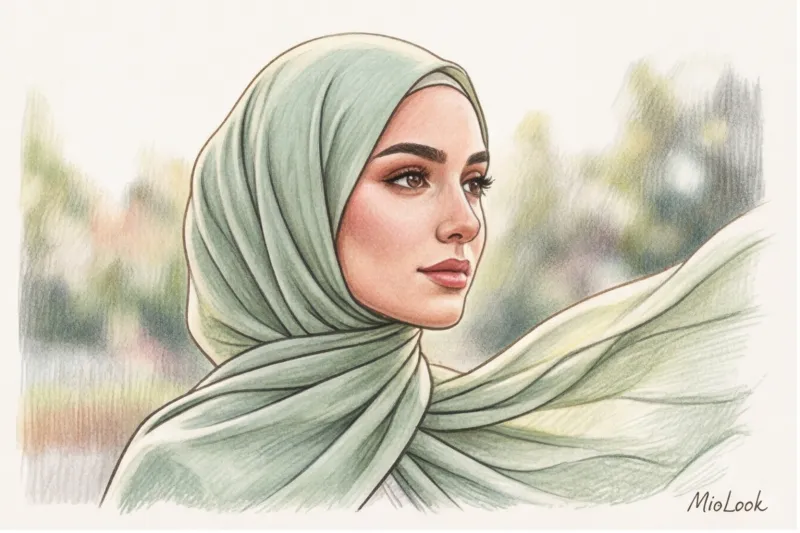
Я до сих пор помню тот августовский день в Дубае. Температура на улице пробила отметку в +42°C, а моя клиентка сидела передо мной в роскошном, дорогом хиджабе из 100% натурального льна и... почти плакала от дискомфорта. Ткань намокла на шее, стояла колом, а на линии роста волос появилось болезненное раздражение. Именно тогда я окончательно убедилась: слепая вера в то, что «натуральное всегда лучше», в экстремальную жару не просто ошибочна — она буквально вредит вашей коже.
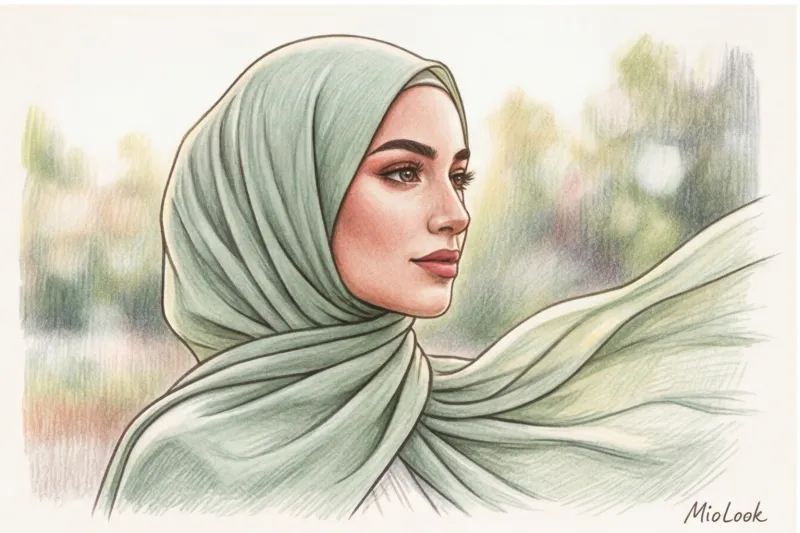
Когда столбик термометра ползет вверх, правильная ткань для хиджаба на лето становится вопросом не только стиля, но и физического здоровья. Более того, под палящим солнцем ткань у лица работает как мощный фоторефлектор — она отражает свет на кожу, подчеркивая либо свежесть, либо усталость. Подробнее об этом эффекте мы рассказали в нашем полном гиде по подбору цвета хиджаба. Но сегодня мы поговорим о физике: как пережить зной, сохранить элегантность и почему ваш любимый хлопковый палантин стоит отложить до сентября.
Анатомия летнего комфорта: почему обычный хлопок — худшая ткань для хиджаба на лето
Давайте нарушим главное правило масс-маркета. Из каждого утюга нам твердят: носите хлопок и лен, чтобы кожа дышала. Но исследования в области текстильной инженерии доказывают обратное, когда речь заходит о многослойности в зоне шеи.
Проблема кроется в разнице между влагопоглощением и влагоотведением (moisture-wicking). Хлопок — великолепный абсорбент. Он впитывает пот, как губка, но совершенно не спешит его испарять. В результате в +30°C вы получаете на шее влажный, тяжелый компресс. Вес идеального летнего палантина не должен превышать 120-150 граммов, но мокрый хлопок становится в полтора раза тяжелее.
С льном история другая. Он отлично дышит, но жесткие волокна моментально теряют форму от малейшей влажности. Льняной хиджаб выглядит безупречно ровно 15 минут после выхода из дома, а затем покрывается жесткими неряшливыми заломами.
«Самая частая жалоба моих клиенток летом — мелкие высыпания на шее и подбородке. Дерматологи называют это acne mechanica. Оно возникает, когда влажная, грубая ткань (как намокший лен или плотный хлопок) постоянно трется о разогретую кожу, нарушая ее микробиом», — из записок моей стилистической практики.
Топ-5: Идеальная ткань для хиджаба на лето в +30 и выше
Итак, если не классический хлопок, то что? Будущее летнего комфорта за высокотехнологичными блендами и правильной обработкой натуральных волокон. За 12 лет работы я протестировала десятки материалов. В своем приложении MioLook я даже создала отдельный смарт-тег «Лето/Терморегуляция», чтобы виртуальный гардероб предлагал мне только проверенные в жару варианты. Вот абсолютные лидеры этого списка.
1. Модал и микромодал: эффект охлаждающей второй кожи
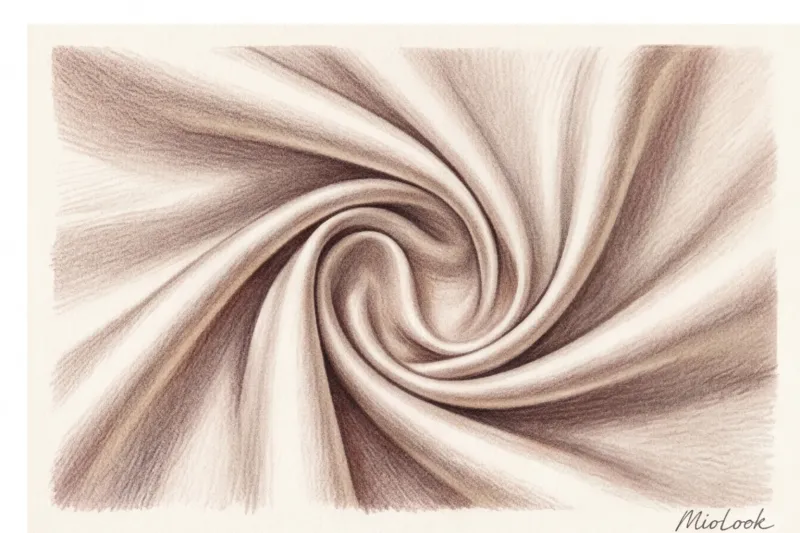
Модал (улучшенная форма вискозы, добываемая из буковой древесины) — это мой личный фаворит. При прикосновении к коже он кажется на пару градусов прохладнее температуры тела. Его главное преимущество — нулевое трение и мгновенное отведение влаги.
В отличие от дешевой синтетической вискозы, которая блестит и скользит, качественный микромодал имеет благородную матовую текстуру. Он образует идеальную текучую драпировку, не создавая лишнего «дутого» объема вокруг шеи, что критично в жару.
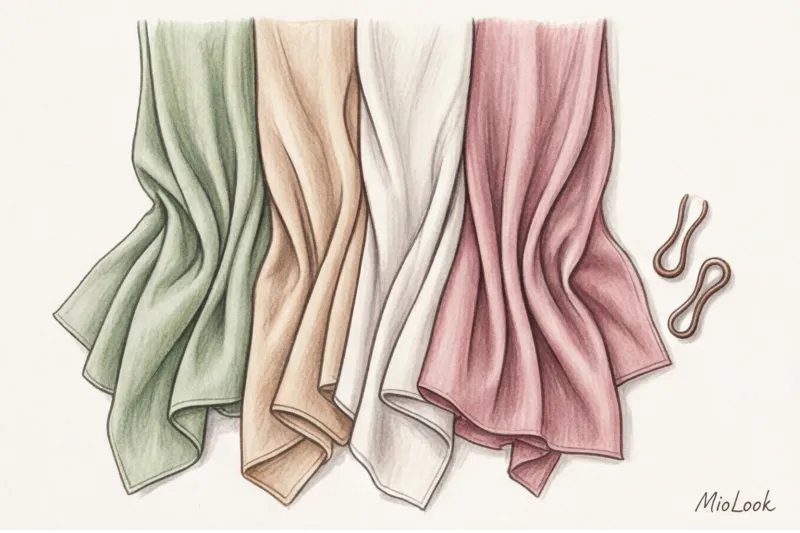
2. Бамбуковое волокно: природный антисептик
Если вы ищете что-то максимально натуральное, сделайте ставку на бамбук. По данным независимых тестов текстильных лабораторий, бамбуковое волокно впитывает влагу на 60% лучше хлопка, а сохнет — в 3 раза быстрее. Но его суперсила в другом.
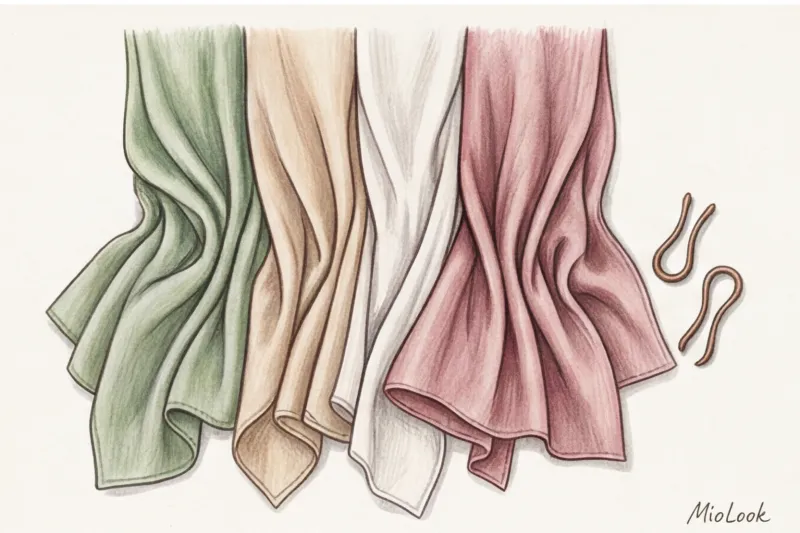
Бамбук содержит природный антибактериальный агент kun. Это значит, что ткань блокирует размножение бактерий и предотвращает появление запаха пота даже после долгого дня на солнце. Кроме того, плотное переплетение бамбуковых нитей обеспечивает естественный барьер UPF (защита от ультрафиолета), спасая шею от фотостарения.
3. Крепдешин и шелк-стрейч: статусная прохлада
Для офиса, деловых встреч или мероприятий, где требуется строгий дресс-код (кстати, если вам актуально, загляните в нашу статью про летний деловой стиль одежды для женщин в жару), идеальным выбором станет крепдешин или матовый шелк с добавлением 3-5% эластана.
Почему это работает? Зернистая (креповая) текстура ткани создает микро-зазор между материалом и кожей. Ткань физически не может прилипнуть к вспотевшей шее. Но здесь есть важное ограничение: никогда не выбирайте чистый атласный шелк для повседневной носки летом. Он катастрофически скользит, требуя десятка булавок и тугого затягивания, что полностью убивает вентиляцию.
4. Спортивные ткани (Tech-fabrics): инновации для активных
Спортивная индустрия давно решила проблему перегрева. Ткани с технологиями типа Coolmax или микро-мерил медленно, но верно проникают в повседневную скромную моду. Это спасение для тренировок на улице, долгих прогулок с детьми или хайкинга.
Современные бренды выпускают tech-хиджабы с микроперфорацией — невидимой глазу сеткой в зоне затылка и шеи. И да, если вы ищете информацию о том, на какой ткани не видно пятен пота (особенно актуально для спикеров), высокотехнологичная синтетика темных или принтованных оттенков — ваш главный союзник.
Устали гадать, что надеть завтра?
Позвольте технологиям сделать это за вас. MioLook оцифрует ваш гардероб и предложит идеальные комбинации с учетом погоды за окном.
Начать бесплатноНижняя шапочка (боне): скрытый виновник перегрева
Здесь кроется самая частая и самая фатальная ошибка новичков. Вы можете купить потрясающий палантин из премиального микромодала за сотни евро, но если под ним надета тугая полиэстеровая шапочка-труба — вы все равно получите тепловой удар.
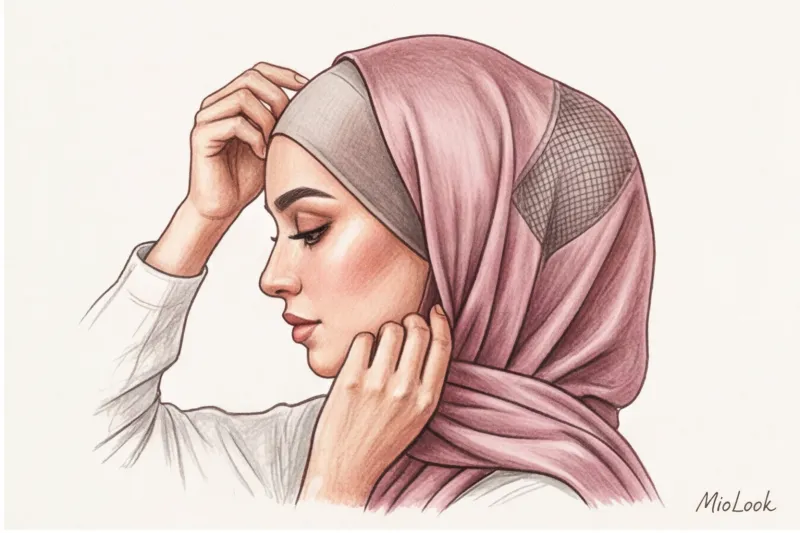
Одна из моих клиенток жаловалась на постоянные головные боли напряжения к концу рабочего дня. Мы проанализировали ее образы и выяснили, что температура под ее плотным закрытым боне была на 3-4 градуса выше температуры тела! Мозг буквально «кипел».
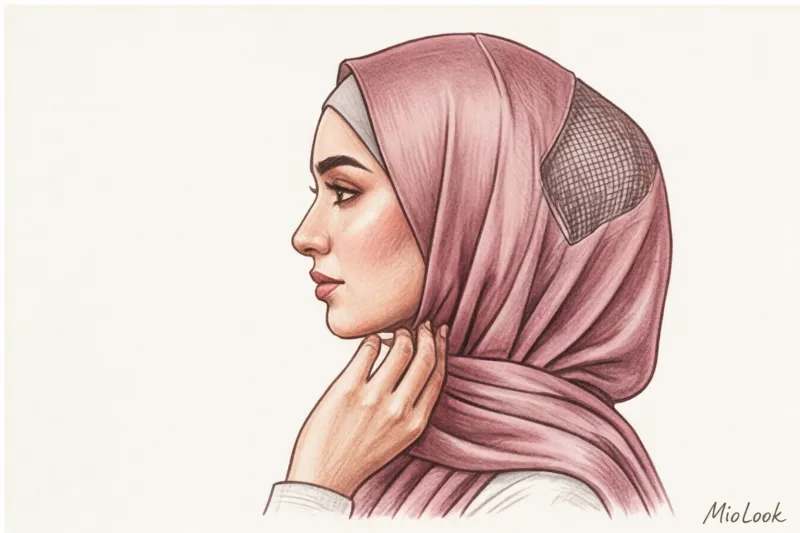
Правила выбора летнего боне:
- Сетчатый затылок: Ищите модели, где задняя часть выполнена из мягкой дышащей сетки.
- Открытая макушка: Шапочки-полутрубы (без закрытого верха) позволяют теплу уходить вверх.
- Завязки вместо резинки: Тугая резинка пережимает сосуды. Боне на завязках позволяет регулировать натяжение.
- Шелковая подкладка: Если волосы ломкие, ищите хлопковые боне с шелковой вставкой изнутри — они защищают кутикулу волоса без ущерба для вентиляции.
Цвет и физика: как оттенки влияют на температуру и кожу лица
Мы привыкли думать, что летом нужно носить только белое. С точки зрения физики, белая ткань действительно лучше всего отражает инфракрасное (тепловое) излучение. Но есть нюанс, о котором молчат продавцы тканей.
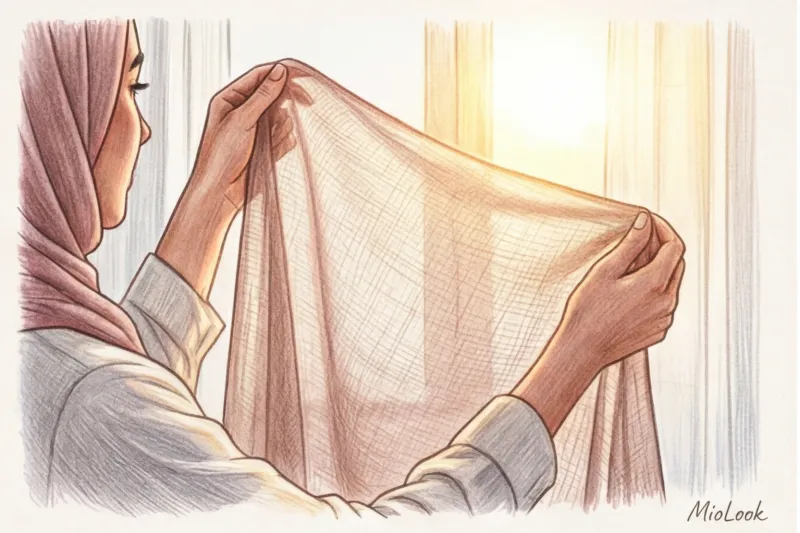
Легкие белые ткани пропускают гораздо больше ультрафиолета (UV-лучей), чем темные. Если ткань слишком тонкая (просвечивает на солнце), вы рискуете получить пигментацию на шее. Кроме того, при ярком зените ослепительно-белый хиджаб работает как жесткий рефлектор — он отбрасывает резкие тени на лицо, подчеркивая круги под глазами и неровности кожи.
Мой совет стилиста: выбирайте средние, слегка приглушенные оттенки. Пыльная роза (dusty rose), шалфейный зеленый (sage green), мягкий тауп — они достаточно светлые, чтобы не притягивать жару (как черный или темно-синий), но достаточно пигментированные, чтобы блокировать УФ-лучи и мягко подсвечивать лицо.
Соберите идеальную капсулу на лето
Загрузите фото своих вещей в MioLook, и умный алгоритм покажет, каких оттенков вам не хватает для гармоничных образов.
Создать капсулуАрхитектура стиля: как наматывать хиджаб летом, чтобы не задохнуться
Даже лучшая ткань для хиджаба на лето не сработает, если обернуть ее вокруг шеи в три тугих слоя. Главное правило летней стилизации — воздух работает как лучший теплоизолятор.
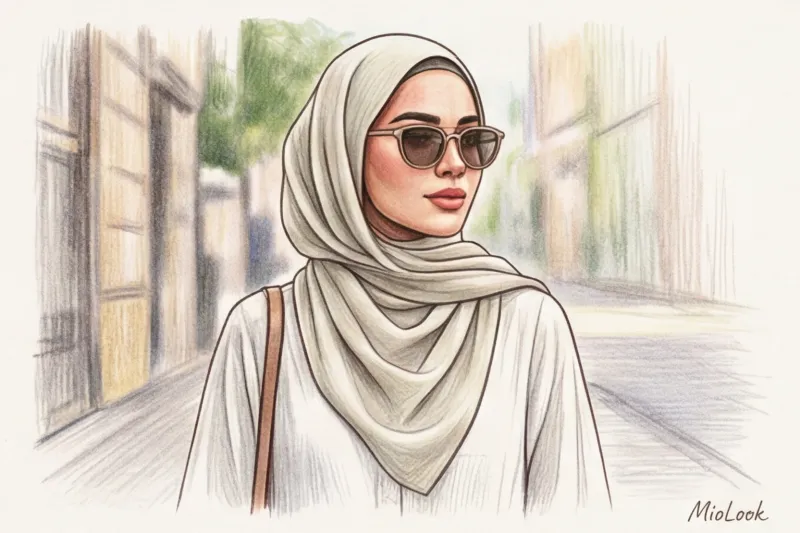
Избегайте сложных многоярусных тюрбанов со множеством складок. В +30°C ваш лучший друг — стиль «Loose Hijab» (свободная драпировка). Как его создать?
- Откажитесь от булавок под подбородком. Это звучит радикально, но попробуйте использовать специальные магнитные клипсы. Они позволяют оставить микро-зазор в полсантиметра, который обеспечит постоянную вентиляцию шеи.
- Правило одного слоя. Перекиньте длинный конец палантина через плечо так, чтобы на самой шее лежал только один слой ткани.
- V-образная драпировка. Не обматывайте ткань вокруг шеи кольцом. Уложите концы так, чтобы на груди образовалась мягкая V-образная складка — она визуально вытягивает силуэт и не перекрывает доступ воздуха к ключицам.
Я часто использую MioLook, чтобы заранее планировать такие легкие «однослойные» образы. Визуализация помогает понять, будет ли свободный крой хиджаба гармонировать с оверсайз-рубашкой или платьем, не утяжеляя верхнюю часть фигуры.
Чек-лист стилиста: тестируем ткань для хиджаба перед покупкой
Теперь, когда вы вооружены теорией, вот вам практический план действий. Оказавшись в магазине перед рейлом с палантинами, проведите три быстрых теста.
- Тест на свет (Light test): Поднесите ткань к окну или яркому светильнику. Вы должны видеть свет, но не должны четко различать силуэты предметов через нее. Если ткань похожа на марлю — она не защитит от УФ-лучей.
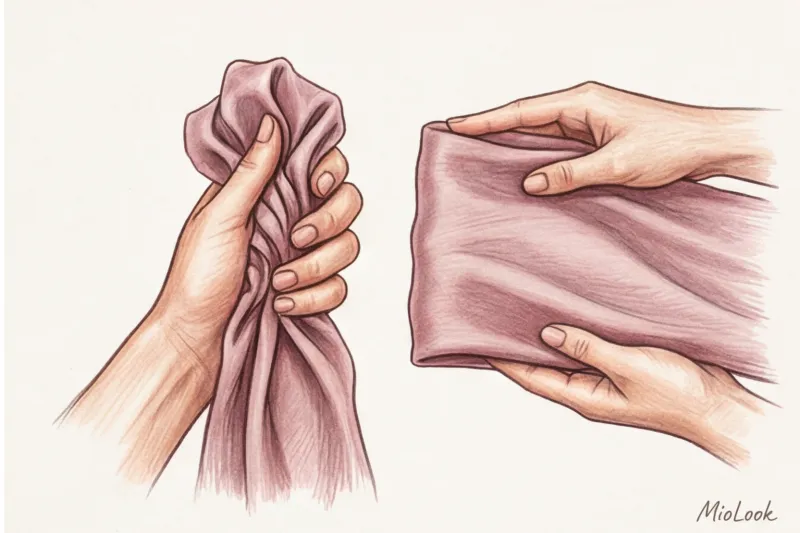
- Crush-тест (Тест на сжатие): Плотно сожмите угол ткани в кулаке на 5-7 секунд, затем разожмите ладонь. Ткань расправилась сама? Отлично, берем. Осталась скомканной (как лен или дешевый хлопок)? Оставьте ее на полке, иначе на шее будут такие же заломы.
- Тест на трение: Слегка потрите два слоя ткани друг о друга возле уха. Если слышите легкий треск или ткань «прилипает» — в ней много дешевого полиэстера, она будет накапливать статику и липнуть к лицу.
Правильно подобранный летний хиджаб не должен ощущаться на теле. Забудьте о стереотипах про спасительный хлопок — дайте шанс микромодалу, бамбуку или технологичному крепу, и совместите их с дышащим боне. Ваша кожа и ваше настроение в +30°C скажут вам огромное спасибо.