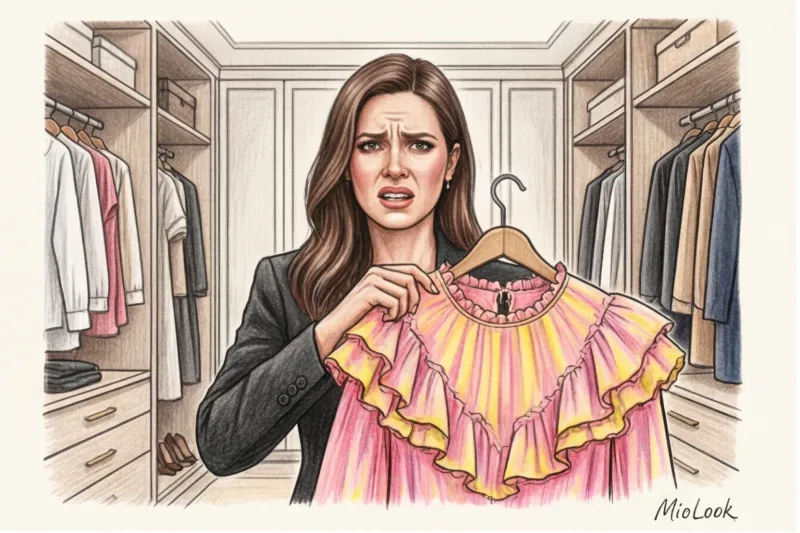
За 12 лет работы персональным стилистом в Европе я усвоила одно правило: ничто так не бьет по самооценке женщины, как попытка найти адекватные вещи в специализированном отделе для будущих мам. Вы заходите туда успешным профессионалом, а выходите в легинсах со странной синтетической вставкой и блузке в инфантильный цветочек.
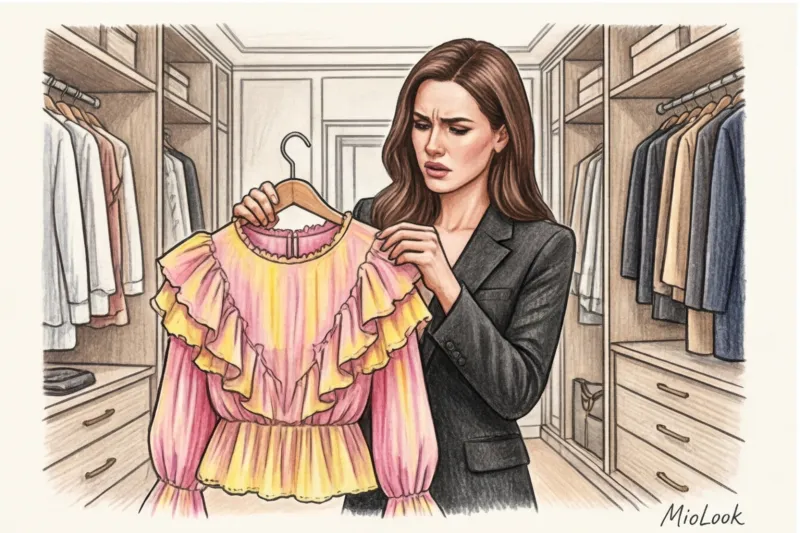
Этот материал разрушает стереотип о необходимости полностью менять свой шкаф на эти 9 месяцев. Я постоянно слышу вопрос от клиенток: как носить обычную одежду беременным и не тратить сотни евро на временные вещи? Мой ответ: 70% вашего текущего гардероба может отлично работать на вас вплоть до поездки в роддом, если применять техники смарт-стайлинга. Подробнее фундаментальные принципы мы разобрали в нашем полном гиде: одежда для беременных стильная — как собрать гардероб, а сегодня сосредоточимся на чистой практике, конструировании силуэта и финансовой грамотности.
Ловушка отделов для мам: почему мы отказываемся от специализированной одежды
Недавно ко мне обратилась Дарина, финансовый директор крупной IT-компании. Она пришла на разбор гардероба в полном отчаянии: «Катажина, на вчерашнем совете директоров я поймала себя на том, что прячусь за ноутбуком. Мое 'специальное' платье с рюшами под грудью заставляет меня чувствовать себя девочкой-переростком, а не топ-менеджером». Это классическая проблема инфантилизации: производители почему-то считают, что вместе с талией женщина теряет и свой вкус, предлагая бантики, горошек и странные принты.
Но проблема не только в эстетике. Давайте посчитаем Cost-per-wear (стоимость за выход). Специализированное платье-балахон сомнительного качества обойдется вам минимум в 80 €. Вы наденете его от силы 10 раз за третий триместр. Стоимость одного выхода — 8 €. А теперь возьмем базовую мужскую рубашку из плотного поплина Zara за 40 €. Вы будете носить ее во время беременности, затем накидывать поверх топа во время декрета и, наконец, заправите в джинсы через год. При 80 выходах стоимость падает до 0,50 €. Математика очевидна.
По данным аналитического института WGSN за 2024 год, глобальный тренд сместился в сторону «адаптивных и долговечных гардеробов». Бренды экономят на тканях для узких ниш, поэтому в отделах для мам вы часто встречаете скрипучий полиэстер. Инвестируйте в умный масс-маркет, который останется с вами на годы.
Ваш идеальный гардероб начинается здесь
Присоединяйтесь к тысячам пользователей, которые каждый день выглядят безупречно и не тратят деньги на лишние вещи.
Начать бесплатноКак носить обычную одежду беременным: правило архитектуры силуэта
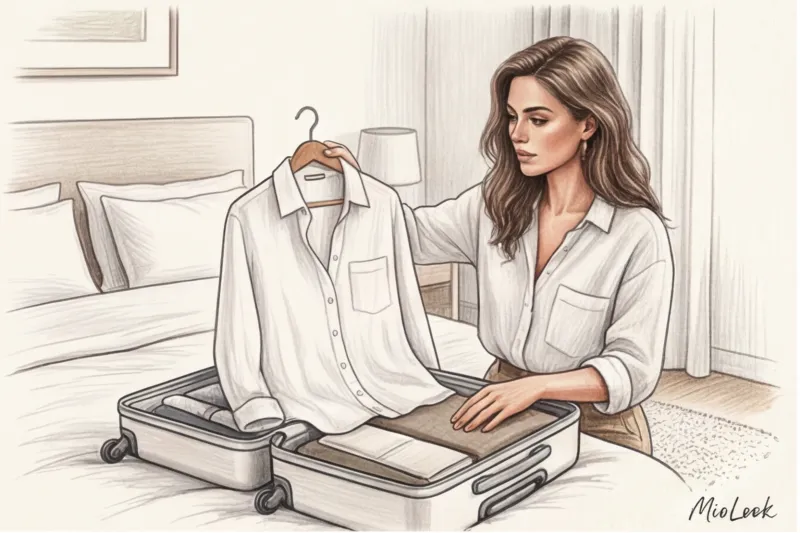
Концепция адаптивного гардероба начинается с инвентаризации вашего текущего шкафа. На моей практике 7 из 10 вещей можно стилизовать до самого конца срока. Ключ к успеху — базовые вещи с правильной архитектурой, которые работают всегда: платья-комбинации скроенные по косой (они фантастически драпируются на животе), плотные мужские рубашки и расслабленные тренчи.
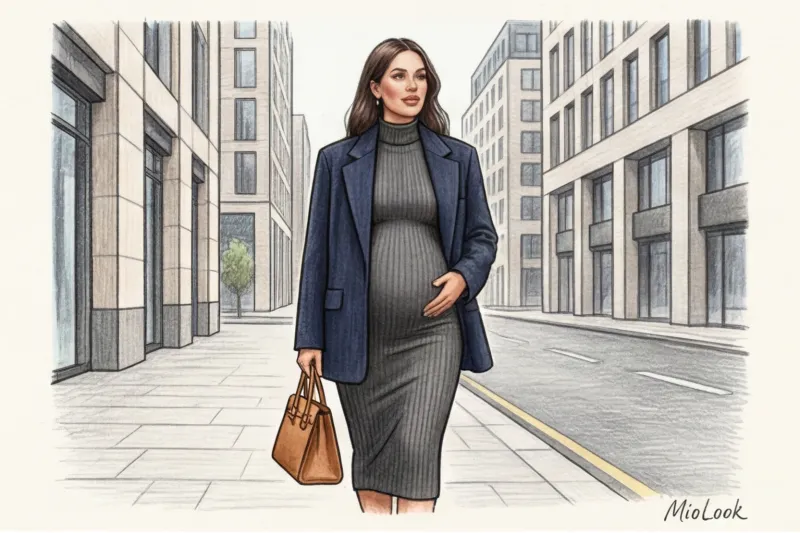
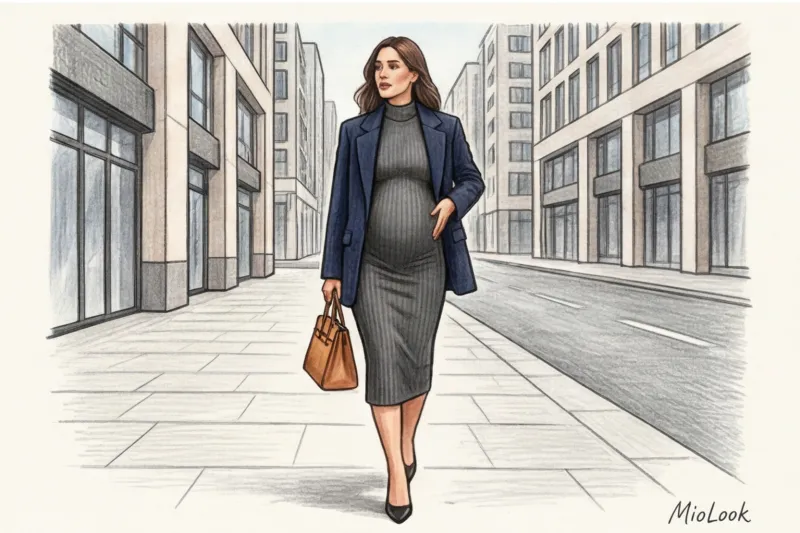
Главное правило стайлинга при изменении объемов тела — сохранение вертикалей и демонстрация самых тонких участков. Открытые запястья (подверните рукава жакета) и щиколотки мгновенно придают легкость даже самому объемному силуэту. Это визуальный трюк, который обманывает глаз, смещая фокус с живота на изящные линии тела.
Миф о больших размерах: почему нельзя просто купить XXL
Самая грубая ошибка, которую совершают 90% женщин — это попытка купить вещи обычных брендов на 2–3 размера больше. Если вы носите S (36 EU), покупка размера L (40 EU) не решит проблему. Почему? Из-за конструирования лекал. При увеличении размера пропорционально расширяется плечевой пояс и опускается пройма рукава.
Когда линия плеча съезжает на 4-5 сантиметров вниз, а пройма болтается где-то в районе ребер, ваша фигура становится квадратной и грузной. Выглядит так, словно вы донашиваете чужую вещь. Правильное решение — искать вещи изначально архитектурного оверсайз-кроя (например, в линейках COS, &Other Stories или Massimo Dutti), но строго в своем размере.
Брюки и джинсы: секреты адаптации без трикотажных «животов»
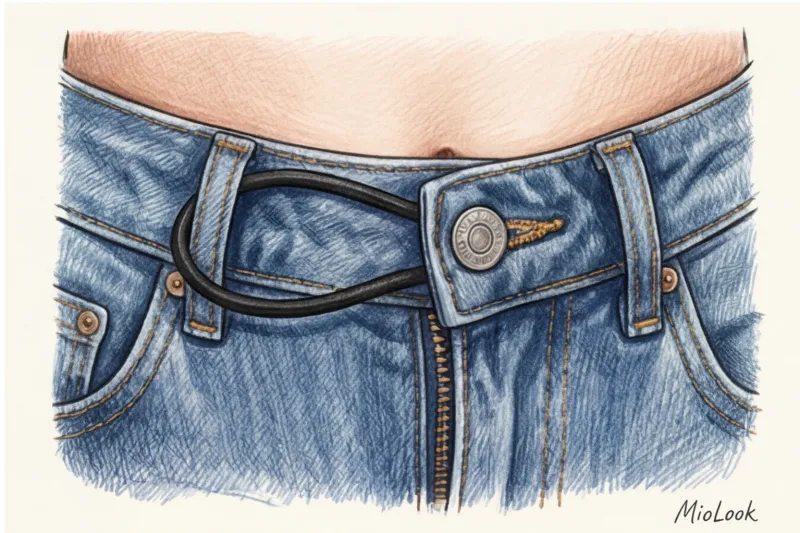
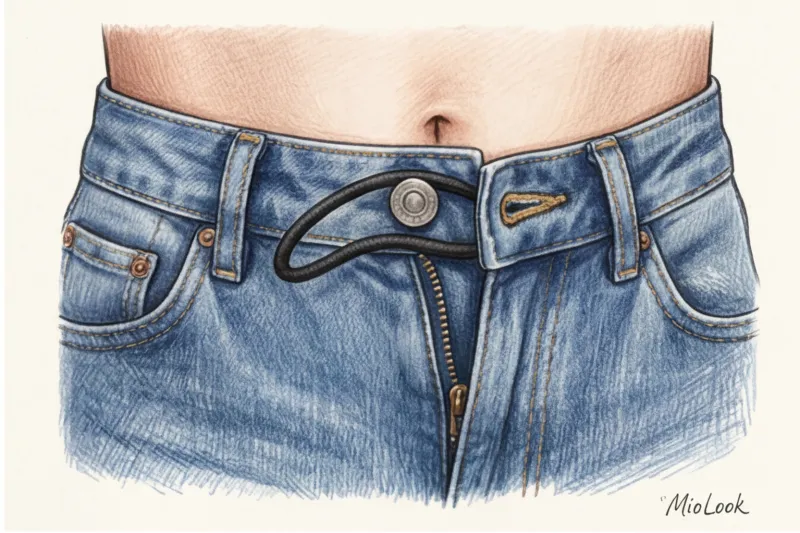
Я лично тестировала лайфхак с резинкой для волос на своих любимых прямых джинсах Zara, и могу подтвердить: это гениально просто. Вы берете обычную эластичную резинку (без металлических вставок), продеваете ее петлей в отверстие для пуговицы на джинсах, а свободный конец накидываете на саму пуговицу. Молния при этом остается слегка расстегнутой.
Чтобы замаскировать эту конструкцию, используйте бандажи (Belly Bands) в виде широкой трикотажной ленты — они работают как промежуточный слой между брюками и футболкой. Однако, должна быть честной: этот трюк перестает работать к 7-8 месяцу для плотных тканей без эластана, когда давление на таз становится дискомфортным.
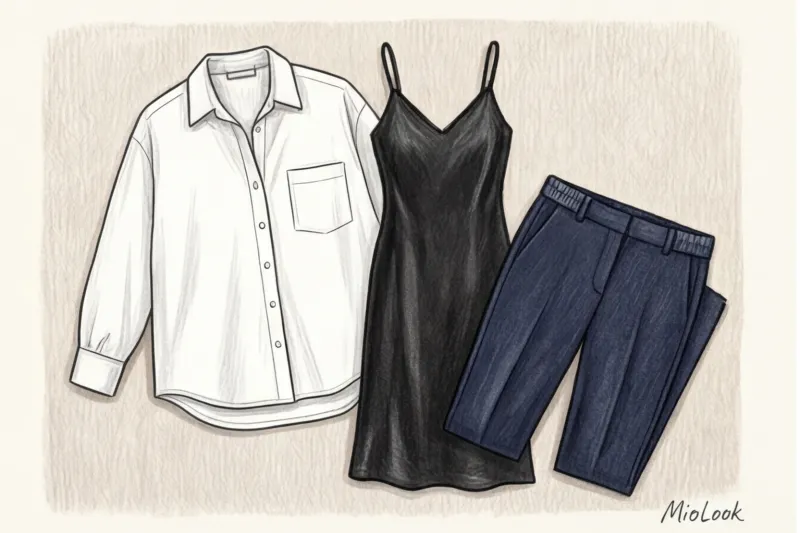
Вместо того чтобы покупать джинсы с парашютом на животе (которые вечно сползают и собираются складками), обратите внимание на статусную альтернативу: костюмные брюки на низкой посадке. Модели на мягкой кулиске, которые садятся строго под живот, можно найти в базовых коллекциях за 60–90 €. Вы будете носить их с удовольствием, когда захотите составить шопинг лист с умом для декретных будней.
Попробуйте MioLook бесплатно
Умный AI-стилист подберёт идеальный образ из ваших вещей — хватит ломать голову по утрам.
Начать бесплатноТрикотаж и платья: инвестируем в умный масс-маркет
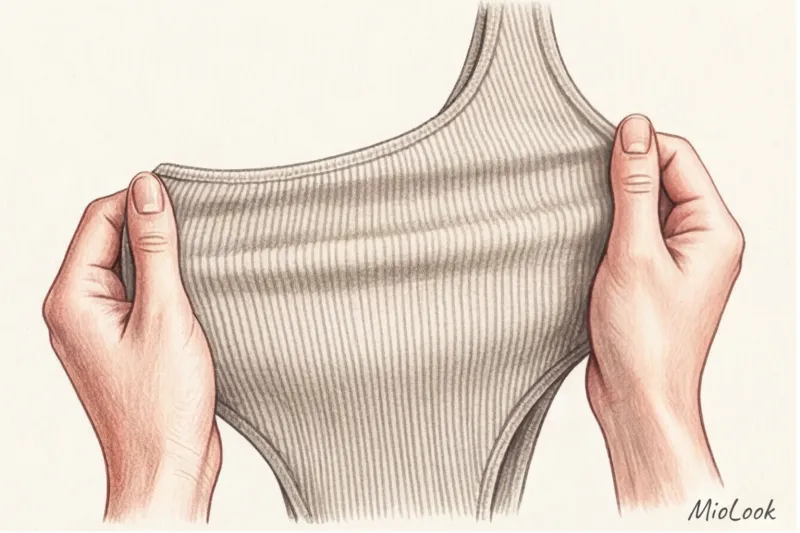
Бренд COS — негласный лучший друг беременной женщины в Европе. Их ДНК построено на А-силуэтах, платьях-колоннах и плотных тканях, которые идеально обтекают фигуру, не перетягивая ее. Но секрет не только в бренде, а в физике ткани. Ищите трикотаж в рубчик (ribbed knit).
По технологии плетения качественный рубчик работает как пружина: он растягивается на объемный живот, а после стирки возвращается в исходное состояние. Важнейший нюанс — состав. Идеальный адаптивный трикотаж должен содержать не менее 5% эластана и плотную вязку (чаще всего на базе вискозы). Если вы купите тонкий рыхлый хлопок с эластаном (бюджетный сегмент 15–20 €), он вытянется на животе навсегда, превратившись в бесформенный мешок уже через пару стирок.
Многослойность: как сохранить статус и скрыть объемы
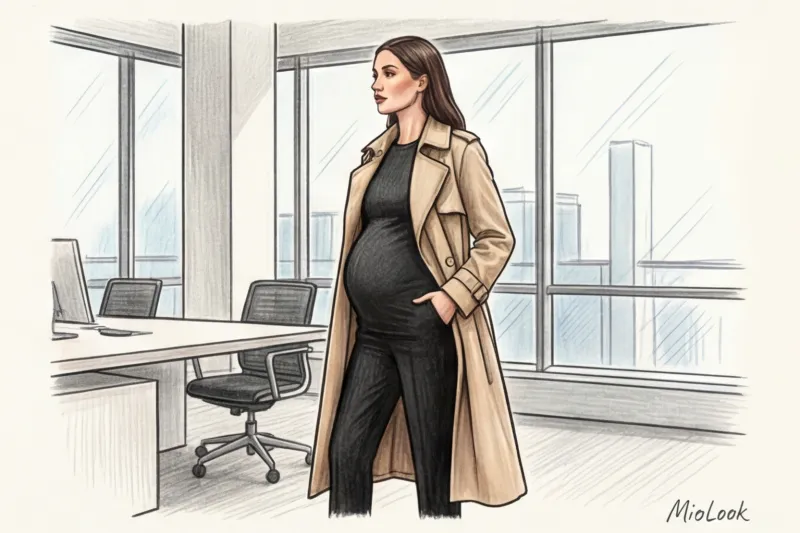
Для деловых женщин вопрос многослойности — это вопрос выживания в офисе. Обтягивающее трикотажное платье демонстрирует объемы, но стоит накинуть поверх него плотный, структурный жакет и оставить его расстегнутым, как происходит магия. Вы создаете две «срезающие» вертикали по бокам.
«Многослойность — это ваш инструмент контроля над силуэтом. Вы не прячете тело, вы управляете тем, куда направлен взгляд собеседника», — это правило я неустанно повторяю на курсах по деловому стайлингу.
Если в жакете жарко, удлиненные плотные жилеты станут секретным оружием для бизнес-кэжуала на 6–9 месяце. Другой отличный прием — тонкая кашемировая или вискозная водолазка, надетая под расстегнутую свободную рубашку. Это создает уютный, но собранный образ, идеальный для формирования капсульного гардероба из базовых вещей.
Чек-лист: 5 шагов к адаптации вашего гардероба (без лишних трат)
Чтобы теория заработала, перейдем к конкретному плану действий. Выделите час в выходной день и выполните следующие шаги:
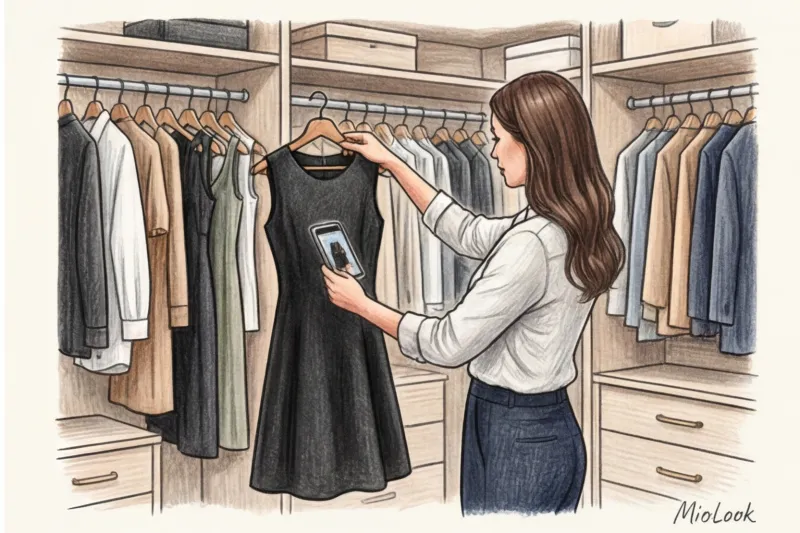
- Жесткий аудит: уберите на верхнюю полку или в дальний угол все вещи из жестких тканей (плотный деним без стрейча, узкие юбки-карандаши) и вещи с фиксированным акцентом строго на талии. Они будут только раздражать.
- Оцифровка базы: сфотографируйте оставшиеся расслабленные вещи (оверсайз пиджаки, трикотажные платья, рубашки) и загрузите их в приложение MioLook. Искусственный интеллект поможет вам увидеть новые комбинации из того, что уже есть, создавая адаптивные капсулы на каждый день.
- Точечная инвентаризация: докупите только 2-3 стратегические вещи в бюджете 50–120 €. Мой топ: удлиненная белая поплиновая рубашка (закрывающая бедра) и плотное платье-лапша миди.
- Фурнитура решает: закажите набор эспандеров (расширителей) для пуговиц на брюках. Это копеечная инвестиция (до 10 €), которая продлит жизнь вашим деловым брюкам на пару месяцев.
- Обувной маневр: пересмотрите обувь. Из-за физиологических отеков ваш привычный размер к вечеру может оказаться мал. Классические кожаные лоферы на полразмера больше станут спасением для спины и статусной заменой кроссовкам.
Стиль во время беременности не требует от вас измены себе или безумных инвестиций в одежду-однодневку. Перестаньте искать спасение в специализированных отделах — ваш идеальный гардероб для этого прекрасного периода уже наполовину висит в вашем шкафу. Достаточно лишь немного сместить фокус с покупки нового на умную адаптацию старого.