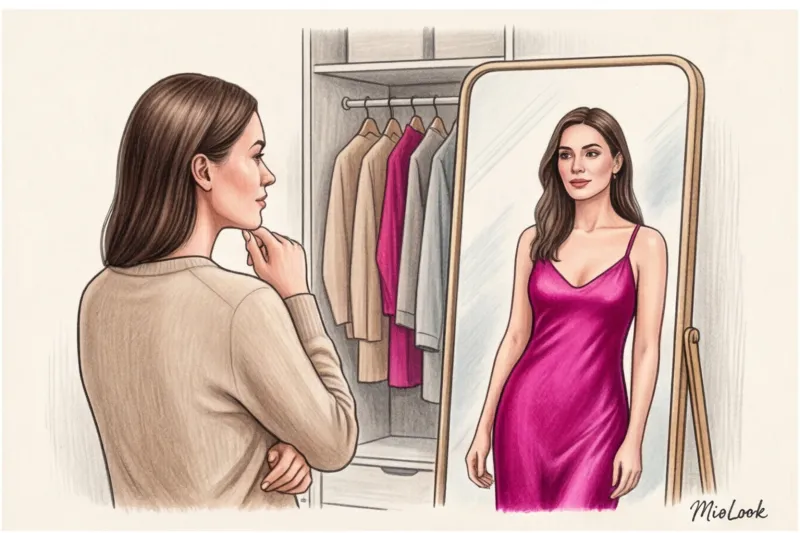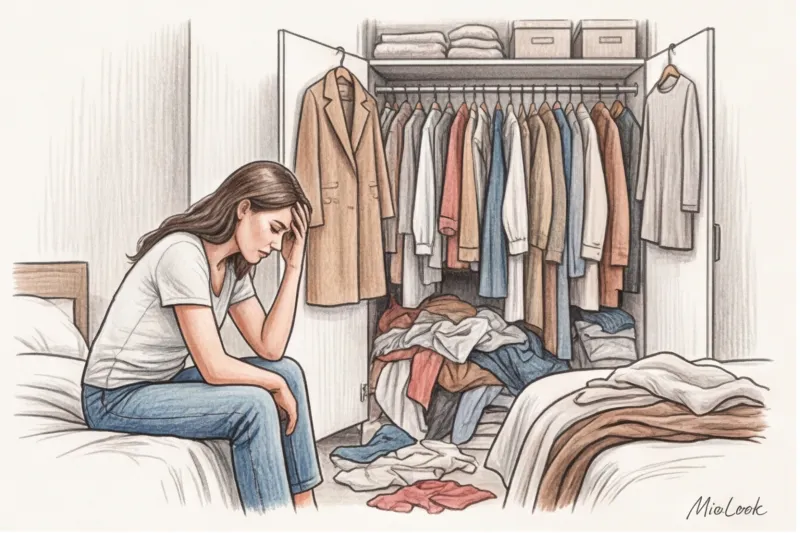
Декілька років тому до мене на розбір гардеробу прийшла клієнтка Ганна. Вона працювала проектним менеджером на віддаленні, але в її шафі висіло п'ятнадцять шовкових коктейльних суконь із незнятими бирками. При цьому, зустрічаючи мене, вона була одягнена в розтягнуту худорлявість і спортивні джоггери. «Джулія, мені зовсім нема чого одягти», — зітхнула вона, дивлячись на цей парад паєток і шовку. Саме в цей момент ми стикаємося із класичною пасткою «Фантазійного Я». І якщо ви читаєте ці рядки, значить питання про те, як перестати купувати зайвий одяг , назрів і вам. Докладніше про механізми таких покупок ми розповіли у нашому повному гіді з психології шопінгу Але сьогодні ми перейдемо до жорсткої, але ефективної практики.
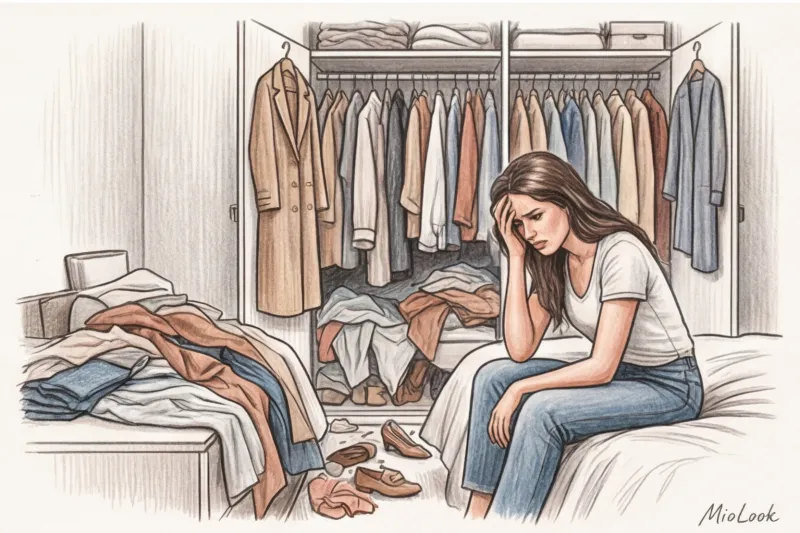
Відразу обмовлюся: дієти не працюють. Ні харчові, ні шопінг-дієти. Якщо ви просто забороните собі купувати нові речі, ви зірветесь на першому сезонному розпродажі. За 12 років роботи стилістом я зрозуміла головне: щоби вилікувати імпульсивний шопоголізм, потрібно не обмежувати себе, а радикально підвищити свої стандарти.
Психологія імпульсу: чому ми продовжуємо скуповувати речі
Чи ви помічали цей дивний парадокс: чим більше речей накопичується на вішалках, тим складніше вранці зібрати образ? У поведінковій економіці це називається "Парадоксом вибору". Надлишок опцій банально блокує нашу здатність приймати рішення, викликаючи втому від прийняття рішень (decision fatigue).
Але чому рука сама тягнеться до кнопки Оформити замовлення? Вся справа у дофаміновій петлі. Нейробіологічні дослідження, зокрема роботи професора Роберта Сапольськи, доводять: максимальний викид дофаміну відбувається не в момент володіння річчю, а в момент передчуття. Ми купуємо не черговий кашеміровий светр. Ми купуємо ілюзію того, що разом із цим светром у наше життя прийде затишок, спокій та ідеальні осінні прогулянки з кавою.
Маркетинг брендів віртуозно експлуатує цю нашу втому та бажання отримати швидку порцію радості після важкого робочого дня.
Ефект Дідро та пастка «Фантазійного Я»
Повернемося до моєї клієнтки Анни з її коктейльними сукнями. Купівля одягу для життя, якого ви не живете (або живете двічі на рік) - це головний симптом пастки "Фантазійного Я". А далі входить у гру знаменитий Ефект Дідро. Купивши одну нову річ (наприклад, розкішні туфлі-човники), ви раптово розумієте, що ваші старі штани до них не підходять. Ви купуєте штани, до них потрібна нова блуза, до блуз - сумка. Одна покупка запускає нескінченну спіраль споживання.
Практична вправа: Намалюйте коло і розділіть його на сектори, що відображають ваше реальне проведення часу (70% - офіс без суворого дрес-коду, 20% - вихідні з дітьми, 10% - ресторани). А тепер подивіться на свою шафу. Більшість жінок пропорції гардеробу рівно зворотні.
Спробуйте MioLook безкоштовно
Розумний AI-стиліст підбере ідеальний образ на основі вашого реального ритму життя
Почати безкоштовноЗміна парадигми: як перестати купувати зайвий одяг
Замість того, щоб твердити собі «не можна купувати одяг», спробуйте переключити фокус на концепцію ексклюзивності.
Ваш гардероб – це закритий VIP-клуб. І щоб нова річ туди потрапила, вона має пройти найжорстокіший фейсконтроль. 95% того, що висить у мас-маркеті, просто негідно перетнути поріг вашого будинку.
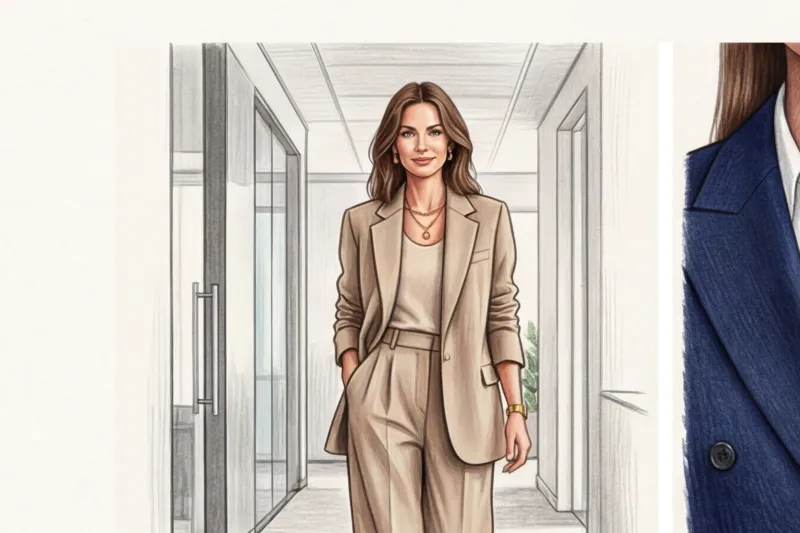
Купівля меншої кількості речей стає природним побічним ефектом, коли ви починаєте вимагати від одягу абсолютної досконалості: італійського вироблення вовни, швейцарської точності крою, французької недбалої елегантності. Коли ви починаєте розбиратися в тому, як поводиться в носінні віскоза з додаванням 5% еластану на відміну від дешевого поліестеру, вам просто схочеться скуповувати все підряд.
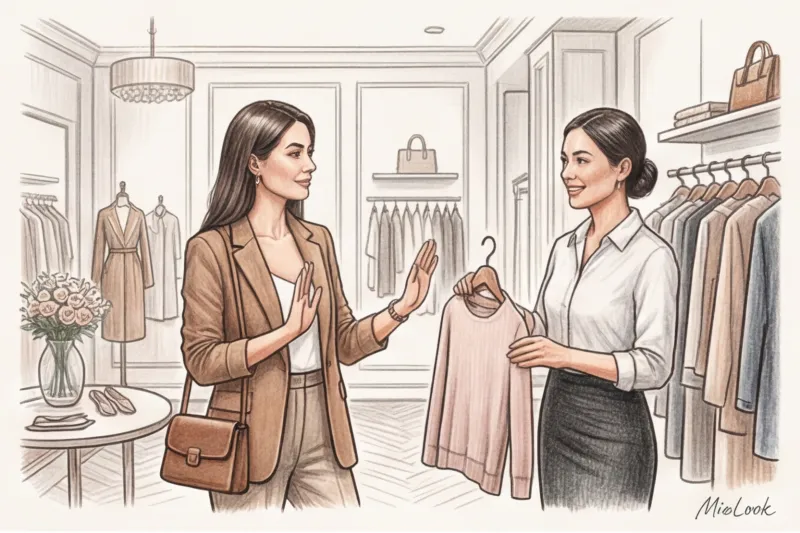
Принцип "фейсконтролю" для нових речей
Правило просте: це має бути абсолютне «Так», чи це впевнене «Ні». Якщо річ потребує компромісів («мені потрібно схуднути на 2 кг», «сюди потрібен спеціальний безшовний бюстгальтер, якого в мене немає», «носитиму, якщо трохи вуха»), вона залишається в магазині.
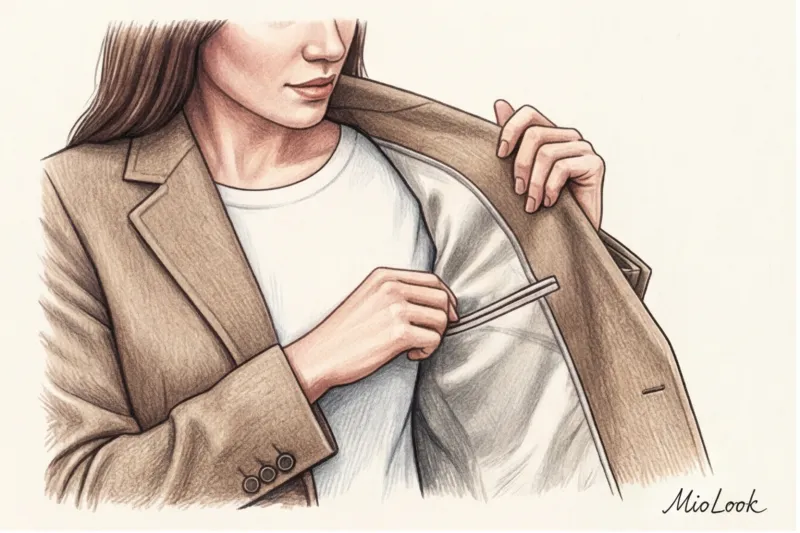
Завжди проводьте тактильний тест. Закрийте очі і помацайте тканину. Якщо вона скрипить на пальцях, електризується чи просто не викликає фізичного захоплення при торканні – не купуйте. Жодний вдалий крій не врятує неприємну до тіла річ.
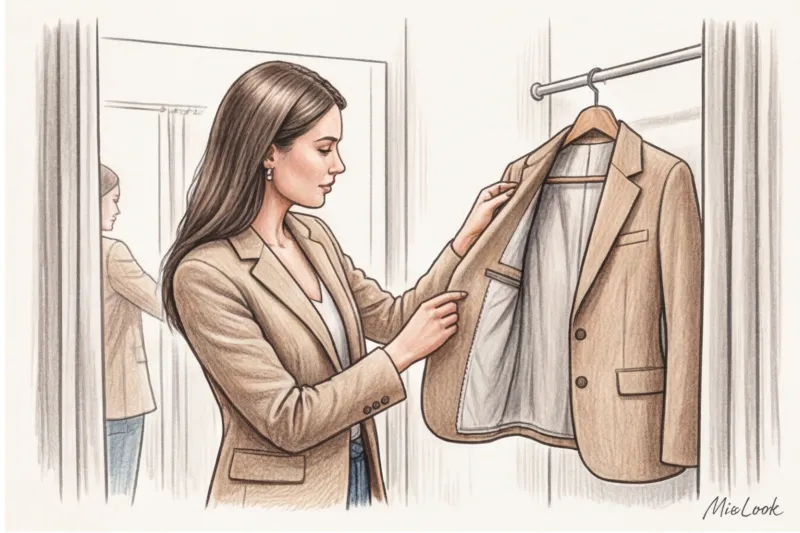
Інвестиційний підхід до гардеробу: математика проти шопоголізму
Багато моїх клієнток пишаються тим, що «вигідно» скупилися на розпродажі. Але ось неочевидний факт: розпродажі та знижки роблять ваш гардероб візуально дешевим та хаотичним. Спроба заощадити, скуповуючи бюджетні аналоги люксу і речі з червоними бірками «-70%» — це головна причина тієї самої забитої шафи, в якій нема чого одягти.
Єдиний правильний спосіб оцінки вартості речі – це математична модель Cost-Per-Wear (CPW) чи ціна за вихід. Давайте порахуємо разом.
Сценарій А: Ви купуєте трендовий жакет із поліестеру в мас-маркеті (умовний H&M або Zara) за 30 €. Через дешеву тканину та посередню посадку ви надягаєте його 3 рази за сезон, після чого він покривається катишками. Ваш CPW: 10€ за один вихід.
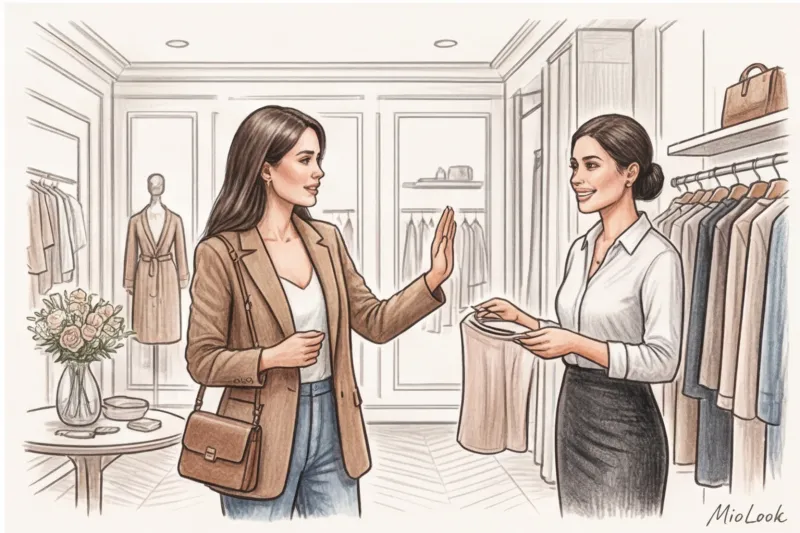
Сценарій Б: Ви інвестуєте в ідеально скроєний блейзер зі 100% шерсті мериноса від преміум-бренду за 400€. Ви носите його на роботу, на зустрічі, з джинсами у вихідні — мінімум 100 разів за 3 роки. Ваш CPW: 4€ за вихід.
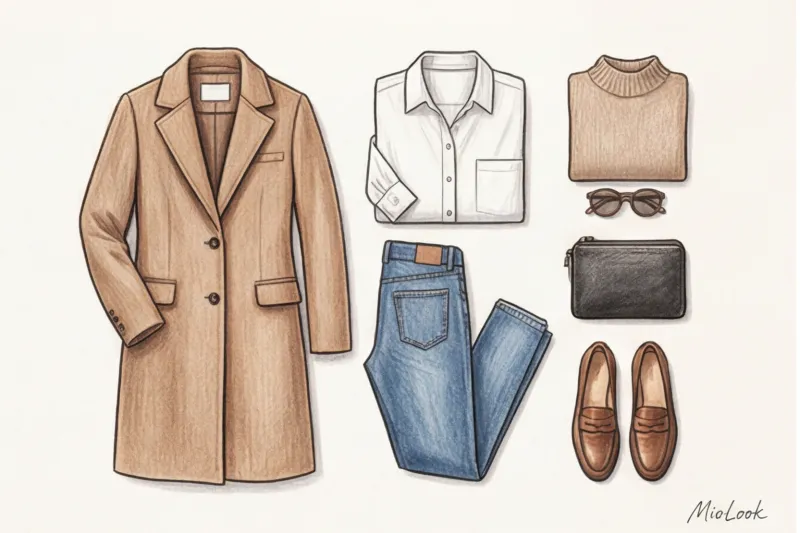
За даними аналітичного звіту McKinsey & Company, середня сучасна річ надівається всього 7-10 разів перед тим, як вирушити на звалище. Математика безжальна: «дорога» базова річ обходиться вашому гаманцю дешевше, ніж гора копійчаних одноденок.
Ваш ідеальний образ починається тут
Приєднуйтесь до тисяч користувачів, які щодня виглядають бездоганно з MioLook, розраховуючи вартість свого гардеробу з розумом.
Почати безкоштовноАнатомія примірювальної: приховані пастки рітейлу
Як інсайдер індустрії я можу з упевненістю сказати: магазини швидкої моди спроектовані так, щоб позбавити вас критичного мислення. Темп музики близько 120 ударів за хвилину змушує вас рухатися швидше. Різке верхнє світло та тісні кабінки створюють відчуття дискомфорту – вам хочеться швидше схопити річ та втекти на касу.
У люксових бутіках (наприклад, Massimo Dutti або COS у їхніх найкращих локаціях) інша стратегія: тепле світло 2700K, яке робить шкіру ідеальною, крісла для відпочинку та повільна музика 60 bpm. Тут вас розслаблюють, щоб ви розлучилися з більшою сумою.
Як не піддатися на хитрощі освітлення і дзеркал? Проводьте «Стресс-тест у примірювальній». Не просто стійте перед дзеркалом. Сядьте на пуф (чи не задирається спідниця до критичної позначки?). Підніміть руки вгору (чи сорочка заправленою?). Пройдіться (чи не збираються штани в паху?). Різниця між «ефектно виглядає на манекені» та «комфортно у житті» колосальна.
Правило трьох образів: практичний фільтр усвідомленого шопінгу
Уявіть, що ви стоїте перед касою із чарівним смарагдовим светром. Перш ніж дістати карту, задайте собі одне питання: «Чи можу я прямо зараз, в умі, скласти з цим светром мінімум три різні образи з тих речей, що вже висять у моїй шафі?»
- Светр + мої базові сині джинси + лофери? Так.
- Светр + вовняні штани-палаццо? Так.
- Светр поверх моєї шовкової сукні-комбінації? Так.
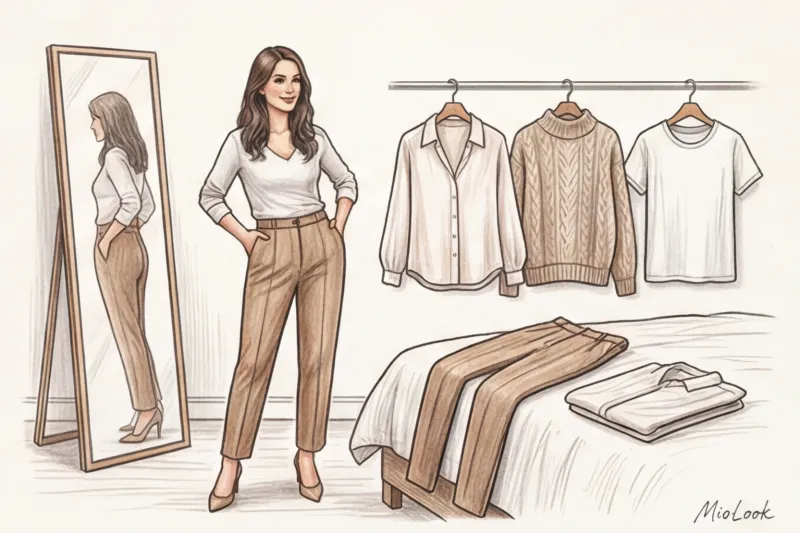
Якщо відповідь "ні" або "для цього мені потрібно купити ще одні штани" - відкладайте річ. Концепція функціональної капсули – це ваш головний запобіжник від випадкових покупок. Звичайно, я маю визнати обмеження цього методу: він не працює для вузькоспеціалізованого одягу. Якщо ви купуєте гірськолижний костюм або плаття для дрес-коду Black Tie, вам не потрібно вписувати його в три повсякденні цибулі. Але для 95% вашої бази це правило працює безвідмовно.
Для онлайн-шопінгу застосовуйте правило 24 години (а для кошиків вартістю понад 300 € - правило 7 днів). Залиште речі в кошику та закрийте вкладку. Найчастіше наступного дня ви навіть не згадаєте, що саме збиралися купити.
Чи готові почати?
Спробуйте безкоштовний план MioLook без обов'язків. Штучний інтелект допоможе скласти капсулу, де всі речі поєднуються між собою.
Почати безкоштовноІнформаційний детокс: захист від агресивного маркетингу
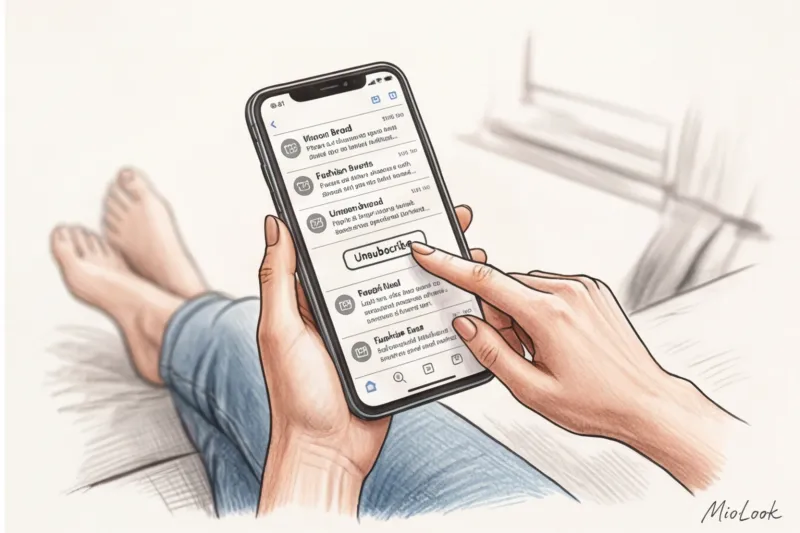
Перший фізичний крок, який ви повинні зробити сьогодні ввечері - відписатися від email-розсилок всіх брендів одягу та видалити програми швидкої моди з телефону. Це як зберігати торт на тумбочці біля ліжка, намагаючись при цьому скинути вагу.
Тут криється важливий парадокс, про який рідко говорять маркетологи: програми лояльності брендів не створені для того, щоби економити ваші гроші. Вони спроектовані виключно для того, щоб скоротити час між вашими транзакціями. Повідомлення про згоряючих 15€ бонусів змушує вас витрачати 150€, щоб не випробувати FOMO (синдром втраченої вигоди).
Очистіть свою стрічку у соціальних мережах. Відпишіться від інфлюенсерів, чий контент будується виключно на щоденних «розпаковках» та демонстрації нескінченного споживання. Залишіть тих, хто навчає стилізації, догляду за речами та інвестиційного підходу.
Від шопінгу до стайлінгу: заново відкриваємо свою шафу
Найцікавіший шопінг - це шопінг у власній шафі. Перестаньте шукати нові речі та почніть шукати нові поєднання. Та сама біла сорочка, яку ви носили тільки в офіс зі спідницею-олівець, може виглядати неймовірно стильно, якщо надіти її поверх водолазки, розстебнути до пояса і додати ремінь.
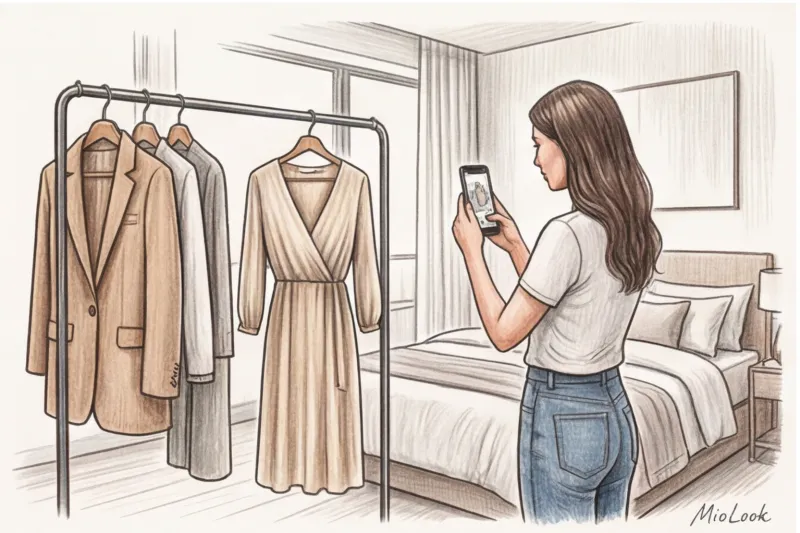
Щоб цей процес перестав бути хаотичним, гардероб потрібно оцифрувати. Коли ви додаєте свої речі в розумні програми, такі як MioLook Ви отримуєте об'єктивну картину реальності. Візуалізація 20 різних топів на екрані смартфона миттєво лікує паніку «не маю нічого надіти».
Усвідомлений гардероб – це не про аскетизм та поневіряння. Це про повагу до себе, свого часу та своїх грошей. Перестаньте спонсорувати індустрію швидкої моди та почніть інвестувати у власний статус. Коли кожна річ у вашій шафі сидить бездоганно, виконана з якісної тканини та відображає ваше реальне життя, потреба у постійних покупках відпадає сама собою. Ви вже маєте найкраще — навіщо вам погоджуватися на менше?