Она стояла за кулисами масштабного бизнес-форума и чуть не плакала. На ней была великолепная, струящаяся шелковая блуза за 300 евро, на которой теперь красовалось огромное черное пятно от смазки механизма roll-up стенда. До выхода к VIP-гостям оставалось десять минут, а ее уверенность в себе рухнула до нуля. За 12 лет работы персональным стилистом я слышала десятки подобных историй от девушек из сферы коммуникаций.
Когда мы обсуждаем стиль одежды для пиарщика, многие до сих пор представляют себе глянцевую картинку из фильма «Дьявол носит Prada». На практике же это суровый тест на выживание. Ваш гардероб должен выдерживать экстремальные нагрузки, сохраняя при этом безупречный внешний вид. Подробнее о том, как вообще формируется современный рабочий гардероб без жестких рамок, мы рассказывали в нашем полном гиде по креативному деловому стилю.
Я Катажина Новак, и сегодня мы разберем гардероб специалиста по связям с общественностью и event-менеджера не как набор красивых вещей, а как профессиональную экипировку. Мы соберем гардероб-трансформер, который позволит вам выглядеть статусно на утренней встрече с инвесторами и чувствовать себя комфортно, монтируя площадку в два часа ночи.
Стиль одежды для пиарщика: почему старые правила больше не работают
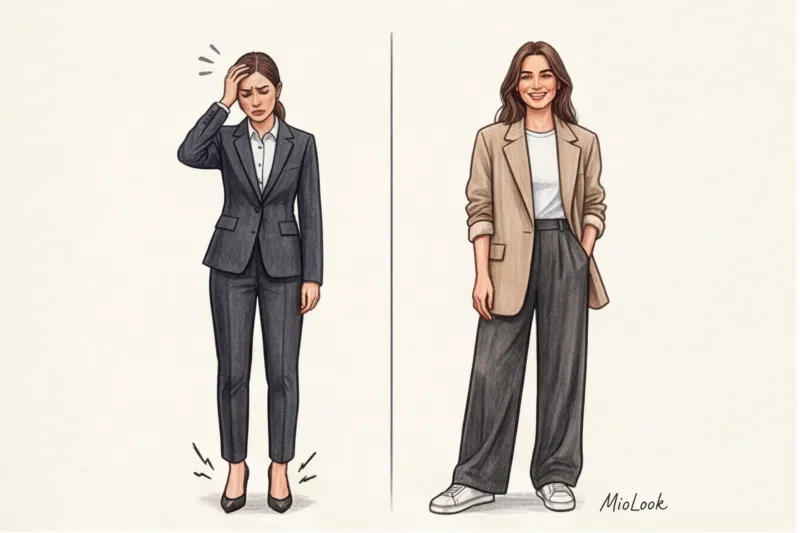
Классический корпоративный дресс-код (Business Traditional) создавался для людей, которые сидят за столом. Он статичен. Жесткие воротнички, узкие юбки-карандаши из плотной костюмной ткани, приталенные жакеты, сковывающие движения плеч — все это выглядит отлично, пока вы неподвижны.
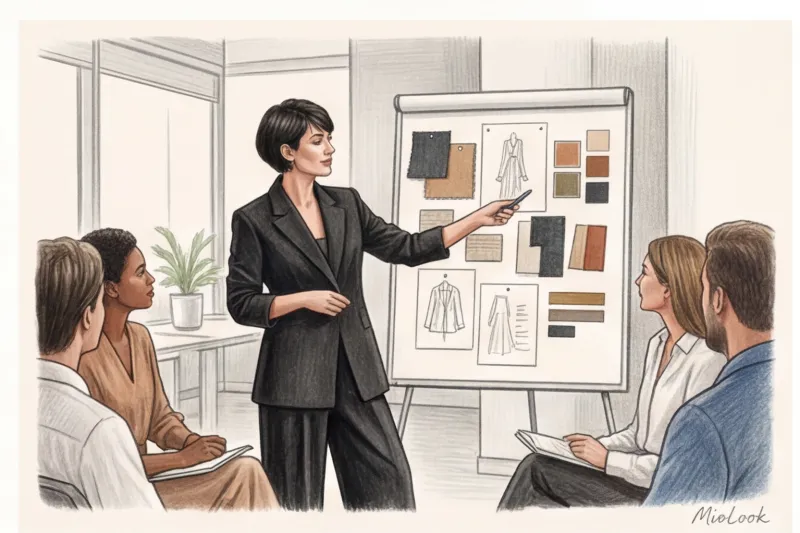
Но реальность PR-менеджера — это постоянная двойственность ролей. В 10:00 вы защищаете бюджет перед CEO, транслируя авторитет и надежность. А в 14:00 вы уже на площадке: перешагиваете через кабели, проверяете рассадку в зале, носите коробки с пресс-воллами или бегаете по лестницам, потому что лифт перегружен. Стандартный деловой костюм этот тест на динамику проваливает с треском: он мнется в машине, заставляет вас потеть от стресса и делает образ «нафталиновым» для представителей креативных индустрий.
«Ваша одежда в PR — это не просто упаковка. Это инструмент управления впечатлением, который не должен требовать к себе внимания в течение дня. Если вы думаете о том, как сидит ваша юбка, вы не думаете о проекте».
Анатомия идеального гардероба: формула «Статус + Динамика»
Исследование аналитического агентства WGSN (2024) подтверждает глобальный тренд на «performance tailoring» — деловую одежду с характеристиками спортивной экипировки. Для event-индустрии это не тренд, а вопрос выживания.
Моя авторская формула для таких профессий звучит так: Структурированные силуэты + Пластичные, дышащие материалы. Силуэт отвечает за статус (четкая линия плеча, правильная посадка брюк), а ткань — за динамику.
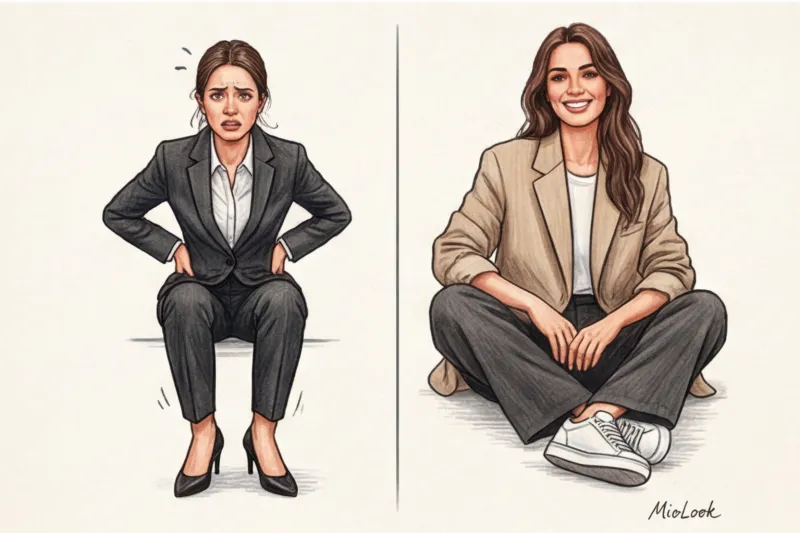
В своей практике я заставляю каждую клиентку-организатора проходить в примерочной мой авторский тест «присядь и потянись». Если в выбранном брючном костюме вы не можете свободно присесть на корточки (чтобы поднять упавший бейдж) или вытянуть руки вверх (чтобы поправить микрофон спикеру) без страха, что по шву пойдет трещина — мы оставляем эту вещь в магазине.
Ткани, которые выдерживают 14-часовой рабочий день
С точки зрения текстильной инженерии, не все натуральные ткани — благо. Забудьте о 100% льне (вы будете выглядеть пожеванной уже через час), дешевой вискозе (оставляет пятна от малейшей капли воды) и жестком хлопке без эластана.
Вот ваш реальный must-have список для чтения этикеток:
- Триацетат (Triacetate): Искусственный шелк нового поколения. В отличие от натурального шелка, он не мнется, легко стирается, приятно холодит кожу и выглядит потрясающе дорого. Идеально для блуз и топов.
- Тропическая шерсть (Cool Wool): Тончайшая шерстяная нить сильной крутки. Она обладает природной терморегуляцией — в ней не жарко летом и не холодно в кондиционируемом зале.
- Купро (Cupro): Экологичный материал из хлопкового пуха. Драпируется как шелк, но дышит как хлопок. Отличный выбор для платьев-рубашек.
- Смесовые ткани: Идеальная пропорция для костюма — 60-70% шерсти, 20-30% вискозы или полиэстера (для износостойкости) и 2-5% эластана (для свободы движений).
Обувь event-менеджера: стильно, но без боли
По данным фитнес-трекеров моих клиенток, в день крупного мероприятия организатор проходит от 15 000 до 20 000 шагов. Правило обязательных шпилек в PR мертво. Точка.
Ваши лучшие друзья — это обувь, которая визуально собирает образ, но имеет колодку ортопедического уровня. Выбирайте премиальные кожаные лоферы на массивной подошве (она амортизирует удар при ходьбе по бетону или плитке), минималистичные кожаные кеды без логотипов или ботинки челси на низком устойчивом каблуке.
Для гала-ужинов я рекомендую «стратегию двух пар»: вы работаете на площадке в стильных лоферах, а за 15 минут до прихода гостей переобуваетесь в элегантные слингбэки на каблуке kitten-heel (3-4 см).
Ваш идеальный образ начинается здесь
Присоединяйтесь к тысячам пользователей, которые каждый день выглядят безупречно с MioLook. Оцифруйте свой гардероб и планируйте образы заранее.
Открыть доступ — €0,99 разовоКапсула для PR-специалиста: что купить в Zara, COS и Massimo Dutti
Вам не нужно одеваться исключительно в люкс, чтобы транслировать экспертность. Секрет европейских стилистов — в грамотном миксе качественного масс-маркета и премиум-сегмента. Давайте разберем, за чем именно стоит идти к популярным брендам.
COS (бюджет: средний/премиум)
Это Мекка для архитектурного кроя. Сюда мы идем за объемными рубашками из плотного поплина, которые держат форму и не прилипают к телу, а также за структурированным трикотажем. Их кардиганы плотной вязки выглядят как жакеты, но комфортны как домашняя кофта.
Massimo Dutti (бюджет: средний)
Лучшее соотношение цены и качества для деловых костюмов. Их широкие брюки из струящихся тканей (fluid wide-leg trousers) создают потрясающую динамику при ходьбе. Жакеты из полушерсти здесь стоят около 150-180 евро, но выглядят на все 500.
Zara (бюджет: базовый)
Здесь мы не покупаем базовые вещи на каждый день — они быстро теряют вид. В Zara мы охотимся за трендовыми акцентами: фактурными жилетами, эффектными ремнями или массивной бижутерией. Это позволяет осовременить образ без лишних трат.
Анализ Cost-per-wear (цена за выход):
Жакет из базовой линейки масс-маркета за 40 евро покроется катышками и потеряет форму после двух химчисток. Вы наденете его 10 раз (цена выхода — 4 евро).
Жакет Massimo Dutti за 150 евро из качественной смесовой шерсти прослужит вам 3 года при еженедельной носке (около 150 выходов). Цена за выход — 1 евро. Инвестировать в базу всегда выгоднее.
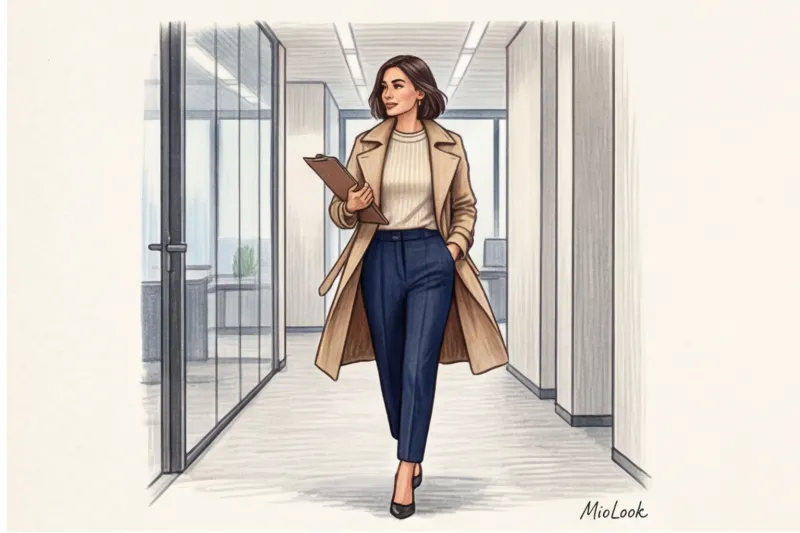
Как одеться на мероприятие, если вы организатор
Социолог Ирвинг Гофман еще в 1959 году описал теорию самопрезентации, разделив поведение человека на «авансцену» (перед публикой) и «закулисье». Event-менеджер уникален тем, что находится в обеих зонах одновременно. Ваша эстетика — «невидимая, но авторитетная».
Важнейшее правило: Карманы — это власть. Вам нужна функциональная одежда с глубокими карманами для телефона, рации, ключей от гримерки и тайминга. Жакет без карманов для организатора бесполезен.
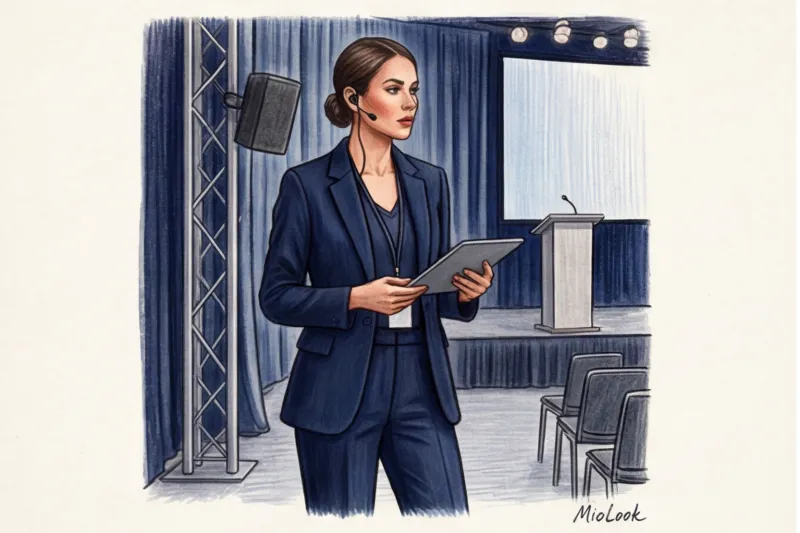
А теперь контринтуитивный совет, который удивляет многих. Тотальный черный цвет (Total Black) — это ошибка.
Да, это негласная униформа индустрии. Но давайте посмотрим на физику света. Под яркими сценическими софитами или на открытом солнце дешевый черный краситель масс-маркета моментально выдает себя — он выглядит выцветшим, с рыжеватым или зеленоватым отливом. Кроме того, черный работает как магнит для любой пыли, шерстинок и мела с площадки.
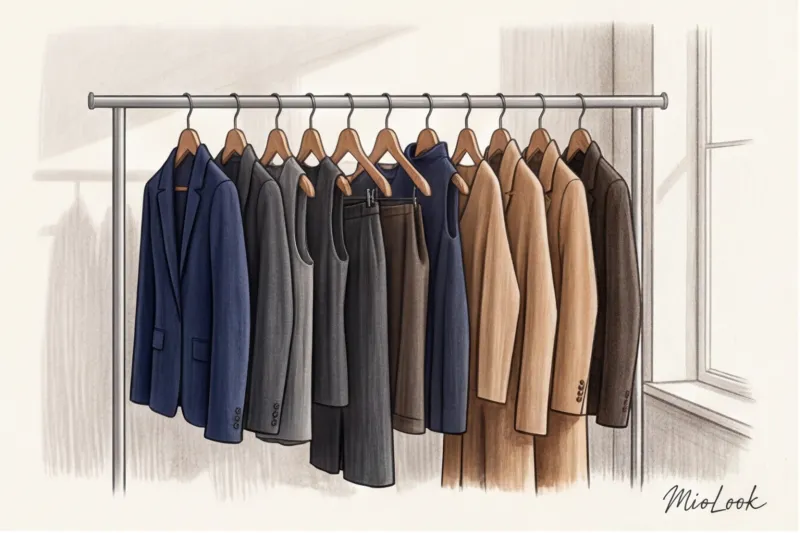
Вместо того чтобы сливаться с техниками сцены, выбирайте статусные альтернативы: глубокий полуночно-синий (midnight navy), насыщенный графитовый (dark charcoal) или темный оливковый. Эти цвета выглядят в разы благороднее, не выцветают под светом ламп и скрывают мелкие загрязнения.
Справедливое ограничение: Этот совет не работает, если вы организуете протокольное мероприятие со строжайшим дресс-кодом Black Tie, где регламент прямо предписывает персоналу исключительно черный цвет. Во всех остальных случаях — экспериментируйте с глубокими темными оттенками.
Доступ к MioLook за €0,99 — разовый платёж
Умный AI-стилист подберёт идеальный образ для любого мероприятия, учитывая ваш график и дресс-код.
Открыть доступ — €0,99 разовоТрансформер-образы: от утренней планерки до вечернего фуршета
У вас нет времени заезжать домой переодеваться. Ваш гардероб должен меняться по технике «60 секунд». Вот как это работает на практике:
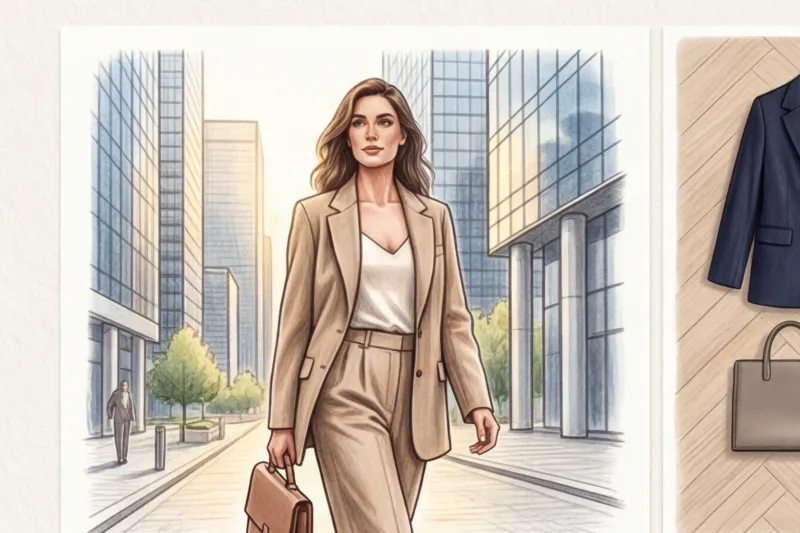
- Шаг 1: База (The Base). Надеваем топ из плотного шелка или купро (не просвечивает, не мнется), широкие струящиеся брюки со стрелками и комфортные лоферы. В таком виде удобно ехать в машине и руководить застройкой стенда.
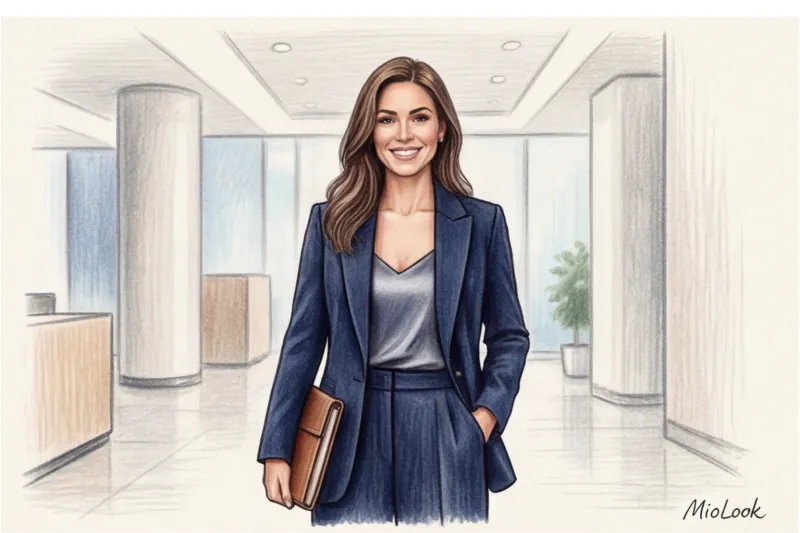
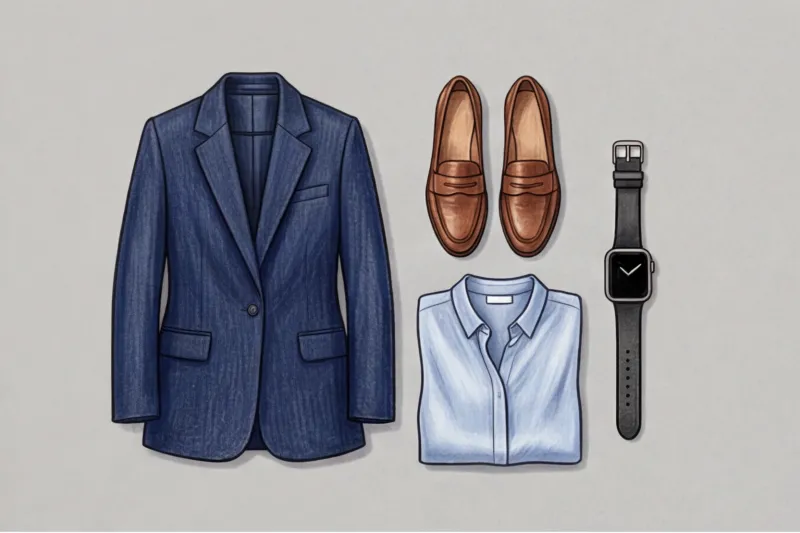
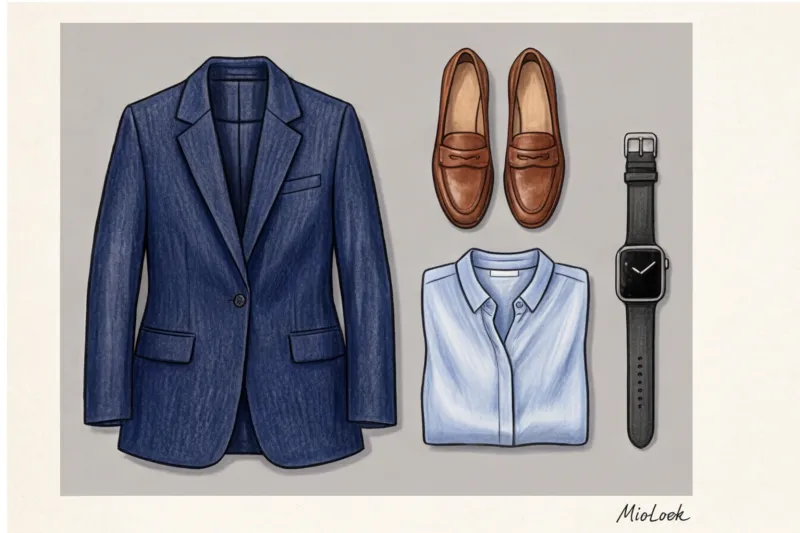
- Шаг 2: Питчинг (The Pitch). За 5 минут до встречи с клиентом или спонсором вы достаете из чехла структурированный жакет. Надеваете его, добавляете минималистичные часы. Градус формальности мгновенно повышается — вы готовы защищать смету.
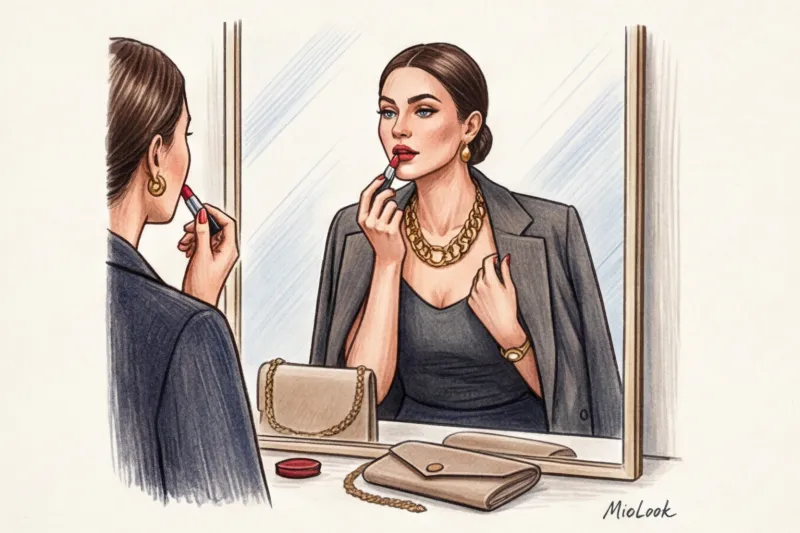
- Шаг 3: Гала-ужин (The Gala). Вечером жакет можно небрежно накинуть на плечи. Вы меняете лоферы на слингбэки, достаете из большой сумки-шоппера элегантный клатч (в котором лежат только телефон и помада), надеваете крупные акцентные серьги и обновляете макияж.
Три совершенно разных впечатления на базе одних и тех же брюк и топа.
Статусные маркеры: куда инвестировать, а на чем сэкономить
Когда вы ведете переговоры с клиентами, чей доход исчисляется миллионами, они считывают ваш статус за доли секунды. И делают они это не по бирке на вашей футболке, а по аксессуарам. Подробнее мы разбирали эту психологию в статье про статусные аксессуары для женщин.
На чем мы жестко экономим:
Базовые футболки (белые и черные), простые водолазки, вещи ультрамодных сезонных оттенков. Это расходный материал. Покупайте их в масс-маркете и безжалостно выбрасывайте, как только они потеряли белизну или форму.
Во что мы инвестируем:
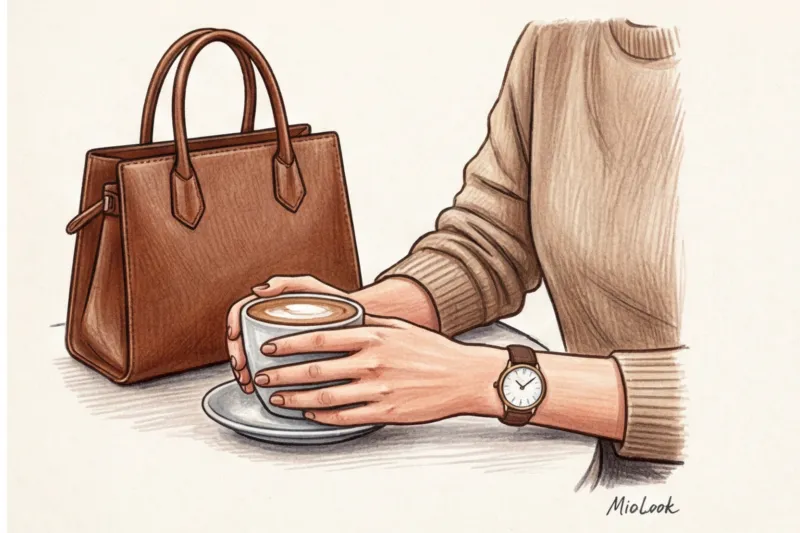
- Структурированная сумка-тоут (Tote bag). Она должна держать форму даже пустой, иметь жесткое дно и вмещать ноутбук 13 дюймов вместе с папкой формата А4. Мягкие сумки-мешки убивают деловой статус.
- Качественные часы. Даже в эпоху Apple Watch классические механические часы с лаконичным циферблатом остаются мощнейшим маркером надежности.
- Верхняя одежда. Идеально скроенный тренч или шерстяное пальто. Это первое, что видит клиент, когда вы заходите в переговорную.
Секрет стилистов: сумка за 300-500 евро с хорошей фурнитурой визуально «вытянет» костюм из Zara за 50 евро. Но дешевая сумка из блестящего полиуретана уничтожит впечатление даже от жакета Armani.
Чек-лист: аудит вашего PR-гардероба с MioLook
Готовы к новому event-сезону? Проведите быструю ревизию по этому чек-листу:
- Есть ли у вас минимум два «низа» (брюки/юбки), в которых вы можете свободно присесть?
- Есть ли жакет, который не мнется, если свернуть его в рулон?
- Имеется ли обувь закрытого типа, в которой вы без боли пройдете 10 километров?
- Заменили ли вы выцветшие черные вещи на благородный темно-синий или графит?
- Есть ли у вас «набор спасения» на рабочем месте (запасная белая рубашка, ролик от шерсти, антистатик)?
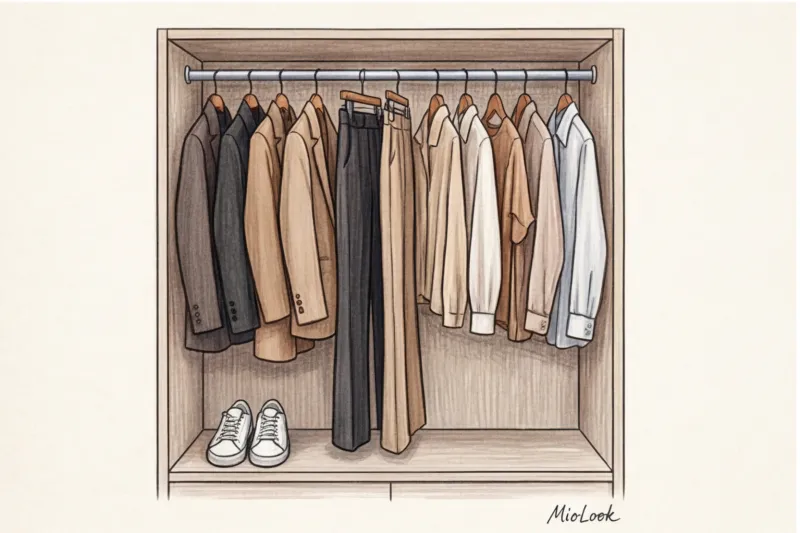
Держать все эти капсулы в голове сложно. Именно для таких случаев я рекомендую использовать приложение MioLook. Вы можете сфотографировать свои проверенные «боевые» вещи, оцифровать их и составить готовые формулы образов. Накануне сложного мероприятия, когда вы заканчиваете работу в полночь, вам не придется стоять перед открытым шкафом — AI-стилист уже подготовит для вас идеальный трансформер-образ на завтра.
Запомните главное правило профессионального стиля в PR: ваша одежда должна работать так же усердно, как и вы сами. Не соглашайтесь на компромиссы между статусом и комфортом — современные технологии кроя и тканей позволяют получить и то, и другое.