Психологія сприйняття: чому статусні аксесуари для жінок важливіші за самий одяг
Уявіть собі сцену: важливі переговори, відчиняються двері, і входить блискучий експерт. На ній ідеально скроєний вовняний костюм, але погляд мимоволі падає на стоптані миси туфель і безформну сумку з фурнітурою, що потьмяніла. Ілюзія бездоганної компетентності дає тріщину протягом секунди. Саме тому, коли ми формуємо ділову капсулу, я завжди наголошую: статусні аксесуари для жінок — це не фінальний штрих, а конструкція всього образу, що несе.
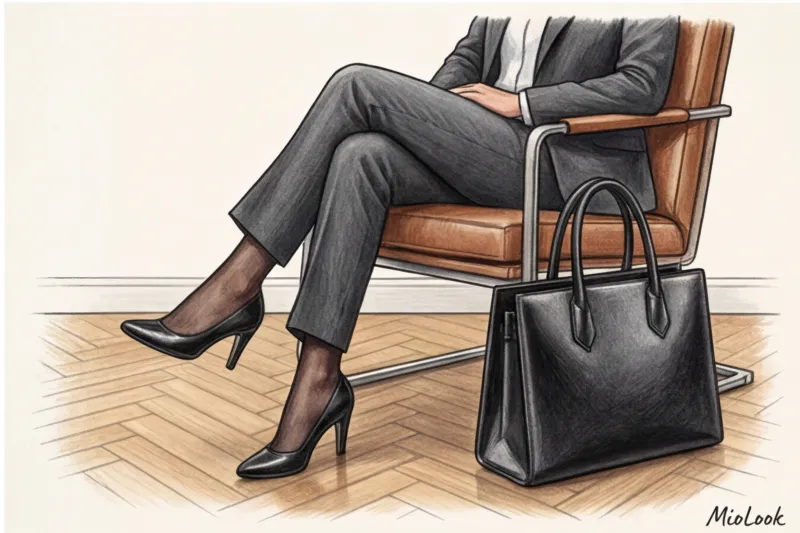
За 12 років роботи стилістом я регулярно спостерігаю ту саму помилку. Приблизно 8 із 10 моїх нових клієнток готові витратити левову частку бюджету на жакети та штани, залишаючи взуття та сумки фінансуватися за залишковим принципом. Підсумок завжди сумний: дешеве взуття миттєво знецінює навіть найдорожчий кашемір.
У когнітивній психології є поняття "ефекту обрамлення" (framing effect). У контексті персонального стилю він працює безвідмовно: як дешева пластикова рама здатна зіпсувати оригінал живопису, так і неякісна сумка руйнує архітектуру вбрання. Дорогі структурні аксесуари з гарною фурнітурою здатні візуально «витягнути» лаконічний базовий костюм з якісного мас-маркету (наприклад, з COS або Massimo Dutti) до рівня преміум-сегменту. І навпаки - пухка сумка з поліуретану змусить костюм від Armani або Loro Piana виглядати так, наче ви купили його на розпродажі сумнівного стоку.
Чому наш мозок працює саме так? Звернемося до науки. Знамените дослідження Прінстонського університету (Todorov, 2006) довело, що нам потрібно всього 100 мілісекунд, щоб скласти перше враження про людину. Тут набирає чинності теорія сигналів із еволюційної психології. Якісна щільна шкіра, бездоганний уріз сумки, ідеальна чистота взуття та суворий годинник – це потужні невербальні маркери. Через них ми транслюємо партнерам не розмір свого банківського рахунку, а зовсім інші якості: надійність, внутрішню стабільність, педантичність та високу увагу до деталей. Підсвідомість співрозмовника зчитує чіткий сигнал: «Якщо вона так педантична у виборі ремінця для годинника та догляду за взуттям, значить, вона буде настільки ж скрупульозною в аудиті нашого багатомільйонного проекту».
У суворому діловому середовищі статусні речі — це давно не про хвастощі чи бажання пустити пилюку в очі. Це ваш робочий інструмент та знак поваги до партнерів. Вибираючи якісну річ, ви показуєте, що цінуєте свій та чужий час, роблячи ставку на довговічність та усвідомленість замість швидкоплинних одноразових трендів. Якщо ви починаєте вибудовувати свій візуальний код, рекомендую вивчити наше посібник про те, як знайти свій стиль одягу для жінок , де докладно розібрано фундамент гардеробу.
А щоб грамотно вписати нові інвестиційні покупки до вже існуючої бази, я раджу оцифрувати свої речі. У програмі MioLook дуже зручно збирати капсули: ви наочно бачите, як одна якісна сумка-тоут пов'язує до п'яти різних ділових комплектів, математично виправдовуючи кожну вкладену в неї копійку.
Анатомія статусної сумки: інвестиція в особистий бренд
А ви колись вважали реальну фінансову рентабельність свого гардеробу? Дослідження консалтингової агенції Bain & Company (2023) показує, що термін життя ультрамодної сумки скоротився до одного-двох сезонів. Це лише кілька місяців активного носіння, після чого річ починає виглядати морально застарілою.
Згадайте нещодавній бум на мікро-сумки, які містяться хіба що кредитка, або моделі гіпертрофованих асиметричних форм. Купівля так званих «it-bags» — сумок, що кричать про свою приналежність до тренду — це найгірша стратегія для ділової жінки. На раді директорів чи зустрічі з інвесторами такі аксесуари транслюють легковажність, а не експертність.
Справжній статус не потребує спецефектів. Позачасова класика завжди виграє у швидкоплинних трендів, тому що вона говорить про вашу стабільність та вміння планувати довго.
Давайте перекладемо це на мову цифр через концепцію Cost Per Wear (CPW) - Вартість одного виходу. Допустимо, ви піддалися імпульсу і купили трендову сумку з мідл-сегменту за 3000 €. Ви візьмете її на зустрічі від сили 15 разів, перш ніж вона вийде з моди або втратить початковий блиск. Ваш CPW становитиме 200 € за кожен вихід.
А тепер візьмемо класичну статусну сумку з лаконічним дизайном за 15000 €. Ви носитимете її мінімум три роки, скажімо, 150 робочих днів на рік. Разом 450 виходів. Ваш CPW = 33 €. Математика безжальна: інвестувати в дорогу базу у шість разів вигідніше. До речі, щоб не тримати ці цифри в голові, я рекомендую оцифрувати свої аксесуари програмі MioLook — система сама розрахує вартість виходу кожної речі та покаже, які інвестиції справді окупаються.
Формула ідеальної ділової сумки, яку я вивела для своїх клієнток-керівників, гранично строга і складається з трьох обов'язкових елементів:
- Твердий архітектурний каркас. М'які сумки-хобо або шопери-мішки транслюють розслабленість. Жорстка геометрія підсвідомо асоціюється із зібраністю, дисципліною та контролем над ситуацією.
- Функціональний розмір. Сумка має вміщувати документи формату А4 або 13-дюймовий ноутбук так, щоб її стінки не деформувалися, а блискавка зачинялася без зусиль.
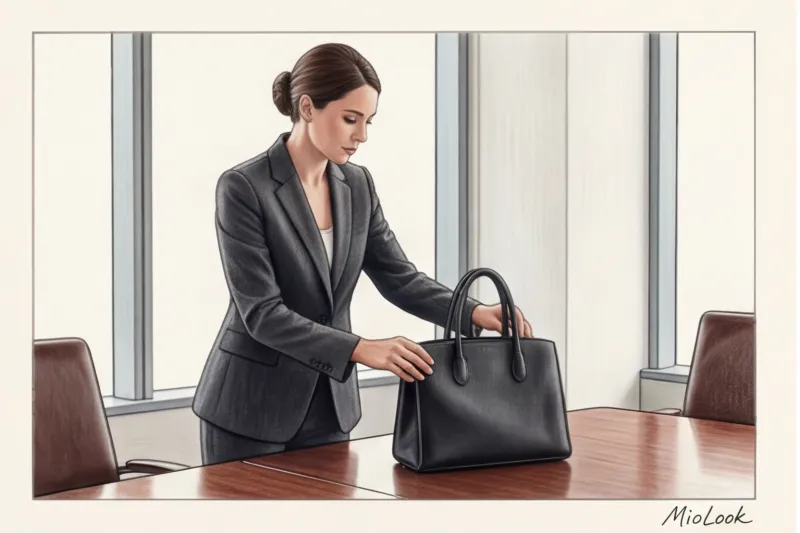
- Стійке дно на металевих ніжках (ляльках). Ви повинні мати можливість поставити сумку на підлогу поруч із кріслом у переговорній. Вона повинна стояти рівно, не завалюючись на бік і не забруднюючи шкіряне дно.
Доступ до MioLook за €0,99 — разовий платіж
Розумний AI-стиліст підбере ідеальний образ та допоможе розрахувати рентабельність покупок
Відкрити доступ — €0,99 разовоШкіра, фурнітура та шви: як читати якість руками
Як текстильний експерт, я часто прошу клієнток заплющити очі під час шопінгу. Справжню якість не потрібно розглядати - її можна прочитати кінчиками пальців і навіть почути.
Почнемо з головного обману шкіргалантерейної індустрії - маркування Genuine Leather (Натуральна шкіра). Для багатьох покупців це гарант якості, але технічно нижчий сорт сировини. Часто під цим терміном ховається спилок або пресована шкіряна крихта, щедро залита поліуретановим шаром для імітації фактури. Така сумка покриється заломами та тріщинами вже через рік інтенсивного носіння. У статусному сегменті потрібно шукати терміни Full-grain (лицьова шкіра зі збереженим природним малюнком) або Top-grain. Це цілісні, що дихають шари, що мають неймовірну міцність.
Окремий аспект, за яким я завжди стежу як прихильниця sustainable-підходу, — це тип дублення. Близько 85% сумок ринку проходять хромове дублення. Це швидкий, дешевий, але токсичний для екології процес. Я рекомендую шукати шкіру рослинного дублення (Vegetable-tanned leather). Так, створення такого матеріалу займає місяці та коштує дорожче, але він безпечний для природи. Більше того, рослинна шкіра має унікальну властивість: вона не просто зношується, а красиво старіє, набуваючи шляхетної вінтажної патини.
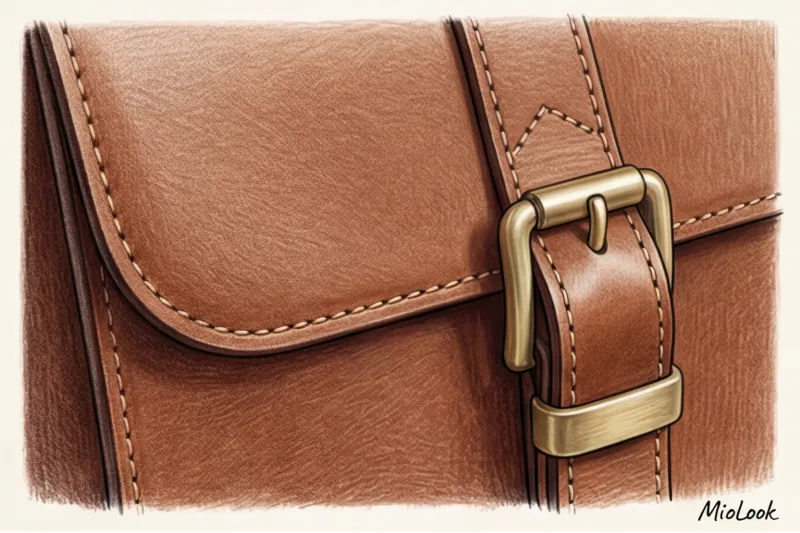
Тепер зверніть увагу на деталі збирання. Абсолютна ознака ручної роботи та високого класу – це сідельний шов (saddle stitch). Він виконується вручну двома голками назустріч один одному. На відміну від звичайного машинного рядка, якщо у сідельному шві перетретя одна нитка, весь шов не розпуститься. Подивіться також на уріз – відкритий край шкіри на ручках та клапанах. У дешевих сумок він залитий товстим шаром гуми, що швидко тріскається. У статусних виробів край багаторазово шліфується та покривається спеціальною фарбою вручну, утворюючи ідеально гладкий, тонкий валик.
І, нарешті, фурнітура. Саме вона видає реальну вартість виробу за секунду. Деталі мають бути виконані з цільнолитого металу - латуні чи сталі. Мас-маркет використовує легкий пластик або силумін із блискучим гальванічним напиленням, яке неминуче окислюється та облазить. Проведіть тест: зважте сумку в руці та послухайте, як закривається замок. Важкі латунні карабіни і застібки видають глухе, солідне металеве клацання, а не дзвінкий пластиковий брязкіт.
Взуття як фундамент ділового іміджу: баланс комфорту та авторитету
Знаєте, яку деталь гардероба співрозмовник зчитує лише на рівні фізіології, навіть попри неї? Ваше взуття. Точніше, те, як ви в ній стоїте і дихайте.
Одна з моїх клієнток, топ-менеджер у великій IT-компанії, якось провалила найважливіший пітчінг перед радою директорів. Причина була не в цифрах і не в презентації. Вона одягла чудові, але абсолютно «дерев'яні» шпильки 10 см від відомого бренду. Через зміщений центр тяжкості та спазму в литках її тіло транслювало фізичний біль, який інвестори підсвідомо вважали як невпевненість у проекті. Голос тремтів, подих збивався, а плечі були напружені.
Правильна архітектура колодки – це не питання розкоші, це питання біомеханіки. Грамотний супінатор і вивірений розподіл ваги (в ідеалі 60% навантаження на п'яту, 40% на мисок) впливають на вашу поставу. Коли стопа має анатомічну підтримку, розправляється грудна клітка, діафрагма працює вільно, і ваш голос звучить нижче, об'ємніше та авторитетніше. За даними Інституту подіатрії (2023), взуття з неправильною колодкою знижує концентрацію уваги на 15% через постійний фоновий мікрострес.
Перейдемо до фактур. Вибір матеріалу суворо регламентований рівнем ділової зустрічі:
- Гладка матова шкіра (теляча, наппа) - це абсолютний, беззастережний стандарт для суворого дрес-коду (Business Best, Business Traditional). Вона читається як консервативна, передбачувана та надійна.
- Замша незважаючи на свою елегантність, поглинає світло і виглядає більш спокійно. Це чудовий вибір для смарт-кежуал п'ятниці або неформальної зустрічі у ресторані, але не для підписання контракту.
- Лак залиште для смокінгу та вечірніх виходів (Black Tie). У денному діловому гардеробі блискуча лакова поверхня створює непотрібний шум і часто асоціюється з легковажністю.
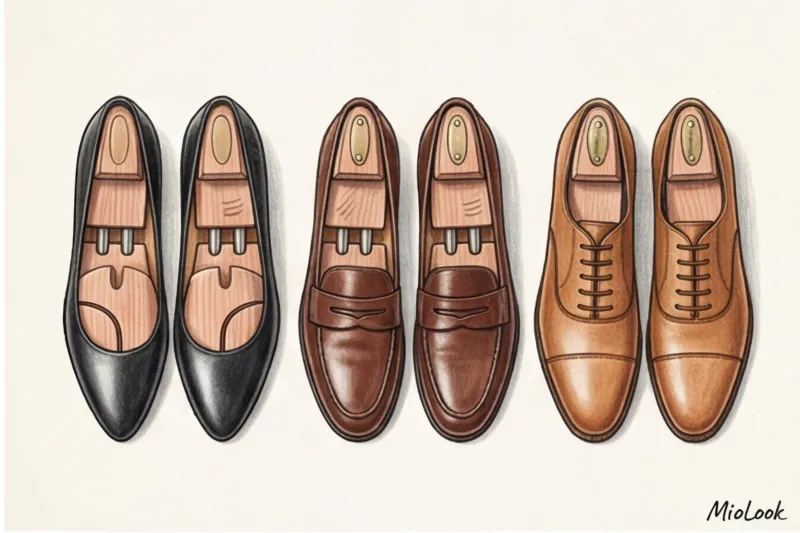
Базовий взуттєвий гардероб експерта не потребує десятків пар. Вам потрібні три фундаментальні опори:
- Класичні човники на підборах 5-7 див. Це та сама «золота середина», схвалена ортопедами та діловим протоколом. Вибирайте моделі із трохи витягнутим, але не екстремально гострим мисом.
- Оксфорди або броги на шнурівці. Запозичення із чоловічого гардеробу, яке миттєво додає образу інтелектуальної жорсткості. Ідеально працюють із прямими брючними костюмами.
- Мінімалістичні лофери. Без масивних золотих пряжок та логотипів. Гладка союзка, якісний рант - взуття для днів, коли вам доведеться багато пересуватися, але потрібно зберігати статус.
«Взуття змінює мову вашого тіла. Ви не можете випромінювати авторитет, якщо мрієте тільки про те, щоб якнайшвидше сісти».
Щоб зрозуміти, якої з цих пар вам зараз не вистачає, я раджу провести ревізію за допомогою MioLook. Програма проаналізує вашу поточну капсулу і підкаже: чи потрібні вам суворі оксфорди до нових штанів, чи варто інвестувати в лофери, щоб трохи знизити градус формальності суворого костюма.
Догляд та профілактика: що видає дешеве взуття
Ви можете купити туфлі ручної роботи за 800 доларів, але якщо ви не вмієте їх доглядати, через місяць вони будуть виглядати як мас-маркет. Статус – це завжди дисципліна.
Перше і головне правило, якому мене навчили майстри на взуттєвій мануфактурі в Тоскані: дороге взуття повинне відпочивати 24 години після одного дня носіння. Натуральна шкіра вбирає вологу стопи, і їй потрібен час на природне висихання. Саме тому базових пар для офісу має бути щонайменше дві на сезон.
Друге – формоутримувачі. Як тільки ви зняли туфлі, в них миттєво повинні опинитися кедрові колодки. Чи не пластикові пружинки з супермаркету, які деформують п'яту, а саме нелаковане кедрове дерево. Воно витягує вологу, дезодорує та розправляє мікрозаломи на згинах.
Звертайте увагу на технічний стан. Шкіряна підошва статусних туфель вимагає встановлення тонкої профілактики (накату) відразу після першого носіння по асфальту, інакше вона зітреться за тиждень. Своєчасна заміна набійок — це навіть не обговорюється. Цокаючий звук стертого металевого штиря зруйнує будь-який, навіть найвивіреніший авторитет.
І, зрештою, харчування шкіри. Забудьте про силіконові губки-блиски для експрес-чистки - вони забивають пори шкіри, пересушують її і змушують тріскатися. Використовуйте якісний крем на основі натурального бджолиного воску (наприклад, Saphir). Ритуал догляду за взуттям - це не марнування часу, це повага до своїх інвестицій і до себе як до професіонала.
Годинник: єдиний допустимий бізнес-маркер часу
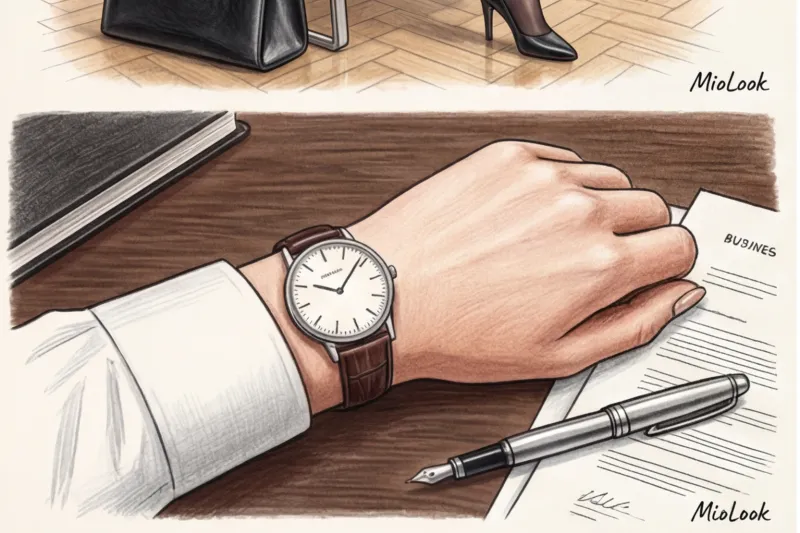
У протоколі найвищого рівня та міжнародних переговорів існує жорстке правило невербальної комунікації: відкрито дивитись на зап'ястя під час зустрічі — це поганий тон. Для співрозмовника цей, здавалося б, безневинний жест підсвідомо означає, що ви поспішаєте, відверто сумуєте або рахуєте хвилини до закінчення розмови. Одна з моїх клієнток, топ-менеджер в інвестиційному секторі, поділилася елегантним прийомом: перед початком тривалої наради вона знімає свій суворий годинник і кладе його на стіл поруч із робочим блокнотом. Це дозволяє контролювати таймінг одним непомітним ковзаючим поглядом, абсолютно не ображаючи партнерів, і водночас демонструє глибоку повагу до загального регламенту.
Сьогодні годинник - це не просто утилітарний прилад, а повноправний і, мабуть, найконсервативніший елемент ювелірного гардеробу ділової жінки. І тут неминуче виникає питання поєднання металів. Поспішаю вас заспокоїти: архаїчне правило «золото носимо тільки із золотом» давно втратило актуальність. У сучасній стилістиці навмисна узгодженість виглядає так, ніби ви надто намагалися. Набагато елегантніше працюють біколорні моделі (наприклад, класичне поєднання сталі та жовтого золота) — вони є ідеальним стилістичним мостом, дозволяючи вільно міксувати прикраси. Якщо ви сумніваєтеся, чи підійде обрана модель до вашої поточної бази, завантажте її фото MioLook перед покупкою - додаток наочно покаже, як метал поєднуватиметься з вашими повсякденними образами. Якщо ж ви вибираєте монометалевий корпус, стежте за температурою відтінку: холодний блиск сталевих годин бездоганно сусідить з білим золотом каблучок, але візуально конфліктуватиме з відверто мідною або бронзовою фурнітурою вашої ділової сумки.
Не менш важливою є архітектура самого виробу. Розмір циферблата і ширина ремінця повинні суворо підкорятися пропорціям вашого зап'ястя. Масивна «чоловіча» механіка діаметром 40 мм на тонкому зап'ясті (менше 15 см в обхваті) виглядає комічно — вона наголошує на крихкості руки, але повністю позбавляє образ ділової авторитетності. Оптимальний бізнес-стандарт для жінок знаходиться в діапазоні 28–32 мм для класичного, стриманого силуету та 34–36 мм для сучаснішого, впевненішого звучання. Звертайте увагу і на посадку: ремінець не повинен перетягувати шкіру, утворюючи складки, або, навпаки, недбало бовтатися біля кисті. Правило ідеальної посадки свідчить: між ремінцем та рукою повинен з легким опором проходити лише кінчик вашого мізинця.
Механіка проти смарт-годин: що вибрати експерту
Тут ми підходимо до найгострішого стилістичного конфлікту сучасного дрес-коду. Контринтуїтивний інсайт, який часто викликає спекотні суперечки на моїх консультаціях: популярні Apple Watch з базовим силіконовим ремінцем здатні за секунду вбити статус бездоганно посадженого вовняного костюма за 2000 доларів. Проблема криється у конфлікті фактур. Шляхетна матова вовна, тонкий шовк блузи та якісна шкіра взуття категорично не монтуються з утилітарним силіконом, пластиком та чорним квадратом цифрового екрану. Це елементи відверто спортивного стилю. У контексті суворих переговорів вони створюють візуальний дисонанс, безжально здешевлюючи весь ансамбль. Якщо смарт-годинник для вас – життєва необхідність, обов'язково інтегруйте їх у гардероб грамотно: замініть спортивний браслет на якісний шкіряний ремінець або сталеве міланське плетіння та відключіть функцію активації екрана під час підняття зап'ястя.
Але справа не лише в естетиці. Вибираючи статусні аксесуари для жінок, ми працюємо на глибшому психологічному рівні. Масштабне дослідження цифрового етикету, опубліковане Pew Research Center (2023), підсвітило цікаву тенденцію: постійне носіння розумного годинника транслює оточуючим вашу «доступність 24/7» та перманентну залежність від цифрових повідомлень. Ви неначе перебуваєте в режимі вічного реактивного реагування на зовнішні подразники. На противагу цьому класична механіка транслює зовсім інший, більш вагомий меседж — «я сама керую своїм часом».
«Людина з механічним годинником сприймається не як виконавець, який чекає команди, а як стратег, який живе за власним, вивіреним графіком і не відволікається на інформаційний шум».
Саме ця, здавалося б, незначна деталь формує той самий невловимий ореол експертності та спокійної впевненості, який неможливо підробити.
Доступ до MioLook за €0,99 — разовий платіж
Почніть створювати ідеальні образи за допомогою штучного інтелекту
Відкрити доступ — €0,99 разовоТиха розкіш проти логоманії: головна помилка експертів-початківців
Перша велика угода або довгоочікуване підвищення часто супроводжуються одним і тим самим імпульсивним бажанням купити річ, яка кричатиме про успіх. На своїх консультаціях я регулярно бачу приголомшливих, неймовірно розумних жінок, які приходять на стратегічні сесії з сумками, суцільно посипаними монограмами. І це, мабуть, найнебезпечніший стилістичний капкан.
У корпоративному середовищі вищого ешелону великі логотипи міцно асоціюються з «новими грошима» і, хоч би як парадоксально це звучало, із внутрішньою невпевненістю. Коли річ говорить голосніше, ніж ваш досвід, це сприймається як спроба довести свою значущість за рахунок бренду. Цифри підтверджують це зрушення: згідно з аналітичним звітом Business of Fashion (BoF) за 2023 рік попит на вироби з активною логоманією серед топ-менеджменту впав на 42% порівняно з допандемійним періодом. Сучасна ділова еліта вибирає анонімність.
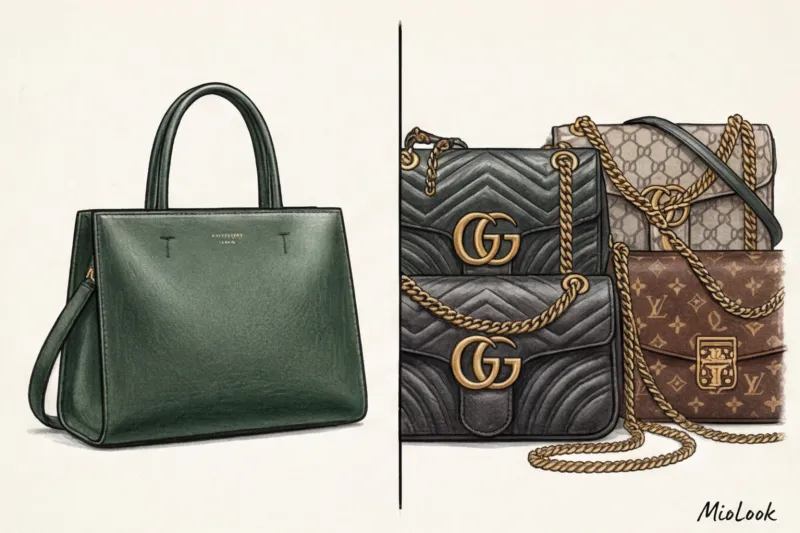
Вибираючи статусні аксесуари для жінок Важливо пам'ятати, що справжній клас шепоче, а не кричить. Як тоді працюють коди «тихої розкоші» (Quiet Luxury)? Інсайдери індустрії та досвідчені керівники зчитують «своїх» мікросигналами. Впізнаваність будується на архітектурно-вивіреному силуеті (згадайте бездоганну геометрію сумок The Row), фірмовому плетінні шкіри без єдиного ярлика (як техніка intrecciato у Bottega Veneta) або специфічній застібці. Іноді маркером статусу стає навіть колір підкладки — наприклад, насичений бордовий усередині суворої чорної сумки, який видно тільки вам та вашому співрозмовнику в момент, коли ви дістаєте візитницю.
«Логотип – це цінник, який ви забули відрізати. Справжня розкіш полягає в тому, щоб насолоджуватися якістю речі особисто, не перетворюючи себе на рекламний білборд», — цей принцип є основою гардеробу будь-якого впевненого в собі керівника.
Тут ми підходимо до найважливішого інсайту: бренди-аноніми сьогодні б'ють маслюкс по всіх напрямках. Виріб локального ремісника з Антверпена або Флоренції, створений із щільної шкіри з ідеальним ручним швом, в очах знаючого партнера виглядає на порядок більш статусно, ніж розтиражований шопер з поліуретанового канвасу від модного гіганта. У першому випадку ви платите за майстерність, години копіткої праці та унікальність. У другому просто спонсоруєте маркетинговий бюджет корпорації.
Перехід від відомих брендів до мінімалізму спочатку може лякати - здається, що образ стане дуже простим. Щоб подолати цей бар'єр, я раджу використати програма MioLook. Завантажте у свій віртуальний гардероб пару лаконічних сумок без логотипів, і алгоритми наочно покажуть, як легко вони інтегруються в десятки ділових капсул, не перетягуючи на себе увагу, а благородно збираючи воєдино.
Етика та екологія: новий маркер високого статусу
За даними аналітичного звіту Business of Fashion за 2023 рік, парадигма люксу кардинально змінилася. Якщо десять років тому головним підтвердженням успіху вважалася екзотична шкіра алігатора, то сьогодні sustainable-підхід став ключовим показником інтелектуального статусу експерта. У вищих ділових колах статусні аксесуари для жінок оцінюються як за вартістю бренду, а й у їх вуглецевому сліду. Це чіткий невербальний сигнал партнерам: ви мислите стратегічно, дбаєте про майбутнє і маєте достатній кругозір, щоб не піддаватися на дешеві маркетингові хитрощі.
Тут ми стикаємося з масовим грінвошингом — заміною понять, де спекулює індустрія. Зайдіть у будь-який магазин мас-маркету, і ви обов'язково побачите зелені бирки Vegan Leather. Як фахівець із текстилю, я закликаю вас читати склад: у переважній більшості випадків під цим гарним терміном ховається стовідсотковий поліуретан (PU). Це дешевий пластик, виробництво якого є токсичним. Він не «дихає», а на місцях згинання ручок зрадницьки тріскається вже через пару місяців активного носіння.
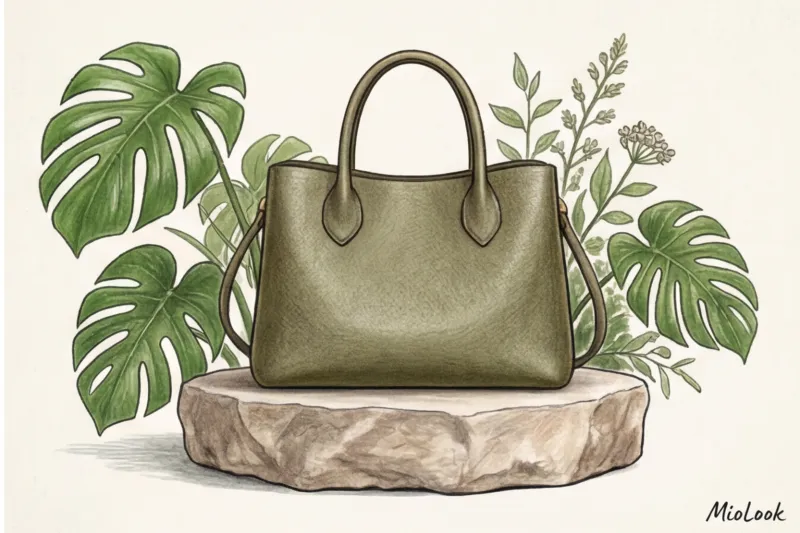
Справжня етична альтернатива – це високотехнологічні біоматеріали. Лабораторії здійснили справжню революцію: сьогодні якісна веганська шкіра створюється з міцелію грибів (матеріал Mylo, з яким вже працюють технологи Hermès та Stella McCartney), яблучна макуха (AppleSkin) та листя мексиканського кактусу (Desserto). Я особисто тестувала ділові портфелі з кактусової шкіри - за щільністю, зернистістю та здатністю тримати жорсткий каркас вони абсолютно не поступаються телячій шкірі преміальної вичинки. Інвестуючи у такі технології, ви демонструєте глибоке розуміння глобальних економічних трендів.
Другий стовп інтелектуального гардеробу – усвідомлене споживання. Купівля архівних речей на перевірених міжнародних ресейл-платформах, таких як The RealReal або Vestiaire Collective , давно перестала бути способом заощадити Сьогодні це абсолютна ознака гарного смаку. Полювання за рідкісним годинником Cartier Tank 1990-х років або ідеальною базовою сумкою з минулих колекцій показує, що ви цінуєте історію дизайну і відмовляєтесь спонсорувати бездумне надвиробництво. У кулуарах міжнародних конференцій вінтажний аксесуар з історією викличе набагато більше поваги та інтересу, ніж модель з останньої вітрини бутика.
Ваш ідеальний образ починається тут
Приєднуйтесь до тисяч користувачів, які щодня виглядають бездоганно з MioLook.
Відкрити доступ — €0,99 разовоЧек-лист: аудит ваших аксесуарів перед важливою зустріччю
У діловому середовищі статусні аксесуари для жінок працюють лише за однієї умови: вони мають виглядати бездоганно. У кулуарах закритих модних будинків існує жорстке правило - річ транслює престиж рівно доти, доки на ній не видно слідів недбалої експлуатації. Ви можете вкласти солідну суму в культовий портфель, але один край, що облупився, перекреслить весь ефект. Справжній клас видає маніакальну доглянутість.
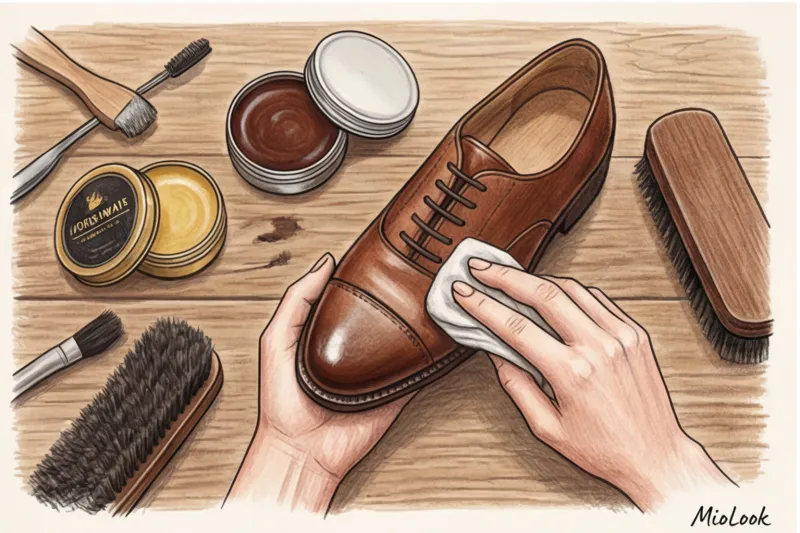
Перед важливими переговорами завжди прошу своїх клієнток провести безжальну ревізію деталей. Пройдіться цим чек-листом прямо зараз:
- Стан фурнітури: немає потертостей до базового металу. Уважно огляньте замки, карабіни та пуклі (металеві ніжки на дні). Дешеве гальванічне покриття швидко злазить, оголюючи мідь або тьмяний сплав. Якісна латунна фурнітура з часом лише набуває благородної патини, але ніколи не облазить шматками.
- Геометрія сумки: чи вона тримає форму в порожньому стані. Поставте вашу робочу сумку на стіл і вийміть із неї абсолютно все. Якщо стінки опадають, а дно провисає — аксесуар втратив свою архітектуру та діловий функціонал. Каркас правильної бізнес-моделі має залишатися монолітним завжди.
- Стан урізу шкіри на ручках сумки та ремінці годинника. Уріз - це багаторазово запаяний і зашліфований край шкіряного виробу. Саме тут найчастіше з'являються мікротріщини від перепадів температур та тертя. Потрісканий полімерний край на ремінці миттєво руйнує образ експерта, навіть якщо сам циферблат стоїть як гарний автомобіль.
- Носи та підбори взуття: ідеальна чистота та відсутність подряпин. Збитий мис туфель або обдерта шкіра на шпильці зчитуються на підсвідомому рівні як втрата контролю над ситуацією. Вимога протоколу тут безкомпромісна.
Щоб не пам'ятати графіки профілактики для кожної речі, я раджу оцифрувати свій гардероб через MioLook. Ви зможете відзначати, які туфлі настав час віднести майстру на заміну набійок, а якій сумці потрібно оновлення урізу в спа-салоні. Це автоматизує рутину та надійно захищає ваші інвестиції в імідж.
Як додаток MioLook допомагає керувати інвестиційним гардеробом
Дослідження Уорікського університету (2022) виявило парадоксальну психологічну пастку: чим дорожча річ, тим рідше ми її носимо. Ми дбайливо ховаємо інвестиційні сумки у тканинні пильовики, а лофери ручної роботи прибираємо в дальній кут гардеробної «до особливого випадку». У результаті статусні аксесуари для жінок часто перетворюються на мертвий капітал. Синдром відкладеного життя в гардеробі коштує дуже дорого, особливо коли йдеться про формування професійного іміджу.
Головна причина, через яку ми ігноруємо свої найкращі речі — ми їх просто не бачимо. Коли я проводила ревізію гардероба у фінансового директора великої IT-компанії, на верхніх полицях виявилося три розкішні структуровані сумки, про які власниця буквально забула за рутиною робочих буднів. Саме тут на допомогу приходить оцифрування. Завантаживши фотографії своїх аксесуарів у MioLook Ви створюєте наочний візуальний каталог у своєму смартфоні. Вам більше не потрібно відкривати кожну коробку перед ранковими зборами – вся ваша стилістична «важка артилерія» завжди перед очима, готова до роботи.
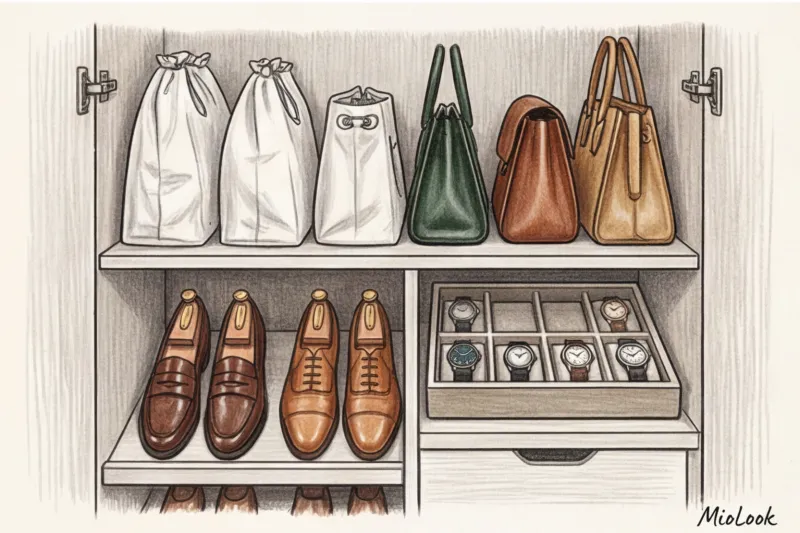
Але MioLook – це не просто гарна вітрина, це повноцінний фінансово-стилістичний інструмент. У додатку реалізовано автоматичний розрахунок вартості виходу (CPW - Cost Per Wear). Давайте рахувати математику стилю: трендова сумка з поліуретану за $150, яка втратила форму через два місяці (30 виходів), коштуватиме вам $5 за кожен раз. А класичний каркасний тоут зі шкіри full-grain за $1200, який ви проносите п'ять років (припустимо, 600 виходів), коштує лише $2 за вихід. Щоразу, коли ви відзначаєте образ у календарі програми, графік CPW оновлюється. Додаток наочно показує рентабельність ваших покупок, допомагаючи мозку раціоналізувати інвестицію та мотивуючи носити дорогі речі частіше, знижуючи їхню реальну вартість з кожним днем.
Найчастіше питання на моїх консультаціях: "Як вписати сувору статусну сумку або класичні оксфорди в п'ятничний casual-образ, щоб не виглядати занадто манірно?". Штучний інтелект MioLook вирішує це завдання майстерно. Алгоритм аналізує вашу оцифровану базу та генерує неочевидні, але стилістично вивірені поєднання. Наприклад, ІІ підкаже, як інтегрувати жорсткий діловий портфель у розслаблену цибулю з кашеміровим светром та прямими джинсами, віртуозно граючи на контрасті фактур. Він враховує правило пропорційності: якщо у вас масивне взуття на ранту, система запропонує збалансувати його об'ємним верхом. Ви отримуєте готові формули, де ваші інвестиції працюють на вас щодня, а не лише на радах директорів.
Підсумовуючи, хочу нагадати головне правило усвідомленого стилю: речі мають працювати. Інвестиції в якісну шкіру, еталонну колодку взуття та точну механіку годинника окупаються лише тоді, коли вони стають органічним продовженням вашого особистого бренду, вашою щоденною бронею. Перестаньте берегти найкраще для гіпотетичного «відповідного моменту». Ваш статус, ваша експертиза і ваш особистий комфорт потрібні вам прямо зараз - сьогодні, цієї самої хвилини. Прямо сьогодні ввечері дістаньте свою найякіснішу сумку з пильовика. Завтра вона йде з вами до офісу. Використовуйте технології, щоб керувати своїм іміджем так само віртуозно та спираючись на дані, як ви керуєте своїми бізнес-процесами.
Глави гайда
Ідеальна ділова жіноча сумка шкіряна: гід на вибір
Безформна сумка здатна зруйнувати навіть найдорожчий образ. Дізнайтесь, як вибрати статусну шкіряну модель, яка прослужить вам довгі роки.
Статусне жіноче взуття для офісу: як виглядати дорого
Перше враження формується за мілісекунди, і взуття грає у цьому головну роль. Дізнайтесь, які туфлі зроблять ваш діловий образ по-справжньому дорогим.
Жіночий годинник для ділового стилю: класика чи смарт-годинник?
Годинник – це потужний інструмент управління враженням. Розбираємо, що вибрати для офісу: статусну класику або зручні смарт-годинники.
Помилки ділового стилю одягу: 7 деталей, що псують образ
Навіть дорогий костюм не врятує образ, якщо ви помилилися з ременем чи сумкою. Розбираємо 7 головних промахів у виборі аксесуарів, що руйнують професійний імідж.
Прикраси у діловому стилі для жінок: ювелірний дрес-код
Ювелірний дрес-код це не просто декор, а потужний інструмент управління враженням. Розбираємо які аксесуари підкреслять ваш професіоналізм.
Аксесуари у стилі тиха розкіш для керівника
Ваш статус зчитується не за биркою на жакеті, а за якістю сумки. Розбираємо, як обрати ідеальні статусні деталі для образу керівника.
Статусні оправи для окулярів жіночі: вибір експерта
Окуляри – головна деталь портретної зони, яку співрозмовник зчитує миттєво. Дізнайтеся, як вибрати оправу, яка підкреслить ваш статус та експертність.
Жіноча сумка для ноутбука: стильна та ділова
Безформний шоппер псує ваш бізнес? Дізнайтеся, як правильно вибрати сумку для ноутбука, яка підкреслить статус і збереже ідеальну форму.
Як вибрати дорогий жіночий ремінь для штанів бізнес-леді
Дешеві аксесуари можуть зруйнувати навіть найпродуманіший діловий образ. Дізнайтеся, як вибрати статусний ремінь та гаманець, щоб транслювати впевненість та успіх.
Поєднання сумки та взуття у діловому стилі: правила
Купувати сумку та туфлі одного кольору – головна помилка, яка дешевшає образ. Дізнайтеся про сучасні правила підбору аксесуарів від стиліста з 14-річним досвідом.
Шовкова хустка у діловому стилі: як носити статусно
Шовкова хустка - це не просто прикраса, а потужний маркер вашого професійного статусу. Дізнайтеся, як правильно інтегрувати його у діловий гардероб.
Стильна дорожня сумка жіноча: вибір для відряджень
Транзитна зона аеропорту миттєво зриває маски. Розбираємо, як вибрати статусну дорожню сумку, яка збереже вашу поставу та підкреслить стиль.