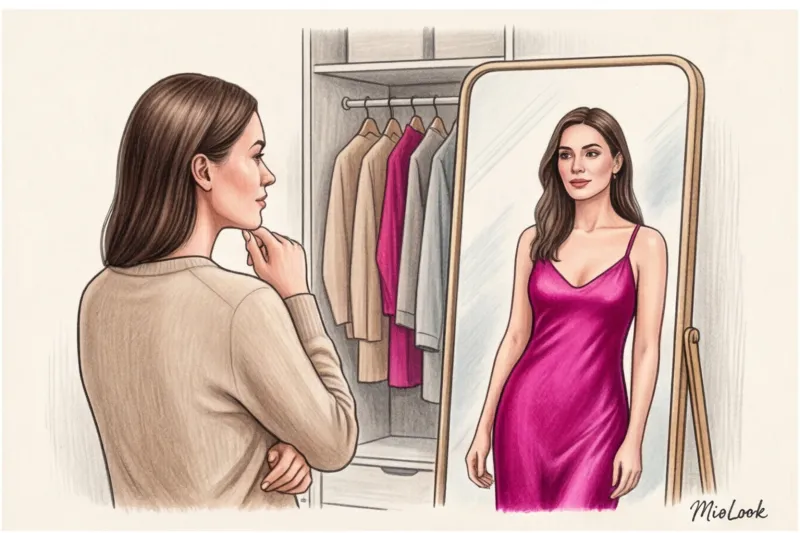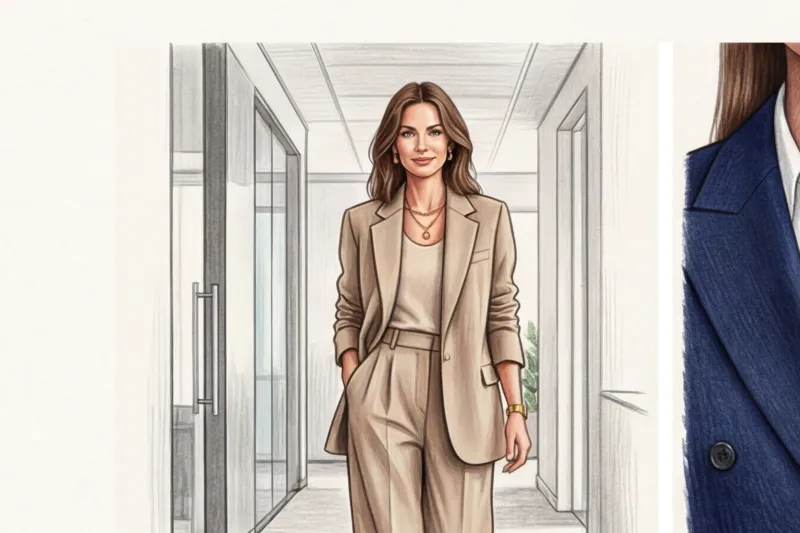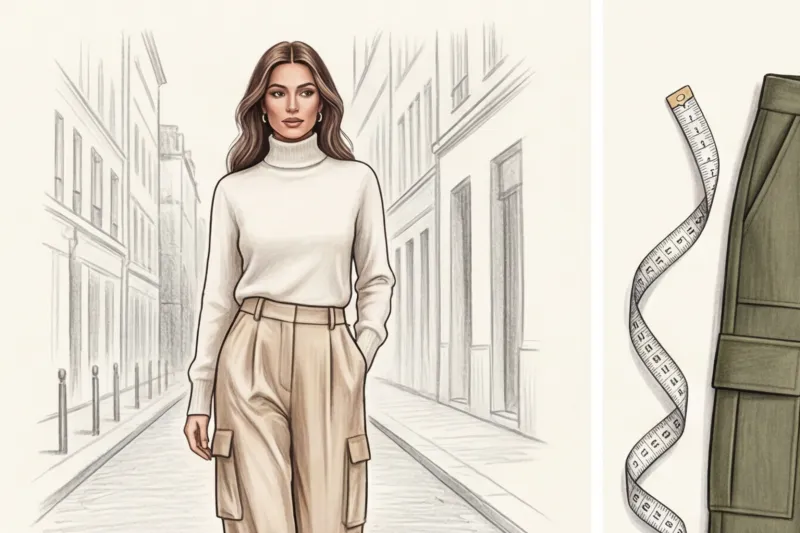
Кілька років тому до мене прийшла клієнтка у стані глибокої «гардеробної депресії». Надивившись ідеальних картинок у Pinterest, вона викинула всі кольорові речі, купила п'ятнадцять однакових бежевих, сірих та чорних предметів і... перестала собі подобатися. "Я виглядаю як міль, Олено", - сказала вона мені тоді. Ця історія ідеально ілюструє головну пастку, в яку потрапляють жінки: вони плутають аскетизм та відмову від індивідуальності зі справжнім дизайном. Справжній стиль мінімалізм в одязі — це не нудна уніформа, це архітектурний крій, складна гра фактур та глибокі відтінки.
Докладніше про те, як грамотно вибрати свій модний напрямок, ми писали у нашому повному гіді Стилі в одязі для жінок: як знайти свій образ (це відмінна відправна точка, якщо ви тільки шукаєте себе). Але сьогодні я, як стиліст із 14-річним досвідом, хочу розібрати саме мінімалізм. Я покажу вам, як припинити купувати речі на один сезон і зібрати гардероб, який працюватиме на вас, а не ви на нього.
Що таке стиль мінімалізм в одязі насправді (і чому це не нудно)
Давайте відразу розділимо два поняття: мінімалізм як візуальна естетика (згадайте покази The Row або Jil Sander) та мінімалізм як підхід до формування шафи (та сама капсула). Справжній шик народжується на їхньому перетині.
Головний принцип цього напряму – відсутність зайвого візуального шуму. Тут немає акцентної золотої фурнітури, рюшів, страз чи складних принтів. Коли ми прибираємо декор, соло починає форму. Саме тому філософію функціонального дизайну так просувала Фібі Філо в епоху Old Celine: одяг повинен служити жінці, наголошувати на її інтелекті, а не відволікати увагу на дешеві блискітки.
«За даними звіту McKinsey State of Fashion (2024), ми спостерігаємо глобальне зрушення від швидкої моди до концепції довговічності (longevity) та "тихої розкоші". Середній термін служби якісної мінімалістичної речі становить від 3 до 7 років, тоді як ультратрендова річ із мас-маркету живе лише один сезон».
Насправді мінімалізм блискуче вирішує правило Парето. Помічали, що більшість жінок мають 20% речей 80% часу? Грамотно збудований мінімалістичний гардероб виправляє цю пропорцію до заповітних 100/100.
Стиль мінімалізму в одязі для жінок: естетика vs. кількість
Я часто чую міф про «гардероб із 10 речей». Давайте будемо чесними: для сучасної жінки, яка ходить в офіс, на тренування, забирає дітей зі школи і іноді вибирається до театру, 10 речей — це утопія. Мінімалізм не означає, що ви повинні прати єдину білу сорочку щовечора. Це про максимальну сполучність. Якщо у вас 35 предметів, але кожен із них ідеально підходить до решти — ви вже є адептом мінімалізму.
Головний міф: «Мінімалізм — це лише бежевий, чорний та білий»
Повернемося до моєї клієнтки, яка скаржилася, що зливається зі стіною. Її помилка була не у відмові від принтів, а у виборі плоских, невиразних відтінків для своєї контрастної зовнішності. Коли ми додали до її бази глибокий синій (сапфір) та насичений шоколадний кольори, образ миттєво «зазвучав».
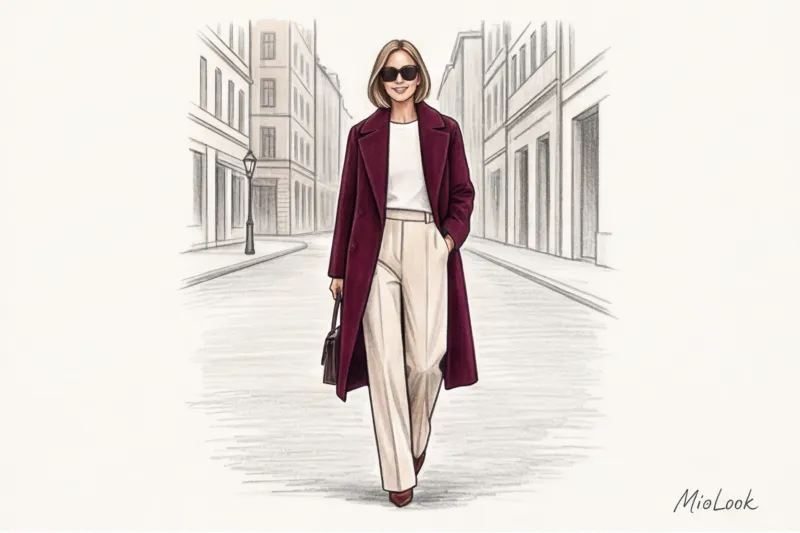
Стиль мінімалізм в одязі не забороняє колір. Навпаки, чистий архітектурний крій дозволяє використовувати розкішні відтінки дорогоцінного каміння: смарагд, бургунді, рубін, глибокий сливовий. Монохромний образ, зібраний у кольорі бургунді (наприклад, вовняні штани-палаццо та шовкова блуза), виглядає у сто разів дорожче і цікавіше, ніж пересічний total beige, який часто пробачить, якщо речі пошиті з тонкого поліестеру.
Формула ідеальної бази: архітектура мінімалістичного образу
Коли немає принтів, які можуть приховати огріхи лекала, на перший план виходять два кити: крій та тканина. Річ має формувати силует.
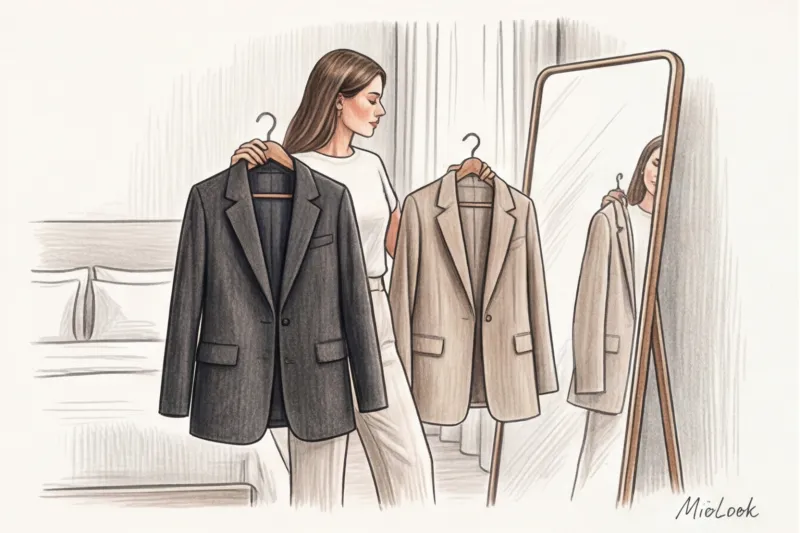
Перше правило посадки – повітря між тілом і тканиною. Забудьте про речі в обліпку, вони вбивають всю естетику. Нам потрібен напівприлеглий силует чи помірний, продуманий оверсайз. Відкрию професійний секрет: коли я беру річ у магазині, я перш за все дивлюся на плечовий шов жакету чи пальта. У дорогих мінімалістичних речах лінія плеча завжди чітка, укріплена, вона формує ту саму рамку образу. Якщо плече висить ганчірочкою — річ виглядатиме бідно.
Фактури, які роблять образ дорогим
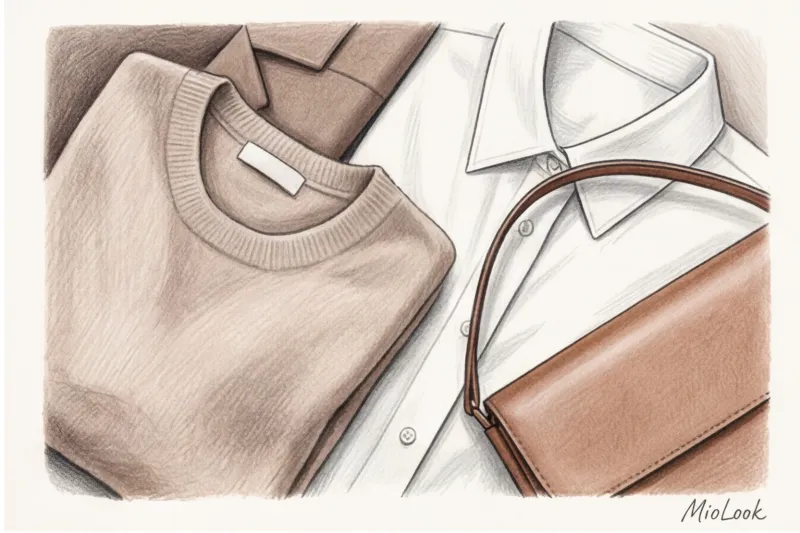
Щоб гладкий монохромний образ не був плоским, потрібно використовувати контраст фактур. Поєднуйте гладке з ворсистим, а матове з блискучим. Докладніше про те, як це працює на практиці, можна прочитати у статті про поєднання фактурних тканин: вельвет, твід та букле.
- Гладкий шовк + пухнастий кашемір: шовкова спідниця міді у парі з вільним кашеміровим светром – абсолютна класика жанру.
- Груба шкіра + тонка шерсть: Шкіряні штани та базовий тонкий джемпер.
- Натуральність: шукайте щільну бавовну (від 180 г/м²), яка тримає форму і не просвічує, якісну віскозу або вовну з додаванням 5% еластану для комфорту.
Спробуйте MioLook безкоштовно
Розумний AI-стиліст допоможе оцифрувати ваші фактурні речі та підбере ідеальні поєднання на кожен день.
Почати безкоштовноЯк зібрати стиль мінімалізм в одязі: покроковий план від стиліста
За 14 років розборів гардеробів я вивела чіткий алгоритм, який допоможе перейти до мінімалізму без стресу та зайвих витрат. Не потрібно викидати все одного дня.
- Аудит на «візуальний шум»: Дістаньте всі речі. Відкладіть ті, де є складний декор, контрастні гудзики не справи, стрази або нав'язливі логотипи. Залишіть лише чисті форми.
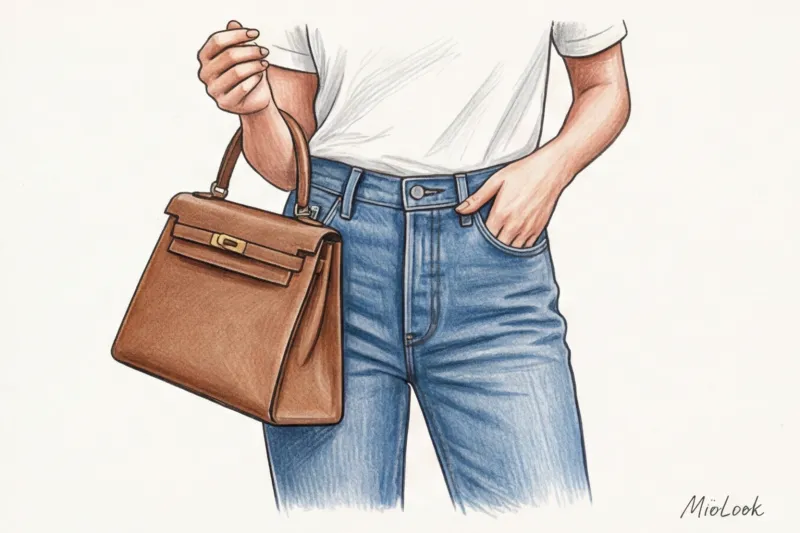
- Визначення особистої уніформи: Знайдіть 2-3 формули, де вам максимально комфортно. Наприклад, для мене це: прямі джинси + біла чоловіча сорочка + структурний жакет. Це ваш каркас.
- Побудова палітри: Виберіть 2-3 базові кольори (наприклад, темно-синій, сірий, екрю) та 1-2 акцентних глибоких відтінків (наприклад, бургунді та смарагд).
- Повільна заміна: У міру зношування старих речей замінюйте їх на аналоги ідеального крою і з кращих тканин, які ви можете собі дозволити.
Інвестиції та мас-маркет: формула High-Low
Моя улюблена концепція у шопінгу – правило Cost-per-wear (ціна за один вихід). Саме у мінімалізмі вона працює безвідмовно. Багато хто боїться преміальних брендів, вважаючи їх занадто дорогими. Давайте рахувати.
Якщо ви купуєте ідеальне вовняне пальто за 400€ і носите його 120 днів на рік протягом 4 років, один вихід коштує менше 1€. Якщо ви берете акриловий светр у мас-маркеті за 40 €, але після третього прання він покривається катишками і вирушає на дачу, його реальна ціна за вихід - 13 €. Дешева річ обійшлася вам у 13 разів дорожче!
Куди інвестувати (сегмент 150-500 €): верхній одяг, взуття, сумки жорсткої форми (вони "збирають" будь-який образ), класичні жакети.
Що сміливо брати в мас-маркеті (Zara, Uniqlo, COS, 20-60 €): білі футболки (вони швидко жовтіють навіть у преміум-брендів), шкарпетки, базовий трикотаж на кожен день, трендові силуети джинсів, які ви просто хочете протестувати.
Мінімалізм та інші естетики: чому «чистий» стиль більше не працює
Тут я маю зробити важливе визнання: одягатися з ніг до голови у строгий, рафінований мінімалізм сьогодні — це сучасний моветон. Життя стало гібридним, і наш стиль теж.
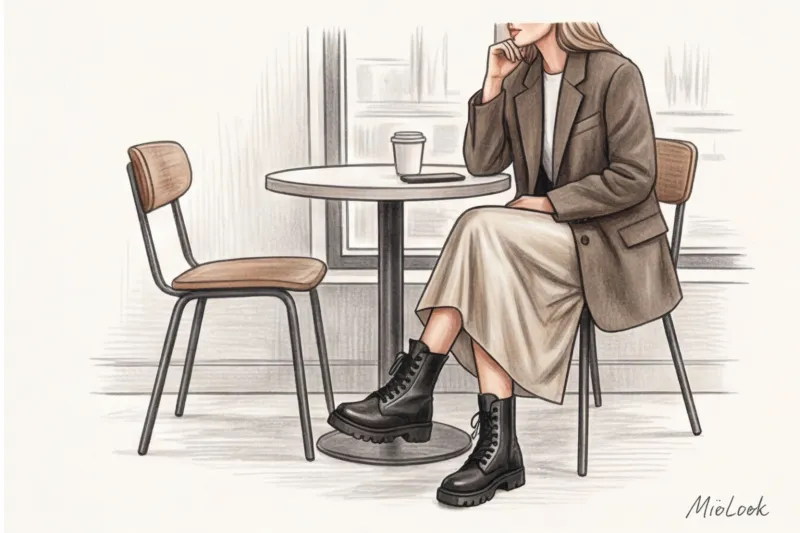
Найсмачніші образи народжуються на стику контрастів. Секрет у тому, щоб взяти мінімалістичну базу та додати до неї «щіпку» іншої естетики. Наприклад, строгий костюм з чіткою лінією плеча приголомшливо виглядає не з класичними човниками, а з грубими армійськими черевиками (привіт, гранж). А лаконічне плаття-комбінація набуває характеру, якщо накинути поверх нього об'ємний чоловічий кардиган великої в'язки.
Ця порада НЕ працює тільки в одному випадку: якщо у вас є суворий корпоративний дрес-код (banker's protocol). Там правила диктує протокол, а чи не стайлінг.
Ваш ідеальний образ починається тут
Приєднуйтесь до тисяч користувачів, які щодня виглядають бездоганно з MioLook. Завантажте свої речі та отримуйте готові капсули.
Почати безкоштовноЧек-лист: 5 ознак, що річ впишеться у ваш мінімалістичний гардероб
Збережіть ці 5 питань і задавайте їх собі у примірювальній перед кожною покупкою:
- Чи можу я прямо зараз, в умі, скласти з цією річчю мінімум 4 образи з того, що вже висить у моїй шафі?
- Чи зможу я вдягнути це через 3 роки, і воно не виглядатиме відверто старомодним?
- Чи достатньо щільна тканина? Чи тримає вона форму чи безсило висить на вішалці?
- Чи є на речі зайвий декор? (Якщо відповідь "так" - кладемо назад).
- Чи відчуваю я себе живою людиною, а не бездушним манекеном з вітрини?
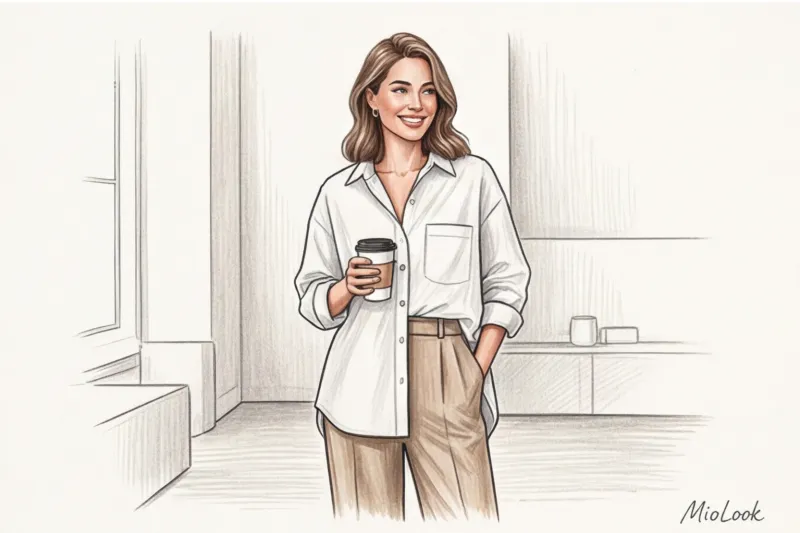
Замість висновку: ваш гардероб – ваші правила
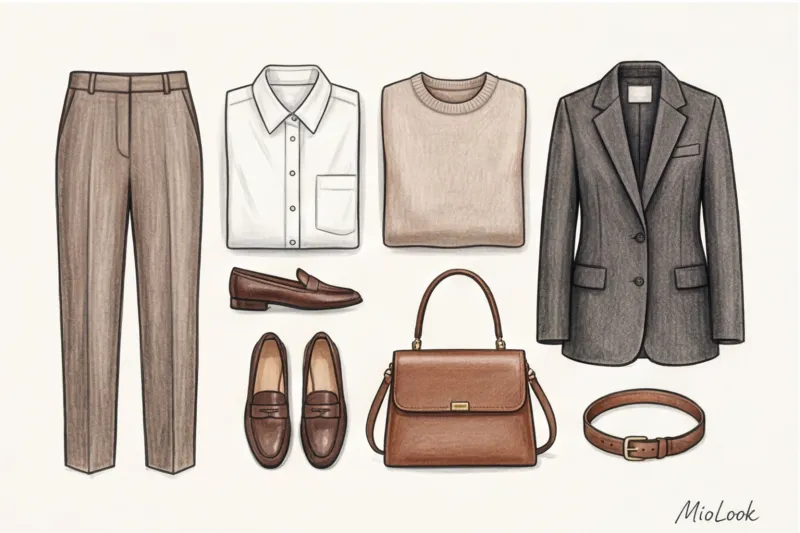
Мінімалізм — це не в'язниця із суворих правил та заборон на яскраві кольори. Це інструмент, який звільняє ваш ранковий час та енергію для більш важливих справ, ніж стояння перед відкритою шафою з думкою «нема чого надіти». Почніть з малого: спробуйте у вихідні скласти собі капсулу всього з 10-12 речей на наступний робочий тиждень.
Щоб спростити цей процес, рекомендую оцифрувати свою базу. Завантажте фото своїх найкращих речей у MioLook — розумний AI-стиліст допоможе проаналізувати сполучність і покаже ті 100% комбінацій, про які ми говорили на початку. Нехай ваш стиль буде відображенням вашого внутрішнього спокою та впевненості.