

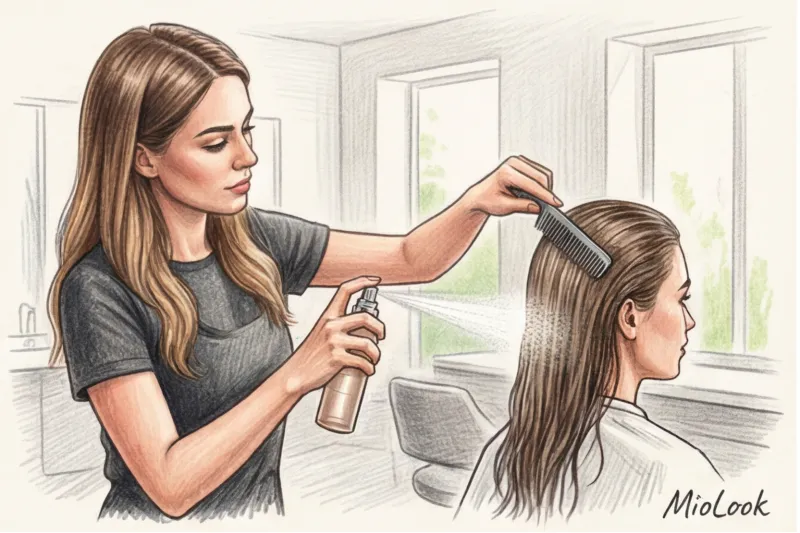
Лена чуть не плакала в трубку. Она только что отдала 80 € за роскошную салонную браш-укладку перед важным выступлением, но не прошло и часа, как упругие локоны превратились в унылые, слипшиеся «сосульки». Что пошло не так? Желая добавить волосам экстра-блеска перед выходом из дома, она щедро растерла в ладонях тяжелое масс-маркет масло и прошлась по длине.
Эта история — классика. Мы тратим часы на стайлинг, покупаем дорогие фены, но совершенно забываем про фундамент. За 12 лет работы имидж-консультантом я вывела жесткое правило: шампунь и кондиционер — это лишь гигиена, 50% успеха. А вот то, как ляжет укладка и сколько она продержится, решает несмываемый уход для волос — ваш физический праймер. Подробнее о базовом мытье я рассказывала в нашем полном гиде по правильному уходу за волосами для идеальной укладки, а сегодня мы разберем именно этап подготовки (pre-styling).
Архитектура укладки: зачем на самом деле нужен несмываемый уход для волос
Относитесь к волосам как к холсту. Если вы начнете писать картину маслом на неподготовленной, рыхлой ткани, краски впитаются неравномерно, потускнеют, а холст пойдет буграми. То же самое происходит при термоукладке голых волос.
Одна из моих клиенток — топ-менеджер банка. У нее безупречный вкус, в ее гардеробе висят костюмы Max Mara стоимостью от 1500 €, но весь этот люкс мерк на фоне пушащихся, пористых, «одуванчиковых» концов. Неухоженная текстура волос мгновенно удешевляет любой, даже самый продуманный образ.
Качественный лив-ин (leave-in) выполняет три критические функции:
- Выравнивание кутикулы. Закрытые чешуйки отражают свет. Нет закрытых чешуек — нет глянцевого блеска, как бы вы ни полировали прядь брашингом.
- Сцепление со стайлингом. Полимеры ухода создают микро-пленку, за которую «цепляются» лаки и муссы.
- Термозащита. По данным исследования Journal of Cosmetic Science (2022), качественный силиконовый или полимерный барьер снижает потерю влаги при нагреве утюжком на 45%.
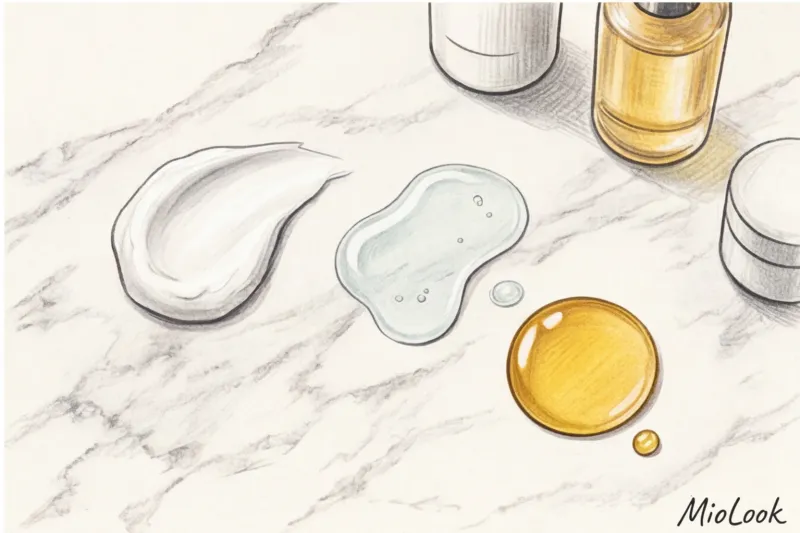
Анатомия текстур: крем, сыворотка или масло?
Почему одно средство работает, а другое превращает голову в грязный блин? Все дело в размере молекулы и глубине проникновения. Давайте переведем язык химиков на язык логики.
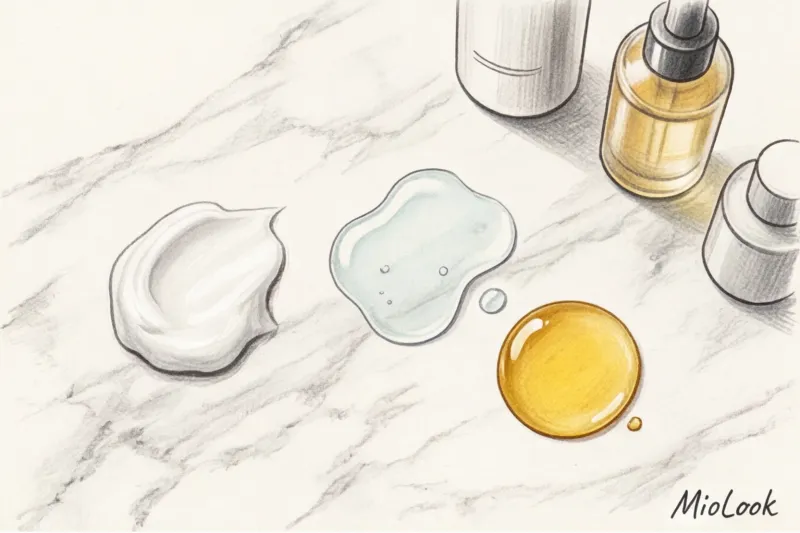
Кремы: строительный материал и плотность
Крем — это водно-жировая эмульсия. У него средний размер молекулы, который позволяет продукту проникать в кортекс (сердцевину волоса), если кутикула повреждена. Его главная задача — увлажнение, уплотнение истонченных прядей и фиксация завитка.
Кому подходит: пористым, кудрявым, обесцвеченным (в тотал-блонд) и очень жестким волосам. Если у вас тонкие неокрашенные волосы, крем убьет ваш объем еще на этапе сушки.
Сыворотки: легкая реставрация и блеск
Сыворотка — это легкая водная или силиконовая база с высокой концентрацией активов (аминокислоты, кератин, протеины шелка). Молекулы здесь мельче, они юркие, быстро заполняют пустоты на поверхности без утяжеления.
Кому подходит: тонким, лишенным объема, прямым, так называемым «стекловидным» волосам. Отличная база под вытягивание утюжком.
Масла: финишный лак и защита от трения
Масло — это исключительно окклюзивный (запирающий) продукт. Молекулы масел слишком велики, чтобы проникнуть внутрь волоса. Они ложатся поверхностно. Их задача — запереть ту влагу, которую вы дали на предыдущих этапах, защитить волосы от механического трения об одежду (свитера, шарфы) и дать финальный лоск.
«Не бойтесь профессиональных силиконов. Летучие силиконы в салонных маслах (например, циклопентасилоксан) испаряются при нагревании феном, оставляя лишь защитную пленку и блеск, в то время как дешевые натуральные масла начинают 'жарить' ваш волос изнутри».
Ваш стиль в надежных руках
Загрузите фото своего гардероба, а искусственный интеллект соберет из них стильные капсулы на каждый день. Освободите время для главного.
Попробовать умный гардероб MioLookГлавный миф бьюти-индустрии: почему масла сушат ваши волосы
А сейчас я хочу разрушить самый опасный миф, который транслируют псевдо-эксперты из соцсетей: «Натуральные масла отлично увлажняют».
Запомните главное правило косметической химии, которое подтверждает Институт Трихологии и известный косметический химик Перри Романовски: чистое масло не содержит воды. А значит, оно физически не может увлажнять.
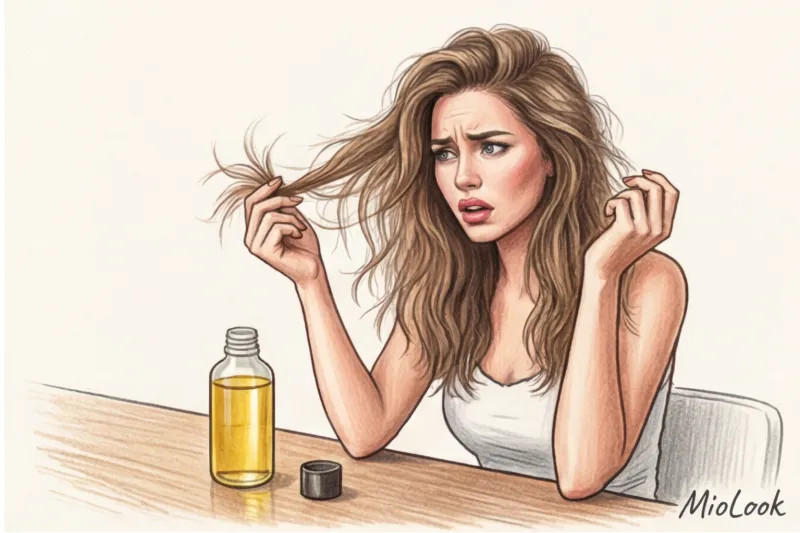
Что происходит, когда вы берете чистое кокосовое, аргановое или оливковое масло и щедро мажете им сухие, секущиеся концы? Вы создаете непроницаемую пленку. Нанесение окклюзива на обезвоженные волосы — это как надеть резиновый дождевик на засыхающий фикус в надежде, что он напьется. Влага извне перестает поступать, возникает парниковый эффект, и под этой масляной коркой волос иссыхает еще сильнее, становясь ломким.
У меня была клиентка, которая решила «восстановить» длину экологичным кокосовым маслом с Бали. Спустя три месяца ежедневного втирания тяжелые липиды настолько плотно забили кутикулу и растворили естественный липидный слой волоса, что пряди начали обламываться от середины. Итог? Стрижка каре и долгая работа с ШГО (шампунем глубокой очистки). Именно поэтому профессиональные бренды всегда делают смеси, добавляя к микро-дозам масел высокотехнологичные полимеры и проводники.
Матрица подбора: как выбрать несмываемый уход для волос под вашу пористость и задачу
Забудьте про популярный тест с опусканием волоса в стакан воды. Поверхностное натяжение воды делает этот тест абсолютно бессмысленным. Ориентируйтесь на время высыхания: если ваши волосы сохнут без фена дольше 2-3 часов — они низкопористые. Если высыхают за 20 минут — высокопористые.
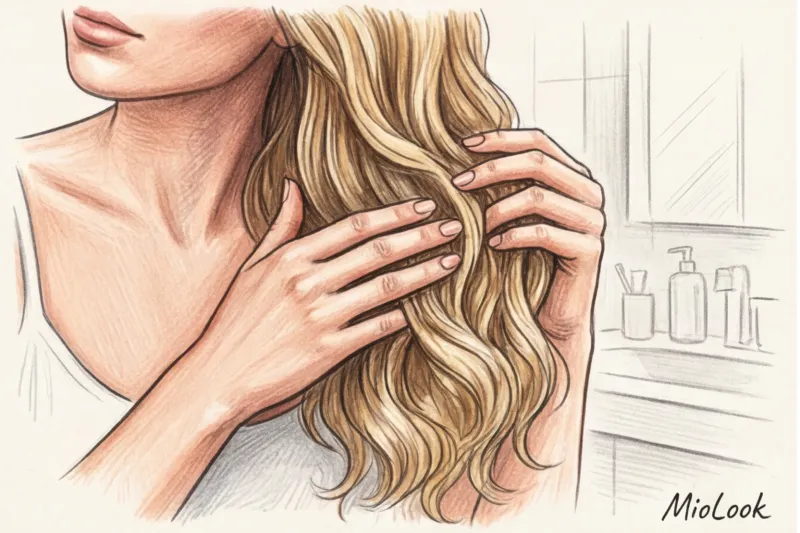
Алгоритм для тонких / стекловидных волос:
- На влажные пряди: легкая сыворотка (2 нажатия помпы).
- После сушки: микро-капля (буквально размером с горошину) прозрачного, жидкого как вода масла на самые концы.
Алгоритм для пористых / кудрявых / обесцвеченных:
- На мокрые (с которых еще капает вода) волосы: плотный липидный крем или leave-in conditioner.
- На подсушенные: масло-флюид, чтобы «разбить каст» (жесткую корочку от укладочных средств) и добавить эластичности.
Честное ограничение: эти схемы нужно корректировать под сезон. Зимой, когда работает центральное отопление и воздух в квартирах сухой (влажность падает до 20%), убирайте средства с большим количеством глицерина (хумектанта) — в сухом воздухе он начнет вытягивать влагу из самого волоса, делая его хрустящим. Зимой делайте ставку на церамиды и липиды.
Секрет стилистов: Метод «Слоистого пирога» (Layering)
На моей практике работы на коммерческих съемках часто стоит задача: сделать модели идеальный «дорогой» глянец, который переживет 8 часов под горячими софитами и не превратится в сосульки. Мы используем метод наслаивания (в профессиональной среде адаптация кудрявых методов LOC/LCO).
Суть проста: Вода (спрей) → Увлажнение (крем/сыворотка) → Запечатывание (масло).
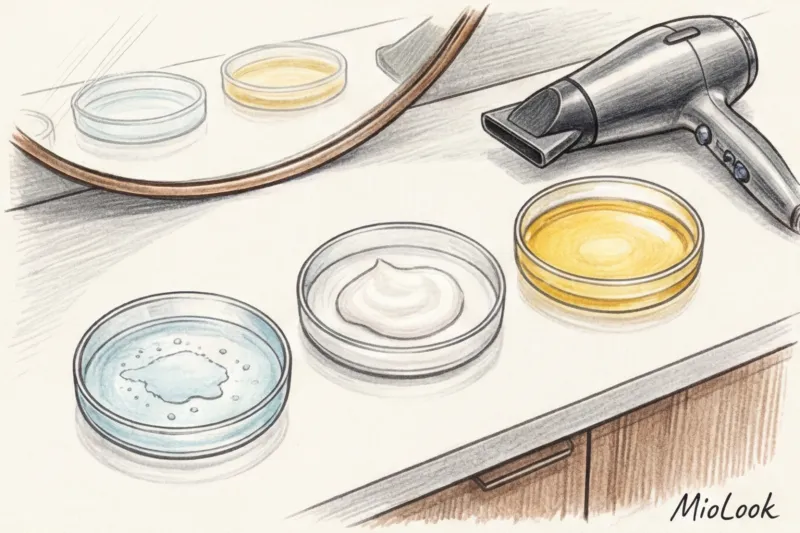
Главное эмпирическое правило этого метода — каждый последующий слой должен быть тоньше и легче по объему, чем предыдущий. Если вы нанесли чайную ложку крема, то масла должна быть буквально капля, растертая в горячих ладонях.
Кстати, если вы часто экспериментируете с укладками и макияжем, приложение MioLook отлично помогает оценить образ целиком. Иногда достаточно сфотографировать себя, чтобы понять: новая текстурная укладка спорит с вашим строгим офисным жакетом, и нужен более гладкий силуэт.
4 ошибки нанесения, которые убивают объем укладки за 60 минут
Покупка сыворотки за 50 € не спасет, если вы наносите ее как лосьон для тела. Вот физика процесса: неравномерно распределенный полимер собирается в комки и тянет волос вниз под собственным весом. Как избежать эффекта грязной головы?
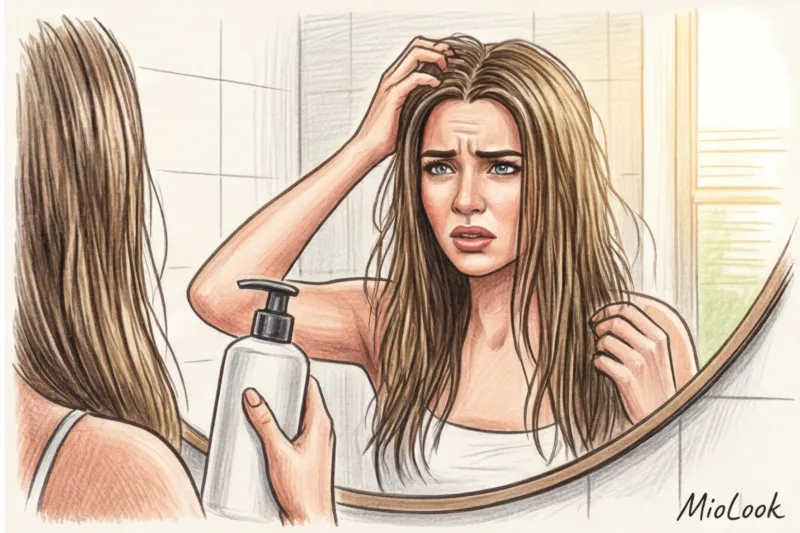
- Нарушение пропорции воды. Наносить крем на подсушенные полотенцем (на 80%) пористые волосы — ошибка. Крем нужно разбавлять водой прямо на волосах, нанося его, пока они еще очень влажные.
- Игнорирование зоны затылка. 90% женщин растирают средство в ладонях и судорожно гладят себя по прядям у лица. В итоге лицо в масле, а на затылке (где волосы часто трутся об одежду и скатываются) — пустыня.
- Нанесение выше линии ушей. Зона от корней до ушей получает достаточно естественного себума (кожного сала). Любой крем или масло здесь убьет прикорневой объем намертво.
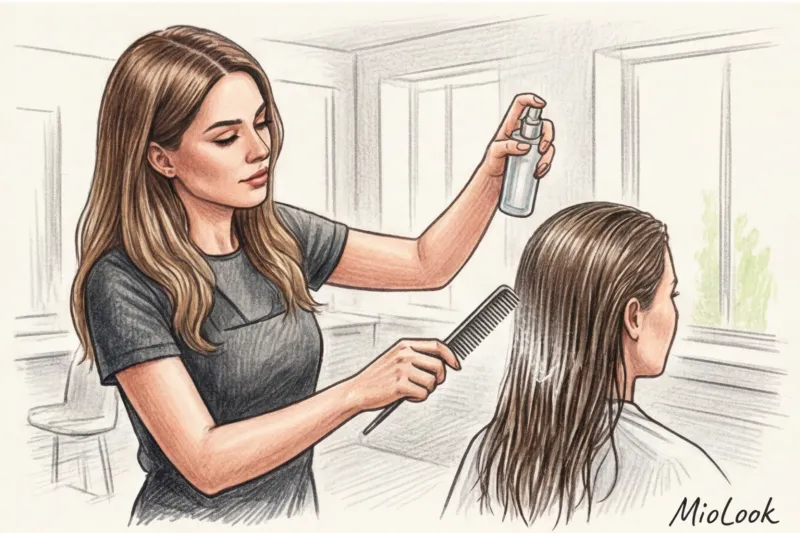
- Отсутствие прочесывания. Распределить продукт пальцами невозможно. После нанесения обязательно прочешите длину расческой с частыми зубцами (например, Tangle Teezer) — только так вы снимите излишки и растянете средство в равномерную микро-пленку.
Новый уровень вашего личного стиля
Забудьте о проблеме «нечего надеть». Анализ гардероба, умные комбинации и персональные рекомендации от AI-стилиста в вашем кармане.
Чек-лист: аудит вашего несмываемого ухода перед деловой укладкойКак понять, что текущая рутина вас подводит? Главные маркеры: волосы теряют форму к 15:00, электризуются под шапкой, концы похрустывают при сжатии, а вместо рассыпчатости вы получаете жесткие пряди.
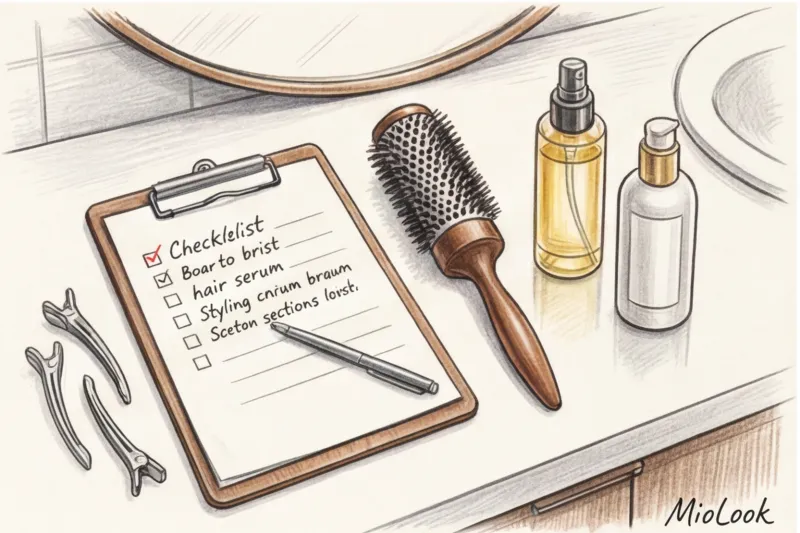
Базовый набор, который должен стоять на полке у современной женщины (с бюджетом 30–80 € за каждую позицию — помните, что хорошей сыворотки хватает на полгода, что выгоднее масс-маркета за 5 €, который выливается за месяц):
- Увлажняющий спрей-праймер (распутывает и увлажняет после полотенца).
- Термозащитный крем или сыворотка (подбираем по пористости).
- Прозрачное финишное масло с летучими силиконами для кончиков.
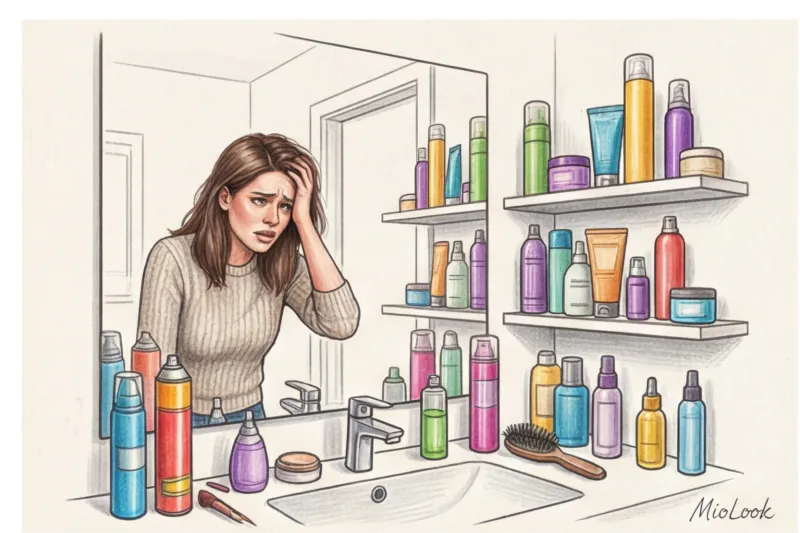
А теперь призыв к действию. Сегодня вечером подойдите к своей полке в ванной. Если вы найдете там бутылек чистого кокосового или персикового масла, которым вы «лечите» секущиеся концы — смело отправляйте его на кухню или используйте для тела. Оставьте для своих укладок только те высокотехнологичные продукты, которые защищают волосы, а не запекают их в непроницаемом панцире.
Часто задаваемые вопросы
Какой дресс-код тебе подходит?
Узнай, какой стиль одежды для работы и жизни идеально отражает тебя
Об авторе
Откройте MioLook
за 0,99 €
Начните создавать идеальные образы с помощью искусственного интеллекта
Открыть доступ — €0,99 разовоПохожие статьи
Правильный уход за волосами для идеальной укладки
Почему укладка не держится даже с самым сильным лаком? Откройте для себя секрет ...
Термозащита для волос: как пользоваться правильно
Дорогая одежда не спасет образ, если ваши волосы пересушены. Узнайте, как правил...
Как правильно наносить маску для волос: гид стилиста
Укладка распадается через полчаса, несмотря на дорогой стайлинг? Узнайте, как вы...
Какие средства нужны для укладки волос: базовый набор
Полки ломятся от баночек, а на голове снова небрежный пучок? Стилист рассказывае...