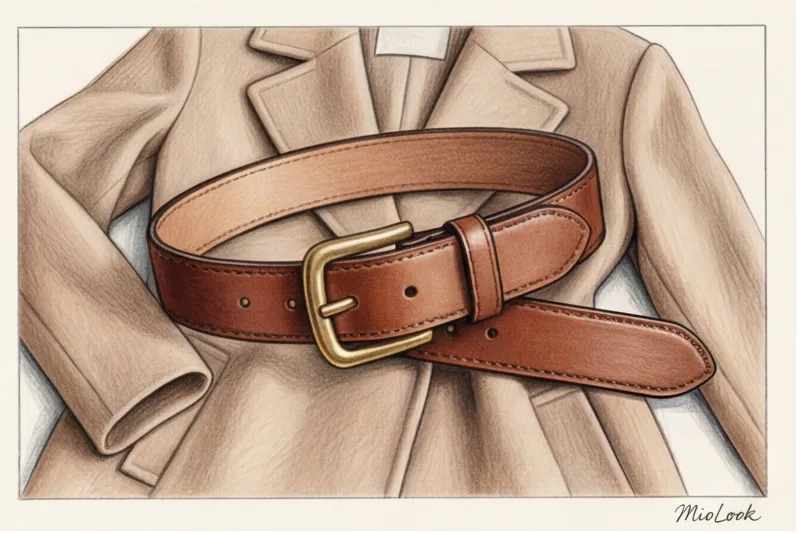
Дев'ять із десяти моїх клієнток при першій зустрічі в Мілані кажуть одну й ту саму фразу: «Джулія, я не маю вираженої талії, тому ремені мені категорично не йдуть». І щоразу я доводжу їм протилежне. Проблема не у вашій фігурі, а в тому, що мас-маркет привчив нас сприймати ремінь як утилітарну мотузку для підтримки джинсів, що спадають.
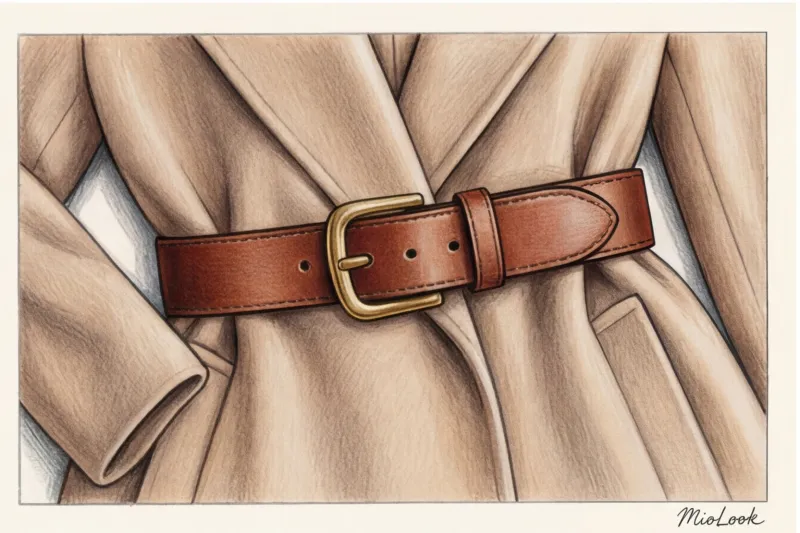
Насправді ж, то, як носити жіночий ремінь - Це питання не обсягу талії, а архітектури пропорцій. Докладніше про те, як змістився фокус у сучасному стайлінгу і чому статус тепер зчитується за деталями, ми розповіли у нашому повному гіді по тому, як модні аксесуари змінюють образ.
Так так, забудьте типові поради з нульових глянцю, які ділили жінок на «яблука» і «груші». Сьогодні я покажу вам, як працює математика силуету, чому якість урізу видає вартість вашої сумки краще за логотип, і як один правильний шкіряний аксесуар здатний врятувати навіть найневдалішу покупку.
Інвестиція в силует: чому ремінь став головним аксесуаром десятиліття
Ми остаточно перейшли від епохи логоманії та швидкої моди до естетики «тихої розкоші». Одяг став максимально мінімалістичним — прості штани палаццо, лаконічні кашемірові светри, об'ємні жакети без зайвих деталей. У цій парадигмі аксесуари беруть на себе величезне стилістичне навантаження. Виникає концепція «зміщеного акценту», коли статус та смак власниці читаються не за брендом на грудях, а за якістю фурнітури на талії.
Давайте порахуємо. Це моя улюблена формула Cost-per-wear (Вартість за вихід), яку я змушую застосовувати кожну клієнтку перед шопінгом. Припустимо, ви купуєте трендову вечірню сукню за 450€. Ви одягнете його, у кращому разі, 3-4 рази на рік. Вартість одного виходу складе близько 112 євро. Тепер візьмемо преміальний базовий ремінь від Loewe або Celine за 450 €. Ви будете носити його з джинсами, поверх жакетів та кардиганів щонайменше 150 днів на рік. На горизонті п'яти років вартість одного виходу складе кумедні 0,60 €. Саме тому ремінь — це завжди інвестиція, а не витрачання.
Анатомія преміального ременя: як відрізнити статусну річ від підробки
За 12 років роботи люксовим баєром я виробила звичку: я оцінюю речі із заплющеними очима. Мої пальці та слух розкажуть мені про якість більше, ніж цінник. Якщо ви хочете, щоб ваш образ виглядав дорого, ви повинні навчитися читати шкіру.
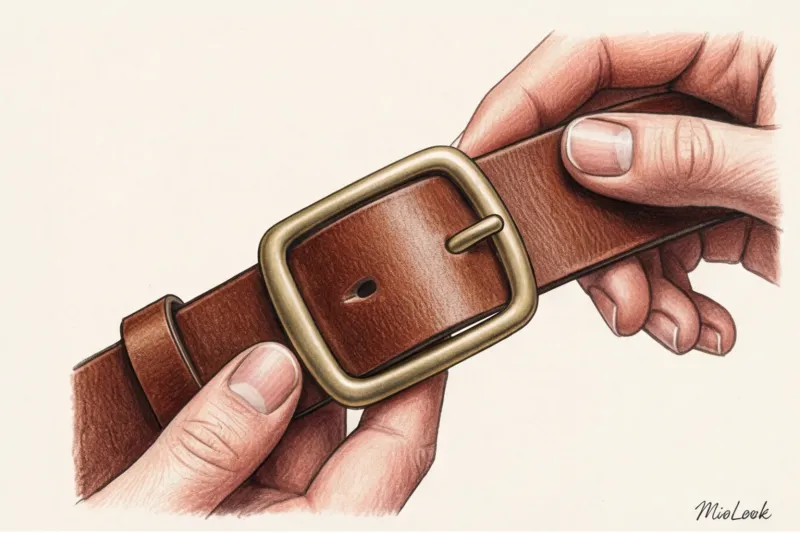
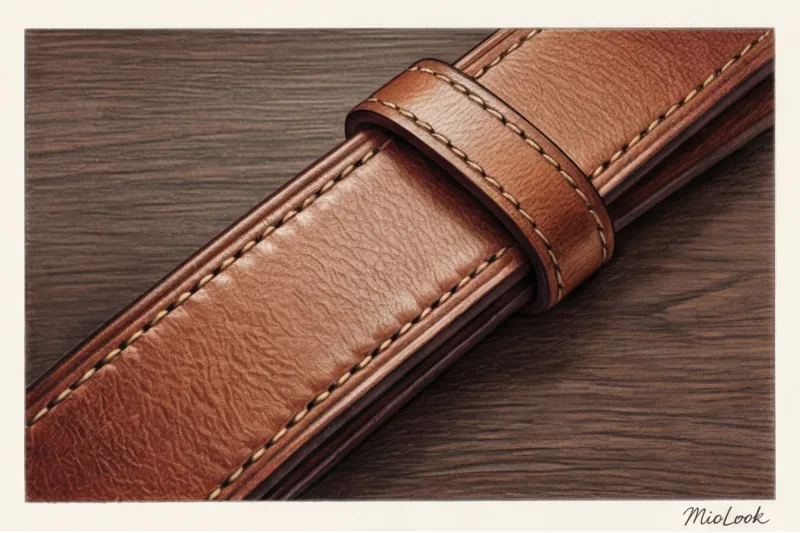
Головний ворог статусного гардеробу – пресована шкіра. bonded leather ). Це стружка та обрізки, склеєні поліуретаном. У магазині мас-маркету за 30 € такий ремінь може виглядати непогано, але через місяць носки в зоні залому на талії він піде потворними тріщинами. Інвестуйте тільки в full-grain leather (лицьову шкіру) — вона згодом набуває благородної патини, а не розвалюється на частини.
«У справжніх французьких та італійських ательє обробка краю ременя (edge painting) займає годинник. Край не заливають дешевою гумою, яка потім відшаровується шматками. Його шліфують, вручну покривають спеціальним воском і полірують у кілька шарів. Саме цей гладкий, блискучий уріз відрізняє річ за 500 € від підробки».
Звертайте увагу на фурнітуру. Дешеві пряжки роблять із порожнистих цинкових сплавів (замок). Вони легкі і дзвенять, як порожні консервні банки. Преміальна фурнітура – це лита латунь. Якщо ви трохи стукнете пряжкою дорогого ременя по дерев'яному столу, звук буде глухим, важким і шляхетним. Вибирайте тканини та фактури, які виглядають дорого , та доповнюйте їх відповідними аксесуарами.
Ваш ідеальний образ починається тут
Приєднуйтесь до тисяч користувачів, які щодня виглядають бездоганно з MioLook.
Відкрити доступ — €0,99 разовоАрхітектура тіла: як носити жіночий ремінь, щоб керувати пропорціями
Головне правило стайлінгу, про яке забувають 90% жінок: ремінь не просто підкреслює талію, він ріже фігуру навпіл. І від того, де пройде ця лінія, залежить, чи виглядатимете ви як супермодель або як квадрат на ніжках.
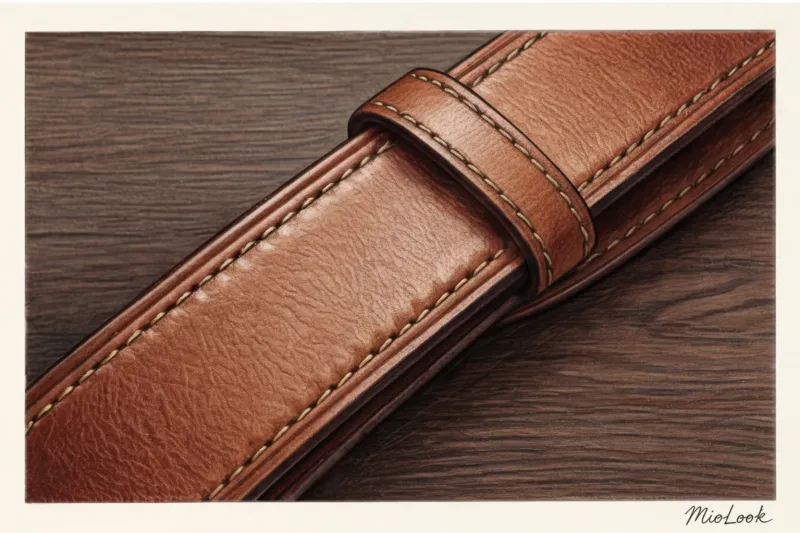
Тут працює правило золотого перерізу. Ідеальний силует будується на пропорції 1:2 (де торс займає одну третину, а ноги дві третини) або, рідше, 2:1. Ремінь – ваш головний маркер для створення цієї пропорції.
Міф, який час зруйнувати: Широкий ремінь завжди робить талію тоншою.
Правда: Якщо у вас короткий торс (відстань від нижнього ребра до тазової кістки менше ширини долоні), широкий пояс у 6-8 см візуально з'їсть весь простір від грудей до стегон. Ваші груди лежатимуть прямо на ремені. У цьому випадку вам категорично протипоказані широкі контрастні ремені - ваш вибір це тонкий шкіряний шнурок 1,5 см або середній ремінь, що строго збігається за кольором одягу.
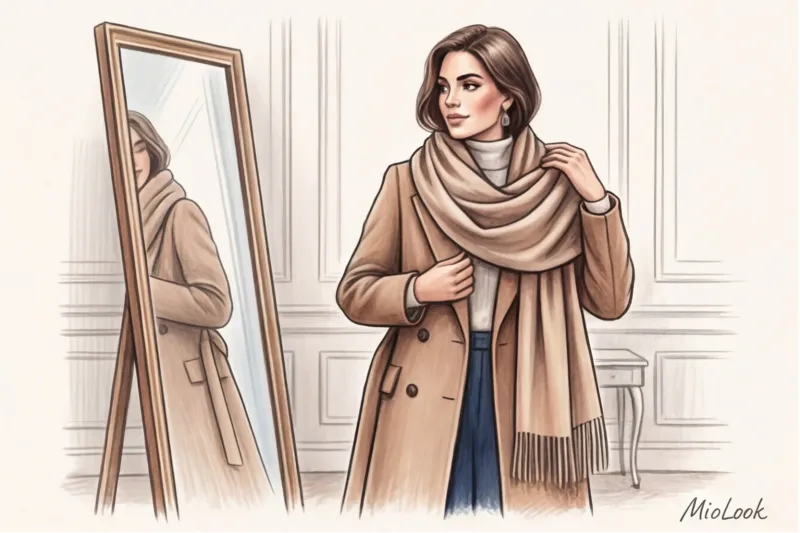
Як носити ремінь з жакетами та оверсайз-пальто.
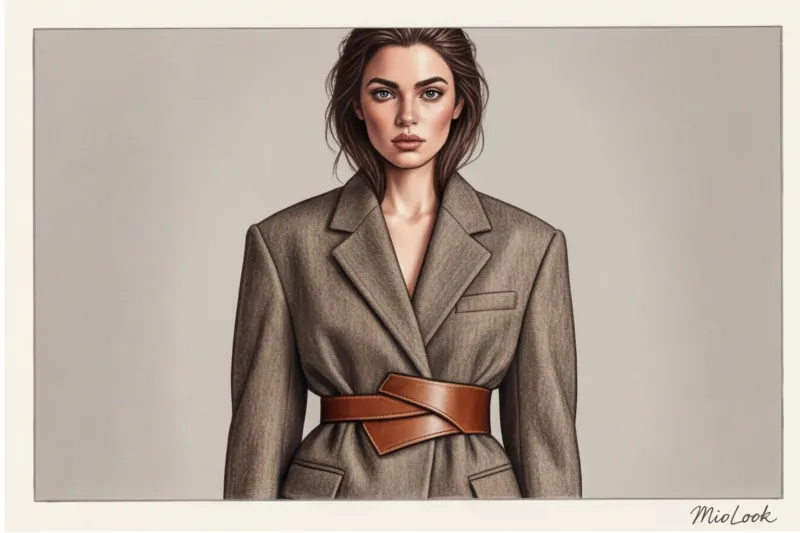
Одна з моїх клієнток у Мілані у пориві шопоголізму купила розкішне, але абсолютно безформне пальто Max Mara за 2000 євро. На її невисокому зрості воно виглядало як дорогий спальний мішок. Річ лежала в шафі рік, поки ми не надягли поверх неї жорсткий, скульптурний ремінь-корсет від Loewe. Пальто миттєво набуло форми пісочного годинника, а образ став неймовірно гострим.
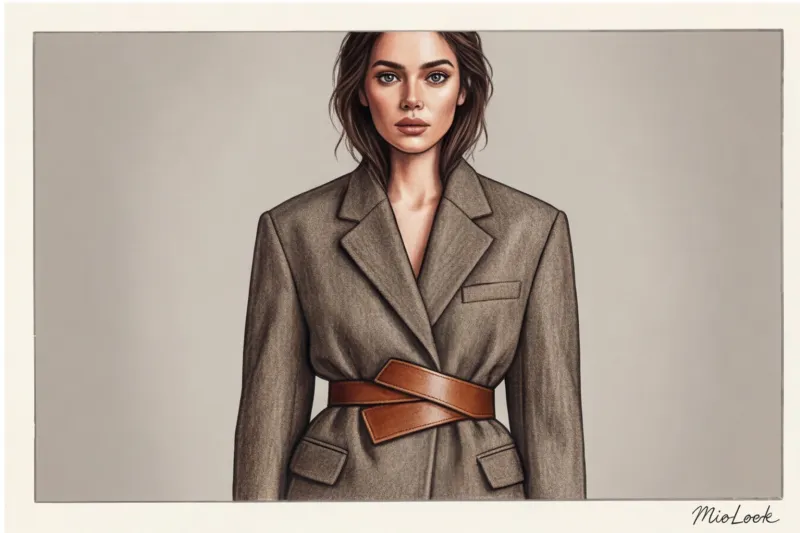
Згідно зі звітом Lyst Index за 2024 рік, тренд на corpcore (Переосмислення офісного стилю) диктує нам приталювання чоловічих, об'ємних силуетів. Вибираючи ремінь для жакету, пам'ятайте про правил контрасту фактур в одязі. Якщо жакет пошитий з пухкої, ворсистої вовни або твіду, ремінь повинен бути абсолютно гладкою, глянсової шкіри. Якщо жакет з гладкої костюмної тканини - беріть ремінь із замші або шкіри з тисненням під крокодила. Жорсткі ремені-баски чудово працюють із м'якими кашеміровими кардиганами, задаючи їм строгу форму.
Ремені та сукні: від легкого шовку до щільного трикотажу
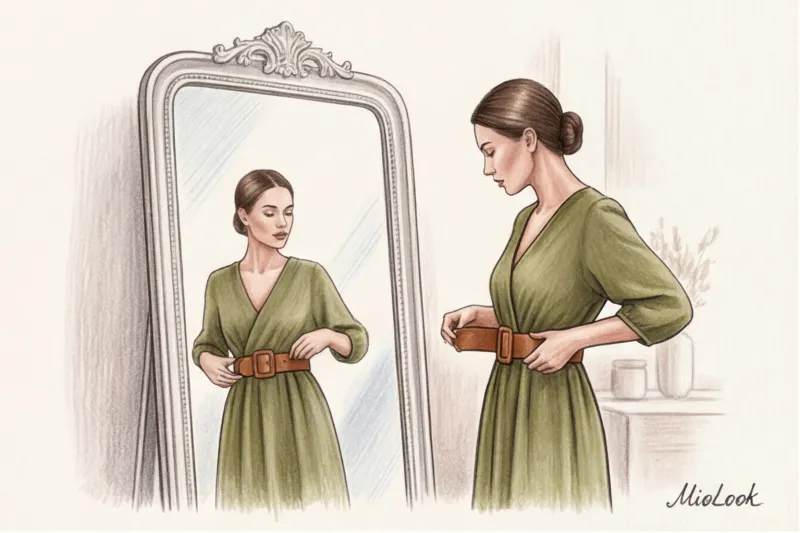
Найчастіша помилка, яку я бачу на вулицях, - це спроба перетягнути щільним ременем тонку трикотажну сукню. Це створює зрадливий ефект «перетягнутої ковбаси», наголошуючи на найменших складках на спині, про існування яких ви навіть не підозрювали.
Для суконь працюють свої закони:
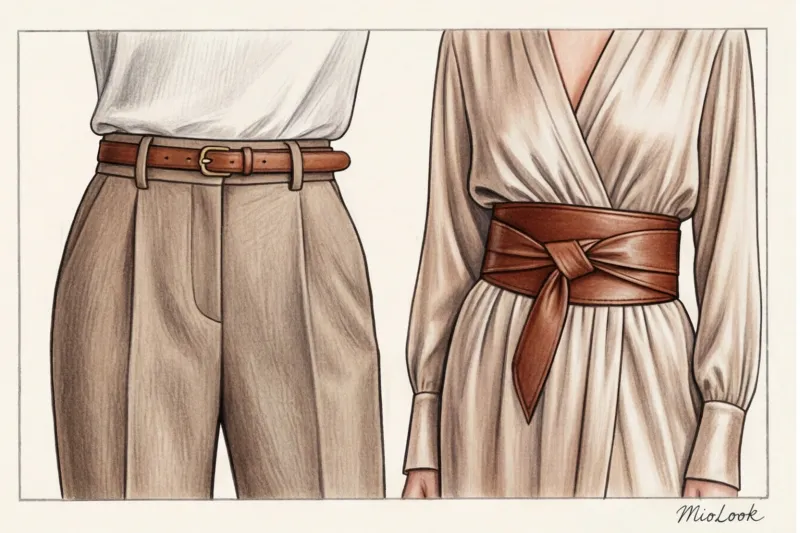
1. Шовк і стиль білизни. До сукня-комбінацій ідеально підходять ремені-ланцюжка. Це посилання на естетику Chanel 1995 року, яка зараз знову на піку. Метал ускладнює тканину, що летить, створюючи правильний баланс.
2. Сукні-сорочки з бавовни. Тут найкраще працюють м'які пояси-кушаки (obi belts) з тонкої замші або наппи, які обертаються навколо талії кілька разів.
3. Щільний трикотаж. Використовуйте ремені середньої ширини, але не затягуйте їх до кришталю ребер. Ремінь повинен просто позначати талію, а не формувати її насильно.
Доступ до MioLook за €0,99 — разовий платіж
Розумний AI-стиліст підбере ідеальний образ за вас на основі вашого гардеробу та пропорцій.
Відкрити доступ — €0,99 разовоЗастарілі правила, про які настав час забути: розбір помилок
Мода циклічна, але деякі правила стайлінгу померли назавжди. Якщо ви читали статті за стилем початку 2010-х, вам доведеться провести ревізію своїх знань.
- Міф 1: Взуття, сумка та ремінь мають бути одного кольору. Це найнудніше правило, яке миттєво дешевшає образ. Подібна «комплектність» робить ваш вигляд надто старанним, ніби ви готувались до виходу з вечора. Сьогодні ремінь може перегукуватися з кольором очей, принтом на хустці або взагалі бути самостійною плямою (наприклад, бордовий ремінь у повністю сірій цибулі).
- Міф 2: Ремінь носять лише там, де є шльовки. Абсолютна неправда. Надягати ремінь поверх подовженого светра на рівні стегон - це чудовий прийом, що розслаблює строгий образ. Головне, щоб светр був досить щільним (від 180 г/м2).
- Міф 3: Фурнітура ременя має збігатися з прикрасами. «Срібло тільки із сріблом, золото із золотом» — забудьте. За даними аналітики Vogue (2024), тренд на mix-metals став базою. Золота пряжка ременя чудово уживається зі срібними кільцями та годинником з комбінованого металу.
Секрети стиліста: неочевидні способи стилізації ременя
Щоб аксесуар працював на 100%, його мало просто застебнути. У своїй практиці я часто використовую мікроприйоми, які змінюють все сприйняття образу.
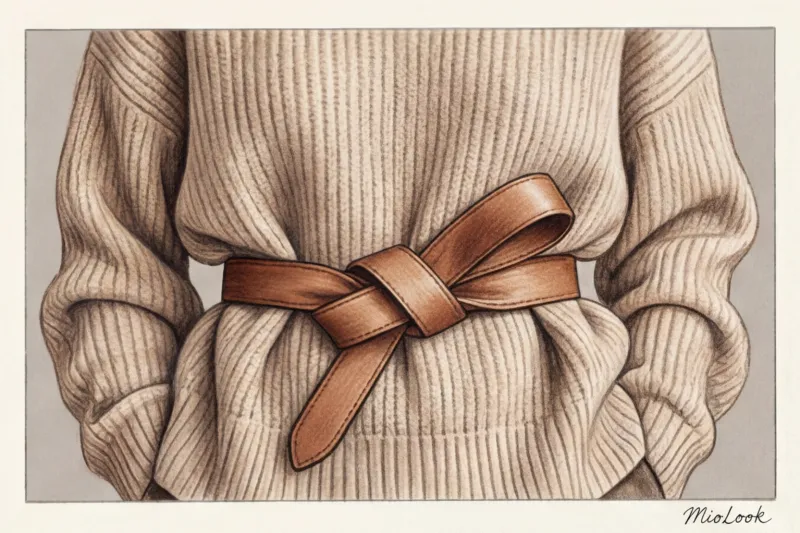
Мистецтво вузла. Якщо у вас є довгий, м'який шкіряний ремінь без жорсткого каркаса (завширшки до 2.5 см), не застібайте його на пряжку. Протягніть хвіст ременя через пряжку, опустіть вниз, проведіть під ременем нагору і просмикніть в петлю, що утворилася. Цей недбалий «паризький вузол» виглядає в десятки разів складніше і дорожче за стандартну застібку.
Техніка «подовження ніг». Якщо ви не відрізняється модельним зростанням, але хочете здаватися вище, підбирайте ремінь не в тон верху, а строго в тон брюкам або спідниці. Чорні штани + чорний ремінь + біла сорочка = візуально ваші ноги починаються від верхньої кромки ременя.
Багатошаровість із джемпером. Спробуйте надягти тонкий ремінь із класичними брюками, а зверху накиньте об'ємний светр. Злегка заправте светр за ремінь лише з одного боку спереду (French tuck). Ремінь кокетливо виглядатиме, позначаючи талію під обсягами.
Якщо ви сумніваєтеся, як поєднувати ваші речі з новими аксесуарами, я настійно рекомендую оцифрувати свою шафу. Ви можете завантажити фото своїх речей і ременів у MioLook , і алгоритм допоможе вам скласти неочевидні, але стильні комбінації з огляду на ваші пропорції.
Базовий гардероб аксесуарів: 3 ремені, які потрібні кожній
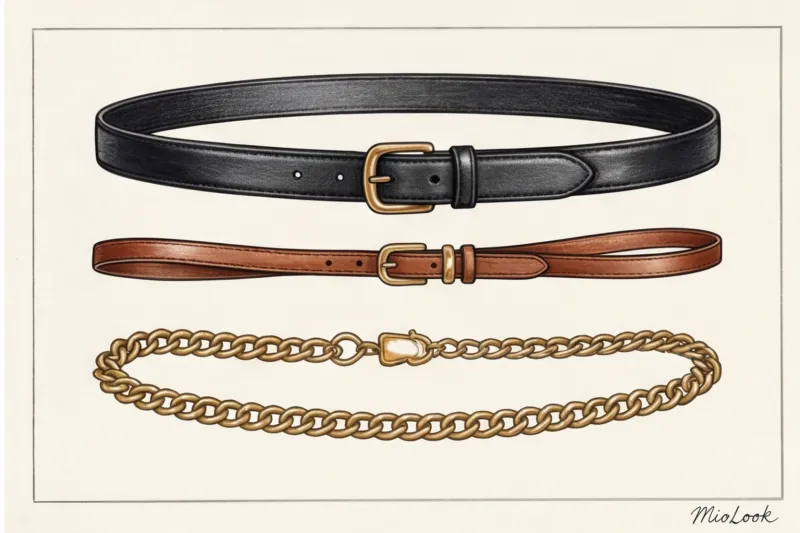
Ви не повинні скуповувати всі ремені на розпродажах у H&M або Zara. Для створення повноцінної, дорогої капсули вам знадобиться всього три ремені, але вони мають бути ідеальними. Тут ми застосовуємо стратегію save/splurge (Де економити, а куди інвестувати).
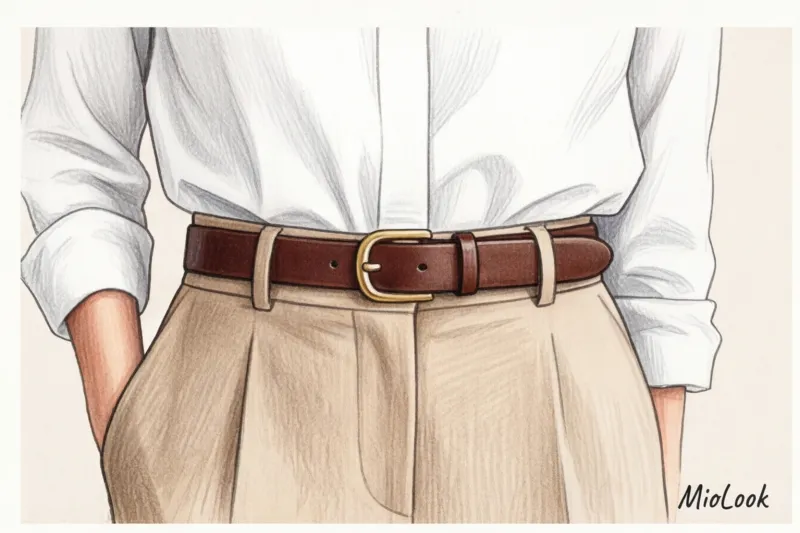
- Класичний ремінь (3-4 см).
Куди інвестувати (Splurge): від 150 до 400€. Це ваша база для джинсів, штанів та пальта. Шкіра має бути ідеальною гладкою або зернистою, кольори - чорний, коньячний або гіркий шоколад. Пряжка – мінімалістична латунь без логотипів. - Тонкий ремінь (1-1.5 см).
Середній сегмент: 50-100 €. Незамінний для суконь, тонких кардиганів та літніх лляних костюмів. Тут можна дозволити собі трохи більше фантазії, наприклад, ювелірну пряжку цікавої форми або фактуру під рептилію. - Акцентний ремінь (Statement piece).
Можна заощадити (Save): 30-80 €. Це може бути широкий корсетний пояс для жакетів, ремінь-ланцюг у стилі 90-х для вечірніх виходів або ремінь із великою акцентною пряжкою у стилі бохо. Це трендова річ, яка додасть гостроти до базової цибулі з білої футболки та джинсів.
Ставтеся до вибору ременя так само серйозно, як вибір взуття або сумки. Це не просто декоративна смужка шкіри. Це ваш персональний архітектор, який за пару секунд здатний зібрати силует, додати статусності базовому трикотажу і розповісти про ваш бездоганний смак більше, ніж будь-який логотип.