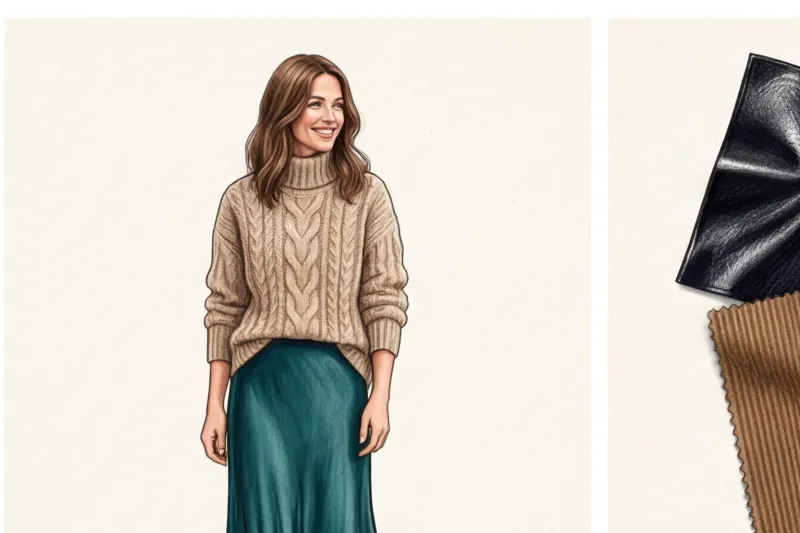
Чому правильне поєднання фактур в одязі – головний секрет статусного гардеробу
На моїй практиці стиліста за останні дванадцять років я проаналізувала сотні цифрових шаф. І знаєте, що я знайшла? У 90% жінок гардероб складається виключно з гладких, матових тканин — в основному це базова бавовна, тонкий денім і змішувальний поліестер. Шафа буквально забита речами, але перед виходом з дому образи виходять відверто нудними. Секрет порятунку такого гардеробу криється не в купівлі чергової базової сорочки за 50 євро, а в тактильній різноманітності. Саме грамотне поєднання фактур в одязі миттєво перетворює набір простих речей на образ, що хочеться розглядати.
Давайте начистоту: поняття «дорогий образ» у сучасній стилістиці давно не вимірюється логотипами брендів чи шестизначними цінниками на бірках. Статусний стиль - це завжди про візуальну складність та глибину. Коли ми дивимося на бездоганно одягнену жінку, наш мозок підсвідомо зчитує не назву бренду на сумці, а багатовимірність її вбрання. І цю багатовимірність виробляють матеріали, з якими ми працюємо.
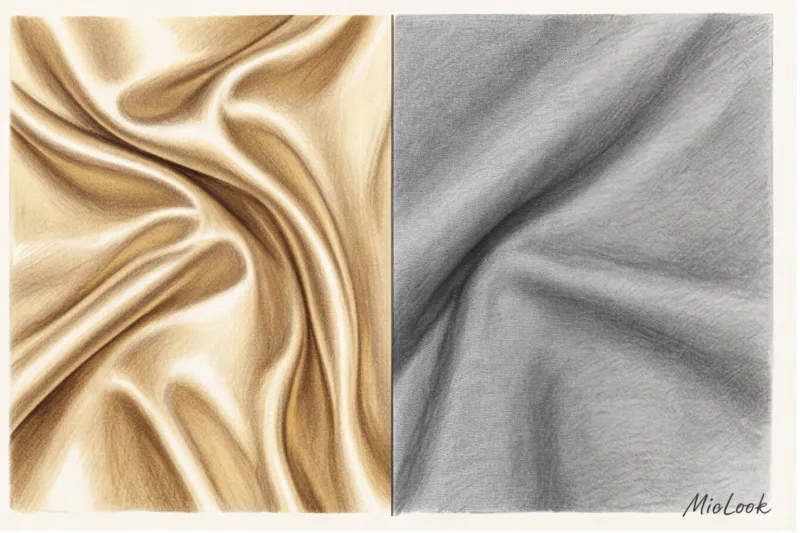
Тут у гру вступає справжня фізика стилю, а саме те, як різні тканини взаємодіють зі світлом. Абсолютно всі матеріали можна розділити на дві глобальні категорії: ті, що відбивають світло (шовк, сатин, гладка або лакована шкіра, віскоза), та ті, що його поглинають (замша, фактурна шерсть, кашемір, вельвет, букле).
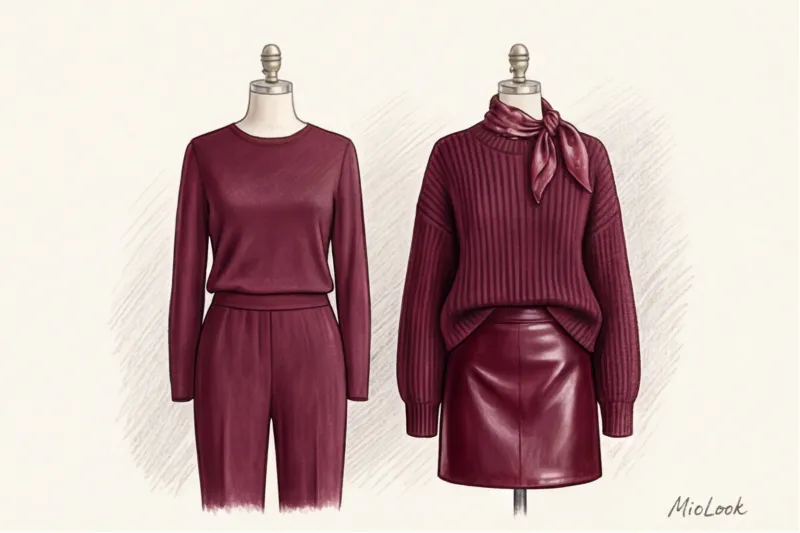
Особливо яскраво ця фізика проявляється, коли ми намагаємось зібрати монохромний аутфіт. Зауважували, що total-black образ на одній дівчині виглядає розкішно, а на іншій як уніформа технічного персоналу? Різниця криється у горезвісному «плоському» ефекті. Якщо ви збираєте бежевий образ із щільної бавовняної футболки, матових штанів та гладкого тренчу, світло падає на них абсолютно однаково. Оку буквально нема за що зачепитися, силует позбавляється об'єму і зливається в єдину, невиразну пляму. До речі, саме тому популярна естетика clean girl: секрети ідеального мінімалізму завжди будується на тонкій грі матеріалів, а не лише на чистих базових кольорах.
У стилістиці працює жорстке правило 80/20: 80% вартості, що сприймається, і статусу вашого вбрання залежать виключно від тактильного контрасту, і лише 20% — від крою і кольору.
Хороша новина в тому, що вам не потрібно з нуля перекроювати свою базову шафу. Щоб виправити цей «нудний» гардероб, що складається на 90% з гладкої матової бази, достатньо додати всього 10% речей з яскраво вираженою, полярною фактурою. Додайте до звичної бавовни рельєфну велику в'язку, шовк, що струмує, або жорстку шкіру. Коли я допомагаю клієнткам оцифрувати шафу у додатку MioLook , ми завжди помічаємо речі тегами матеріалів. Це одразу підсвічує проблему: якщо у вас 40 бавовняних речей та жодної шовкової блузи чи замшевої спідниці, ваш гардероб страждає від фактурного голодування. Достатньо купити одну правильну текстурну деталь (навіть у межах 100-150 €), щоб вдихнути життя в десятки вже нудних комплектів.
Фізика тканин: як візуальна вага працює у стилістиці
Чи помічали ви парадокс: светр великої в'язки з найтоншого, майже невагомого мохера візуально «з'їдає» простір сильніше, ніж важка, але гладка шкіряна куртка? Це тому, що фізична вага речі на вішалці немає нічого спільного з її оптичним сприйняттям. У стилістиці ми оперуємо поняттям візуальної ваги — тим, наскільки масивною, щільною чи об'ємною видається тканина людському оку.
У текстильній інженерії фахівці вимірюють щільність матеріалів у GSM (грамах на квадратний метр) і оцінюють драпірованість - здатність тканини утворювати м'які складки. Однак Британський інститут текстилю (The Textile Institute) зазначає, що для кінцевого споживача важливіше саме оптичні властивості: як нитка заломлює світло та заповнює простір. Ідеальне поєднання фактур в одязі будується саме на розумінні цього балансу.
Щоб навчитися керувати цим інструментом, я завжди пропоную клієнтам пам'ятати конкретну шкалу візуальної ваги. Від найлегшого до найважчого вона виглядає так:
- Візуально невагомі: органза, шифон, тонкий шовк, фатин.
- Легкі: віскоза, купра, тонка бавовна, атлас, що струмує.
- Середні: костюмна вовна (super 100s-120s), денім середньої густини, кашемір, щільний льон.
- Важкі: вельвет, щільна матова шкіра, габардин, замша.
- Візуально масивні: фактурний твід, букле, груба ручна в'язка, штучне хутро.
Знання цієї шкали – ключ до розумної організації гардеробу. Минулого року я проводила аудит шафи для топ-менеджера з Берліна: із 60 весняних речей 52 опинилися в категорії «середньої ваги» (звичайні костюмні тканини та базова бавовна). Не дивно, що її образи здавались їй «плоськими» і нудними. Почніть із інвентаризації своїх фактур: розділіть речі не за кольорами, а за візуальною вагою. Для цього дуже зручно використовувати програму MioLook - при додаванні речей просто позначайте тегами їхню матеріальну приналежність (шовк, шкіра, денім, в'язка), щоб відразу побачити, яких фактур вам не вистачає для створення контрасту.
Гладкі та матові поверхні: гра зі світлом
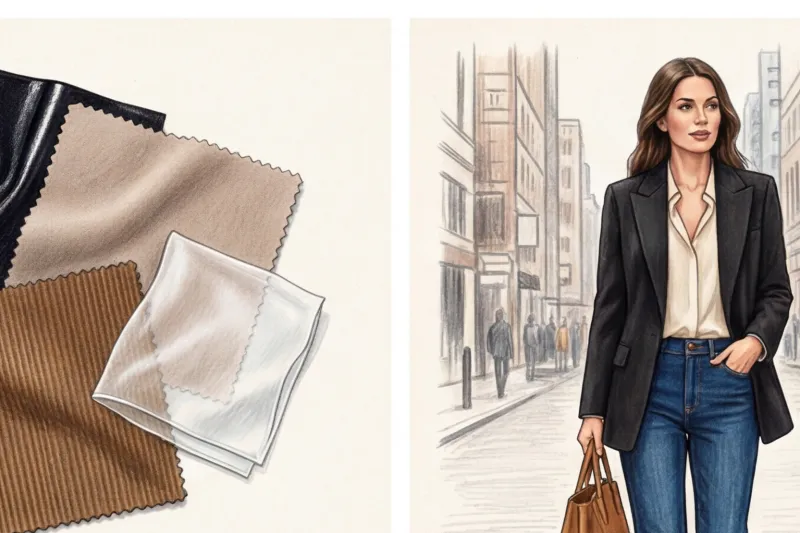
Мода це, по суті, прикладна оптика. Те, як дорого виглядає ваше вбрання, безпосередньо залежить від того, як його поверхні взаємодіють зі світлом. Гладкі тканини (натуральний шовк, атлас, лакована шкіра, паєтки) працюють як хайлайтери. Вони відбивають світло, привертають увагу до зони, на яку одягнені, і візуально розширюють об'єм. Матові поверхні (замша, оксамит, матова вовна, щільна бавовна), навпаки, поглинають світло. Вони працюють як скульптор: контурують силует, заземлюють образ та приховують будь-які нерівності.
Тут криється жорстке правило дорогого стайлінгу: ніколи не ставте дві тканини з високим ступенем світловідбиття впритул один до одного. Атласна блуза у поєднанні з лакованою спідницею? Якщо ви не виступаєте на театральній сцені, такий дует виглядає перевантажено і дешево. Дві блискучі фактури починають сперечатися за увагу, руйнуючи елегантність.
Натомість використовуйте матове тло, щоб змусити глянцеву тканину сяяти по-справжньому. Базовий шовковий топ за 50 € буде виглядати як люксова річ за 300 €, якщо одягнути його з глибокими замшевими штанами, що поглинають світло, або спідницею з щільної матової вовни. Контраст світла і тіні – ось що створює ілюзію розкоші.
Доступ до MioLook за €0,99 — разовий платіж
Розумний AI-стиліст підбере ідеальний образ на основі ваших параметрів і фактур, що є в гардеробі.
Відкрити доступ — €0,99 разовоЩільність та плинність: правило 70/30
Друга вісь координат у фізиці тканин – це структура. Розуміти різницю дуже просто: уявіть, що ви кидаєте річ на ліжко. Вона збирається в м'яку калюжку (текуча) чи зберігає жорсткий каркас (структурована)?
Структуровані тканини, такі як сирий денім, товста шкіра та щільний габардин створюють архітектурний каркас силуету. Вони збирають фігуру, задають чіткі лінії плечей та стегон. Поточні тканини - віскоза, тонкий шовк, делікатний трикотаж - відповідають за динаміку, м'якість та повітря в образі.
Секрет гармонійного силуету полягає у правилі 70/30. Якщо ваш аутфіт на 100% складається з жорстких, структурованих тканин, ви виглядатимете так, ніби одягли лицарські обладунки — скуто і важко. Якщо ж ви з ніг до голови одягнені в текучие матеріали, образ ризикує перетворитися на піжаму, позбавлену форми та статусу.
Формула 70/30 працює безвідмовно: візьміть 70% структурованої бази та додайте 30% плинних акцентів. Або навпаки.
На практиці це виглядає так: жорсткі прямі джинси з щільної бавовни і структурний вовняний жакет (70% каркаса) ми пом'якшуємо віскозним топом, що струмує (30% плинності). Або беремо шовкову сукню максі (70% плинності), що летить, і «заземляємо» її жорсткою шкіряною косухою з чіткою лінією плеча і структурованими черевиками (30% каркаса). Саме ця напруга між м'яким та твердим робить образ завершеним та професійно зібраним.
Базові формули: безпрограшні комбінації фактур для дорогих образів
Вранці перед важливою порадою директорів чи щільною сесією зум-колів у вас немає часу на творчі експерименти перед дзеркалом. Моїм клієнткам — керівникам вищої ланки та ІТ-підприємцям — треба одягнутися рівно за п'ять хвилин, виглядати статусно і відчувати себе комфортно. Саме для таких завдань я використовую систему plug-and-play — готові стилістичні формули, які працюють як бездоганний алгоритм.
Пам'ятайте, що грамотне поєднання фактур в одязі — це не вроджений дар, а навичка, яку легко натренувати на тих речах, які вже висять у вашій шафі. Щоб почати практикуватись, зробіть просту інвентаризацію. Дістаньте з гардеробу одну відверто гладку річ, одну дуже пухнасту або фактурну і одну щільну форму, що тримає. Повісьте їх поруч окремий рейл. Якщо ви звикли до цифрового керування гардеробом, просто відкрийте функцію «розумний гардероб» MioLook і відфільтруйте свої речі не за сезоном або кольором, а за матеріалом. Ви одразу побачите, з чим можна експериментувати. А тепер застосуємо до них три безпрограшні формули.
Шовк + Груба в'язка або кашемір
Це квінтесенція того, що в індустрії моди називають cozy luxury (Затишний люкс). Суть формули полягає в зіткненні температур і тактильних відчуттів: ми беремо холодну поверхню, що ковзає, і зіштовхуємо її з теплим, обволікаючим об'ємом.
Делікатна природа шовку або високоякісного сатину чудово відбиває світло, але в чистому вигляді може виглядати занадто ошатно або по-вечірньому вразливим. Матовий, пухнастий кашемір або шерсть великої в'язки приземлюють цей блиск. М'якість дорогої пряжі візуально заспокоює образ, додаючи йому благородну недбалість. Це той самий ефект, коли видається, що ви не намагалися виглядати ідеально, але від вас неможливо відвести погляд.
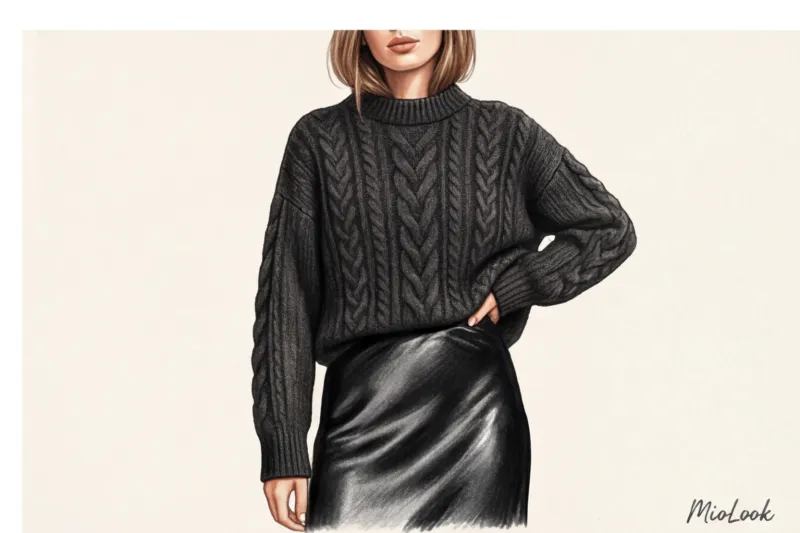
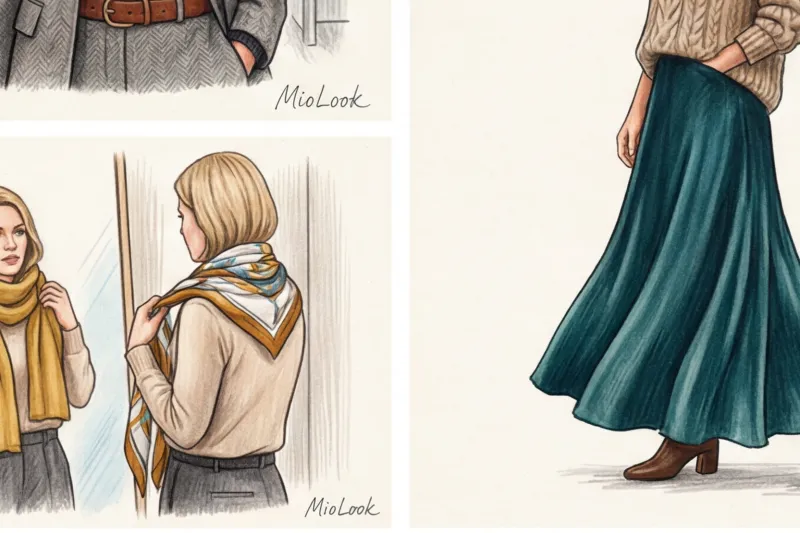
Практичний приклад: білизна спідниця-сліп (slip skirt) довжини міді в парі з об'ємним светром великої в'язки (chunky sweater). Навіть якщо шовкова спідниця була куплена за 80 €, а кашеміровий светр коштував 250 €, разом за рахунок гри фактур вони створюють візуальну вартість образу, що прагне тисячі. Щоб зберегти пропорції, використовуйте техніку «французької заправи» (french tuck), злегка заправивши передній край светра за пояс спідниці.
Шкіра + Матова вовна або твід
Шкіра - чи то натуральна наппа, чи сучасна щільна екошкіра - завжди несе в собі легку агресію, зухвалість і динаміку. Вона заявляє себе. Якщо одягнути шкіряні штани із звичайною бавовняною футболкою, вийде розслаблений гранж. Але наше завдання – статусність та елегантність. Тому ми балансуємо цей бунтарський матеріал чимось максимально консервативним та традиційним.
Тут працює принцип стилістичного напруження. Спокійна, шорстка поверхня твіду або щільної матової костюмної вовни поглинає зайвий блиск шкіри і «утихомирює» її характер. Це ідеальна формула для середовища creative business casual , Де суворий корпоративний дрес-код вже неактуальний, але виглядати авторитетно все ще необхідно.
Як відзначають аналітики тренд-бюро WGSN у звіті за 2024 рік, саме гібридний діловий стиль зробив комбінацію «шкіра плюс англійська шерсть» найкомерційніше в осінніх колекціях. Спробуйте з'єднати прямі шкіряні штани зі структурним жакетом твідів або, навпаки, матові вовняні палаццо зі стрілками і шкіряну сорочку-жакет.
Денім + Структурована бавовна або атлас
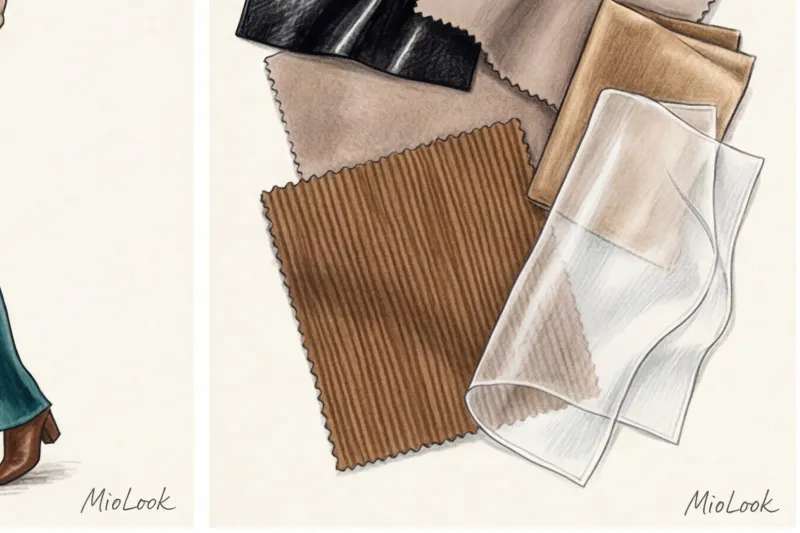
Головна помилка, що вбиває потенціал джинсів, — це звичка носити їх зі стандартними трикотажними футболками. Тонкий бавовняний трикотаж і груба саржа деніму — це дві суто повсякденні фактури, які в парі дають похмурий ефект «я просто вийшла за кавою».
Щоб вивести повсякденні джинси на новий рівень прет-а-порте, вони потребують різкого фактурного контрасту. Відмовтеся від млявого трикотажу на користь матеріалів із чітко вираженим характером. Вибирайте щільний денім (від 12 унцій, бажано 100% бавовну без еластану) з діагональним рубчиком, що добре читається, і зіштовхуйте його з повною протилежністю.
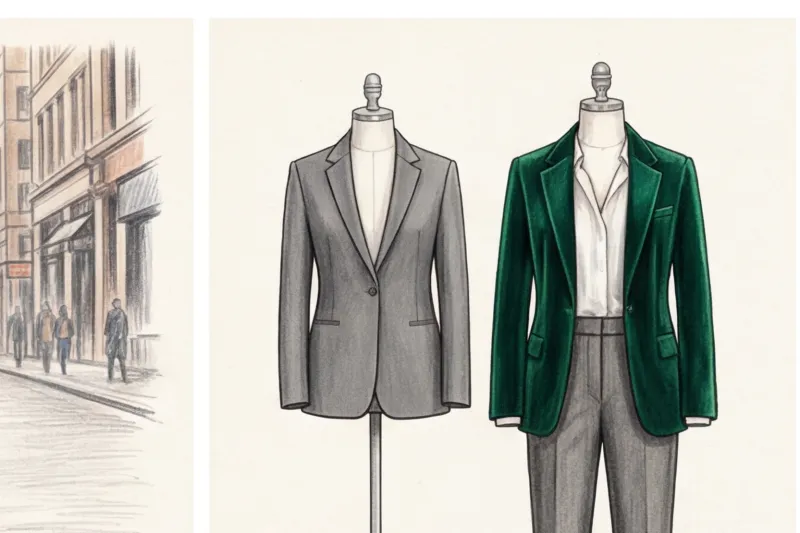
Перший шлях - використовувати структурований поплін. Хрумка, гладка і тримає форму сорочка створює строгий архітектурний каркас поверх розслабленого деніму. Цей дует виглядає свіжо та зібрано. Другий шлях - «рідкий» атлас. Поточна блуза (наприклад, з коміром-аскотом або бантом), яка ковзає і переливається при кожному русі, створює фантастичний контраст з матовою, грубою поверхнею джинсів. В обох випадках ви забираєте денім із категорії утилітарного робочого одягу та переводите його в розряд інтелектуальної стилістики.
Міф про «ідеальний костюм»: чому однакові тканини дешевшають образ
Серед корпоративних дрес-кодів роками культивувалася одна небезпечна помилка: купівля готового костюма-двійки з гладкої тканини – це гарантована інвестиція у бездоганний професійний імідж. Насправді, особливо в масовому сегменті від 100 до 300 €, це найшвидший спосіб зробити свій зовнішній вигляд плоским та невиразним. Костюм з гладкої суміші поліестеру та віскози (наприклад, популярне співвідношення 60/40), де жакет та штани скроєні з одного рулону, створює візуальну монотонність. Оку співрозмовника буквально нема за що зачепитися.
У стилістиці ми суворо поділяємо два поняття: ефект «уніформи» та ефект «стилізації». Коли ви надягаєте повністю ідентичні верх і низ із гладкої тканини, ви транслюєте естетику уніформи банківського клерка. Ви виглядаєте акуратно, але передбачувано. Грамотне поєднання фактур в одязі показує, що образ був усвідомлено зібраний. Як часто відзначають фешн-аналітики, ідеальна комбінація (matchy-matchy) сьогодні виглядає занадто старанно, а значить – несучасно і менш статусно.
Вміння «розбити» готовий костюм на самостійні елементи і зіштовхнути їх з контрастними матеріалами — це межа, що відокремлює людину, яка просто купила одяг, від людини, яка вміє керувати ним.
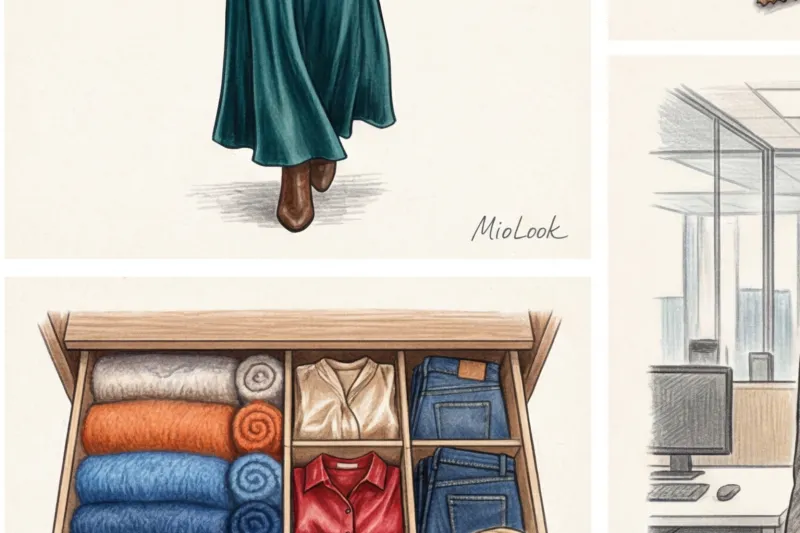
Під час підготовки спікера до великої ІТ-конференції минулого року ми провели наочний експеримент. Ми взяли її улюблений темно-синій діловий костюм із гладкої вовни та просто розділили його. Ось дві робочі стратегії, як це зробити:
- Стратегія верху: Ми залишили строгі костюмні штани зі стрілками, але замість «рідного» жакета одягли об'ємний кардиган фактурної в'язки з мериноса. Додали шкіряний ремінь із тисненням. Суворість збереглася, але виникла тактильна глибина.
- Стратегія низу: Ми залишили структурний костюмний жакет, але гладкі штани замінили на щільний, сирий денім (raw denim) кольору індиго. Під жакет пішов шовковий топ із легким блиском. Градус формальності знизився незначно, але статусність образу, що сприймається, злетіла багаторазово.
Чи це означає, що парні комплекти потрібно назавжди вигнати з шафи? Зовсім ні. Це правило має один важливий виняток: костюм-двійка працює чудово, якщо сама тканина має яскраво виражений рельєф. Класичний костюм, щільний рубчастий вельвет, фактурне букле або якісний льон з вузликами (slub linen) не дешевлять образ. У таких матеріалах вже закладено мікроконтраст за рахунок переплетення ниток різної товщини, тому вони фізично не можуть виглядати як нудна плоска броня.
Доступ до MioLook за €0,99 — разовий платіж
Почніть створювати ідеальні образи за допомогою штучного інтелекту
Відкрити доступ — €0,99 разовоІнтеграція складних фактур у суворий дрес-код
Згідно з дослідженням Institute of Image Training and Testing (2023), 68% корпоративних співробітників вважають, що суворий діловий стиль повністю «стирає» їхню індивідуальність. Якщо ваш HR-відділ або протокол компанії диктує палітру, обмежену виключно чорним, темно-синім та сірим кольорами, легко відчути себе у стилістичному дні бабака. Але саме тут починається справжня робота стиліста: коли колір скасовано, ваша єдина легальна зброя — це грамотна поєднання фактур в одязі.
У консервативному середовищі ми не можемо використовувати радикальні контрасти на зразок грубої шкіри та прозорого шифону. На сцену виходить поняття мікро-фактур. Це матеріали, які з відстані двох метрів (зона соціальної дистанції) виглядають абсолютно гладкою, монолітною тканиною, повністю проходячи візуальний HR-контроль. Але під час наближення або за столом переговорів вони розкривають свою складну глибину.
Класичні гайди за діловим стилем, такі як знамените 44-сторінкове керівництво швейцарського банку UBS, суворо регламентують кольори та довжину, але залишають лазівку для якості матеріалів. Використовуйте її для створення статусного іміджу.
До мене звернулася клієнтка Ганна – старший партнер у юридичній фірмі, яка регулярно виступає в суді. Суворий судовий протокол вимагав бездоганної консервативності, але вона хотіла транслювати високий статус та авторитет, а не виглядати як рядовий клерк в уніформі. Ми повністю перебудували її робочий гардероб, використовуючи лише тактильні нюанси:
- Тонкий рубчик та жаккард: Плоскі бавовняні сорочки ми замінили на матові шовкові блузи з жакардовим плетінням тон-в-тон. Вони не порушують колірний код, але малюнок ниток створює благородну гру світла.
- Ледь вловима ялинка (herringbone): Замість гладкої синтетичної тканини ми підібрали шерсть із мікро-візеруном. Костюм-трійка з такої тканини вартістю близько 450€ візуально виглядає як індивідуальне пошиття з лондонського ательє.
- Плетіння «пташине око» (birdseye): Ідеальна альтернатива нудному сірому драпу, що дає легкий та дорогий меланжевий ефект.
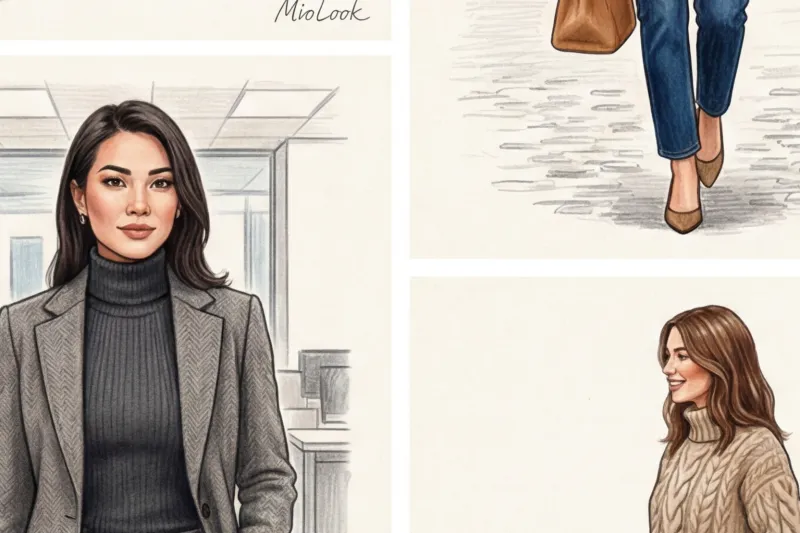
Якщо повне оновлення базових костюмів поки що не входить у ваші плани, почніть із впровадження фактур через аксесуари. Це своєрідний троянський кінь у світі офісного стилю. Стандартний гладкий ремінь замініть на модель із тисненої шкіри під крокодила. Замість звичного тонкого бавовняного хустки пов'яжіть на шию щільний шовковий шарф з саржевим переплетенням (twill) - він має характерний діагональний рубчик, який робить колір візуально більш насиченим.
На окрему увагу заслуговує ділове взуття. Спробуйте замінити класичні човники із гладкої шкіри на замшеві (suede pumps). Замша повністю поглинає світло, завдяки чому навіть найбанальніший чорний колір стає бархатистим та глибоким. Це не порушує корпоративні правила, але миттєво підвищує градус стилю, роблячи образ «важчим» і дорогим.
Щоб автоматизувати цей процес і не тримати всі нюанси у голові, я рекомендую оцифрувати свої робочі капсули. Завантажуючи речі в функцію «розумний гардероб» у MioLook , обов'язково прописуйте теги матеріалів: "шерсть ялинка", "замша", "жаккард". Розумний алгоритм допоможе вам збирати образи так, щоб в одному вбранні не перетиналися три абсолютно плоскі речі, навіть якщо вони правильного офісного відтінку.
Технологічний підхід: як оцифрувати свої фактури у гардеробі
Дослідження в галузі нейропсихології шопінгу доводять, що стоячи перед рейлами в магазині наша візуальна пам'ять дає масштабний збій. Мозок, перевантажений тисячами товарів, йде шляхом найменшого когнітивного опору: він сканує асортимент виключно за кольором та силуетом, повністю ігноруючи тактильні властивості тканин. Саме тому ми щораз купуємо умовну десяту гладку чорну спідницю або чергову базову сорочку з попліну, будучи свято впевненими, що нова модель «відрізняється кроєм коміра».
Насправді ж ми просто плодимо плоскі, ідентичні за візуальною вагою речі. Цей ефект «фактурної сліпоти» позбавляє нас головного інструменту — ми втрачаємо можливість будувати складне та статусне поєднання фактур в одязі тому що нам банально нічого з чим змішувати.
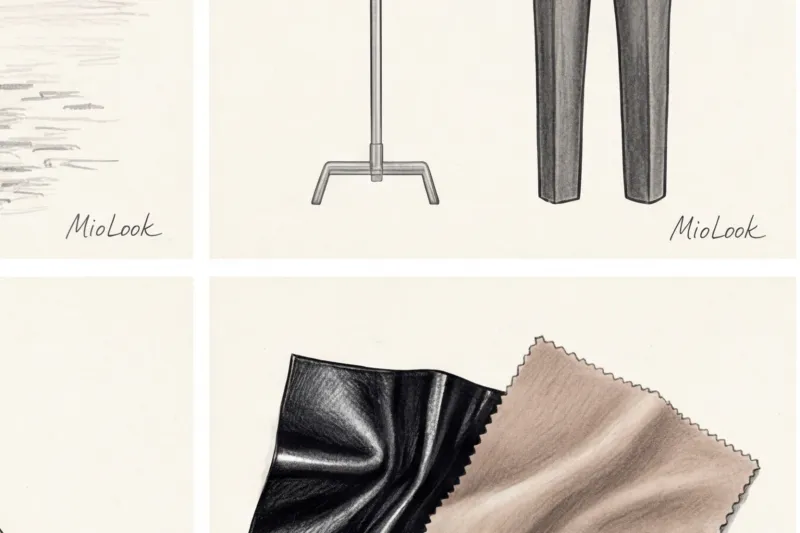
Як стиліст та переконаний гік у питаннях організації гардеробу, я виробила жорсткий цифровий протокол, який страхує від подібних імпульсних витрат. Секрет криється в правильному налаштуванні тегів. Коли я оцифровую клієнтську капсулу в додатку MioLook , ми категорично не обмежуємося стандартними ярликами «зима», «офіс» чи «синій».
Цифрова інвентаризація за матеріалами — це безжальне дзеркало ваших звичок купівлі. Воно миттєво показує, чому вам «нічого одягти» при забитій шафі.
Моя особиста система тегування включає п'ять обов'язкових категорій матеріалів, за якими я розподіляю кожну річ:
- Гладкі/Блискучі: шовк, атлас, полірована шкіра.
- Матові/Поглинаючі: замша, оксамит, щільна бавовна.
- Рельєфні/Грубі: твід, вельвет, букле, денім.
- Пухкі/Ворсисті: мохер, кашемір, велика в'язка.
- Напівпрозорі: шифон, органза, тонка сітка.
Навіщо потрібна така скрупульозна деталізація? Це феноменально заощаджує ваш бюджет і допомагає відстежувати «коефіцієнт фактурності» (texture ratio) вашої шафи. Ідеальний баланс гардеробу, якого я прагну працювати — це співвідношення 60/40, де 60% становлять спокійні матові матеріали, а 40% віддано під виражені акцентні фактури.
Допустимо, ви готові спонтанно витратити 180 € на якісний, але абсолютно стандартний гладкий вовняний пуловер. Ви відкриваєте статистику програми та бачите: 75% вашого трикотажу вже складається з гладкої вовни, і при цьому у вас критична нестача рельєфних тканин. Ця суха аналітика моментально протверезить. Система наочно підсвічує гардеробні прогалини (wardrobe gaps), і замість чергової нудної речі ви починаєте прицільно шукати фактурний кардиган чи шкіряну сорочку, які справді змусять ваші образи працювати по-новому.
Ваш ідеальний образ
починається тут:
Приєднуйтесь до тисяч користувачів, які щодня виглядають бездоганно з MioLook.
Відкрити доступ — €0,99 разовоЧек-лист стиліста: аудит фактур перед виходом із дому
Ми виконали величезну аналітичну роботу, розбираючи фізику тканин та стилістичні формули, але будь-яка теорія мертва без практики. Ті самі вирішальні 60 секунд перед виходом з дому - це момент істини, коли просто гарне вбрання перетворюється на бездоганний. За роки роботи я вивела свій хвилинний обряд, який називаю «дзеркальним аудитом». Він не вимагає довгого перевдягання, але миттєво виявляє слабкі місця вашого образу.
Тест примруженого погляду (The Squint Test)
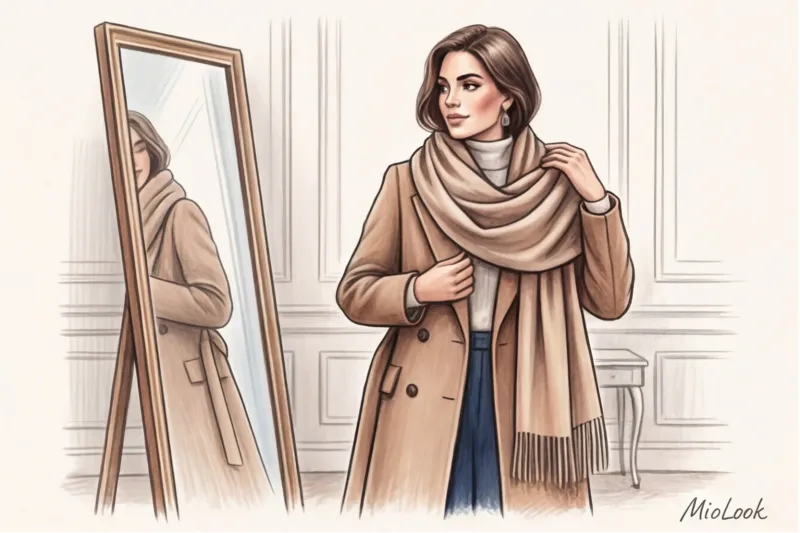
Цей прийом я колись підглянула у портретних фотографів, і в стайлінг він працює абсолютно безвідмовно. Встаньте перед ростовим дзеркалом, відійдіть на крок назад і сильно примружтеся. Ваше завдання - штучно розмити деталі крою, дрібні принти і навіть колірні нюанси, залишивши тільки світлотіньовий малюнок силуету.
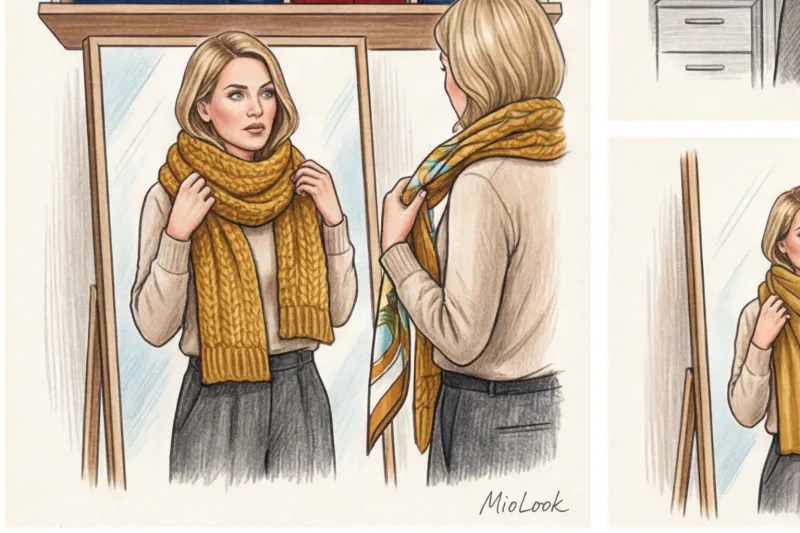
Якщо у примруженому стані ваше відображення зливається в єдину, безформну пляму (той самий ефект solid blob) — у вас проблема. Це фізичний маркер того, що одягнені тканини поглинають або відбивають світло абсолютно однаково, і оку просто нема за що зачепитися. Саме тут криється відповідь на питання, чому дорогий кашеміровий total-look іноді виглядає як звичайна піжама. Вам терміново потрібний тактильний контраст.
Правило трьох фактур
Щоб грамотне поєднання фактур в одязі спрацювало на підвищення статусу образу, в ньому має бути присутнім мінімум три принципово різних матеріалу. Це безкомпромісний стандарт професійного стайлінгу.
Швидко перевірте себе за цим чек-листом:
- База: Матова або нейтральна тканина, що задає фон (наприклад, щільна бавовна сорочки або гладка вовна).
- Акцент: Світловідбивна поверхня (шовкова хустка на шиї, атласний топ під жакетом, полірована шкіра взуття).
- Глибина: Виражений рельєф або ворс (замшева сумка-тоут, ремінь із тисненої шкіри під крокодила, накинутий на плечі кардиган великої в'язки).
Секрет елегантності криється над кількості шарів, а їх фізичному розмаїтті. Три фактури — це той мінімальний поріг, при якому людський мозок автоматично зчитує образ як «складний» і «дорогий», навіть якщо речі куплені в базовому мас-маркеті.
Швидка стилістична допомога: 60 секунд на порятунок образу
Що робити, якщо тест прищуру не пройдено, а таксі вже чекає внизу? У вас немає часу повністю змінювати вбрання. Ось три мої улюблені мікро-рішення, які рятують «плоську» цибулю рівно за одну хвилину:
- Замініть сумку. Якщо ви стоїте в гладкому тренчі та базових штанах, не беріть сумку з гладкої наппи. Замініть її на плетену модель або структурну замшу. Парадокс, але сумка з виразно фактурної шкіри за 150 € візуально витягне ваш образ набагато ефективніше, ніж плоска брендова модель за 2000 € з логотипом.
- Додати жорсткий ремінь. Одягнувши сукню-комбінацію або м'який трикотаж, перехопіть талію широким ременем з грубої, товстої шкіри з масивною металевою пряжкою. Метал додасть потрібний світловий відблиск, а груба шкіра — каркасність, що не вистачає.
- Зіграйте у мікро-багатошаровість. Просто накиньте на плечі контрастний елемент. До гладкої поплінової сорочки — джемпер пухнастої фактури, до тонкої водолазки — структурований жакет із твіду з вкрапленнями металізованої нитки.
Щоб не витрачати дорогоцінні ранкові хвилини на паніку перед відкритою шафою, я наполегливо раджу фіксувати свої вдалі знахідки. Коли ви знайдете ідеальне комбо (наприклад, той самий ковзний топ, який неймовірно виглядає з вашим улюбленим жорстким денімом), сфотографуйте цю цибулю і завантажте в функцію «розумний гардероб» у MioLook. Так ви поступово зберете особисту бібліотеку готових фактурно-вивірених формул, які працюють саме на вашій фігурі.
Стиль - це не цінник на внутрішній бирці і не сліпе копіювання подіумних трендів. Це те, як майстерно ви керуєте увагою оточуючих за допомогою фізичних властивостей одягу. Навчившись диригувати світлом, щільністю та рельєфом тканин, ви звільняєтеся від необхідності купувати логотипи. Ви отримуєте головний ключ до гардеробу, який завжди виглядає статусно незалежно від того, скільки євро ви інвестували в конкретну річ.
Глави гайда
Стильне поєднання тканин влітку: багатошаровість у спеку
Інстинктивне бажання зняти максимум одягу у спеку – це помилка. Розповідаємо, як використовувати багатошаровість для стильної терморегуляції.
Прозорі тканини в одязі: стильні міські образи
Шифон, органза та сітка - це не про оголення, а про стильну багатошаровість. Розповідаємо як делікатно впровадити тренд на прозорість у свій гардероб.
З чим носити твідовий піджак: як не виглядати старомодно
Твід – складна фактура, яка легко може додати вік. Розбираємось, як стилізувати твідовий жакет сучасно та зухвало, уникаючи нудної класики.
Як поєднувати принти та фактури: секрети стайлінгу
Дорога річ може виглядати дешево через неправильне оточення. Розбираємо вищий пілотаж стайлінгу: вчимося віртуозно міксувати малюнки та тканини.
Поєднання шкіри та трикотажу: правила базового гардеробу
Шкіряні речі часто припадають пилом у шафі через страх виглядати вульгарно. Розповідаємо, як правильно «гасити» глянець та вписувати шкіру у повсякденні образи.
Тренд сезону: з чим носити замшу, щоб виглядати дорого
Замша - найблагородніша і найскладніша фактура сезону. Дізнайтеся, як правильно впровадити її у повсякденний гардероб та створювати дорогі, стильні образи.
Блиск на кожен день: як носити паєтки вдень
Паєтки та металік створені не тільки для свят! Вчимося стильно поєднувати блискучі фактури з базовими речами на кожен день.
Які тканини повнять: гід за фактурою для стрункості
Одна й та сама сукня може стрункувати або додавати обсяг залежно від матеріалу. Розбираємо, як фактура тканини впливає на сприйняття фігури та вчимося використовувати це на свою користь.
Поєднання шовку та вовни: як стильно носити фактури
Не ховайте шовкові сукні до літа. Розповідаємо, як гра на контрасті ніжного шовку та щільної вовни зробить ваші зимові образи дорогими та стильними.
Дорогий монохромний образ: поєднання фактур без нудьги
Ваш чорний тотал-цибуля виглядає як уніформа? Дізнайтеся, як правильна гра з матеріалами та тактильна глибина перетворять нудне вбрання на розкішний образ.
Тканини, які виглядають дорого: топ-5 фактур
Статусність одягу визначає не логотип, а фактура матеріалу. Дізнайтеся топ-5 тканин, здатних моментально змінити гардероб і зробити образ розкішним.