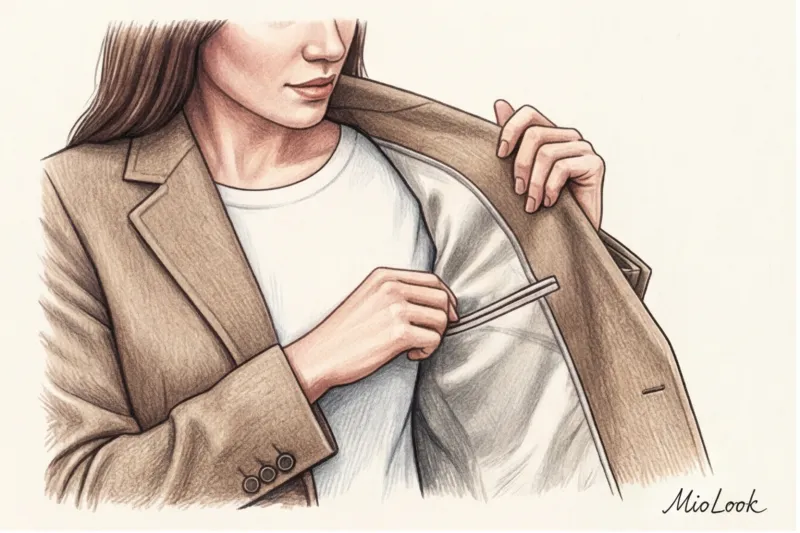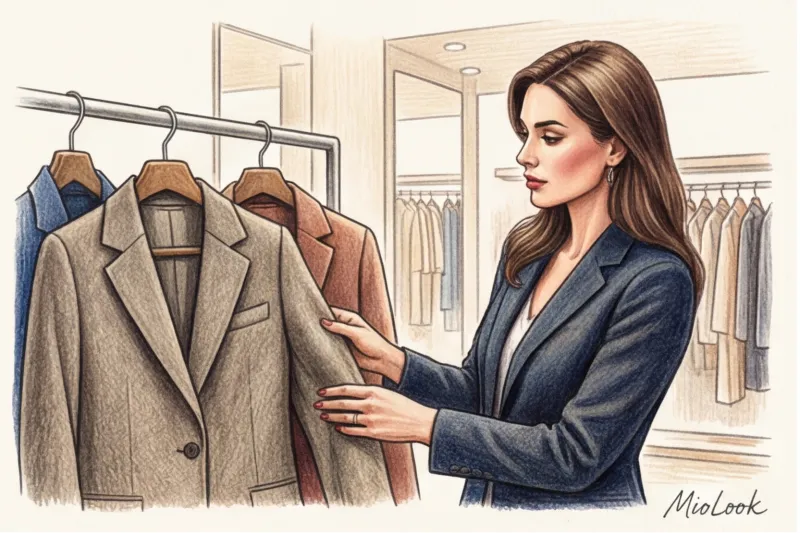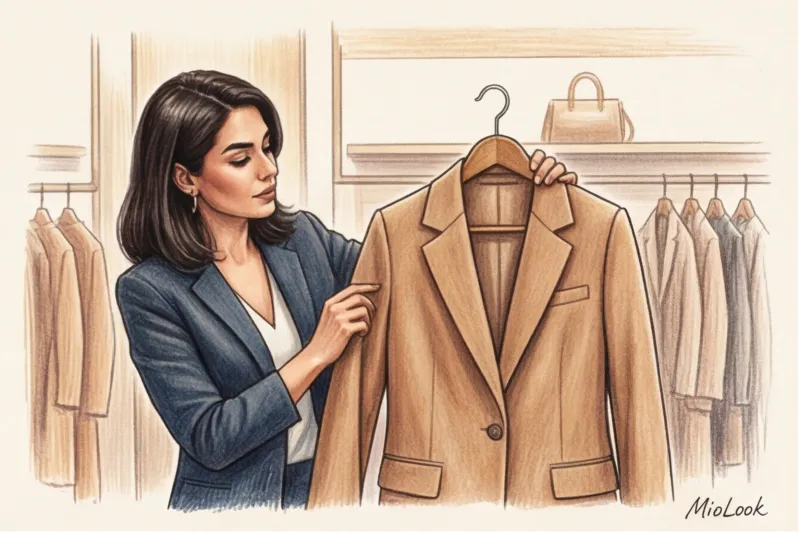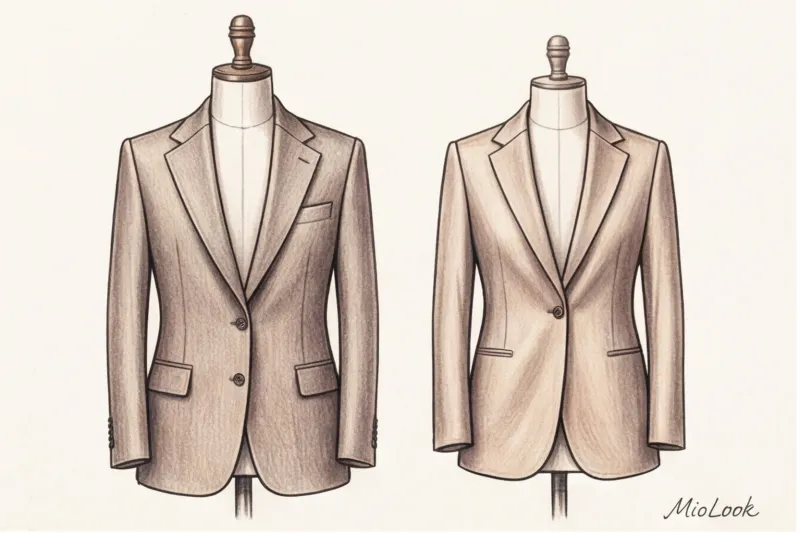
Минулої п'ятниці моя клієнтка з розчаруванням зняла у примірочній розкішного бутіка жакет за 1500€. Зовні це була чудова італійська вовна, а магію посилювало ідеальне тепле світло та келих шампанського від консультанта. Але варто мені вивернути річ навиворіт, як статусна ілюзія розсипалася: кривий оверлок, стягнуті нитки і жорсткий клейовий дублерин, який робив поличку схожою на картон.
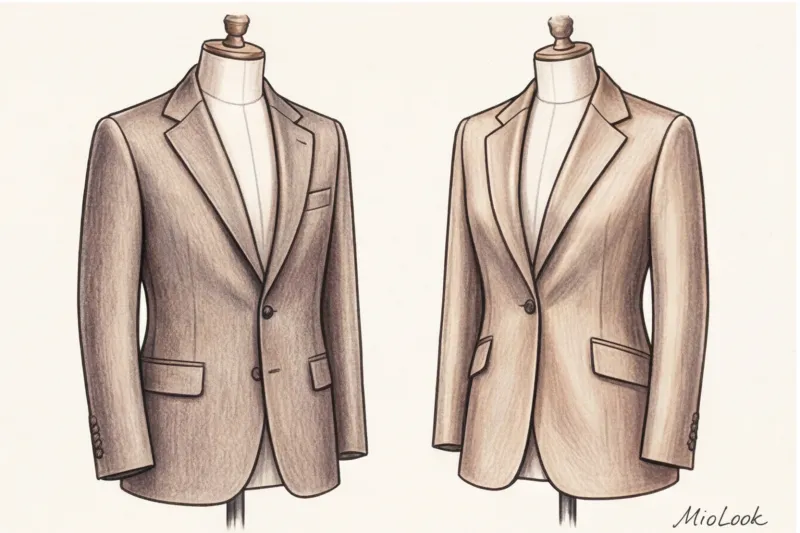
Вміння читати архітектуру речі з вивороту - це базова навичка усвідомленого гардеробу. Детальніше про текстильні склади ми вже розповідали у нашому повному гіді на вибір якісного одягу. Сьогодні ми розберемо фізику крою. Я називаю цей підхід forensic shopping (детективний шопінг) - він вчить тому, як визначити якість пошиття одягу виключно за його конструкцією, повністю ігноруючи гіпноз логотипів та цінників.
Міф про цінника: чому дорогий бренд більше не гарантує якість крою
Індустрія фаст-фешн радикально змінила як мас-маркет, а й важкий люкс. Бренди преміум-сегменту зрозуміли, що покупець в першу чергу реагує на якість, що сприймається: красиву тканину, ефектний колір і маркетинг. А ось на фактичній якості — невидимій геометрії речі можна колосально заощадити.
За даними звіту McKinsey "State of Fashion" за 2024 рік середній термін служби одягу за останні 15 років скоротився вдвічі. І справа не лише у дешевих тканинах. Під час останнього Тижня моди у Парижі я мала можливість розглянути поблизу пальта відомого будинку моди. Замість традиційного безкаркасного крою з кінським волоссям, що пластично обгинає фігуру, там використовувався дешевий суцільний клейовий дублерин. Це заощаджує виробнику близько 4 годин ручної праці на одній речі, але пальто втрачає анатомічну посадку і після хімчистки піде «бульбашками».
«Ціна речі сьогодні відображає бюджет бренду на маркетинг, а не вартість години роботи кравця. Справжня якість завжди ховається на вивороті.»
Ваш ідеальний образ починається тут
Приєднуйтесь до тисяч користувачів, які щодня виглядають бездоганно з MioLook.
Відкрити доступ — €0,99 разовоЯк визначити якість пошиття одягу: базові маркери «дорогої» збірки
Перше, на що дивиться професійний текстильний інженер – це щільність стібків, або SPI (stitches per inch – кількість стібків на дюйм). Це математично точний показник того, чи економить фабрика на нитках та часу машинної роботи.
Для бавовни, віскози та шовку стандартом якісного складання вважається 10-12 стібків на дюйм (близько 4-5 стібків на один сантиметр). Фаст-фешн бренди часто прошивають речі із щільністю 6–8 стібків на дюйм. Чому це критично? Довгі рідкі стібки роблять шов слабким. При найменшому натягу він «зіятиме», показуючи нитки, а після першого прання деформується.
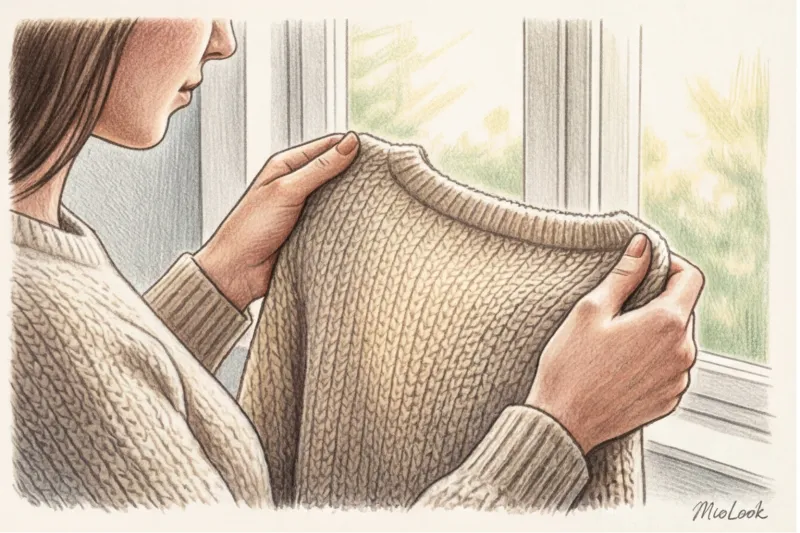
У примірювальній завжди проводите тест на натяг. Візьміть боковий шов сорочки або штанів двома руками і злегка потягніть у різні боки, імітуючи природний натяг тканини на тілі. Якщо ви бачите на просвіт нитки, що з'єднують деталі, шов розійдеться через місяць носки. Якісний рядок не повинен морщити тканину або стягувати силует. Якщо шов йде «хвильою» прямо на вішалці — ніяке прасування будинку це не виправить, проблема натягу нитки на фабричній машині.
Обробка країв: французький шов проти дешевого оверлоку
Існує контрінтуїтивний інсайт, який дивує багатьох моїх клієнток: акуратний, рівний оверлок – це не ознака найвищої якості. Оверлок (обмітка краю зигзагом з одночасним зрізанням тканини) — це найдешевший, найшвидший і грубіший спосіб обробки припусків. Так, він запобігає обсипанню тканини, але говорить про те, що виробник обрав найекономічніший шлях.
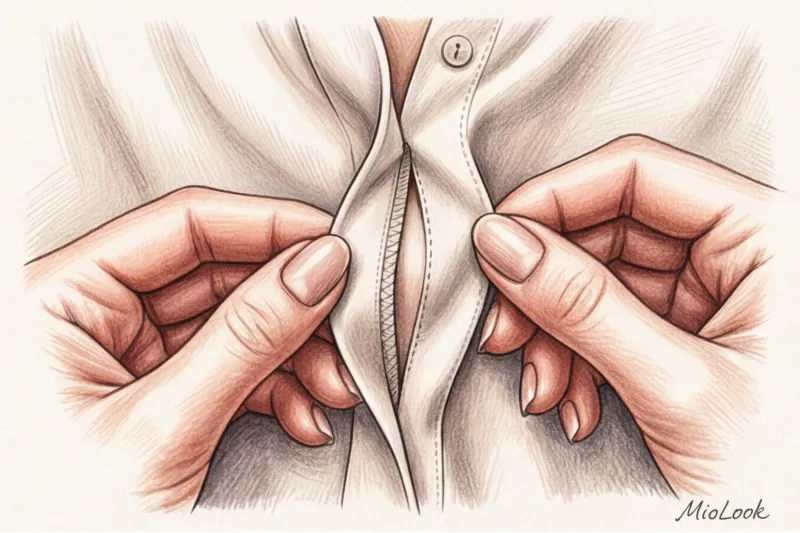
У якісному одязі краї тканини заховані. Для шовку, шифону і тонкої бавовни має використовуватися французький (подвійний виворотний) шов. При такій техніці зріз тканини запаковується всередину самого шва, утворюючи акуратний щільний валик без ниток, що стирчать. Це збільшує витрату тканини та час пошиття, тому бренди сегменту 30–80 € його майже ніколи не використовують.
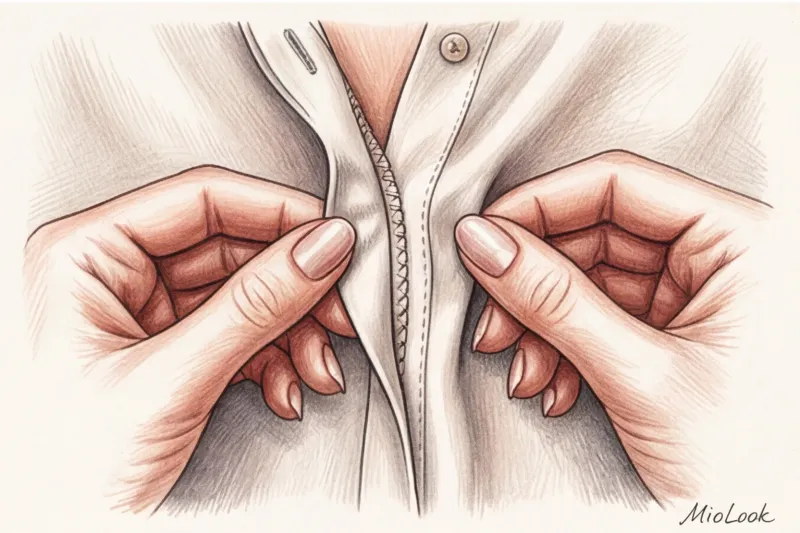
Але є важливе обмеження: французький шов не працює на товстих тканинах (наприклад, на щільній вовні або твіді), оскільки створить грубий рубець. У таких статусних речах краї обробляють косою бейкою (гонконзький шов). Виглядає це як тонке контрастне окантування кожного внутрішнього зрізу.
Архітектура та фізика речі: секрети ідеальної посадки
Чи помічали ви, як деякі недорогі джинси чи штани починають неприємно перекручуватися на нозі, отже зовнішній бічний шов поступово їде вперед, до коліна? Це відбувається не через вашу ходу. Це грубе порушення напряму пайової нитки.
При розкрої лекало повинно розташовуватися строго паралельно кромці тканини (часткової нитки). Але щоб заощадити матеріал на фабриці, розкладник часто трохи повертає лекала під кутом, втискаючи більше деталей в один рулон тканини. В результаті порушується фізика розтягування: після прання волокна намагаються повернутись у природне положення, і штанина закручується гвинтом. Вивчити цей дефект до покупки складно, але якщо ви бачите, що штанина висить на вішалці асиметрично – не беріть.
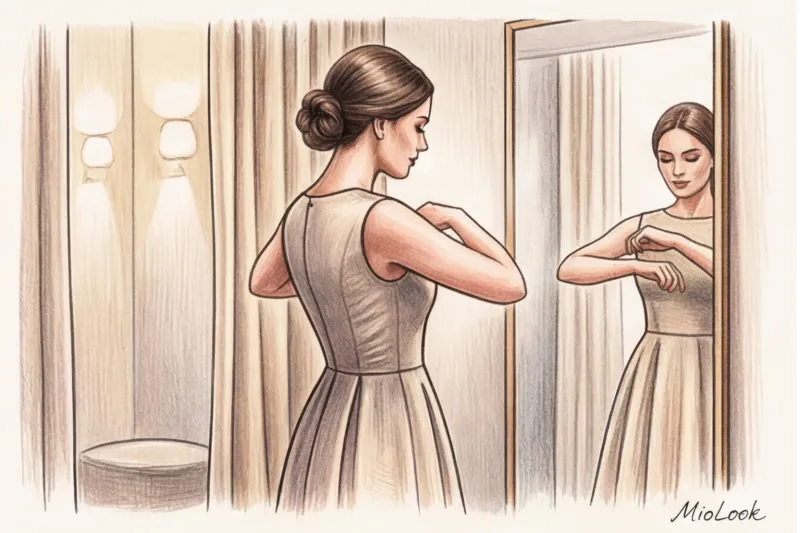
Другий найважливіший елемент архітектури - пройм (отвір для рукава). У дешевих жакетах пройму роблять величезною, заниженою чи не до талії. Це дозволяє продати річ максимальній кількості людей із різною повнотою рук. Але як тільки ви піднімете руку в такому жакеті, за нею підніметься весь виріб, оголюючи живіт. Якісний крій має на увазі високу, анатомічну пройму: рука рухається вільно, а сам корпус піджака залишається нерухомим.
Доступ до MioLook за €0,99 — разовий платіж
Розумний AI-стиліст підбере ідеальний образ на основі гардеробу.
Відкрити доступ — €0,99 разовоПоєднання принта: лакмусовий папірець для виробника
Якщо ви вибираєте річ у клітинку, смужку або з великим геометричним патерном, якість перевіряється за три секунди. Подивіться на бічні шви, стик рукава та плеча, а також на накладні кишені.
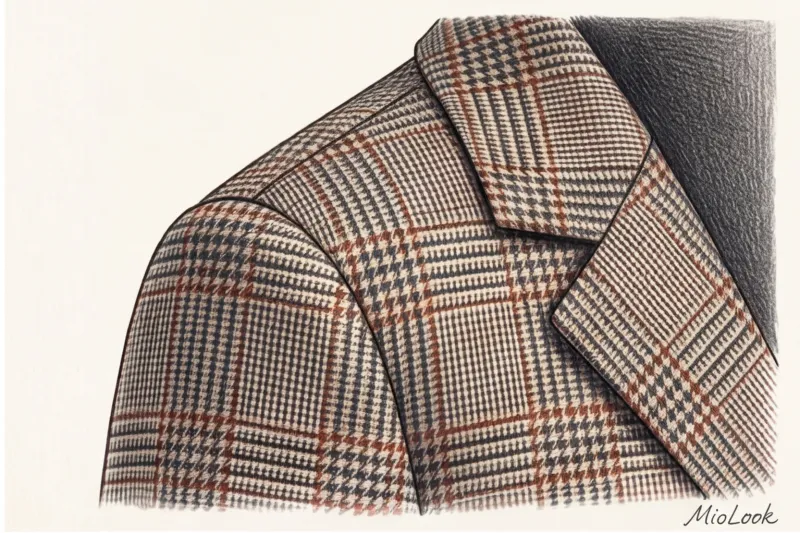
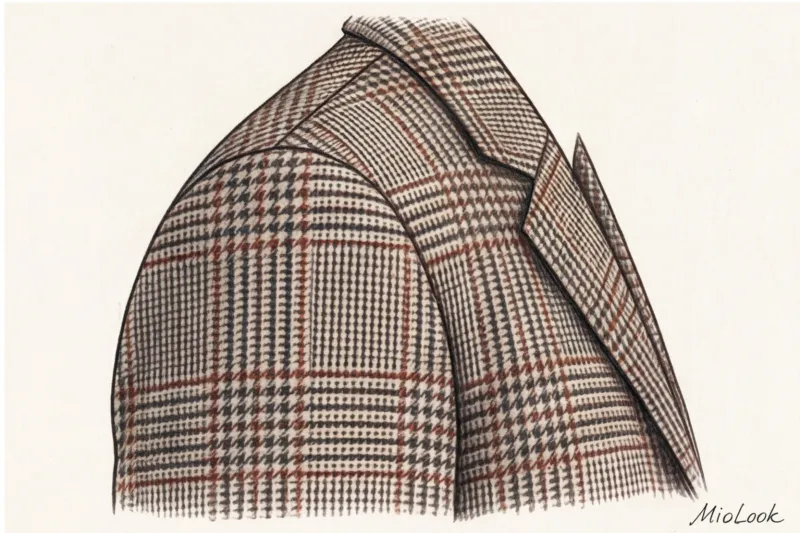
У якісному одязі лінії принта повинні ідеально збігатися, перетікаючи з однієї деталі до іншої. Ідеальне поєднання клітини збільшує витрату тканини на 20–30% через необхідність підганяти малюнок. Саме тому мас-маркет шиє як доведеться, перетворюючи бічні шви на візуальний хаос, який ламає пропорції фігури.
Припуски на шви: право на помилку та припасування по фігурі
Історично одяг створювався з розрахунком на те, щоб слугувати десятиліттями. Кравці залишали широкі припуски на шви (запас тканини всередині), щоб річ можна було розставити, якщо клієнт видужав, або передати у спадок. Сьогодні ж припуски перша жертва економії.
У моїй практиці був показовий випадок. Клієнтка принесла чудові вінтажні штани Celine та сучасні штани модного скандинавського бренду (куплені за 350 євро). Нам потрібно було випустити обидві пари у стегнах на один розмір. У вінтажних штанах припуск складав розкішні 2.5 см з кожного боку - кравець розширив їх за півгодини. У сучасних штанах тканина була зрізана оверлоком під корінь, залишивши жалюгідні 0.5 см. Розставити їх було фізично неможливо.
Стандарт якості: припуск на задньому шві штанів та бічних швах спідниць повинен становити не менше 1.5–2 см. Це ваше право на припасування речі під зміни фігури, що є основою стійкого гардеробу. Якщо припуску немає - перед вами річ-одноденка.
До речі, про створення функціонального гардеробу ми докладно пишемо у матеріалах про базові сумки і кращих інвестиціях у гардероб де теж звертаємо увагу на деталі конструкції.
Увага до деталей: підкладка, петлі та фурнітура
Навіть якщо тканина верху бездоганна, виробник може заощадити на деталях, які безпосередньо стосуються вашого тіла. Насамперед це підкладка. Уникайте 100% поліестеру або ацетату. Ацетат не дихає, не відводить вологу і перетворює навіть найдорожчий вовняний жакет на персональну сауну. Якісна підкладка створюється з купро (різновид віскози) або суміші віскози з шовком. Вони прохолодні на дотик, ковзають і мають гігроскопічність.
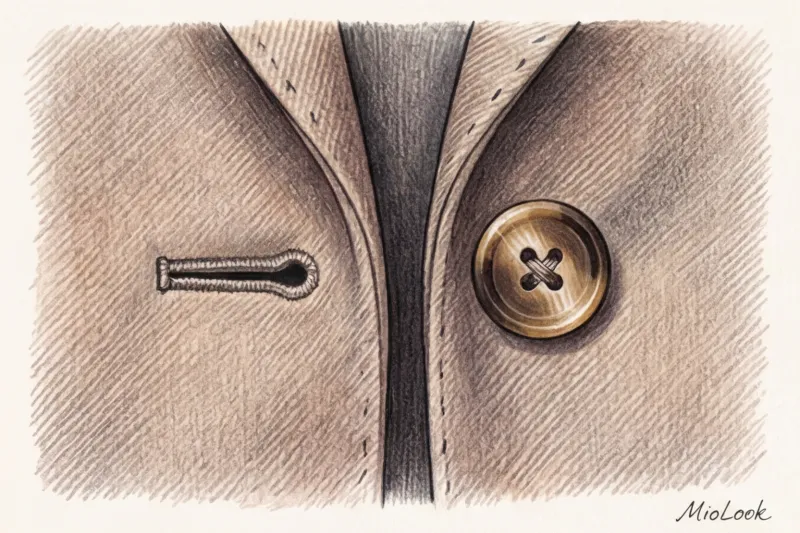
Окремий професійний маркер — ґудзикові петлі. У гарних жакетах і пальто використовується «очна петля» (keyhole buttonhole) — петля з круглим розширенням на одному кінці, в яке зручно лягає ніжка гудзика. Сама обмітка повинна бути густою, без волокон, що стирчать. Дешеві бренди роблять просто прямий проріз із пухкою позначкою.
Зверніть увагу і на те, як пришиті гудзики на верхньому одязі. Вони не повинні бути пришиті впритул до тканини! Під ґудзиком має бути ниткова «ніжка» (стовпчик із ниток заввишки 2-3 мм), яка дає простір для борту, коли річ застебнута. Якщо ніжки немає, застебнута річ потворно морщитиме навколо ґудзиків.
Чи готові почати?
Спробуйте безкоштовний план без зобов'язань і прихованих платежів.
Відкрити доступ — €0,99 разовоЧек-лист forensic-шопера: 5 кроків у примірювальній
Щоб не розгубитись у магазині, я рекомендую своїм клієнткам проводити цей швидкий 5-етапний тест перед тим, як віднести річ на касу. Ця навичка швидко доводиться до автоматизму.
- Виверніть навиворіт. Оцініть припуски на шви (чи запас тканини хоча б 1.5 см) і спосіб обробки країв. Шукайте закриті шви чи обробку косою бейкою на преміальних речах.
- Зробіть тест на натяг. Акуратно потягніть боковий шов. Якщо видно просвіти та нитки — річ не переживе й сезону.
- Перевірте симетрію. Складіть комір або лацкани навпіл. Вони мають бути абсолютно ідентичні за розміром та формою. Перевірте суміщення принта на кишенях.
- Проведіть тест на ергономіку. Надягніть річ, застебніть всі гудзики. Підніміть руки, обійміть себе за плечі, сядьте. Пройм не повинна тягнути, а тканина на спині не повинна тріщати по швах.
- Оцініть фурнітуру. Перевірте густоту обмітки петель та наявність «ніжки» у ґудзиків.
Інтеграція такого усвідомленого підходу ідеально поєднується із сучасними інструментами управління гардеробом. Наприклад, використовуючи функцію відстеження гардеробу в MioLook , Ви можете аналізувати показник CPW (Cost Per Wear - ціна за одне надягання). Дорога, але якісно скроєна річ з ідеальними швами в результаті обійдеться вам у рази дешевше, ніж бюджетна блузка, яка перекоситься після другого прання.
Якість – це не те, що написано на етикетці. Якість - це те, як річ пошита зсередини, коли ніхто (як думає виробник) не дивиться. Зробіть звичкою перевіряти виворот, і ваш гардероб наповниться речами, які будуть вам роками, зберігаючи бездоганну посадку.