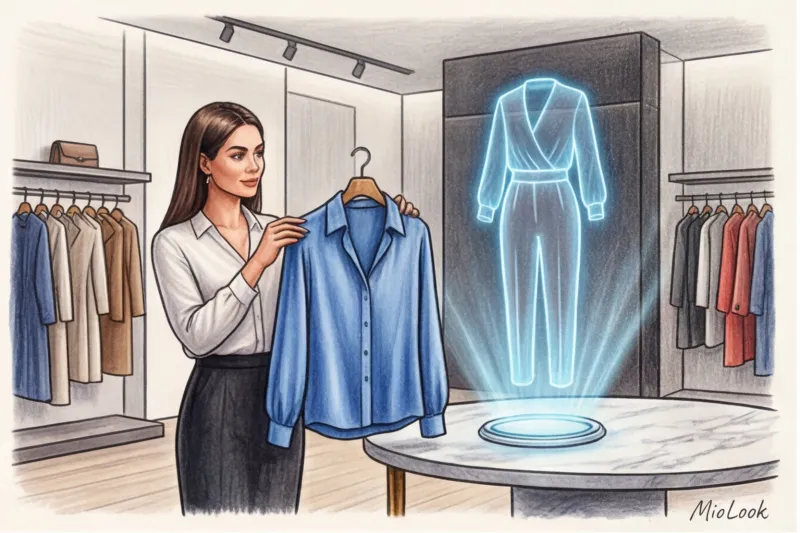
Знакома ли вам ситуация: вы покупаете идеальное кашемировое пальто в интернет-магазине, а на следующий день их алгоритм радостно присылает письмо с подборкой... еще трех точно таких же пальто? Как стилист, я постоянно слышу от клиенток жалобы на эту механическую бестактность ритейла. «Изабелла, зачем мне вторая верблюжья водолазка, если я только что купила первую?» — возмущалась на днях моя клиентка Анна.
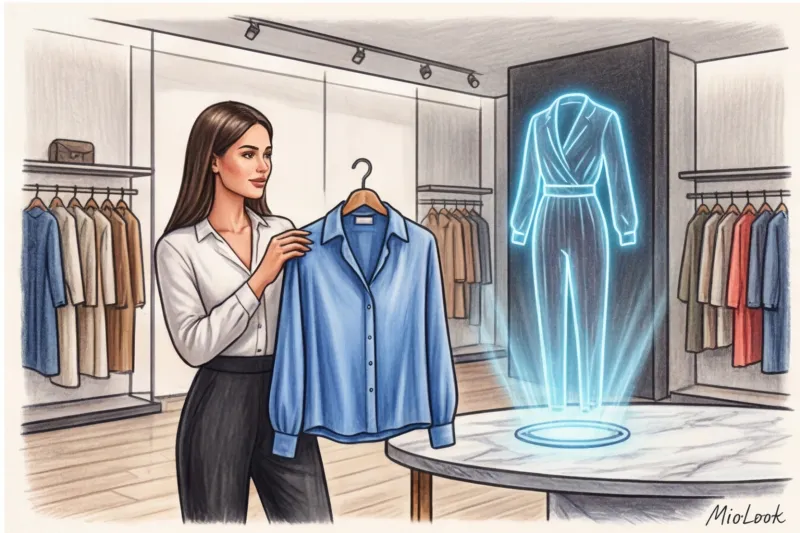
Долгие годы технологии в модном бизнесе были оторваны от реальных потребностей человека. Но сегодня ai в fashion ритейле меняет правила игры. Мы переходим от бездушных баз данных к алгоритмам, которые имитируют эмпатию, вкус и понимание пропорций. И это не просто вопрос эстетики — это вопрос выживания бизнеса.
Если технологии объединить с пониманием психологии покупателя, происходит магия. Подробнее фундаментальные принципы этого слияния мы разбирали в нашем полном гиде по омниканальности в ритейле. Но сегодня я хочу показать вам изнанку процесса: как холодный код превращается в вашего лучшего персонального фешн-советника, который увеличивает средний чек не за счет навязчивых скидок, а за счет искренней заботы.
Эволюция алгоритмов: От раздражающего «С этим покупают» до ИИ-стилиста
Классические алгоритмы рекомендаций (так называемый collaborative filtering) в моде работают откровенно плохо. Они мыслят статистикой: если 100 человек купили синие широкие брюки вместе с белой футболкой, система будет вечно предлагать вам эту скучную белую футболку. Алгоритм не понимает контекста вашего гардероба. Он не знает, что у вас холодный подтон кожи или что вы ищете образ для креативного агентства, а не для прогулки с собакой.
Полноценный AI в fashion ритейле должен обладать «насмотренностью». Современные нейросети обучаются профессиональными стилистами. Теперь логика машины звучит иначе: «Она купила темно-синие шерстяные брюки. Учитывая тренд на тихую роскошь, к ним идеально подойдет песочный блейзер из смесового льна, кожаный ремень оттенка горького шоколада и лоферы».
«Разница между старым алгоритмом и ИИ — это разница между кладовщиком, который просто выдает товар со склада, и стилистом, который видит ваш потенциал», — Изабелла Гарсия.
Как AI в fashion ритейле решает главную боль бизнеса: Возвраты
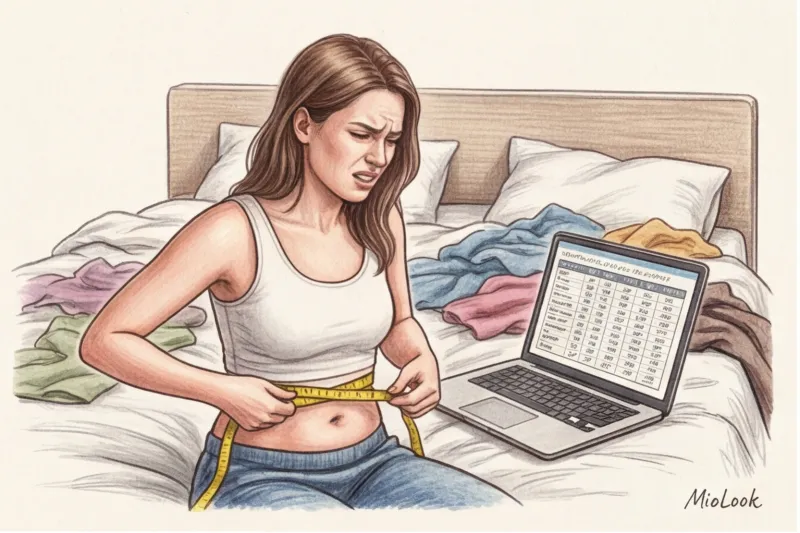
За красивыми фасадами онлайн-бутиков скрывается суровая математика. В среднем до 40% одежды, купленной через интернет, возвращается обратно. Логистика возвратов, химчистка, переупаковка — всё это уничтожает маржинальность. Продали платье за 150 €, а на возвратах потеряли 20 € чистой прибыли, плюс увеличили углеродный след.
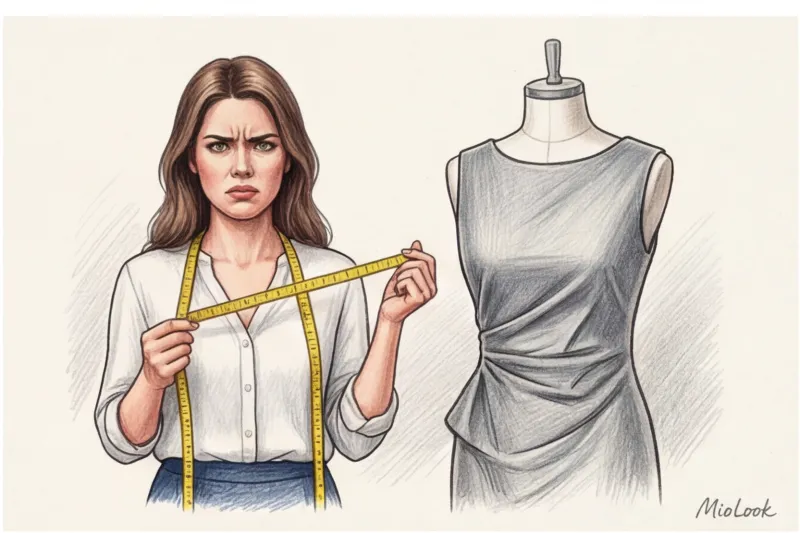
Главная причина возвратов — несовпадение ожиданий и реальности в посадке. Бренды часто грешат vanity sizing (когда размер на бирке намеренно занижают, чтобы польстить покупательнице). Из-за этого M в Zara, M в COS и M в Massimo Dutti — это три совершенно разных человека.
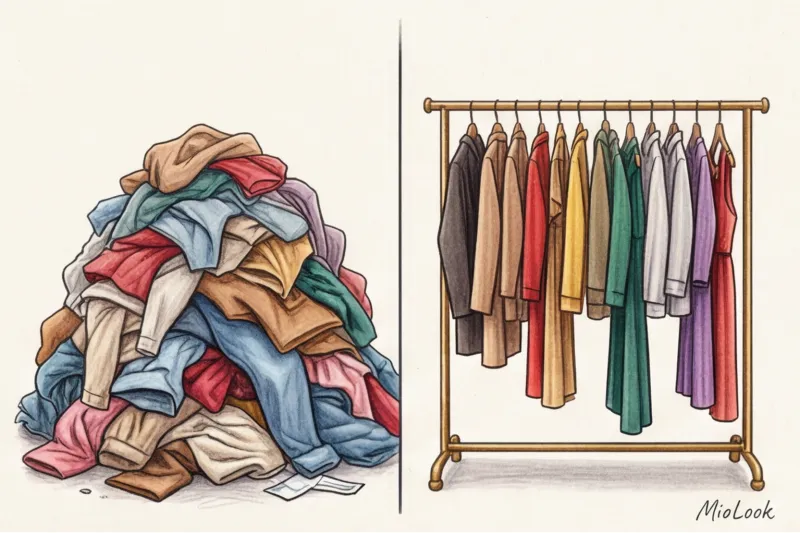
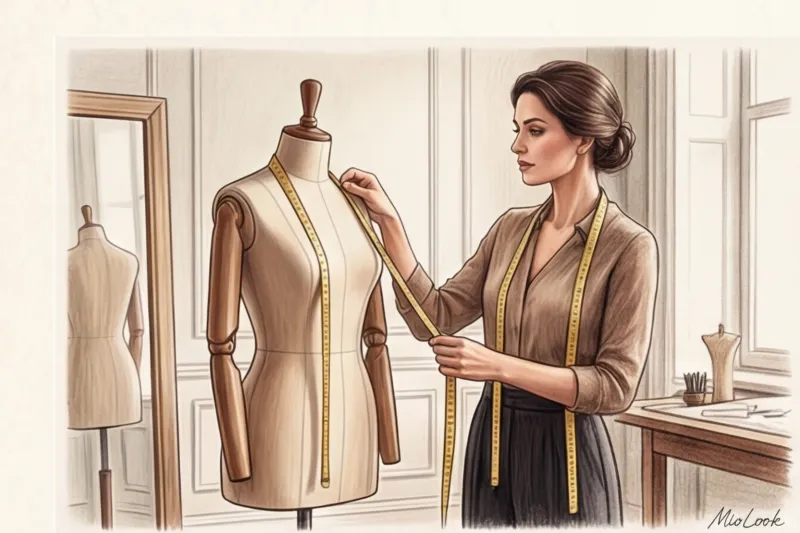
Здесь вступает в игру технология Size & Fit на базе машинного обучения. Нейросети сопоставляют лекала конкретной модели с реальными параметрами тысяч покупателей. Вы загружаете две свои фотографии в облегающей одежде, и ИИ с помощью фотограмметрии строит вашу 3D-модель, вычисляя объемы с погрешностью до 5 миллиметров. По статистике, внедрение таких систем снижает процент возвратов на 20–30% в первые же полгода.
Виртуальные примерочные (AR/VR): Хайп или реальный инструмент продаж?
А теперь давайте будем честны. Большинство 3D-аватаров и виртуальных примерочных, которые вы видите в пресс-релизах — это пока что маркетинговый хайп. Это контринтуитивно, но как стилист я заявляю: «натягивание» 3D-модели платья на плоскую фотографию клиента чаще отпугивает от покупки, чем мотивирует к ней.
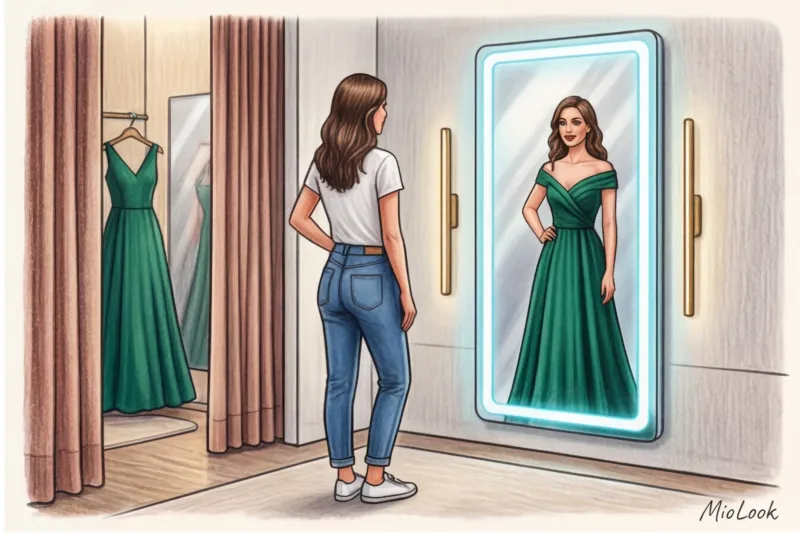
Возникает эффект «зловещей долины». Ткань в AR ложится неестественно, шелк выглядит как пластик, а сложные драпировки превращаются в комки пикселей. Эта технология безупречно работает для жестких форм: очков, ювелирных украшений, кроссовок. Вы можете прочитать о правилах подбора аксессуаров в нашей статье про ювелирный дресс-код, чтобы понять, насколько важны миллиметры в украшениях.
Но когда дело касается струящихся вечерних платьев или строгого кроя женского брючного костюма — AR сдается. Реальная польза сегодня лежит в Generative AI: когда ИИ просто генерирует фото одной и той же вещи на моделях с разным типом фигуры (от размера XS до XXL, от роста 160 см до 180 см), позволяя клиентке найти девушку, похожую на нее.
Автоматизация стилизации: Продаем не вещи, а готовые образы
Поделюсь профессиональным секретом: клиентка легко расстанется с суммой в 200 € за пиджак, если она четко понимает, что он интегрируется минимум в три разных образа с уже имеющейся у нее одеждой. И она же пожалеет 50 € на топ, который «непонятно с чем носить».
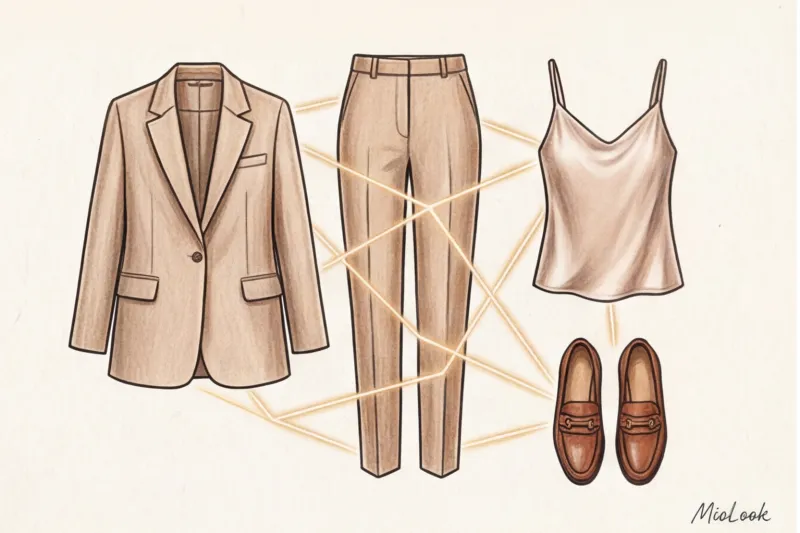
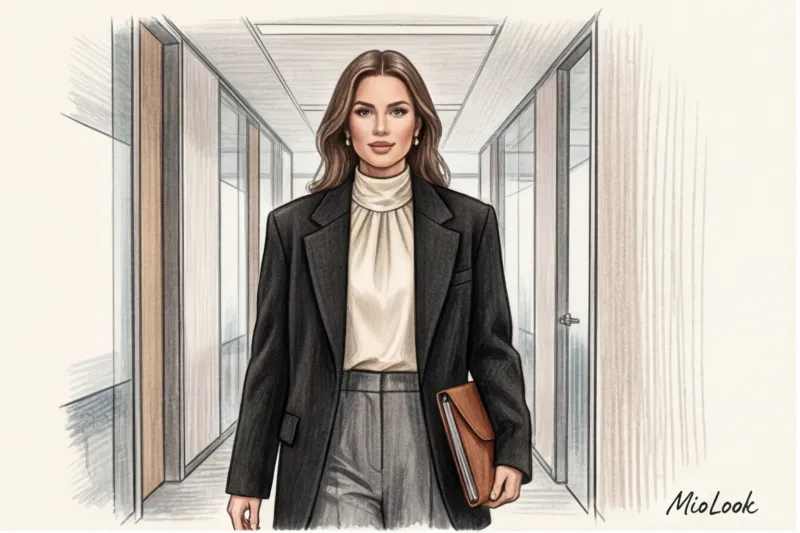
Переход от парадигмы «каталог товаров» к парадигме «умный гардероб» — это то, что делает система MioLook и аналогичные решения для ритейла. ИИ анализирует ассортимент магазина и формирует деловую капсулу: 10–15 вещей собираются в 30+ образов.
Формула идеального cross-sell:
Не предлагайте клиенту купить просто юбку. Покажите карточку товара, где эта юбка уже стилизована для офиса (с блейзером), для свидания (с шелковым топом) и для выходных (с объемным свитером и кроссовками). Это увеличивает средний чек на 15–40%, так как продает эмоцию готового решения.
Ваш идеальный образ начинается здесь
Присоединяйтесь к тысячам пользователей, которые каждый день выглядят безупречно с MioLook.
Начать бесплатноОмниканальность нового уровня: ИИ как мост между онлайном и офлайном
Представьте сценарий. Вы лежите дома на диване и добавляете в «виртуальный гардероб» приложения приглянувшиеся вещи. Через три дня вы заходите в физический бутик этого бренда. В этот момент ИИ отправляет пуш-уведомление консультанту на планшет: «Пришла Мария. У нее холодный цветотип. Она искала базовые вещи для работы. В ее корзине лежат серые брюки 38 размера».
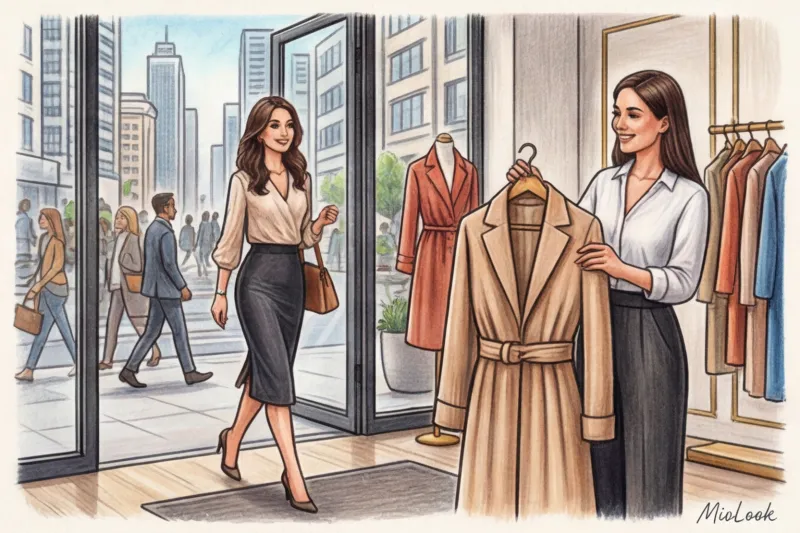
Консультант приветствует вас и сразу провожает в примерочную, где уже висят те самые брюки и заботливо подобранные к ним кашемировый свитер и ремень. Это не магия будущего, это реальность премиального ритейла.
Технология не отбирает работу у человека в магазине. Она делает его супер-консультантом с идеальной памятью. А умные зеркала в примерочных позволяют в один клик запросить другой размер или освещение («вечерний ресторан» или «яркий офис»), не выходя полураздетой в торговый зал.
Предиктивная аналитика: Угадываем тренды и управляем складом
По данным масштабного отчета McKinsey (2024), внедрение Generative AI может принести fashion-индустрии от 150 до 275 миллиардов долларов операционной прибыли. Откуда такие цифры? Из оптимизации остатков.
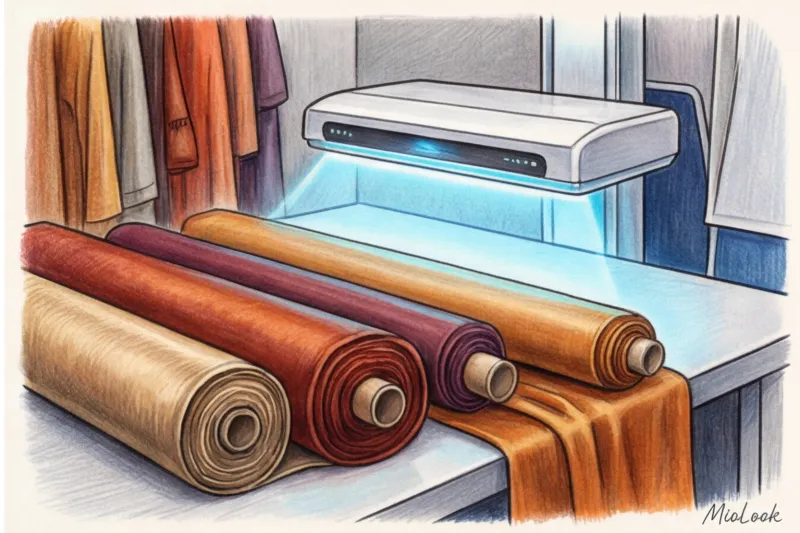
Раньше закупщики опирались на интуицию. Сегодня алгоритмы компьютерного зрения сканируют миллионы постов в социальных сетях. ИИ может заметить, что инфлюенсеры в Скандинавии начали носить сумки-хобо оттенка PANTONE 19-1536 (Red Pear) за полгода до того, как это станет массовым трендом. Подробнее о прогнозе трендов с помощью ИИ мы писали отдельно.
Алгоритмы машинного обучения предсказывают спрос на конкретные размеры и цвета в разных регионах. Они знают, что в южных городах нужно меньше черных пуховиков размера L, но больше льняных костюмов размера M. Это спасает бренд от dead stock (мертвых остатков) и бесконечных унизительных распродаж со скидкой 70%.
Чек-лист: С чего начать внедрение ИИ в ваш fashion-бизнес
Если вы руководитель или владелец бренда, не спешите покупать дорогие VR-очки. Начните с базы. Вот практический алгоритм, который я рекомендую своим B2B-клиентам:
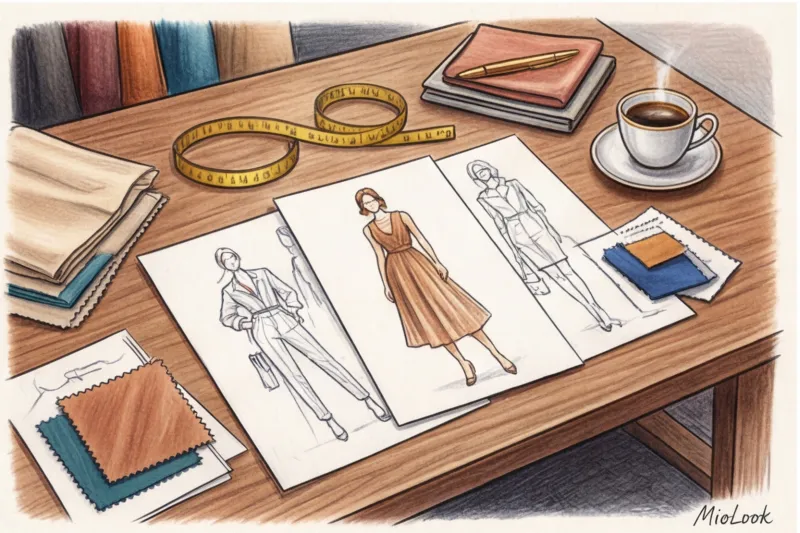
- Аудит и разметка данных (Тегирование). ИИ не умеет работать с описанием «красивое платьице». Ему нужны четкие параметры: силуэт (А-лайн), ткань (100% хлопок плотностью 180 г/м²), сезон (демисезон), стиль (smart casual). Без правильной разметки магии не случится.
- Выбор подрядчика (SaaS vs Custom). Не пытайтесь написать свою нейросеть с нуля — это дорого и долго. Используйте готовые B2B SaaS-решения (API виртуальных стилистов), которые легко встраиваются виджетом на ваш сайт.
- Тестирование на узком сегменте. Не запускайте авто-капсулы сразу на весь ассортимент. Начните с базовой коллекции или категории business casual. Создайте капсулу для собеседований, посмотрите на отклик и конверсию.
- Обучение персонала. Объясните своим стилистам и консультантам, что машина — не их конкурент, а их ассистент, освобождающий время для творческого общения с клиентом.
Будущее ритейла: Технологии усиливают человека
Внедрение ai в fashion ритейле — это, в конечном счете, инвестиция в заботу о клиенте. Настоящий средиземноморский подход к моде, который я так люблю, строится на страсти, фактурах и радости от своего отражения в зеркале.
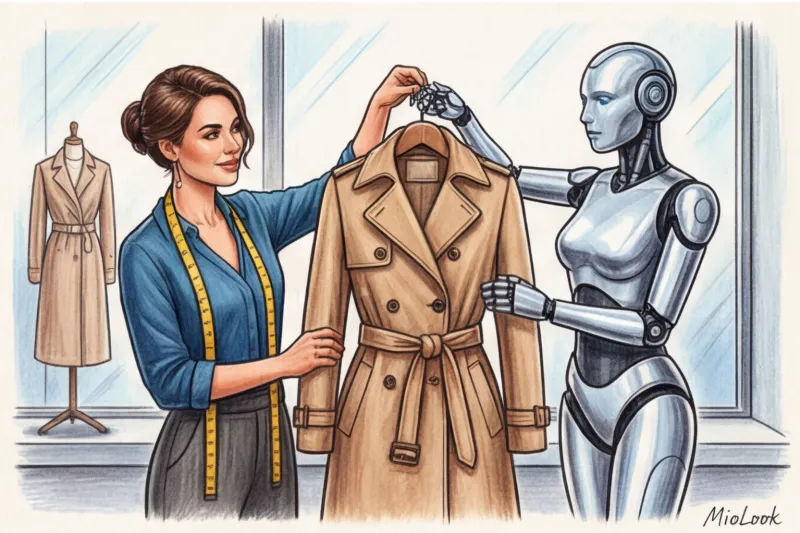
Ирония заключается в том, что именно алгоритмы способны вернуть нам эту радость. Технологии забирают на себя скучную рутину: они помнят ваши размеры, фильтруют неподходящие ткани, вычисляют идеальные цветовые сочетания. А нам оставляют самое главное — эмоции, эстетику и уверенность в себе.
Чтобы внедрить этот персонализированный подход в свою жизнь или бизнес уже сегодня, начните с малого. Оцифруйте свой гардероб, доверьте алгоритмам базовую комбинаторику и посмотрите, как освободится ваше время и бюджет. Сделайте первый шаг вместе с инструментами MioLook — и пусть технологии работают на ваш стиль.