Вы тратите двадцать минут перед зеркалом, аккуратно укладывая шелковое каре. Выглядит как обложка Vogue 1960-х. Но стоит вам выйти на улицу и попасть под легкий ветер — конструкция предательски скользит вниз, превращая элегантный образ в сползающую повязку. Знакомый сценарий? Долгое время я, как и многие мои клиентки, думала, что проблема в недостатке фиксирующих средств или нехватке шпилек. Но текстильная наука и законы физики говорят об обратном.
Как стилист, работающий с устойчивой модой, я рассматриваю аксессуары не просто как декор, а как функциональную архитектуру. Вопрос о том, как вплести платок в волосы так, чтобы он держался с утра до вечера, решается не лаком сильной фиксации, а правильным подбором плотности ткани (momme), пониманием текстуры кутикулы вашего волоса и техникой распределения веса. Подробнее об интеграции аксессуаров в базовый гардероб мы уже писали в нашем полном гиде Как красиво завязать шарф: искусство стильного образа. А сегодня мы разберем механику работы ткани непосредственно в прическе.
Анатомия ткани: почему одни платки держатся в волосах, а другие безжалостно сползают?
Секрет надежной фиксации кроется в коэффициенте трения. Когда вы кладете гладкую ткань на гладкий волос, физика неумолима: материалы будут скользить. Большинство масс-маркет брендов предлагают нам платки из полиэстерового атласа (satin). Эта ткань имеет абсолютно гладкую поверхность, которая не способна «зацепиться» за чешуйки волоса.
За двенадцать лет работы я пропустила через свои руки сотни аксессуаров и могу с уверенностью сказать: лучшая инвестиция — это шелковый твил (twill). Когда я впервые интегрировала в сложную укладку винтажное каре Hermès 1950-х годов, я была поражена. Благодаря саржевому диагональному плетению нитей эта ткань буквально «хрустит» в руках и обладает микрорельефом. Твил работает как мягкая липучка: он цепляется за микроструктуру волоса, но не травмирует его, в отличие от шершавой синтетики.
Шелк, хлопок или лен: подбираем материал под тип волос
Универсального решения не существует. Выбор материала должен диктоваться пористостью ваших волос:
- Пористые, вьющиеся или обесцвеченные волосы: Ваша кутикула открыта, волосы легко цепляются друг за друга. Здесь идеален гладкий натуральный шелк. Он снимает статику и предотвращает пушение.
- «Стеклянные», тяжелые, прямые волосы (низкая пористость): Шелк с таких волос съедет за пять минут. Вам нужен плотный хлопок (от 180 г/м²), фактурный лен или смесовая вискоза (например, с 5% эластана для мягкости).
«Обращайте внимание на метрику плотности шелка — Momme (момми). Тонкий шифон в 6–8 momme годится только для легкой драпировки на шее. Для надежного вплетения в прическу ищите показатель 14–16 momme. Такой платок обойдется в диапазоне 80–150 €, но он прослужит десятилетиями и будет держать форму узла», — из моего руководства по текстилю.
Попробуйте MioLook бесплатно
Умный AI-стилист подберёт идеальный образ и аксессуары с учетом вашего типа внешности.
Начать бесплатноПодготовка базы: как выбрать формат платка с учетом густоты и длины
Объем ткани не должен визуально «съедать» объем ваших волос. Если вы носите стрижку боб, массивное каре 90х90 см превратит вашу голову в непропорциональный шар. Для коротких и средних волос выбирайте формат «гаврош» (45х45 см) или твилли (узкая лента).
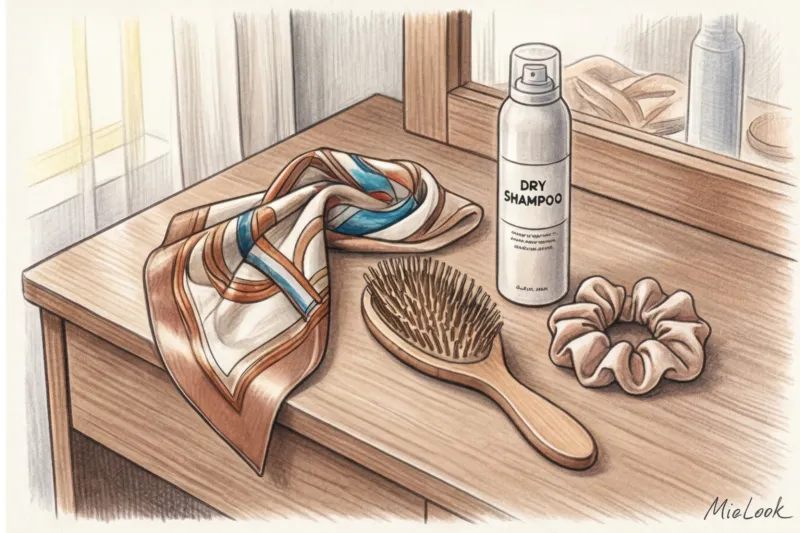
Одна из моих клиенток с тяжелыми азиатскими волосами постоянно жаловалась, что даже твил не держится на ее затылке. Решение оказалось в подготовке базы. Мы привыкли использовать сухой шампунь или пудру-текстуризатор для прикорневого объема. Но в стайлинге с платками у них другая роль — создание микро-трения. Нанесите немного пудры исключительно на ту зону, где будет располагаться якорный узел платка. Ткань сцепится с матовой текстурой, и конструкция станет монолитной.
Базовые архитектурные формы: как вплести платок в волосы без шпилек и невидимок
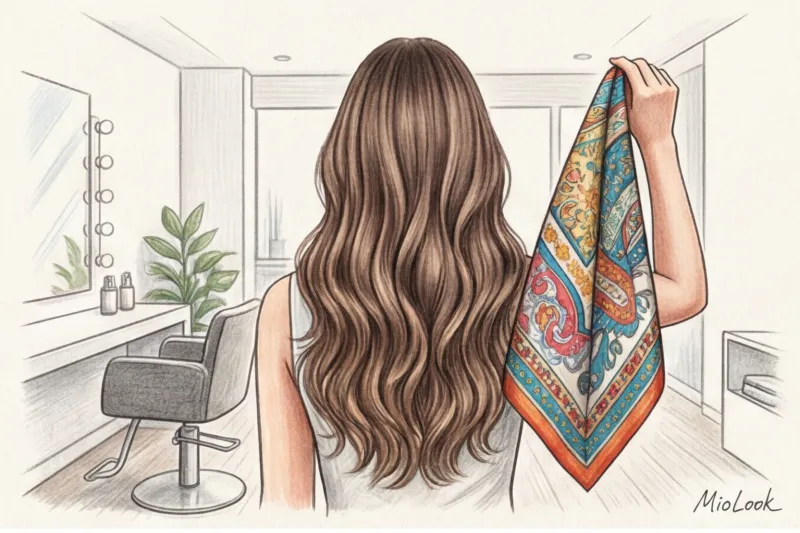
По данным исследования Международного общества восстановительной хирургии волос (ISHRS, 2023), регулярное использование тугих резинок провоцирует тракционную алопецию (потерю волос от натяжения). Вплетение шелка — это не только эстетика, но и здоровье. Вес стандартного каре (около 65 граммов) создает правильный физический противовес густым прядям, распределяя нагрузку равномерно по всей голове, а не концентрируя ее в одной точке.
Интеграция в классическую косу: текстурный объем
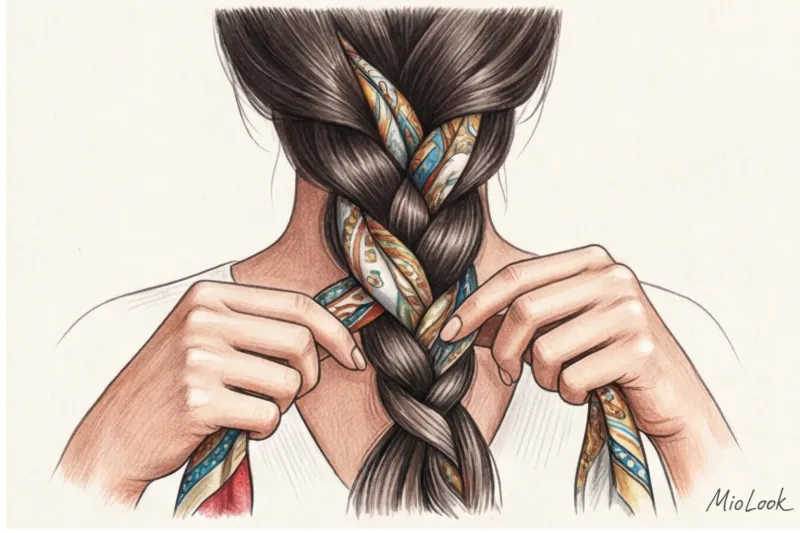
Если у вас тонкие пряди, и вы ищете способы придать объем тонким волосам, ткань станет вашим лучшим спасением. Интеграция свернутого каре увеличивает визуальную толщину косы в два раза.
- Сложите платок по диагонали в длинную ленту.
- Захватите верхнюю секцию волос на макушке, разделите на две части.
- Оберните центр платка вокруг основания этих прядей (это и есть якорный узел) и перекрестите концы под ними.
- Теперь у вас в руках четыре элемента: две пряди волос и два конца ткани. Соедините одну прядь с одним концом платка.
- Плетите обычную косу, где две пряди смешаны с тканью, а третья — только волосы. На конце завяжите ткань в узел, отказавшись от силиконовых резинок, которые секут концы.
Низкий пучок с шелковой лентой: эстетика «Old Money»
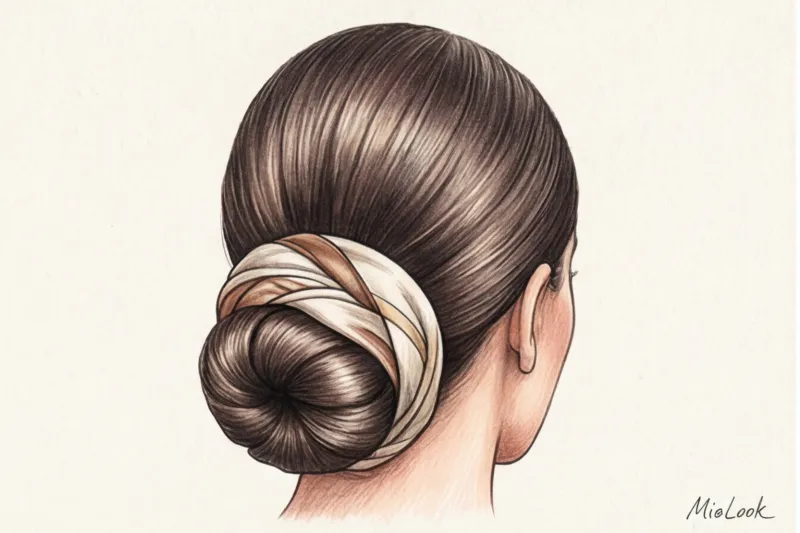
В укладках в стиле олд мани ткань служит не внешним декором, который привязывают сверху, а внутренним каркасом прически. Соберите низкий хвост, оберните твилли вокруг основания. Разделите хвост надвое, в каждую часть добавьте конец ленты. Закрутите эти две секции в жгуты и оберните друг вокруг друга методом «восьмерки». Платок заберет на себя часть натяжения, и пучок получится объемным и структурным.
Ваш идеальный образ начинается здесь
Присоединяйтесь к тысячам пользователей, которые каждый день выглядят безупречно с MioLook. Оцифруйте свой гардероб за пару кликов.
Начать бесплатноОшибка скольжения: главный миф о фиксации шелка в прическе
Сейчас я скажу то, что вызовет возмущение у многих бьюти-блогеров: металлические невидимки (bobby pins) — злейший враг шелкового платка. В большинстве видео-туториалов показывают, как конструкцию щедро протыкают десятками невидимок «для надежности».
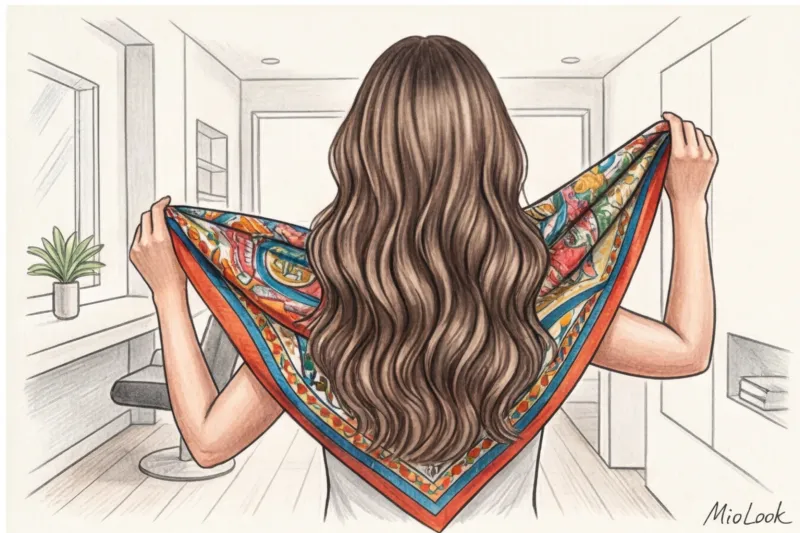
Во-первых, металл оставляет микрозацепки на дорогих волокнах. Пара таких укладок — и ваш платок за 150 € покроется затяжками. Во-вторых, невидимка, зажатая между гладким шелком и скользким волосом, действует как лезвие: при трении она разрушает кутикулу волоса.
Альтернатива? Техника «взаимоблокирующего узла» (interlocking knot). Суть в том, чтобы ткань блокировала саму себя. Один конец платка продевается сквозь петлю, образованную другим концом, и затягивается под весом собственных волос. Конструкция держится за счет гравитации и трения.
Справедливости ради, я обязана назвать ограничение: этот метод без невидимок НЕ работает на ультракоротких формах. Если у вас короткая стрижка пикси или гарсон, вам просто не хватит длины волос для создания якорного узла, здесь придется использовать ободки, а не платки.
Умный гардероб: платок как барьер от солнца и механических повреждений
По данным отчета WGSN Beauty (2024), защита волос от фотостарения становится ключевым трендом ухода. Летом плотный шелк работает как физический UV-фильтр. Он предотвращает выгорание пигмента (особенно важно для окрашенных блондинок) и не дает солнцу выпаривать влагу из кутикулы.
Зимой платок выполняет функцию «брони». Обращали внимание, как сильно секутся и путаются волосы на затылке в холодное время года? Это результат механического трения о воротники шерстяных пальто и свитеров крупной вязки. Вплетая длинные волосы в шелковую косу перед выходом на улицу, вы изолируете их от грубого трения. Экономия на восстанавливающих масках в конце сезона будет существенной.
Чек-лист: 5 шагов к идеальной укладке с платком, которая продержится весь день
Чтобы больше никогда не ловить улетающий аксессуар на ветру, проверяйте себя по этому алгоритму перед выходом:
- Анализ фактуры: Тяжелым волосам — плотный лен или вискоза, кудрявым — гладкий шелк.
- Локальная подготовка: Точечно нанесите сухой текстуризатор на корни в месте будущего крепления.
- Сложение «по косой» (bias fold): Это профессиональный термин закройщиков. Никогда не складывайте квадратный платок параллельно краям. Сворачивайте его строго по диагонали (от угла к углу). Только сложенная по косой нетянущаяся ткань приобретает эластичность и способность мягко облегать форму головы.
- Формирование якорного узла: Убедитесь, что первый узел захватывает не только волосы, но и сам себя.
- Балансировка натяжения: Если чувствуете пульсацию у корней — вы перетянули. Слегка ослабьте конструкцию, потянув ткань у основания.
Готовы начать?
Попробуйте бесплатный план MioLook — без обязательств. Соберите капсулу аксессуаров, которые идеально дополнят ваши образы.
Начать бесплатноВплетение платка в деловой образ: нарушает ли это дресс-код?
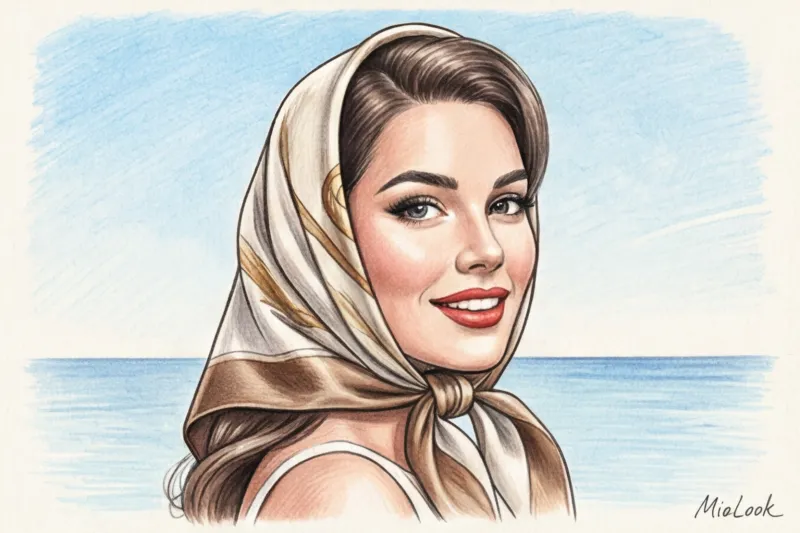
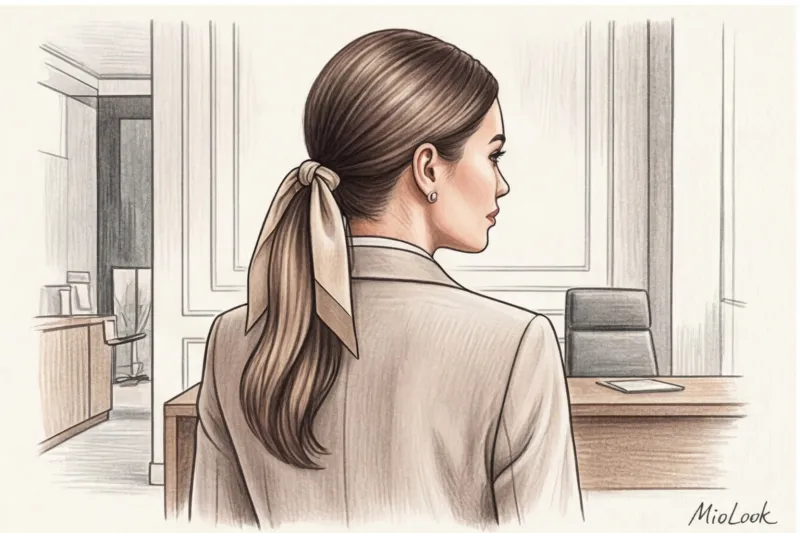
Многие боятся использовать аксессуары для волос в офисе, ассоциируя их с богемной небрежностью отдыха на Ривьере. Но разница между расслабленным casual и строгим деловым стилем заключается исключительно в геометрии укладки и выборе принта.
Для пятничного дресс-кода в офисе, где все ходят в джинсах, но вы хотите выглядеть статусно, избегайте крупных флористических паттернов. Выбирайте мелкую геометрию (фуляр), горох или однотонный шелк глубоких оттенков (бургунди, изумруд, шоколад). Если у вас умная стрижка, не требующая укладки, интеграция узкой ленты-твилли в строгий низкий хвост станет великолепной альтернативой скучной черной резинке. Как отмечает историк моды Александр Васильев, статусный шелковый аксессуар, деликатно вписанный в портретную зону, работает на имидж эксперта гораздо эффективнее, чем кричащие логотипы на сумках.
Освоив механику взаимодействия ткани и волос, вы перестанете воспринимать платок как капризный кусок шелка. Он превратится в послушный архитектурный инструмент. Помните: надежная укладка строится не на количестве заколок, которые ломают ваши волосы, а на правильном трении, выверенном балансе веса и грамотном якорном узле. Оставьте невидимки в прошлом и позвольте физике качественных тканей работать на ваш стиль.