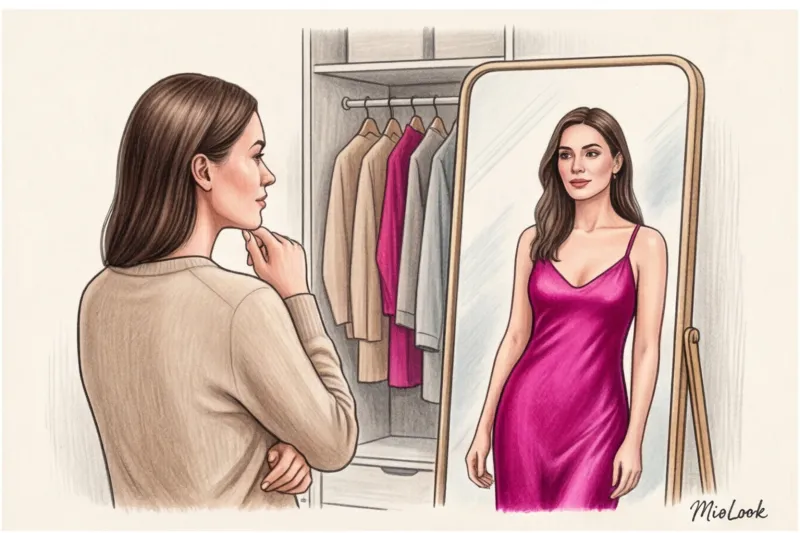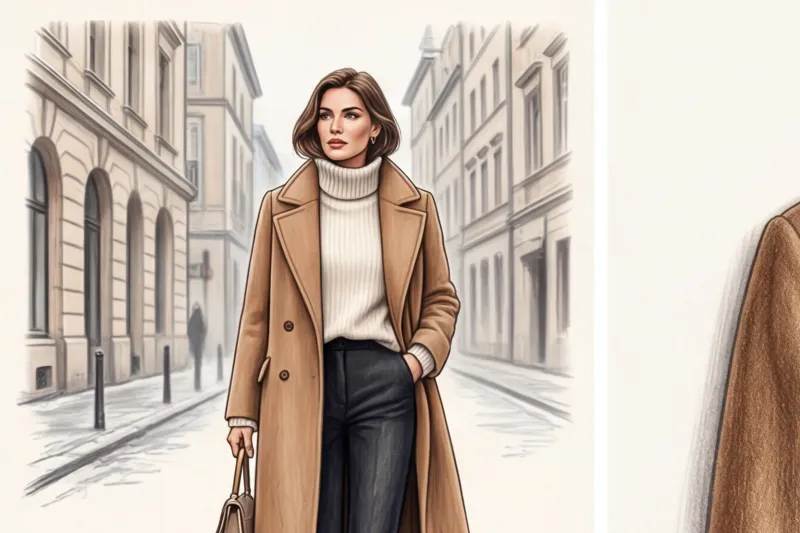
Грудень. Вулиця європейської столиці. Дівчина у розстебнутому тонкому бежевому пальті та шовковій спідниці судомно кутається у шарф, намагаючись вдати, що їй не холодно. Знайома картина? Естетика Pinterest зіграла з нами злий жарт: нас навчили красиво позувати, але забули розповісти, як у цьому жити за мінусової температури. Давайте начистоту: стиль олд мані осінь зима — це не про обмороження заради гарного кадру. Справжня «тиха розкіш» завжди починається з особистого комфорту.
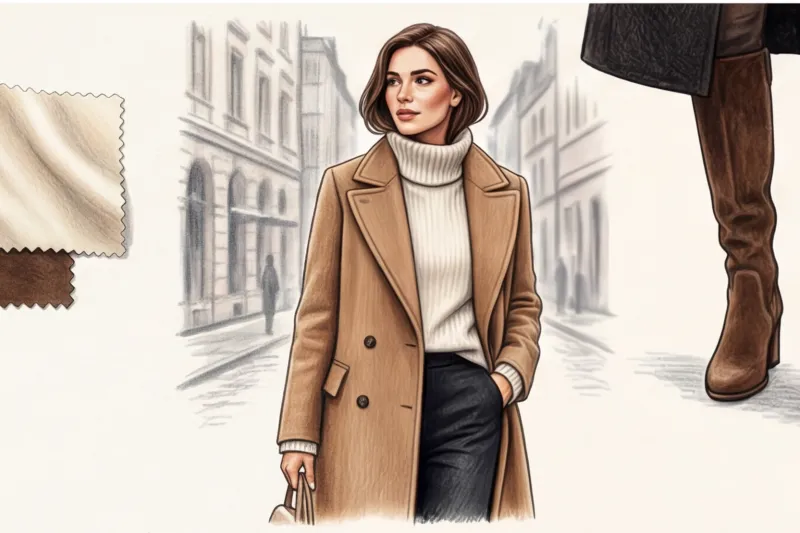
Докладніше про філософію цього напряму ми вже розповідали у нашому повному гіді: Як створити стиль олд мані: секрети тихої розкоші. Сьогодні ми займемося практикою. Як практикуючий стиліст, я покажу вам, як адаптувати цей стиль до суворих холодів, де шукати правильні склади в європейському мідл-маркеті і чому 100% кашемір далеко не завжди найкраща інвестиція.
Стиль олд мані осінь-зима: реальність проти картинок з Pinterest
Головна помилка, яку я регулярно бачу на розборах гардеробу - спроба перенести літній Old Money в зиму, використовуючи ті ж лекала, просто з трохи щільніших тканин. Тонкі кардигани на голі ключиці, укорочені штани з голими щиколотками та пальто-халати без ґудзиків чудово виглядають у Тоскані у жовтні, але абсолютно не працюють у місті при +2°C та пронизливому вітрі.
Основа зимового гардеробу у цій естетиці – фактури. Чим щільніша і складніша фактура тканини, тим візуально дорожче виглядає образ. Гладка бавовна поступається місцем рубчастому вельвету, тонкий трикотаж — щільній в'язці кіскою, а легкий шовк — важкому сатину або купро. Зимова елегантність будується на відчутті, що ви надійно захищені від негоди.
Ідеальне пальто: на що дивитися, крім крою та бренду
Коли ми з клієнтками вирушаємо на шопінг, у мене є залізне правило: ми завжди приміряємо пальто на самий товстий светр. Якщо пальто тріщить у проймах чи сковує рухи – ми залишаємо його в магазині, навіть якщо це бездоганний крій від Massimo Dutti Studio.
Золотим стандартом залишається двобортне пальто прямого крою або структуроване пальто-халат (обов'язково з фіксацією на внутрішній гудзик). Довжина має критичне значення. Забудьте про пальто до коліна - воно візуально ріже силует навпіл і безнадійно здешевлює образ. Вибирайте довжину міді (середина ікри) або максі. Це не тільки елегантно, а й практично: поділ захищає ноги від вітру.
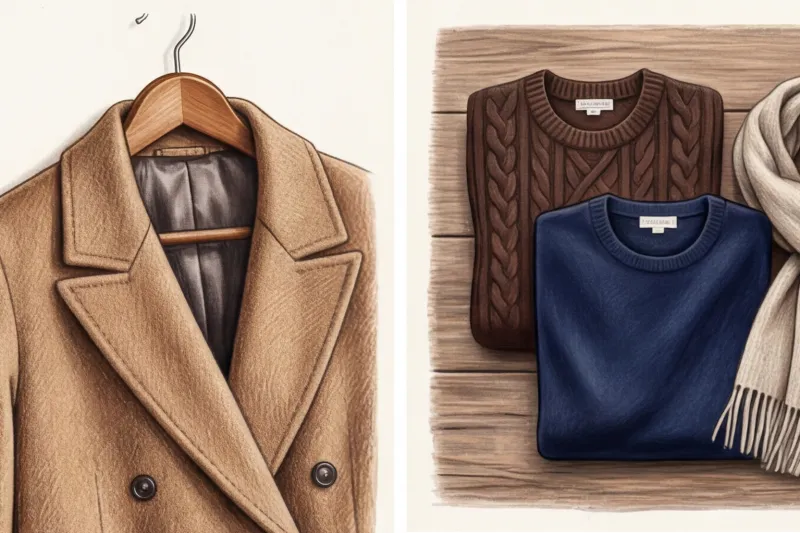
У мас-маркеті варто звертати увагу лише на преміальні лінійки (наприклад, COS, Arket або капсули Premium у Zara). Бюджет на гарне пальто тут становитиме від 180 до 350 €. Все, що дешевше, як правило, не переживе і одного сезону активного носіння.
Формула складу: за що ми платимо
Жоден ідеальний крій не врятує, якщо склад тканини не працює на збереження тепла. Ось математика ідеального пальта, яку я вивела за 12 років практики:
- Верх: Мінімум 70% вовни (овечки, мериноса) або альпаки. Це гарантує, що вам буде тепло при температурі до -10 °C. Наявність 10–20% поліаміду чи нейлону – це нормально. Синтетика в таких пропорціях працює як арматура, не даючи шерсті витягуватися на ліктях і протиратися. А ось 50% поліестеру - це викинуті гроші (і гарантовані катишки за місяць).
- Підкладка: Це те, на чому виробники економлять найчастіше. Підкладка зі 100% поліестеру перетворить найдорожче вовняне пальто на парник: ви потітимете в метро і мерзнути на вулиці. Шукайте у складі підкладки 100% віскозу, купро чи ацетат.
Ваш ідеальний образ починається тут
Приєднуйтесь до тисяч користувачів, які щодня виглядають бездоганно, керуючи своїм гардеробом з MioLook.
Почати безкоштовноКашемір та шерсть: як не переплатити за маркетинг
Пора розвіяти один із головних міфів глянцю. З кожної праски нам твердять: "Old Money - це обов'язково 100% кашемір". Насправді, для повсякденного носіння під верхнім одягом чистий кашемір — головний біль.
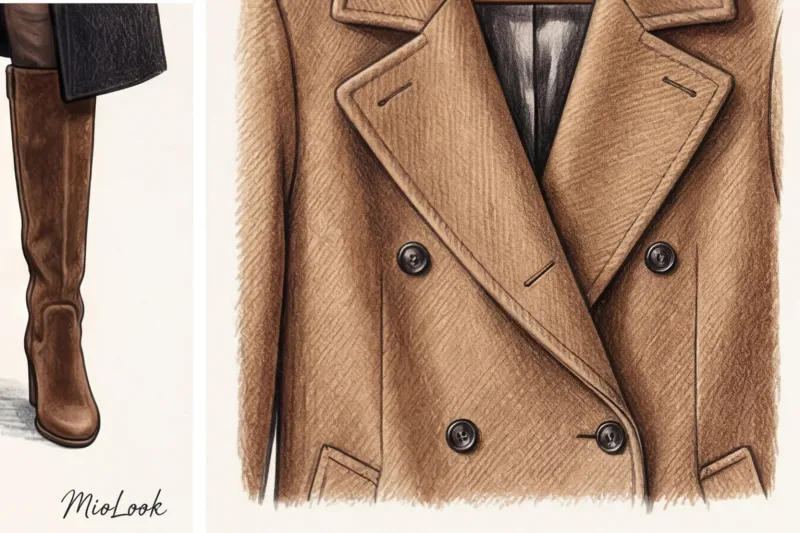
Одна з моїх клієнток купила базовий светр зі 100% кашеміру в популярному мас-маркеті за 120€. Через три тижні шкарпетки під пальто він скатався в зоні пахв і від тертя сумки, а після дбайливого ручного прання втратив форму. Чому? Справа в різниці між кардною та гребенною пряжею.
Дешевий кашемір роблять із коротких волокон (кардна пряжа). Він неймовірно пухнастий і м'який навпомацки прямо в магазині - саме це продає річ. Але такі короткі волокна миттєво вилазять із нитки і утворюють пілінг (катишки). Технологічні стандарти Woolmark підтверджують: щільно скручена гребенева мериносова шерсть служить у 3-4 рази довше за дешевий кашемір.
Мій особистий «тест на пілінг» у магазині: акуратно потріть тканину виробу сама про себе в непомітному місці (наприклад, на внутрішньому шві) протягом 10 секунд. Якщо з'явився пушок — річ скочується першого ж тижня.
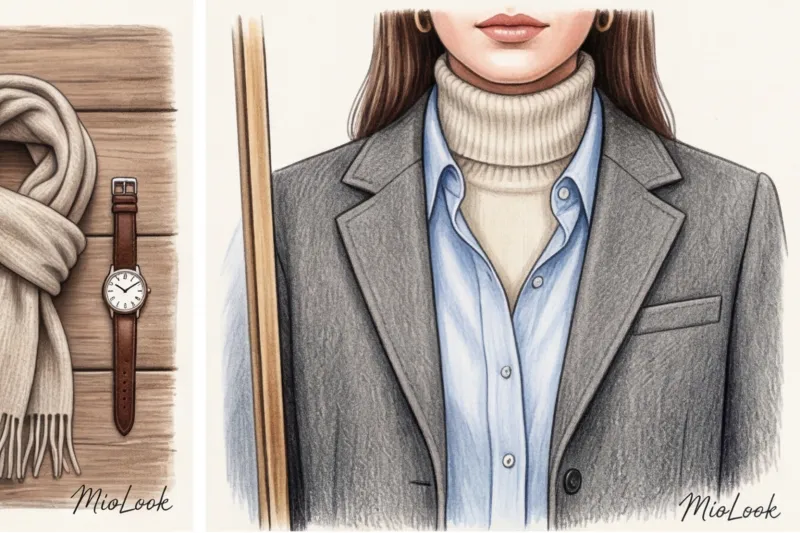
Відмінна і більш статусна альтернатива кашемір - бленди. Поєднання 70% мериносової вовни, 20% шовку та 10% кашеміру візуально має легкий благородний блиск, відмінно гріє, але при цьому тримає форму та має чудовий показник Cost per wear (вартість одного виходу).
Мистецтво багатошаровості: як виглядати статусно і не стати 'капустою'
Якщо ви хочете дізнатися, як підібрати взуття до верхнього одягу важливо спочатку побудувати правильний силует. У зимовій «тихій розкоші» працює правило трьох шарів: базовий (водолазка/сорочка) + теплоізоляційний (джемпер/жакет) + захисний (пальто/тренч).
Секрет стилістів, про який рідко пишуть прихований нульовий шар. Якщо ви хочете одягнути тонку шовкову блузу під щільний кардиган і не замерзнути, використовуйте якісну термобілизну. Найтонші лонгсліви з мікромодала з додаванням шовку (вартістю близько 40-60€) абсолютно непомітні під одягом, не додають об'єму, але підвищують температуру комфорту на 5-7 градусів.
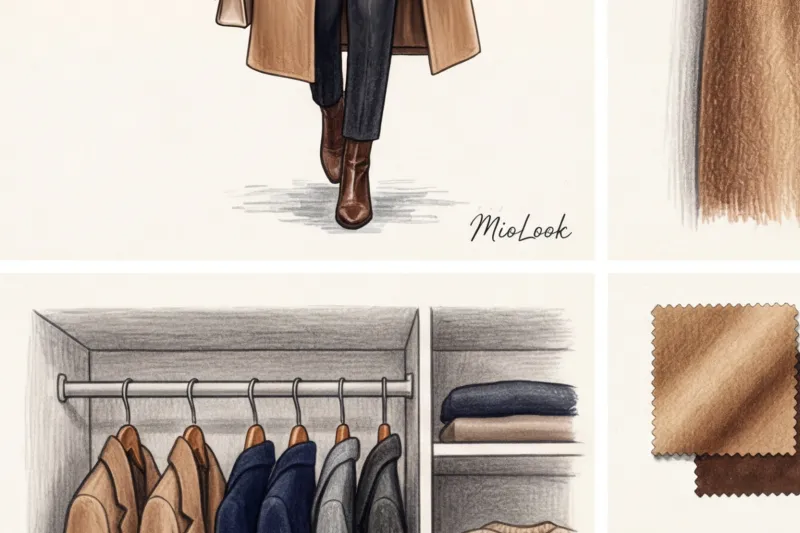
Робоча формула для офісу п'ятниці (коли дрес-код пом'якшений, але потрібен статус):
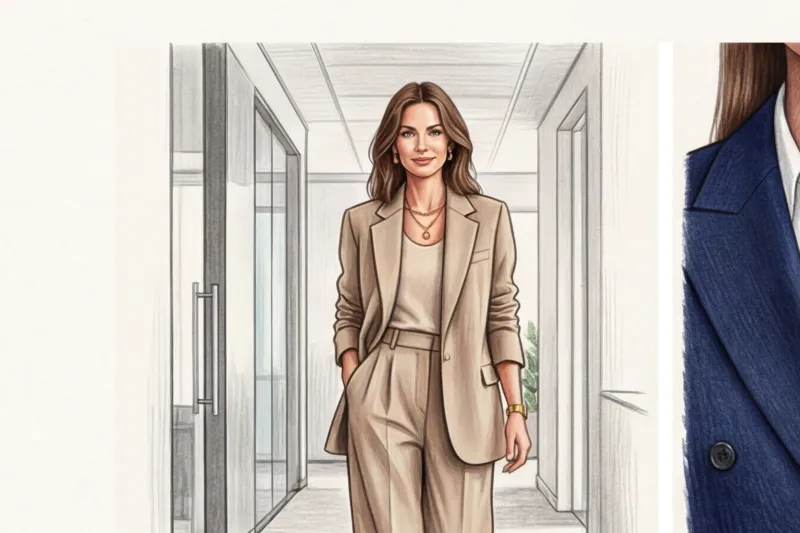
Тонка водолазка з мериноса (база) + цупка сорочка з бавовняного твила, розстебнута на три гудзики (структура) + об'ємний вовняний піджак. Головне правило міксу комірів: внутрішній шар повинен щільно прилягати до шиї, а зовнішній – створювати геометрію V-подібного вирізу.
Зимова палітра тихої розкоші: більше, ніж просто бежевий
Кипяно-білий колір взимку часто виглядає плоско і неприродно. Замініть його на складні відтінки: екрю, колір вівсянки, топленого молока або слонової кістки.
Дослідницький інститут кольору Pantone та звіти агентства WGSN (2024) підтверджують: «осінні» кольори завжди виглядають дорожчими, якщо вони мають холодний підтон. Замініть рудий на глибокий гіркий шоколад, жовтуватий кемел – на холодний пісочний, а чорний – на графітовий або насичений navy (темно-синій).
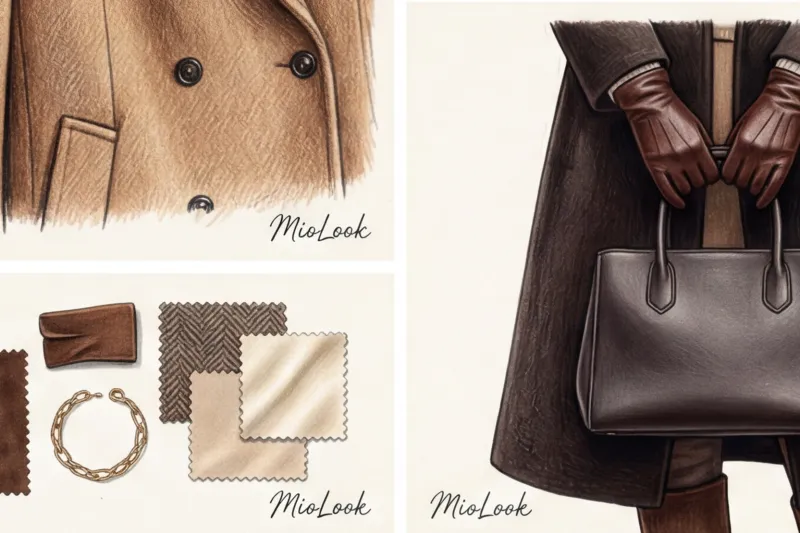
Найпростіший спосіб зібрати дорогий образ – використовувати монохром, але з грою фактур. Наприклад: гладкі шкіряні штани шоколадного відтінку + пухнастий светр із альпаки в тон + матове вовняне пальто. Одинаковий колір поєднує силует, а різниця матеріалів не дає образу стати нудним. Складати такі комплекти дуже зручно, використовуючи віртуальну примірювальну MioLook де можна заздалегідь побачити, як фактури працюють разом.
Взуття та аксесуари: фінальні штрихи, що видають клас
Недоглянуте взуття вбиває найдорожчий образ. Як стиліст, я благаю своїх клієнток: купивши замшеві чоботи, не виходьте в них на вулицю без триразової обробки вологовідштовхувальним просоченням. Якісні замшеві чоботи-труби на стійких підборах або лаконічні челсі з гладкої шкіри - це інвестиція номер один у зимовий гардероб (закладайте на них від 150 до 300 €).
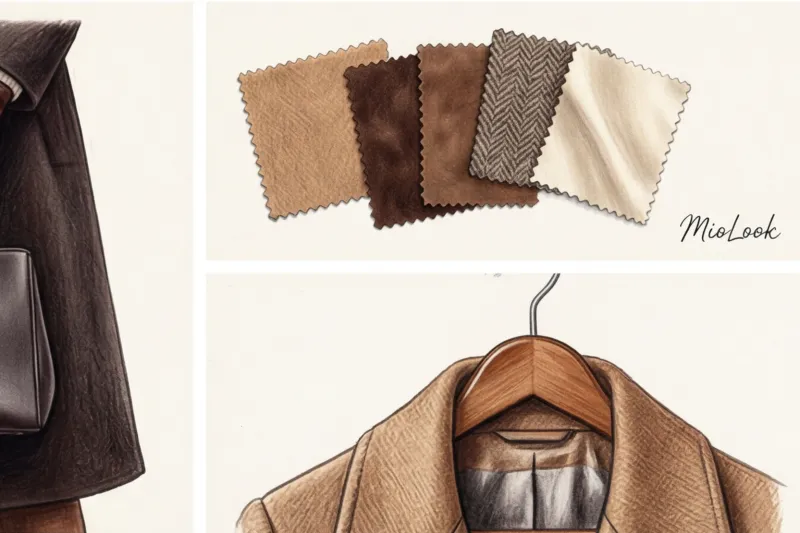
В аксесуарах діє сувора заборона масивних логотипів. Шарф Acne Studios із величезними літерами – це стрітстайл, а не Old Money. Вибирайте однотонні палантини зі змішаної вовни з бахромою.
Шкіряні рукавички – маркер елегантності. Але тут криється каверза: не потрібно купувати рукавички тон-в-тон до сумки та взуття. Цей прийом застарів. Якщо у вас шоколадне взуття та сумка кольору кемел, виберіть рукавички глибокого бордового або темно-зеленого відтінку.
Чи готові почати?
Розумний AI-стиліст підбере ідеальний образ за вас. Спробуйте безкоштовний план без зобов'язань.
Почати безкоштовноЧек-лист від стиліста: збираємо зимову капсулу Old Money
Для створення багатофункціонального гардеробу не потрібні десятки речей. Важлива їхня бездоганна сполучність. Докладніше про те, як зібрати капсульний гардероб , ми писали раніше, а тут я наведу конкретний список покупок для зимової бази:
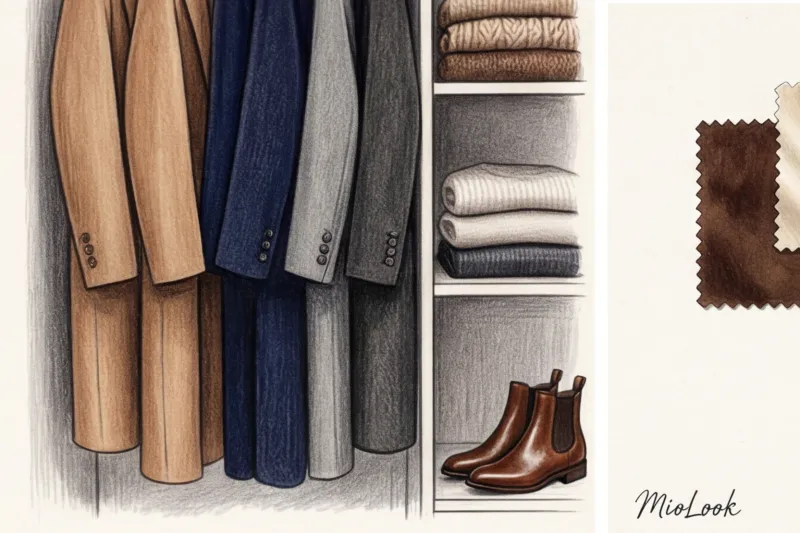
- Пальто прямого крою. Колір кемел або темно-синій. (Сюди йде 30% бюджету).
- Щільна водолазка. Мериносова шерсть, колір екрю. (На цьому можна заощадити, купивши чудову базу в Uniqlo або H&M Premium).
- Широкі вовняні штани зі стрілками. Сірий меланж чи графіт. Обов'язково із додаванням еластану для комфорту.
- Кардиган щільної в'язки. Гіркий шоколад. Зверніть увагу на фурнітуру: гудзики мають бути роговими або обтягнутими шкірою, ніякого дешевого пластику.
- Сумка-тоут. Натуральна шкіра, тверда форма, жодних логотипів.
Стиль олд мані у реаліях холодної зими вимагає вдумливого підходу до складів та вміння нашарувати речі. Головний висновок, який варто забрати з цієї статті: не женіться за 100% кашеміром, якщо не готові доглядати за ним, і завжди інвестуйте в правильну підкладку пальто. Елегантність - це, перш за все, коли вам тепло і зручно.