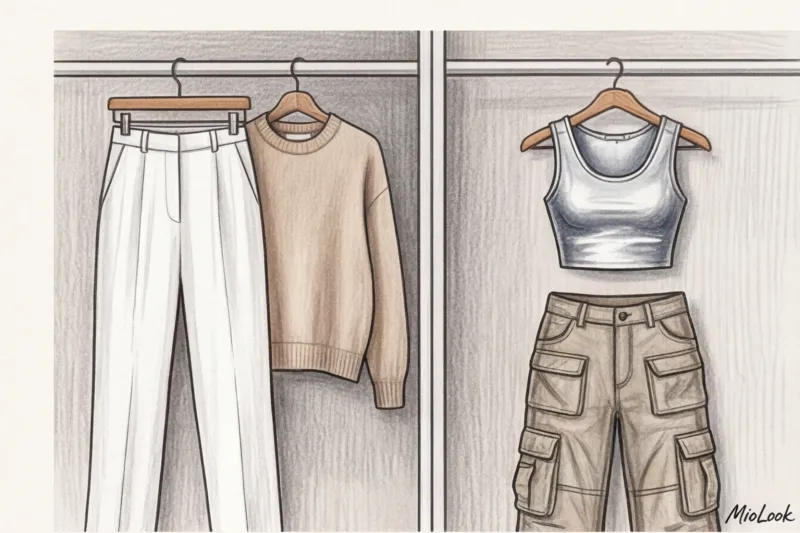
Феномен Core-культуры: почему модные эстетики захватили мир
Помню свой первый сезон на Неделе моды в Париже ровно десять лет назад. Тогда стритстайл-отчеты напоминали униформу: перед показом Celine или Dior фотографы ловили сотни девушек с абсолютно одинаковыми it-bags (вроде знаменитой багажной сумки от Фиби Файло) и в идентичных бежевых пальто. Мы все гнались за одной и той же статусной вещью. Сегодня, стоя у Пале-Токио, я вижу совершенно иную картину: уличная мода разделилась на четкие, контрастные субкультурные группы. В одной стороне — тотальный Y2K с заниженной талией, в другой — рафинированная «тихая роскошь». Настала эра, когда модные эстетики окончательно вытеснили диктатуру единого сезонного тренда.
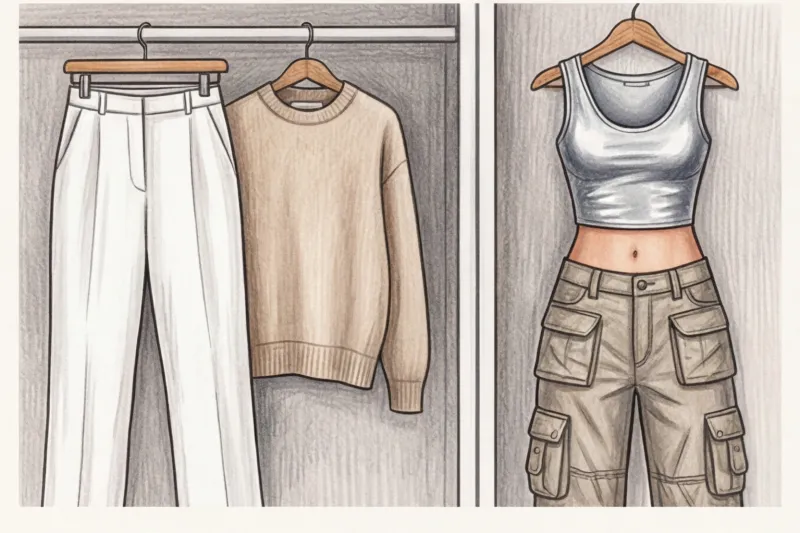
Что же произошло на самом деле? Визуальный язык пришел на смену жесткому модному диктату. Если раньше глянец безапелляционно заявлял: «Этой осенью все носят только бордовый цвет и узкие брюки», то теперь мы выбираем не конкретный крой, а целостную атмосферу. Эстетика — это не просто список покупок на сезон, а своеобразный фильтр, через который вы пропускаете свой гардероб.
У этого феномена, который в индустрии прозвали Core-культурой, есть глубокая психологическая подоплека. Согласно данным исследований глобального тренд-бюро WGSN (2023), существует прямая корреляция между макроэкономической нестабильностью и тем, как мы одеваемся. В эпоху кризисов человеческой психике жизненно необходимо чувство безопасности и принадлежности к определенному «визуальному племени». Переодеваясь в героиню романтической комедии 90-х или строгую корпоративную сирену, мы занимаемся терапевтическим эскапизмом. Одежда стала нашей броней и инструментом, позволяющим контролировать хотя бы ту реальность, которая отражается в зеркале.
За годы работы модным аналитиком я убедилась: сегодня подход «я просто хочу быть в тренде» больше не работает. Произошел масштабный сдвиг — от банального обладания вещами к трансляции полноценного образа жизни. Когда вы надеваете, скажем, велюровый костюм в стиле Y2K, вы не просто демонстрируете знание тенденций нулевых, вы заявляете о своей расслабленности, бунтарстве и самоиронии. А умение грамотно внедрить тренды в гардероб при строгой базе становится показателем высокого социального интеллекта.
Именно поэтому бездумный шопинг в погоне за актуальностью теряет смысл. Чтобы найти свой уникальный визуальный язык без ущерба для бюджета, я рекомендую клиенткам использовать функцию «умный гардероб» в MioLook. Она позволяет оцифровать имеющиеся вещи и виртуально примерить элементы новой эстетики, чтобы понять, насколько они монтируются с вашим реальным образом жизни, прежде чем вы потратите хотя бы $100 на очередную микротенденцию.
Откуда берутся модные эстетики и почему они заменили традиционные тренды
Недавно я анализировала свежий отчет Business of Fashion, и одна цифра заставила меня буквально остановиться и перечитать абзац дважды. По данным авторитетного агентства WGSN (2024), жизненный цикл тренда сегодня сократился до шокирующих трех месяцев. Три месяца — и вещь из категории «must-have» переходит в раздел безнадежно устаревших. За свои годы работы в модной журналистике я никогда не видела таких скоростей потребления. Раньше определенный силуэт мог доминировать целое десятилетие (вспомните заниженную талию или джинсы-скинни), сейчас же алгоритмы социальных сетей сжигают идеи быстрее, чем фабрики успевают отшивать коллекции.
Как именно запускается этот маховик? Механика появления эстетик сегодня работает по четко выверенному сценарию. Всё начинается с интеллектуального подиума. Возьмем, к примеру, визионерский подход Миуччи Прады. На показе Miu Miu она выпускает модель в микро-шортах, выглядывающем нижнем белье и растрепанном кардигане. Для индустрии это не просто одежда — это деконструкция привычного гардероба, заявление. Затем эту сложную стилизацию подхватывают A-list инфлюенсеры, адаптируя подиумный авангард для стритстайла. И вот здесь в игру вступает TikTok: алгоритмы выхватывают визуальный код, пользователи придумывают ему хлесткое название (вроде Librarian Core или Office Siren), и уже через три недели масс-маркет бренды вывешивают полиэстеровые клоны этих кардиганов на рейлах за $39. То, что изначально было тонким авторским высказыванием, превращается в вирусный продукт.
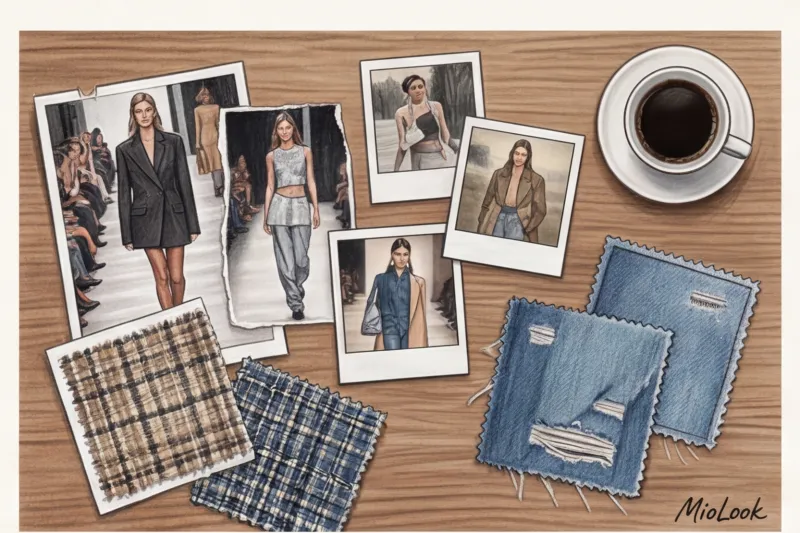
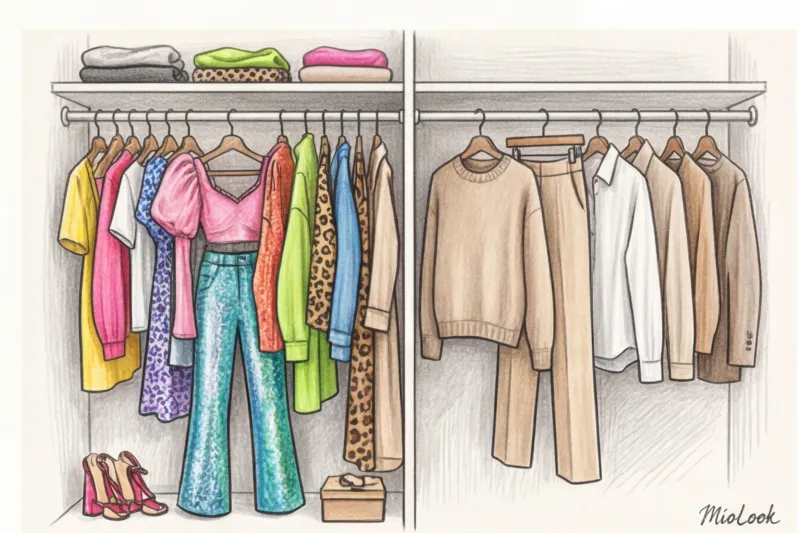
Главный навык современного осознанного потребителя — умение отличать глобальную макро-эстетику от микро-трендов (так называемых «коров» — от слова core). Макро-эстетика — это тектонический сдвиг в культуре потребления. Например, Old Money или Minimalism. Они строятся на качестве, базовых цветах, хорошем крое и транслируют определенные жизненные ценности. Такие вещи можно носить годами. А вот микро-тренды — это визуальный фастфуд. Tomato Girl (романтизация итальянского лета с принтами томатов), агрессивная Mob Wife с обилием леопарда или тотально розовый Barbiecore — всё это вспыхивает и гаснет за один сезон.
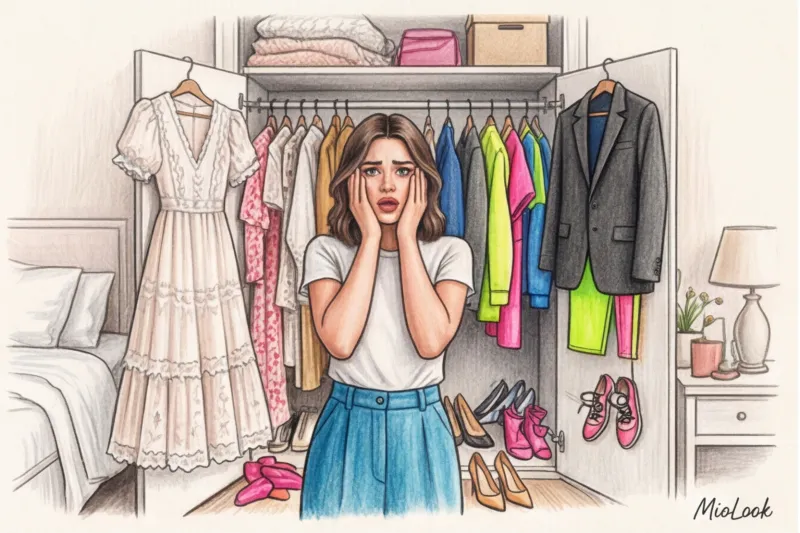
Опасность слепого следования TikTok-трендам недооценена. Это не только катастрофический экологический след, когда вещи-однодневки тоннами отправляются на свалку. Одна из моих клиенток пришла ко мне с типичной проблемой: огромный шкаф, но абсолютно нечего надеть на работу. Мы начали разбирать вещи, и я увидела последствия хаотичного потребления: леопардовая шуба для образа «жены мафиози», полупрозрачный корсет для Coquette core и гипер-широкие карго для Y2K. Эти элементы категорически не монтировались между собой, превращая гардероб в кладбище импульсивных покупок.
Доступ к MioLook за €0,99 — разовый платёж
Умный AI-стилист подберёт идеальный образ
Открыть доступ — €0,99 разовоСловарь терминов: разница между Стилем, Эстетикой и Трендом
Путаница в терминах — главная причина тех самых хаотичных покупок. Клиентки часто говорят мне: «Я хочу купить трендовый стиль», объединяя три совершенно разных понятия. Давайте расставим точки над «i», чтобы вы точно понимали механику работы с собственным имиджем.
- Стиль — это ваша архитектурная база, ДНК гардероба и личный почерк. Он формируется годами и опирается на ваш образ жизни, тип фигуры, профессиональную деятельность. Если вы любите строгие линии, идеальную посадку и монохром — это ваш стиль. Он остается с вами, даже когда мода делает кульбит на 180 градусов.
- Эстетика — это фильтр или настроение, через которое вы пропускаете свой стиль в данный момент времени. Представьте, что стиль — это холст, а эстетика — освещение. Ваш строгий классический стиль может быть подан через эстетику Office Siren (если добавить узкие очки и контрастный контур губ) или через Quiet Luxury (если сделать ставку на дорогой кашемир и отсутствие лишних деталей).
- Тренд — это конкретная вещь, инструмент или точечный стилистический прием. Низкая посадка брюк, красный цвет плотных колготок или популярность кроссовок определенной модели. Тренд — это расходный материал, его можно купить, надеть пару раз и спокойно забыть.
Практический совет: понимание этой иерархии радикально экономит бюджет. Я всегда рекомендую инвестировать 70% средств в формирование личного стиля, 20% отдавать под близкие вам долгоиграющие эстетики и тратить не более 10% на быстротечные тренды, чтобы просто утолить жажду новизны.
Главные модные эстетики: подробный разбор и ДНК стилей
Анализируя последние показы в Милане и Париже, можно с уверенностью констатировать: диктатура единого силуэта окончательно пала. Согласно данным аналитического агентства WGSN (2024), текущий и будущие сезоны определяются не длиной юбки или высотой каблука, а противостоянием полярных визуальных миров. Мы наблюдаем четкое разделение на два макро-направления: гипер-минимализм, стремящийся к анонимности и статусу, и радикальный максимализм, замешанный на эскапизме и ностальгии.
Почему именно сейчас архивы 90-х и нулевых стали главным источником вдохновения? Мода всегда работает циклично, подчиняясь правилу 20-30 лет. То, что носили наши мамы, для нового поколения выглядит свежо и неизбито. Однако современные модные эстетики — это не слепое копирование прошлого. Это кураторская работа с архивами, где силуэты Тома Форда для Gucci конца 90-х встречаются с современными технологиями тканей и новым пониманием комфорта.
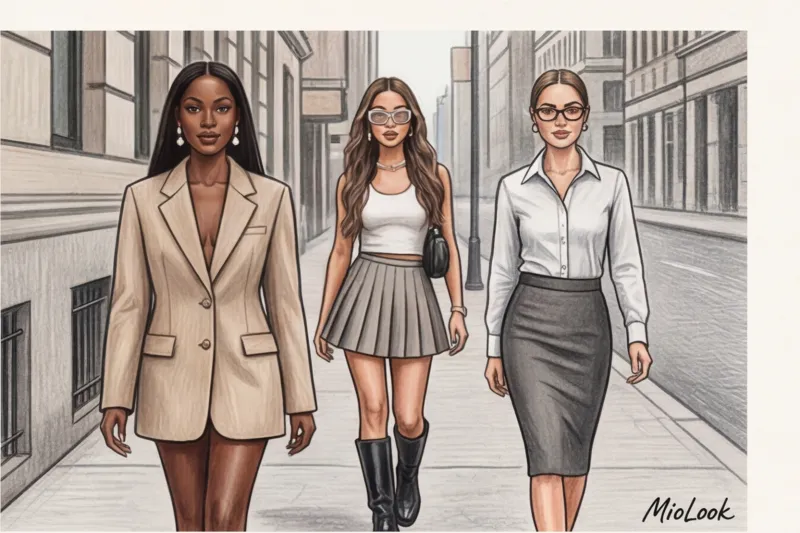
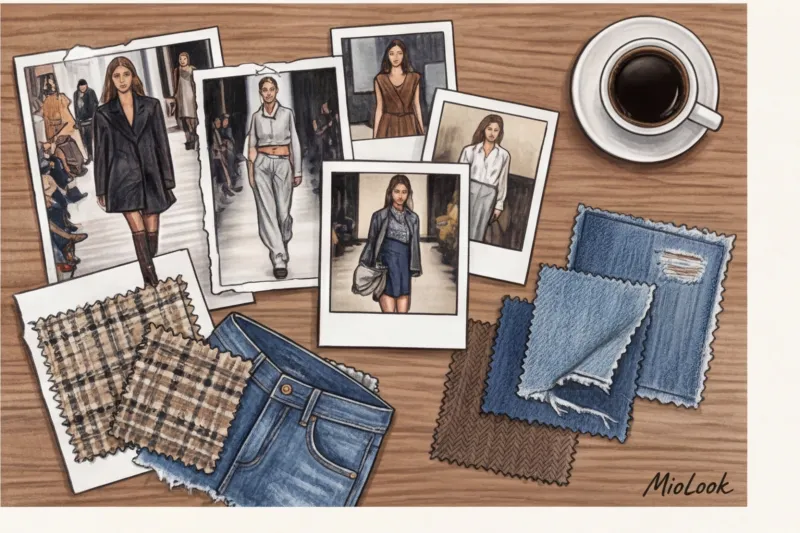
Как стилист, работающий с материалами ежедневно, я хочу подчеркнуть один критически важный, но часто игнорируемый аспект: любая эстетика рассыпается, если выбрана неверная ткань. Фактура решает всё. Давайте будем честны: вы не можете транслировать «тихую роскошь», надевая свитер из 100% акрила. Синтетика с её характерным плоским блеском моментально удешевляет образ, она не способна создать ту самую благородную, тяжелую драпировку, которую дает натуральный кашемир или гребенная шерсть. И наоборот: если вы собираете дерзкий образ в эстетике Y2K или гранж, вам жизненно необходим правильный деним — жесткий, весом не менее 13-14 унций, из 100% хлопка без примеси эластана. Тонкие джинсы-стрейч убьют всю геометрию мешковатых карго или широких труб.
Эстетика — это не только визуальный фильтр, это тактильный опыт. Вещь должна не только выглядеть определенным образом, но и двигаться в пространстве согласно законам выбранного стиля.
Чтобы понять, какие фактуры и силуэты уже преобладают в вашем шкафу и к какой эстетике вы интуитивно тяготеете, я рекомендую оцифровать свои базовые вещи. Загрузив их в умный гардероб MioLook, вы сможете визуально оценить свою палитру и понять, каких именно элементов вам не хватает для завершения нужного образа, избегая импульсивных покупок.
Old Money и Тихая Роскошь (Quiet Luxury): инвестиция в статус
Хотя термины Old Money и Quiet Luxury часто используют как синонимы, исторически они имеют разные корни. Old Money восходит к стилю Лиги Плюща (Ivy League), гардеробам студентов престижных американских колледжей и эстетике европейской аристократии, отдыхающей на озере Комо или в Гштааде. Это стиль наследных элит, где одежда служит не для демонстрации богатства, а для подтверждения принадлежности к закрытому клубу.
Тихая роскошь (Quiet Luxury) — это более современная, урбанистическая версия того же принципа. Это униформа скрытого богатства, доведенная до совершенства брендами уровня The Row, Loro Piana и Brunello Cucinelli. Здесь работает правило «кто знает, тот поймет» (stealth wealth).
Ключевые элементы и маркеры:
- Ткани: Исключительно натуральные и премиальные. Двухсторонняя шерсть (double-face), викунья, шелк тусса, лен высокой плотности, замша.
- Силуэты: Расслабленный, но безупречный тейлоринг. Вещи сидят свободно, между телом и тканью всегда есть воздух. Никакого облегания на грани треска.
- Палитра: Приглушенная и сложная. Экрю, тауп, кэмел, глубокий темно-синий (navy), шалфейный, горький шоколад.
- Знаковые вещи: Замшевые лоферы Loro Piana Summer Walk (стоимостью от $900), кашемировый джемпер, небрежно наброшенный на плечи, теннисные теннисные юбки-плиссе, классическое пальто-халат. Полное отсутствие крупных и кричащих логотипов.
Для кого подходит: Эта эстетика идеальна для топ-менеджеров, руководителей, финансовых консультантов и всех экспертов, чей профессиональный имидж строится на фундаменте надежности, стабильности и высокого чека. Она транслирует уверенность человека, которому больше не нужно никому ничего доказывать.
Y2K и Максимализм: бунт против идеальности
Если Old Money шепчет, то Y2K кричит. Эта эстетика родилась из острой ностальгии по гламуру и безрассудству начала 2000-х годов. Истоки направления лежат в образах Бритни Спирс эпохи клипа «Oops!... I Did It Again», Пэрис Хилтон с её велюровыми костюмами Juicy Couture и красных дорожках MTV тех лет.
Поколение Z (зумеры), которые в те годы были младенцами или еще не родились, переосмыслили это время, очистив его от токсичных стандартов красоты (пресловутого «героинового шика») и оставив чистый фан, динамику и бунт против выверенной, бежевой и слишком правильной эстетики Instagram-минимализма.
Ключевые элементы и маркеры:
- Ткани: Деним с потертостями и эффектом «грязной» стирки (dirty wash), металлизированная кожа, сетка, жатый нейлон, велюр.
- Силуэты: Экстремальные пропорции. Радикально низкая посадка брюк и юбок в сочетании с кроп-топами (демонстрация полоски живота обязательна), гипертрофированный оверсайз в нижней части фигуры (широкие карго) и облегание в верхней.
- Палитра: Электрические и неоновые оттенки. Фуксия, лайм, серебро, ледяной голубой, а также сочетание розового с коричневым.
- Знаковые вещи: Брюки-парашюты, футболки с ироничными надписями (baby tees), сумки-багеты, массивные кроссовки на платформе, очки-маски, обилие ремней и цепей, заколки-бабочки.
Для кого подходит: Представители креативных индустрий, студенты, люди свободных профессий. Это идеальный выбор для неформального общения, вечеринок и ситуаций, когда вам хочется добавить в образ максимум энергии, дерзости и самоиронии.
Office Siren и Corporate Core: новая власть в офисе
Пожалуй, самая обсуждаемая эстетика последнего года, которая буквально взорвала TikTok и стритстайл. «Офисная сирена» — это переосмысление корпоративного дресс-кода через призму архивов 90-х. Главные референсы: легендарные коллекции Miuccia Prada 1997-1998 годов, безупречные минималистичные выходы Кэролин Бессетт-Кеннеди и гардероб героини Жизель Бюндхен в фильме «Дьявол носит Prada».
Corporate Core возник как реакция на затянувшуюся эпоху удаленки и бесформенных спортивных костюмов. Люди захотели вернуться в офис, но сделать это красиво, добавив в строгий деловой стиль легкую, интеллектуальную провокацию и женственность.
Ключевые элементы и маркеры:
- Ткани: Тонкий трикотаж в рубчик, костюмная шерсть с добавлением шелка (для легкого глянца), плотный хлопок, гладкая кожа.
- Силуэты: Приталенные и удлиненные. Возвращение узких силуэтов после многих лет тотального оверсайза. Рубашки сидят точно по фигуре, юбки подчеркивают бедра.
- Палитра: Холодная и строгая. Сланцево-серый, графитовый, глубокий винный (бургунди), черный, цвет горького шоколада и ледяной белый.
- Знаковые вещи: Очки «Bayonetta» (в тонкой прямоугольной оправе), юбка-карандаш длиной строго до колена или миди, приталенная рубашка (расстегнутая на одну пуговицу ниже привычного), водолазки, туфли-лодочки или слингбэки на микро-каблуке (kitten heel).
Для кого подходит: Юристы, архитекторы, владелицы бизнеса и современные карьеристки, которые вынуждены соблюдать рамки делового стиля, но хотят уйти от скучного и устаревшего Business Formal, транслируя интеллектуальную сексуальность и уверенность в себе.
Rom-Com Core, Coquette и Cottagecore: возвращение женственности
Эта группа микро-эстетик объединена общим глобальным вектором — возвращением к гипер-женственности и романтизации повседневности. Разница кроется в нюансах настроения.
Cottagecore — это эскапизм в природу, фантазия о жизни в загородном доме, выпекании хлеба и чтении стихов. Coquette (Кокетка) — это более будуарная, игривая история, вдохновленная историческим костюмом, Марией-Антуанеттой и современной одержимостью бантами (спасибо коллекциям Sandy Liang). А Rom-Com Core черпает вдохновение в героинях романтических комедий 90-х (Джулия Робертс, Мэг Райан) — это практичная, уютная осенне-весенняя романтика городских улиц.
Ключевые элементы и маркеры:
- Ткани: Полупрозрачное кружево, хлопок шитье, шелк, мохер, ангора, тонкий трикотаж пуантель (pointelle).
- Силуэты: Акцент на талии, пышные рукава-буфы, летящие подолы, многослойность с использованием кардиганов и жилеток.
- Палитра: Пастельная и акварельная. Пыльно-розовый, сливочно-желтый, небесно-голубой, лавандовый, а также классический белый и красный как акцент.
- Знаковые вещи: Банты любого размера и везде (в волосах, на сумках, на обуви), платья-комбинации (slip dresses), корсеты, кардиганы крупной вязки, юбки-макси с цветочным принтом (мильфлер), гольфы и балетки.
Для кого подходит: Психологи, бьюти-мастера, педагоги и представительницы помогающих профессий. Это эстетика идеальна для ситуаций, когда вам важно снизить градус формальности, выстроить доверительную дистанцию и транслировать мягкость, эмпатию и абсолютную доступность к диалогу.
Миф о «чистой» эстетике: почему не нужно одеваться как персонаж
Однажды ко мне обратилась клиентка, финансовый директор крупной компании, с запросом на полную смену имиджа. Вдохновившись подборками в социальных сетях, она купила буквально всё, чтобы стать воплощением Office Siren: от узкой юбки-карандаш до тонких прямоугольных очков Miu Miu за 420$. Но на нашей первой примерке она тяжело вздохнула: «Я чувствую себя самозванкой, словно надела чужой костюм на вечеринку». Это самая частая ошибка, которую я разбираю за свою многолетнюю практику: женщина покупает готовый total look с манекена и в итоге теряет в нем свою индивидуальность.
Здесь кроется главный, контринтуитивный инсайт современной моды. Полное копирование любой эстетики от головы до ног выглядит как косплей. Это мгновенно удешевляет образ, превращая вас из стильной женщины в персонажа театральной постановки. Когда вы надеваете твидовый костюм, добавляете нить жемчуга и лоферы одновременно, вы не транслируете статусность Old Money — вы лишь показываете, что очень стараетесь ей соответствовать. А настоящая роскошь, как известно, никогда не терпит надрыва и чрезмерных усилий.
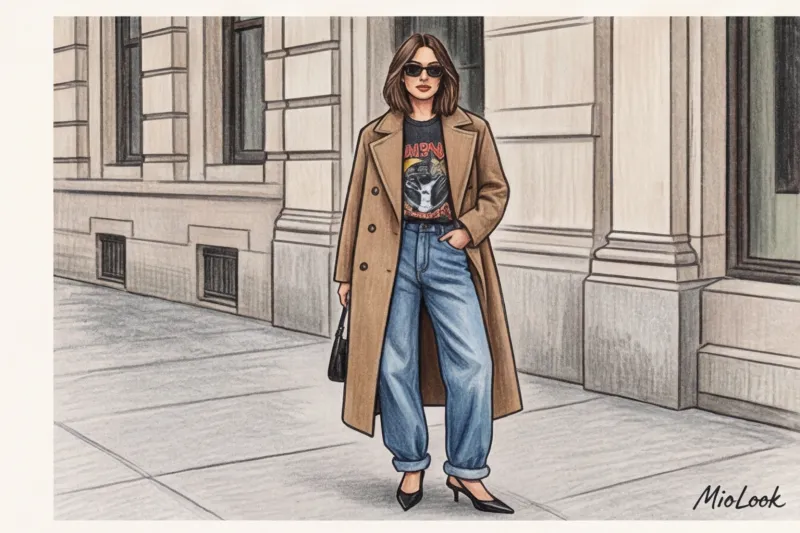
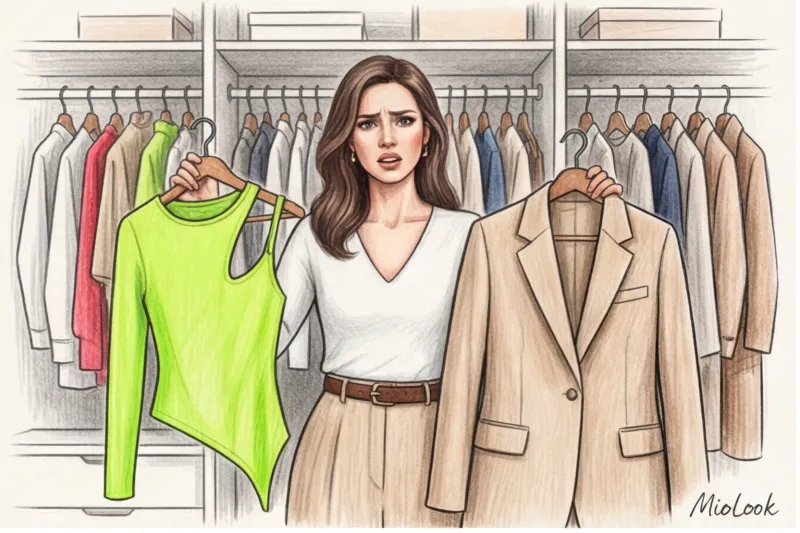
Как же тогда адаптировать трендовые настроения, не теряя собственной идентичности? Секрет заключается в формуле, которую мы с коллегами-стилистами называем правилом 80/20. Ровно 80% вашего гардероба должна составлять выверенная база (ваша стилистическая ДНК) — вещи с идеальной посадкой, подходящей вам палитрой и понятными фактурами, вроде плотного хлопка или гладкой костюмной шерсти. Оставшиеся 20% отводятся под акцентные маркеры выбранной эстетики.
Допустим, вам хочется внедрить бунтарский Y2K в повседневную жизнь. Не нужно надевать микро-юбку с заниженной талией и топ со стразами одновременно. Возьмите свои проверенные прямые джинсы и лаконичный кашемировый свитер, но дополните их сумкой-багетом из металлизированной кожи и массивными кроссовками. Этот микро-штрих покажет вашу насмотренность, но сохранит благородство образа.
Доступ к MioLook за €0,99 — разовый платёж
Начните создавать идеальные образы с помощью искусственного интеллекта
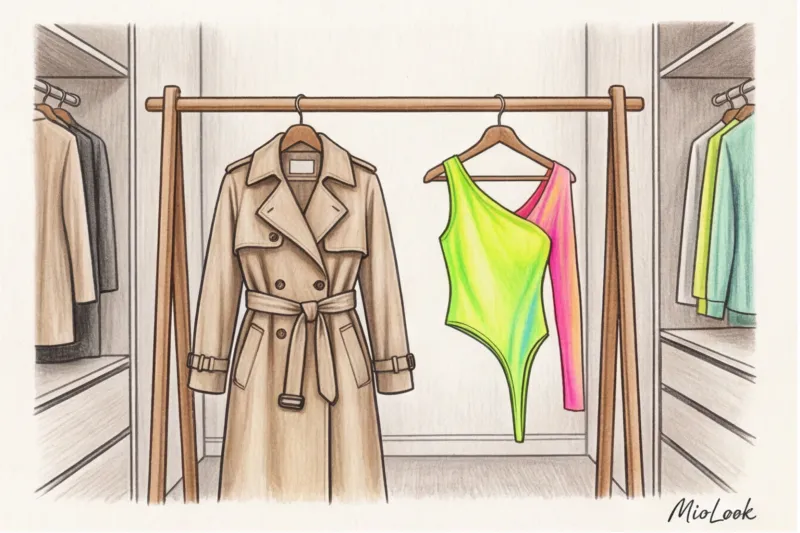
Открыть доступ — €0,99 разовоВысший пилотаж, который сегодня демонстрируют мировые инфлюенсеры, — это намеренное столкновение противоположностей (clash of aesthetics). Суть приема в том, чтобы создать визуальное напряжение между несочетаемыми вещами. Попробуйте взять гипер-романтичное, струящееся платье с кружевом или бантами из эстетики Coquette и усмирить его строгим, графичным пиджаком с гипертрофированными плечами из Corporate Core.
«Жесткая, тейлоринговая форма мужского плеча компенсирует излишнюю инфантильность и текучесть романтичной ткани. Вы получаете сложный, интеллектуальный силуэт вместо приторного наряда куклы»
Мой личный совет по стилизации: всегда ищите баланс фактур и смыслов. Гладкое нуждается в шероховатом, наивное — в брутальном, а винтажное — в ультрасовременном. В следующий раз, когда захотите примерить на себя эстетику Mob Wife или Cottagecore, купите всего одну характерную деталь и интегрируйте её в свой привычный ритм. Именно такая стилистическая недосказанность делает образ по-настоящему дорогим и неповторимым.
Пошаговый план: как найти свою модную эстетику и не потерять себя
Сегодня социальные сети предлагают нам пройти десятки тестов в духе «Узнай свою эстетику за 5 минут». Но настоящий персональный стиль не строится на быстрых алгоритмах TikTok. Замечали ли вы, как легко влюбиться в красивую картинку с экрана, но как тяжело потом носить эту влюбленность в реальной жизни? Перебирая модные эстетики как визуальные фильтры в смартфоне, мы рискуем превратить свой шкаф в костюмерную театрального кружка, где много ролей, но нет нас самих. Чтобы тренд работал на вас, а не вы обслуживали его, необходим системный подход. Ниже я собрала проверенный алгоритм, который поможет вам адаптировать актуальные направления без потери собственной идентичности.
Шаг 1. Анализ образа жизни (Lifestyle audit)
На моей практике большинство стилевых разочарований происходит из-за конфликта фантазии и реальности. В психологии моды есть понятие «фантазийное я» (Fantasy Self) — та идеальная версия нас, которая каждый вечер посещает выставки современного искусства и пьет игристое на бранчах. Мы часто покупаем одежду именно для нее. Но это не работает. Нет никакого смысла скупать элементы эстетики Y2K — заниженные карго, облегающие лонгсливы и дерзкие кроп-топы, — если вы пять дней в неделю с 9:00 до 18:00 работаете в банке со строгим корпоративным кодом. Возьмите лист бумаги и составьте честную диаграмму своей недели в процентах. Если 70% вашего времени занимает офис и деловые встречи, то именно рабочая капсула должна стать вашей основной инвестицией, а микро-тренды можно оставить на оставшиеся 10% времени для выходных.
Шаг 2. Психологическая синхронизация и архетипы
Связь эстетики с вашими внутренними архетипами — это не эзотерика, а абсолютно рабочий инструмент глубокой стилизации. Наша одежда — это невербальный язык, и он должен звучать правдоподобно. Если ваш ведущий архетип «Правитель» (The Ruler), транслирующий контроль, статус и стабильность, вы будете максимально органичны в эстетике Old Money. Плотные дорогие ткани, идеальный тейлоринг и классическая посадка подчеркнут вашу внутреннюю силу. А вот архетип «Творец» (The Creator) в бежевом кашемировом кардигане буквально зачахнет — ему жизненно необходимо нарушать правила и ломать пропорции. Для такого типажа идеальным полем для экспериментов станет Гранж или сложная Эклектика с деконструкцией в духе архивов Maison Margiela. Если же в вас силен «Эстет» (The Lover), которому важна чувственность и тактильность, присмотритесь к Coquette с ее обилием шелка и бантов.
«Чтобы кристаллизовать свое ДНК стиля до похода в магазин, попробуйте метод "Трех слов" (Three-Word Method), который популяризировала нью-йоркский стилист Эллисон Борнштейн. Первое слово описывает вашу практичную базу (например, "классический"), второе — желаемое ощущение ("расслабленный"), а третье — ту самую эстетику ("гранж"). Итог: "классический расслабленный гранж". Это ваш личный фильтр, отсекающий 90% ненужных вещей на шопинге.»
Шаг 3. Создание мудборда, который действительно работает
Как мы обычно используем Pinterest? Сохраняем фотографии Беллы Хадид на яхте или инфлюенсеров на фоне парижских кафе. Проблема в том, что мы «пиним» внешность моделей, идеальный студийный свет и атмосферу, а не саму одежду. Чтобы мудборд стал функциональным инструментом, начните фильтровать картинки под свою фигуру, климат и реальность. Вводите в поиск предельно конкретные запросы: не просто «office siren», а «office siren outfit mid-size winter». Мой главный лайфхак: мысленно «отрезайте» лицо модели на сохраненных фото. Спросите себя: нравится ли вам сам крой, посадка брюк и сочетание фактур, или вы просто хотите быть похожей на эту успешную девушку с картинки?
Метод интеграции: от визуального вдохновения к реальному гардеробу
Переход от визуальной теории к реальной практике должен быть бесшовным. Ни в коем случае не пытайтесь скупить готовый total look с манекена или из каталога — это прямой путь к тому, чтобы выглядеть переодетой, словно вы участвуете в косплее.
Начните с аксессуаров. Это самый безопасный, рациональный и, что немаловажно, бюджетный способ протестировать тренд, не внося хаос в шкаф. Очки в тонкой прямоугольной оправе мгновенно добавят вашему привычному строгому брючному костюму интеллектуальный вайб Office Siren. А структурированная сумка из гладкой кожи без логотипов за €300–400 (например, от брендов среднего сегмента вроде Polène или DeMellier) интегрирует правильную ноту Quiet Luxury в ваш повседневный образ без необходимости приобретать пальто из премиальной шерсти за космические суммы.
Тестируйте эстетику через цвета и фактуры. Прежде чем покупать сложные архитектурные фасоны или непривычный крой, попробуйте внедрить характерную палитру. Вам откликается романтичный Rom-Com Core? Не спешите облачаться в кружева с ног до головы. Добавьте в свою понятную базу шелковую блузу с едва заметным воланом или базовый кардиган характерного пастельно-розового оттенка. Для проверки эстетики Y2K достаточно добавить в гардероб топ с эффектом металлик, надев его под ваш любимый классический жакет.
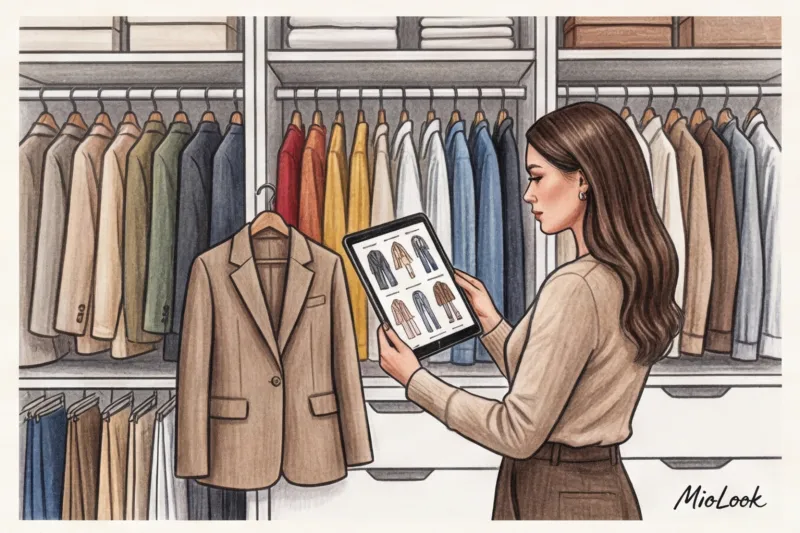
Золотое правило примерки. Я называю его «тест трех сочетаний». Если вещь из новой модной эстетики не сочетается минимум с тремя вещами из вашей уже существующей базы — смело оставляйте ее в магазине. Каким бы красивым ни был этот корсет, без нужного окружения он гарантированно повиснет мертвым грузом на вешалке. Чтобы визуализировать эти сочетания прямо в примерочной и избежать импульсивных трат, я рекомендую использовать функцию «умный гардероб» в приложении MioLook. Вы просто загружаете свою базу в телефон и в режиме реального времени проверяете, как новый трендовый элемент встроится в вашу жизнь и сколько реальных образов вы сможете с ним составить.
Интеграция модных эстетик в карьерный гардероб
Исследования в области когнитивной психологии доказывают: нашему мозгу требуется всего около одной десятой доли секунды, чтобы составить мнение о незнакомом человеке по его лицу и силуэту. В контексте бизнеса это перерастает в impression management (управление впечатлением). Элементы актуальных эстетик в офисе — это не просто дань мимолетной моде, это ваш невербальный питч. Внедряя их в рабочий гардероб, мы кодируем совершенно конкретные сигналы для стейкхолдеров: от инновационности мышления до абсолютной финансовой надежности.
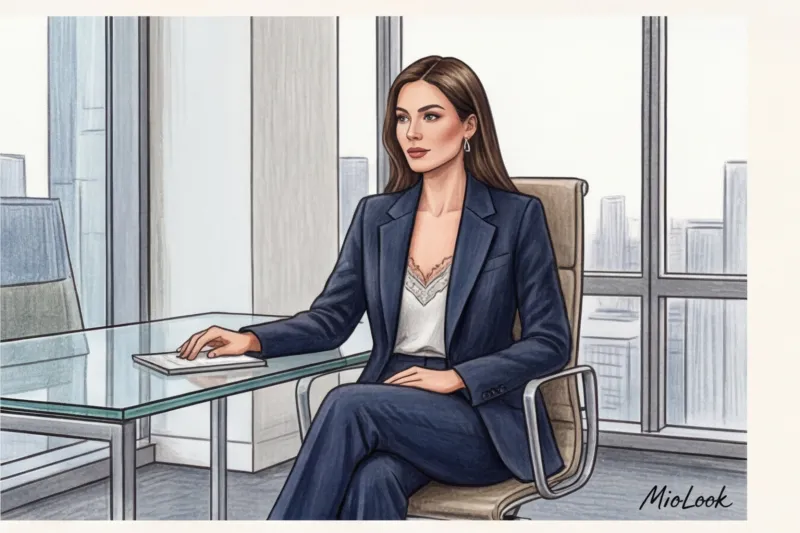
Для экспертов, топ-менеджеров и предпринимателей у меня есть жесткое, но честное правило: ваша визуальная упаковка должна соответствовать вашему чеку. Если вы продаете консалтинг или услуги за $1000 в час, клиенты подсознательно ищут маркеры статуса и уверенности. Здесь безупречно работает точечная интеграция эстетики Quiet Luxury. Кашемировый джемпер сложного оттенка taupe, наброшенный на плечи поверх строгой рубашки, или идеально скроенный жакет из плотной шерсти без кричащих логотипов транслируют главное — вам можно доверять большие бюджеты. Вы не доказываете свой успех, вы транслируете его как данность.
Секреты адаптации: Corporate Core в рамках Business Formal
Многие мои клиентки из корпоративного сектора опасаются тренда Office Siren, считая его слишком провокационным для строгого регламента. Однако быть Corporate Core — не значит нарушать HR-протокол. Секрет кроется в ювелирной работе с пропорциями и фактурами, а не в откровенности нарядов.
Если правила вашей компании требуют Business Formal (строгий костюм, закрытая обувь), мы меняем не саму базу, а ее геометрию. Замените привычный прямой пиджак на модель с акцентированной линией талии и жестким плечом, вдохновленную архивами Prada 90-х. Вместо глухого черного цвета выбирайте глубокий оттенок эспрессо, горького шоколада или графит — при искусственном офисном освещении они выглядят в разы дороже. Юбка-карандаш остается в арсенале, но мы следим, чтобы ее длина закрывала колено ровно на два пальца. Этот прием визуально вытягивает силуэт и добавляет той самой интеллектуальной эстетики, не выходя за рамки делового этикета.
Статусные аксессуары: микродетали решают все
Когда крупная форма скована жестким дресс-кодом, ваша насмотренность проявляется исключительно в микродеталях. Именно статусные аксессуары выдают профессионала, который обладает безупречным вкусом, но не становится бездумной жертвой фаст-фэшна.
- Оптика как стейтмент: Забудьте про скучные невидимые оправы. Очки в тонкой прямоугольной оправе (черепаховой или винно-бордовой) — мощнейший маркер эстетики Office Siren. Они мгновенно добавляют лицу собранности и академического шика.
- Умный выбор обуви: Если открытый мыс запрещен регламентом, инвестируйте в туфли-слингбэки с вытянутым, чуть заостренным мысом на микро-каблуке kitten heel (высота 3-4 см). Это изящная отсылка к минимализму конца 90-х, которая легко проходит фильтр 90% офисных правил.
- Часы и ремни: Никаких массивных пряжек с инициалами брендов. Выбирайте винтажные или классические модели часов на тонком кожаном ремешке (в духе легендарных Cartier Tank) и лаконичные гладкие ремни шириной не более 3 сантиметров.
Искусство современного делового стиля — это умение играть по правилам индустрии, оставляя за собой право на тонкую индивидуальность. Ваш костюм может соответствовать всем протоколам, но именно правильные элементы эстетик расскажут партнерам, что перед ними человек нового времени.
Ваш идеальный образ начинается здесь
Присоединяйтесь к тысячам пользователей, которые каждый день выглядят безупречно с MioLook. Искусственный интеллект поможет собрать статусные капсулы для офиса без лишних трат.
Открыть доступ — €0,99 разовоУмное управление стилем: как MioLook помогает приручить тренды
Согласно последнему отчету Глобального индекса устойчивости моды (2024), 65% купленных на волне микро-трендов вещей надеваются менее трех раз. Когда новые модные эстетики сменяют друг друга каждый сезон, наша первоочередная реакция — немедленно отправиться на шопинг, чтобы соответствовать духу времени. Психологи называют это иллюзией трансформации: нам кажется, что покупка новой трендовой вещи автоматически сделает нас причастными к желанному образу жизни. Но как профессиональный стилист, я настаиваю на контринтуитивном подходе: при смене визуального вектора грамотное управление гардеробом в десятки раз важнее покупки новой одежды. Бесконечный шопинг под каждую новую Core-волну — это прямой путь к захламленному шкафу, где вещи не «разговаривают» друг с другом, а ваш бюджет растворяется в однодневных трендах.
Секрет осознанного, дорогого стиля начинается с глубокого аудита. Оцифровка гардероба — это не просто перенос фотографий одежды в смартфон, это аналитический срез вашего персонального ДНК. Когда мои клиентки начинают системно загружать свои вещи в приложение, мы практически всегда сталкиваемся с мощным инсайтом: элементы нужной эстетики уже висят на их вешалках. Оцифровка позволяет получить беспристрастную визуальную статистику. Вы наглядно видите, какие цветовые блоки, фактуры и настроения преобладают в вашей базе прямо сейчас, до того, как вы потратите хотя бы один доллар на новые эксперименты.
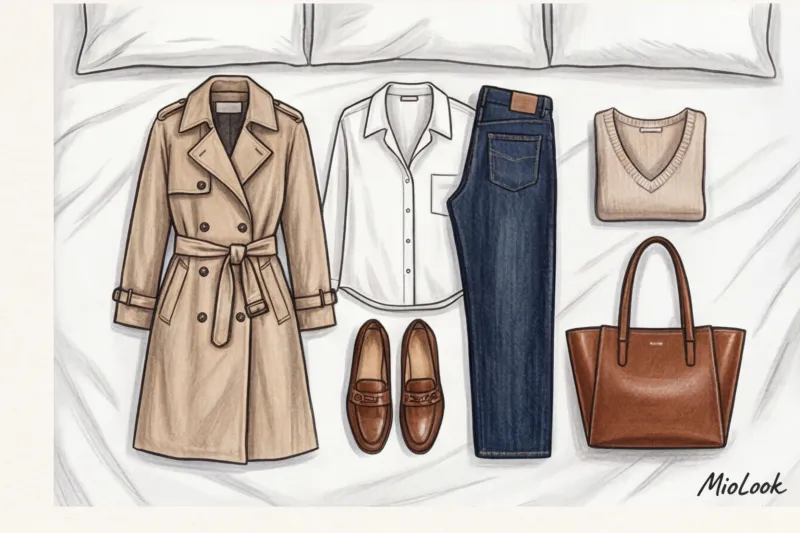
Именно на стыке старых привычек и новых трендов на помощь приходят технологии. В своей стилистической практике я давно отказалась от «слепых» рекомендаций. Теперь, прежде чем посоветовать клиентке инвестировать $350 в акцентную юбку карго с низкой посадкой в духе Y2K или $900 в замшевые лоферы для создания безупречного образа Old Money, мы тестируем эту гипотезу через ИИ-стилиста в приложении MioLook.
Как это работает на практике? Функция виртуальной примерки позволяет бесшовно интегрировать желаемую эстетику в ваш реальный оцифрованный гардероб. Вы выбираете потенциальную трендовую вещь и смотрите, как умные алгоритмы собирают с ней комплекты из вашей текущей базы. Если ИИ-ассистент не может составить хотя бы 4-5 гармоничных образов с вашими любимыми базовыми джинсами, классическими жакетами или повседневной обувью — это неопровержимый сигнал, что покупка станет «вещью-одиночкой» и мертвым грузом. Это абсолютно безопасный инструмент: вы примеряете смелые, деконструированные силуэты Y2K или лаконичную тихую роскошь без малейшего риска потратить деньги впустую.
«Цифровой гардероб — это ваше персональное зеркало правды. Мы часто покупаем фантазийную версию себя: ту, которая каждый день носит шелковые комбинации или строгие костюмы-тройки. Технологии же возвращают нас в реальность, показывая честную математику нашего реального стиля», — этот принцип я повторяю на каждой консультации по осознанному потреблению.
Играть с модой можно и нужно, но правила этой игры бесповоротно изменились. Сегодня самый статусный тренд — это не лимитированная сумка, а осознанность и доскональное знание себя. Эстетики будут приходить и уходить, социальные сети продолжат генерировать новые названия каждую неделю, но ваш личный почерк должен оставаться непоколебимым фундаментом, на который лишь аккуратно наслаиваются микро-тренды.
Вот мой финальный совет, который вы можете применить уже в эти выходные, чтобы перейти от теории к практике: выберите 15 самых любимых, качественных и часто носимых вещей из вашего шкафа. Оцифруйте их в MioLook и позвольте алгоритму показать вам новые, свежие комбинации. Возможно, ваша идеальная эстетика уже ждет вас, просто ей нужен современный, технологичный взгляд.
Главы гайда
Кокеткор стиль в одежде: женственность для взрослых
Эстетика кокеткор — это не только розовые банты для подростков. Узнайте, как внедрить тренд на новую женственность во взрослый элегантный гардероб.
Как сочетать стили в одежде: правила эклектики
Забудьте устаревшие правила базового гардероба. Откройте для себя искусство эклектики и научитесь смешивать противоположные эстетики как профессиональный стилист.
Коттеджкор стиль одежды: как носить в городе
Как носить пышные платья и корсеты в мегаполисе и не выглядеть театрально? Учимся интегрировать загородную эстетику в повседневный городской гардероб.
Корейский стиль одежды женский: секреты стритстайла
Забудьте о клише с микро-юбками и плюшевыми худи. Узнайте, как создать взрослый, статусный и элегантный образ в эстетике K-core.
Стиль гранж женский: современная эстетика 90-х
Сегодня гранж — это не подростковый бунт, а интеллектуальная и роскошная эстетика. Рассказываем, как правильно внедрить этот стиль в современный гардероб.
Дарк академия стиль в одежде: интеллектуальный шик
Dark Academia — это больше, чем тренд из TikTok. Разбираем, как создать элегантный и статусный гардероб с помощью эстетики закрытых школ.
Славик кор стиль: как носить славянский шик зимой
Разбираем на молекулы самую роскошную эстетику зимы — Slavic Girl Core. Узнайте, как стилизовать меха и статусные акценты в повседневной жизни.
Стиль Y2K одежда: как носить тренды нулевых после 25 лет
Эстетика нулевых возвращается, но копировать подростковые образы из TikTok больше не нужно. Узнайте, как создать элегантный и статусный Y2K-гардероб.
Стиль жены мафиози: тренд Mob Wife и дерзкая роскошь
Эпоха минимализма и «тихой роскоши» уступает место дерзкому тренду Mob Wife. Разбираем, как внедрить леопард, меха и массивные украшения в свой гардероб.
Нейросеть для подбора стиля одежды: примеряем эстетику
Около 80% вещей с бирками в шкафу — результат неудачных модных экспериментов. Узнайте, как искусственный интеллект помогает найти свой стиль без лишних трат.
Стиль клин герл: эстетика, минимализм и гардероб
Разбираем самую требовательную эстетику современности. Узнайте, как создать иллюзию непринужденной ухоженности и собрать идеальный базовый гардероб.
Как найти свой стиль одежды: эстетика и пошаговый гайд
Пошаговое руководство от стилиста по поиску своей модной эстетики. Учимся адаптировать популярные микротренды под внешность и образ жизни.
Стиль олд мани женский: как создать дорогой образ
Как выглядеть статусно, не тратя миллионы? Практическое руководство от стилиста по созданию эстетики Old Money с помощью правильных тканей и кроя.
Тихая роскошь стиль одежды: правила эстетики
Тихая роскошь — это не скучный минимализм, а осознанный подход к гардеробу, где правят безупречный крой и дорогие фактуры. Разбираем главные отличия и правила.
Офисная сирена стиль: чувственный деловой дресс-код
Эстетика Office Siren мощно возвращает женственность в корпоративную среду. Разбираем, как носить чувственные деловые образы и выглядеть профессионально.