Вы когда-нибудь задумывались, почему две внешне идентичные белые рубашки могут стоить 30 € и 150 €? Разница не в логотипе бренда и не в магии маркетинга. Разница в том, что написано мелким неразборчивым шрифтом на внутреннем шве. Для меня, как стилиста, работающего с премиальными гардеробами, этикетка — это не просто инструкция по стирке. Это строгий финансовый документ. Умение понимать, как читать этикетки на одежде, определяет, инвестируете ли вы в свой имидж или просто выбрасываете деньги на ветер.
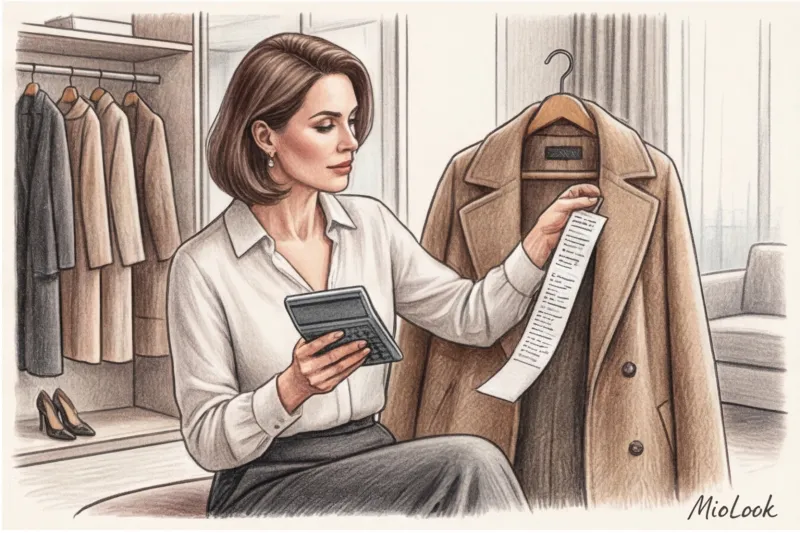
Создавая долговечную базу, мы должны смотреть глубже красивого фасада. Подробнее о фундаментальных материалах я уже рассказывала в нашем полном гиде Ткани: как выбрать качественную одежду для капсулы, но сегодня мы займемся жесткой аналитикой вашего шкафа и разоблачением уловок масс-маркета.
Инвестиция или убыток: почему вопрос, как читать этикетки на одежде, определяет ваш бюджет
Идеальный крой никогда не спасет дешевый материал. За 12 лет практики я видела сотни потрясающе скроенных жакетов, которые теряли свой лоск после первой же химчистки.
Одна из моих клиенток, Елена, однажды решила провести эксперимент. Несмотря на мои уговоры, она купила две белые рубашки: одну в масс-маркете за 30 €, вторую — у премиального итальянского бренда за 150 €. Визуально в примерочной они казались близнецами. Но спустя пять стирок рубашка за 30 € перекосилась в боковых швах, а воротник пошел пузырями. Почему? Потому что масс-маркет использовал коротковолокнистый хлопок и дешевые полиэстеровые нити для швов, которые дают разную усадку при стирке. Премиальная вещь осталась безупречной.
«Мы не настолько богаты, чтобы покупать дешевые вещи. В моделях быстрой моды заложена программа самоуничтожения, прописанная прямо в их составе».
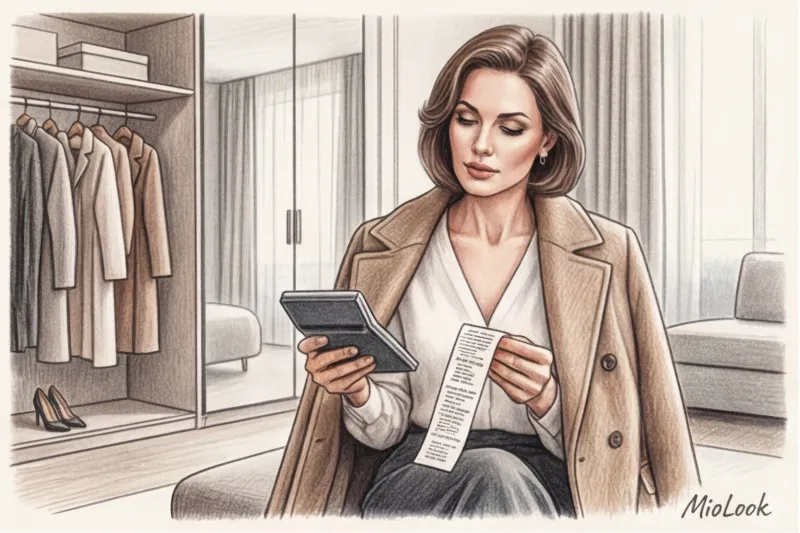
Здесь вступает в игру концепция Cost-Per-Wear (стоимость за одно надевание). Рубашку за 30 € Елена надела 5 раз. Итог: 6 € за выход. Рубашку за 150 € она носит уже два года, надев ее минимум 50 раз. Итог: 3 € за выход. Дорогая вещь с правильным составом оказалась в два раза выгоднее.
Анатомия правильного ярлыка: где искать правду о составе ткани
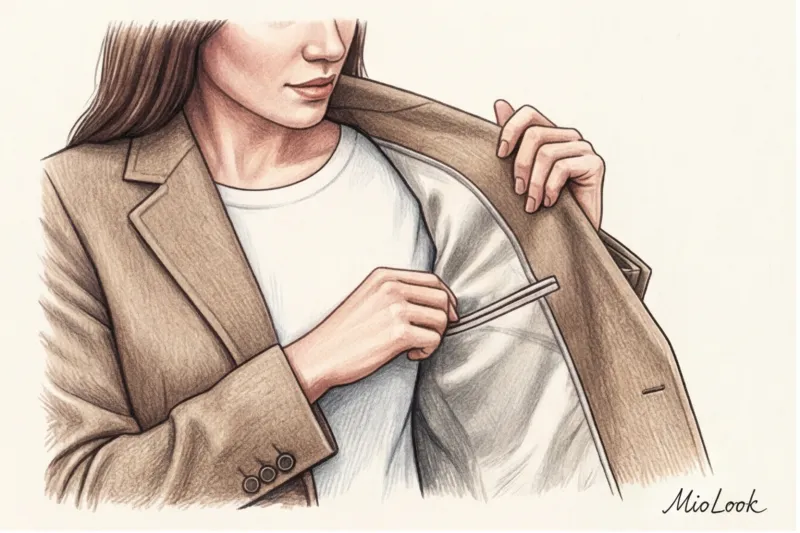
Никогда не верьте картонной бирке на воротнике. На ней маркетологи пишут то, что вы хотите прочитать. Настоящая правда всегда скрыта на невзрачном техническом ярлыке, вшитом во внутренний боковой шов изделия.
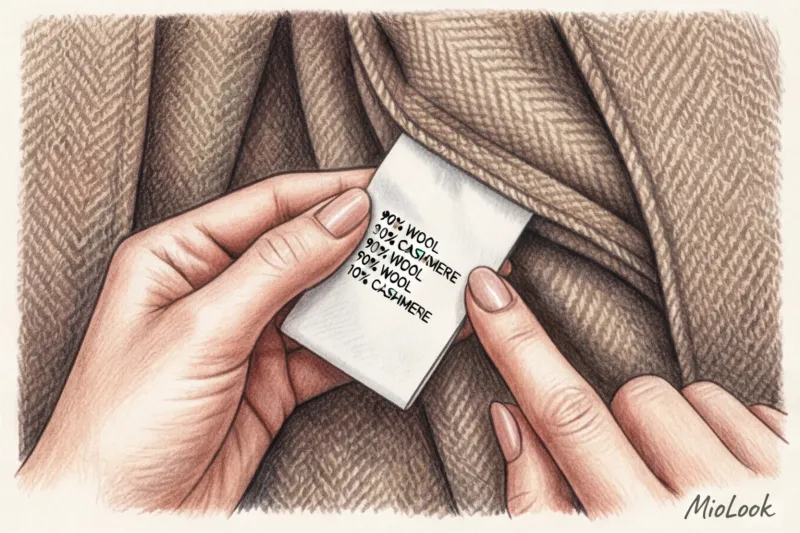
Главное правило того, как читать этикетки на одежде — правило убывания. Ингредиенты перечисляются строго в порядке уменьшения их процентной доли. Если на роскошном свитере крупно написано «Cashmere», но на внутреннем ярлыке кашемир стоит на четвертом месте после вискозы, нейлона и акрила — перед вами не инвестиция, а дорогостоящая иллюзия.
Согласно международным стандартам сертификации (включая строгие регламенты Oeko-Tex), производитель обязан указывать все компоненты. Однако будьте внимательны к пометке «exclusive of decoration» (за исключением отделки). Качественные бренды всегда прозрачны и отдельно прописывают состав основной ткани и состав подкладки. Если состав подкладки жакета скрыт — это тревожный сигнал. Скорее всего, там 100% полиэстер.
Попробуйте MioLook бесплатно
Умный AI-стилист подберёт идеальный образ на основе вашего гардероба и предпочтений.
Начать бесплатноМиф о «100% натуральности»: когда синтетика делает вещь лучше
Пора развеять один из главных мифов индустрии: 100% натуральная ткань — это не всегда благо. В погоне за экологичностью многие совершают фатальную ошибку, покупая деловой костюм из 100% шерсти или 100% льна, а затем жалуются на вытянутые колени и помятый вид к середине рабочего дня.
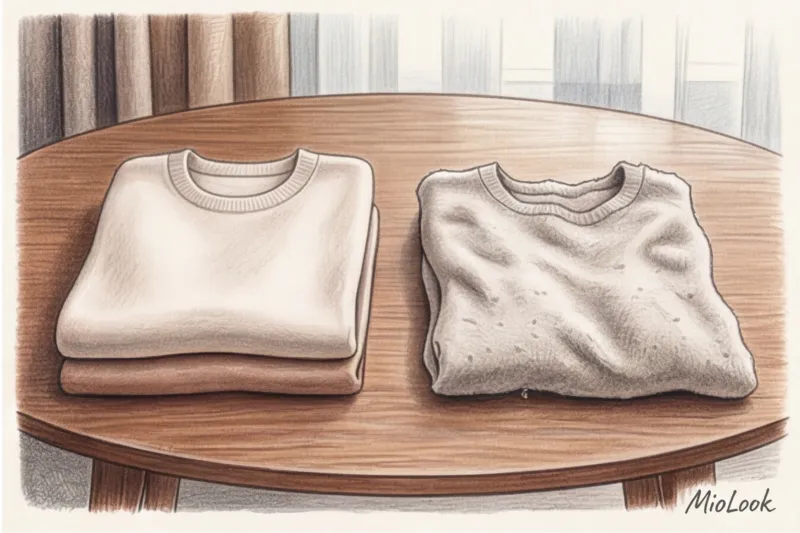
На самом деле, небольшая примесь синтетики (до 5–10%) в шерстяном женском деловом костюме или хлопковых брюках критически необходима. Эластан или качественный полиамид работают как арматура в бетоне — они возвращают ткани первоначальную форму после того, как вы встаете со стула. Понимать, как читать ярлыки на одежде, значит отличать дешевую синтетику, удешевляющую вещь, от «умной», продлевающей ей жизнь.
Полиэстер полиэстеру рознь
Слово «полиэстер» вызывает панику у адептов натурального гардероба, но давайте будем объективны. Есть дешевый «скрипучий» полиэстер из масс-маркета, в котором кожа задыхается через 15 минут. А есть высокотехнологичный (high-tech) японский или итальянский полиэстер.
В каких вещах полиэстер оправдан? Плиссированные юбки (без синтетики складки разойдутся после первой стирки), тренчи, спортивный шик и пуховики. Где он категорически недопустим? Летние платья, базовые футболки, блузы и белье.
Золотые пропорции смесовых тканей
Чтобы вещь служила годами, ищите на бирках эти золотые стандарты:
- Формула 80/20 или 95/5: Идеальная пропорция для брюк (95% шерсть/хлопок + 5% эластан).
- Кашемир + шелк (обычно 70/30): Шелк добавляет хрупкому кашемиру прочность на разрыв и невероятный благородный блеск.
- Акриловый лимит: Исследования текстильных лабораторий (в частности, данные отчетов WGSN за 2024 год) показывают, что трикотаж с содержанием акрила более 30% неизбежно пиллингуется (покрывается катышками) в зонах трения уже через месяц носки. Если акрила больше половины — оставьте вещь в магазине.
Главные ткани для статусного гардероба: во что действительно стоит инвестировать
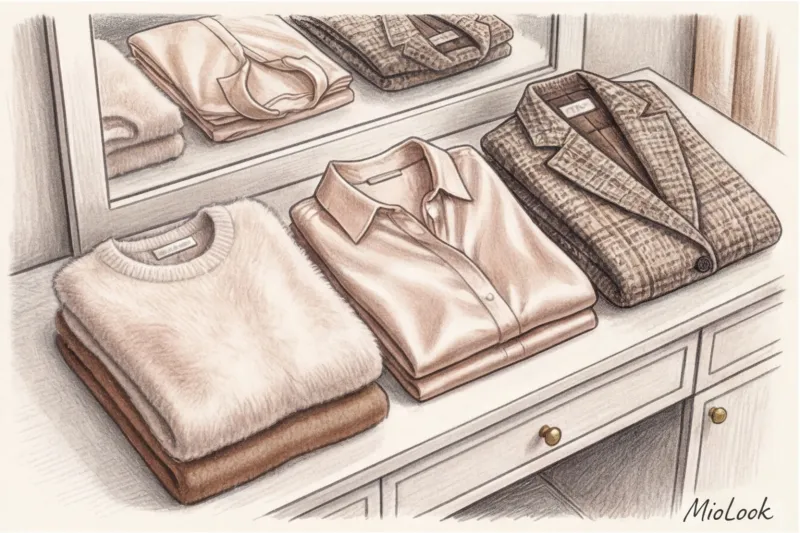
Посещая текстильные фабрики в итальянской Бьелле, я научилась на ощупь отличать премиальное сырье. Статусный гардероб строится на материалах, которые красиво стареют. Вот маркеры люкса, которые вы должны искать на этикетках:
- Virgin Wool (шерсть первого пострига): Самая мягкая шерсть ягнят. Она не колется и обладает естественными водоотталкивающими свойствами.
- Mulberry silk (шелк Малбери): Натуральный шелк высшего сорта, производимый тутовыми шелкопрядами. Отличается жемчужным сиянием, а не стеклянным блеском.
- Pima cotton (хлопок Пима) или Sea Island: Хлопок с экстрадлинными волокнами. Футболки из него выглядят как шелковые и не перекручиваются после стирки.
Если бюджет не позволяет покупать 100% шелк, ищите благородные искусственные ткани из натурального сырья (целлюлозы). Вискоза, купро, модал и тенсель — это великолепные дышащие альтернативы, которые струятся по телу не хуже шелка.
Также обращайте внимание на сертификаты качества. Значок Woolmark на этикетке гарантирует, что перед вами 100% натуральная шерсть премиального качества, прошедшая строгие тесты на износостойкость.
Ловушки масс-маркета: как бренды манипулируют составами на этикетках
Ритейлеры прекрасно знают, что покупатели стали умнее, поэтому методы маскировки дешевого сырья эволюционировали. Вот главные ловушки, в которые попадают 8 из 10 моих новых клиенток:
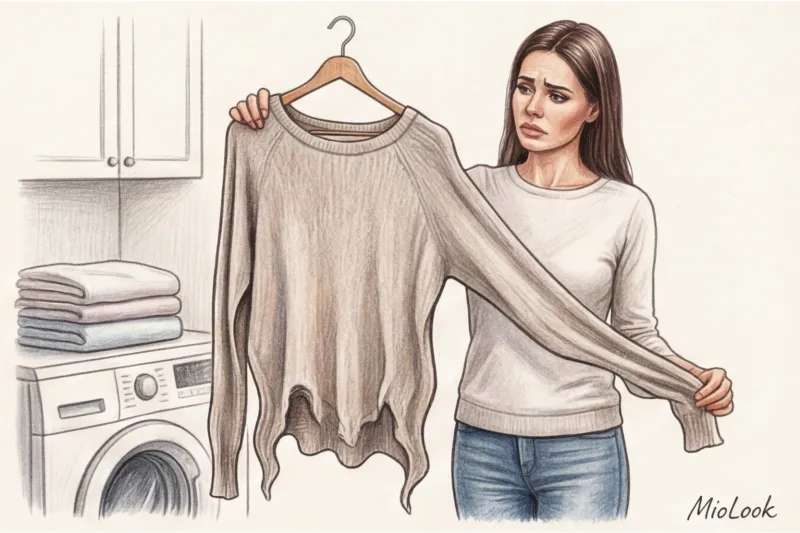
1. Маркетинговая уловка «Cashmere blend» (кашемировый микс). Вы видите крупный красивый шрифт на груди свитера, покупаете его за 70 €, а дома, начав читать этикетки на одежде, обнаруживаете: 70% вискоза, 25% нейлон и… 5% кашемира. Вы заплатили за слово, а не за материал.
2. Удешевление за счет изнанки. Это самая частая боль при выборе пальто и жакетов. Бренд делает верх из великолепной дорогой шерсти, но ставит подкладку из 100% дешевого полиэстера. В итоге вы получаете роскошный шерстяной жакет с эффектом парника. Дорогая вещь обязана иметь подкладку из вискозы, купро или шелка.
3. Замаскированные названия. Дешевый полиакрил часто прячут за красивыми торговыми названиями (например, ПАН-волокно или орлон). Суть от этого не меняется — это пластик.
Ваш идеальный образ начинается здесь
Присоединяйтесь к тысячам пользователей, которые каждый день выглядят безупречно с MioLook.
Начать бесплатноСвязь ткани с вашим имиджем: как состав влияет на впечатление
Ваша одежда говорит до того, как вы откроете рот. Особенно это критично для публичных выступлений, собеседований или важных переговоров. Плохие ткани выдают себя мгновенно.
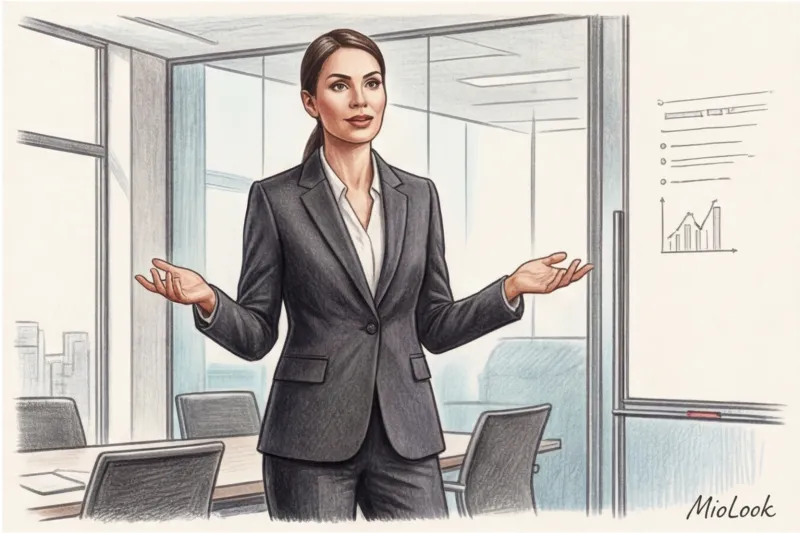
Дешевая синтетика дает специфический «стеклянный» блеск под искусственным освещением офиса или софитами на сцене. Она накапливает статическое электричество, из-за чего юбка предательски липнет к колготкам, разрушая элегантный силуэт. Более того, 100% полиэстеровая блуза на важном выступлении — это гарантированные пятна пота, которые будут видны всем.
Здесь работает прямая психология комфорта: когда на вас дышащая шерсть Super 120s или плотный шелк, ваше тело расслаблено. Вы не одергиваете юбку, не потеете от стресса в «пластиковой» оболочке. Ваш язык тела становится более уверенным и открытым.
Практический чеклист МиоЛук: тестируем ткань прямо в магазине
Теория мертва без практики. Вот что стилисты делают на шопинг-сопровождении до того, как посмотрят на ценник.
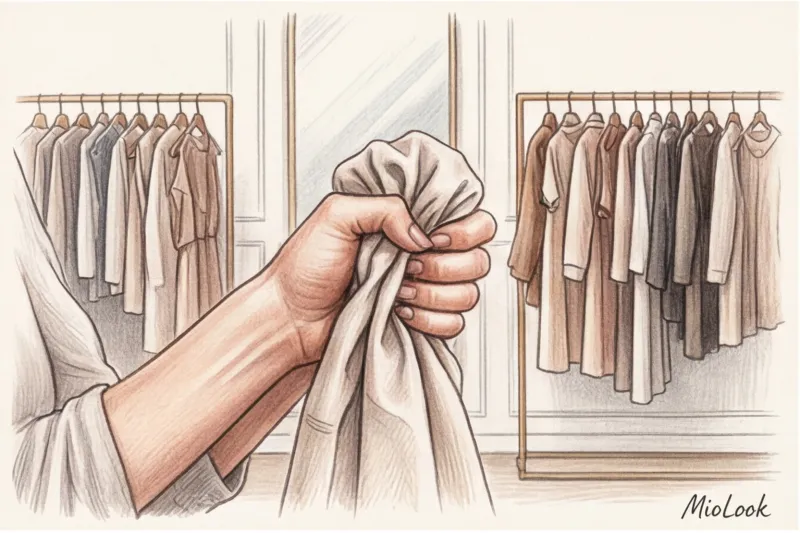
- Крэш-тест (смятие). Сожмите край ткани (лучше в районе подола) в кулаке на 10 секунд. Отпустите. Если ткань осталась жеваной — она будет выглядеть так же через час сидения в офисе. Ограничение: этот тест НЕ работает для 100% натурального льна — он мнется всегда, и в этом его аристократичный шарм.
- Тест на просвет. Поднесите футболку или рубашку к свету лампы в магазине. Если вы четко видите контуры своих пальцев сквозь ткань — она слишком тонкая. Ищите хлопок плотностью от 180 г/м².
- Тест на возврат формы. Слегка потяните трикотаж в ширину и отпустите. Он должен мгновенно и упруго вернуться в исходное состояние. Если край остался волнистым — в составе нет эластана или плетение слишком рыхлое.
- Тактильный тест «вслепую». Закройте глаза и проведите рукой по ряду одежды на вешалке. Учитесь доверять кончикам пальцев. Натуральные ткани всегда ощущаются чуть прохладными и «живыми» в отличие от синтетики.
Когда вы найдете вещи с идеальными составами, рекомендую сразу оцифровать их, загрузив в приложение MioLook. Искусственный интеллект поможет составлять образы так, чтобы вы не занашивали любимые кашемировые свитеры каждый день, давая волокнам время на «отдых» (да, натуральной шерсти нужно 24 часа, чтобы восстановить форму после носки).
Ваш следующий шаг: домашний аудит гардероба по ярлыкам
Чтение статей об инвестиционном гардеробе не изменит ваш стиль, пока вы не примените знания на практике. Ваше задание на сегодня: откройте шкаф, достаньте 5 самых любимых, часто надеваемых вещей и 5 тех, что висят мертвым грузом или быстро потеряли вид.
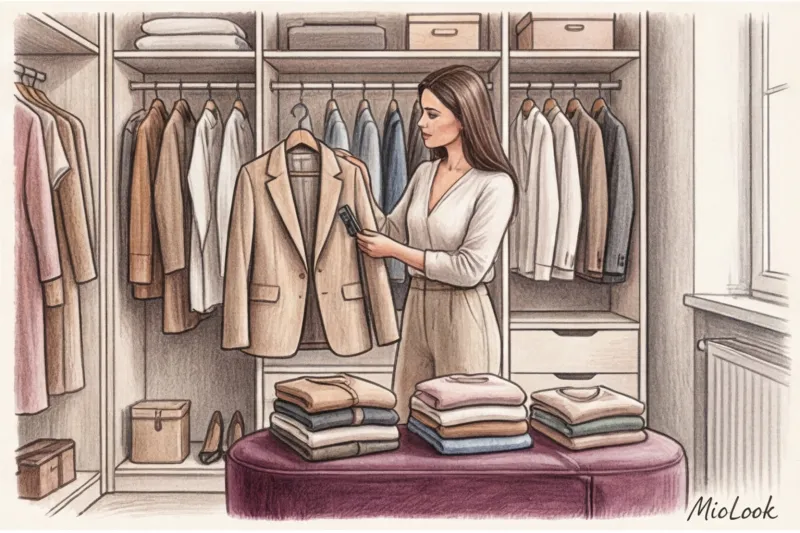
Выверните их наизнанку и изучите этикетки. Вы почти гарантированно обнаружите закономерность. Те брюки, что сидят идеально уже три года, скорее всего, состоят из качественной шерсти с каплей эластана. А тот свитер, который хочется выбросить — на 60% из акрила.
Составьте свой личный «стоп-лист» материалов на основе этого аудита. Внесите в него ткани, которые не подходят именно вашему образу жизни. В следующий раз, зайдя в магазин, вы будете смотреть не на манекены, а сразу на внутренние швы. И это — первый и самый важный шаг к по-настоящему статусному и умному гардеробу.