Знаєте, яка річ у моєму гардеробі збирає найбільше запитань на кшталт «Це нова колекція Max Mara?»? Двобортне пальто із Zara, яке я купила вісім років тому на розпродажі за 120€. Секрет його ідеального стану криється не в преміальному походженні, а в банальній щітці одягу і відмові від частих хімчисток.
Працюючи персональним стилістом понад дванадцять років, я постійно стикаюся з однією і тією самою ілюзією: дівчата впевнені, що для бездоганного вигляду потрібно купувати виключно дорогий люкс. Але сувора математика гардероба (Cost Per Wear, або ціна за вихід) говорить про інше. Светр з H&M за 50 €, якого правильно доглядають, прослужить вам п'ять років і обійдеться в копійки за кожну шкарпетку. Дорогий кашемір, кинутий у пральну машину з агресивним порошком, втратить вигляд за місяць.
Детальніше про філософію дбайливого споживання ми розповідали у нашому повному гіді за екологічним гардеробом. Справжня екологічність - це не покупка чергової футболки з ярликом Eco-friendly, а вміння зберегти те, що вже висить у вашій шафі. У цій статті я розповім, як продовжити життя речам за допомогою простих, але неочевидних звичок, які заощадять сотні євро кожного сезону.
Хімчистка та часті прання: як ми самі вбиваємо свій одяг
За звітом Ellen MacArthur Foundation (2022), за останні 15 років термін служби нашого одягу скоротився на 36%. І винне в цьому не лише падіння якості мас-маркету, а й наша одержимість тотальною чистотою. Пральна машина та гаряча вода – головні вороги білкових волокон (вовни та шовку).
Але ще контринтуїтивніший факт: хімчистка не рятує, а повільно вбиває ваші речі. Перхлоретилен та інші агресивні розчинники, що використовуються при сухому чищенні, безжально вимивають із натуральних волокон природні олії (наприклад, ланолін з вовни). В результаті тканина стає крихкою, тьмяною і починає легко рватися.
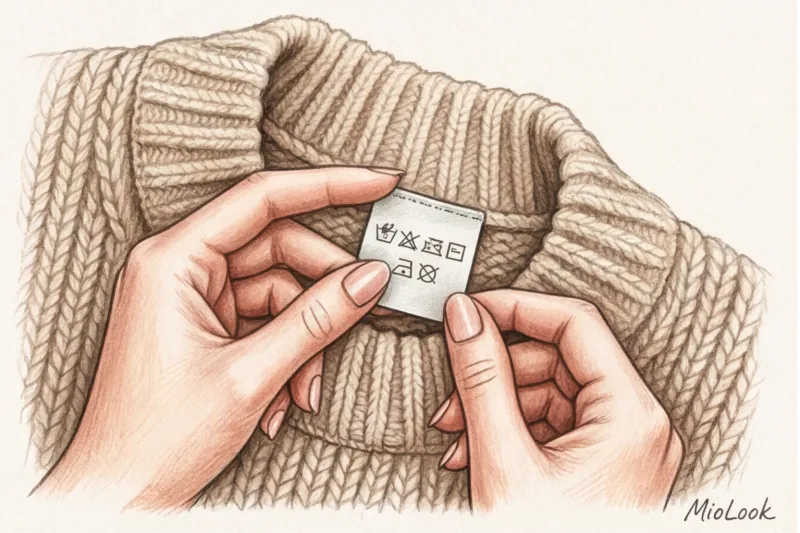
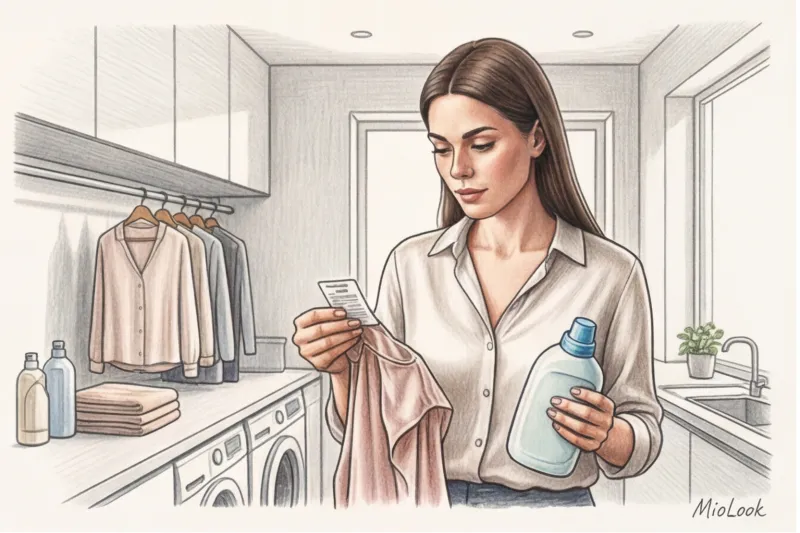
А як же ярлик "Dry Clean Only" (Тільки сухе чищення)? Відкрию вам секрет текстильної індустрії: у 60% випадків на речах із Zara, Mango або Other Stories цей значок - просто юридична страховка виробника від масових повернень. Бренду простіше написати "не прати", ніж відповідати за клієнтів, які зварять віскозу в окропі. Більшість базових речей із сумішевих тканин відмінно переносять дбайливе домашнє прання.
«Звичайно, це правило працює не завжди. Якщо перед вами структурований жакет з жорстким плечем, дубльованим бортом або вінтажне шовкове плаття зі складним драпіруванням - домашнє прання їх знищить. Але базовий кашеміровий джемпер чи штани з костюмної тканини краще прати вдома вручну».
Правило 30 градусів та відмова від агресивних порошків
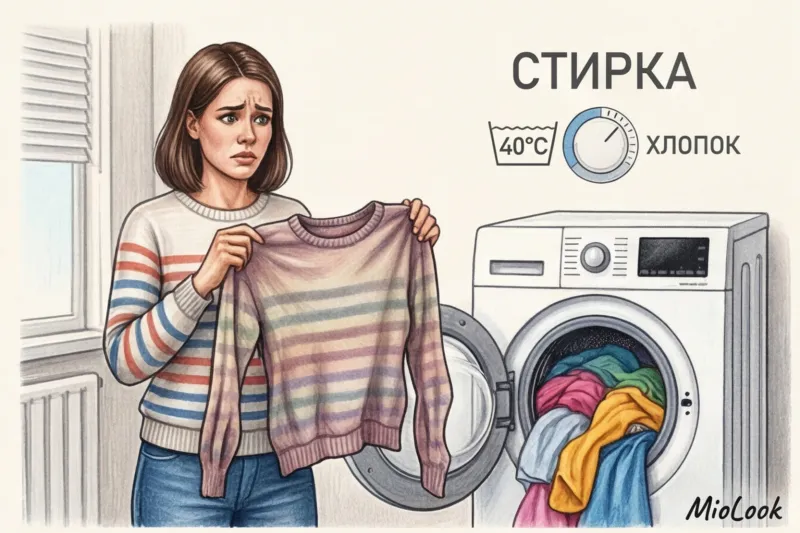
За даними незалежних текстильних лабораторій, зниження температури прання з 40 до 30 градусів зменшує механічне зношування бавовняних та синтетичних волокон майже на 40%. Для 90% повсякденного одягу, який ми відправляємо в кошик просто для того, щоб освіжити після одного дня в офісі, 30 градусів більш ніж достатньо.
Переходьте на рідкі гелі. Звичайний пральний порошок містить нерозчинні абразивні частинки та ензими, які агресивно розщеплюють плями, а заразом і самі волокна тканини. Особливо це критично для деніму та трикотажу.
І назавжди забудьте про кондиціонер для білизни, якщо стираєте спортивний одяг чи джинси скінни. Кондиціонер обволікає волокна еластану жирною плівкою, через що вони втрачають свою пружність - тканина розтягується і більше не повертається у вихідну форму.
Ваш ідеальний образ починається тут
Приєднуйтесь до тисяч користувачів, які щодня виглядають бездоганно та організують свій гардероб з MioLook.
Відкрити доступ — €0,99 разовоАнатомія зносу: як продовжити життя речам ще до прання
Фізика деформації тканин невблаганна: річ починає псуватися не в пральній машині, а в той момент, коли ми її неправильно носимо і зберігаємо. Тут входить у гру «Правило 24 годин».
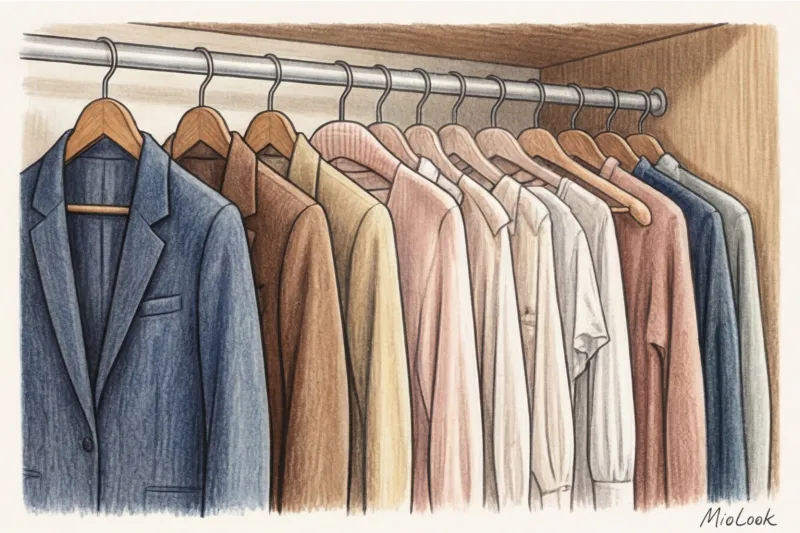
Вовна, щільна костюмна тканина і якісний денім мають ефект «пам'яті». Якщо ви носили вовняний светр або жакет цілий день, волокна розтягнулися на ліктях та плечах. Дайте речі відпочити щонайменше добу перед наступним виходом. За цей час натуральні волокна вберуть природну вологу з повітря і пружно повернуться у вихідний стан. Якщо носити той самий кашеміровий джемпер три дні поспіль, бульбашки на ліктях залишаться з вами назавжди.
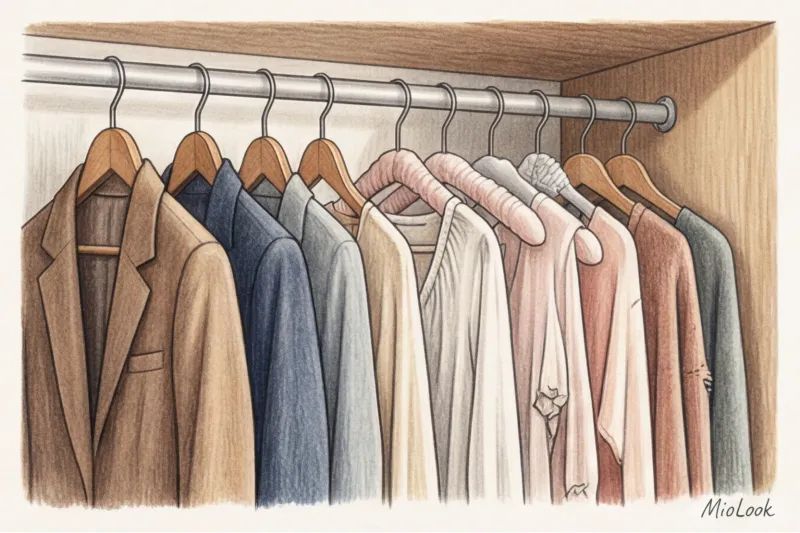
Друга часта проблема - вішалки. Минулого місяця я проводила аудит гардеробу клієнтки, IT-директора Анни. Ми виявили три чудові кардигани з COS (кожний вартістю близько 150 €), безнадійно зіпсованих тонкими металевими вішалками з хімчистки. Гострі краї витягли «вуха» на лінії плеча, спотворивши геометрію крою.
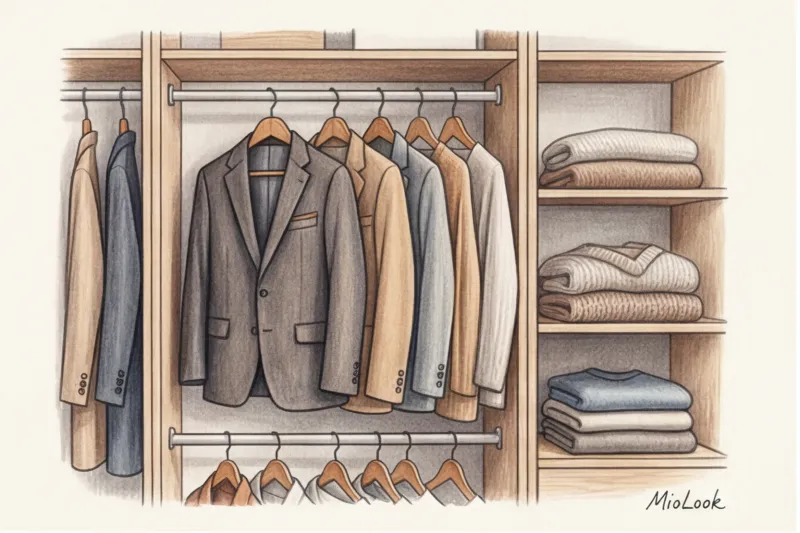
Трикотаж взагалі не повинен висіти — його місце на полиці у складеному вигляді (докладніше про це я писала у статті про базовий трикотажний гардероб ). А для жакетів, сорочок та пальто використовуйте тільки анатомічні дерев'яні або широкі пластикові плічка. Так, вони займають більше місця, але це інвестиція, яка миттєво окупається.
Базовий набір стиліста: 5 інструментів для «реанімації» гардеробу
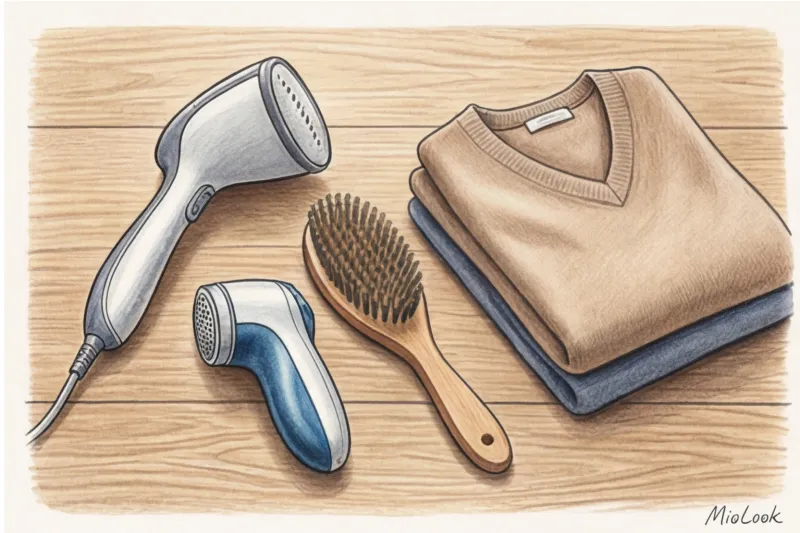
Щоб речі виглядали салонно, вам не потрібний арсенал професійної хімчистки. Мій особистий must-have список складається з п'яти позицій, загальна вартість яких не перевищує 100 €.
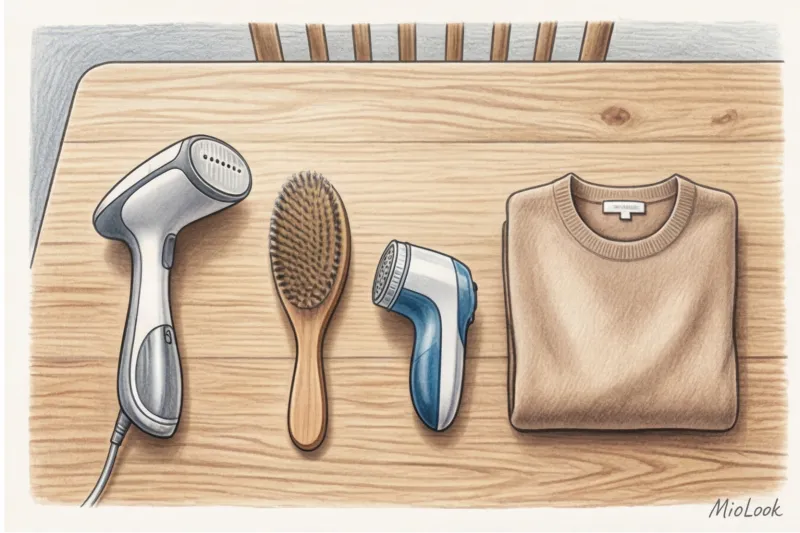
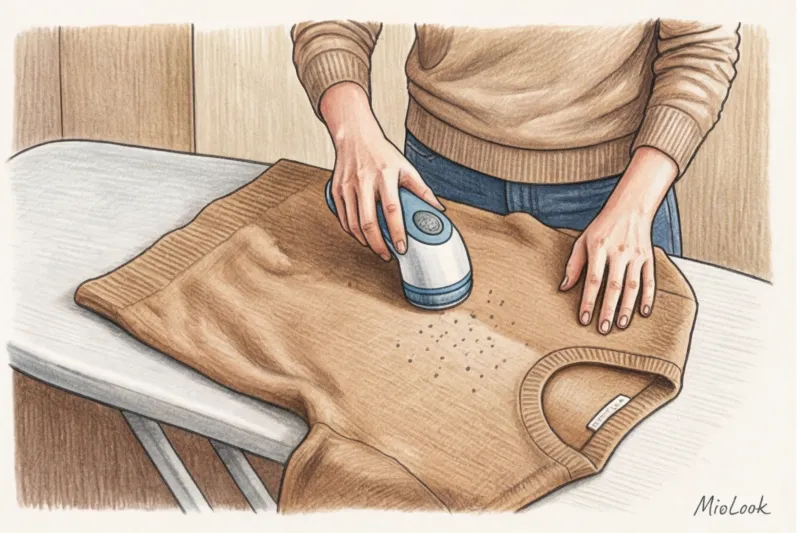
- Машинка від катишків (електричний триммер). Багато хто думає, що пілінгування (освіта катишків) — це ознака дешевої речі. Це міф. Навіть преміальний кашемір із Massimo Dutti за 200 € скочуватиметься в місцях тертя (пахвами, від ремінця сумки). Це природний процес для будь-яких коротких волокон. Раз на місяць проходьте тримером по светрах і пальто - вони будуть виглядати так, ніби ви тільки що зняли з них бирку.
- Щітка з натуральним ворсом. Інструмент, який замінює 50% прання. Якщо ви прийшли з вулиці, просто змахніть пил і засохлий бруд із штанів або пальто щіткою.
- Ручний відпарювач. Праска з його розпеченою металевою підошвою спалює мікроворсинки тканини, залишаючи сліди, що лисніть (особливо на темних речах). Відпарювач розгладжує волокна за рахунок вологого тепла, паралельно вбиваючи бактерії, що викликають запах поту.
- Мішки для прання різного розміру. Захищають фурнітуру від подряпин, а тонку віскозу від затяжок про блискавку сусідніх речей.
- Формоутримувачі для взуття з кедра. Кедр вбирає вологу після носіння та розправляє заломи на шкірі. Без них будь-яка пара взуття за 150–300 € через сезон перетвориться на стоптані капці.
Секрети догляду за примхливими тканинами з мас-маркету
Знання властивостей конкретних тканин захистить вас від неприємних сюрпризів. Почнемо з деніму. В інтернеті досі гуляє популярний міф, запущений одного разу PR-відділом Levi's: "Джинси не потрібно прати, просто покладіть їх у морозилку, щоб убити бактерії".
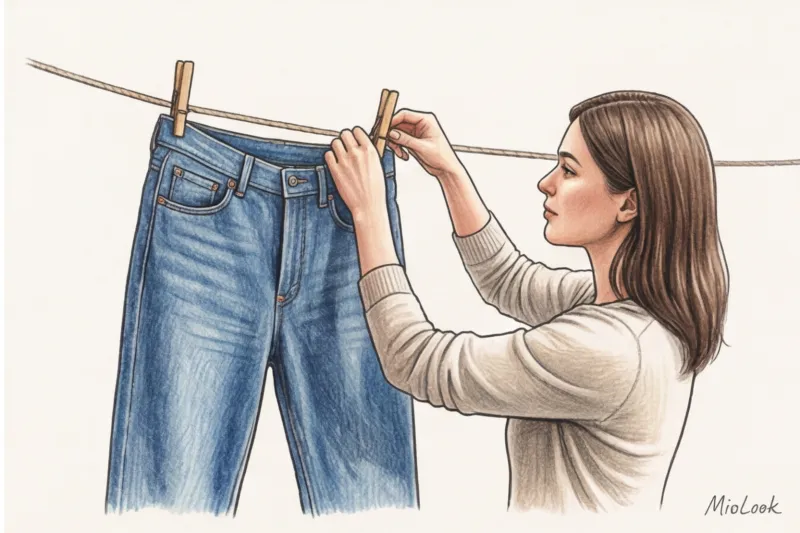
Як людина, яка вивчала матеріалознавство, заявляю: це не працює. Мікробіологи давно довели, що побутова морозильна камера не вбиває шкірні бактерії, а лише переводить їх у сплячий режим. Як тільки джинси нагріються від тепла вашого тіла, неприємний запах повернеться. Крім того, частинки шкіри і себуму, що скупчилися, діють на волокна бавовни як наждачний папір, прискорюючи протирання тканини між ніг. Стирайте джинси вивернутими навиворіт, при 30 градусах, не частіше ніж раз на місяць.
З трикотажем та кашеміром свої правила гри. Їх не можна викручувати після ручного прання (просто відіжміть через махровий рушник) і категорично заборонено сушити вертикально. Тільки горизонтальне сушіння на спеціальній сітці або рушник, далеко від батарей.
Віскоза — королева літніх колекцій мас-маркету — має одну підступну властивість: у мокрому стані вона стає жорсткою, як картон, і дає сильне усадження. Якщо ваша сукня з Zara після прання стала на два розміри меншою, не панікуйте. Прасуйте його в злегка вологому стані, м'яко розтягуючи тканину руками вздовж швів - вона поверне свою початкову довжину.
Чи готові почати?
Спробуйте безкоштовний план без зобов'язань. Розумний AI-стиліст підбере ідеальні образи з ваших доглянутих речей.
Відкрити доступ — €0,99 разовоМіжсезонне зберігання: помилка, яка коштує вам грошей
Восени та навесні настає етап зміни гардеробу. І тут багато хто робить фатальну помилку, використовуючи пластикові вакуумні пакети з відкачуванням повітря.
Вакуум – це смерть для натуральних тканин. Пуховики назавжди втрачають свій обсяг (перо ламається під тиском), а на шерсті і шовку утворюються заломи, що не розгладжуються. Волокнам потрібне повітря.
Друга часта помилка - прибирати речі, які здаються чистими, без попереднього прання. "Я надягала цей лляний топ всього пару годин минулого літа, він чистий", - думаєте ви і кладете його в коробку. Через півроку ви дістаєте його та бачите величезні жовті плями в районі пахв. Це невидимі залишки дезодоранту та шкірного сала, які за місяці зберігання окислилися на повітрі та назавжди в'їлися у тканину. Вивести таку жовту пляму вже неможливо.
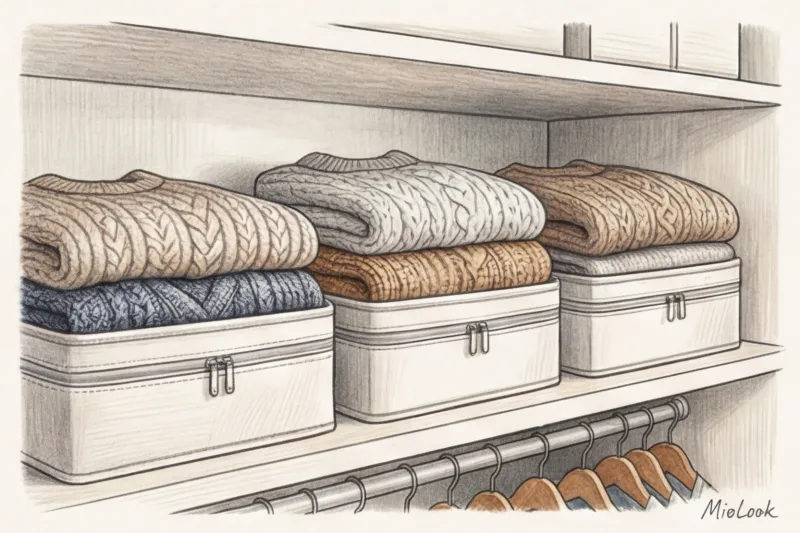
Зберігайте несезонні речі (попередньо випрані!) тільки в кофрах, що дихають, з бавовни або спанбонда, поклавши всередину саші з лавандою проти молі. Якщо ви плануєте розбір шафи, рекомендую заглянути в керівництво як позбутися непотрібних речей без жалю.
Чек-лист: рутина догляду за гардеробом від Катажини Новак
Щоб догляд за речами не перетворився на другу роботу, систематизуйте його. Пропоную просту рутину, яка займає мінімум часу.
- Щодня (5 хвилин): Прийшовши додому, не кидайте речі на стілець. Повісьте піджак на правильну вішалку, пройдіться щіткою. Вовняні речі залиште провітрюватись на повітрі, перш ніж прибрати у шафу. Перевірте одяг на наявність свіжих плям (їх потрібно запрати локально і відразу).
- Щотижня (15 хвилин): Сортування перед пранням не лише за кольорами, а й за фактурою. Не стирайте важкі джинси разом із тонкими футболками — грубий денім механічно зітре тонку бавовну. Використовуйте мішки для білизни.
- Щомісяця (30 хвилин): Час для тримера від катишків та перевірки фурнітури. Пришийте гудзик, який тримається на одній нитці, зараз, щоб не втратити його в метро завтра.
Якщо ви хочете вивести керування гардеробом на новий рівень, оцифруйте його. Завантаживши свої речі в розумний гардероб MioLook Ви зможете не тільки складати нові комплекти в пару кліків, але й наочно бачити, які речі дійсно відпрацьовують свою вартість, а які висять мертвим вантажем.
Свідомість у моді починається не біля каси магазину з еко-колекцією. Вона починається у вашій ванній кімнаті та у вашій шафі. Повага до речей, які у вас вже є - це найдієвіший і економічно найвигідніший спосіб бути по-справжньому стильною.