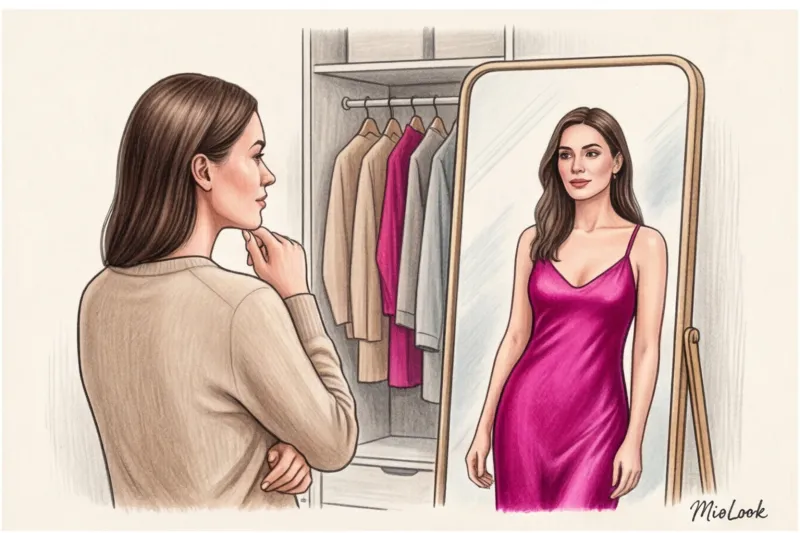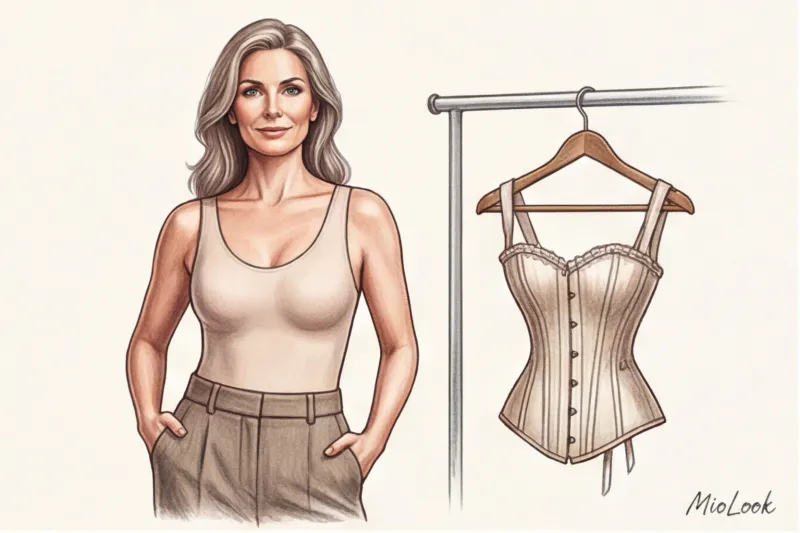
Декілька років тому на зйомках лукбука в Парижі відбулася показова сцена. Ми готували до кадру модель із розміром XS. На ній була приголомшлива сукня-комбінація з найтоншого косого шовку. І перше, що я зробила перед виходом на майданчик — попросила її одягнути безшовні шорти, що коригують. Дівчина щиро здивувалася: «Камілла, але мені ж нема чого тягнути!». І в цьому криється головна помилка.
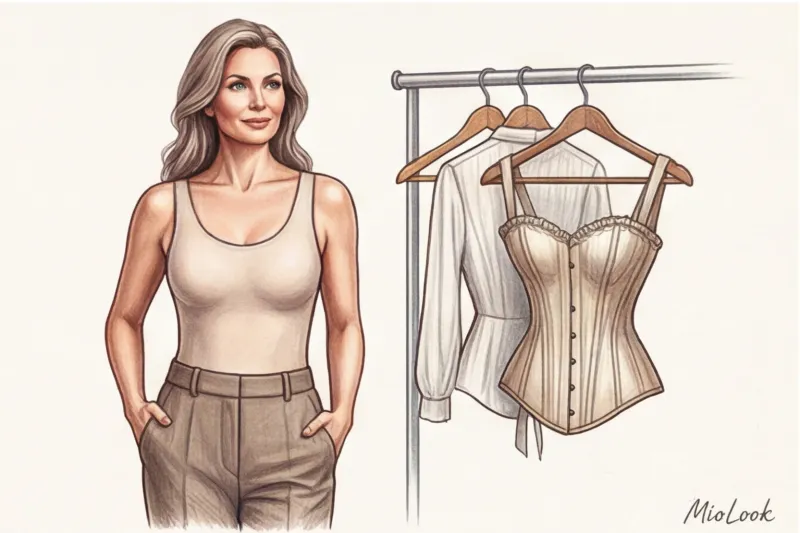
Я відповіла їй те, що сьогодні кажу кожній своїй клієнтці: ми надягаємо базу не для того, щоб приховати живіт (якого модель дійсно не мала). Ми робимо це, щоб прибрати природні мікрорельєфи шкіри та створити ідеальне ковзання тканини. Якщо ви шукаєте відповідь на запитання, як вибрати білизна, що стягує Вам доведеться забути все, що ви знали про це раніше. За 12 років роботи стилістом я зрозуміла: 90% жінок потрібна зовсім не жорстка «обтяжка» до стану сардельки, а легке згладжування — те, що професіонали називають smoothing.
Анатомія силуету: чому коригуюча білизна — це не соромно, а професійно
Давайте будемо чесними: після 40 років наше тіло змінюється. Відбувається так звана «міграція типу фігури», коли навіть за стабільної ваги обсяги починають перерозподілятися за абдомінальним типом (у зоні талії). Це абсолютно нормальний фізіологічний процес, який повинен викликати почуття провини.
Головний міф індустрії говорить: білизна носять тільки жінки plus-size. На практиці, за лаштунками червоних доріжок Канн та Оскара, актриси нульового розміру завжди надягають тонку базу, що коригує, під вечірні вбрання. Це питання архітектури вбрання, а не вашої ваги.
«Коригуюча білизна — це не вибачення за вашу фігуру. Це праймер для вашого одягу, який працює за тим самим принципом, що й база під макіяж: він просто вирівнює полотно».
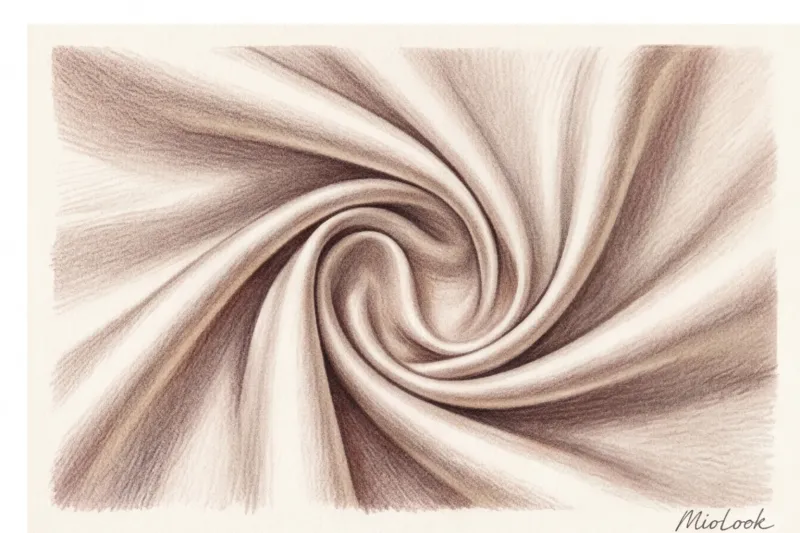
Зміна парадигми у сучасній моді полягає у переході від ідеї «сховати зайве» до концепції «створити гладку лінію». Струменеві тканини (віскоза, ліоцелл, шовк) нещадні до будь-яких швів від звичайних трусиків або природних складочок тіла. Правильна база вирішує цю проблему за секунди.
Ваш ідеальний образ починається тут
Приєднуйтесь до тисяч користувачів, які щодня виглядають бездоганно з MioLook. Розумний алгоритм допоможе підібрати речі під будь-який силует.
Почати безкоштовноЯк вибрати білизна, що тягне: 4 золоті правила стиліста
Одна з моїх клієнток, 42-річна топ-менеджер Ганна, довгий час намагалася вирішити проблему «рятувального кола» на талії, купуючи корсетні труси на розмір менше від свого. Результат? Білизна впивалася в тіло, перекривало дихання, а витіснений обсяг просто піднімався вище, формуючи помітні валики на спині під бра. Це підводить нас до основних правил.
- Абсолютна заборона на менший розмір. Купівля білизни на розмір менше не зробить вас стрункішою. Вона зробить вас ширше. Тверда кромка вріжеться в шкіру, порушивши пропорції силуету. Купуйте строго свої поточні мірки.
- Збіг за довжиною торса. Ви помічали, що шорти з високою талією часто зрадливо скочуються вниз? У 80% випадків це брак шлюбу виробника, а невідповідність лекал вашим пропорціям. Якщо у вас короткий тулуб , Висока посадка упреться в ребра і почне скручуватися при кожному нахилі. Ваш вибір – моделі до талії, а не під груди.
- Правильний нюд. Класичний бежевий колір із мас-маркету часто просвічує під білими брюками, тому що контрастує зі шкірою. Шукайте відтінок, що зливається з вашим підтоном (taupe, mocha, попелясто-рожевий).
- Зонування проблеми. Не потрібно упаковувати все тіло в скафандр-боді, якщо ваше єдине завдання — щоб спідниця-олівець не наголошувала на лінії стегна.
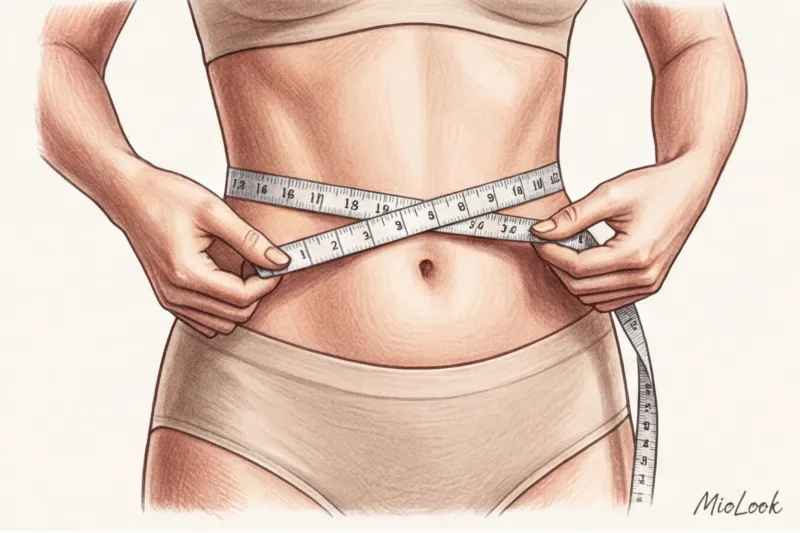
Ступені корекції: від легкої ретуші до архітектурного каркасу
Щоб візуально зробити талію тоншою без шкоди здоров'ю, важливо розуміти класифікацію щільності:
- Low (Згладжування). Майже нульова компресія. Тонка мікрофібра (близько 10% еластану). Ідеально щодня під тонкий трикотаж.
- Medium (Підтримка). Містить 15-20% еластану (spandex). Розподіляє обсяги, не змінюючи розміру. Кращий вибір для офісу та тривалих заходів.
- High (Скульптурування). Щільні панелі, корсетні вставки. Змінює контури тіла. Допустимо носити максимум 4-6 годин на вечірні виходи.
Підбір білизни під конкретні завдання та фасони гардеробу
Універсальної «чарівної пігулки» не існує. Те, що ідеально працює під сукнею із щільної вовни, зруйнує образ у шовковій комбінації. Якщо ви використовуєте розумний гардероб MioLook Для планування образів завжди прив'язуйте конкретну базу до конкретної речі.
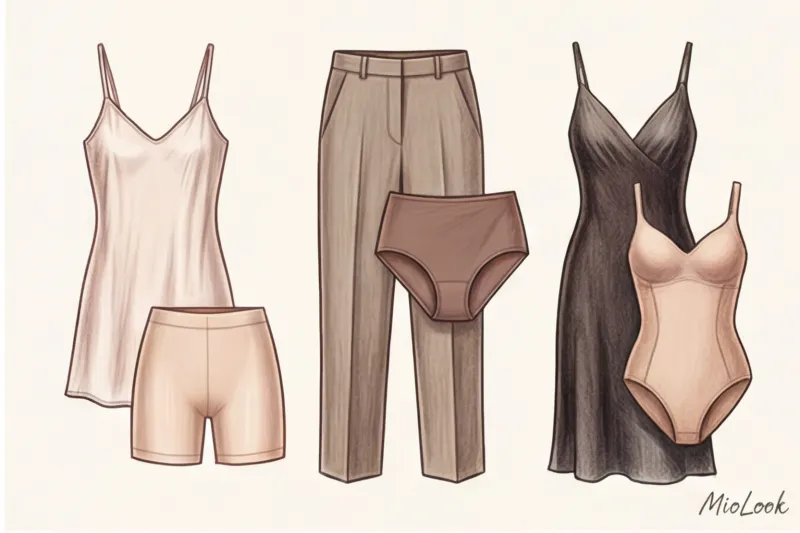
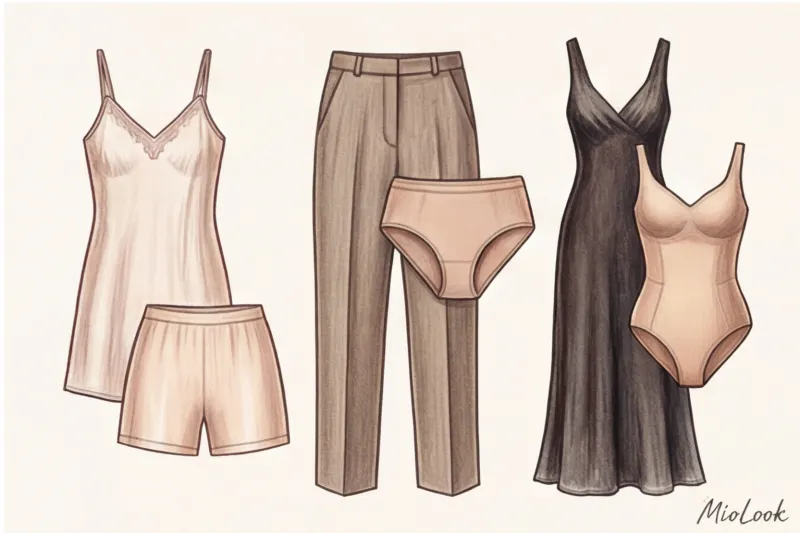
Під шовкові сукні та тонкий трикотаж:
Вам потрібні подовжені безшовні шорти (сучасні панталони). Вони вирішують відразу два завдання: запобігають болючому натиранню внутрішньої поверхні стегон у спеку і приховують найменші ямочки на шкірі. Край має бути оброблений лазером (laser-cut), без підгинання.
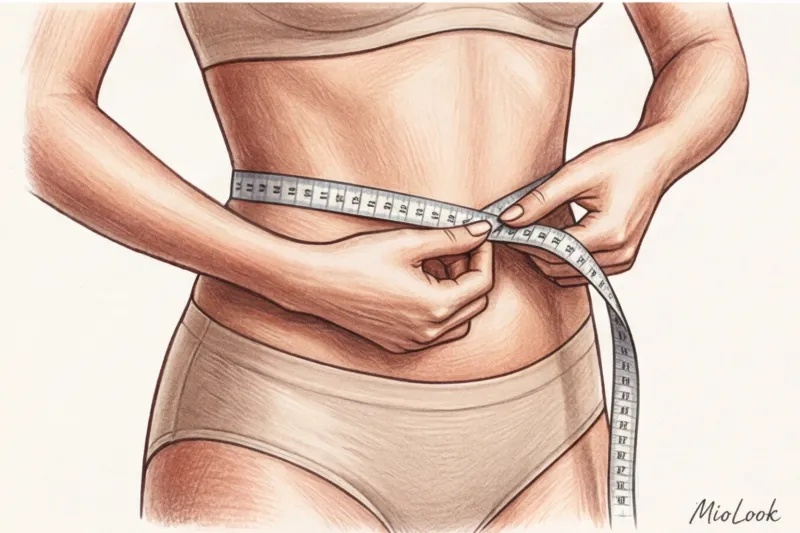
Під брючний офісний костюм:
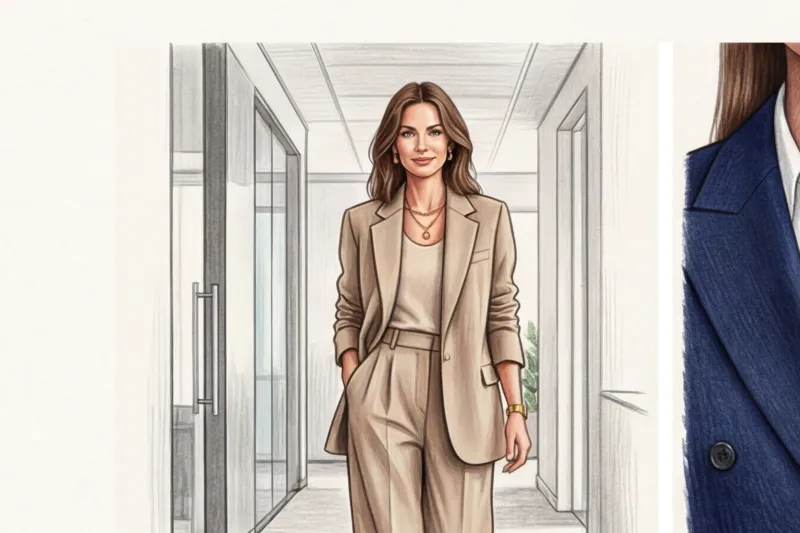
Вибирайте труси із середньою або високою посадкою із щільної мікрофібри. Головний секрет: край на сідницях має бути плоским та широким. Простий шов-гумка «переріже» сідницю надвоє, що буде добре видно крізь світлі офісні штани.
Під сукні-футляри, що облягають:
Ідеальне рішення – безшовна сукня-комбінація з інтегрованим бра. Воно створює єдину безперервну лінію від грудей до колін, виключаючи появу горизонтальних складок на талії.
Чи готові почати?
Спробуйте безкоштовний план MioLook без обов'язків. Штучний інтелект допоможе зібрати капсулу, де кожна річ сидить бездоганно.
Почати безкоштовноЧек-лист перед покупкою: шви, силікон та лазерне різання
Навіть у преміальному сегменті (від 100€) можна зустріти невдалі технологічні рішення. Перш ніж нести річ у примірювальну, перевірте кілька критичних деталей.
По-перше, вивчіть краї. Лазерне різання - це абсолютний маст-хев. Будь-який класичний шов у підгинання під тиском тканини проступатиме крізь одяг. Прямо в магазині злегка розтягніть край стегна: якщо вона не тягнеться разом з основною тканиною, вдома ви отримаєте ефект перетягнутої ковбаси.
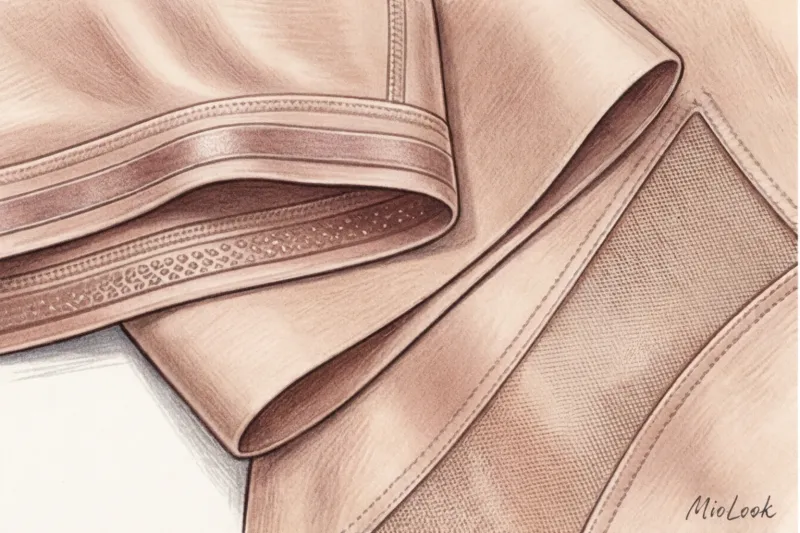
По-друге, зверніть увагу на силіконові стрічки (грипери). Вони необхідні для фіксації високих шортів або моделей без бретелів. Однак силікон часто спричиняє контактний дерматит. У якісних моделях (у ціновому діапазоні 50-90 €) силікон наноситься не суцільною лінією, а точково, або перемежується бавовняними нитками для повітрообміну.
Не забудьте перевірити ласточку. Коригувальну білизну часто надягають на голе тіло, щоб уникнути зайвих шарів. У цьому випадку наявність 100% бавовняної ластівки - не опція, а медична необхідність.
Медичний аспект: як носити корекцію без шкоди здоров'ю
Ми підійшли до найважливішого — коли білизна, що тягне, категорично протипоказана. За даними Американської колегії акушерів та гінекологів (ACOG), регулярне здавлювання черевної порожнини може призвести до серйозних наслідків для жіночого здоров'я.
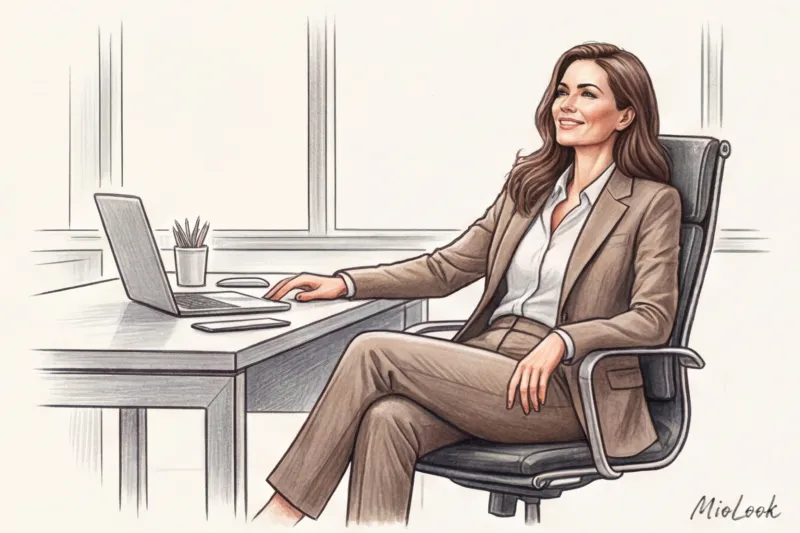
Якщо ви сидите в нижній білизні високого ступеня корекції по 8 годин в офісі, ви фізично не можете дихати діафрагмою. Дихання стає поверхневим (грудним), що до кінця дня гарантує гіпоксію, головний біль та втому. Крім того, тугий пояс тисне на шлунок, провокуючи кислотний рефлюкс та печію.
Флебологи також попереджають: тугі шви у пахвинній зоні перетискають магістральні вени. Якщо ви маєте схильність до варикозного розширення вен, білизна рівня High compression вам протипоказана. Ваш максимум - легкі шорти рівня Low, що згладжують.
Практичний посібник: як одягати та доглядати за утяжкою
На моїй практиці клієнтки часто скаржаться, що дорога білизна швидко втрачає форму або сповзає. У 9 з 10 випадків проблема криється в неправильному догляді чи надяганні.
Правило сухої шкіри. Ніколи не надягайте коригуючу білизну відразу після душу, завдавши лосьйону або олії для тіла. Силіконові стрічки не прилипнуть до слизької шкіри, і білизну вмить поїде вниз. Шкіра має бути абсолютно сухою.
Техніка "рулону". Одягати щільні шорти або боді потрібно так само, як тонкі капронові колготки. Зберіть штанину в гармошку двома руками, просуньте ногу і повільно розкачуйте тканину вгору по стегні, не смикаючи за край. Це врятує лазерні шви від розривів.
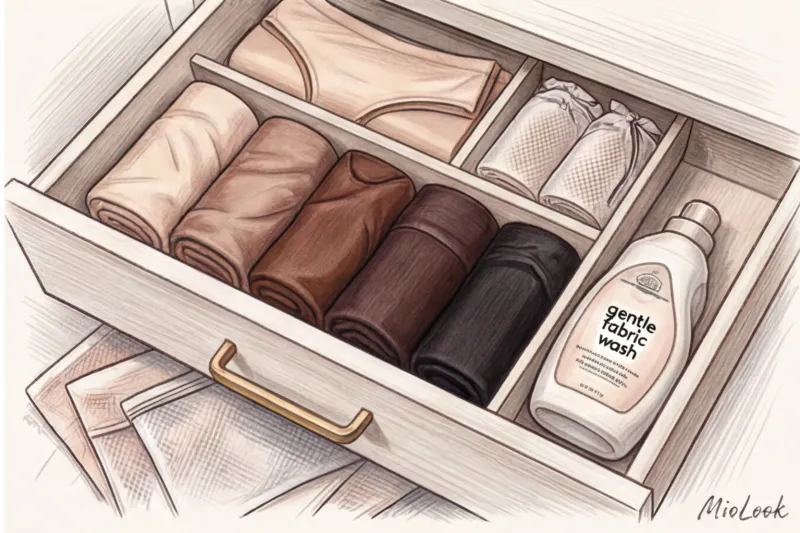
Високотехнологічні тканини (лайкра, спандекс, еластан) потребують делікатності. Прати їх можна лише у прохолодній воді (не вище 30°C). Але головний ворог утяжки – це звичайний кондиціонер для білизни. Він обволікає волокна еластану, позбавляючи їхньої здатності повертатися у вихідний стан. Усього 3-4 прання з ополіскувачем, і ваші шорти за 80 € перетворяться на марну ганчірку. Також заборонено сушіння на гарячій батареї або в барабані сушильної машини.
Резюмуючи: коригуюча білизна - це чудовий інструмент стиліста, але тільки якщо ви використовуєте його не для боротьби зі своїм тілом, а для дружби з ним. Вибирайте свій реальний розмір, робіть ставку на вирівнювання силуету, а не екстремальну утяжку, і ваші речі будуть сидіти так само бездоганно, як на моделях у глянцевих журналах.