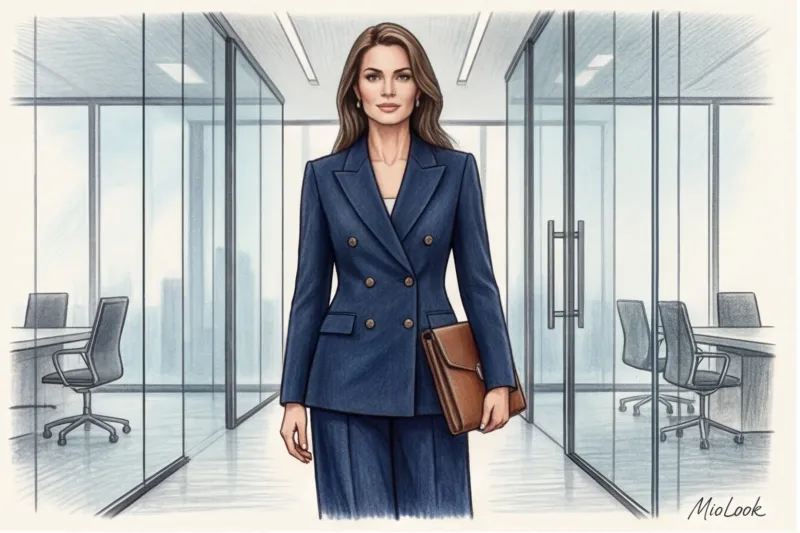
Імідж керівника жінки: більше, ніж просто дрес-код
За 12 років консультування топ-менеджерів та власниць бізнесу я помітила одну парадоксальну річ: отримавши довгоочікуване підвищення, багато клієнток інстинктивно намагаються «сховатися» за глухим, майже чоловічим костюмом. Їм здається, що це єдиний спосіб змусити раду директорів сприймати їх серйозно. Але грамотний імідж керівника жінки сьогодні будується на інших принципах. Це більше не спроба мімікрувати під чоловіків. Це тонке мистецтво керувати враженням через усвідомлену, якісну та впевнену жіночу естетику.
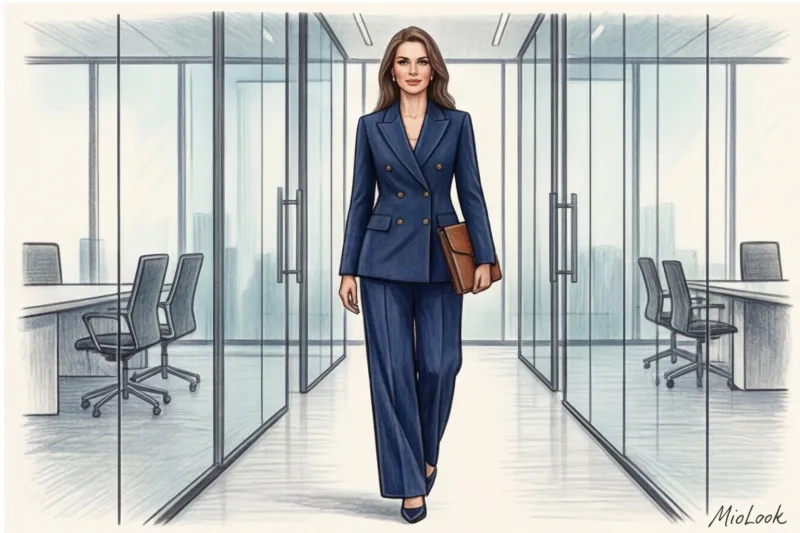
Чи помічали ви, як змінюється ваша постава, інтонації і навіть швидкість ухвалення рішень залежно від того, що на вас надіто? У психології для цього феномена є точний термін. Занурення Cognition (Втілене пізнання). У 2012 році дослідники Північно-Західного університету (США) Хайо Адам та Адам Галінські довели науково те, що ми, стилісти, знали завжди: наш одяг фізично змінює наші когнітивні здібності. У їхньому класичному експерименті люди в білих лабораторних халатах демонстрували вдвічі більшу концентрацію та аналітичні здібності, ніж ті, хто виконував ті самі завдання у повсякденних речах.
Для жінки-лідера це означає фундаментальну річ: ваш гардероб — це не просто упаковка для бізнес-зустріч. Це інструмент, який диктує вам, як сидіти, як говорити та як вести за собою людей. Саме тут криється колосальна різниця між спробою «виглядати як начальник» та здатністю транслювати справжнє лідерство.
«Начальник» одягає жорсткий футляр, щоб здаватися більшим, суворішим і небезпечнішим, відгороджуючи від команди стіною з накрохмалених комірців і гострих лацканів. Справжній лідер обирає речі, які дають свободу рухів, бездоганно сидять та транслюють спокійну впевненість. Лідерство не потребує кричучих атрибутів влади — воно говорить мовою ідеального крою та преміальних фактур.
На моїй практиці був дуже показовий випадок. Одна з моїх клієнток, фінансовий директор великої IT-компанії, готувалася до складних багатомісячних переговорів щодо злиття. На наші перші зустрічі вона приходила в жорстких структурних жакетах з гіпертрофованими плечима із щільної, майже «картонної» тканини. Її язик тіла був затиснутим: вона постійно смикала підлоги піджака, схрещувала руки, голос звучав напружено. Ми повністю змінили концепцію: замінили «броню» на брючний костюм з тропічної вовни (tropical wool) і блузу з щільного шовку (heavy silk). Зміна силуету буквально трансформувала її пластику. З'явилася плавна жестикуляція, вона стала вільно відкидатися на спинку крісла, її тон став м'якшим, але при цьому в рази переконливішим. Опоненти перестали бачити в ній функціонера, що захищається, і побачили впевненого візіонера.
Якщо ви відчуваєте, що ваш робочий гардероб не відображає ваш внутрішній масштаб, рекомендую вивчити наш докладний матеріал про те, як знайти свій стиль одягу: посібник для жінок. А щоб зрозуміти, які речі з вашої ділової капсули дійсно працюють на ваш статус, а які лише займають місце, спробуйте оцифрувати їх через програма MioLook. Функція смарт-гардероба наочно покаже прогалини у вашій капсулі і допоможе скласти образи, в яких ви почуватиметеся на мільйон.
Чому застарів класичний «чоловічий» підхід до гардеробу
Давайте трохи заглибимося в історію моди. Еволюція power dressing (гардероб впливу) почалася в 1980-х роках. Тоді жінки почали масово виходити на топові керівні позиції і щоб вижити в суворому корпоративному світі Уолл-стріт, їм доводилося візуально «нарощувати плечі». Згадайте культові костюми Giorgio Armani на той час: широка лінія плечей, жорсткі тканини, агресивний маскулінний силует. Це була візуальна броня, покликана сказати: «Я така сильна, як і ви».
Але сьогодні, у 2020-х правила гри кардинально змінилися. Настала ера "м'якої сили" (soft power). Сучасній жінці-керівнику більше не потрібно доводити своє право перебувати на чолі столу за допомогою чоловічого крою. Більше того, надмірно жорсткий, наглухо застебнутий діловий костюм сьогодні часто зчитується як маркер невпевненості у собі. Підсвідомо він транслює повідомлення: «Я настільки боюся втратити свій авторитет, що змушена ховатися за суворою уніформою».
Сьогодні лідерові більше не потрібна «броня». Справжній статус виражається через розслаблену елегантність, індивідуальний тейлоринг (пошиття по фігурі) та бездоганну якість матеріалів. Коли ви приходите на раду директорів у кашеміровому жакеті м'якої форми чи сукні ідеального архітектурного крою, ви демонструєте вищий пілотаж упевненості. Ваша сила виходить зсередини, з вашої експертизи та досвіду, а одяг лише елегантно, без зайвого шуму, наголошує на цьому незаперечному факті.
Фундамент статусного гардеробу: тканини, крій та посадка
Ви коли-небудь звертали увагу на те, як виглядає одяг учасників довгих переговорів до кінця третьої години? Це момент істини, коли тканина починає говорити за вас голосніше за будь-які аргументи. Імідж керівника жінки будується не на відомих логотипах, а на тихій, безкомпромісній базі: благородній фактурі та бездоганній архітектурі крою. Одяг лідера не має права виглядати «втомленою» раніше, ніж закінчиться робочий день.
У світі високої моди та преміального тейлорингу існує строга негласна ієрархія матеріалів. На абсолютній вершині цієї піраміди знаходиться вікунья - рідкісна і найдорожча вовна у світі, що має неймовірну легкість і теплоізоляцію. За нею слідують преміальний кашемір, щільний шовк (heavy silk) та тропічна вовна (tropical wool). Чому ми інвестуємо саме в них? Щільний шовк вагою від 22 до 30 моммі кардинально відрізняється від тонкої білизни: він не просвічує, не чіпляється за фігуру, а лягає важкими, скульптурними складками. Тропічна шерсть, завдяки пористій структурі нитки, забезпечує ідеальну терморегуляцію - вона дихає в літню спеку і практично не пом'якшується, зберігаючи первозданний вигляд від ранкової кави до вечірнього рейсу.
На противагу цьому, дешева тканина здатна миттєво зруйнувати найпродуманіший силует. Специфічний «скляний» блиск поліестеру під холодним світлом офісних ламп або зрадницькі заломи на віскозі в області паху та ліктьових згинів – це візуальні маркери суєти. Вони транслюють економію на собі та підсвідомо знижують градус авторитету в очах співрозмовника.
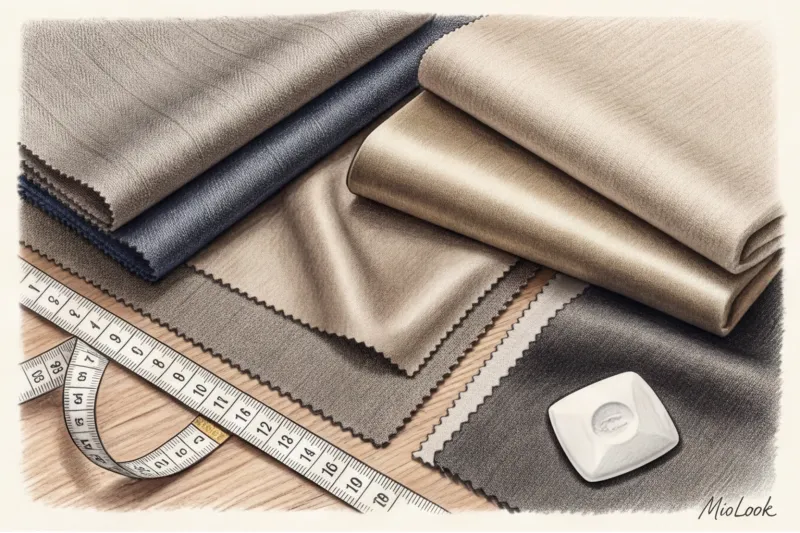
Однак навіть найдорожча тканина втрачає сенс без правильної геометрії. Мистецтво тейлорингу та ідеальна посадка по фігурі – це головний маркер справжньої розкоші. Костюм не повинен "сперечатися" з вашим тілом. Правильно сконструйований жакет коригує поставу, задає чітку лінію плеча (що психологічно зчитується як готовність брати відповідальність) та забезпечує свободу у проймі.
Секрет дорогих італійських костюмів у деталях, невидимих дилетанту. Зверніть увагу на край лацкана гарного піджака: бачите ледь помітний пунктирний шов? Це ручний спалах (pick stitching). Технічно вона не дає краям деформуватися після хімчистки, але візуально — це той самий секретний код, яким люди зі світу великих грошей дізнаються «своїх».
Коли я працюю з гардеробом CEO, ми часто замовляємо пошиття з тканин мануфактури рівня Loro Piana або Vitale Barberis Canonico. Тут важливо розуміти маркування. Для ідеального офісного костюма щодня шукайте індекс кручення нитки Super 130s або Super 150s. Ця вовна досить тонка, щоб гарно струмувати в русі, але досить пружна для регулярного носіння. А ось ультратонка нитка Super 200s, хоч і коштує дорожче, надто примхлива і швидко втратить форму за активного графіка.
Доступ до MioLook за €0,99 — разовий платіж
Розумний AI-стиліст підбере ідеальний образ для важливих переговорів та допоможе організувати ваш діловий гардероб.
Відкрити доступ — €0,99 разовоІнвестиції у преміальні матеріали
Вміння читати складники – обов'язкова навичка для формування статусного гардеробу. Існує міф, що річ преміум-класу має складатися виключно із 100% натуральних волокон. Це не завжди так. Стовідсоткова шерсть прекрасна, але якщо ваш графік включає часті відрядження, багатогодинні переїзди або трансатлантичні перельоти, чиста шерсть може сковувати рухи та витягуватись на колінах.
Оптимальний склад для костюма керівника, що подорожує, - це 97-98% високоякісної вовни і 2-3% еластану. Саме така мікро-пропорція синтетичного волокна дає тканині «пам'ять»: штани злегка тягнуться, коли ви сідаєте у крісло літака чи автомобіля, але миттєво повертають початкову форму, варто вам підвестися.
Ще одне залізне правило інвестиційного гардеробу: статус полюбляє матові текстури. Глибокі фактури, що поглинають світло (матовий креп, щільний кашемір, тонка замша, вовна з саржевим переплетенням) візуально ускладнюють колір. Вони роблять відтінок більш насиченим та дорогим. Блиск допустимо лише у строго відведених зонах: це може бути природне сяйво якісної шовкової блузи або делікатний відлив атласних лацканів на вечірньому смокінгу. У решті випадків штучний блиск тканини працює проти вас, здешевлюючи образ і позбавляючи його необхідної для лідера ґрунтовності.
Архітектура образу: ключові елементи гардеробу лідера
А ви помічали, що гардероб видатних жінок-лідерів часто нагадує бездоганно спроектовану будівлю? У ньому немає випадкових деталей, а кожна річ виконує свою функцію, що несе. Створюючи імідж керівника жінки, ми не просто купуємо одяг — ми вибудовуємо архітектуру особистого бренду, де крій, посадка та пропорції працюють на ваш авторитет ще до того, як ви промовите перше слово.
Ідеальний жакет — це абсолютна альфа та омега статусного ділового стилю. Забудьте про курців моделей з мас-маркету, що закінчуються на найширшій частині стегна. Правильна довжина блейзера повинна або повністю закривати сідниці, візуально витягаючи силует, або закінчуватись рівно на тазовій кістці (якщо це укорочений структурний варіант). Форма лацканів – ваш прихований інструмент впливу. Гострі лацкани ( peak lapels ), спрямовані нагору, візуально розширюють плечовий пояс і транслюють жорсткий авторитет. Класичні прямокутні ( notch lapels ) Ідеальні для переговорів, де потрібно показати готовність до діалогу.
Важливим маркером якості, про який рідко говорять консультанти в магазинах — висота пройми. У хорошому блейзері пройма вирізана високо. Це дозволяє вам піднімати руки та активно жестикулювати під час презентації, не підтягуючи за собою весь корпус жакету.
Давайте порахуємо Cost-per-wear (CPW - ціна за одне надягання). Замовний блейзер, зшитий за вашими мірками (bespoke) з преміальної вовни, коштуватиме приблизно $1500. При носінні 2 рази на тиждень протягом 5 років (близько 500 виходів), його CPW становитиме лише $3. Альтернатива – купівля готового жакета середнього сегмента за $250. Через дешеву клейову бортівку він втратить форму після першої ж хімчистки, і за 5 років вам доведеться змінити мінімум 5 таких жакетів ($1250). Математика інвестиційного гардеробу невблаганна: у першому випадку ви 5 років виглядаєте як CEO, а в другому — постійно боретеся із заломами на тканині і лацканами, що міхурять.
Перейдемо до блуз і топів. Класична біла сорочка – це красиво на сторінках глянцю, але у реальному житті керівника вона часто стає джерелом стресу. Вона меніться під ременем безпеки в машині, підступно розходиться на грудях і потребує ідеального прасування. Мій безкомпромісний вибір для клієнток - щільний шовковий топ з вирізом-човником ( bateau ).
Чому саме він? Виріз-човник елегантно відкриває ключиці, підкреслюючи стан шиї, але при цьому абсолютно безпечний: при нахилі над столом переговорів він не оголює декольте. Щільний шовк не просвічує, красиво драпірується і виглядає в рази дорожче накрохмаленої бавовни. До того ж, кипіно-біла бавовна у обличчя часто підкреслює сліди втоми після багатогодинних перельотів, тоді як м'яке сяйво шовку відтінку слонової кістки або екрю працює як природний рефлектор, підсвічуючи шкіру.
Статус завжди читається в динаміці, тому брюки та спідниці повинні забезпечувати абсолютну свободу рухів. Звертайте увагу на ширину кроку в штанах: надто вузькі моделі змушують засмучувати, що миттєво вбиває впевнену, авторитетну ходу. Правильна посадка – строго на природній лінії талії, з достатнім обсягом у стегнах (защипи тут – ваші найкращі друзі, вони дають потрібну свободу).
Для спідниць критична не лише довжина у статиці. Спідниця повинна закривати коліно, коли ви стоїте, і не підніматись екстремально високо, коли ви сідаєте у глибоке крісло на сцені профільної конференції. Якщо вибираєте спідницю-олівець, переконайтеся, що шліця розташована ззаду і має достатній нахльост (не менше 4-5 см). Звужені донизу моделі варто залишити в минулому - прямий крій або легка форма А-силуетна виглядають набагато сучасніше і не сковують крок.
Альтернативи строгому костюму для жінки-керівника
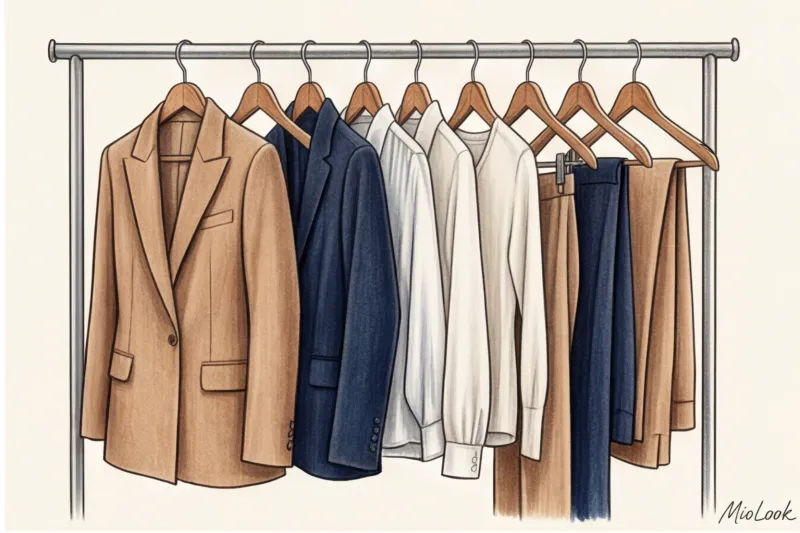
Сучасний діловий етикет припускає набагато більше свободи, ніж десять років тому. Жорсткий костюм-двійка перестав бути єдиною уніформою влади. Сьогодні на перший план виходить концепція soft power (М'якої сили).
Відмінна альтернатива костюму - лаконічна сукня-футляр із щільної вовни, але не з класичним жакетом, а в парі з подовженим кардиганом великої в'язки з кашеміру або легким літнім пальто ( duster coat ). Ця комбінація створює складний багатошаровий силует. Пальто надає необхідну структурність і вертикаль, а трикотаж знижує градус формальності, роблячи образ більш привабливим, що особливо цінно для зустрічей формату one-to-one з ключовими співробітниками.
Ще один сучасний підхід до ділової капсули - монохромні сепарати. separates ). Замість купувати готовий костюм, ви збираєте образ з різних речей одного глибокого відтінку, граючи на контрасті фактур. Уявіть: широкі вовняні штани-палаццо кольору гіркого шоколаду, гладкий шовковий топ тон у тон і замшевий жакет або сорочка-куртка (shacket) з тонкої шкіри.
Керувати такими складними поєднаннями в думці буває непросто. Саме для систематизації сепаратів я рекомендую використовувати функцію розумного гардеробу в MioLook. Оцифрувавши свої речі, ви зможете у віртуальній примірювальній заздалегідь побачити, як матові та блискучі фактури працюють разом, і зібрати десятки статусних комбінацій, економлячи дорогоцінні 20 хвилин щоранку.
Колірний код влади: як керувати враженням
Чи знаєте ви, який колір найчастіше видає вашу втому після довгого робочого дня? Спойлер: це зовсім сірий. Довгі роки корпоративний дрес-код диктував нам суворі правила, де чорний костюм вважався абсолютною вершиною ділового стилю та символом непохитної влади. Однак, сьогодні я хочу поділитися з вами контрарним інсайтом, який назавжди змінить ваш підхід до робочого гардеробу.
Минулого року, готуючи CEO великої фінтех-компанії до серії напружених переговорів з інвесторами, ми ухвалили радикальне рішення повністю виключити чистий чорний колір з її ділової капсули. Причина криється у безжальній фізиці світла та колористиці. Чорний – це колір, який поглинає світло, не відбиваючи його на ваше обличчя. В умовах стандартного офісного освітлення (ті самі люмінесцентні лампи з температурою 4000-5000 Кельвінів) чорний жакет працює як візуальний фільтр старіння. Він відкидає різкі мікротіні, безжально підкреслюючи носогубні складки, найменші сліди недосипання та нерівності тону шкіри. Замість того, щоб виглядати енергійним лідером, до вечора ви ризикуєте виглядати виснаженою.
«У колористиці існує незаперечне правило: чим жорсткіше і холодніше джерело світла, тим складнішим і м'якшим має бути відтінок у обличчя. Чистий чорний вимагає бездоганної контрастності зовнішності та ідеального студійного освітлення, якого у переговорних кімнатах просто не буває».
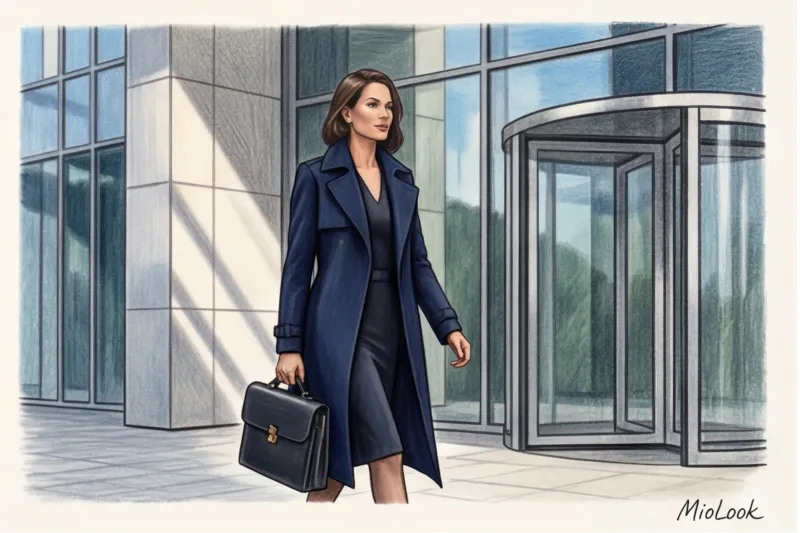
Яка ж альтернатива? Абсолютним кольором довіри, інтелекту та авторитету на найвищому рівні управління є midnight blue (північний синій). Психологія сприйняття цього глибокого, майже чорного, але таїть у собі синій пігмент відтінку унікальна. Він транслює ту ж строгість та формальність, що й чорний, але візуально працює зовсім інакше. Північний синій м'якше контрастує зі шкірою, злегка підсвічуючи обличчя. Коли жінка-керівник входить до зали засідань у костюмі відтінку midnight blue, вона підсвідомо сприймається як людина стабільна, розважлива і впевнена у собі.
Крім темно-синього, сучасна мова влади блискуче говорить діалектом «тихої розкоші». Йдеться про складну, шляхетну палітру: camel (верблюжий), екрю, тауп, гіркий шоколад і глибокий смарагдовий. Чому ці кольори виглядають об'єктивно дорожчими за яскраві або базові чорні речі? Секрет у технології виробництва тканин. Домогтися глибокого, рівномірного та багатогранного відтінку «тауп» або «гіркий шоколад» на дешевій синтетиці практично неможливо – колір вийде плоским та брудним. Ці складні нюанси розкриваються лише на преміальній сировині: кашемірі, щільному шовку, вікунні. Вибираючи ці відтінки, ви без слів заявляєте про безкомпромісну якість вашого гардеробу.
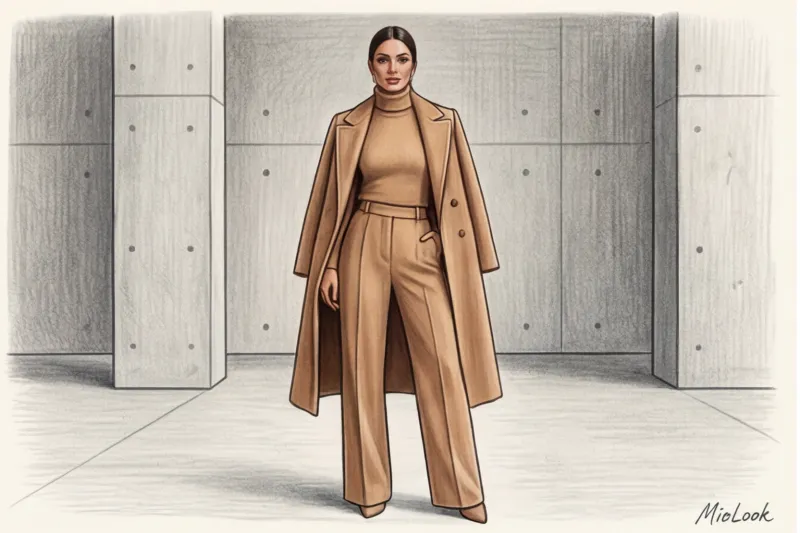
Монохромні образи як інструмент впливу
Якщо правильний колір - це ваша заява, то монохромний образ - це знак оклику в кінці пропозиції. Одяг, витриманий у єдиній колірній гамі від шиї до щиколоток, створює так звану «вертикаль кольору». Ця оптична ілюзія працює бездоганно: вона візуально витягує силует, додає фігурі статності і робить вас на кілька сантиметрів вищим. У психології лідерства фізична присутність та статність безпосередньо асоціюються з домінуванням та контролем над ситуацією.
Однак монохром має одне жорстке правило, порушення якого перетворює статусне вбрання в нудну уніформу. Якщо ви дублюєте колір, ви зобов'язані зіштовхувати фактури. Ніколи не поєднуйте матові тканини однакової густини в одному образі. Архітектура дорогого монохрому будується на контрасті поверхонь.
Ідеальна формула виглядає так: матова вовна + гладкий шовк + замша. Уявіть собі образ у відтінку гіркого шоколаду: штани, що струмують, з тонкої матової вовни, топ з важкого атласного шовку, який делікатно відображає світло, і замшеві човники, що поглинають відблиски. Різниця фактур змушує той самий колір грати десятками півтонів, створюючи глибину і динаміку.
До речі, збирати такі складні за фактурою капсули неймовірно зручно. Я часто рекомендую своїм клієнткам завантажити свій діловий гардероб у MioLook. Штучний інтелект програми наочно показує ваші колірні блоки та допомагає зрозуміти, де вам не вистачає гладкої шовкової фактури, а де варто додати структурну матову базу для створення бездоганного монохрому.
Доступ до MioLook за €0,99 — разовий платіж
Почніть створювати ідеальні статусні образи та керувати своїм гардеробом за допомогою штучного інтелекту прямо зараз.
Відкрити доступ — €0,99 разовоІнвестиційні аксесуари: тиха розкіш, яка говорить голосно
Підлеглі найчастіше оцінюють ваш костюм, а от рівні за статусом партнери безпомилково зчитують аксесуари. У вищих ешелонах бізнесу саме деталі стають тим самим культурним кодом, де найменша фальш здатна зруйнувати бездоганно збудований образ. Аксесуари лідера це не просто функціональні предмети, це ваші невербальні переговорники.
Почнемо з головного супутника ділової жінки. сумки керівника. Це архітектурний об'єкт, а не просто вмістище для ноутбука та документів. Забудьте про м'які, безформні шоппери (hobo bags). М'яка форма підсвідомо асоціюється з розслабленістю та хаосом, тоді як жорстка геометрія транслює зібраність та тотальний контроль. В естетиці stealth wealth (тихої розкоші) панує преміальна шкіра - наприклад, стійка до подряпин Epsom або гладка Box Calf - і повна відсутність логотипів, що кричать. Моделі з жорстким каркасом від Valextra, класика Celine (на зразок моделі 16) або лаконічні The Row Margaux говорять про ваш статус набагато голосніше, ніж усипане монограмами полотно.
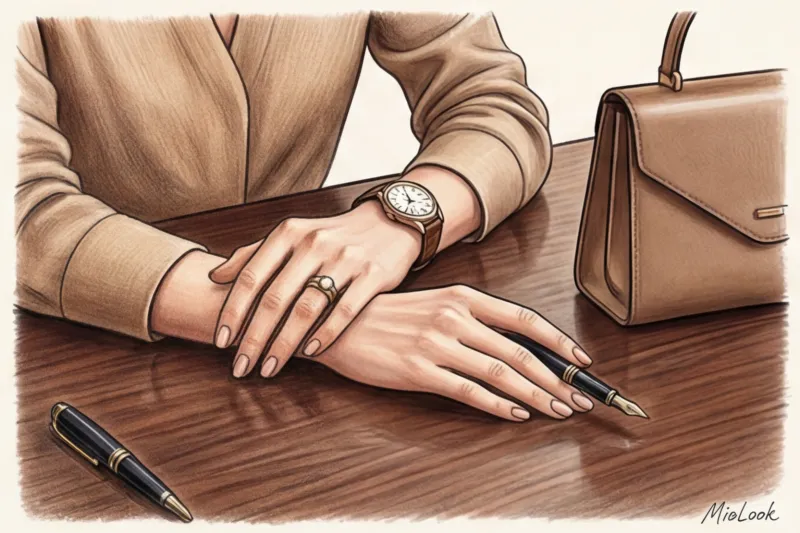
Перейдемо до взуття. Багато жінок помилково вважають, що авторитет прямо пропорційний висоті шпильки. Це небезпечна і фізично виснажлива помилка. Справжній маркер дорогого взуття - це якість колодки , а не висота підборів. Правильна архітектура колодки розподіляє вагу так, що навіть після восьмої години на ногах ваша хода залишається легкою і впевненою. Ідеальні човники для офісу мають стійкий підбор 7-8 сантиметрів (як у еталонних базових моделей Gianvito Rossi). Однак сучасний бізнес-протокол давно відчинив двері переговорних для взуття на плоскому ходу: структурні лофери з полірованої телячої шкіри або щільної замші (згадайте бездоганну класику Church's або Tod's) виглядають анітрохи не менш владно.
Ювелірний етикет керівника будується на строгому, але елегантному правил «трьох зон». З чотирьох можливих точок акценту (вуха, шия, зап'ястя, пальці) ми задіємо максимум три. Наприклад: діамантові пусети, лаконічний кулон і статусний годинник. Жодних браслетів-шандельєрів, що дзвінять, — зайвий металевий шум під час жестикуляції на презентації неприпустимий.
«Годинник на зап'ясті керівника — це не прилад для вимірювання часу, а індикатор приналежності до певного кола. Вибір між механікою та смарт-годинником – це вибір між вічністю і суєтою».
Тут ми підходимо до делікатного моменту. На одній із нещодавніх порад директорів великого банку я спостерігала показову картину: блискучий топ-менеджер у костюмі з дорогої тропічної вовни... і з Apple Watch на силіконовому ремінці, екран яких постійно спалахував пуш-повідомлень. Серед великого бізнесу це моветон. Смарт-годинник з діловим костюмом транслює мікроменеджмент та залежність від чужих повідомлень. Справжній лідер управляє часом, а чи не підпорядковується його сигналам.
Згідно з звітом Deloitte про швейцарську годинну індустрію (2023), класична механіка залишається головним маркером бізнес-еліти. Інвестуйте у вічні цінності: геометричні Cartier Tank, культові Jaeger-LeCoultre Reverso або лаконічні моделі Vacheron Constantin. Це не просто аксесуар, це актив.
До речі, такі преміальні позиції вимагають грамотного підходу до розрахунку вартості носіння (Cost-per-wear). Я завжди рекомендую своїм клієнткам оцифровувати дорогі аксесуари через розумний гардероб MioLook. Коли програма наочно показує, що годинник Cartier або ідеальні лофери ви надягаєте 200 днів на рік, їх первісна висока вартість перетворюється на абсолютно виправдану інвестицію у ваш особистий бренд.
Часті помилки в іміджі жінок на керівних постах
Репутація лідера вибудовується роками завзятої праці, але візуальний авторитет можна втратити за три секунди. За даними класичного дослідження Прінстонського університету (Олександр Тодоров, 2006), саме стільки часу потрібно нашому мозку, щоб несвідомо вважати статус та компетентність співрозмовника. І тут навіть найблискучіші топ-менеджери регулярно потрапляють у стилістичні пастки, які зводять нанівець їхній професіоналізм.
Перша крайність - надмірна жіночність. Велика кількість рюшів, мереживо, що просвічують, глибокі декольте або занадто тонкий каблук-шпилька (вище 8 сантиметрів) в залі засідань працюють проти вас. Цей візуальний шум відволікає від ваших слів та підсвідомо знижує градус авторитету. Якщо ви хочете підкреслити жіночність, робіть це через благородні фактури: замініть легковажне мереживо на щільний шовк, що струмує, а нестійкі шпильки - на елегантні човники kitten heel або структурні туфлі на стійкому блоковому підборі.
Друга, прямо протилежна помилка. надмірна жорсткість. Намагаючись виглядати «своїм хлопцем» у раді директорів, що складається переважно з чоловіків, жінки іноді кутаються у мішкуваті, відверто чоловічі костюми. Це виглядає не як сучасний power dressing, а як симптом синдрому самозванця: ніби ви намагаєтеся сховатися за чужою, навмисне маскулінною бронею. Справжнє лідерство не вимагає відмови від своєї природи та мімікрії під чоловічий стиль.
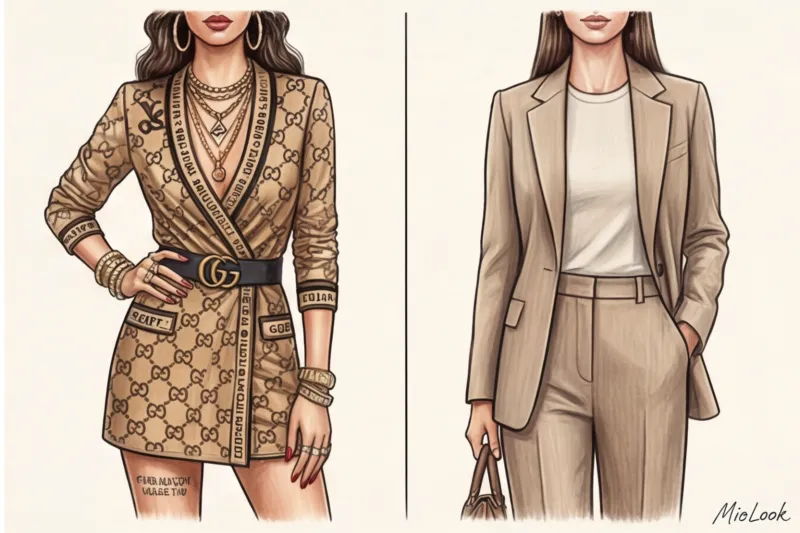
На окрему згадку заслуговує логоманія. Великі пряжки-логотипи на ременях, сумки, поцятковані монограмами, і помітні написи брендів - це маркери не статусу, а внутрішньої невпевненості. У бізнес-еліті відкрита демонстрація брендів зчитується як відчайдушна спроба довести свою фінансову спроможність. Справжня влада обирає stealth wealth (тиху розкіш): ваші партнери повинні бачити бездоганний крій, ідеальну геометрію та якість шкіри, а не ярлик, що кричить.
Але найпідступніша зона, що руйнує образ керівника, — це недоглянутість та дешеві деталі. Як стиліст, я регулярно рятую гардероби від одного й того ж лиха: чудовий жакет з гарної вовни, правильний силует, але... дешеві блискучі пластикові гудзики або квола фурнітура. Повірте, одна така деталь миттєво обнулює вартість всього образу. До цієї категорії належать катишки на кашемірі, ледь помітні потертості на кутах сумки і стоптані набійки на туфлях.
Мій особистий професійний лайфхак: якщо ви купуєте жакет у сегменті middle-up, одразу ж несіть його в перевірене ательє та змінюйте базові пластикові гудзики на натуральні рогові, перламутрові або обтягнуті тканиною в тон. Ця мікро-інвестиція візуально переведе річ до категорії преміум.
Статус не терпить неохайності. Щоб не пам'ятати графік обслуговування гардеробу, я настійно раджу відзначати стан речей у MioLook - Додаток нагадає, які човники пора віднести до майстра для заміни набійок, а який джемпер потребує делікатного чищення від катишків.
Ваш ідеальний образ
починається тут
Приєднуйтесь до тисяч користувачів, які щодня виглядають бездоганно з MioLook.
Відкрити доступ — €0,99 разовоАдаптація стилю під різні бізнес-ситуації
Один і той самий бездоганно скроєний жакет може зробити вас тріумфатором на раді директорів і звести непотрібну стіну відчуження на неформальному бізнес-ланчі. Контекст вирішує все. Статусний гардероб - це не уніформа, яку ви надягаєте з понеділка по п'ятницю, це набір вивірених інструментів з тонким налаштуванням під конкретне комунікативне завдання.
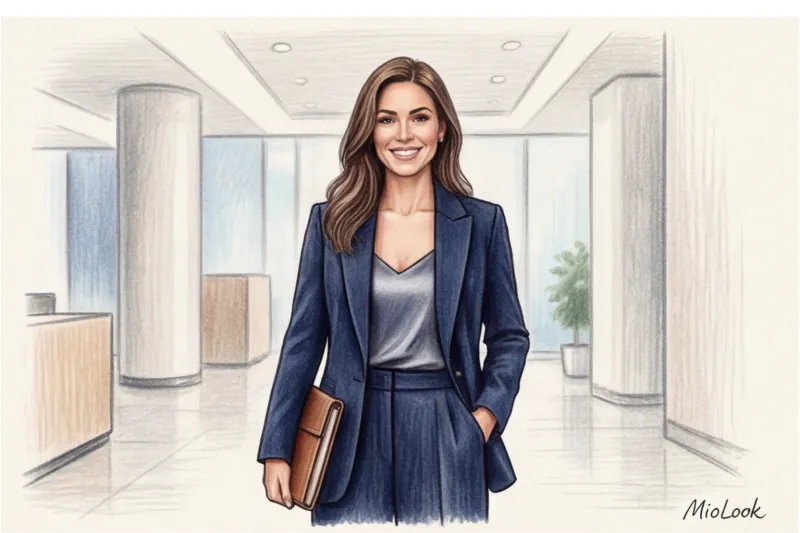
Для засідань ради директорів та складних переговорів з високими ставками потрібна максимальна зібраність. Тут беззастережно працюють структурні тканини — дабл-креп, щільна вовна габардинів, які тримають архітектуру силуету навіть після трьох годин у кріслі. Психологічний прийом, що безвідмовно діє у стресових ситуаціях: використовуйте контрастні поєднання. Глибокий темно-синій костюм у парі з кипельно-білим шовковим топом візуально транслює безкомпромісність, ясність розуму та чіткість позиції. В умовах жорстких дебатів м'які драпірування та пухкі фактури підсвідомо зчитуються опонентами як податливість.
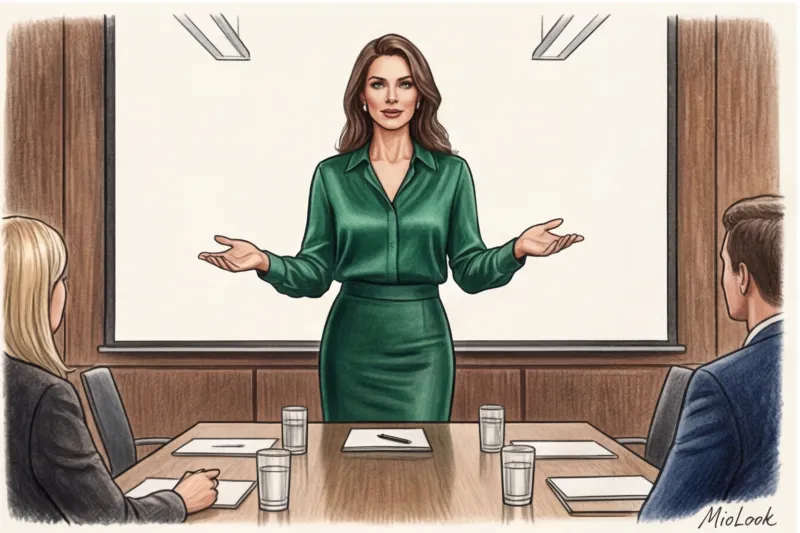
Зовсім інша механіка діє на неформальних зустрічах та бізнес-ланчах. Якщо ваша мета — вибудувати довірчі стосунки, знайти компроміс або провести промацування ґрунту перед великою угодою, жорсткий тейлоринг краще залишити в кабінеті. Перейдіть на формат power casual. Розслаблені силуети та трикотаж преміум-класу миттєво знижують градус напруги. Замініть строгий жакет на деконструйований жакет без підклади, а сорочку — на кашемірове поло з довгим рукавом або джемпер із суміші шовку та бавовни. Ви залишаєтеся керівником, зберігаєте дистанцію за рахунок шляхетності матеріалів, але при цьому демонструєте людяність та готовність до діалогу.
Окрема і дуже підступна територія. публічні виступи та робота з медіа. За роки підготовки топ-менеджерів до прямих ефірів та масштабних конференцій я вивела жорстке правило: камера та сценічне світло живуть за своїми, дуже жорстокими законами. По-перше, об'єктив нещадно «з'їдає» тонку фактуру тканини, роблячи складні відтінки меланжеві плоскими і візуально дешевими. По-друге, категорично необхідно відмовитися від будь-яких дрібних геометричних принтів. Класична гусяча лапка (houndstooth), дрібна смужка або клітинка на відео неминуче дають строб-ефект - той самий муар, що рябить, який відволікає глядача від ваших слів і викликає фізичний дискомфорт при перегляді.
Телевізійне світло та софіти на сцені виявляють найменший неприродний блиск. Якщо у складі тканини є навіть невеликий відсоток неякісної синтетики, на екрані ви сяятимете, як диско-куля. Ваш вибір для сцени та кадру – чисті, насичені матові кольори та гладкі поверхні, що поглинають світло.
Щоб не витрачати ранковий годинник на болісний вибір між «надто суворо» і «надто розслаблено» перед важливим днем, створіть заздалегідь продумані капсули. У програмі MioLook я завжди прошу клієнток тегувати готові образи щодо конкретних ситуацій: «рада директорів», «медіа», «неформальний ланч». Це дозволяє за пару секунд знайти ідеальний комплект, який вже перевірено на відповідність дрес-коду, чудово сидить і не підведе вас у кадрі.
Чек-лист: аудит вашого поточного ділового гардеробу
Проведемо жорстокий, але необхідний експеримент. Відкрийте дверцята своєї шафи і задайте собі одне питання: «Якби мене прямо зараз викликали на незаплановане інтерв'ю для ділового видання, скільки речей із цього гардеробу я могла б надіти не роздумуючи?». За статистикою консалтингового агентства Bain & Company (2023), топ-менеджери використовують лише 20% свого гардеробу, втрачаючи дорогоцінні ранкові хвилини на пошук «тої самої» речі.
Грамотно збудований імідж керівника жінки не терпить хаосу. Це керована система. І починається вона із безжального аудиту. Минулого місяця я проводила ревізію гардеробу віце-президента великої ІТ-корпорації. Ми вивезли три величезні кофри речей, які «було шкода викинути», але які щодня крали її енергію та знижували градус авторитету. Щоб не повторювати помилку, вам потрібен чіткий алгоритм.
Покроковий план ревізії: від чищення до інвестицій
Процес оновлення статусного гардеробу складається із трьох безкомпромісних етапів:
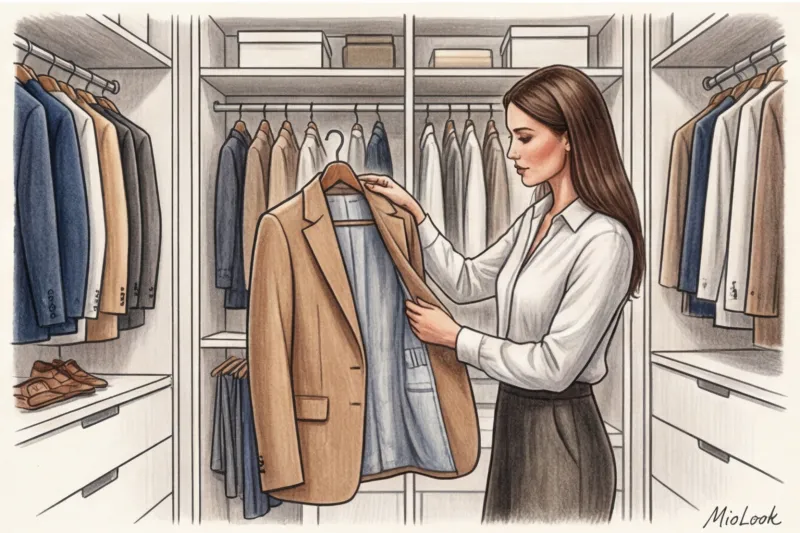
- Порятунок від «втомлених» речей. Котишки на кашемірі, мікро-заломи на ліктьових згинах жакету, комір, що втратив форму, комір шовкової блузи, стоптана профілактика на човниках - це візуальне сміття, яке транслює недбалість. Якщо річ не можна реанімувати в преміальній хімчистці чи дорогому ательє - прощайтеся без жалю. Лідер не може дозволити собі виглядати "злегка поношено".
- Аналіз порожнеч та архітектури. Розважте речі, що залишилися за категоріями. Чого не вистачає для створення ідеальної капсули? Можливо, у вас п'ять відмінних спідниць-олівців, але жодного топа із щільного шовку, який би з ними монтувався. Або є дорогі штани, але немає жакета правильної довжини, який би не різав пропорції.
- Складання шопінг-листу інвестицій. Ми не купуємо просто гарний костюм. Ми шукаємо конкретні позиції для закриття порожнин: наприклад, двобортний блейзер кольору midnight blue з тропічної вовни або жорстку сумку-тоут без кричачих логотипів.
Правило 70/30: баланс консерватизму та динаміки
Формуючи новий список покупок, суворо дотримуйтесь правила 70/30. Рівне 70% вашої шафи має становити базу преміальної якості - Ті самі речі з ідеальним тейлорингом, про які ми говорили раніше. Це ваш непохитний фундамент: костюми з матової вовни, класичні човники з вивіреною колодкою, кашемірові водолазки нейтральних відтінків.
Ті, що залишилися 30% - це трендові акценти. Навіщо вони потрібні керівнику? Щоб не виглядати людиною у футлярі, який застряг у минулому десятилітті. Динаміка в образі показує, що ви гнучкі та тримаєте руку на пульсі часу. Це може бути шовкова хустка з абстрактним принтом, блуза актуального цього сезону відтінку гіркого шоколаду або акцентна брошка складної архітектурної форми.
Перш ніж вирушати за покупками з нового списку, я настійно рекомендую протестувати силуети. Не обов'язково витрачати вихідні на походи бутіками. Завантажте свою відфільтровану базу MioLook та використовуйте функцію віртуальної примірювальної. Це геніальний практичний інструмент: ви можете накласти на свою фігуру нові фасони (наприклад, приміряти широкі штани-палаццо замість звичних звужених) та подивитися, як вони впишуться у ваші пропорції та поточний гардероб, ще до оплати на касі.
Ваш головний бізнес-актив
Підсумовуючи нашу розмову про архітектуру ділового стилю, я хочу, щоб ви запам'ятали одну незмінну істину. Імідж керівника жінки – це інструмент, який має працювати на вас ще до того, як ви скажете перше слово.
Коли ви входите до зали засідань або з'являєтеся на екрані Zoom, ваш одяг вже транслює вашу компетентність, масштаб мислення та рівень домагань. Не залишайте цей сильний ресурс на волю випадку. Інвестуйте в себе грамотно, вибирайте якість замість кількості, носите свій статус з гідністю, і нехай ваш гардероб стане вашим надійним і мовчазним бізнес-партнером.
Глави гайда
Базовий гардероб керівника жінки: статусна капсула
Одяг на рівні топ-менеджменту – це інструмент управління увагою. Дізнайтеся, як зібрати статусну капсулу, яка підкреслить ваш авторитет.
Сучасний power dressing для жінок: стиль та кар'єра
Забудьте про незручні суворі костюми. Дізнайтеся, як сучасний діловий гардероб допомагає жінкам-керівникам здобути впевненість та будувати кар'єру.
Помилки у діловому стилі жінки: як не втратити авторитет
Як одяг видає вашу невпевненість? Розбираємо 7 неочевидних помилок у гардеробі жінки-керівника, які вбивають авторитет в очах команди.
Які кольори у діловому одязі викликають довіру?
Чорний костюм більше не є гарантією успіху. Дізнайтеся, як правильно підібрана палітра допомагає керувати враженням та викликати довіру з перших секунд.
Статусні аксесуари для жінок: гід для бізнес-леді
Справжня влада говорить пошепки, а не кричать логотипами. Дізнайтеся, як правильно вибирати сумки, годинники та прикраси, які миттєво викличуть повагу партнерів.
Ідеальний одяг для публічних виступів жінці-спікеру
Сценічний образ – це не просто стиль, а ваша інженерна броня. Дізнайтеся, як вибрати одяг для виступів з урахуванням софітів, акустики та мікрофонів.
Бізнес-кежуал для жінок: статусний стиль керівника
Найбільша пастка корпоративного дрес-коду — ілюзія, що «розслаблений» означає «простий». Розбираємо, як створити гардероб керівника, що транслює статус без суворих костюмів.
Дрес-код керівника жінки: від банку до агентства
Як одяг впливає на ваш авторитет у команді? Розбираємо концепцію адаптивного гардеробу для жінок-керівників у різних бізнес-нішах.
Ділове взуття для жінок: статус та комфорт начальниці
Як взуття впливає на ваш авторитет та чому незручні шпильки позбавляють вас лідерських позицій? Розбираємо правила вибору ідеальної пари для керівника.
Діловий макіяж для керівника: статус та стиль
Як жінці-лідеру виглядати статусно, не витрачаючи годинника на збори? Розбираємо часті помилки та вчимося використовувати макіяж як інструмент впливу.
Зачіски для бізнес леді: укладання для статусу та успіху
Правильна стрижка - це не просто бьюті-рутіна, а інвестиція у ваш імідж та тайм-менеджмент. Розбираємо укладання, які транслюють впевненість та економлять час вранці.
Діловий стиль для повних жінок: як одягатися статусно
Забудьте про безформні речі. Дізнайтеся, як створити статусний гардероб plus size, який підкреслить ваш професіоналізм та впевненість у собі.
Літній діловий стиль для жінок: гардероб керівника
Як топ-менеджеру виглядати статусно +32°C і уникнути м'ятих костюмів? Розбираємо головні правила літнього дрес-коду для жінок-керівників.
Верхній діловий одяг для жінок: статус та стиль
Неправильно підібране пальто може зіпсувати навіть найдорожчий діловий костюм. Розповідаємо, як вибрати статусний верхній одяг, який підкреслить ваш авторитет.
Віртуальна примірка одягу: ІІ-гардероб для керівника
Жінки-керівники витрачають до 15 години на місяць на шопінг. Дізнайтеся, як ІІ-технології допомагають делегувати підбір гардеробу та економити час.