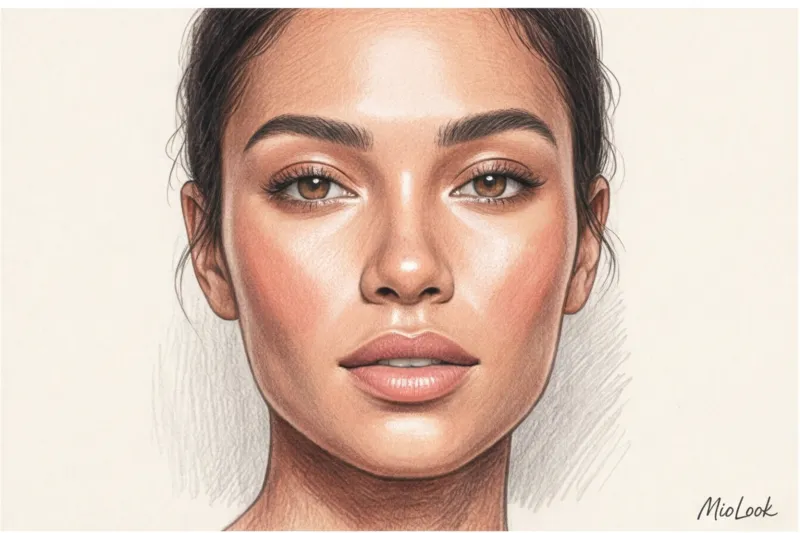
Ви дивитеся в дзеркало о 15:00, і замість обіцяного рекламою «природного свічення» бачите тьмяний пергамент. Тональний крем забився в мікрозморшки, а щоки стягнуло так, ніби ви провели день у пустелі, а не в сучасному опен-спейсі. Знайома картина? Як персональний стиліст, я постійно чую цю скаргу від клієнток: вони скуповують десятки баночок із позначкою «glow» або «hydrating», але до середини робочого дня обличчя все одно виглядає стомленим.
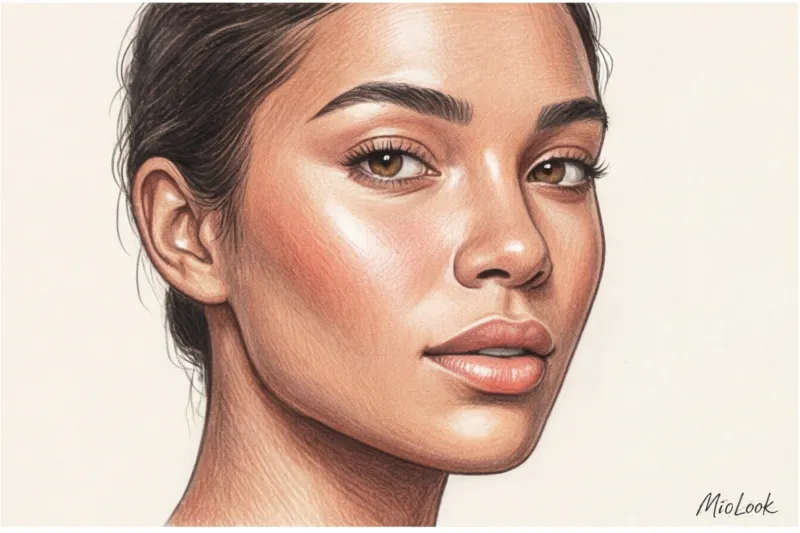
Проблема в тому, що ми продовжуємо використовувати техніку макіяжу, створені для камер і софітів, у реальному житті. Ми намагаємося «замазати» сухість замість того, щоб працювати з нею системно — так само, як ми вибудовуємо функціональний гардероб. Створюючи ідеальний макіяж для сухої шкіри на кожен день , потрібно враховувати не лише бренд косметики, а й закони хімії, а також агресивний мікроклімат сучасних будівель. Докладніше про основи формування базової косметички ми вже розповідали у нашому повному гіді по повсякденному макіяжу Але сьогодні ми заглибимося в специфіку саме зневодненої та сухої шкіри.
Я пропоную відмовитися від банальної поради «просто пийте більше води та купіть хороший крем». Давайте розберемо ваш макіяж як розумну капсулу: залишимо лише ті текстури, які працюють у синергії, приберемо конфліктуючі формули і назавжди забудемо про інструменти, які буквально крадуть вологу з вашого обличчя.
Чому старі правила не працюють: анатомія сухості та офісний клімат
Епоха «бейкінгу» (запікання пудри на обличчі) та глухих матових текстур офіційно мертва. Але навіть перейшовши на легкі тональні засоби, багато хто продовжує критичну помилку — вони не враховують фактор середовища.
У дерматології є термін TEWL (Transepidermal Water Loss – трансепідермальна втрата вологи). Згідно з дослідженнями клініки Майо (2023) нормальний рівень вологості для комфорту шкіри становить 40-60%. Проте взимку в опалюваних офісах із потужними кондиціонерами цей показник падає до критичних 20%. У таких умовах сухе повітря починає буквально витягувати вологу з шкіри. Якщо на обличчі лежить щільний матовий тон без ліпідної бази, він тріскається, як висохла глина.
І тут криється мій головний контринтуїтивний інсайт, який часто шокує клієнток: ваш улюблений вологий бьюті-спонж - найлютіший ворог сухої шкіри.
«Спонж створений із пористого матеріалу. Коли ви наносите їм сучасні гібридні тональні сироватки, багаті на масла і компоненти, що доглядають, спонж вбирає саме цю поживну базу. На вашій шкірі залишається сухий пігмент, позбавлений зволожуючого буфера».
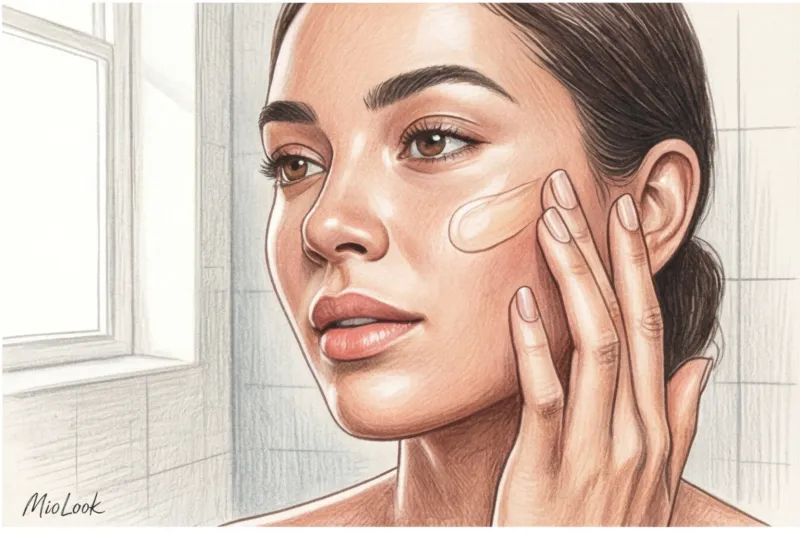
За 12 років спостережень за роботою топових візажистів на бекстейджах я помітила одну деталь: працюючи із сухою шкірою, вони майже завжди наносять гібридні засоби виключно теплими пальцями. Тепло рук допомагає текстурі розігрітися і буквально «вплавитися» в епідерміс, створюючи ту саму другу шкіру, а не маску.
Спробуйте MioLook безкоштовно
Розумний AI-стиліст підбере ідеальний образ під ваш тип зовнішності
Почати безкоштовноСкінімалізм і підготовка: макіяж починається з догляду
Глобальне агентство з прогнозування трендів WGSN у своєму звіті за 2024 виділило «Скінімалізм» (Skinimalism) як домінуючий вектор б'юті-індустрії. Суть проста: межа між доглядом та макіяжем стерлася. Сучасний бьюті гардероб будується на гібридних продуктах.
Але тут постає проблема хімічної несумісності. Минулого місяця до мене на консультацію прийшла дівчина (топ-менеджер IT-компанії), яка скаржилася, що її дорогий тон за 80 доларів безбожно скочується пластівцями вже при нанесенні. Провівши аудит її косметички, я знайшла причину за 30 секунд. Вона використовувала легку зволожуючу сироватку на водній (water-based) основі, а поверх наносила праймер, що вирівнює, на жорстких силіконах (dimethicone). Вода та силікон відштовхуються. Тон просто ковзав по обличчю і збирався в катишки.
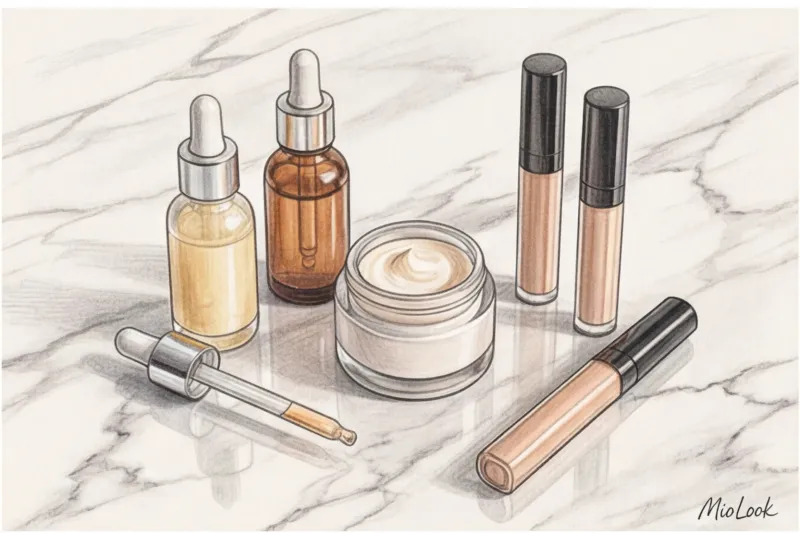
Золоте правило: перевіряйте склади. Для сухої шкіри ідеальним рішенням буде тандем із крему на основі церамідів та сквалану, та тонального засобу з масляною або емульсійною базою.
Правило трьох хвилин: тайм-менеджмент вашої ранкової рутини
Ще одна помилка, яка гарантує вам ефект стягнутості до полудня - поспіх. Якщо ви наносите тональний засіб відразу після зволожуючого крему, продукти змішуються в незрозумілу кашу, розбавляючи пігмент і руйнуючи бар'єр крему.
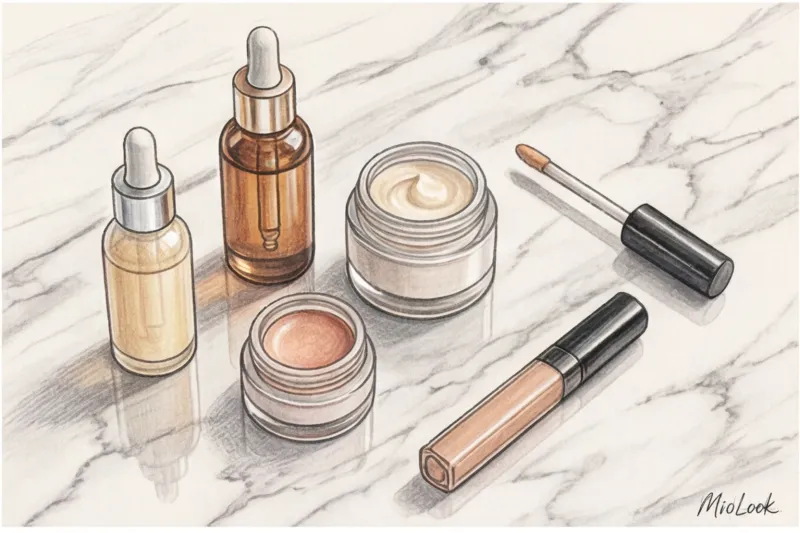
Інтегруйте в ранкові збори мікропаузу. Завдали догляду - зачекайте рівно 3 хвилини. За цей час крем «сяде», а надлишки вологи випаруються. Щоб не гаяти час, я зазвичай використовую це вікно для чищення зубів або вибору аксесуарів у додатку MioLook. Тільки після того, як шкіра стала бархатистою на дотик, можна переходити до кольору.
Макіяж для сухої шкіри щодня: покроковий алгоритм
Як амбасадор мінімалізму, я раджу підходити до макіяжу як до капсульного гардеробу: менше шарів, більше функціональності. Класичні щільні тональні креми (full-coverage foundations) краще залишити для сцени. Ваш вибір - це serum foundation (тональна сироватка) або skin tint (флюїд відтінку).
Відмінні приклади таких текстур роблять бренди Ilia (їхній знаменитий Super Serum Skin Tint) чи Kosas. Вони містять гіалуронову кислоту, сквалан та ніацинамід, працюючи як захисний екран протягом дня.
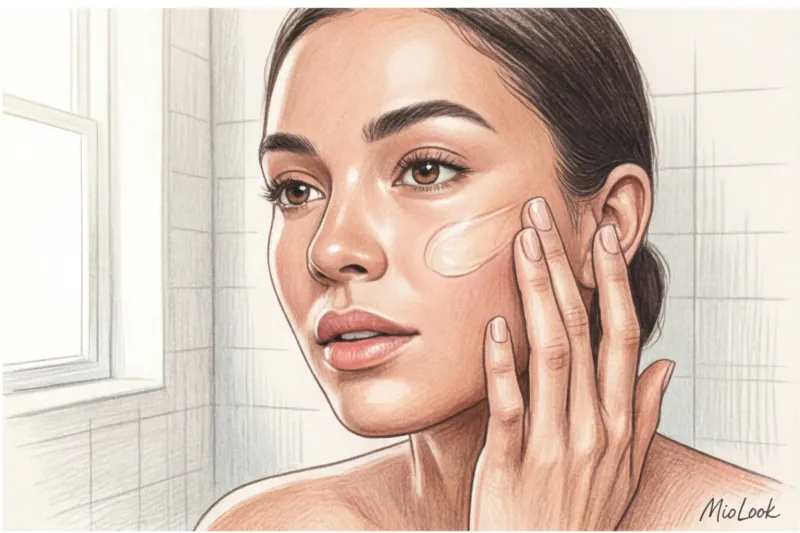
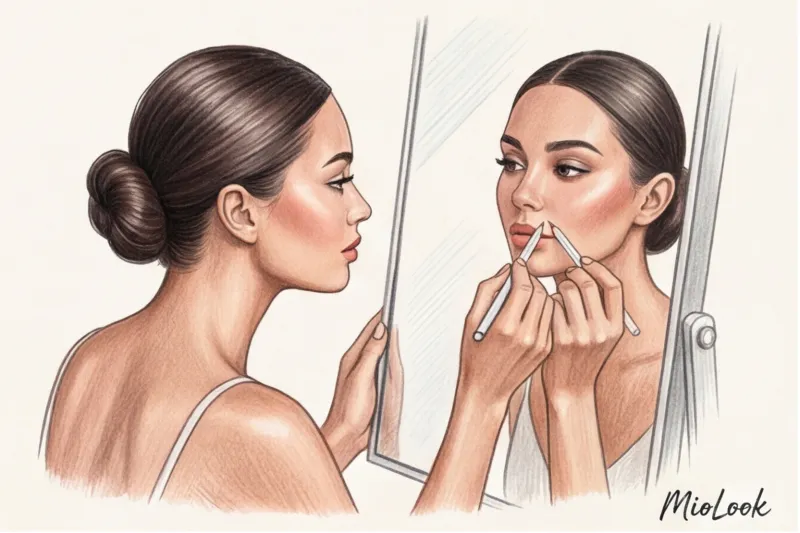
Але як приховати недоліки, якщо тон напівпрозорий? Тут входить у гру техніка мікро-маскування. Замість штукатурити все обличчя, нанесіть легкий тинт для вирівнювання загального колориту, а потім візьміть щільний зволожуючий консилер і крихітним пензлем (або пальцем) точково пропрацюйте тільки синці, судини біля крил носа і пігментацію.
Важливе обмеження: цей метод працює ідеально для сухої шкіри з локальними недосконалостями. Якщо у вас активна стадія акне або виражена розацеа, вам знадобляться спеціалізовані дерматологічні формули, що перекривають, які повинен підібрати лікар.
Мистецтво нашарування: кремові текстури
Для сухої шкіри будь-які сухі рум'яна та бронзери – табу. Вони миттєво підкреслюють пушок на обличчі та створюють ефект «пергаменту». Переходьте на кремові та гелеві стики.
Головне правило нашаровування крему на крем втоптувати, а не розмазувати (Tap, don't swipe). Якщо ви тягнете кремові рум'яна пальцем по щоці, ви зітрете шар тональної сироватки під ними. Наберіть пігмент на подушечки пальців, трохи розітріть між ними, щоб зігріти, і м'яко вдрукуйте в яблучка щік, відтягуючи колір до скронь. Це дасть ефект здорового ліфтингу.
Ваш ідеальний образ починається тут
Приєднуйтесь до тисяч користувачів, які щодня виглядають бездоганно з MioLook.
Почати безкоштовноГоловний ворог: як правильно фіксувати макіяж на сухій шкірі
Якби мені платили щоразу, коли я бачу напис «зволожуюча пудра» (hydrating powder), я вже купила б острів. Це рекламний міф. За законами фізики пудра це абсорбент. Будь-яка пудра вбирає вологу та себум. Наносити її на сухе обличчя - означає добровільно позбавляти шкіру останніх залишків гідратації.
Як тоді зафіксувати консилер, щоб він не забився в складки? Використовуйте техніку Pinpoint Powdering (Точкове припудрювання). Візьміть найменший пухнастий пензель (наприклад, кисть для розтушовування тіней), наберіть мікроскопічну кількість дрібнодисперсної пудри і пройдіться ТІЛЬКИ стратегічними зонами: під очима, з боків спинки носа і в центрі підборіддя. Вилиці, щоки та лоба залишаються недоторканими.
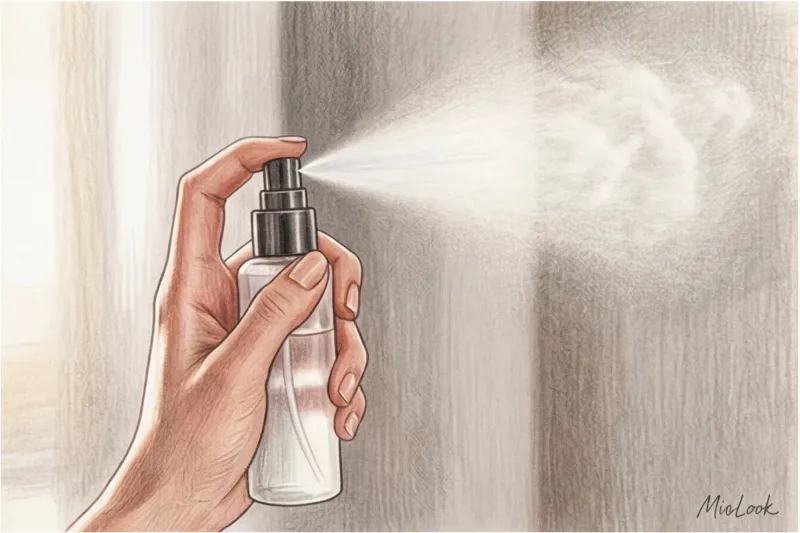
Для загальної фіксації макіяжу використовуйте setting spray (спрей, що фіксує). Шукайте у складі гліцерин (glycerin) чи сквалан. Вони створюють на обличчі невагому влагоутримуючу плівку, яка «склеює» всі шари макіяжу воєдино і не дає випаровуватися волозі в сухому офісному повітрі.
Офісний тест-драйв: як зберегти обличчя до кінця робочого дня
Навіть з ідеальною підготовкою до 15:00 ваша шкіра зіткнеться з випробуванням. Втомлена, стягнута шкіра з тонким тоном, що потріскався, моментально знижує градус статусності вашого образу - це виглядає неохайно, особливо якщо ви готуєтеся до важливої вечірньої зустрічі.
Якщо ви помітили, що тон почав тьмяніти або на лобі з'явився блиск (іноді суха шкіра виділяє себум як захисну реакцію на пересушування), ні в якому разі не припудрюйте обличчя. Пудра, нанесена поверх себуму та зруйнованого тону, створить ефект брудної каші.
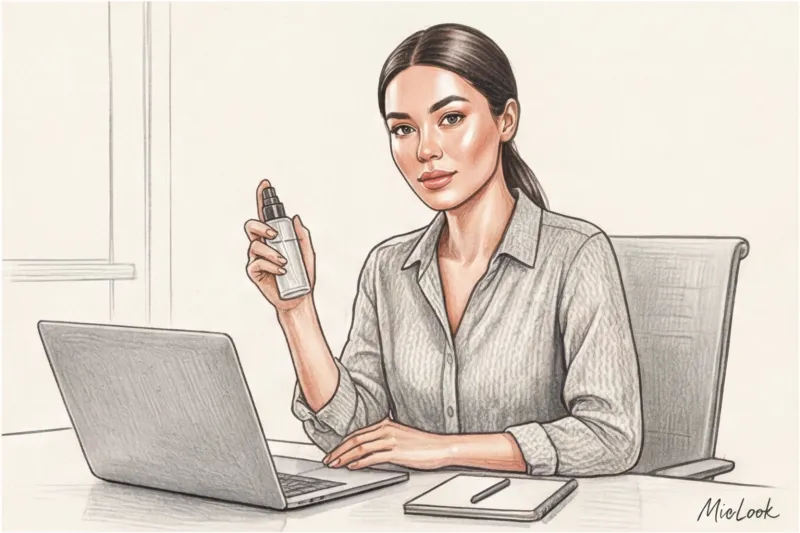
Ваш Бьюті-SOS план має виглядати так:
- Візьміть серветку, що матує (або звичайну паперову хустинку, розшаровану до одного тонкого шару) і м'яко промокніть Т-зону. Не тріть!
- Використовуйте міст із церамідами або гліцерином (не плутати зі звичайною термальною водою – чиста вода без ліпідів випарується та висушить шкіру ще сильніше).
- Якщо є локальні лущення (часто бувають навколо носа чи рота), використовуйте зволожуючий стик (multi-balm). Злегка поплескайте стиком по сухій зоні прямо поверх макіяжу.
Чек-лист: ревізія вашої косметички
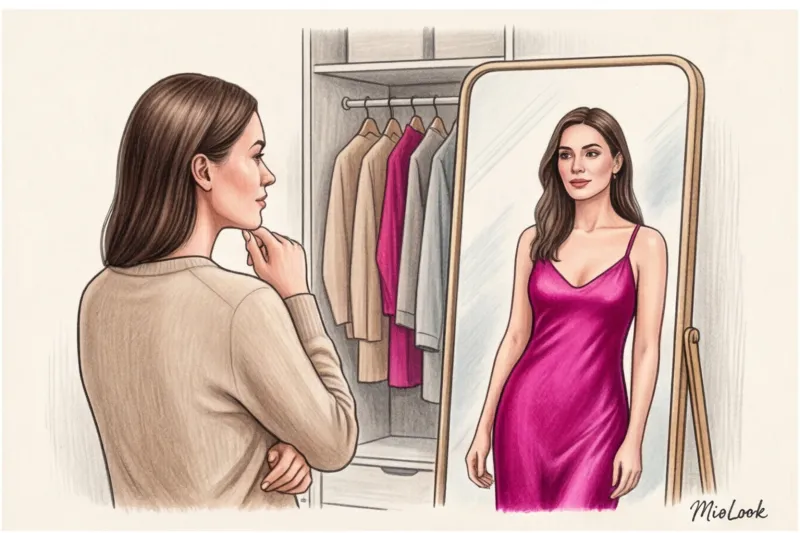
Як стиліст розбирає шафу, позбавляючись речей, які вас не фарбують, так само ми проведемо аудит вашої косметички. Час визнати: деякі продукти просто не створені для вашої шкіри.
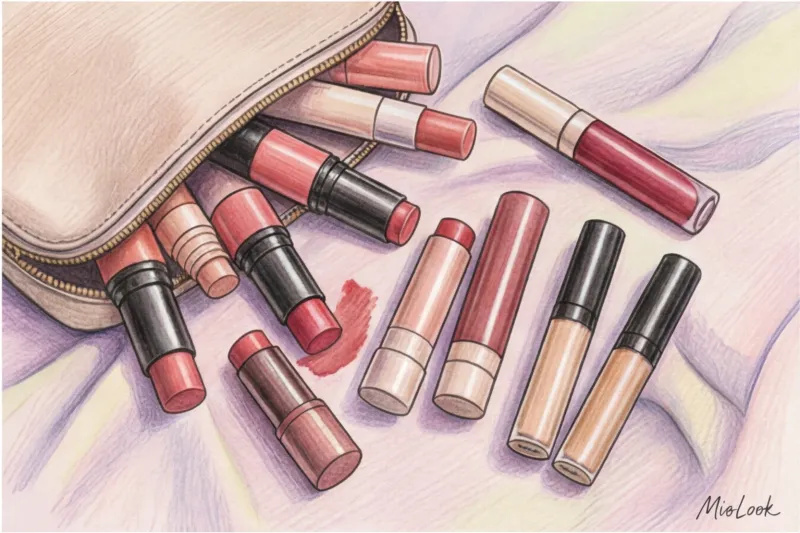
Чого потрібно позбутися прямо зараз:
- Щільні матуючі тональні основи (matte/long-wear).
- Агресивні транспарентні пудри для бейкінгу.
- Сухі пудрові хайлайтери (вони лягають поверх шкіри і підкреслюють кожну лусочку).
Ваша базова «капсула» макіяжу для сухої шкіри:
- Тональна сироватка (Serum foundation) з гіалуроновою кислотою.
- Зволожуючий консилер середньої густини для локальної роботи.
- Кремові рум'яна у стику чи шайбі (відтінок освіжаючого персика чи запорошеної троянди).
- Рідкий хайлайтер без великих блискіток (для ефекту «вологої шкіри»).
- Зволожуючий фіксуючий спрей з гліцерином.
Чи готові почати?
Спробуйте безкоштовний план MioLook без обов'язків, щоб зібрати свій розумний гардероб.
Почати безкоштовноСекрет дорогого та стійкого макіяжу на кожен день криється не в кількості шарів, а в розумінні того, як текстури взаємодіють із вашою шкірою та навколишнім середовищем. Ставтеся до макіяжу як догляду з додаванням пігменту. Вибирайте гібридні текстури, що тануть, відмовтеся від спонжів на користь тепла власних рук і залиште пудру в минулому. І тоді ваша шкіра відповідатиме вам вдячним, здоровим світінням з раннього ранку і до самого вечора.