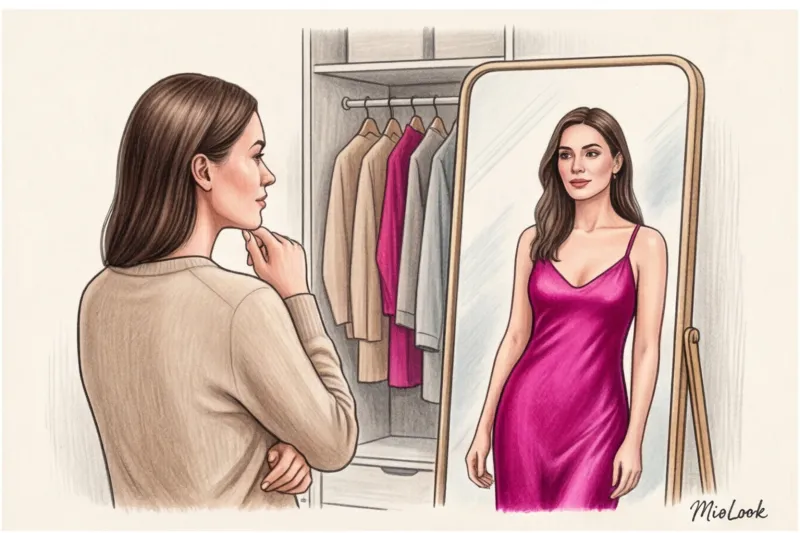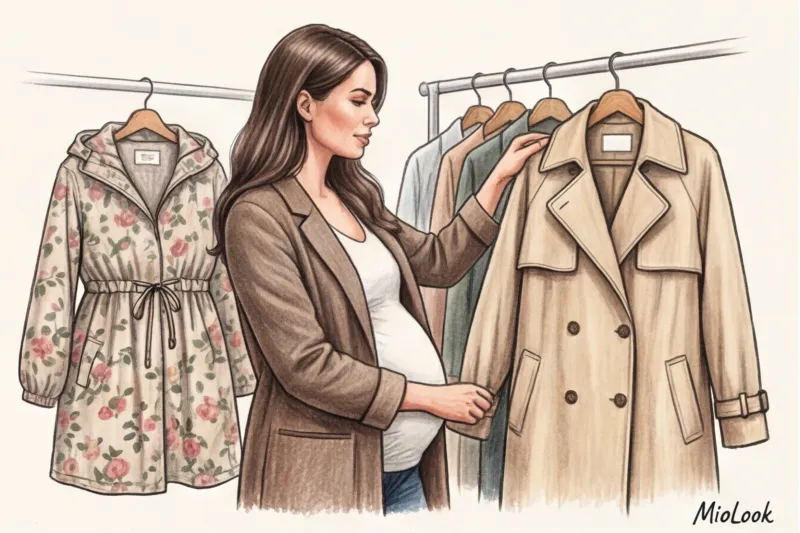
Я ніколи не забуду сльози Ізабелли у примірювальній спеціалізованої крамниці для майбутніх мам. Переді мною стояла успішна 32-річна жінка-архітектор, яка з жахом дивилася в дзеркало і бачила там "безформну хмару в квіточку". Їй був потрібен базовий плащ для вагітних на весняний сезон, але всі запропоновані варіанти з безглуздими лаштунками під грудьми та дивними рюшами безжально знищували її вивірений особистий стиль. Ми мовчки вийшли з бутіка, зайшли до найближчого флагманського мас-маркету, взяли в чоловічому відділі класичний пісочний тренч... і сталося диво. Силует миттєво зібрався, а в очах Ізабелли повернулася впевненість.
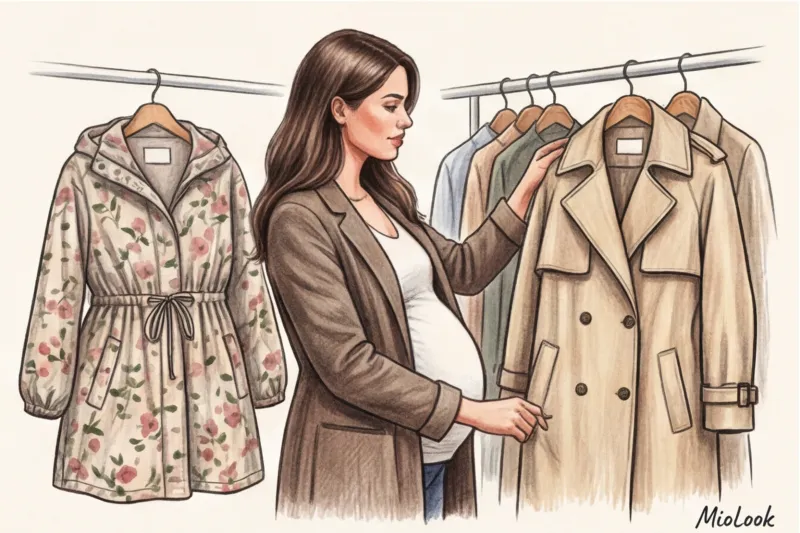
Детальніше базову філософію формування сезонного гардеробу у цей особливий період ми розбирали у нашому повному гіді по верхньому одязі для майбутніх мам. Але сьогодні я хочу поговорити про річ, яка стане вашою найкращою модною інвестицією.
Чому спеціалізований плащ для вагітних – це модна пастка
Індустрія maternity wear - це геніальний маркетинг, побудований на нашому тимчасовому страху перед тілом, що змінюється. Нам вселяють, що на ці дев'ять місяців ми повинні повністю змінити гардероб. Але за 12 років роботи стилістом та скрупульозного аналізу сотень клієнтських гардеробів я зібрала власну статистику. І вона невтішна.
Давайте порахуємо Cost-Per-Wear (Вартість одного одягання) - мою улюблену метрику розумного гардеробу. Типова куртка або плащ зі спеціальною вставкою для живота коштуватиме вам приблизно 150 €. Ви носитимете її від сили 40 днів на пізніх термінах. Підсумок: 3,75 € за кожен вихід у речі, які вам навіть не подобаються. А тепер візьмемо якісний класичний тренч оверсайз крою за 350€. Ви проносите його до пологів, потім усю весну з коляскою, і ще щонайменше п'ять років після. При консервативному розрахунку 300 надягань вартість виходу падає до смішних 1,16 €. Математика безжальна: «одноразові» речі обходяться нам найдорожче.
Але справа не лише у грошах. Втрата своєї естетики заради тимчасового живота - прямий шлях до декретної нудьги. Більшість спеціалізованих плащів оснащені лаштунками або гумками у стилі ампір (під грудьми). Парадокс, про який рідко кажуть: ці деталі візуально додають вам обсяги. Тканина, зібрана в складки над животом, створює ефект парашута, роблячи фігуру монументальною та великоваговою.
Розумний гардероб без зайвих витрат
Спробуйте MioLook безкоштовно: Розумний AI-стиліст підбере ідеальний образ на будь-який період життя та допоможе розрахувати вартість виходу кожної речі.
Почати безкоштовно3 фасони звичайних тренчів, які замінять плащ для вагітних
Моє головне правило для клієнток у положенні: спочатку шукайте верхній одяг у звичайних жіночих магазинах (COS, Massimo Dutti, 12 STOREEZ), а потім сміливо йдіть у чоловічий відділ. Весь секрет криється не в еластичних вставках, а в грамотній архітектурі крою.
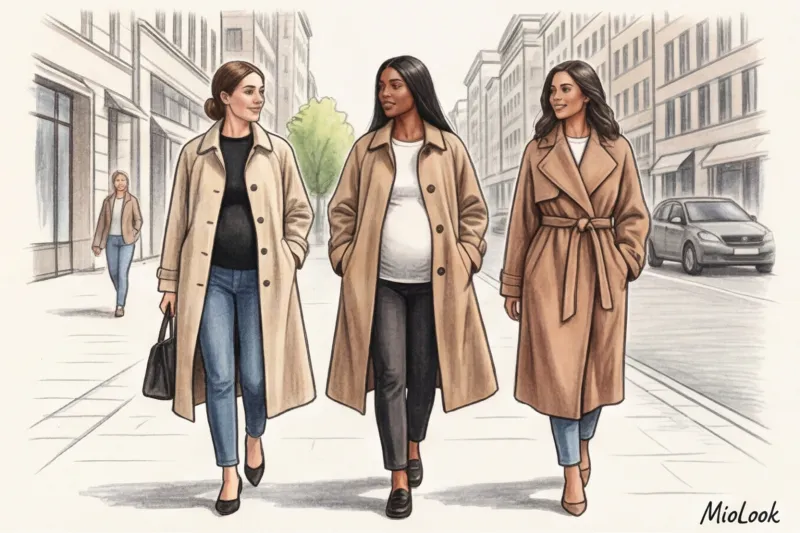
Класичний оверсайз із рукавом реглан
Втачний рукав (коли шов проходить рівно по плечовому суглобу) – головний ворог вагітних. Під час вагітності збільшується не тільки живіт, а й груди (часто на 1-2 розміри), а також трохи розширюється грудна клітка. Жорсткий втачний шов миттєво зробить пальто тісним у проймах.
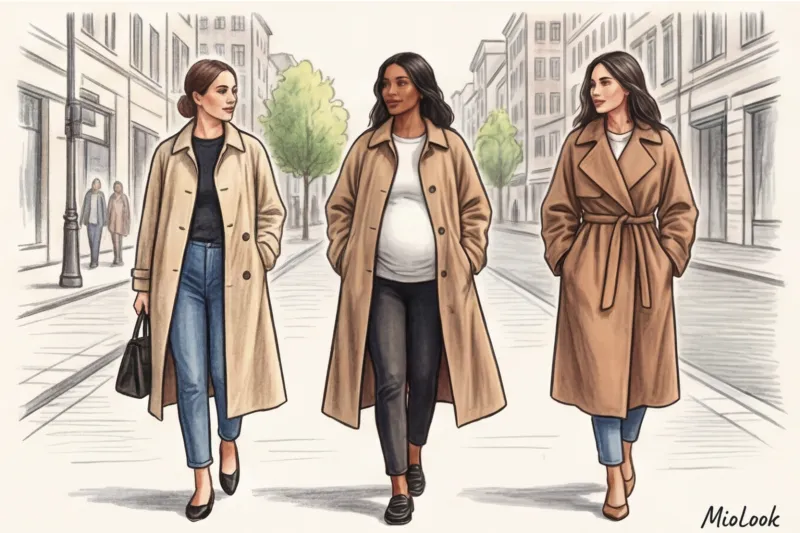
Ваш рятівник рукав реглан. У цій конструкції рукав викроюється разом із плечовою частиною спинки та полички. Він не має жорсткої фіксації на плечі і має дивовижну адаптивність. За даними дослідників Інституту конструювання одягу, реглан здатний компенсувати до двох розмірів обсягом грудей без втрати красивої посадки. Такий тренч буквально росте разом з вами.
А-силует (Трапеція) та макінтош
Якщо ви подивитеся на історичний крій класичного макінтоша (створеного Чарльзом Макінтошем у 1824 році), ви помітите його ідеальну геометрію. Він трохи розширюється від лінії лопаток вниз.
Для майбутніх мам це геніальне рішення. На відміну від речей з поясом, А-силует дає повну свободу в області талії та стегон. Тканина спадає рівним полотном, не облягаючи живіт, а делікатно приховуючи його. Це та сама архітектура, яка дає комфорт без горезвісного ефекту «намету».
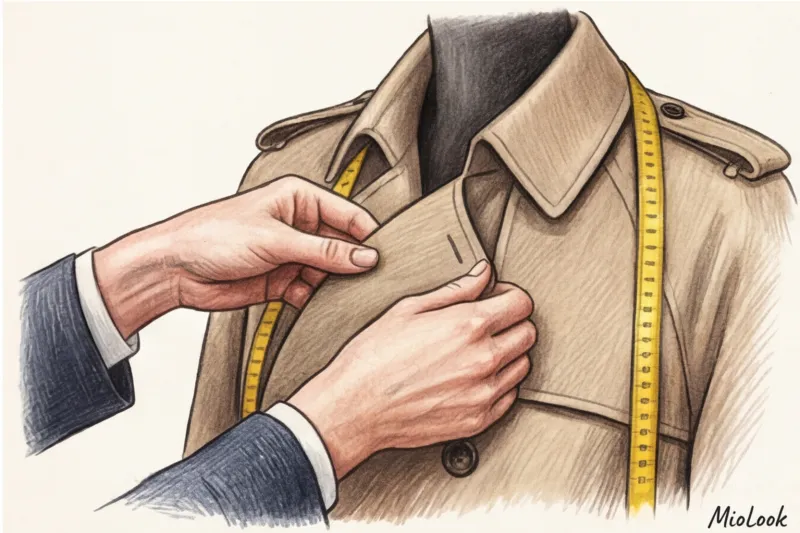
Плащі-халати без жорсткої фіксації
Моделі без гудзиків з м'яким запахом – ще один чудовий варіант. Головний трюк тут полягає в тому, як ви зав'язуєте пояс. На ранніх і середніх термінах його можна зав'язувати трохи вище за талію. А ось на 8-9 місяці я рекомендую зав'язати пояс вузлом на спині. Це прибере зайвий об'єм спереду, збереже приталений силует ззаду і дозволить підлогам плаща красиво драпіруватися з обох боків від живота.
Архітектура тканини: як щільність матеріалу рятує силует
Часта помилка, яку я бачу на вулицях навесні: купівля плащів з тонкої віскози, що струмує, або дешевого тонкого поліестеру. Дівчатам здається, що м'яка тканина буде комфортнішою для живота. На практиці тонкий матеріал безжально облягає кожну складку, підкреслює шви для білизни і робить образ неохайним.
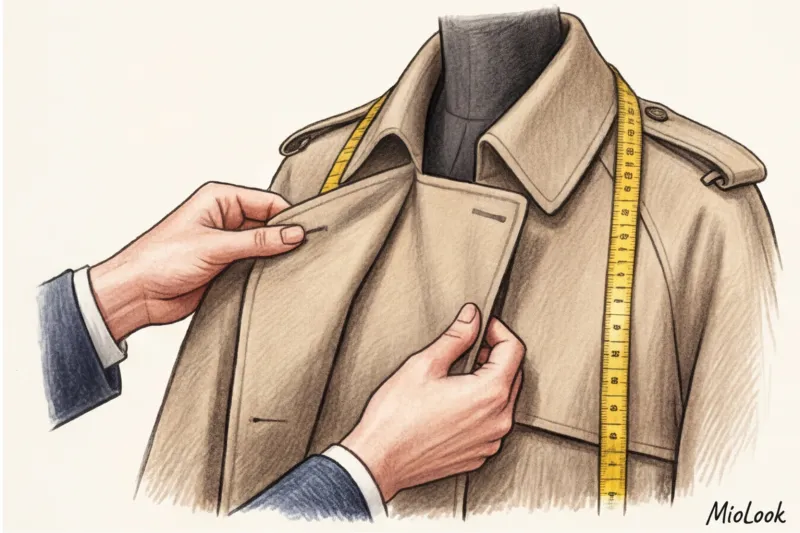
Вам потрібна тканина з пам'яттю форми. Ідеальний вибір - щільний бавовняний габардин (шукайте на бирках щільність від 180 до 250 г/м² або просто перевірте матеріал на дотик - він повинен тримати форму, якщо ви стиснете його в кулаку). Чому це працює?
- Створення каркасу: Жорстка тканина вибудовує архітектурну рамку навколо ваше тіло. Вона задає чіткі лінії плечей і коміра, відволікаючи увагу від обсягів, що змінилися в центрі.
- Дорогий зовнішній вигляд: Як зазначає Vogue (2024), саме густина фактури визначає візуальну вартість речі. Матова важка бавовна завжди виглядає статусніше блискучої синтетики.
- Практичність: Сучасні бренди часто додають на щільну бавовну водовідштовхувальні мембранні просочення. Для майбутньої мами, яка має довгі прогулянки в будь-яку погоду, захист від вітру і легкого дощу — базова вимога комфорту.
Секрети стиліста: як носити розстебнутий тренч на пізніх термінах
На 8-9 місяці навіть оверсайз тренч може не зійтися на животі. І це чудово! Не намагайтеся натягнути його силою. Мій фірмовий стилістичний прийом для цього періоду – розстебнутий тренч поверх «монохромної колони».
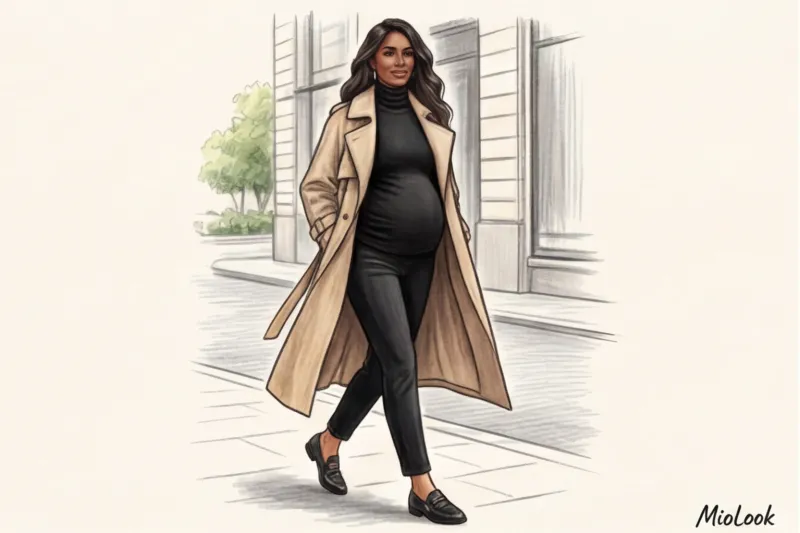
Як це працює з погляду оптичних ілюзій? Ви надягаєте вниз речі одного кольору (наприклад, чорні легінси та чорний лонгслів, або темно-сині штани та синю водолазку). Зверху накидає контрастний розстебнутий світлий тренч.
Дві вертикальні підлоги плаща візуально «зрізають» ваші боки. Око оточуючих зчитує лише вузьку темну смугу між підлогами плаща. Ви миттєво здається вище і на 2–3 розміри стрункіше. Це базове правило золотого перерізу та пропорцій у стайлінгу. А якщо на вулиці прохолодно, не поспішайте застібатися - просто додайте об'ємний шарф вовняний або палантин. Він зігріє груди і шию, додасть фактурності образу, але збереже вертикаль, що витягає.
Ваш ідеальний образ починається тут
Приєднуйтесь до тисяч користувачів, які щодня виглядають бездоганно з MioLook. Зберіть свою капсулу у додатку.
Почати безкоштовноЧек-лист: примірка інвестиційного плаща на виріст
Коли ви підете приміряти свій ідеальний тренч, забудьте про помилку новачка просто купити стандартну модель на два розміри більше. Стандартне пальто розміру L, одягнене на дівчину розміру S, просто опустить плечові шви до середини передпліччя і вдасться неохайним. Вам потрібний саме крій intended oversized (спочатку задумана як об'ємна) у вашому звичному розмірі або максимум на розмір більше.
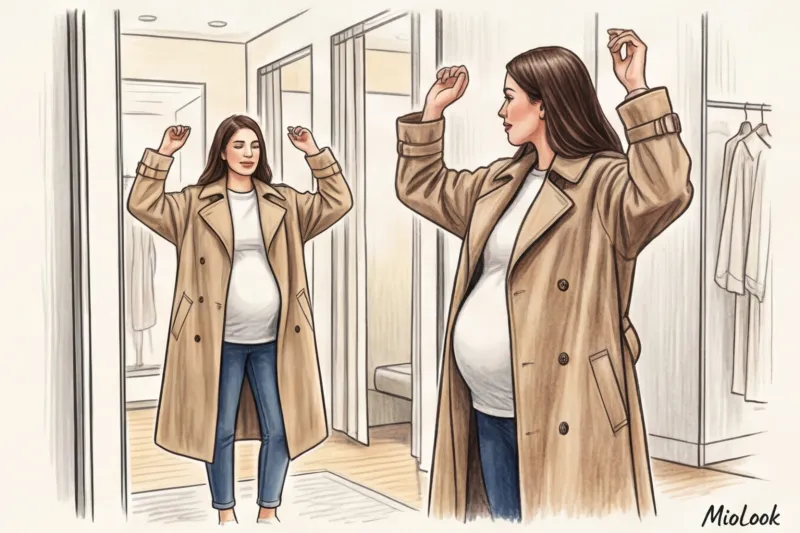
- Тест на свободу плечового поясу: Надягнувши тренч, підніміть руки вгору, потім обійміть себе за плечі. Ніде не має тягнути. Якщо тягне — за три місяці в цьому плащі ви не зможете підняти руки взагалі.
- Перевірка шліци: Поверніться до дзеркала спиною і походьте. Шлиця (розріз ззаду) має лежати рівно. Якщо вона розходиться віялом і стовпиться, значить, плащ не дає потрібної свободи в стегнах.
- Оцінка довжини: Ідеальна довжина - міді (нижче за коліно, до середини ікри). Вона виглядає більш статусно, краще захищає від вітру і чудово поєднується з сукнями будь-якої довжини.
Чесне обмеження від стиліста: Моя порада про об'ємний оверсайз та чоловічі тренчі НЕ працює, якщо ваш зріст нижче 155 см. Довгий, щільний, об'ємний чоловічий плащ на мініатюрній дівчині створить ефект «Фродо в плащі». У вашому випадку шукайте А-силует строго в жіночих лінійках Petite, зберігаючи довжину трохи нижче за коліно.
Стильна капсула: інтегруємо тренч у повсякденні образи
Інвестиційний тренч хороший тим, що він стає чистим полотном для будь-яких стилістичних експериментів. У додатку MioLook я часто допомагаю клієнткам вибудовувати такі мікрокапсули навколо однієї акцентної речі верхнього гардеробу. Ось три безпрограшні сценарії:
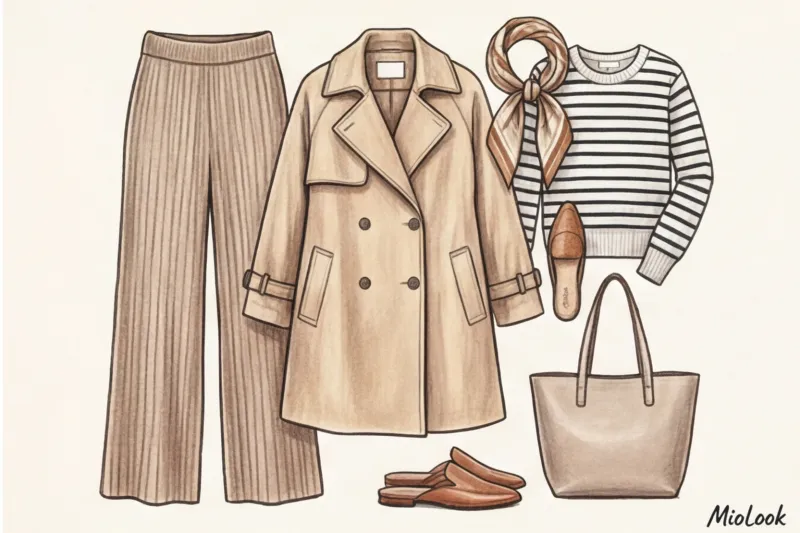
- Елегантний casual: Поєднуйте тренч з щільною трикотажною сукнею-локшиною довжини мідаксі (воно приголомшливо підкреслює живіт, що округлився, не здавлюючи його) і м'якими замшевими лоферами. Це образ, що транслює спокійну впевненість.
- Спорт-шик на кожен день: Щільні безшовні легінси для вагітних, об'ємна біла сорочка (можна сміливо запозичити у чоловіка), бейсболка, масивні кросівки та накинутий зверху класичний тренч. Це так само зручно, як носити спортивний одяг щодня Але виглядає в рази складніше і стильніше завдяки контрасту фактур.
- Зібраний офісний лук: Якщо ви ще працюєте і у вас чекає важлива нарада або п'ятничний дрес-код, надягніть широкі штани, що струмують, палаццо на м'якій гумці під живіт, базовий топ і тренч А-силуету.
Стиль під час вагітності – це не про маскування тіла чи відмову від своєї індивідуальності. Це період, коли ви можете дозволити собі найкомфортніші, але при цьому статусні архітектурні речі. Забудьте про одноразові куртки з безглуздими вставками. Хороший тренч правильного крою не просто врятує ваш весняний гардероб - він залишиться з вами на роки, нагадуючи, що ви прекрасні на будь-якому етапі свого життя.