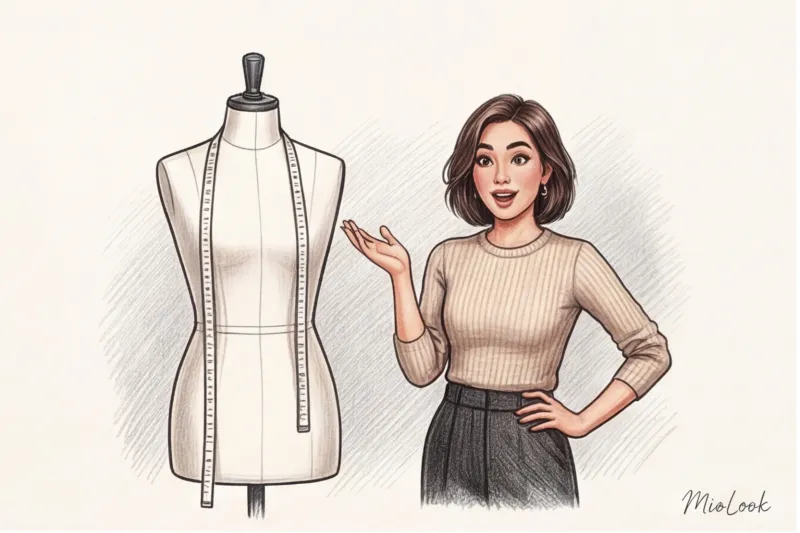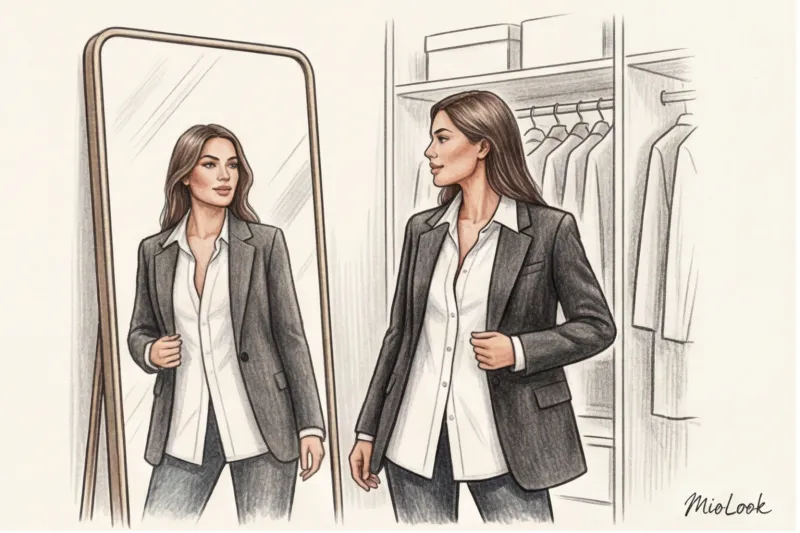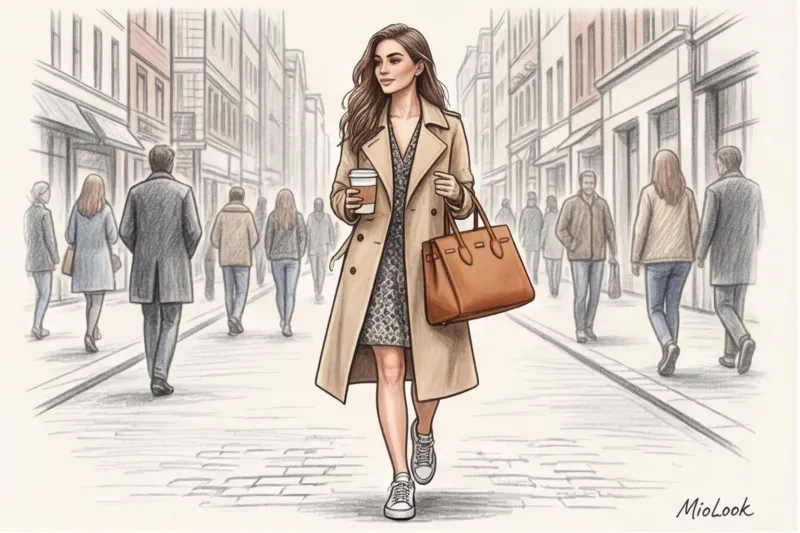
Одна из моих клиенток купила классический габардиновый тренч Burberry за 2200 €. Культовая вещь, идеальные швы, эталонный бежевый цвет. Но на примерке в моем кабинете она смотрела в зеркало с разочарованием: вместо образа британской аристократки в отражении мы видели женщину в добротной, но абсолютно чужой «спецодежде». Тренч ее откровенно старил. Почему? Потому что консультант в бутике продал ей вещь, опираясь на размер, но проигнорировал главное — архитектуру ее внешности.
Подробнее о том, как наши природные данные формируют неизменный «холст» для любой одежды, мы детально рассказывали в нашем полном гиде по стилевым типажам внешности и архетипам. Сегодня же мы поговорим о более точном инструменте. За 12 лет работы с премиальными гардеробами я убедилась: если вы планируете инвестировать в дорогие вещи, одной интуиции недостаточно. Вам нужна математика. И именно здесь на сцену выходят стилевые типажи по Ларсон.
Стилевые типажи по Ларсон: почему системы Кибби больше недостаточно для премиального гардероба
В 80-х годах Дэвид Кибби совершил революцию, предложив систему из 13 типажей, основанную на балансе Инь (мягкость, округлость) и Ян (угольность, жесткость). Это был прорыв. Но со временем стилисты, включая меня, начали замечать: жесткие рамки Кибби часто дают сбой. Клиентка может быть типичным Драматиком по фигуре, но ее лицо имеет абсолютно мягкие, деликатные черты Романтика. В системе Кибби она обречена на компромисс.
В 2012 году художница и стилист Двин Ларсон выпустила книгу «20 Types of Beauty», которая перевернула правила игры. Она доработала теорию Кибби, добавив критически важное понятие — масштабность, и разделила анализ лица и фигуры. Для меня, как для человека, работающего с люксовым сегментом, стилевые типажи по Ларсон — это не просто классификация. Это мощный финансовый инструмент.
Знание своей геометрии спасает от покупки дорогих вещей, которые будут мертвым грузом висеть в шкафу. По моей статистике, вещи, купленные с учетом доминант внешности, имеют показатель Cost-per-wear (стоимость за выход) в 4-5 раз ниже, потому что вы носите их постоянно. Вы не уговариваете себя их надеть — они сидят как влитые.
Архитектура внешности: в чем главное отличие Ларсон от Кибби?
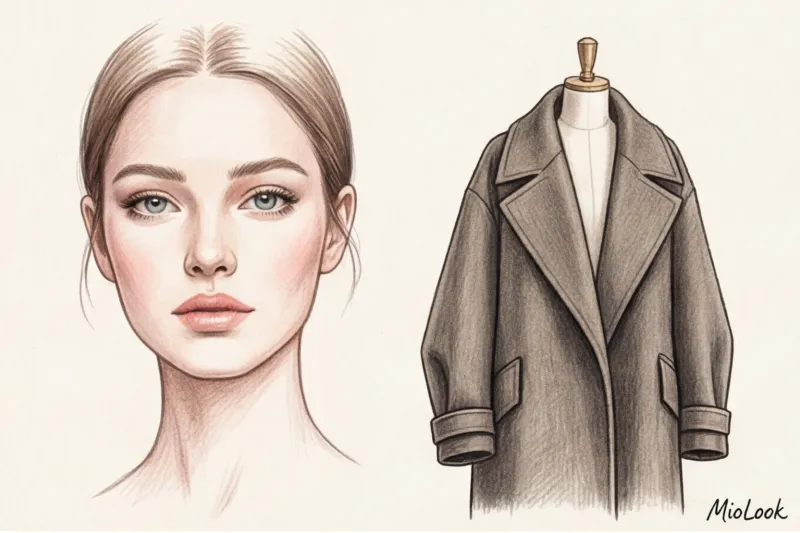
Когда мы обсуждаем качество одежды, мы часто говорим о составе. Но как кашемир Loro Piana поведет себя на вашей фигуре, зависит не от цены, а от вашей костной структуры. Главное отличие системы Ларсон кроется в деталировке.
Ларсон ввела понятие масштаба. Например, и Гамин, и Натурал обладают долей мужской энергии (Ян). Но Гамину (мелкий масштаб) нужны дробные линии, короткие жакеты и мелкий принт. Натуралу (крупный масштаб) в этих вещах будет тесно — ему требуются размашистые линии, объемная вязка и свобода.
Более того, Ларсон доказала: чистая симметрия в природе — аномалия. По данным моей практики, более 85% женщин относятся к смешанным типажам. Поэтому Ларсон отказалась от чистого «Классика» как базового типажа. Классика по Ларсон — это всегда производная, баланс двух других энергий. Именно поэтому система включает 20 типажей, давая нам свободу, которой так не хватало у Кибби.
Попробуйте MioLook бесплатно
Умный AI-стилист подберёт идеальный образ с учетом ваших индивидуальных параметров.
Начать бесплатноЧетыре базовых типажа по Двин Ларсон: линии, ткани и инвестиции
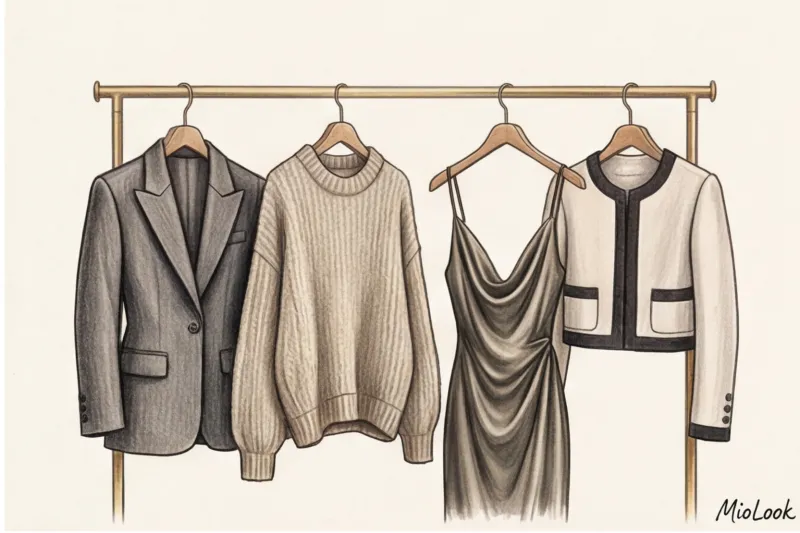
Прежде чем типировать себя в сложные смешанные категории (например, Гамин-Драматик), необходимо понять четыре крайние точки системы — чистые Инь и Ян по Ларсон. Каждая из них диктует строгие правила выбора фактур при покупке люксовой одежды.
Драматик: жесткая геометрия и статус
Это чистый Ян в крупном масштабе. Угольность, удлиненные пропорции, высокий рост. Внешность Драматика выдерживает самую тяжелую артиллерию моды.
- Идеальные фактуры: плотная костюмная шерсть (от 250 г/м²), гладкая кожа, тафта, тяжелый шелк, который держит форму.
- Инвестиции: структурные двубортные пальто с острыми лацканами, костюмы строгого мужского кроя в диапазоне 500–1500 €, геометричные сумки жесткой формы (в стиле Hermes Kelly).
Натурал: фактурность и расслабленный шик
Ян с примесью Инь, крупный масштаб. Костная структура широкая, углы скругленные. Натуралам не нужна жесткая рамка, им нужна свобода и кинестетика.
- Идеальные фактуры: плотная замша, фактурный лен, крупная вязка, букле, мягкая зернистая кожа.
- Инвестиции: объемные кашемировые свитера, культовые пальто-халаты (как у Max Mara), вместительные сумки-хобо.
Романтик: текучесть и деликатность
Чистый Инь. Округлости, мягкость, женственность в каждом изгибе. Жесткие ткани превращают Романтика в «женщину в футляре».
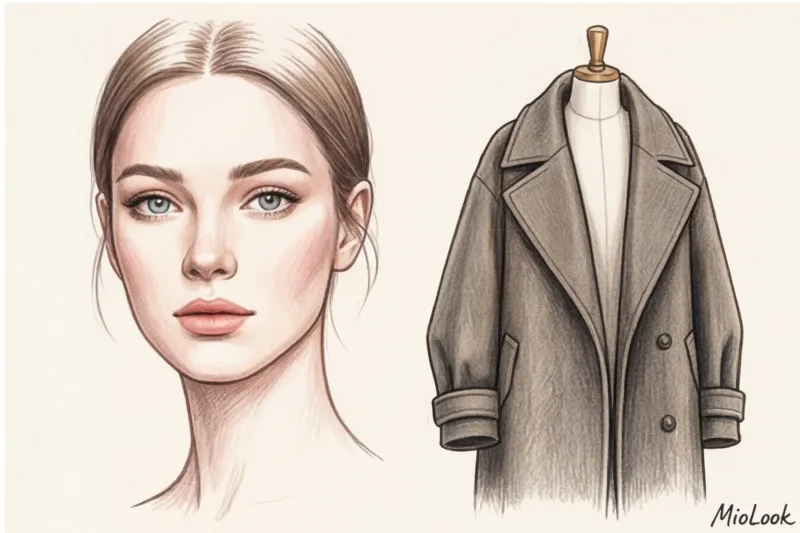
- Идеальные фактуры: шелк, струящийся шифон, тонкий бархат, деликатный кашемировый трикотаж.
- Инвестиции: блузы с мягкой драпировкой, платья кроя по косой (слип-дрессы), изящная обувь с тонкими ремешками на шпильке.
Гамин: компактность и контраст
Столкновение Инь и Ян при мелком масштабе. Миниатюрность, деликатность кости, но с острыми углами. Оверсайз Натурала Гамина просто уничтожит.
- Идеальные фактуры: держащие форму, но легкие ткани — плотный хлопок, вельвет, деним, твид.
- Инвестиции: укороченные жакеты (в стиле Chanel), контрастные воротнички, обувь с необычным мысом или архитектурным каблуком. Гаминам также критически важна правильная геометрия волос, о чем мы писали в статье про стрижки по типу фигуры.
Миф о «Классике»: почему стандартный дресс-код вас не украшает
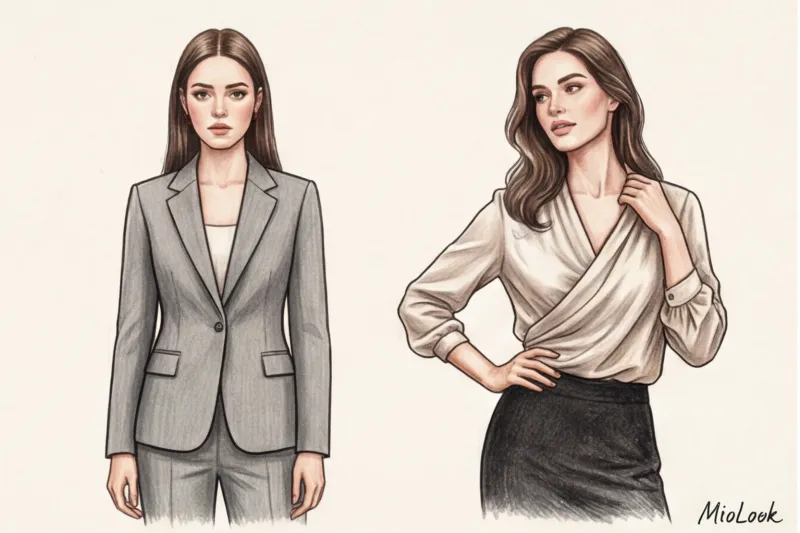
Стильный совет «Если не знаешь, что надеть — надевай классику» давно пора отправить на свалку истории моды. На моей практике этот миф обошелся женщинам в десятки тысяч потраченных впустую евро. Базовая белая рубашка прямого кроя (о том, как ее правильно адаптировать, у нас есть отдельный материал) и серый симметричный костюм делают 80% женщин скучными, невидимыми или визуально добавляют возраст.
В системе Ларсон Классик — это не база. Это смешение. Идеальная, математическая симметрия скучна для человеческого глаза и почти не встречается в природе.
Если ваш типаж, например, Гамин-Романтик, строгая классическая юбка-карандаш сделает ваш низ тяжелым и статичным. Но стоит заменить ее на юбку миди с легкой асимметричной драпировкой на бедре (добавив текучесть Романтика) — и образ мгновенно оживает, выглядит дорого и современно.
Деловой стиль нужно переводить на язык вашего типажа. Для Драматика это жесткий брючный костюм-тройка. А для Романтика деловой стиль — это шелковая блуза с бантом и мягкие брюки-палаццо. Никогда не ломайте свою природу ради офисного регламента.
Ваш идеальный образ начинается здесь
Присоединяйтесь к тысячам пользователей, которые каждый день выглядят безупречно с MioLook. Оцифруйте свой гардероб за 15 минут.
Начать бесплатноДоминанты лица и фигуры: главный секрет стилистов в системе Ларсон
Мы подошли к главному инсайту, из-за которого я окончательно перешла на систему Ларсон. Это концепция доминант. Вы можете быть Гамином в лице (мелкие, выразительные черты, угольность) и Натуралом в фигуре (широкие плечи, рост, статность).
Как одевать такую женщину? Секрет премиального стайлинга звучит так: портретная зона оформляется по доминанте лица, а силуэт — по доминанте фигуры.
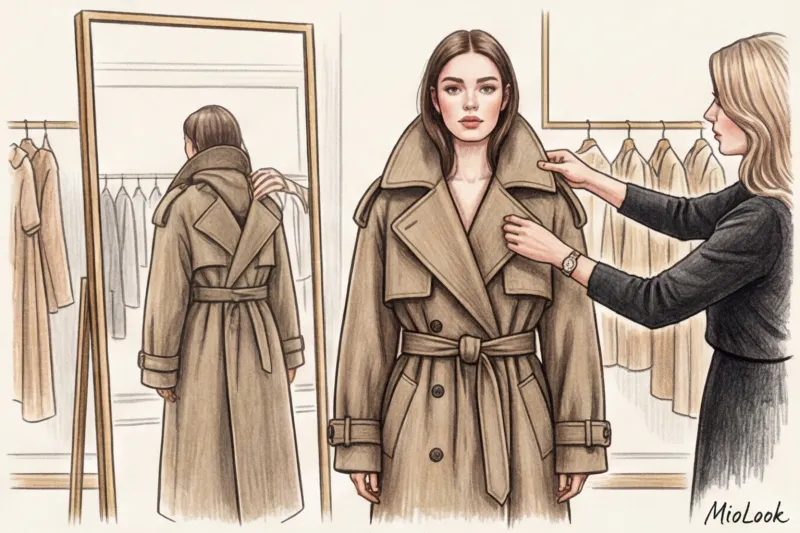
Вернемся к моей клиентке с тренчем Burberry за 2200 €. По правилам стилизации тренчкотов, эта вещь идеальна для Натуралов и Драматиков. Фигура клиентки (Натурал) этот тренч принимала — плечи сидели превосходно, длина миди работала на рост. Но доминанта ее лица была Гамин-Романтик: деликатные, мягкие, некрупные черты. Жесткий, массивный английский воротник тренча и грубые эполеты просто стерли ее лицо. Голова казалась крошечной на фоне этого монументального габардинового великолепия. Заменив этот тренч на легкое шелковистое пальто-пыльник без жесткого воротника (сработав на ее Романтика в портретной зоне), мы получили эффект «вау».
Чек-лист: как найти свой стилевой типаж по Ларсон без ошибок
Сразу хочу предупредить: онлайн-тесты на 10 вопросов не работают. Вы не можете объективно оценить ширину своей челюсти или округлость бедра, сидя перед монитором. Более того, самостоятельные селфи в зеркало часто лгут.
Профессиональные фотографы подтвердят: фокусное расстояние объектива смартфона (обычно это широкоугольные 26-28 мм) искажает пропорции. Оно вытягивает конечности и увеличивает объекты на переднем плане. На таких фото Гамины часто выглядят Драматиками. Чтобы определить типаж самостоятельно, следуйте этому алгоритму:
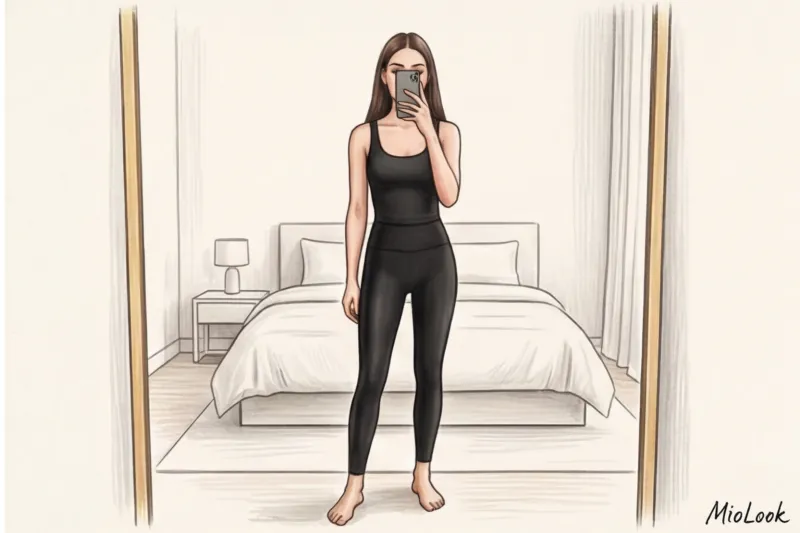
- Правильная фотография: Попросите кого-то сфотографировать вас анфас с расстояния 2-3 метров, держа камеру на уровне вашей груди. Вы должны быть без макияжа, в обтягивающей одежде (легинсы и майка), волосы убраны. Для чистоты эксперимента используйте зум 2x или 3x на камере телефона — это уберет искажения линзы.
- Анализ костной структуры: Забудьте про стереотипы «яблоко» или «груша». Смотрите на костяк. Плечи острые или покатые? Грудная клетка широкая (Натурал) или узкая и деликатная (Романтик/Гамин)? Таз квадратный или округлый?
- Тест тканями (драпировка): Возьмите жесткую мужскую рубашку (плотный хлопок) и кусок струящегося шелка. Приложите к лицу по очереди. Что происходит с вашим лицом рядом с жестким воротником? Оно становится скульптурным и благородным (Драматик) или кажется изможденным и грубым (Романтик)?
Примечание эксперта: этот метод НЕ работает, если вы пытаетесь оценить себя через призму своих комплексов. Если вы сомневаетесь, особенно при наличии смешанных доминант, лучше один раз инвестировать 100–200 € в консультацию профильного стилиста, чем годами скупать неподходящие вещи.
От теории к гардеробу: как знание типажа экономит ваш бюджет
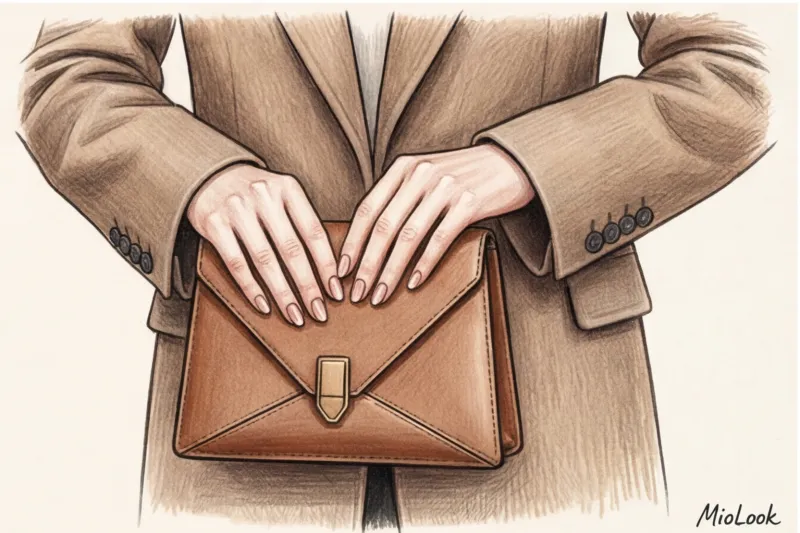
Стилевые типажи по Ларсон — это не тюрьма ограничений. Это ваш персональный навигатор. Понимание своей природной геометрии позволяет адаптировать любой тренд. В моде крупная вязка, а вы Гамин? Выбирайте не гигантский свитер крупной вязки, а укороченный кардиган фактурной вязки среднего масштаба. Тренд сохранен, но пропущен через фильтр вашей масштабности.
Сегодня же вечером откройте свой шкаф. Достаньте вещь, которую вы купили за приличные деньги, но надели один раз. Посмотрите на ее линии: они жесткие или мягкие? Округлые или угольные? Крупные или мелкие? А теперь посмотрите в зеркало. Гарантирую, вы увидите конфликт архитектуры.
Дорого выглядит не свитер с биркой в 800 €. Дорого выглядит гармония. Когда ткань повторяет линии вашего лица и тела, вещь перестает быть просто одеждой — она становится вашим продолжением.
Готовы начать?
Попробуйте бесплатный план MioLook — оцифруйте гардероб и получайте персональные рекомендации без обязательств.
Начать бесплатно