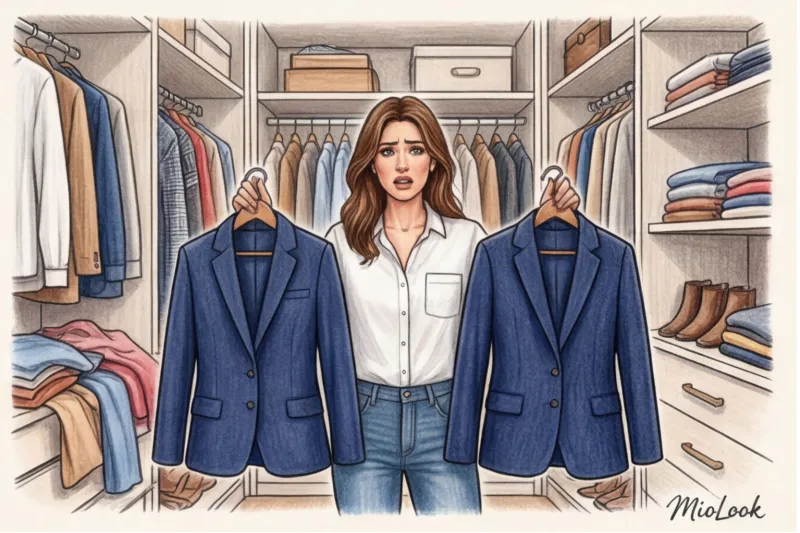
Знаете, что самое пугающее в моей работе стилиста? Не шкафы, забитые стразами из нулевых или леопардовым принтом. Настоящий шок я испытываю, когда открываю гардеробную успешной, занятой женщины и вижу там армию клонов. Однажды ко мне обратилась топ-менеджер из Милана с классическим запросом «нечего надеть». При разборе мы нашли на ее рейлах шесть абсолютно одинаковых черных шелковых блуз от разных брендов — от COS до Max Mara. Все они были куплены в состоянии рабочих стрессов в разные годы.
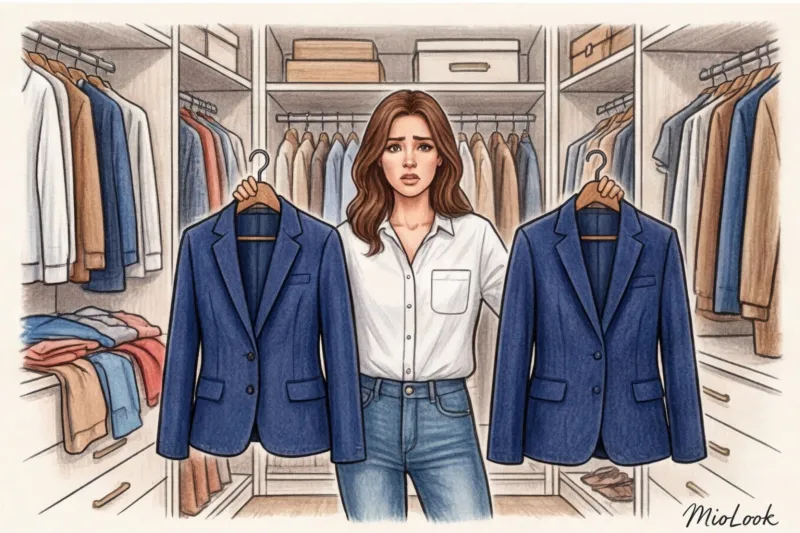
Иллюзия «мне этого не хватает» — главная финансовая дыра современного гардероба. Идеально сложенные стопки свитеров в физическом шкафу вас не спасут. Ваша память гарантированно обманет вас под воздействием дофамина в магазине. Единственный рабочий способ остановить срыв — создать искусственное препятствие («трение») перед кассой в виде сверки с цифровым каталогом. Подробнее об эволюционных механизмах собирательства мы рассказывали в нашем полном гиде по психологии шопинга.
Сегодня я хочу показать вам другой подход. Приложение для учета одежды в гардеробе — это не игрушка для модных блогеров. Это ваш личный инструмент финансового риск-менеджмента, который защищает бюджет от эмоциональных покупок и высвобождает средства для настоящих статусных инвестиций.
Как приложение для учета одежды в гардеробе меняет мышление
По данным глобального отчета WGSN за 2024 год, в среднем женщина тратит около $1500–2000 в год на вещи-дубликаты, которые надеваются от силы пару раз. Вы покупаете шестые черные брюки, потому что предыдущие пять имеют незначительные, но раздражающие дефекты посадки: тут тянет в паху, там слишком низкая талия, эти собирают всю пыль. Наш мозг просто стирает из памяти вещи, которые нам не нравятся, заставляя снова и снова искать «тот самый» идеальный вариант.
Оцифровка переводит вас из парадигмы бесконечного «потребителя» в статус «куратора собственной коллекции». Наличие базы данных в телефоне радикально снижает тревожность перед выбором наряда и, что еще важнее, перед шопингом. Вы больше не гадаете, есть ли у вас подходящий низ к этому жакету — вы точно знаете ответ.
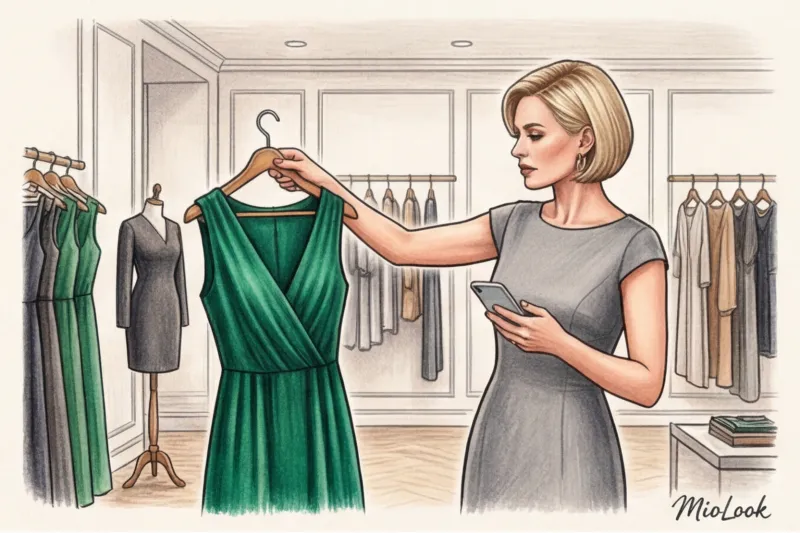
Правило «паузы на проверку» перед кассой
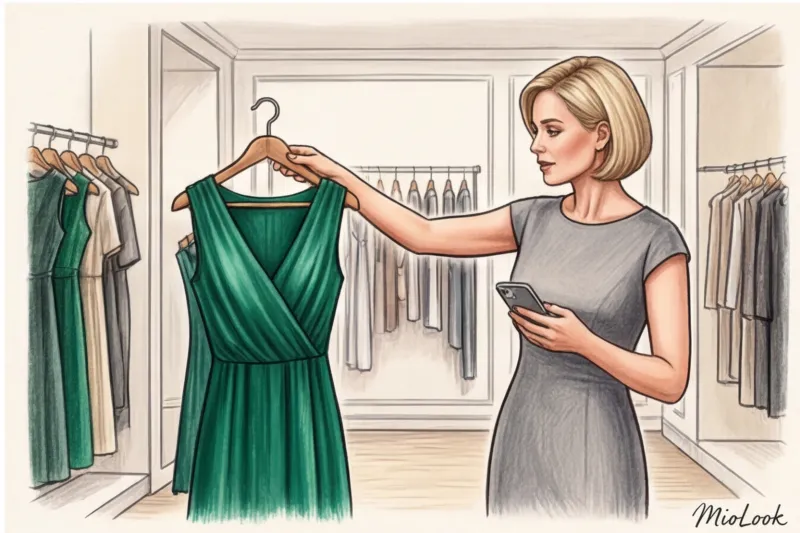
Дофаминовый всплеск в примерочной заставляет нас видеть вещи в искаженном свете. Искусственное освещение, красивая музыка, ловкий крой — все работает на то, чтобы вы достали карту. Здесь вступает в силу правило паузы.
- Механика трения: Прежде чем оплатить покупку, откройте свое приложение для учета одежды в гардеробе.
- Тест трех комплектов: Попробуйте мысленно (или прямо в приложении) составить с новой вещью минимум три полноценных образа, используя то, что уже висит в вашем шкафу.
- Вердикт: Если вещь сочетается только с одними джинсами или требует покупки специальной обуви — она остается в магазине.
Попробуйте MioLook бесплатно
Начните создавать идеальные образы с помощью искусственного интеллекта и перестаньте покупать дубликаты.
Начать бесплатноТри типа дубликатов, от которых вас спасет оцифровка
За 12 лет практики в премиум-сегменте я вывела классификацию гардеробных «клонов». Как только вы оцифруете свои вещи, вы немедленно увидите, к какому типу срывов склонны именно вы.
1. Эмоциональные клоны. Это вещи, которые мы покупаем для утешения. Обычно они выполнены в одной, самой комфортной для вас цветовой гамме. Для кого-то это бесконечные бежевые кардиганы крупной вязки, для кого-то — темно-синие свитшоты. Мозг воспринимает этот цвет и фактуру как визуальное успокоительное.
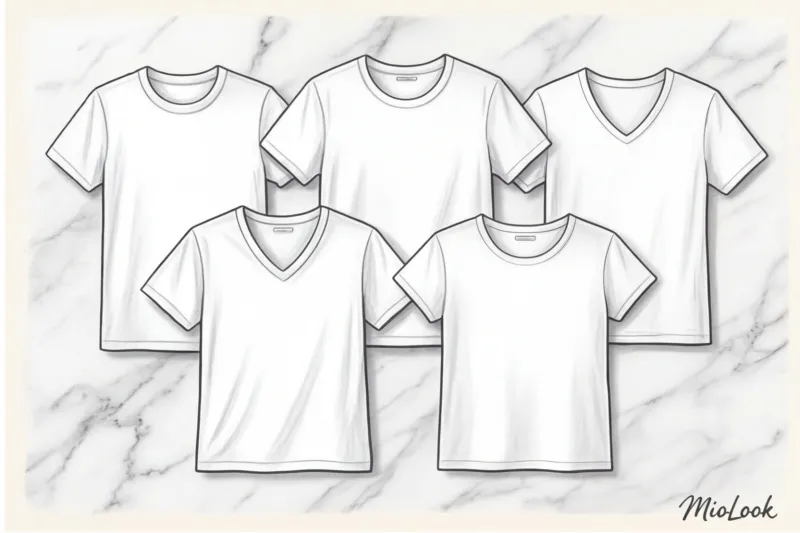
2. Фантомные базы. Самый коварный тип. Это постоянная покупка простых белых футболок, синих джинсов прямого кроя или классических лодочек в поисках «недостижимого идеала». Вместо того чтобы один раз инвестировать в футболку из плотного хлопка (от 180 г/м²), которая не потеряет форму после первой стирки, женщина покупает десять полупрозрачных масс-маркет вариантов.
3. Синдром «распродажи». Вещи, купленные исключительно из-за красного ценника. Вы берете серый кашемировый свитер со скидкой 50%, хотя дома вас уже ждут два точно таких же, но с чуть другим вырезом. Скидка отключает критическое мышление, а отсутствие перед глазами реальной картины гардероба не дает вовремя нажать на тормоза.
Математика стиля: сколько на самом деле стоят ваши «клоны»?
Давайте посчитаем. Профессиональные стилисты используют формулу Cost-Per-Wear (CPW) — стоимость вещи за один выход. Она рассчитывается как цена вещи, деленная на количество раз, когда вы ее надели.
По данным исследований консалтинговых агентств, в гардеробе безупречно работает принцип Парето: мы носим 20% любимых вещей 80% времени. Остальные 80% гардероба — это мертвый капитал, состоящий из компромиссов и дубликатов.
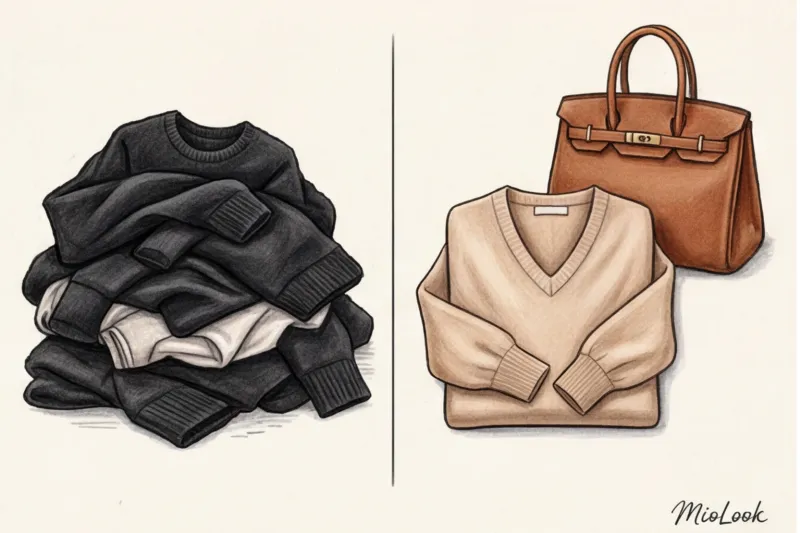
Пять «компромиссных» жакетов из полиэстера, купленных в масс-маркете по $80 (в сумме $400), которые вы наденете по 3 раза каждый, обойдутся вам в $26 за каждый выход. При этом они будут выглядеть ровно на свои деньги — собирать статику и терять форму в химчистке.
Один безупречный смокинг из итальянской шерсти за $600, который вы наденете 50 раз на деловые встречи, ужины и премьеры, обойдется в $12 за выход. При этом каждый из этих 50 раз вы будете выглядеть на миллион.
Когда я впервые оцифровала собственный гардероб, я ужаснулась количеству однотипного трикотажа. Приложение буквально остановило меня от покупки очередного кашемирового свитера базового серого оттенка. Эти сэкономленные на дубликатах деньги стали первым взносом в мою главную инвестицию того года — винтажный жакет Chanel, чья стоимость на ресейле сейчас только растет.
Чек-лист: как провести аудит и выявить дубликаты перед оцифровкой
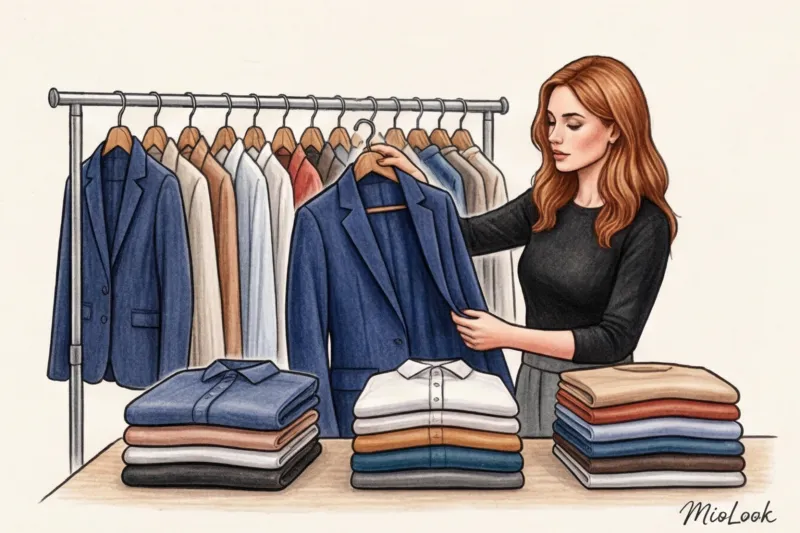
Прежде чем скачивать приложение для учета одежды в гардеробе и фотографировать вещи, вам нужно провести безжалостную зачистку. Оцифровывать хаос бессмысленно — вы просто перенесете бардак из физического мира в цифровой.
- Этап 1: Цветовая сортировка. Физически достаньте все вещи из шкафа. Сложите вместе все черные брюки, все белые рубашки, все серые свитеры. Вы удивитесь масштабам бедствия.
- Этап 2: Жестокая примерка. Наденьте каждый клон. Оставьте только ту вещь, которая сидит на 10 из 10. То, что тянет, колется или требует постоянно втягивать живот — в переработку или на ресейл.
- Этап 3: Цифровая загрузка. Только теперь победители отбора отправляются в базу данных. Сфотографируйте их при дневном свете или найдите профессиональные фото аналогичных вещей в интернете.
- Этап 4: Создание стоп-листа. Запишите в заметки категории, в которых у вас переизбыток. «Черные водолазки — СТОП».
Буду честна: этот метод жестокой примерки НЕ работает, если вы находитесь в процессе активного снижения или набора веса (колебания более 5 кг), либо в период беременности. В таких случаях лучше временно архивировать не подходящие по размеру качественные базовые вещи в дальний угол или вакуумные пакеты, а не избавляться от них.
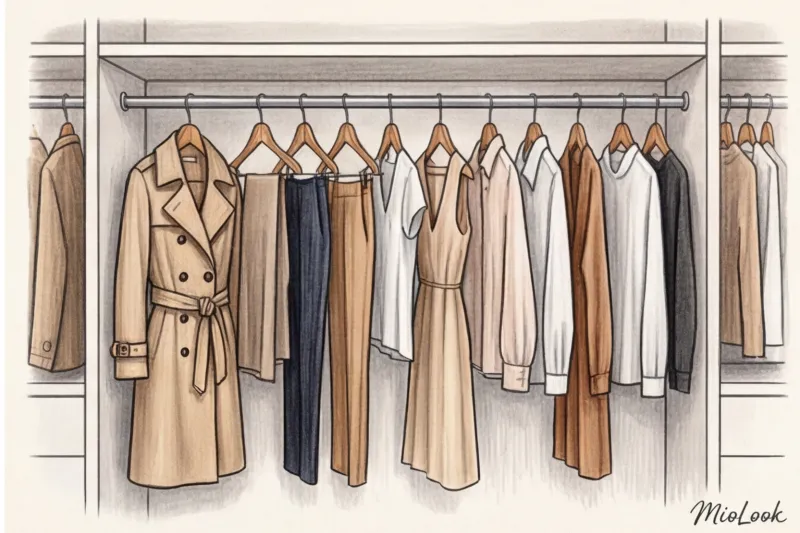
Интеграция с капсулой: от случайных покупок к стратегическому гардеробу
Когда все ваши вещи оцифрованы, вы впервые видите свой гардероб как систему. Становятся очевидными «дыры» в вашей личной капсуле. Например, вы можете обнаружить, что у вас есть пять потрясающих шелковых юбок-миди, но нет ни одной пары элегантной базовой обуви на плоском ходу, с которой эти юбки можно носить в офисном casual-формате.
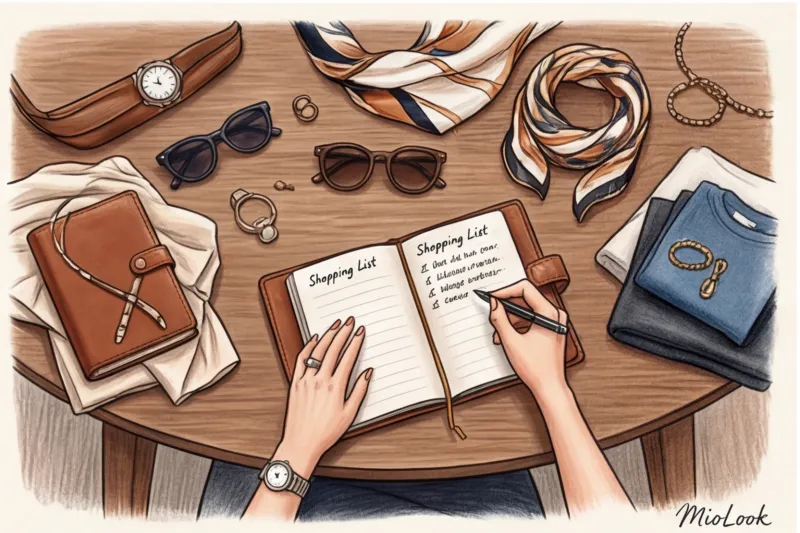
Именно здесь начинается магия стратегического планирования. Вы формируете шопинг-лист прямо в приложении на основе реальных потребностей, а не минутных эмоций. Успешные женщины давно поняли: чтобы держать фокус на бизнесе и карьере, рутину нужно автоматизировать. Делегируйте запоминание вещей нейросетям. Вы можете создать полноценный умный гардероб, который сам подскажет вам, что надеть завтра на важную презентацию.
Ваш идеальный образ начинается здесь
Присоединяйтесь к тысячам пользователей, которые каждый день выглядят безупречно с MioLook. Оцифруйте свой гардероб за пару кликов.
Начать бесплатноВаш карманный финансовый советник в мире моды
Цифровизация гардероба — это не про ограничение свободы. Это про возвращение контроля над вашими деньгами, вашим стилем и вашим временем по утрам. Перестав скупать одинаковые вещи среднего качества, вы открываете для себя мир настоящих инвестиций в премиальные ткани, идеальный крой и статусную фурнитуру.
Потратьте одни выходные на то, чтобы провести аудит и занести свои вещи в MioLook. Это решение сэкономит вам тысячи евро и сотни часов сомнений перед зеркалом в последующие годы. Настоящая роскошь — это не шкаф, из которого вываливаются вещи. Настоящая роскошь — это точно знать, чем вы владеете, и носить это с абсолютной уверенностью.