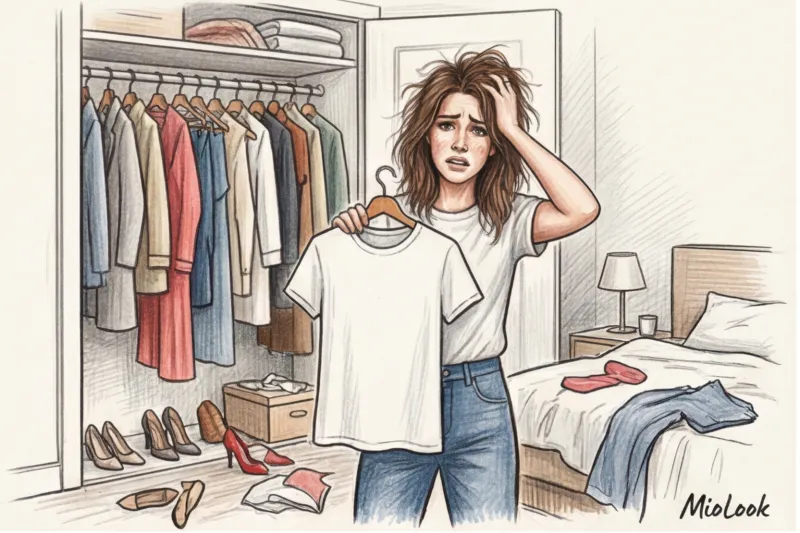
Помните бум метода Мари Кондо? Несколько лет назад тысячи женщин по всему миру радостно и с облегчением выносили на помойку гигантские черные мешки с одеждой, которая больше не «приносила искру радости». Соцсети пестрели фотографиями пустых полок и идеального минимализма.
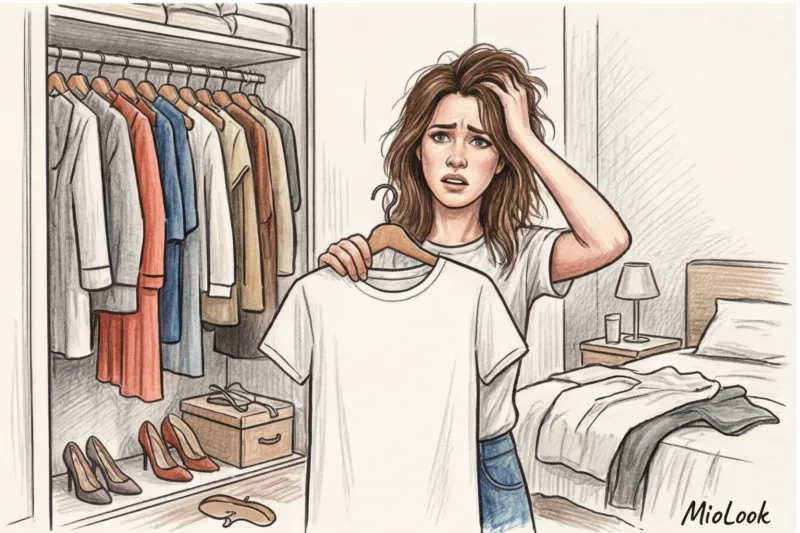
А теперь давайте посмотрим правде в глаза: это была экологическая катастрофа, красиво замаскированная под духовную практику. Тотальное расхламление — это не осознанность, это просто нулевой километр для нового витка гиперпотребления. Истинное осознанное потребление в одежде начинается не с мусорного пакета, а с умения управлять тем, что у вас уже есть. Подробнее о базовых принципах этого подхода мы рассказывали в нашем полном гиде по экологичному гардеробу и осознанным покупкам.
Осознанное потребление в одежде: почему тотальное «расхламление» — это ловушка
Однажды ко мне на разбор гардероба пришла клиентка, которая с гордостью заявила: «София, я вчера выбросила пять пакетов неэкологичного полиэстера из масс-маркета! Теперь мы купим мне правильный органический лен». Как стилисту и человеку, изучающему текстиль, мне в этот момент захотелось плакать. Те базовые брюки и жакеты из качественного смесового полиэстера могли служить ей еще минимум пять лет.
Согласно фундаментальному отчету WRAP (Waste and Resources Action Programme), продление срока службы любой одежды всего на 9 месяцев снижает ее углеродный, водный и мусорный след на 20–30%. Самая правильная, этичная и экологичная вещь — не та, что сшита из переработанных бутылок и висит в бутике за 300 €. Это та вещь, которая уже куплена вами и висит в вашем шкафу.
Проблема «полного шкафа, в котором нечего надеть» кроется не в избытке вещей, а в их катастрофической несочетаемости. Мы покупаем яркие «солисты», забывая про базовую «хор-поддержку». В итоге вещь надевается один раз, а среднестатистическая женщина, по данным Ellen MacArthur Foundation, надевает предмет одежды всего 7 раз перед тем, как от него избавиться.
Попробуйте MioLook бесплатно
Умный AI-стилист проанализирует ваши вещи и подберёт идеальные образы на каждый день.
Начать бесплатноФормула идеальной капсулы: математика против ограничений
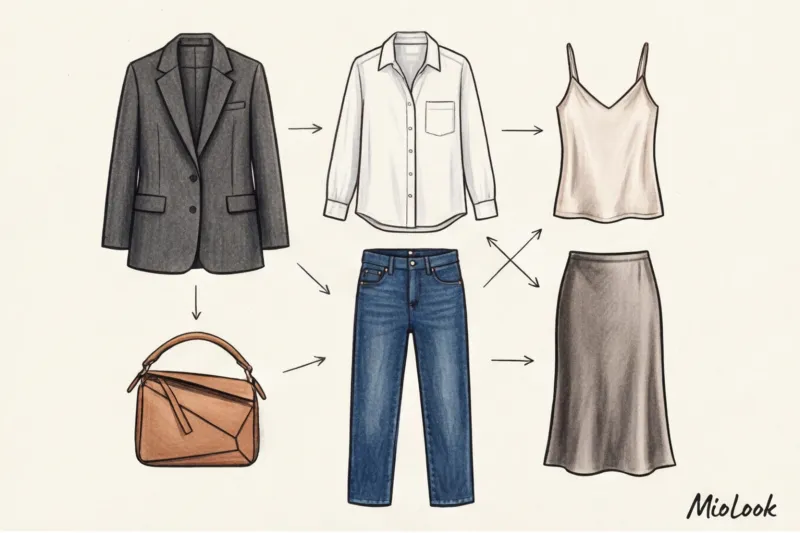
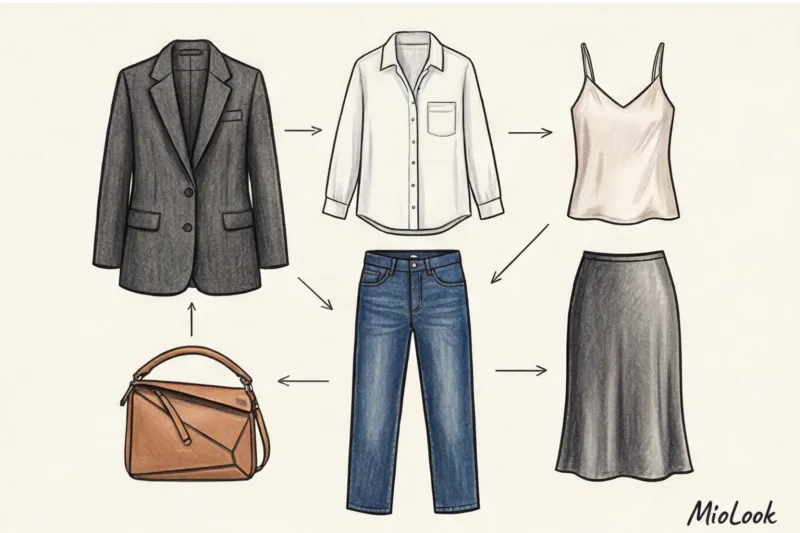
Само слово «капсула» у многих вызывает нервную зевоту. Кажется, что это аскеза: придется купить 33 серых, бежевых и черных свитера, навсегда забыв о принтах и пайетках. Но капсула — это не цвет, это замкнутая экосистема, где вещи работают друг на друга.
За 12 лет практики я вывела строгий «индекс вариативности». В грамотно собранном ядре гардероба каждая новая вещь должна составлять минимум 3-4 полноценных образа с уже имеющимися. Посмотрите на простую математику: 12 правильно подобранных вещей (низы, топы, жакеты) способны сгенерировать более 30 разноплановых луков. Вы просто меняете пропорции и слои.
Cost-Per-Wear (CPW) как главный критерий экологичной покупки
Если вы хотите перестать спускать бюджет в трубу, начните считать CPW — цену за один выход. Формула элементарна: (Стоимость вещи + Стоимость ухода) / Количество надеваний.
Давайте посчитаем. Вы покупаете трендовую футболку в сомнительном масс-маркете за 15 €. Через три стирки ее боковые швы перекручиваются, и она переходит в разряд половых тряпок. CPW = 5 € за один выход.
А теперь вы берете базовую футболку из плотного хлопка (от 180 г/м²) за 50 €. Вы надеваете ее 60 раз за два года. CPW = 0,83 €.
«Дороговизна вещи не всегда гарантирует низкий CPW. Одна из моих клиенток купила потрясающий топ из органического шелка за 250 €, но не надела его ни разу из-за сложного ухода — только химчистка. А вот водолазку из смесового трикотажа за 35 € она носит уже четвертый сезон подряд».
Не покупайте вечерние платья на один раз — это убийца вашего бюджета и экологии. Лучше выберите вечерний женский брючный костюм: жакет и брюки потом можно будет разбить и носить в повседневных образах с кроссовками и базовыми топами.
Текстилеведение для шопоголиков: как «читать» вещи на ощупь
Осознанность невозможна без базового понимания материаловедения. Маркетологи внушили нам, что 100% натуральный состав — это всегда хорошо, а синтетика — абсолютное зло. На практике все сложнее.
100% хлопок может оказаться рыхлым, созданным из коротких волокон — такая вещь потеряет форму и покроется катышками моментально. В то же время качественный плотный полиэстер (часто используемый брендами уровня COS или Massimo Dutti для верхней одежды и жакетов) будет служить вам десятилетие, не вытягиваясь на локтях.
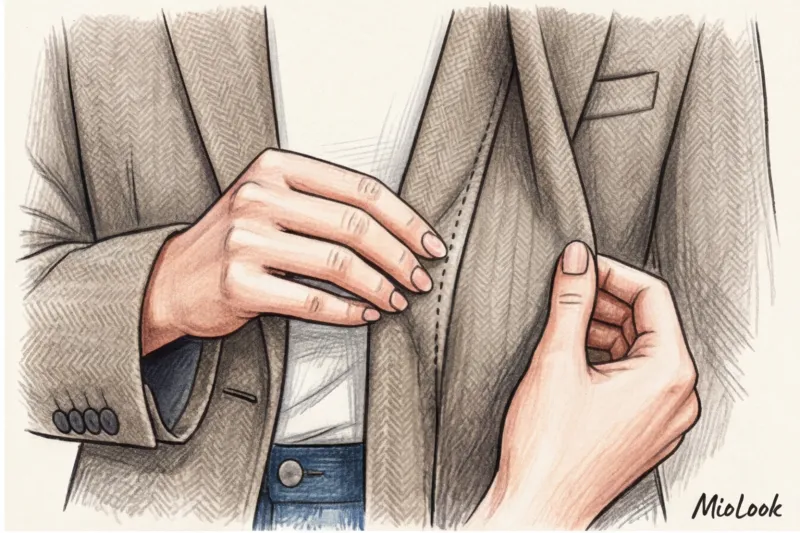
Чек-лист стилиста: швы, фурнитура и плотность ткани
Прежде чем нести вещь на кассу, проведите быструю экспертизу прямо в примерочной. Эти три шага спасут вас от 80% неудачных покупок:
- Тест на натяжение: Слегка потяните боковой шов в разные стороны. Если вы видите просветы между нитками и ткань разъезжается — вещь расползется после первой же стирки.
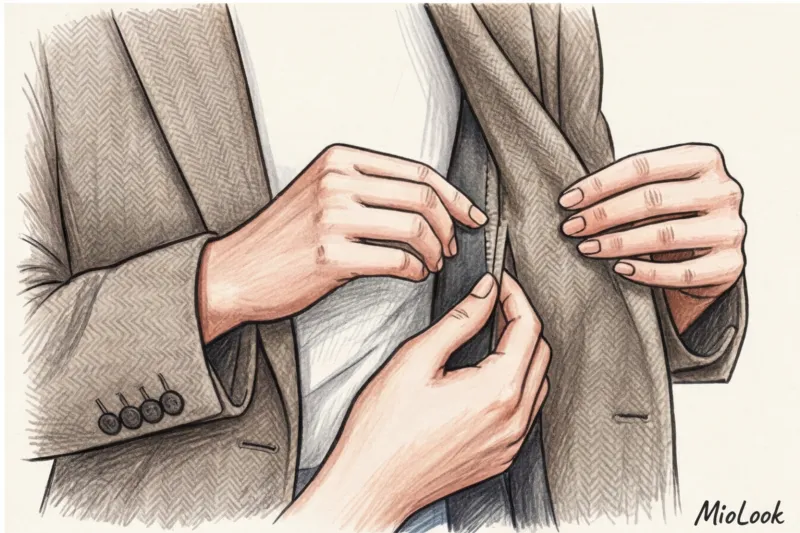
- Осмотр изнанки: Выверните жакет или брюки. Швы должны быть закрыты бейкой или аккуратно оверлочены. Торчащие нитки и кривые петли для пуговиц — маркер того, что на производстве экономили каждую копейку.
- Тест в кулаке: Сожмите ткань (особенно лен, вискозу или тонкий хлопок) в кулаке на 10 секунд и отпустите. Если она превратилась в изжеванную бумагу — подумайте, готовы ли вы ходить в таком виде уже через час после выхода из дома.
Ваш идеальный образ начинается здесь
Присоединяйтесь к тысячам пользователей, которые каждый день выглядят безупречно с интеллектуальным подбором одежды MioLook.
Начать бесплатноКак перестать покупать лишнее: психология и метод паузы
Мы редко покупаем одежду потому, что нам физически не в чем выйти на улицу. Мы покупаем дофамин. Распродажи, лимитированные коллекции и мигающие баннеры «Остался последний размер!» бьют по нашим базовым инстинктам охотников-собирателей.
Чтобы сломать эту дофаминовую петлю, я рекомендую своим клиентам простое «Правило 24 часов». Если вы в интернет-магазине — положите вещь в корзину и закройте вкладку до завтра. В 9 случаях из 10 на следующее утро вы даже не вспомните, что именно хотели купить. Вы уже получили порцию гормонов радости от самого факта «добавления», платить за это деньгами необязательно.
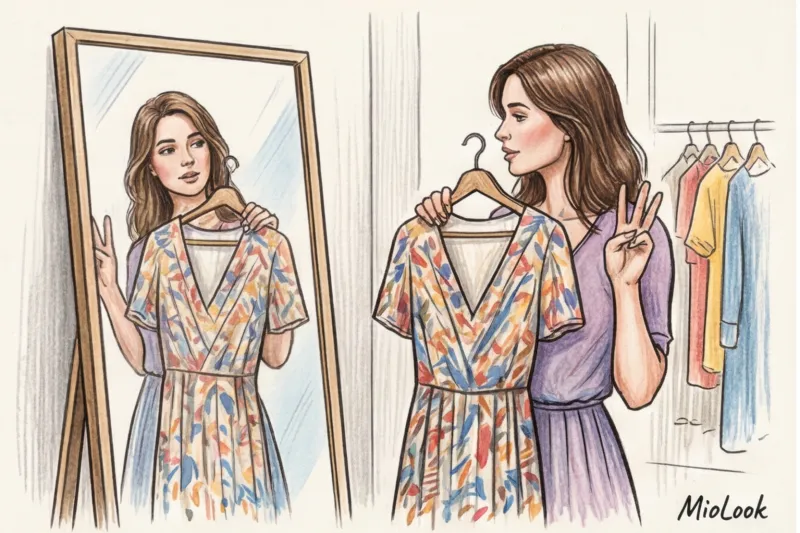
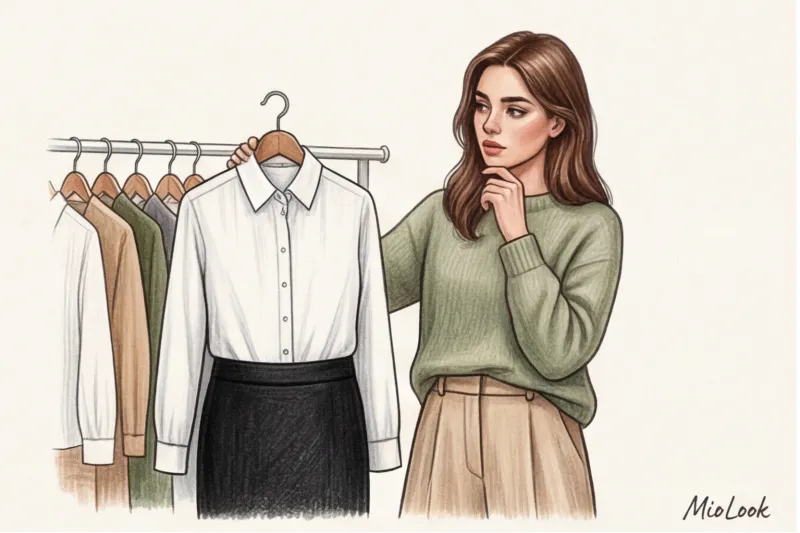
Если вы находитесь в физическом магазине, используйте «Правило трех». Вы стоите с красивой юбкой сложного кроя. Задайте себе вопрос: с какими тремя вещами из моего текущего гардероба я смогу надеть ее прямо завтра утром? Если для этой юбки вам нужно докупить специальную блузку, особые колготки и новые туфли — возвращайте ее на вешалку. Это не вещь, это финансовая черная дыра.
Ходить на шопинг нужно точно так же, как в продуктовый супермаркет: со строгим списком и «на сытый желудок» (то есть в спокойном, а не стрессовом состоянии).
Можно ли интегрировать тренды в осознанный гардероб?
Главный миф об экологичной моде: вам придется до конца жизни носить бесформенные льняные мешки натурального серого цвета и отказаться от моды как таковой. Это абсолютно не так.
Секрет кроется в разделении трендов на макро и микро. Макротренды (например, высокая посадка брюк, свободный силуэт пиджака, длина миди) живут от 5 до 10 лет. В них можно и нужно инвестировать. Микротренды (леопардовый тотал-лук, цвет «Brat green», стразы) вспыхивают и гаснут за один сезон. Интегрируйте их точечно — через обувь, базовые браслеты или акцентные ремни.
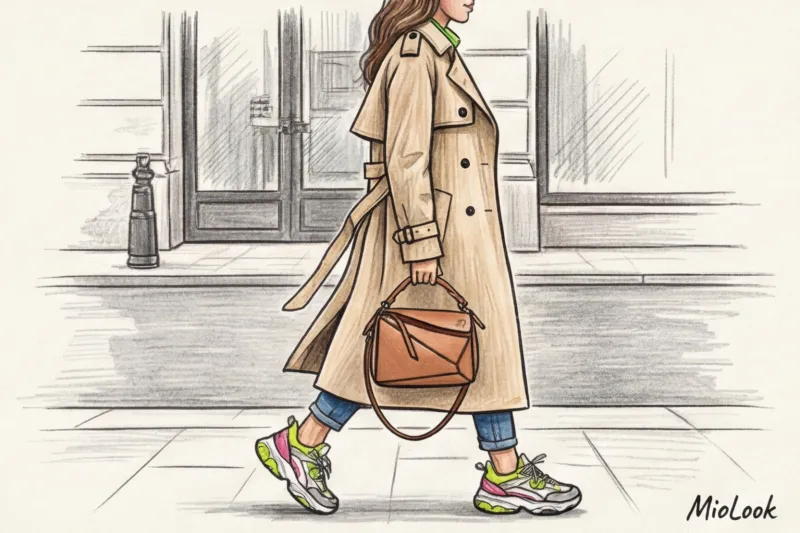
По данным McKinsey (2024), мировой рынок вторичного потребления (ресейл и винтаж) растет в три раза быстрее обычного ритейла. Покупка трендовой сумки или пиджака на платформах перепродажи — это легальный способ утолить жажду новизны без вреда для планеты. Когда тренд пройдет, вы просто продадите вещь там же.
План действий на выходные: собираем вашу первую осознанную капсулу
Теория без практики мертва. Если вы хотите навести порядок в шкафу прямо в эти выходные, действуйте по четкому алгоритму. И пожалуйста, спрячьте черные мешки для мусора.
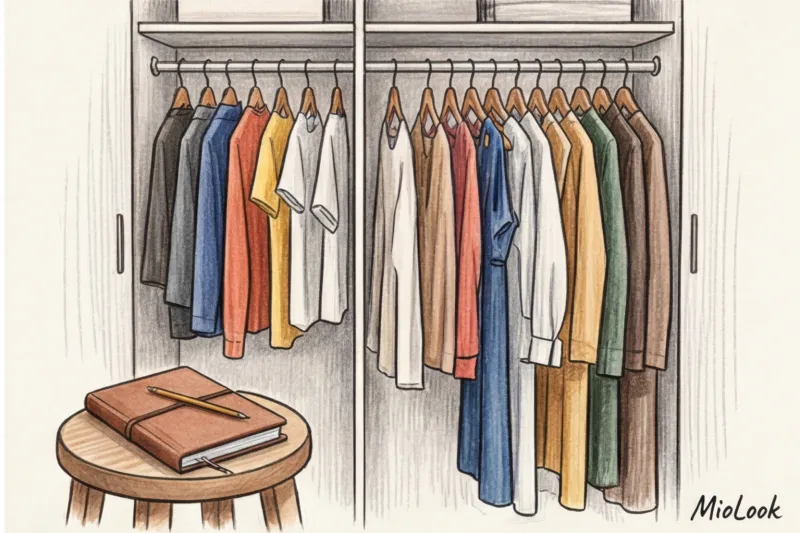
- Инвентаризация и сортировка: Вытащите всё. Разделите одежду на категории: то, что носите постоянно; то, что требует ремонта; то, что не по размеру; и вещи с этикетками, о которых вы забыли. Если вы пользуетесь приложением MioLook, просто оцифруйте те вещи, в которых сомневаетесь — нейросеть покажет, есть ли им место в вашей матрице стилей.
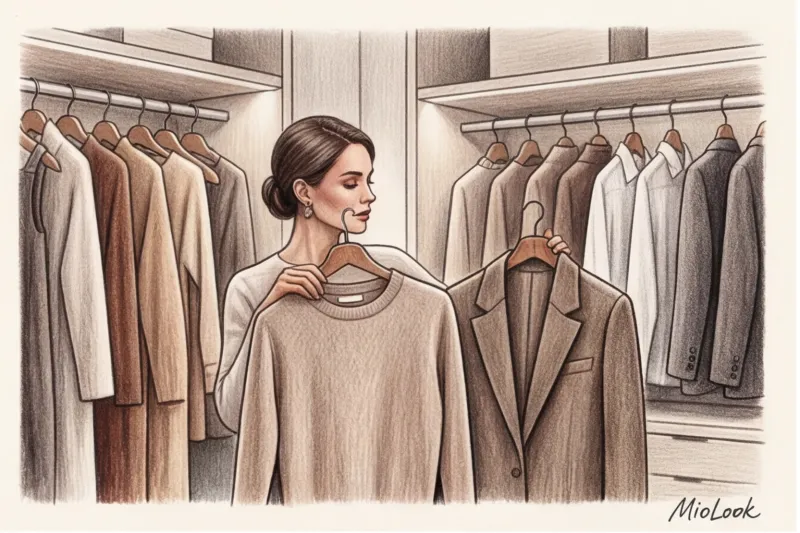
- Определение ядра: Найдите свои 20% вещей, которые вы надеваете 80% времени. Это ваша личная униформа. Изучите их: какого они кроя? Какие ткани вы предпочитаете? Именно вокруг них мы будем строить капсулу.
- Выявление пробелов: Посмотрите на «одинокие» вещи. Чего не хватает той шикарной юбке-плиссе, чтобы стать носибельной? Скорее всего, вам просто нужна качественная плотная белая футболка или гладкий базовый джемпер, чтобы «успокоить» активный низ.
- Составление шопинг-листа: Запишите конкретные позиции. Не «купить что-нибудь новенькое на весну», а «прямые темно-синие джинсы полной длины» и «бежевый структурированный жакет».
Важное ограничение: этот метод с капсулой и строгим ядром работает тяжело, если ваш вес и параметры сейчас нестабильны (например, во время беременности или активного похудения). В такие периоды не инвестируйте в жестко скроенную одежду. Лучше сделайте ставку на нарядную одежду для беременных свободного кроя, а тренды и новизну добирайте через сумки, портретные украшения и обувь.
Осознанность — это не лишение себя радости покупок и не чувство вины за каждую новую футболку. Это просто переход от хаотичного скупания эмоций к управлению собственным стилем. Как только вы поймете математику своего шкафа и научитесь отличать хорошую ткань от одноразовой, ни один маркетолог не сможет продать вам то, что вам на самом деле не нужно. Выбор всегда остается за вами — пусть он будет умным.