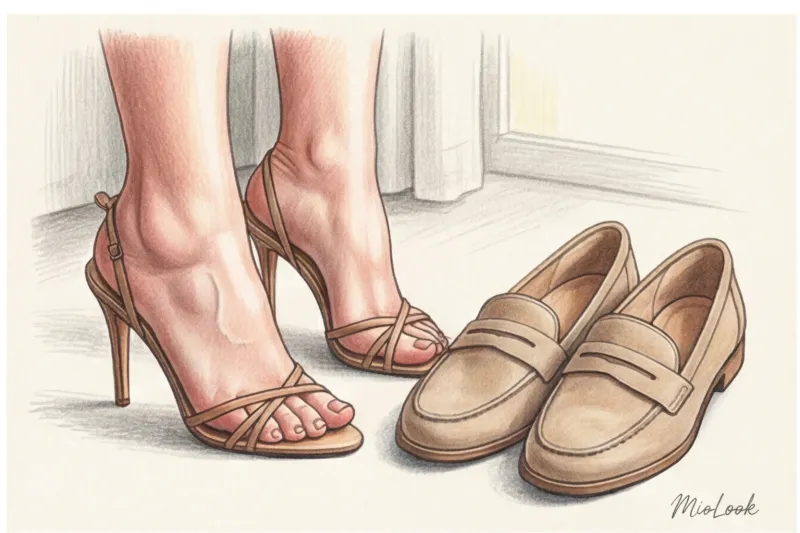
Анатомія змін: чому ваші улюблені туфлі раптом стали ворогами
Пам'ятаєте той момент, коли на п'ятому чи шостому місяці ви намагаєтеся вдягнути свої улюблені шкіряні лофери, а нога просто відмовляється входити? Ви перевіряєте маркування — так, ваш звичний 38 розмір. Але туфлі раптово відчуваються як середньовічний іспанський чобіт. Відразу заспокою: з вами все гаразд. Ідеально підібрана, зручне взуття для вагітних — це не примха зніженої модниці та не обов'язкова відмова від стилю на користь безформних ортопедичних черевиків. Це базова потреба, продиктована жорстокою фізикою та хімією нашого тіла.
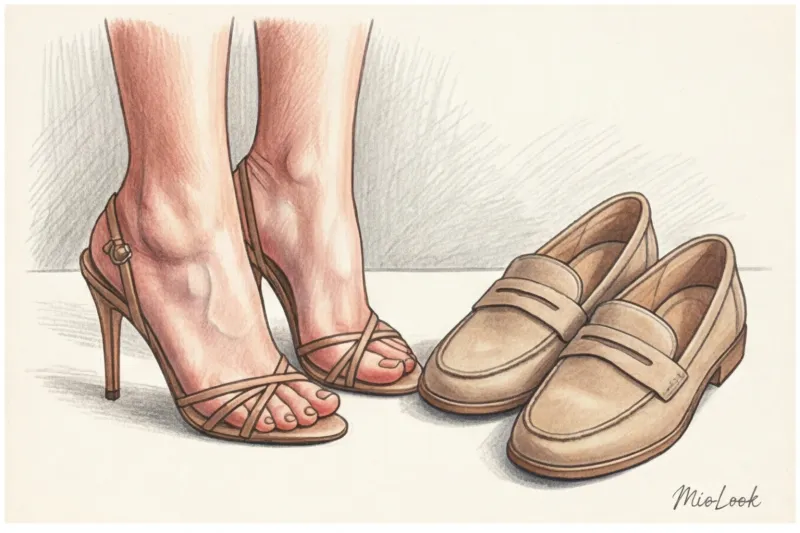
Вагітність змінює як обсяг живота, вона повністю перебудовує біомеханіку всього опорно-рухового апарату. Головний винуватець взуттєвих драм – гормон релаксин. За даними досліджень Американського коледжу стопи та гомілковостопного суглоба (ACFAS, 2023), рівень цього гормону починає різко зростати вже в першому триместрі. Його еволюційне завдання – розм'якшити зв'язки тазу для безпечних пологів. Але релаксин «не вміє» діяти точково: потрапляючи в кровотік, він розслаблює всі зв'язки в організмі, включаючи більше 100 зв'язок у ваших стопах.
Як іміджмейкер я регулярно бачу паніку в очах клієнток: «У мене виросла нога! Мої ідеальні човники за 500€ тепер можна викинути?». Справа не в тому, що стопа чарівним чином подовжилася. Справа у колодці. Під впливом ваги та релаксину склепіння стопи сплощується, і вона буквально «розповзається» вшир. Елегантне брендове взуття часто будується на жорсткій, вузькій колодці (повнота B або C). Коли геометрія вашої стопи змінюється на ширшу, жорсткий каркас дорогого взуття перестає з нею збігатися.
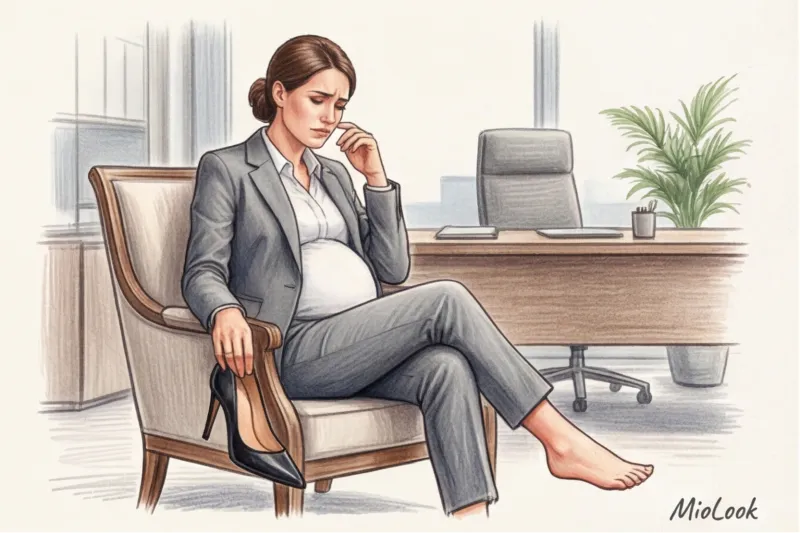
Додайте до цього усунення центру ваги. Зростаючий живіт тягне вас уперед, і щоб утримати рівновагу, тіло інстинктивно відхиляється назад. Це багаторазово збільшує прогин у попереку (поперековий лордоз). Якщо в цей період ви одягнете шпильки, ви штучно штовхнете центр тяжіння ще далі вперед - поперек відповість гострим болем вже через 15 хвилин ходьби. Взуття має компенсувати це навантаження, а не посилювати його. Щоб системно підійти до питання, я раджу відсортувати свою поточну колекцію та скласти безпечні капсули, використовуючи функцію розумного гардероба у програмі MioLook — просто приберіть до архіву те, що тимчасово стало травмонебезпечним.
Зручне взуття для вагітних: чому просто взяти на розмір більше - погана ідея
Найчастіша (і найпідступніша) помилка, яку я спостерігаю за 12 років практики — це спроба купити ту саму звичну модель, але на розмір чи два більше. Здається логічним: якщо 38-й тисне з боків, візьму 39-й, щоб стопі було вільно.
Одна з моїх клієнток, директор з маркетингу із жорстким дрес-кодом, саме так і вчинила: купила класичні оксфорди на півтора розміри більше. Через тиждень вона прийшла до мене із заклеєними пластиром ногами та скаргами на болі в гомілкостопі. Чому це сталося? Різниця між довжиною стопи та її повнотою (шириною) колосальна. Збільшуючи розмір, ви насамперед додаєте довжину устілки. Ваша стопа отримує заповітний міліметр свободи з боків, але ззаду, в області п'яти, утворюється порожнеча.
Коли п'ята не зафіксована жорстким задником, нога починає гуляти всередині черевика. Це призводить до двох серйозних проблем:
- Постійне тертя. Вільний задник при кожному кроці ковзає по шкірі, миттєво стираючи її в кров.
- Ризик травмування. В умовах зміщеного центру тяжкості та розслаблених зв'язок погана фіксація стопи - це прямий шлях до випадкових вивихів на найменшій нерівності асфальту.
До того ж, шльопаюче, візуально величезне взуття - це саме та деталь, що дешевить образ , перетворюючи елегантний силует на комічний.
Ще один критичний фактор – вечірні набряки. Статичний розмір взуття, куплений на розмір більше, не вирішує проблему коливання обсягів. До вечора третього триместру обсяг стопи може збільшуватись на 10–15%. Вранці це взуття спадатиме з вас, а ввечері — все одно врізатися в набряклий підйом.
Рішення стиліста: правильне взуття повинне адаптуватися до вас, а не ви до нього. Шукайте моделі із вбудованими механізмами регулювання. Це можуть бути приховані еластичні вставки з боків (як у класичних челсі), регульовані ремінці на липучках або пряжках, функціональна шнурівка, яку можна послабити в другій половині дня, або верх з високотехнологічного стрейч-трикотажу, який облягає ногу як щільний носок, розширяючи.
Базові критерії: яким має бути безпечне та стильне взуття
Американська асоціація подіатрії (APMA) наводить протверезну статистику: більше 70% жінок стикаються з незворотними змінами форми стопи саме через неправильно підібране взуття в період виношування дитини. Коли ми говоримо про те, якою має бути зручне взуття для вагітних , мова йде не про нудні ортопедичні розтоптані черевики, а про грамотний інженерний підхід до вашого стилю.
Щоб не скуповувати десятки пар, які потім вирушать на далеку полицю, я пропоную використати строгий чек-лист стиліста. Перед покупкою оцінюйте взуття за трьома неочевидними параметрами:
- Анатомічна форма мису. Забудьте про вузькі витягнуті носи. Навіть якщо вранці туфлі сидять ідеально, надвечір пальці будуть здавлені. Шукайте мигдалеподібний чи актуальний зараз квадратний мис. Вони стопа розташовується фізіологічно, не деформуючи суглоби.
- Фактична вага виробу. Проведіть тест: спробуйте підняти туфель або кросівок двома пальцями. Якщо вона здається важкою в руці, на ногах ця вага помножиться кратно. Кожен зайві 100 грамів на стопі - це додаткове навантаження на ікри, коли ви й так носите додаткову вагу. Вибирайте підошви із спінених матеріалів (наприклад, EVA), вони практично невагомі.
- Ступінь жорсткості задника. Він повинен надійно фіксувати п'яту, не дозволяючи їй «гуляти», але при цьому мати м'яку внутрішню подушечку, щоб уникнути мозолів на витонченій та чутливій шкірі.
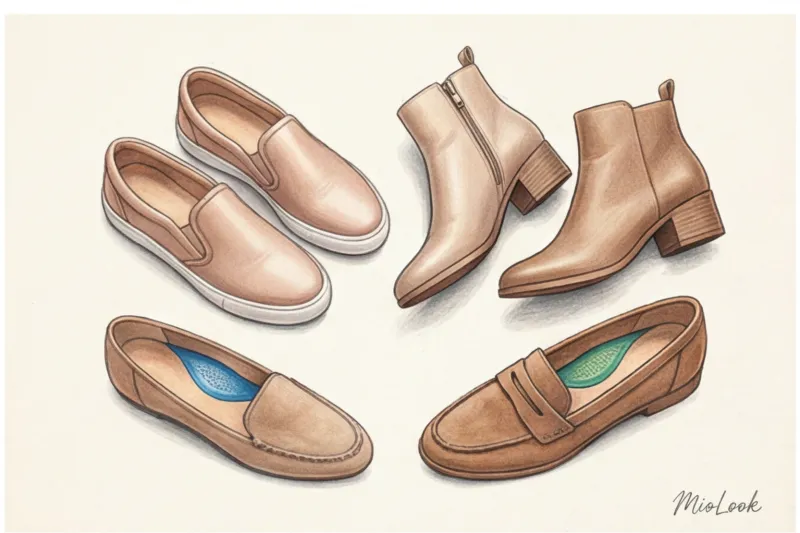
Окремий та дуже критичний пункт – матеріали. Під час вагітності об'єм циркулюючої крові збільшується майже на 50%, а базальна температура тіла трохи підвищується. Через зміну терморегуляції ноги починають потіти набагато інтенсивніше. Взуття із синтетики (дешева еко-шкіра, вініл, жорсткий пластик) створює парниковий ефект. Волога не випаровується, стопа ковзає, що миттєво призводить до натирання і посилює набряки. Ваш вибір – преміальна замша, м'яка зерниста шкіра, нубук або високотехнологічна сітка у спортивних моделях. Остерігайтеся лакової шкіри – незважаючи на натуральну основу, лакове покриття робить її абсолютно недихаючою та жорсткою.
Ще один невидимий, але життєво важливий елемент – амортизація. Уявіть, що кожен ваш крок по асфальту - це мікроудар, який передається від п'яти в коліна та поперек. Підошва повинна гасити ці вібрації. Шукайте моделі з поліуретановою підошвою або вбудованими прихованими платформами, які працюють як пружини.
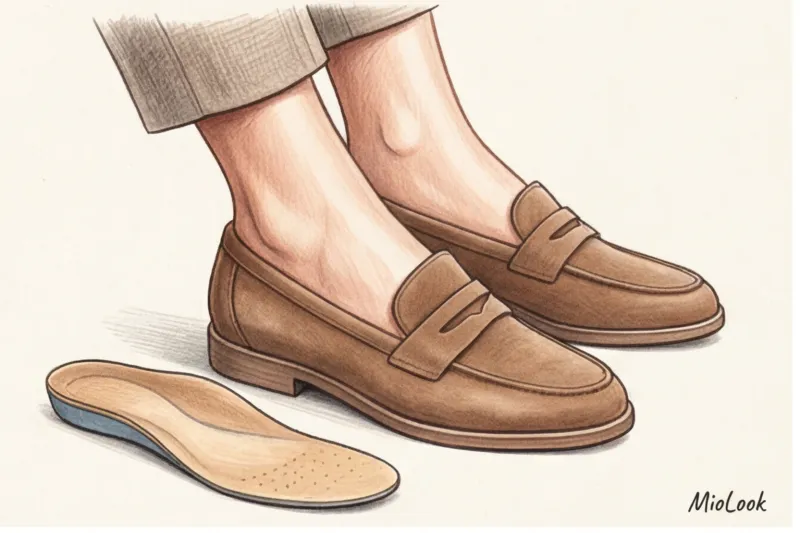
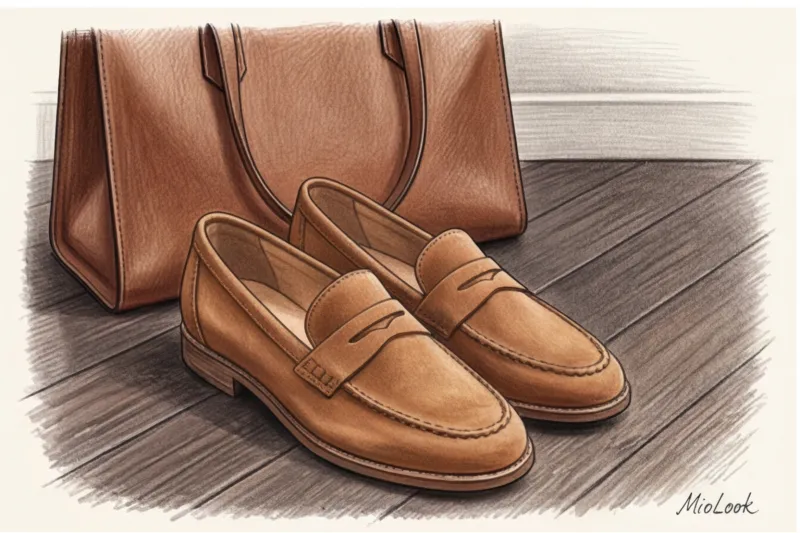
Показовий випадок із моєї практики минулого року. Моя клієнтка Олена, директор PR-агентства, на восьмому місяці була у розпачі. Жорсткий офісний дрес-код нікуди не подівся, але її ноги набрякали так сильно, що влазили тільки в безрозмірні снікерси чоловіка. Ми знайшли елегантний компроміс: розкішні лофери з найм'якшої замші глибокого шоколадного відтінку з інтегрованою ортопедичною устілкою та прихованою амортизацією. Ця пара обійшлася приблизно в 140 євро, але вона буквально врятувала її гардероб. Олена змогла носити свої улюблені шовкові спідниці-міді та об'ємні жакети, зберігши статусність образу і повністю позбувшись ниючого болю в попереку вечорами. До речі, щоб легко збирати подібні елегантні образи з новим взуттям, ви можете завантажити його фото MioLook - Розумний алгоритм миттєво складе стильні капсули з ваших речей.
Доступ до MioLook за €0,99 — разовий платіж
Розумний AI-стиліст підбере ідеальний образ
Відкрити доступ — €0,99 разоворуйнуємо стереотипи: чому балетки на плоскому ходу небезпечні
Існує вкрай небезпечна помилка: як тільки фігура починає змінюватися, потрібно негайно відмовитися від будь-яких підборів та перейти на абсолютно пласку підошву. Класичні французькі балетки, тонкі кеди-конверси або літні сандалії з плоским дном здаються порятунком, але біомеханіка вашого тіла говорить про інше.
Взуття на абсолютно плоскій підошві — такий самий жорстокий ворог для спини майбутньої мами, як тонка десятисантиметрова шпилька. І те, й інше критично порушує природну вісь балансу.
Коли ви ходите у взутті без мінімального підйому, ваше склепіння стопи сплощується під тиском збільшеної ваги. Підошовна фасція – зв'язка, що підтримує це склепіння – надмірно розтягується. Саме це призводить до мікророзривів і болісного плантарного фасціїту (коли вранці боляче наступати на п'яту).
Ідеальна, фізіологічно обґрунтована висота каблука чи танкетки у цей період становить 1,5–3 сантиметри. Такий мікро-підйом злегка зміщує центр тяжіння назад, компенсуючи вагу живота, що росте, який тягне вас вперед. Крім того, він знімає колосальну напругу з литкових м'язів та ахіллового сухожилля.
Це правило стосується не лише туфель, а й спортивного взуття. При виборі модних масивних кросівок завжди перевіряйте їх «дроп» (перепад висоти від п'яти до носка). У правильних моделях — наприклад, у класичних бігових лінійках із гарною підтримкою — п'ята завжди піднята. Ідеальний показник перепаду – від 8 до 12 міліметрів. Саме така архітектура взуття забезпечить вам правильну поставу та легкість у ногах до самого вечора.
Взуттєвий гардероб по триместрах: адаптація стилю
Чи помічали ви, що біомеханіка вашого тіла починає змінюватись задовго до того, як улюблені джинси перестають застібатися? Це парадокс, до якого багато хто виявляється не готовим. Ми звикли ділити вагітність на триместри з медичної точки зору, але як практикуючий стиліст, я завжди наполягаю на тому, що ваш взуттєвий гардероб має проходити ту саму поетапну трансформацію. Давайте розберемо конкретні життєві сценарії та з'ясуємо, як зберегти баланс між естетикою та фізіологією.
Перший триместр: ілюзія незмінності. Зовні ваша фігура ще колишня, але організм працює за двох. З'являється та паралізуюча втома, а гормон релаксин починає непомітно розм'якшувати зв'язки. Головне питання, яке я чую на консультаціях у цей період: «Чи можна мені носити звичні підбори?»
Моя відповідь: можна, але правила гри змінюються. За даними дослідження Британського інституту ортопедії (2023), носіння шпильки вище 7 см у період раннього викиду релаксину збільшує ризик мікротравм ахіллового сухожилля на 40%. Якщо ваш сценарій - похід в офіс або на ділову зустріч , замініть агресивну шпильку на kitten heel (каблук- чарочку 3-5 см) або стійкий block heel. Якісні шкіряні човники на мікро-каблуці із сегменту мідл-маркет коштуватимуть вам приблизно 120–180 €, але це інвестиція у ваше здоров'я. Ви не втрачаєте в елегантності, але кардинально змінюєте площу опори.
Другий триместр: активне зростання ваги та перші набряки. Це час, коли центр тяжіння зміщується вперед, збільшуючи прогин у попереку. Саме в цей період по-справжньому зручне взуття для вагітних стає не розкішшю, а необхідністю. Починаються вечірні набряки, і ті самі човники, які вранці сиділи ідеально, до п'ятої години вечора перетворюються на іспанський чобіт.
Взуття з ортопедичною підтримкою давно перестало виглядати як медичний інвентар. Сьогодні бренди інтегрують анатомічні устілки в абсолютно трендові силуети.
Для сценарію «Довга прогулянка» або вихідного дня я рекомендую переходити на кросівки з вираженою підтримкою склепіння стопи і перепадом висоти (коли п'ятка трохи вища за миску). Якщо ви збираєте нові образи і боїтеся, що масивне взуття зіпсує пропорції, спробуйте завантажити речі в MioLook. У додатку дуже зручно візуалізувати, як об'ємні кросівки балансуються сукнями міді, що летять. І як колорист, дам пораду: вибирайте взуття глибоких, благородних відтінків (бургунді, темний шоколад, глибокий оливковий) замість нудного чорного. У ціновому діапазоні 100-200 € можна знайти приголомшливі замшеві моделі, які виглядають дорого і візуально не обтяжують ногу.
Третій триместр: фокус на формат hands-free (вдягнути без рук)
До сьомого місяця будь-яка дія, яка потребує нахилу до підлоги, перетворюється на олімпійську дисципліну. Проблема зав'язування шнурків, застібання складних ремінців або метушні з вузькою халявою з великим животом стає критичною. Ваш головний критерій вибору на фінішній прямій - формат взуття hands-free.
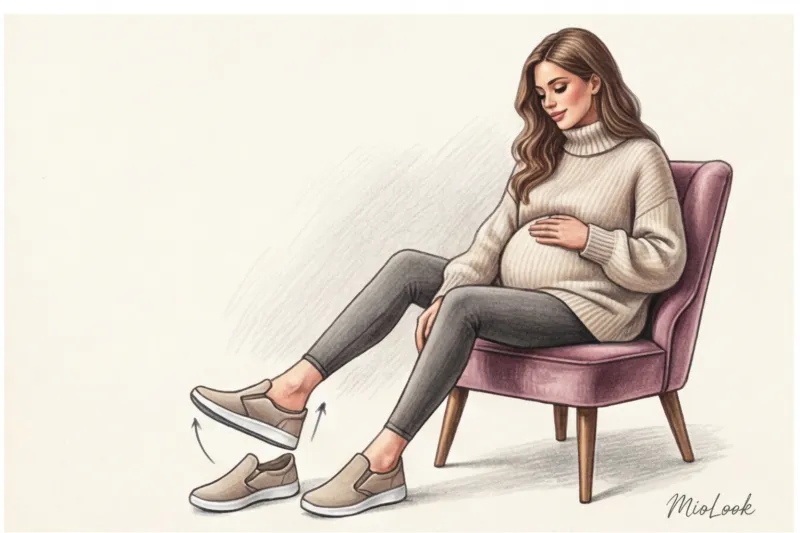
Індустрія моди пропонує нам безліч стильних рішень, які можна надіти буквально одним рухом ноги:
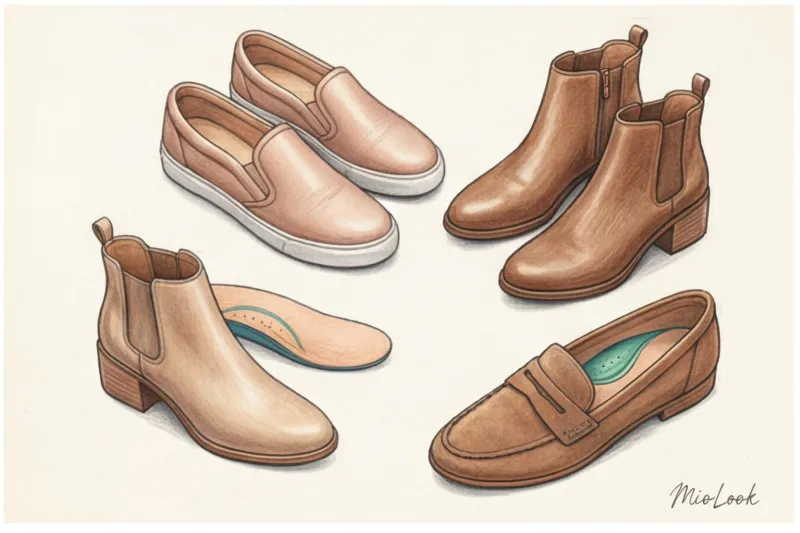
- Сучасні кросівки step-in: технології на кшталт пружного задника дозволяють просто наступити на п'яту, і взуття саме зафіксується на нозі.
- Челсі з широкими гумками (gussets): ідеальний вибір для холодного сезону. Шукайте моделі з петлею на п'яті (pull tab) – її легко підчепити довгою ложкою для взуття.
- Еластичні сліпони: щільний текстиль верху адаптується під будь-який рівень набряклості до вечора.
Особливої уваги заслуговують мюлі та сабо (включаючи популярні силуети у стилі Birkenstock Boston). Це абсолютний хіт для теплої пори року, але тут криється пастка. Як носити таке розслаблене взуття, щоб воно не виглядало так, ніби ви вийшли на вулицю в домашніх капцях?
Секрет у правила контрасту фактур і форм. Якщо ви надягаєте замшеві сабо з відкритою п'ятою, обов'язково додайте в образ структурований елемент. Це може бути щільна куртка джинсова, сумка жорсткої геометричної форми (наприклад, багет або тоут) або тренч класичного крою. Саме сусідство розслабленого взуття зі строгими лініями в одязі показує, що ваш образ – це продуманий fashion прийом, а не просто результат втоми.
Стильні альтернативи: чим замінити вузькі човники та шпильки
Стереотип про те, що очікування малюка ставить хрест на елегантності, давно настав час здати в архів. На лекціях з візуальної корекції фігури в Інституті технологій моди (FIT) наголошують на важливому правилі: форма та обсяг взуття безпосередньо впливають на те, як зчитується весь силует. Коли об'єм тіла в зоні живота збільшується, тонка шпилька створює небезпечний оптичний дисонанс - фігура здається нестійкою, а ікри на контрасті з тендітним підбором виглядають значно масивнішими.
Зрозумівши цю механіку, стає очевидним: нам потрібні нові пропорції. Якісне та зручне взуття для вагітних зовсім не повинно виглядати як суто медичний інвентар – його можна елегантно інтегрувати у будь-яку естетику.
Бізнес-стиль: статус без шкоди для комфорту
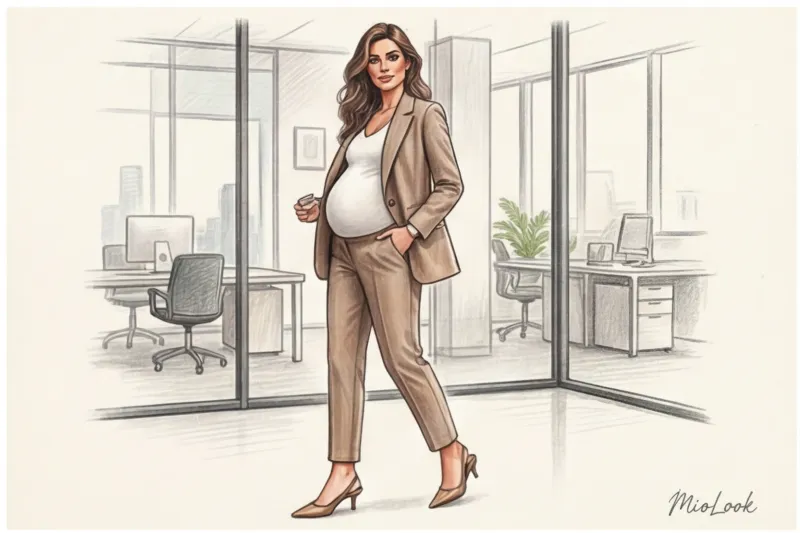
Якщо ваш робочий графік передбачає суворі дрес-коди, жорсткі шкіряні човники краще відкласти. Ідеальна заміна – лофери з м'якої неструктурованої замші або класичні оксфорди на полегшеній платформі. Чому я наполягаю на замші? На відміну від полірованої гладкої шкіри, вона еластична і здатна делікатно розтягуватися до вечора, коли стопа неминуче збільшується в об'ємі через затримку рідини. Оксфорди рекомендую шукати на мікропористій підошві з матеріалу EVA. При товщині 3-4 сантиметри вони важать буквально грами, чудово амортизують кроки і візуально витягують зростання без навантаження на поперек. Гідні моделі такого плану в мідл-сегменті обійдуться в діапазоні 130-180 євро.
Вечірній вихід: мистецтво мікро-каблука
Для урочистих заходів чи походів до театру 10-сантиметрові стилети категорично протипоказані — вони критично зміщують центр ваги, який і так змінився. Блискучою альтернативою стануть туфлі силуету kitten heels (витончений мікро-каблук заввишки 2.5–4 см) або моделі на стійкому блочному підборі ( block heel ). Площа опори у блочного каблука в 4-5 разів більша, ніж у шпильки. Ударне навантаження розподіляється рівномірно, захищаючи суглоби. Фізіологічно такий перепад висоти оптимальний: він піднімає п'яту, знімаючи напругу з ахіллового сухожилля, але не переносить вашу вагу на плюсну (передню частину стопи). Елегантні слінгбеки (туфлі з відкритою п'ятою) на блоці виглядають не менш розкішно, ніж класика.
Спробуйте MioLook
безкоштовно
Почніть створювати ідеальні образи за допомогою штучного інтелекту
Відкрити доступ — €0,99 разовоКежуал-образи: чому варто полюбити масивні кросівки
Перейдемо до розслаблених образів і мого улюбленого стилістичного прийому. Багато жінок уникають масивних кросівок (так званих dad sneakers ), боячись, що вони обтяжать ногу. Насправді працює як зворотний принцип. Відповідно до теорії візуального сприйняття, наше око оцінює об'єкти порівняно. Чим об'ємніше взуття — тим тендітнішими, тонкими і витонченішими здаються кісточки на її тлі.
Обов'язково спробуйте вписати такі кросівки в жіночні образи: надягніть шифонову сукню довжини міді, що летить, і завершіть ансамбль масивним спортивним взуттям. Важкий низ візуально врівноважить живіт, що округлився, створюючи ідеальний баланс пропорцій. Якби ви одягли з цією ж сукнею тонкі балетки на плоскому ходу, найменший набряк на щиколотках моментально кидався б у вічі. Цей прийом з грою контрастних обсягів я часто рекомендую збирати та тестувати у додатку MioLook так ви зможете наочно оцінити, як зміна форми взуття кардинально змінює геометрію всього силуету ще до виходу з дому.
Магія кольору: як взуття коригує силует майбутньої мами
На курсах з колористики та візуальної геометрії ми вивчаємо закон безперервності. Наше око завжди ковзає по лініях, і будь-яка контрастна горизонталь «ріже» об'єкт, візуально роблячи його ширшим і коротшим. У період вагітності, коли обсяги тіла природним чином збільшуються, а центр ваги зміщується, правильна робота з кольором взуття перетворюється з естетичної забаганки на потужний інструмент оптичної корекції силуету.
Самий безвідмовний трюк стилістів, який працює абсолютно для будь-якої фігури - це взуття в тон шкіри (якщо ви з голими ногами) або в тон колготок і штанів. Вибудовуючи єдину вертикаль кольорів, ми створюємо ілюзію нескінченно довгих ніг. Важливий нюанс: «нюд» у кожної жінки свій, і відтінок повинен максимально збігатися саме з вашим підтоном – від порцеляново-рожевого до теплого піщаного. У цьому випадку навіть сама базова і зручне взуття для вагітних на плоскому ходу, на кшталт замшевих сліпонів або м'яких балеток з правильним анатомічним вирізом, силует витягне краще, ніж контрастні чорні човники на підборах. Дослідження Інституту кольору PANTONE підтверджують: монохромні вертикальні блоки сприймаються нашим мозком як єдиний, стрункіший об'єкт.
Але що робити, якщо хочеться кольору? Тут входить у гру правило розмаїття. На третьому триместрі фігура часто здається "важкою" зверху. Щоб збалансувати ці нові пропорції і відвернути увагу від масивного живота або плечового пояса, що поповнився, потрібно змістити фокус вниз. Яскраве акцентне взуття працює як візуальний якір. Вона змушує погляд співрозмовника опускатися, врівноважуючи геометрію тіла та додаючи образу динаміки.
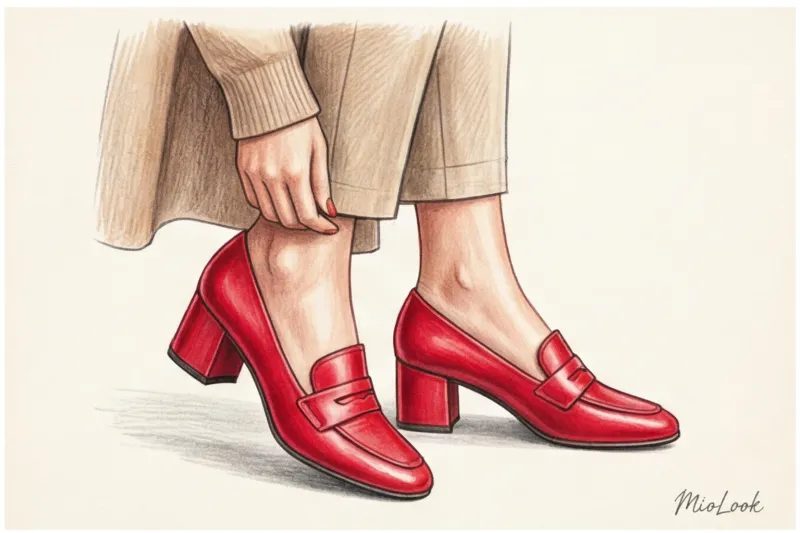
Як практикуючий колорист, я настійно рекомендую використовувати колірне коло Іттена для підбору таких акцентів, а не купувати яскраві пари навмання. Проаналізуйте свою «вагітну» капсулу. Якщо ваша база складається з темно-синіх трикотажних суконь (глибокий синій - частий і дуже вдалий вибір майбутніх мам), за правилом комплементарності Іттена ідеальним контрастним акцентом стануть гірчичні, охристі або теракотові черевики. Якщо ви носите речі у відтінках хакі та оливкового – придивіться до взуття насиченого кольору бургунді.
Крім прямого розмаїття, можна використовувати аналогову схему Іттена, вибираючи сусідні кольори на колі. Наприклад, до смарагдової сукні підібрати м'які лофери глибокого відтінку сапфіру. Таке поєднання виглядає дорого та благородно, не створюючи надто різких кордонів.
Коли мої клієнтки сумніваються, чи спрацює складний відтінок у їхньому гардеробі, ми не біжимо до магазину витрачати 150–250 € на експериментальну пару. Я раджу завантажити фото планованої покупки та ваші базові речі у MioLook. На віртуальному полотні програми відразу видно, як саме колірна пляма нового взуття змінює пропорції саме вашого образу. Це рятує від спонтанних імпульсних витрат і допомагає впроваджувати колір грамотно, перетворюючи звичайні легінси з об'ємним светром на продуманий і стильний стрітстайл-цибуля.
Життя після пологів: нова реальність вашого гардеробу
Витяг з пологового будинку з малюком на руках і... на 10-сантиметрових шпильках. Красива картинка із соціальних мереж, яка в реальному житті часто обертається катастрофою для спини. Багато жінок сприймають народження дитини як сигнал до негайного повернення в «дотемний» гардероб, але біомеханіка нашого тіла з цим категорично не згодна.
Рівень гормону релаксину, який розм'якшував ваші зв'язки усі дев'ять місяців, не падає по клацанню пальців. На відновлення зв'язкового апарату та повернення тазових кісток у звичне становище йде від трьох до шести місяців. Різкий перехід на високий і тонкий каблук у період відновлення примусово зміщує таз вперед, створюючи колосальне навантаження на м'язи тазового дна, що ще не зміцніли, і поперек. Дайте собі час на плавний перехід.
За даними масштабного дослідження Університету Айови (2013), у 60-70% жінок після першої вагітності довжина чи ширина стопи збільшується назавжди. Склепіння стопи сплощується під тиском ваги, і нога «розповзається».
Із цим феноменом зіткнулася і я сама. Після народження дочки мені довелося визнати: моя розкішна колекція італійських човників 37 розмірів, в яку було вкладено чимало коштів, безнадійно мала. Я пройшла всі класичні стадії: заперечення, спроби розтягнути шкіру агресивними спреями, гнів від розтертих у кров п'ят і, зрештою, прийняття. І знаєте, що? Прощання зі старим взуттям відкрило приголомшливу можливість зібрати нову, усвідомлену капсулу з нуля.
Я завжди говорю клієнткам: не зберігайте взуття, яке приносить біль, як музейні експонати. Продайте її на ресейл-платформах і вкладіть отримані гроші в життєву основу. Формування нової базової трійки повсякденних пар середнього цінового сегмента коштуватиме приблизно 250–400 €, але це інвестиція у ваш щоденний настрій та здоров'я ніг. Для грамотного планування таких глобальних трансформацій ідеально підходить MioLook - Ви завантажуєте фото того, що залишилося після ревізії, і додаток допомагає скласти точний шопінг-лист нової бази взуттєвої, виключаючи імпульсивні покупки.
Ваш ідеальний образ
починається тут
Приєднуйтесь до тисяч користувачів, які щодня виглядають бездоганно з MioLook.
Відкрити доступ — €0,99 разовоТа сама зручне взуття для вагітних , яка рятувала вас у третьому триместрі, тепер має поступитися місцем моделям для багатокілометрових марафонів з коляскою. І тут я категорично проти того, щоб зводити свій стиль до нудних спортивних кросівок для фітнесу. Сьогодні бал править естетика «мама-блогер» — розслаблене, багатошарове, але з яскравими акцентами на взуття.
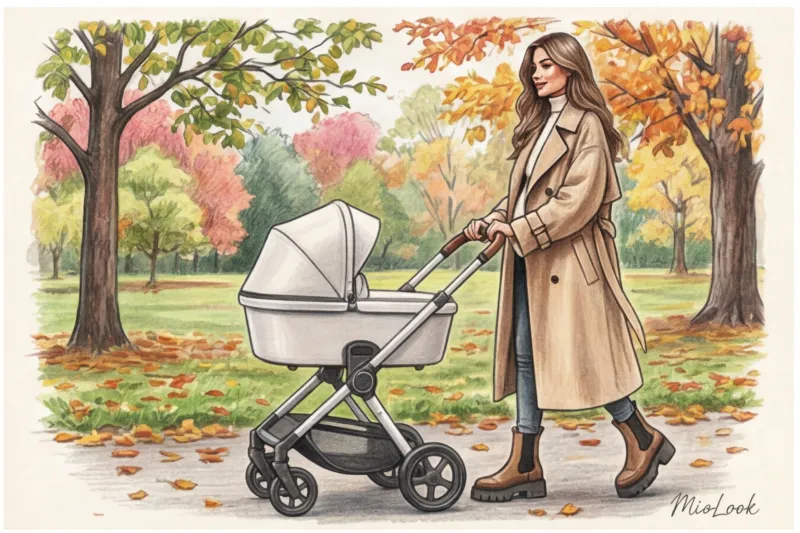
Ось три стильні альтернативи біговим кросівкам для довгих прогулянок:
- Грубі черевики на шнурівці (combat boots): Товста тракторна підошва відмінно амортизує кроки та захищає від сльоти. Вони збирають образ, роблячи навіть звичайний трикотажний костюм зухвалим і сучасним.
- Місяцеходи та «дутики»: Ідеальні для зимових прогулянок у парку. Бренди на кшталт Moon Boot або Inuikii пропонують моделі, що одягаються одним рухом і виглядають неймовірно стильно в парі з легінсами, довгим об'ємним пуховиком та капором.
- Стильні гумові чоботи: Забудьте про безформні рибальські моделі. Матові гумові челсі на масивній платформі (як у Ganni) або високі чоботи з каучуку (як у Hunter) врятують вас в демісезонний бруд і додадуть образу легкий наліт британського аристократизму.
Капсула стильної мами: 5 пар взуття, які закриють усі потреби
Раціональний підхід до шопінгу - найкращі ліки від передпологової тривожності. Замість того, щоб у паніці скуповувати безформні ортопедичні моделі на два розміри більше, давайте зберемо компактну, але повністю робочу базу. За роки аналізу жіночих гардеробів вивелася чітка, перевірена практично формула. П'ять пар - це максимум, який вам дійсно потрібен, щоб елегантно і без болю закрити будь-які життєві сценарії: від суворої ділової зустрічі до багатогодинного марш-кидка з візком.
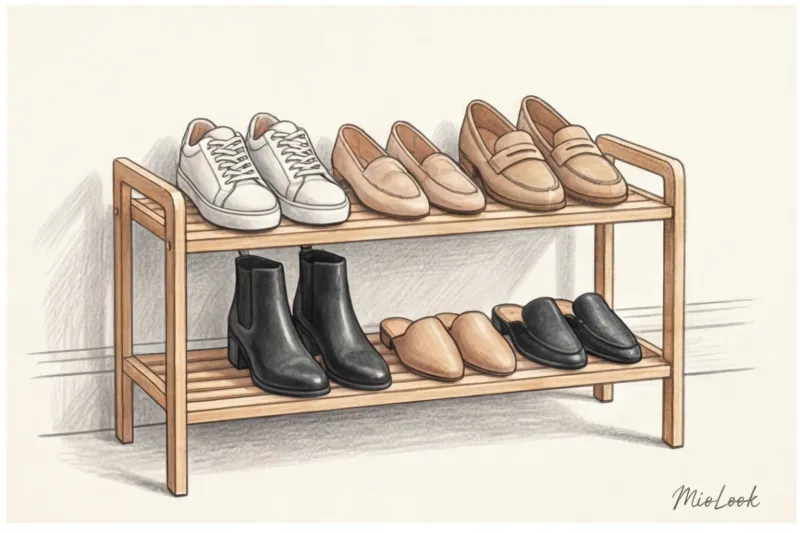
Ось ідеальний конструктор взуттєвої капсули, де кожна одиниця відпрацьовує вкладені кошти на двісті відсотків:
- Базові білі кросівки із м'якої шкіри (універсальність). Це є фундамент. Шукайте моделі з натуральної наппи або телячої шкіри, уникаючи жорстких каркасних кросівок із пресованих матеріалів. М'яка шкіра делікатно підлаштовується під вечірні мікронабряки. Відмінна інвестиція в діапазоні 80-150 €, яка бездоганно виглядатиме і з трикотажним костюмом, і з шифоновою сукнею, що летить. Звертайте увагу на наявність устілки, що знімається - можливо, пізніше вам захочеться замінити її на індивідуальну ортопедичну.
- М'які замшеві лофери (для офісу та елегантних образів). Порятунок для тих, чий дрес-код не приймає спортивний стиль. Замша еластична та працює як друга шкіра. Якщо доповнити такі лофери брюками-палаццо із прихованою еластичною вставкою на животі, ви отримаєте неймовірно статусний і при цьому розслаблений силует.
- Черевики-челсі (осінь/зима, легко вдягнути). Геніальний винахід взуттєвої промисловості для холодного сезону. Вибирайте варіанти з широкими еластичними вставками-гумками з боків та міцною петлею на заднику. У третьому триместрі ви скажете собі велике спасибі за можливість одягати теплі черевики одним рухом, спираючись на довгий ріжок, абсолютно без допомоги рук. Стовщена підошва (platform або lug sole) додатково захистить від промерзання землі.
- Елегантні мюлі на плоскому ходу або kitten heel (для літа та заходів). Відсутність задника миттєво вирішує проблему мозолів на п'яті через біомеханіку кроку, що змінилася. Для урочистого виходу чи спекотного літнього дня вибирайте моделі з мигдалеподібним мисом. Крихітний каблук-чарочка (kitten heel) висотою 2-3 см забезпечить ту саму правильну підтримку склепіння стопи, не перевантажуючи литкові м'язи.
- Сліпони або «дуті» черевики-місяцеходи (для комфортних прогулянок). Взуття-антистрес. Влітку це дихаючі текстильні сліпони з гарною амортизацією, а взимку - об'ємні водовідштовхуючі місяцеходи. У таких дутих черевиках нога почувається комфортно навіть при сильних перепадах температур і максимального ступеня набряклості, тому що внутрішній об'єм не здавлює тканини.
Щоб ця система запрацювала на вас, я рекомендую оцифрувати сезонну базу. Завантажте куплені пари в MioLook - так ви зможете прямо в телефоні збирати готові образи (outfits), комбінуючи ці п'ять пар із поточним одягом. Візуальне планування сильно знижує ранковий стрес від думки «мені нема чого надіти і не в що взутися».
Чек-лист: аудит ідеальної капсули (збережіть перед покупкою)
Будь-яке зручне взуття для вагітних має проходити жорсткий фільтр. Якщо обрана пара отримує хоча б одне «ні» за цими чотирма критеріями — сміливо залишайте її на полиці магазину:
- Тест на гнучкість: Чи можу я трохи зігнути шкарпетку підошви однією рукою? (Абсолютно "дерев'яна" колодка блокує природний перекат стопи, перевантажуючи коліна).
- Тест на вагу: Чи важить черевик менше 400 грамів? (Кожні зайві 100 г на ногах кратно посилюють втому попереку до кінця дня).
- Тест на надягання: Чи можу я взутися стоячи чи сидячи, не нахиляючись низько до підлоги і не зав'язуючи шнурки?
- Тест на адаптивність: Чи є у конструкції люфт для зміни обсягу (еластичні шнурки-гумки, приховані вставки, липучки, м'яка фактура матеріалу)?
Стиль починається не з страждань у тісних туфлях, а з абсолютного фізичного комфорту, що транслюється через вашу легку, впевнену ходу.
Прямо сьогодні ввечері дістаньте своє поточне взуття і проженіть його цим чек-листом. Заберіть у далеку скриньку все, що вимагає довгих шнурівок, здавлює пальці або має жорстку підошву, що не гнуться. Залишіть тільки ті пари, які працюють на вас, а позиції, що відсутні, з нашої п'ятірки додайте в шопінг-лист. Ця компактна капсула врятує вас не тільки в місяці очікування малюка, але і стане найнадійнішим фундаментом гардеробу в перший, найактивніший рік материнства.
Глави гайда
Офісне взуття для вагітних: під строгий дрес-код
Суворий корпоративний дрес-код – не привід жертвувати здоров'ям ніг. Розповідаємо, як підібрати зручне та статусне взуття під час вагітності.
Ортопедичне взуття для вагітних: поради стиліста
Гормони змінюють розмір стопи під час вагітності, викликаючи ризик плоскостопості. Дізнайтеся, як підібрати гарне та зручне взуття без шкоди для стилю.
Розмір ноги при вагітності: чи він зміниться назавжди?
Улюблені туфлі стали малі після декрету? Розбираємось, чому стопа збільшується під час виношування малюка і як правильно підбирати взуття у цей період.
Осіннє взуття для вагітних: стиль та комфорт
Вибираємо демісезонне взуття для майбутніх мам без шкоди для стилю та здоров'я. Розбираємо, чому не можна просто купувати черевики на кілька розмірів більше.
Підбори під час вагітності: стильні альтернативи
Дізнайтеся, як зберегти елегантність святкового образу, не жертвуючи комфортом. Розбираємо стильні та безпечні альтернативи високим підборам для майбутніх мам.
Найкраще літнє взуття для вагітних: комфорт без набряків
Спека та набряки перетворюють прогулянки на тортури? Розповідаємо, як правильно вибрати літнє взуття майбутнім мамам, щоб забути про тяжкість у ногах.
Зимове взуття для вагітних: стиль та комфорт
Пошук взуття в холодну пору року не повинен перетворюватися на тортури. Дізнайтеся, як підібрати теплі, неслизькі та стильні зимові моделі для майбутніх мам.