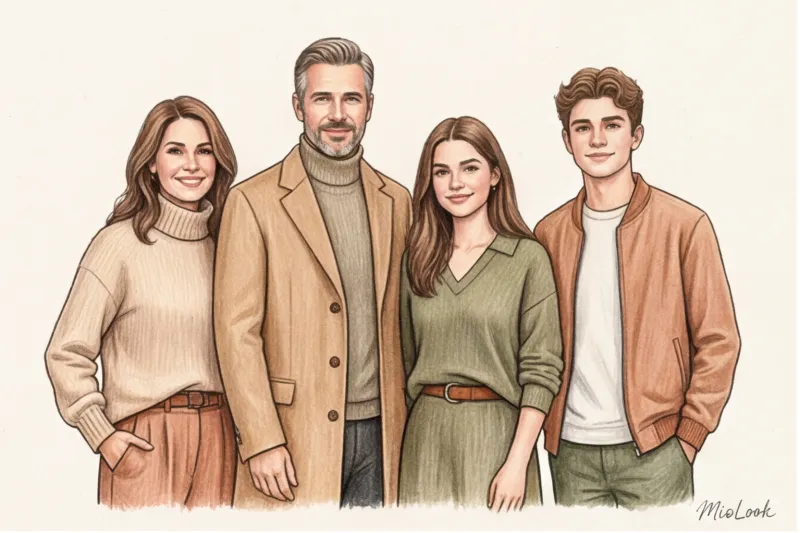
Ефект «уніформи» мертвий: чому однаковий одяг більше не працює
Знаєте, як гарантовано зіпсувати сімейну фотосесію та настрій усім учасникам? Змусити їх надіти абсолютно однакові речі. Кілька років тому до мене прийшла клієнтка Софія. Вона купила п'ять ідентичних червоних акрилових светрів із оленями для новорічної зйомки. Підсумок був катастрофічним: у чоловіка почалася моторошна алергія на синтетику (він чухав шию до червоних плям прямо в кадрі), чотирнадцятирічний син-підліток сидів з обличчям мученика, а на фото родина виглядала не як люди, що люблять, а як учасники дивного культу.
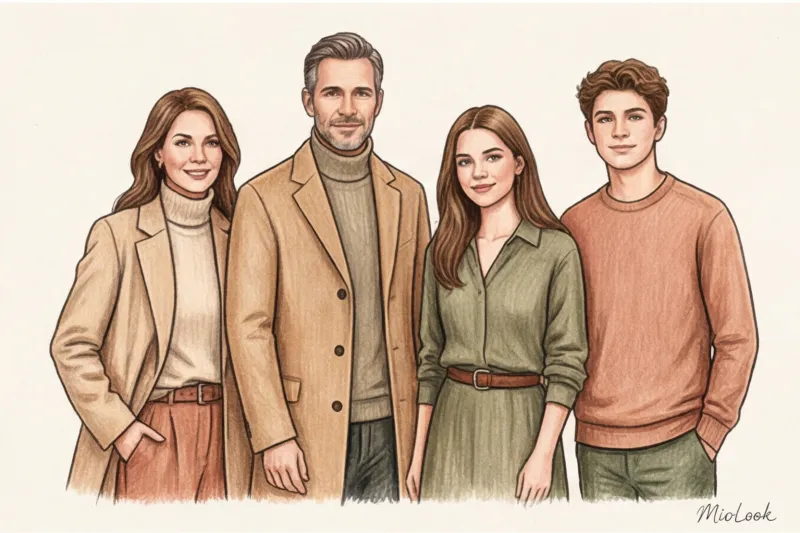
Естетика matchy-matchy (коли всі одягнені під копірку), популярна у десятих роках, сьогодні безнадійно застаріла. Вона виглядає дешево, плоско та штучно. Докладніше про еволюцію цього тренду ми розповідали у нашому повному гіді за святковими образами для урочистостей Але головна проблема криється навіть не в трендах, а в психології та колористиці.
За даними дослідження споживчої поведінки WGSN (2023), понад 80% підлітків активно пручаються однаковим сімейним вбранням, сприймаючи їх як пряме порушення особистих кордонів. Одяг - це інструмент сепарації та самовираження. Пригнічуючи індивідуальність заради «красивої картинки», ви вбиваєте жвавість кадру.
Але є і прагматичніша, колористична причина. Носити абсолютно однаковий колір усією родиною – жахлива ідея. Це головне контрінтуїтивне правило, про яке мовчать фотографи. Один і той же відтінок червоного чи зеленого безжально підкреслює різницю у підтонах шкіри. Якщо у вас оливковий підтон, а у чоловіка - рожевий, в однаковому рубіновому светрі ви сяятимете, а він - виглядатиме болісно блідим і втомленим. Секрет статусного візуалу на кшталт Quiet Luxury полягає у тому, щоб не копіювати один одного, а грамотно координувати палітру.
Як підібрати одяг для сім'ї за квітами: 3 формули статусної гармонії
Якщо випадковий вибір речей створює на фото візуальний шум, продумана палітра перетворює кадр на кіно. Багато клієнтів запитують мене, як підібрати одяг для сім'ї за квітами, якщо всі мають різні смаки. Відповідь криється у кольоровому колі Йоганнеса Іттена. Давайте розберемо три безвідмовні формули.
Правило одного температурного підтону
Це базовий принцип, який рятує 90% образів. Весь одяг у кадрі повинен належати або до теплої, або холодної гами. Ви не можете просто взяти крижаний сапфіровий і змішати його з теплою цегляною, не додавши потужні сполучні елементи - це розірве композицію.
Вирішіть заздалегідь: ви йдете в холодну палітру (смарагд, сапфір, фуксія, срібло, чистий білий) або теплу (гірчиця, теракота, оливковий, золото, екрю). Навіть якщо кольори зовсім різні, загальна температура зробить картинку цілісною.
Аналогова колірна схема
Мій улюблений прийом для створення кінематографічної, спокійної і дуже дорогої картинки. Ми беремо 2–3 кольори, які стоять по сусідству на колі. Наприклад: глибокий синій, синьо-зелений (teal) та приглушений зелений.
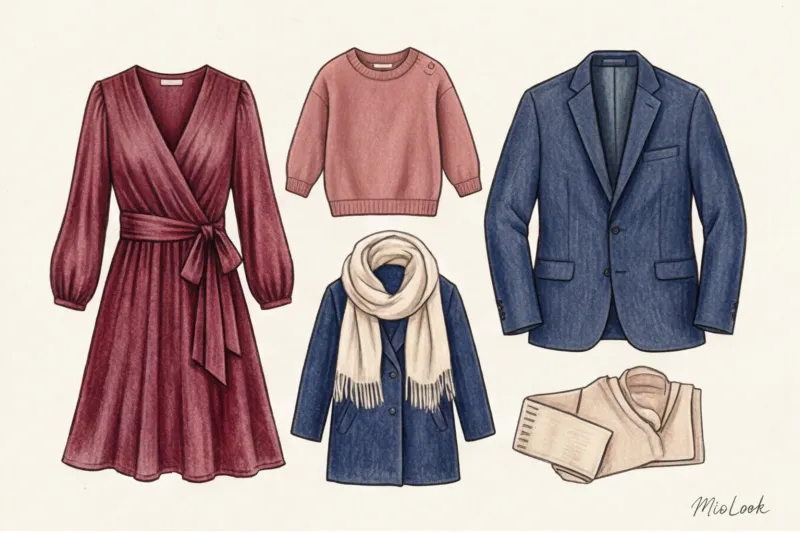
Розподіляйте ці відтінки як м'який градієнт. Тато у темно-синьому піджаку, син у синьо-зеленому джемпері, мама у сукні відтінку морської хвилі. Це створює неймовірну глибину без строкатості.
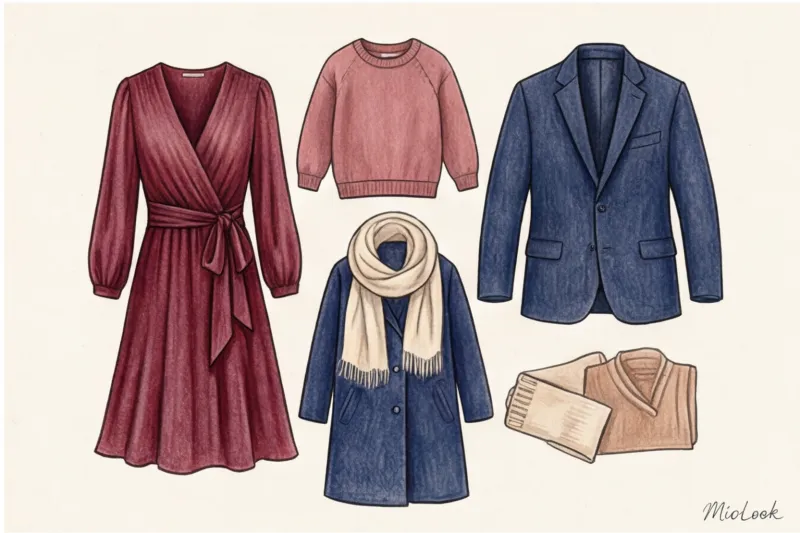
Акцентний колір як сполучна нитка
Якщо сім'я є консервативною, використовуйте правило 80/20. Нехай 80% одягу буде нейтральною базою: беж, графіт, темно-синій (navy) чи молочний. 20%, що залишилися, віддайте одному акцентному кольору, який пройде через усі образи пунктиром.
Важливий нюанс: акценти мають розподілятися у кадрі зигзагом, а не накопичуватися в одній точці. Наприклад, бордова краватка батька (верх), бордова плісирована спідниця мами (низ) та бордовий бант у дочки (знов верх). Око глядача несвідомо стрибатиме по цих точках, збираючи сім'ю в єдине ціле.
Ваш ідеальний образ починається тут
Приєднуйтесь до тисяч користувачів, які щодня виглядають бездоганно з MioLook. Оцифруйте свій гардероб та створюйте стильні поєднання за секунди.
Почати безкоштовноІндивідуальний колорит: як поєднати різні кольоротипи на одному фото
Теоретично все звучить красиво, але що робити з суворою реальністю? На моїй практиці був показовий випадок. Я збирала сім'ю, де дружина — яскрава, контрастна «Зима», якою шалено йде насичена фуксія. А її чоловік – приглушене, м'яке «Літо». У фуксії він виглядав так, ніби не спав три доби.
Щоб поєднати їх, ми застосували ілюзію ідентичного кольору. Ми зберегли рожево-пурпурову гаму, але змінили відтінки. Дружина вдягла шовкову блузу чистої фуксії в обличчя. Чоловіка ми підібрали сорочку приглушеного відтінку запорошеної троянди, а яскравий акцент перенесли в нижню частину силуету (бордові штани), подалі від портретної зони. Цей прийом віддалення від особи рятує будь-який невдалий, але потрібний для композиції колір.
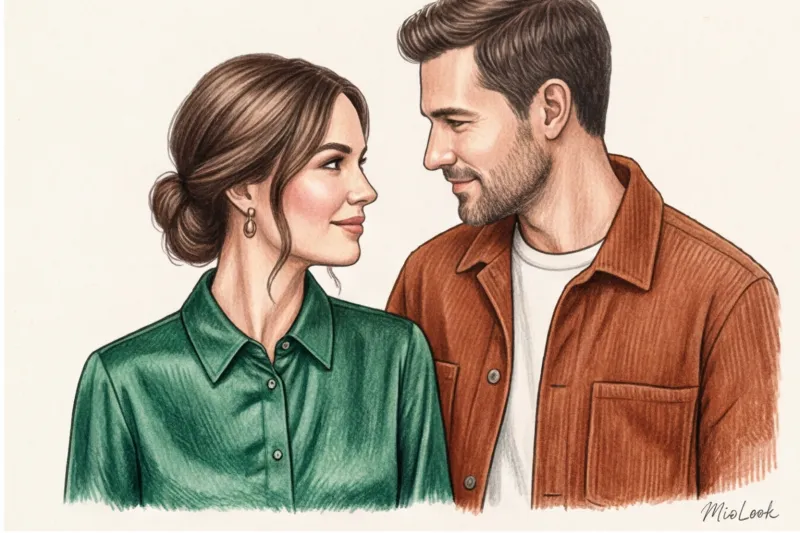
Якщо кольори однаково «сперечаються», використовуйте універсальні мости. Екрю (не кипенно-білий!), глибокий navy і графітовий сірий йдуть усім кольоротипам. Прокладіть міст між членами сім'ї через базові шари одягу. Докладніше про те, як нейромережі допомагають з цим впоратися, читайте в нашому матеріалі про визначення кольоротипу за допомогою ІІ.
Ігри фактур: коли один колір виглядає як три різні
Небезпека тотального монохрому - одна з найчастіших пасток новачків. Якщо одягнути сім'ю з чотирьох осіб у однакову гладку бавовну пісочного кольору, на фотографії вони зіллються в одну величезну бежеву пляму.
Секрет стилістів глянсових видань будується на фізиці кольору. Матові поверхні (бавовна, вовна, замша) поглинають світло, роблячи колір глибшим і темнішим. Глянцеві (шовк, атлас, шкіра) - відбивають світло, роблячи відтінок яскравішим і світлішим.
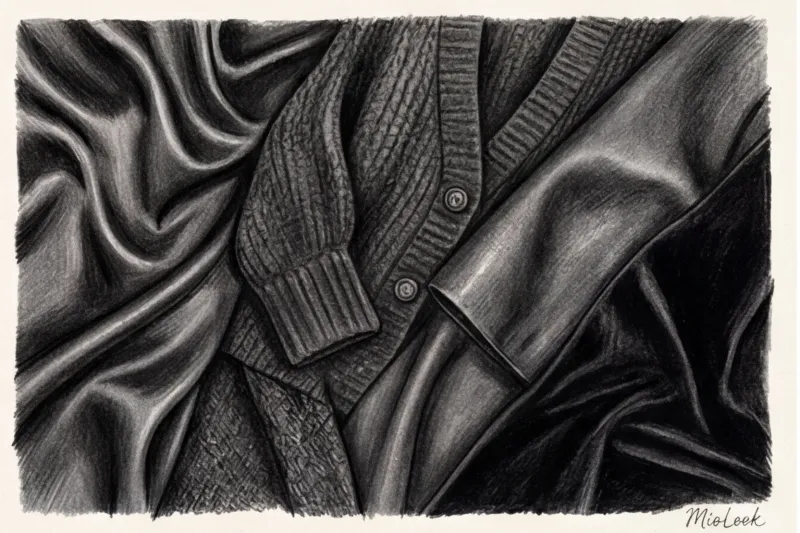
Формула розкішного монохромного Family Look звучить так: шовк+об'ємна в'язка+шкіра+матова бавовна або вельвет. Бажаєте зняти родину в Total Black? Чудовий вибір. Але нехай на мамі буде рідкий шовк, на тату — матова сорочка щільністю не менше 180 г/м², на сина-підлітку — шкіряна куртка, а на молодшій дочці — оксамит. Різниця фактур створить обсяг, і навіть мас-маркет речі за 30–50 € виглядатимуть як важкий люкс.
Спробуйте MioLook
Розумний AI-стиліст підбере ідеальний образ за вас з урахуванням кольоротипу та особливостей фігури.
Почати безкоштовноГоловні помилки колористики у сімейних образах (чого робити точно не варто)
Я бачила сотні сімейних зйомок, що пішли не за планом. Щоб ваші фото хотілося роздрукувати та повісити у вітальні, уникайте цих стилістичних провалів.
- Порушення правила 3-4 кольорів. У композиційній фотографії є жорсткий стандарт: якщо в груповому кадрі активно працюють більше чотирьох кольорів, зображення перетворюється на візуальний салат. Око не може сфокусуватися. Обмежтеся трьома кольорами та їх відтінками.
- Ігнорування фону. Фон диктує палітру, а чи не навпаки. Одягати темно-зелені светри для зйомки в сосновому лісі — значить стати невидимками. Якщо локація темна та активна, використовуйте світлі комплементарні тони (молочний, беж, ніжний персик).
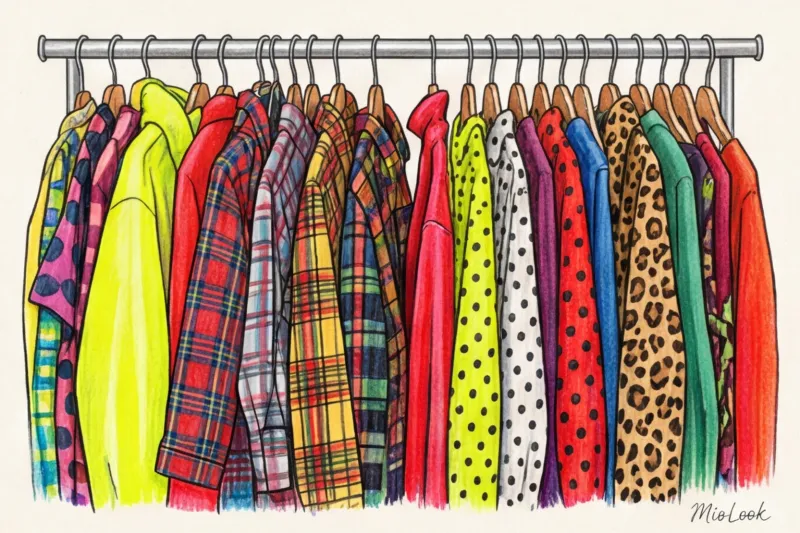
- Війна принтів. Активні патерни (клітина тартан, леопард, великий горох) перетягують усю увагу. Якщо їх багато, кадр стає агресивним. Залишіть принт на одному, максимум двох членах сім'ї (за умови, що це той самий патерн у різному масштабі), а решту одягніть в однотонне.
- Стилістичний розсинхрон. Колір може збігатися ідеально, але якщо мама у вечірній сукні в паєтках, а тато в рваних джинсах того ж відтінку - гармонії не станеться. Рівень урочистості (дрес-код) має бути єдиним всім.
Чек-лист стиліста: збираємо святковий Family Look без сліз та скандалів
Щоб підготовка не перетворилася на філію пекла, я виробила для своїх клієнтів чіткий алгоритм. Пройдіть цими кроками, і результат вас здивує.
- Крок 1: Аналіз локації. Запитайте у фотографа референси студії чи місця. Якщо там багато теплого дерева – беремо теплий підтон палітри. Якщо це мінімалізм з бетоном – йдемо у прохолодну гаму чи монохром.
- Крок 2: Вибір «якоря». Знайдіть найскладнішу, ошатну чи вимогливу річ. Зазвичай це мамине плаття (давайте чесно, мама - головний організатор). Якщо сукня смарагдова, вся капсула будується навколо неї.
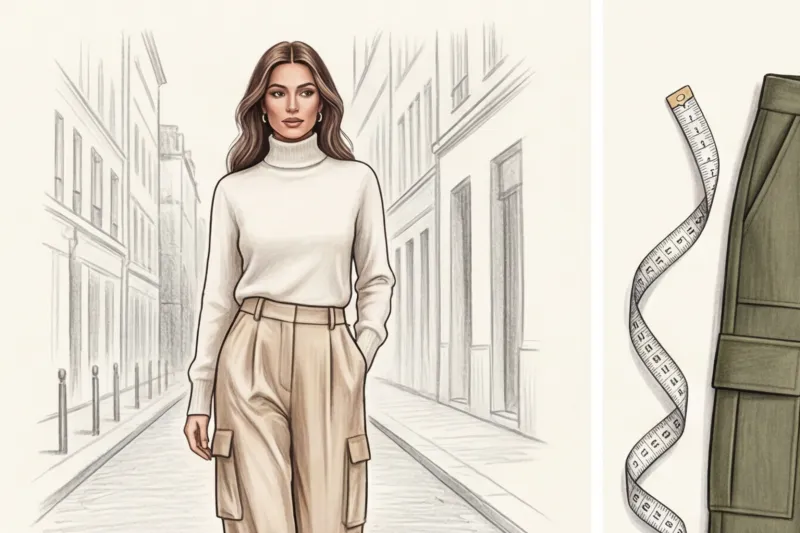
- Крок 3: Переговори із підлітками. Дайте їм свободу у межах кольору. «Ти можеш одягнути свої улюблені широкі карго та худі, але вони мають бути бежевого чи оливкового кольору». Форма їх, колір ваш. Конфлікт вичерпано.
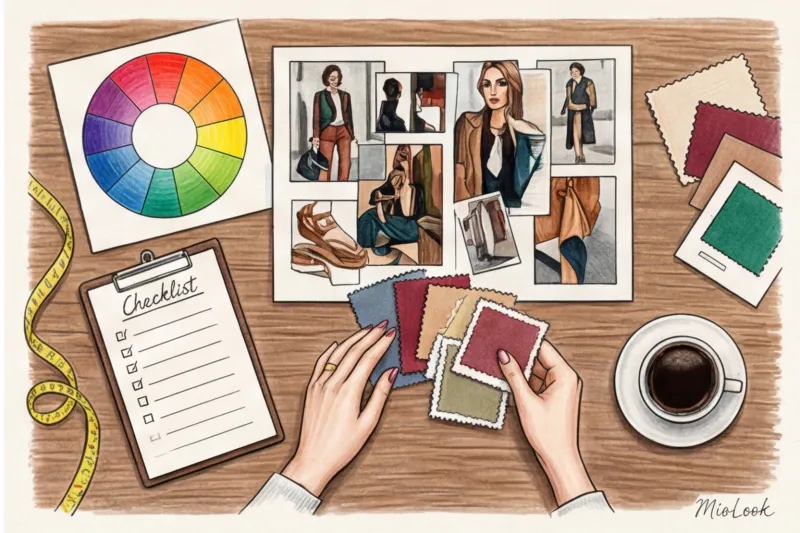
- Крок 4: Розкладка підлоги (Flat Lay). Це обов'язкова умова! За 2–3 дні до зйомки розкладіть одяг на підлозі при денному світлі. Сфотографуйте на телефон. Камера одразу покаже, де відтінок «брудить», а де не вистачає текстури.
- Крок 5: Додавання деталей. На фінальному етапі, якщо образ здається сухуватим, додайте фактурні дрібниці: замшевий ремінь, хустку шовкову в кишеню піджака, текстурні колготки.
Чи готові почати?
Спробуйте безкоштовний план без зобов'язань. Завантажте речі всієї родини у додаток та комбінуйте їх онлайн.
Почати безкоштовноЗамість укладання: естетика, що об'єднує покоління
Колір у сімейному гардеробі – це не інструмент зрівнялівки. Це тонка невидима нитка, яка показує приналежність людей один до одного, залишаючи кожному право на його особисті межі та стиль. Правильно підібраний Family Look транслює повагу: до себе, до партнера, до дітей, що дорослішають.
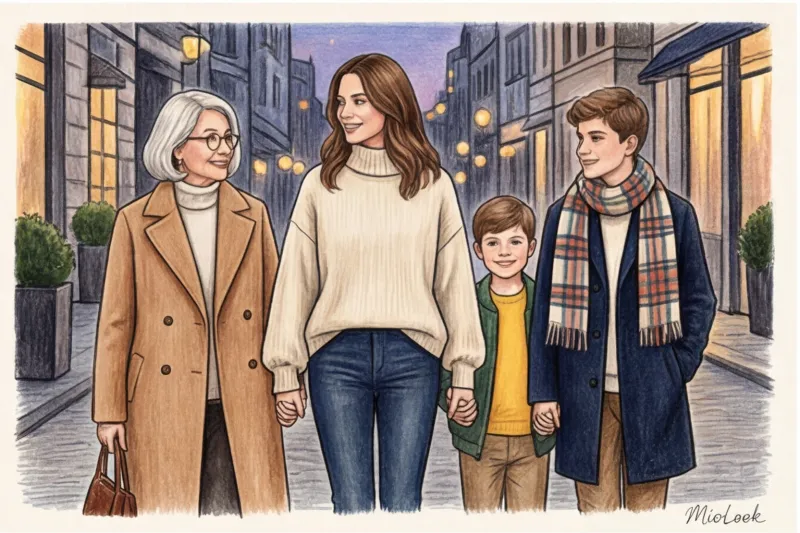
«Сімейний стиль – це діалог, а не монолог диктатора. Дозвольте речам розмовляти між собою через півтони та фактури».
Перестаньте витрачати час на пошуки п'яти однакових светрів. Почніть експериментувати з палітрою. А щоб не тримати всі відтінки в голові, використовуйте функцію оцифровки MioLook - Ви зможете наперед зібрати луки всіх членів сім'ї на одному екрані і відразу побачити, як вони монтуються між собою. Створюйте гармонію, залишаючись собою.