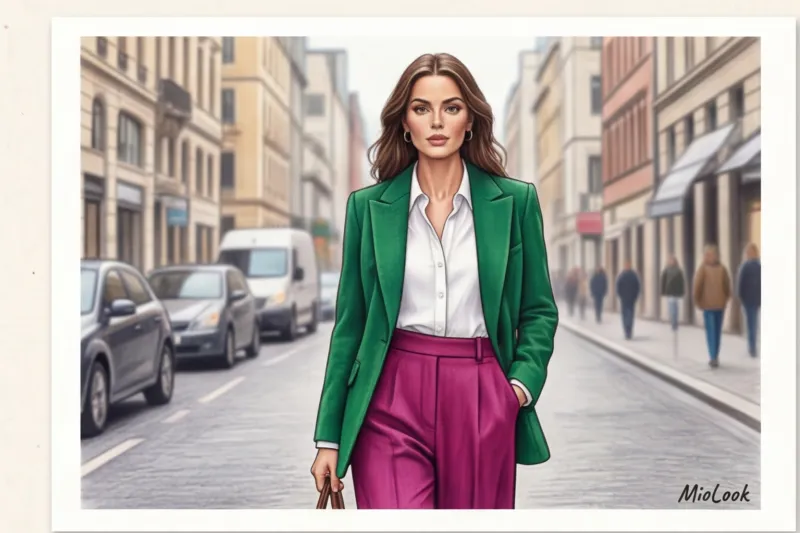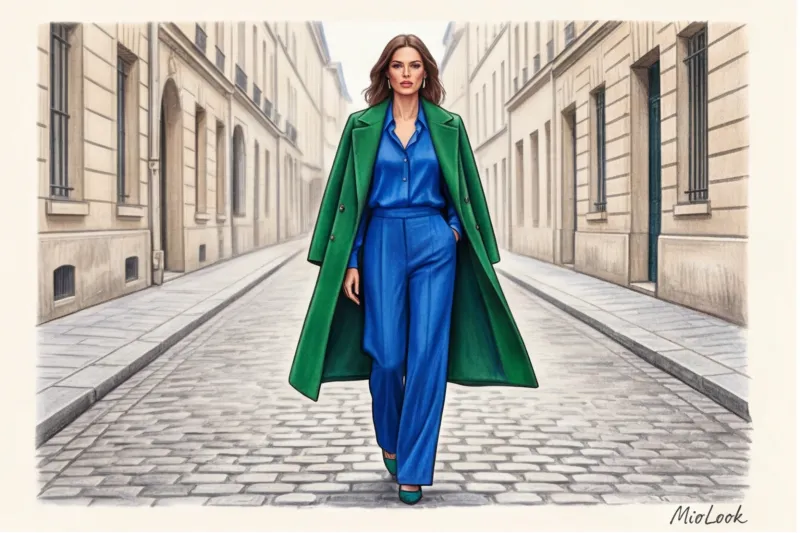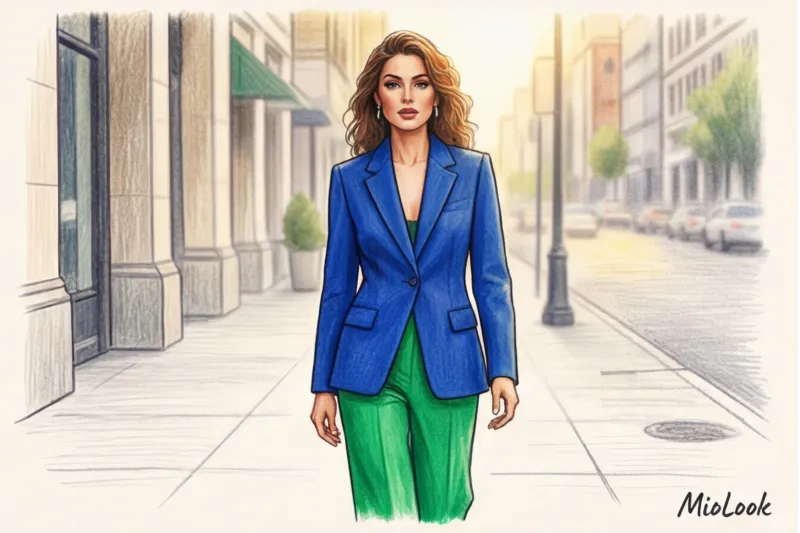
Півроку тому я провела особистий експеримент: протягом шести місяців скрупульозно трекала свої образи для публічних виступів та аналізувала реакцію аудиторії. Моя гіпотеза зводилася до того, що спокійний монохром викличе більше довіри. Але цифри показали щось несподіване. У дні, коли я одягала жорсткий, графічний колор-блок (наприклад, кобальтовий жакет із смарагдовими штанами), залучення залу зростало, а після лекції до мене підходило вдвічі більше людей. Найцікавіше? Я, будучи досить закритою людиною, почувала себе на сцені в абсолютній безпеці.
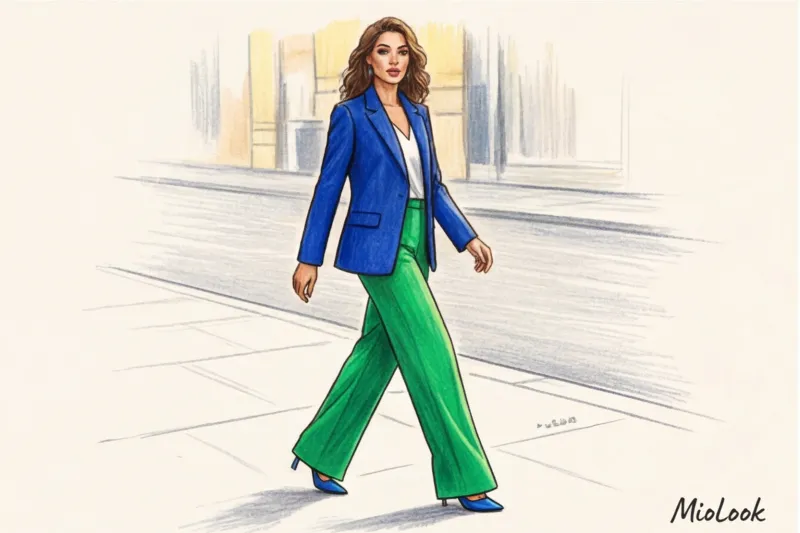
Зазвичай поєднання квітів в одязі та психологія їх сприйняття зводяться до банальностей на кшталт «червоний колір пристрасті». Але коли кольори не просто поєднуються, а зіштовхуються великими геометричними площинами, включаються зовсім інші механізми. Докладніше про базові принципи колірних реакцій ми розповідали у нашому повному гіді: Психологія кольору в одязі: вплив на настрій. А сьогодні ми поговоримо про колор-блок як про потужний інструмент соціальної інженерії.
Нейробіологія контрасту: як працює поєднання кольорів в одязі та психологія колор-блоку
Наш мозок еволюційно запрограмований на контраст. За даними досліджень візуального сприйняття Рочестерського університету (2022), різкий перехід між двома комплементарними кольорами викликає мікровикид дофаміну в зоровій корі. Ми буквально отримуємо задоволення від того, що оку вдається легко розпізнати межі об'єктів.
Колор-блок — це не просто два яскраві відтінки, одягнені одночасно. Це застосування принципів гештальтпсихології у стайлінгу. Мозок обожнює завершені форми. Коли ви одягаєте сукню з чітким геометричним поділом кольорів, ви фізично структуруєте простір навколо себе. Статистика це підтверджує: образи з використанням контрастного колор-блоку запам'ятовуються на 300% краще ніж монохромні комплекти або одяг з дрібним квітковим принтом. Принт змушує око блукати, а колірний блок – фокусуватись.
Приховані мотиви: чому ми несвідомо вибираємо колор-блок
За 12 років роботи стилістом я помітила цікаву закономірність. Клієнтки починають тяжіти до різких колірних переходів у періоди життєвого хаосу – при зміні роботи, розлученні чи переїзді.
Ми проаналізували анонімізовані дані користувачів програми MioLook за минулий рік. Виявилося, що в місяці здачі квартальних звітів та закриття фінансових періодів (березень, грудень) користувачі на 40% частіше додавали елементи жорсткого колор-блоку до своїх віртуальних капсул. Чому? Жорсткий перехід кольору працює як знак "стоп" на підсвідомому рівні. Це потреба встановити чіткі особисті межі через одяг, коли у житті все розмито.
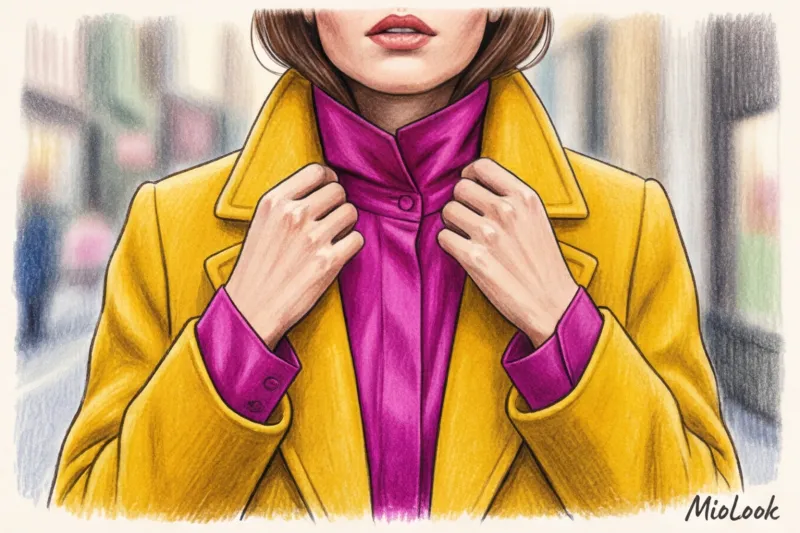
Це можна назвати Dopamine dressing 2.0. Іноді одного яскравого кольору недостатньо, щоби підняти настрій — потрібен саме конфлікт відтінків, щоб відчути енергію.
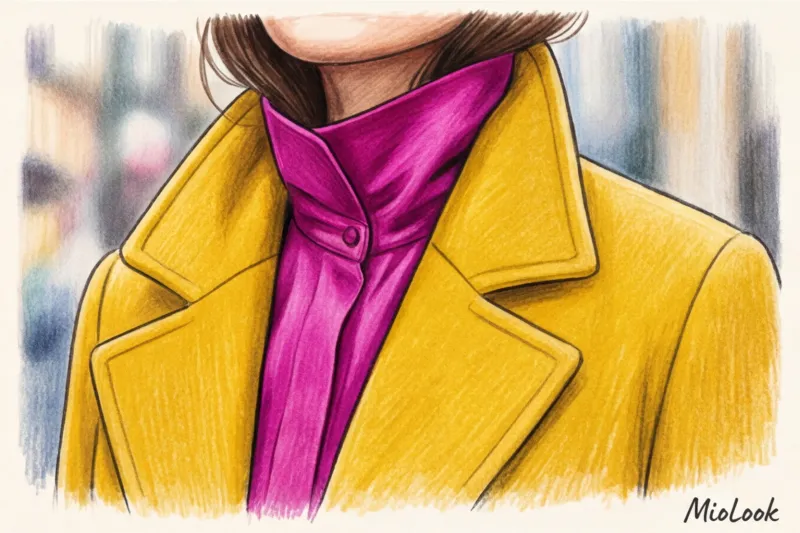
Руйнуємо міф: колор-блок як «візуальна броня» для інтровертів
Існує залізобетонний стереотип: яскраві контрасти носять лише екстраверти, які прагнуть уваги. Я стверджую інше: це ідеальний стиль для інтровертів.
Екстравертам комфортно в монохромі чи тілесних відтінках, бо вони готові самі бути в центрі уваги – їхня міміка, жести та голос заповнюють простір. Інтроверту це важко. І тут колор-блок працює як геніальна візуальна броня.
«Контрастні блоки забирають весь візуальний удар на себе. Люди дивляться на ваше геніальне поєднання фуксії та гірчичного, захоплюються вашою сміливістю, але при цьому не вторгаються у ваш особистий емоційний простір».
Одна з моїх клієнток, Анна, IT-директор великої компанії – глибокий інтроверт. Вона мала серію виступів на профільних конференціях. Замість того, щоб ламати її характер тренінгами з ораторської майстерності, ми зібрали для неї гардероб на основі жорсткого колор-блоку. Ідеально скроєні костюми від COS та Massimo Dutti (у сегменті 150–200 € за елемент) у поєднаннях navy blue та неоново-помаранчевого зробили всю роботу. Одяг «кричав» про лідерство, поки Ганна спокійно і тихо говорила про дані. Ефект був приголомшливим.
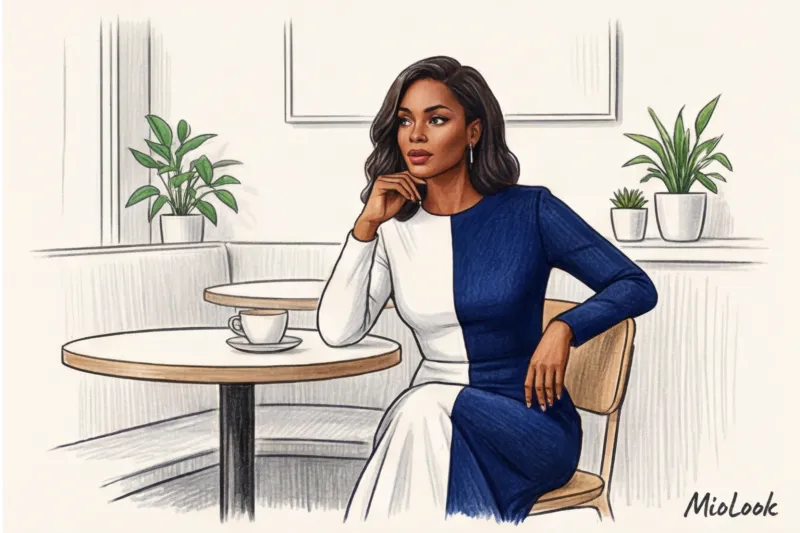
Анатомія враження: що транслюють конкретні контрастні поєднання
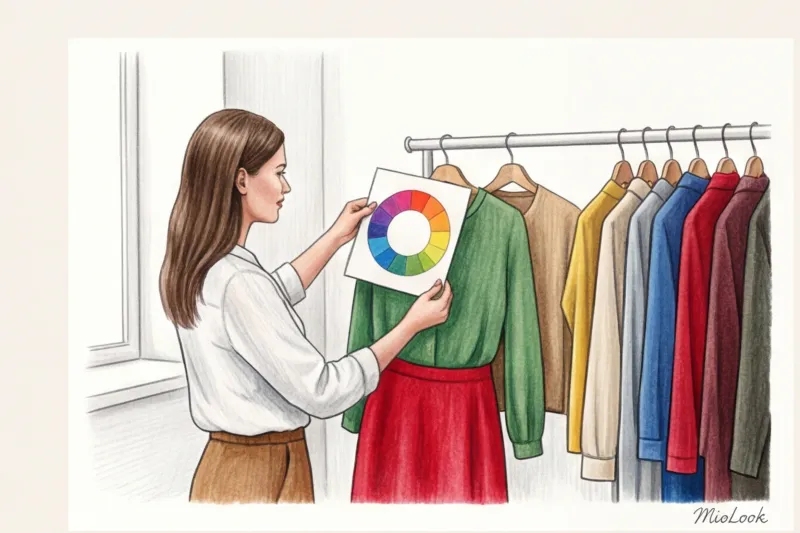
Основоположник теорії кольору Йоганнес Іттен (Johannes Itten) ще 1961 року довів силу суб'єктивного сприйняття контрастів. Якщо перекласти його теорію з мови художників мовою особистого бренду та HR, ми отримаємо чітку інструкцію з управління враженням:
- Комплементарний контраст (кольори навпроти один одного в колі — синій та помаранчевий, фіолетовий та жовтий): Транслює максимальну динаміку, інноваційність та готовність до ризику. Ідеально для пітчингу стартапу чи креативної презентації. Виглядає зухвало.
- Аналоговий контраст (сусідні кольори — фуксія та червоний, синій та зелений): Створює враження творчої, але контрольованої енергії. Мозок сприймає це поєднання як складне, дороге. Це вибір арт-директорів та топ-менеджерів у креативних індустріях.
- Контраст по насиченості (неон у парі з приглушеним, «запиленим» відтінком того ж кольору): Говорить про складну, багатошарову особистість, схильну до глибокого аналізу. Якщо ви прийдете на переговори в курно-рожевому костюмі з неоново-малиновим топом, вас сприймуть як стратега, який вміє розставляти акценти.
Доступ до MioLook за €0,99 — разовий платіж
Розумний AI-стиліст підбере ідеальний образ на основі теорії контрастів кольорів спеціально для вашого гардероба.
Відкрити доступ — €0,99 разово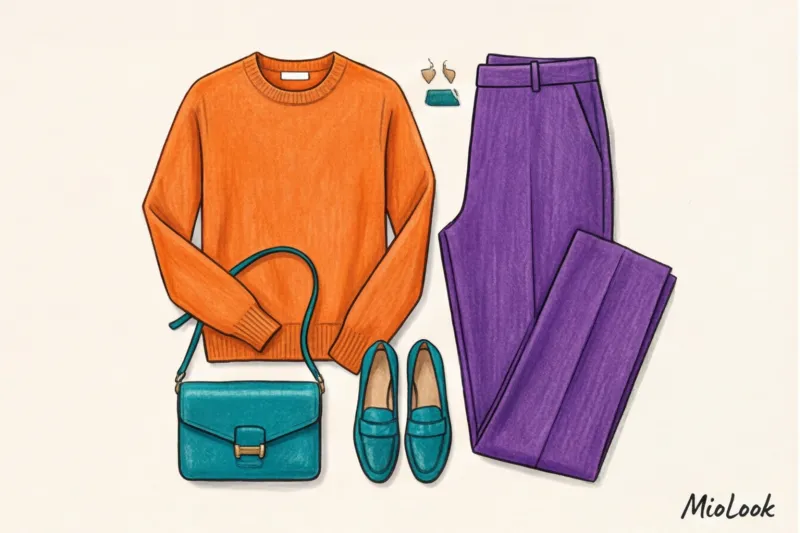
Оптичні ілюзії та керування поглядом: хакінг вашого образу
Пам'ятайте: де проходить межа двох контрастних кольорів, там зупиняється погляд співрозмовника. Це правило "лінії горизонту". Якщо ви одягаєте білу сорочку і чорні штани — ви ріжете фігуру навпіл у зоні талії/стегон. Якщо це не та зона, до якої ви хочете привернути увагу, у вас проблеми.
Як стиліст, я постійно використовую оптичні ілюзії колор-блоку:
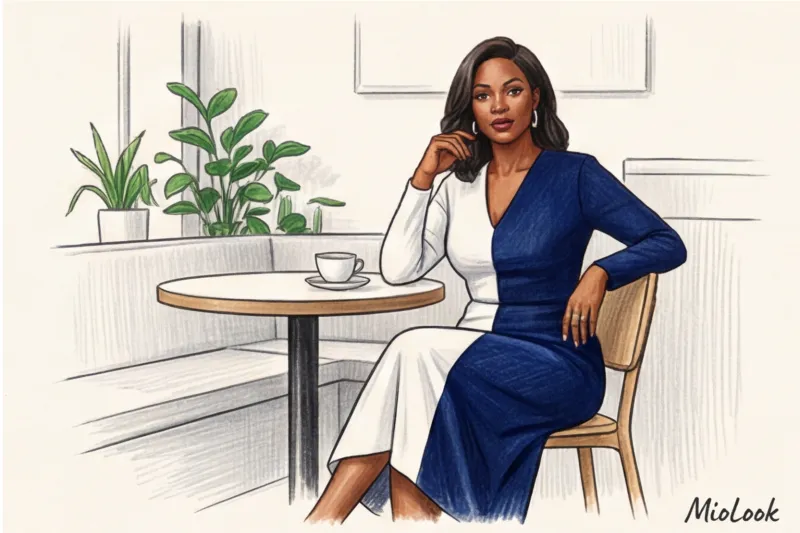
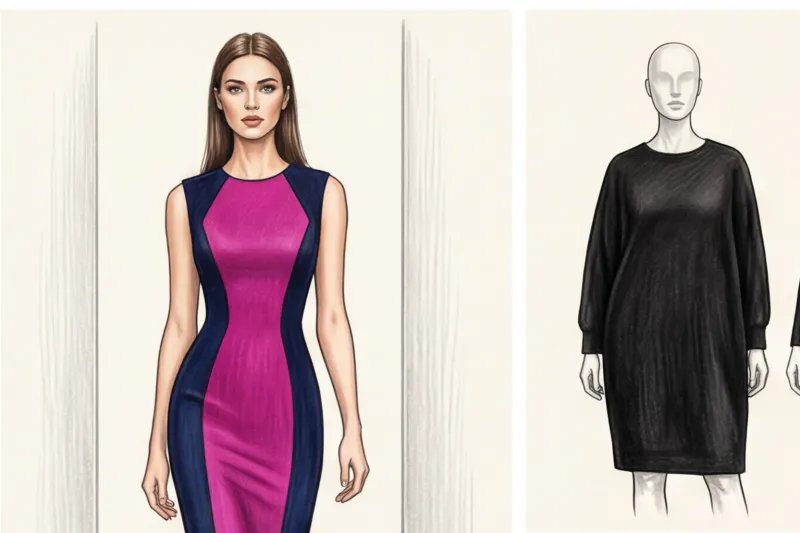
- Вертикальний колор-блок: Двоколірні сукні (де ліва та права половини різних кольорів) або розстебнутий контрастний жакет поверх монохромної бази. Це не просто витягує силует на пару розмірів, це несвідомо зчитується як стрижень та авторитет.
- Управління фокусною точкою: Дослідження показують, що 70% зорової уваги співрозмовника несвідомо фокусується на лінії максимального розмаїття. Одягніть строгий темно-синій костюм і туфлі кольору фуксії. Під час складних переговорів погляд опонента періодично «падатиме» на ваше взуття, даючи вам психологічну перевагу та секунди на обмірковування відповіді.
Чек-лист від MioLook: як впровадити контраст у базовий гардероб без стресу
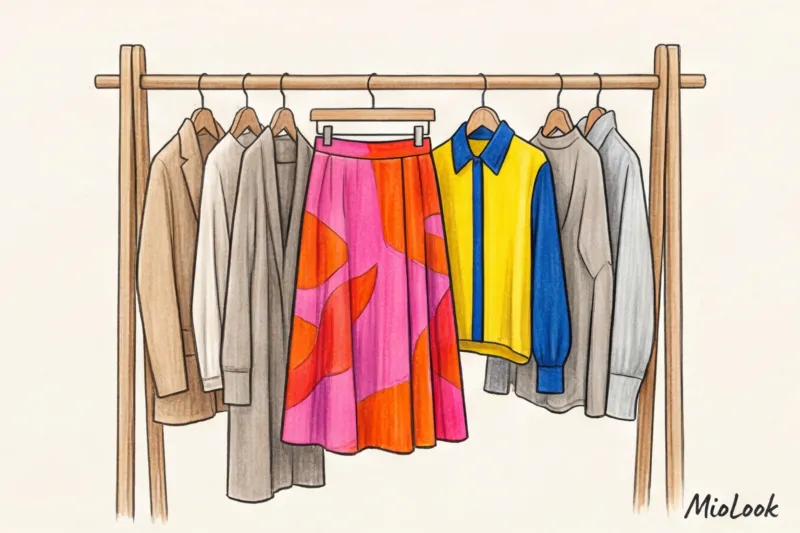
Якщо ви звикли до бежевого тотал-цибулі, не варто завтра ж одягатися в костюм папуги. Розумний підхід до стилю потребує системи. Я рекомендую використовувати алгоритм, схожий на логіку функції «розумний гардероб» MioLook:
- Правило 80/20: Ваш образ має складатися на 80% із нейтральної бази і лише на 20% із двох контрастних акцентів. Наприклад, сірий тренч, джинси та дві яскраві деталі — помаранчевий светр та зелений шарф.
- Секрет єдиної фактури: Це найважливіше правило, про яке часто забувають. Контрастні кольори повинні стикатися на однакових за щільністю тканинах. Не змішуйте тонкий шовк з грубим драпом в одному блоці. Ідеальний колор-блок виходить на матових, щільних матеріалах — наприклад, щільна бавовна (від 180 г/м²) з такою ж бавовною.
- Тримайте контраст подалі від імені: Якщо ви не впевнені, чи підходить вам яскравий неон за кольоротипом, використовуйте його в нижній частині фігури (брюки, спідниці, взуття). Біля обличчя залиште комплементарний, але м'якший відтінок.
Ваш ідеальний образ починається тут
Приєднуйтесь до тисяч користувачів, які щодня виглядають бездоганно з програмою MioLook. Завантажте свої речі і ІІ збере контрастні луки.
Відкрити доступ — €0,99 разовоПомилки в колор-блоці: коли психологія кольору працює проти вас
Давайте будемо чесними: колор-блок працює далеко не завжди. Існують жорсткі обмеження візуальної екології, порушуючи які, ви перетворюєтеся із стильного експерта на джерело роздратування.
Перевантаження оперативної пам'яті. Людський мозок може зручно обробляти обмежену кількість візуальної інформації. Більше трьох активних кольорів в одному образі (не рахуючи базових чорного/білого/сірого) викликають у того, хто дивиться візуальну втому. Співрозмовник почне несвідомо уникати візуального контакту з вами просто тому, що його очі втомилися.
Ігнорування контексту. Жорсткий контраст червоного та чорного історично зчитується як тривога, небезпека та агресія. Надіти таке поєднання на переговори про підвищення зарплати або врегулювання конфлікту означає провалити їх до того, як ви відкриєте рот.
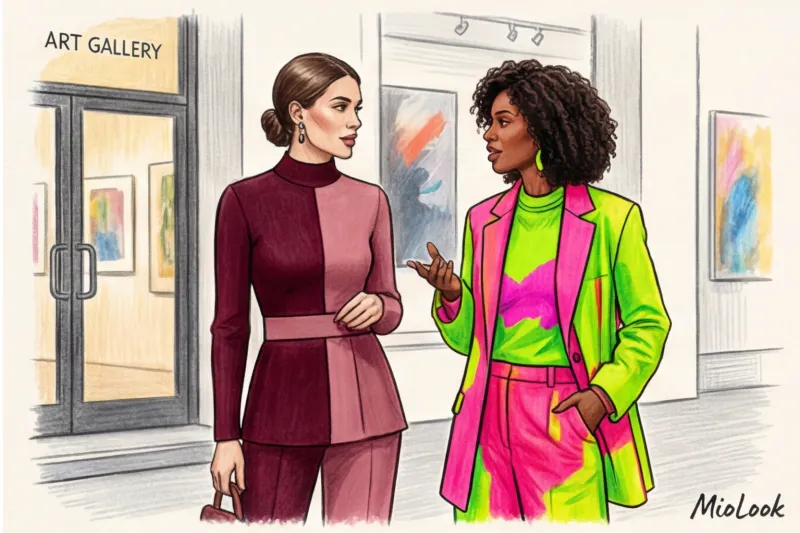
Спірні пропорції 50/50. Ніколи не діліть фігуру по кольорах у рівних пропорціях. Рівне розподіл створює психологічний дискомфорт і візуально дешевшає образ. Завжди використовуйте правило золотого перерізу: один колір повинен займати близько 70% площі (наприклад, костюм), а другий – 30% (топ чи взуття із сумкою).
Резюме: Ваш пульт управління враженням
Колор-блок це далеко не просто модний тренд з 60-х або нульових. Це високоточний інструмент керування фокусом уваги, який однаково добре слугує як епатажним лідерам, так і тихим інтровертам, які бажають відвести від себе зайвий погляд.
А тепер практичне завдання: проаналізуйте свою шафу сьогодні. Знайдіть дві речі чистих, контрастних відтінків (хай навіть це будуть сині джинси та яскравий жовтий светр) та спробуйте зібрати з них комплект на п'ятницю. Заміряйте свій стан та реакцію колег. Колір – це енергія, а геометричний контраст – це ваш пульт управління тим, куди ця енергія буде спрямована.