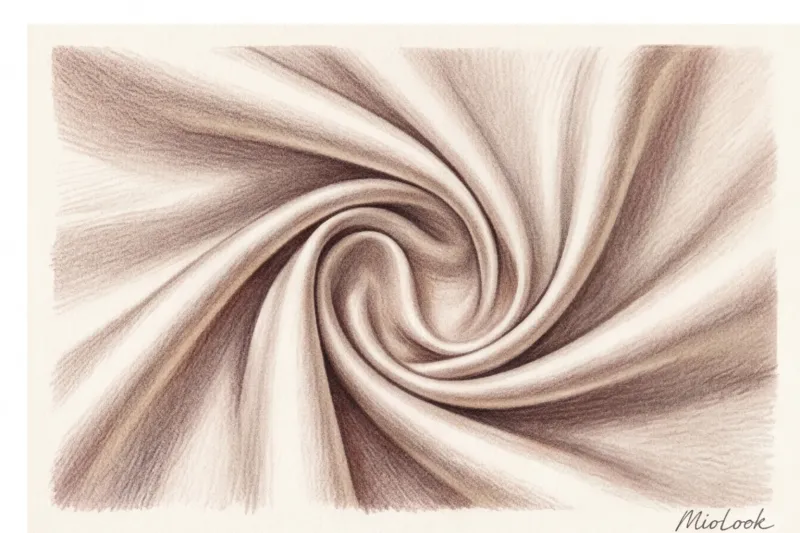
Милан, середина июля, +35°C в тени. Я стою у входа на показ Prada, асфальт буквально плавится под ногами. Вокруг меня коллеги-журналисты изнывают от жары в своих «дышащих» платьях из стопроцентного хлопка, обмахиваясь веерами-пригласительными. На мне — закрытый брючный костюм с длинным рукавом, и я чувствую себя превосходно. Секрет не в генетике и не в магии, а в том, что мой костюм сшит из правильной летней шерсти (cool wool). Это был момент, когда я окончательно убедилась: бирка с составом часто врет, а индустрия моды слишком упрощает правила летнего гардероба.
Мы привыкли думать, что спасение от зноя кроется в заветных словах «100% натурально». Но физика текстиля работает сложнее. Если вы хотите собрать гардероб, в котором не придется перебегать от кондиционера к кондиционеру, ткани для летней одежды нужно выбирать по другим критериям. Подробнее о фундаментальной архитектуре гардероба мы уже говорили в нашем полном гиде по выбору качественной одежды для капсулы, но лето диктует свои, весьма жесткие правила.
Анатомия прохлады: почему бирка с составом вас обманывает
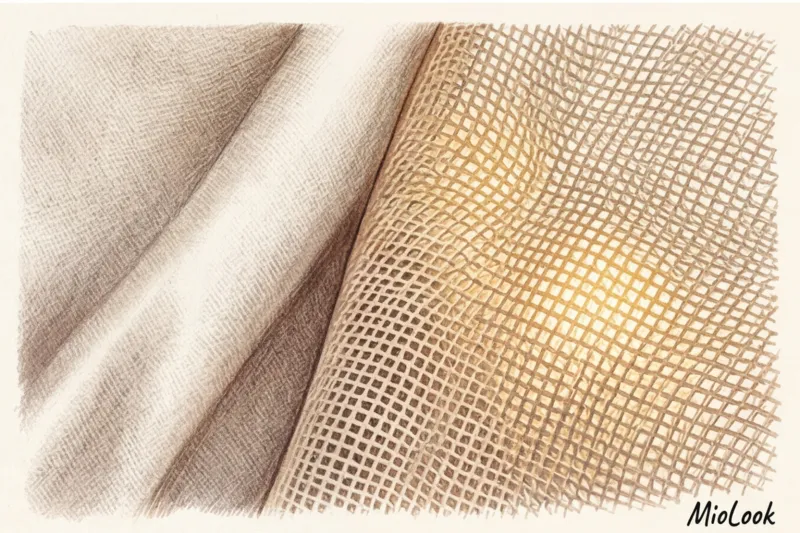
Начнем с главного контринтуитивного факта: состав — это лишь сырье. То, как вещь будет вести себя в жару, на 70% зависит от типа плетения и плотности нити. Вы можете взять две рубашки из 100% хлопка, но температурный режим их использования будет отличаться на десять градусов.
Одна из моих клиенток как-то купила роскошный белый сарафан известного бренда за 250 €. На бирке гордо значилось «100% хлопок». Но ткань оказалась поплином настолько плотной скрутки, что в +28°C сарафан превратился в переносную сауну. Воздух просто не мог пробиться сквозь туго сплетенные нити.
В профессиональной среде мы ориентируемся на показатель GSM (grams per square meter — граммы на квадратный метр). Идеальные ткани для летней одежды не должны превышать плотность 150 г/м². Все, что выше (например, классический деним плотностю 300–400 г/м² или плотный оксфорд), блокирует терморегуляцию тела.
«Важно различать гигроскопичность (способность впитывать влагу) и воздухопроницаемость. Ткань может отлично впитывать пот, но если она его не испаряет, вы получите эффект мокрого компресса», — отмечает исследование Института текстильных технологий (2023).
Именно поэтому марлевка (муслин) или сирсакер (жатка) из того же самого хлопка работают летом великолепно: пористое плетение создает воздушные карманы, обеспечивая микроциркуляцию.
Устали гадать, что надеть в жару?
Попробуйте MioLook бесплатно: Умный AI-стилист подберёт идеальный образ с учетом погоды и вашего гардероба.
Начать бесплатноМиф о хлопке и льне: разоблачение главных тканей для летней одежды
Повальное увлечение чистым хлопком в жару — это маркетинговая ловушка масс-маркета. Давайте обратимся к физике: хлопок способен впитать до 27% влаги от собственного веса. Но сохнет он катастрофически медленно. Если вы наденете плотную хлопковую футболку во влажном тропическом климате, через час она станет тяжелой, влажной и прилипнет к спине. Замечали, почему в исторических костюмах колониальной эпохи (например, британских офицеров в Индии) всегда использовался лен, а не хлопок? Лен сохнет в разы быстрее.
Но и со льном не все так однозначно. Правильный лен — длинноволокнистый. Он пластичный, красиво струится и обладает той самой благородной помятостью, которая выдает дорогой материал. Дешевый коротковолокнистый лен (в сегменте до 50 €) колется, стоит колом и мнется так, будто его пожевали.

И здесь я хочу развеять еще один миф. Если вы видите на бирке 80% льна и 20% вискозы (или 2-3% эластана) — это не жадность производителя. Это технологическая необходимость. Небольшой процент искусственных волокон или эластана стабилизирует льняную нить: брюки перестают вытягиваться на коленях через полчаса носки, а заломы в паховой зоне становятся мягкими, а не острыми, как оригами. Смесовый лен — это прагматичный выбор умного гардероба.
Новая классика: вискоза, тенсель и купро как вторая кожа
Слово «искусственный» до сих пор пугает многих женщин, которые путают его с «синтетическим». Давайте расставим точки: синтетика (полиэстер, акрил) делается из нефтепродуктов. Искусственные ткани (вискоза, модал, тенсель, купро) делаются из натуральной древесной целлюлозы путем химической обработки. Они дышат не хуже, а часто и лучше хлопка.
Мой абсолютный фаворит последних сезонов — тенсель (лиоцелл). Его производят из эвкалиптовой древесины. По данным отчета WGSN (2024), популярность тенселя выросла на 40% благодаря экологичному closed-loop производству (когда вода и растворители используются по замкнутому кругу). Но для нас, как потребителей, важнее другое: тенсель обладает естественным охлаждающим эффектом. Он гладкий, почти шелковистый, и в отличие от жесткого хлопка, роскошно драпируется на фигуре в движении, скрывая, а не подчеркивая нюансы силуэта.
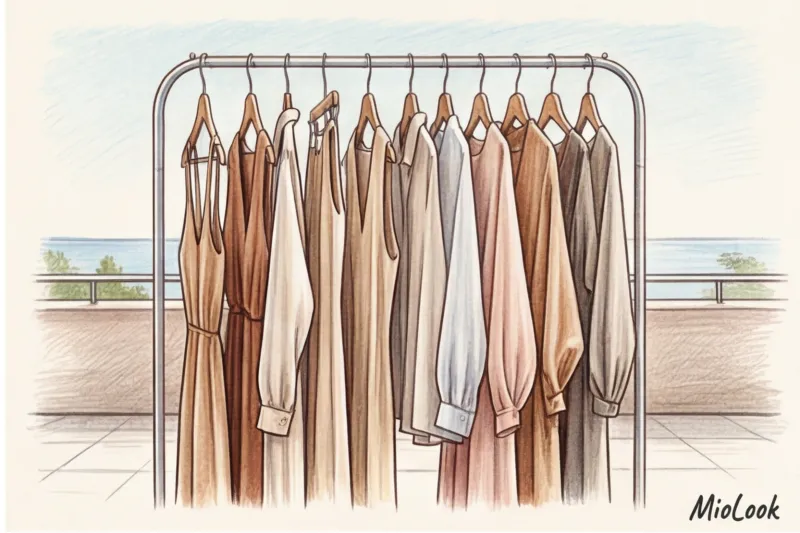
Для летних вечерних выходов нет ничего лучше купро — так называемого «веганского шелка». Он создается из хлопкового пуха, выглядит статусно и не электризуется. Но здесь есть честная оговорка (когда это НЕ работает): купро категорически не переносит капли чистой воды. Малейшие брызги оставят на нем видимые контуры, пока вещь полностью не высохнет. Поэтому для прогулки на катере это худший выбор, а вот для ужина на открытой террасе ресторана — безупречный.
Неожиданные герои: шерсть и шелк в 30-градусную жару
Вернемся к моему спасительному костюму в Милане. Почему шерсть? Ответ кроется в истории: бедуины столетиями носят многослойные одежды из овечьей и верблюжьей шерсти в пустыне, где температура достигает +50°C. Шерсть — это природный терморегулятор. Она изолирует тело от внешнего зноя точно так же, как зимой изолирует от холода.

Конечно, мы говорим не о зимнем твиде, а о технологии «Fresco» (от итальянского «свежий») или летней шерсти «Cool Wool». Нити для этой ткани скручивают очень туго, а плетение делают редким и открытым. Получается своеобразная микро-сетка: ветер свободно продувает ткань, а жесткость скрутки не дает брюкам потерять стрелки даже в условиях 90% влажности.

Что касается шелка — это прекрасный материал для жары, но только если вы выбираете правильную фактуру. Плотный шелковый атлас прилипнет к телу и предательски подчеркнет малейшие следы пота. Для раскаленных улиц ищите матовый крепдешин или невесомый хаботай — они образуют прослойку воздуха между кожей и тканью.
Ваш идеальный образ начинается здесь
Присоединяйтесь к тысячам пользователей, которые каждый день выглядят безупречно с MioLook. Оцифруйте свой гардероб за пару минут.
Начать бесплатноГород vs. Отдых: как выбирать ткани для летней одежды под задачу
Самая частая ошибка, которую я вижу на улицах европейских столиц летом — это попытка носить сугубо пляжные фактуры в офисном контексте. То, что органично смотрится на набережной, в городе выглядит неряшливо.
Для офиса и раскаленных улиц
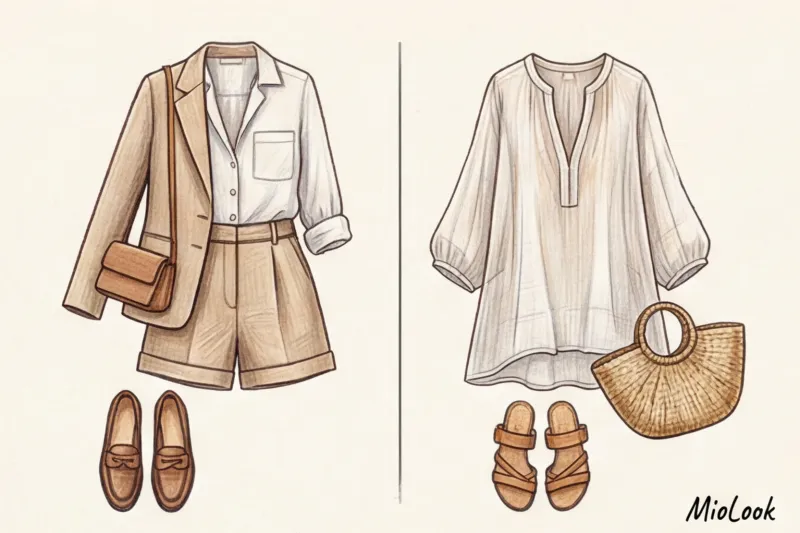
Городской дресс-код (даже в формате business casual) требует сохранения структуры. Ваша одежда должна держать форму. В городе отдавайте предпочтение смесовым тканям: хлопок с шелком (выглядит дорого, мнется меньше чистого хлопка), плотный тенсель или та самая летняя шерсть.
Особая опасность в офисе — полупрозрачность. Яркое холодное освещение оупен-спейсов «просвечивает» тонкий лен и батист гораздо агрессивнее, чем естественный солнечный свет. Всегда проверяйте ткань перед покупкой: если сквозь нее читается контур руки, оставьте эту вещь для выходных.
Для пляжа и влажного климата
На курорте приоритеты меняются: вам нужна максимальная скорость высыхания и гигроскопичность. Здесь вступают в игру муслин, жатый сирсакер (который вообще не нужно гладить) и открытое плетение вроде макраме.
Интересный нюанс касается защиты от ультрафиолета: тончайшая марлевка отлично продувается, но пропускает UV-лучи. Если ваша цель — защитить кожу от агрессивного солнца на яхте или экскурсии, выбирайте лен плотного плетения или специальные рубашки с UV-фильтрами, а не полупрозрачные туники.
Чек-лист стилиста: как протестировать ткань в примерочной
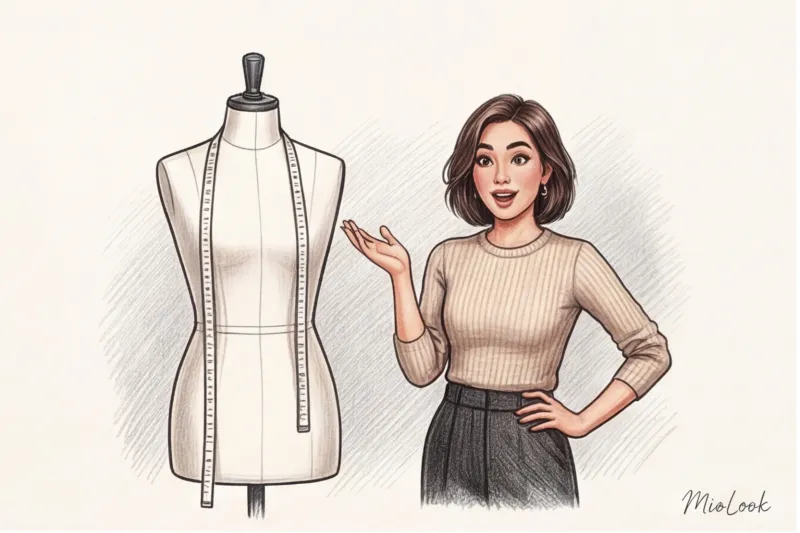
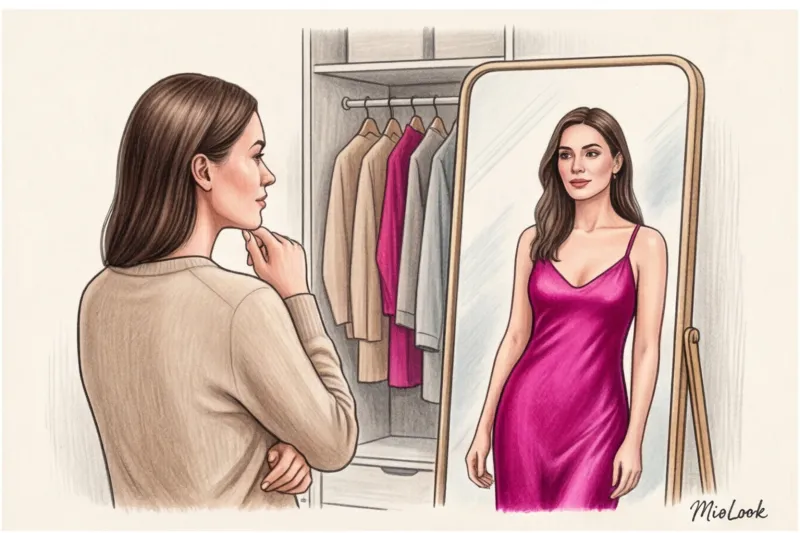
Вам не нужно носить с собой текстильную лупу или микроскоп. За 12 лет работы я вывела простой алгоритм из четырех шагов, который помогает моим клиенткам отсеивать непригодные для жары вещи прямо в магазине:
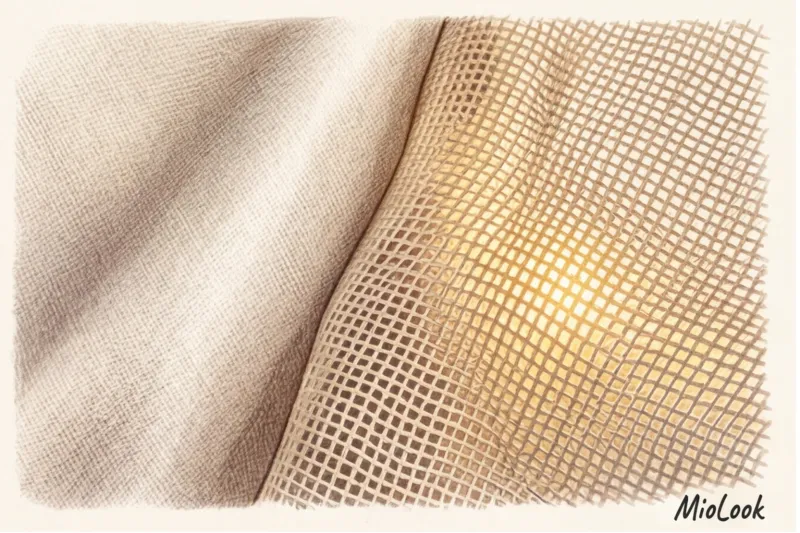
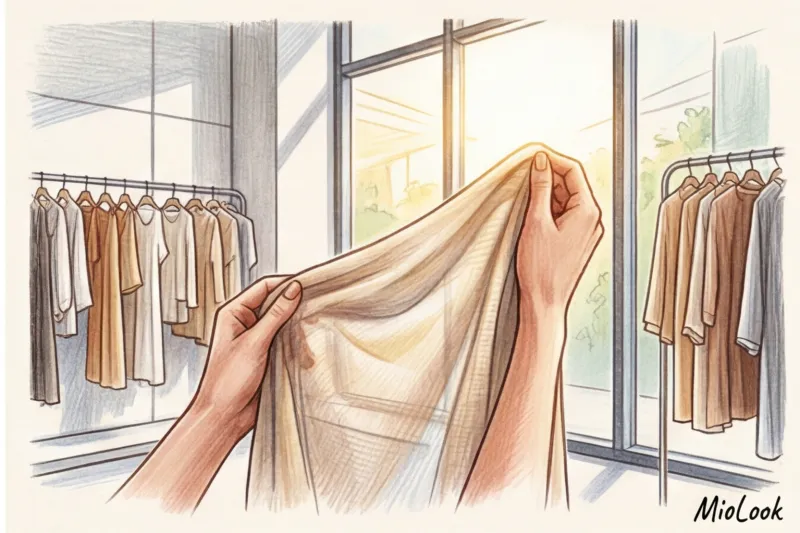
- Тест на просвет (The Light Test): Поднимите ткань к ближайшему источнику света (лампе или окну). Если вы не видите хотя бы крошечных просветов между нитями — вещь не будет продуваться.
- Тест на сминаемость (The Crush Test): Сильно сожмите край ткани в кулаке на 10 секунд. Если вещь расправилась, оставив мягкие волны (как хороший смесовый лен или тенсель) — берем. Если образовалась жесткая паутина резких заломов — через час носки вы будете выглядеть неопрятно.
- Дыхательный тест (The Breath Test): Приложите ткань плотно к губам и попробуйте выдохнуть сквозь нее. Воздух должен проходить без сопротивления. Если вы чувствуете, что выдыхаете «в стену» — это сауна, вешайте обратно.
- Проверка швов: Летом наша кожа становится гиперчувствительной. Выверните вещь наизнанку. Если швы толстые, обработаны жесткими оверлочными нитками или в них вшита колючая бирка — даже самый тонкий батист будет натирать распаренную кожу.
Резюме: ткань — фундамент вашей умной летней капсулы
Инвестиция в правильные ткани всегда окупается. Вспомним классическую математику гардероба (cost per wear — цена за выход). Блуза из полиэстера за 30 € провисит в шкафу все лето, потому что в ней невыносимо жарко. А струящаяся рубашка из тенселя за 90 €, в которой вы чувствуете себя свежо и уверенно, будет надета 30 раз за сезон. Фактическая стоимость носки качественной вещи окажется в три раза ниже.
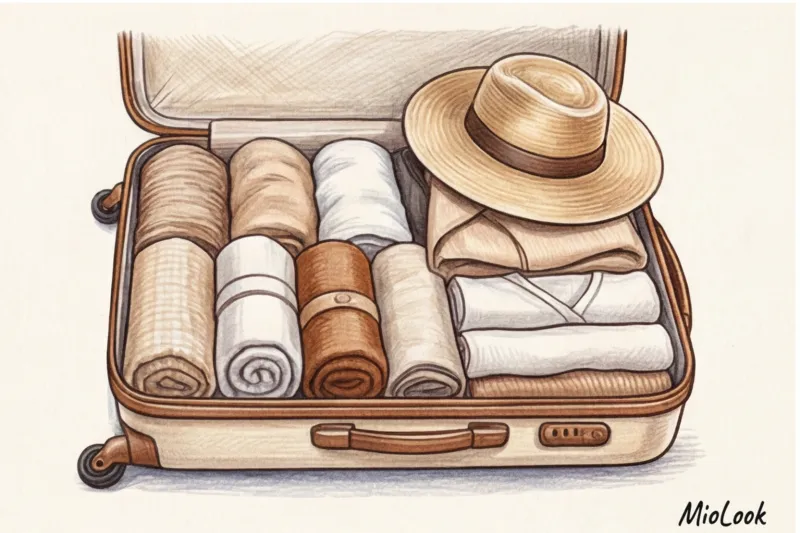
Именно качество материалов определяет, как долго проживет ваш летний гардероб. Вещи, которые мы носим в жару, подвергаются агрессивному воздействию солнца, пота и частых стирок. Правильно выбранные ткани для летней одежды не только спасают от перегрева, но и сохраняют первозданный вид к концу августа.
Перестаньте слепо доверять биркам с составом. Читайте фактуру, тестируйте плетение и не бойтесь современных технологичных материалов — они созданы для того, чтобы сделать ваше лето комфортным, а стиль — безупречным.
Готовы начать?
Попробуйте бесплатный план — без обязательств. Соберите свою идеальную летнюю капсулу прямо сейчас.
Начать бесплатно