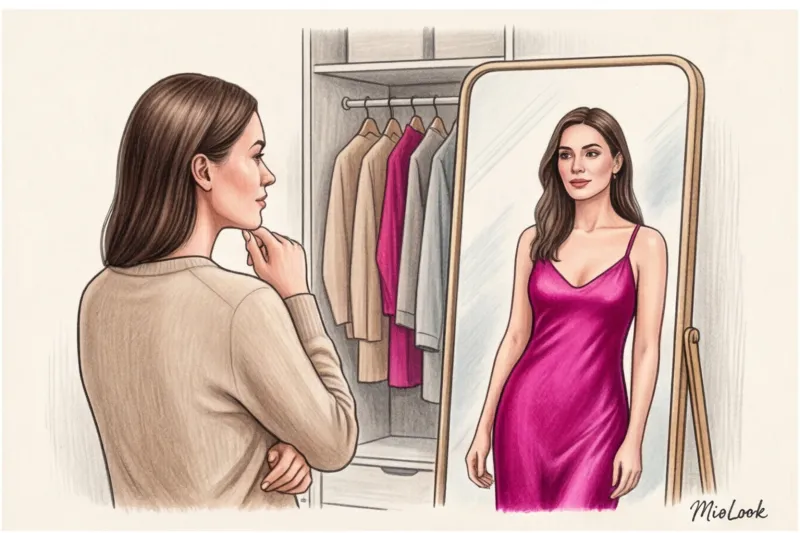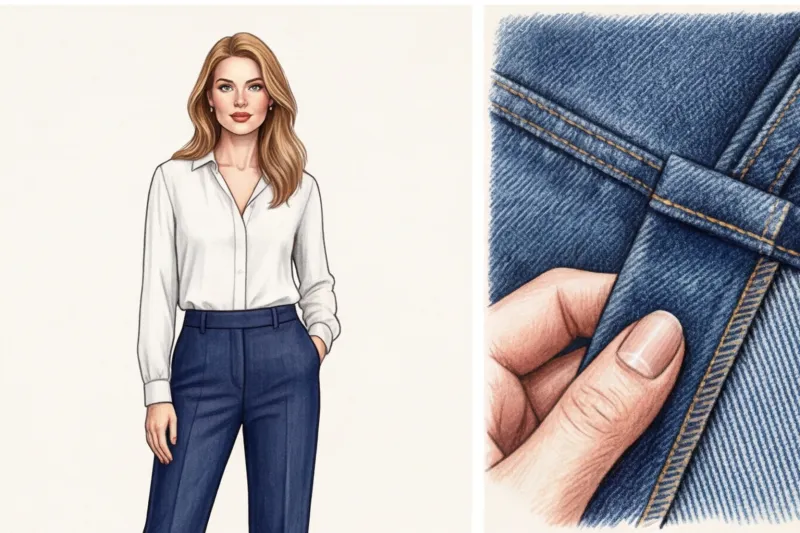
Я ніколи не забуду сльози моєї клієнтки Олени у примірювальній. Десять років вона носила виключно чорні джеггінси з 5% еластану, свято вірячи, що вони «стягують» її стегна. Коли я принесла їй прямі джинси із щільного, жорсткого деніму кольору індиго, вона спочатку відмовилася їх навіть міряти: «Вони ж не тягнуться, я в них здаватимуться ще більше!».
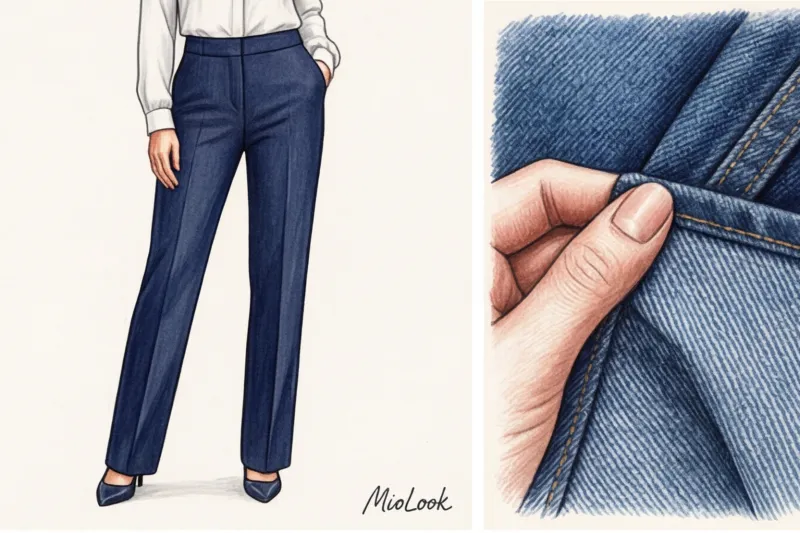
За п'ять хвилин вона стояла перед дзеркалом і плакала, але вже від радості. Щільна тканина спрацювала як архітектурний каркас: вона зібрала силует, витягла зріст і повністю згладила рельєф. Стегна візуально стали на розмір меншими, а ноги — довшими. Коли мене питають, які штани носити повним дівчатам , я завжди починаю саме з цієї історії. Секрет ідеального низу для plus-size криється не в чорному кольорі і не в безрозмірних балахонах, а правильної текстильної інженерії.
Докладніше про концепцію цілісного образу без спроб «задрапірувати» себе ми писали в нашому повному гіді: Базовий гардероб для повних жінок: збираємо капсулу. А сьогодні ми сфокусуємось виключно на штанах та джинсах — фундаменті вашого стилю, який бере на себе найважчу візуальну роботу.
Архітектура силуету: які брюки носити повним дівчатам, щоб зібрати фігуру
Настав час відмовитися від застарілої парадигми, де повноту намагаються приховати під метрами безформної тканини. Одяг не повинен бути чохлом. Вона має бути каркасом. Структуровані штани створюють чіткі зовнішні межі вашого тіла, і око зчитує саме ці прямі лінії, а чи не реальні обсяги.
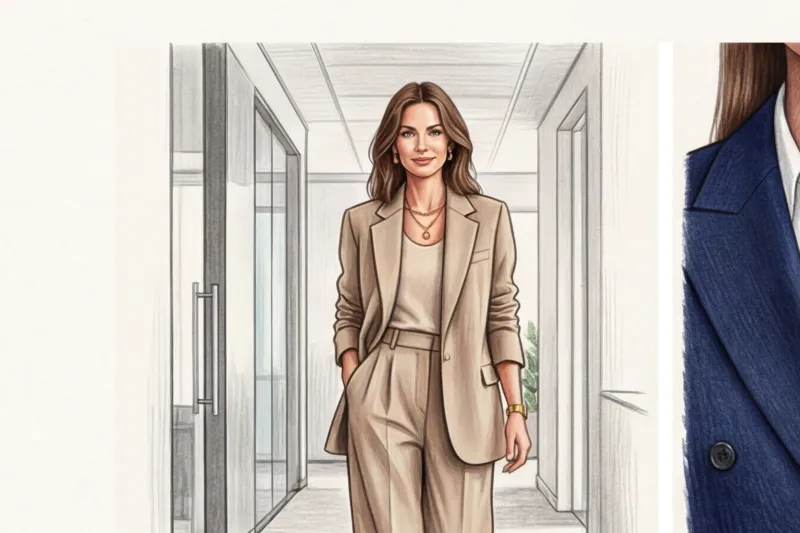
На моїй практиці клієнтки plus-size роками бояться світлих відтінків. Але одного разу ми підібрали дівчині 54-го розміру білі прямі штани із щільного льону з додаванням віскози, доповнені чіткими запрасованими стрілками. Стрілка на штанах – це найпотужніша візуальна вертикаль. Вона працює ефективніше, ніж будь-який чорний колір у безформному трикотажі.
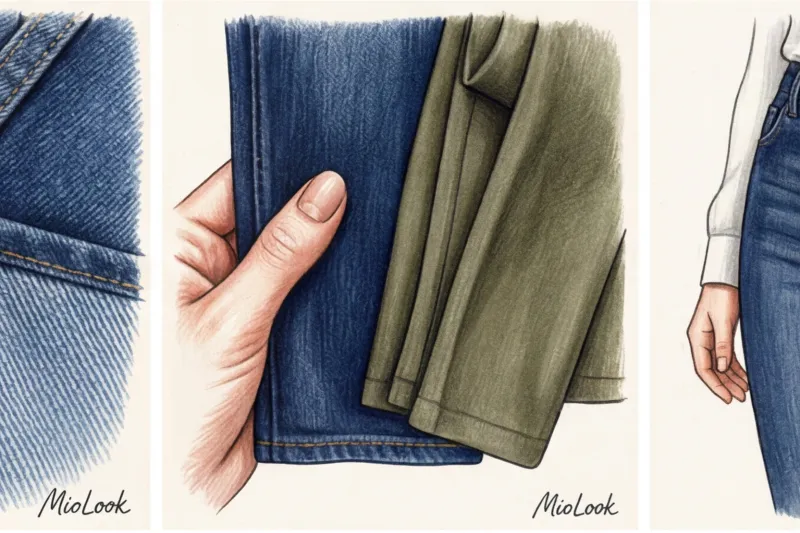
Якщо ви бажаєте спростити процес створення таких вивірених пропорцій, я рекомендую використовувати MioLook. Розумний алгоритм цієї програми допомагає оцифрувати гардероб і показує, як конкретні штани поєднуватимуться з вашими топами, вибудовуючи ту саму рятівну вертикаль.
Ваш ідеальний образ починається тут
Приєднуйтесь до тисяч користувачів, які щодня виглядають бездоганно з MioLook.
Почати безкоштовноЛінія талії та кокетка: анатомія ідеальної посадки ззаду
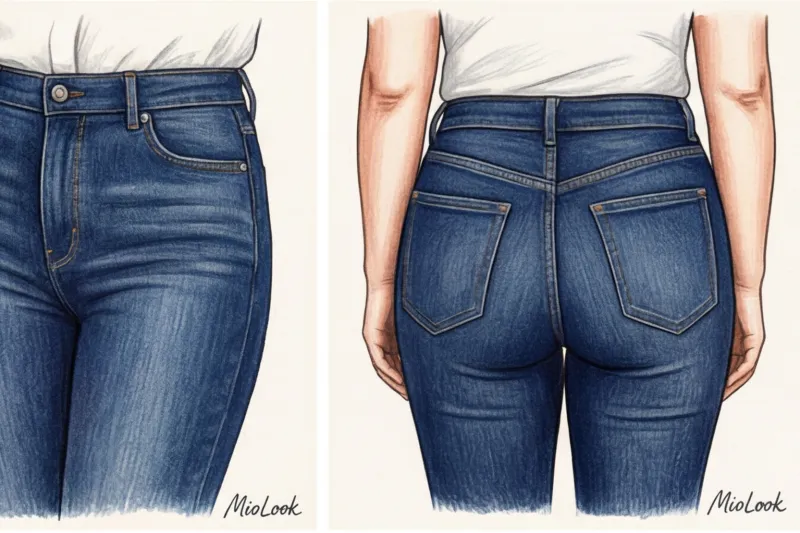
Найчастіша проблема при виборі низу – посадка на сідницях. Звертайте увагу на кокетку - шов на джинсах, який проходить між поясом і кишенями. На якісних моделях вона завжди V-подібна. Чим глибший цей кут, тим більш округлими і піднятими виглядають сідниці. Пряма кокетка зробить форми плоскими та широкими.
Багато статей радять повним дівчатам вибирати виключно високу посадку (High-Rise). Це небезпечне узагальнення. Якщо у вас тип фігури «яблуко» або великі груди при відносно короткому тулубі, ультрависока талія візуально «з'їсть» ваші груди і зробить торс квадратним. У таких випадках середня посадка (Mid-Rise), розташована на 2-3 пальці нижче за пупок, спрацює набагато краще.
Що стосується вічно відстовбурченого пояса на спині - це не проблема вашої фігури, це проблема мас-маркету, який шиє по плоских усереднених лекал. Ніколи не відмовляйтеся від ідеальних у стегнах штанів тільки через пояс. Кравець забирає цей надлишок у дві акуратні виточки ззаду всього за 15 хвилин.
Міф про стрейч: чому еластичні тканини псують plus-size гардероб
Ми підійшли до головного модного міфу, який я хочу зруйнувати: повним жінкам НЕ потрібні тканини, що сильно тягнуться, для комфорту. Надлишок еластану (більше 3%) – це найгірше, що ви можете помістити у свій гардероб.
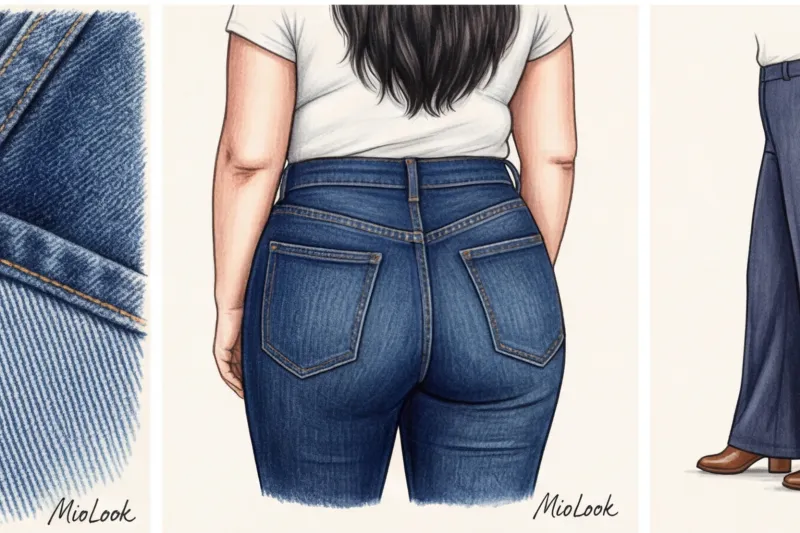
Чому? За даними дослідження Textile Research Journal (2022), волокна еластану втрачають до 30% своєї структурної пружності під впливом тепла людського тіла всього за 4-5 годин безперервного носіння. Це означає, що джинси, які вранці сиділи щільно, на обід обвиснуть на колінах і зберуться зрадницькими складками під сідницями.
«Тканина з високим вмістом лайкри чи спандексу облягає тіло як друга шкіра, безжально підкреслюючи кожен міліметр целюліту чи контури білизни. Вона не моделює фігуру, вона її транслює в HD-якості», — з особистої практики стайлінгу.
Крім того, є важливий екологічний аспект. Згідно зі звітами McKinsey (2024) щодо sustainable fashion, джинси, що складаються з бавовни з додаванням 5-8% еластану, практично не піддаються переробці. Це мікропластикова бомба. Вибирайте щільні тканини, де еластану трохи більше 1-2%. Цього достатньо для комфорту в русі, але тканина збереже свою архітектуру до самого вечора.
Ідеальні джинси для повної фігури: інженерний чек-лист
Щоб більше не губитись у магазинах, збережіть цей інженерний чек-лист. Ось конкретні параметри, які потрібно перевіряти під час вибору джинсів.
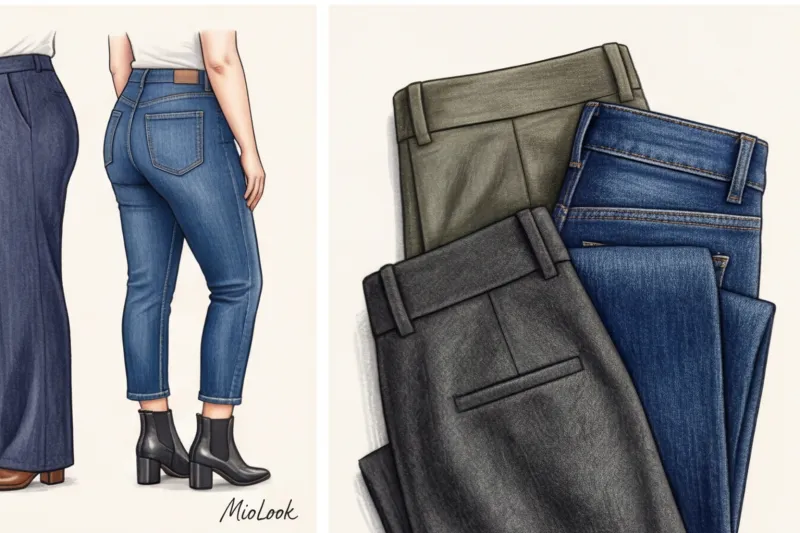
- Щільність деніму (oz): Шукайте в описі товару показники 12-14 унцій (oz). Це класичний, щільний денім, що працює як легкий корсет. Бренди преміум-сегменту та якісний мас-маркет (наприклад, COS або верхні лінійки Zara) часто вказують цей параметр.
- Діагональне плетіння (твіл): Придивіться до тканини зблизька. Ви маєте чітко бачити діагональний рубчик. Така текстура має природну діагональну розтяжність навіть без еластану, що допомагає згладити рельєф тіла.
- Розташування задніх кишень: Кишені не повинні закінчуватися нижче під'ягодичної складки (інакше отримаєте ефект «обвислих» сідниць) і не повинні бути розставлені надто широко до бокових швів (це візуально розширить таз). Золота середина - кишені, трохи нахилені до центру.
- Ширина штанини: Звуження Skinny створюють ефект «мороженого в ріжку», підкреслюючи масивний верх і занадто тонкий низ. Ваші найкращі друзі – моделі Straight (прямі від стегна) та Bootcut (з легким клешем від коліна), які балансують об'єм стегон.
Спробуйте MioLook безкоштовно
Розумний AI-стиліст підбере ідеальний образ на основі ваших параметрів та наявних у шафі речей.
Почати безкоштовноБазові штани повної довжини vs. укорочені моделі: керування пропорціями
Довжина вирішує все. Одна з найпідступніших моделей для plus-size – це укорочені штани завдовжки 7/8. Проблема в тому, що горизонтальний край таких штанів часто ріже ногу на найширшому місці литки. Якщо при цьому ви одягаєте контрастне взуття, ваше зростання візуально «відрізається» на кілька сантиметрів.
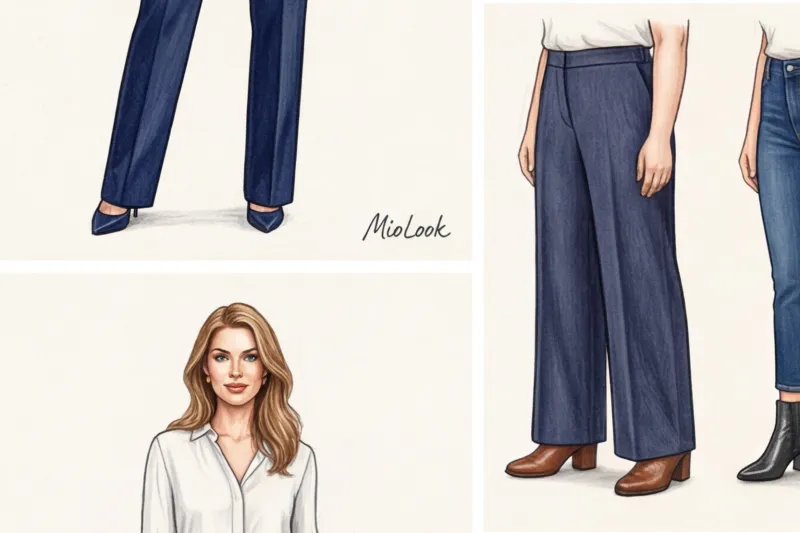
Я волію працювати з брюками повної довжини, особливо з моделями палаццо. Тут діє правило «одного залому»: штанина повинна злегка ламатися підйом взуття, майже торкаючись підлоги ззаду (якщо ви на підборах) або підошви (якщо на плоскому ходу). Це створює безперервну вертикаль.
Секрет стиліста: принцип "важкого краю". Якщо ви підшиваєте широкі брюки в ательє, попросіть майстра пустити по внутрішньому краю підгинання спеціальну брючну тасьму. Вона ускладнить край, змусивши тканину спадати вниз ідеальним каскадом, не дозволяючи їй прилипати до литок при ходьбі або електризуватися.
Текстильний гід: екологічні та якісні тканини для базового низу
Коли ви знаєте, які штани носити повним дівчатам за фасоном, важливо не зіпсувати дешевою тканиною. Як фахівець зі стійкої моди, я наполягаю на виборі матеріалів, які гідно старіють та правильно взаємодіють зі світлом.
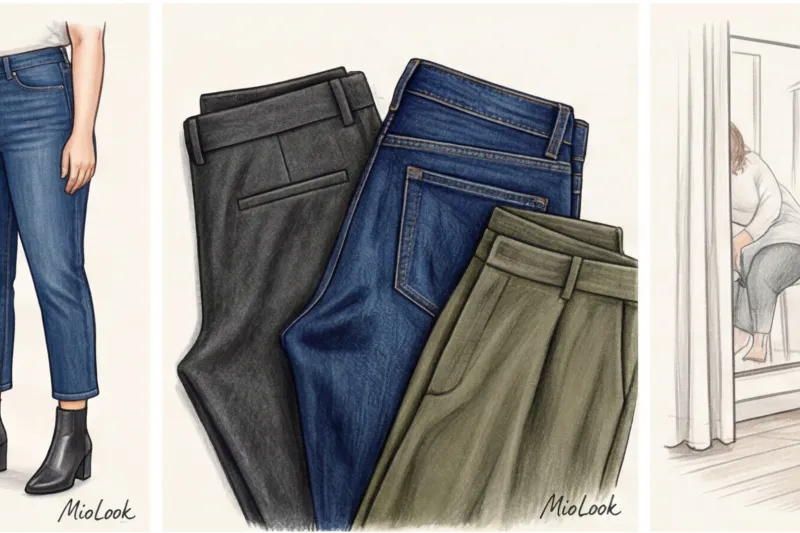
Блискучі, глянсові фактури (дешевий атлас, тонкий поліестер) відбивають світло і збільшують візуально об'єм. Наш вибір – тканини, які світло поглинають:
- Тенсель (Ліоцелл): Інноваційне екологічне волокно із деревини евкаліпта. Ідеально для літніх широких штанів. На відміну від віскози, тенсель більш важкий і щільний, він струмує, але не просвічує і добре пропускає повітря.
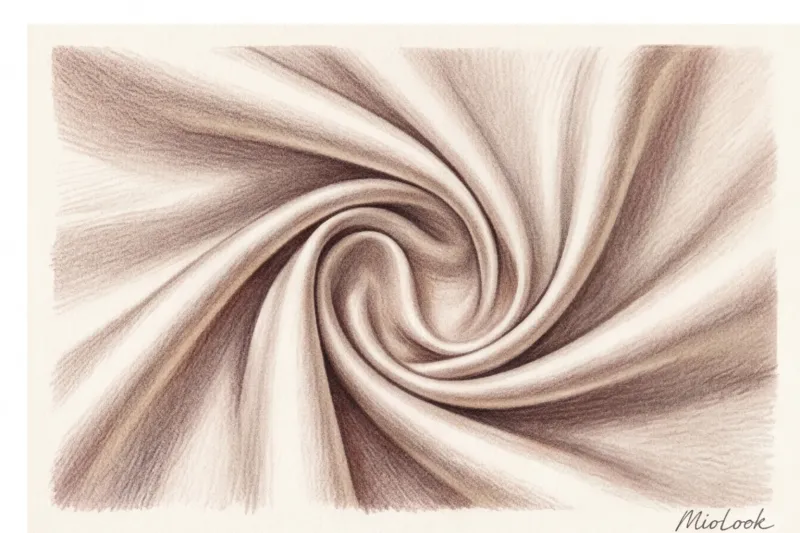
- Вовняний креп: Абсолютний маст-хев для костюмних демісезонних штанів. Інститут кольору PANTONE неодноразово зазначав, що матова крепова текстура робить будь-який відтінок глибшим, візуально «стискаючи» об'єкт. Кріп стійкий до зминання і довговічний.
- Щільна бавовна з діагональним рубчиком (габардин): Найкраща альтернатива для стилю кежуал та брюк-чінос. Вибирайте щільність щонайменше 180-200 г/м².
Практика в примірювальній: 5 жорстких тестів перед покупкою
Теорія марна, якщо ви не знаєте, як перевірити річ у моменті. Ніколи не купуйте штани, поки не проведете ці п'ять жорстких тестів прямо у примірювальній.
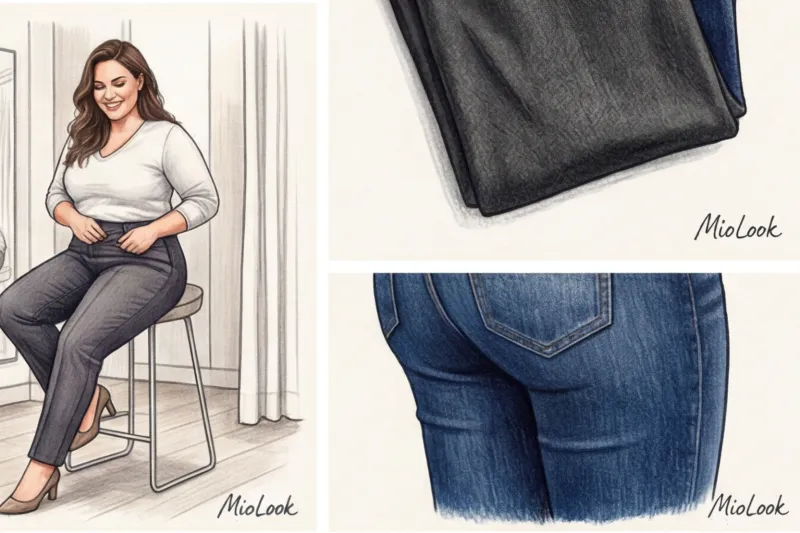
- Тест на скручування бокового шва: Подивіться у дзеркало спереду. Якщо бічний шов на нозі починає йти вперед або закручуватися назад - це шлюб крою (тканину розкроїли не по пайовій нитці). Не купуйте, після першого прання штанину перекосить остаточно.
- Стілець-тест: Обов'язково сядьте у примірювальній на пуф. Штани не повинні впиватися в живіт і утворювати жорстку грудку тканини в пахвинній зоні. Пояс ззаду не повинен з'їжджати нижче за середину сідниць.
- Тест кишень: Бічні кишені (так звані «хулігани») на стегнах часто відстовбурчуються, створюючи ілюзію додаткових вух на стегнах. Якщо штани сидять ідеально, але кишені стирчать - купуйте, але відразу віднесіть в ательє і попросіть їх наглухо зашити.
- Тест на «усмішку»: Встаньте прямо. Якщо від пахового шва розходяться горизонтальні заломи (складки-промінчики, схожі на котячі вуса чи усмішку), значить, штани критично малі в обсязі стегон, навіть якщо ви змогли їх застебнути.
- Вердикт кравця: Пам'ятайте золоте правило: ми купуємо річ, яка сідає по найширшій частині тіла. Якщо штани ідеальні в стегнах, але великі в талії на 3-5 сантиметрів - це чудова покупка під переробку. Якщо вони гарні в талії, але тріщать на стегнах (посміхаються) - залишайте їх у магазині.
Чи готові почати?
Перенесіть свій гардероб у цифрове середовище та створюйте образи за секунди. Спробуйте безкоштовний план без зобов'язань.
Почати безкоштовноУ пошуку ідеальних штанів немає місця компромісам. Відмовтеся від ілюзії, що безформний трикотаж, що тягнеться, — ваш єдиний вихід. Інвестуйте в правильну щільність тканини, чітку архітектуру крою і не бійтеся підганяти речі у кравця. Один раз знайшовши свій ідеальний фасон із щільного деніму або важкого кріплення, ви назавжди зміните своє ставлення до власного гардеробу та фігури.