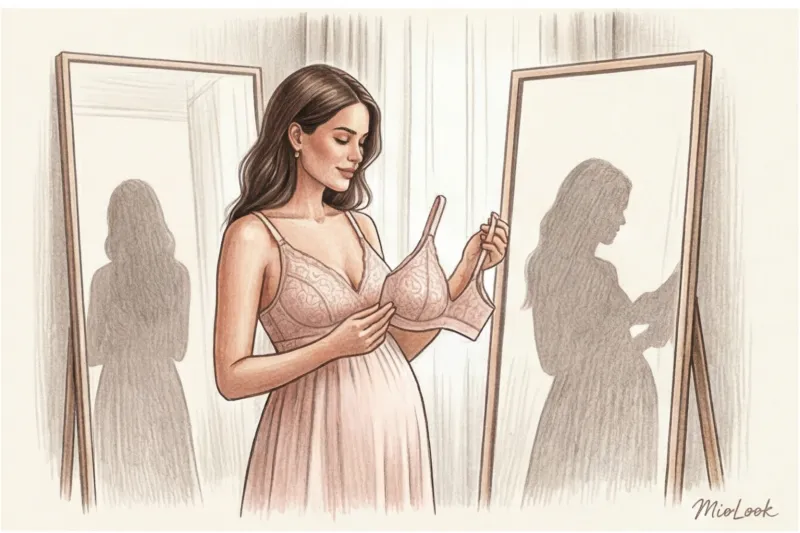
Пару лет назад моя клиентка Анна разрыдалась в примерочной специализированного магазина для будущих мам. Причиной слёз стали огромные, бесформенные бежевые трусы, которые продавщица назвала «максимально физиологичными». Для Анны, привыкшей к тонкому кружеву и шелку, этот кусок хлопкового парашюта стал символом того, что вместе с беременностью она якобы должна попрощаться со своей женственностью.
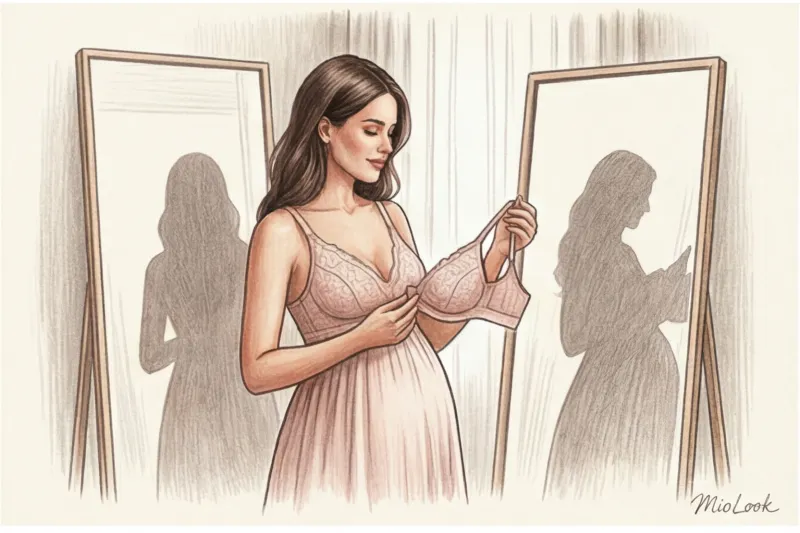
Мы немедленно ушли из того магазина. И знаете что? Нижнее белье для беременных совершенно не обязано быть уродливым. Более того, специальные «беременные» модели вам вообще не понадобятся как минимум до седьмого месяца.
В отличие от большинства гидов, которые призывают смириться с потерей эстетики ради комфорта, я покажу вам другой путь. За 12 лет работы персональным стилистом я вывела четкую формулу: как сохранить красивый бельевой ящик, не навредить здоровью и не потратить лишние сотни евро на вещи, которые вы наденете пару раз. Подробнее об адаптации всего гардероба к новым формам мы уже говорили в нашем полном гиде по стильной одежде для беременных, а сегодня разберем фундамент любого образа — белье.
Нижнее белье для беременных: почему здесь не работает правило «донашивать старое»
Если ваш любимый оверсайз-жакет можно носить до самых родов, просто не застегивая пуговицы, то с нижним бельем этот фокус не пройдет. Одежда может прощать изменения пропорций, белье — никогда.
Согласно данным Британского медицинского журнала (BMJ, 2022), во время беременности объем грудной клетки увеличивается в среднем на 5–7 сантиметров. Это происходит не только за счет набора веса, но и из-за физического расхождения нижних ребер — так организм освобождает место для растущей матки. Именно поэтому ваш привычный бюстгальтер размера 75B начинает невыносимо давить, даже если сама чашка еще подходит.
Многие женщины совершают фатальную ошибку: покупают экстендеры (тканевые удлинители застежки) для своих добеременных бюстгальтеров на металлических косточках. Это худшее, что вы можете сделать в третьем триместре.
Почему? Потому что удлинитель увеличивает только длину пояса на спине. Металлические косточки остаются узкими и начинают впиваться в расширившуюся грудную клетку сбоку, травмируя формирующиеся молочные протоки. Как отмечает Британская ассоциация маммологов, такое локальное давление — прямой путь к застою лимфы и раннему лактостазу.
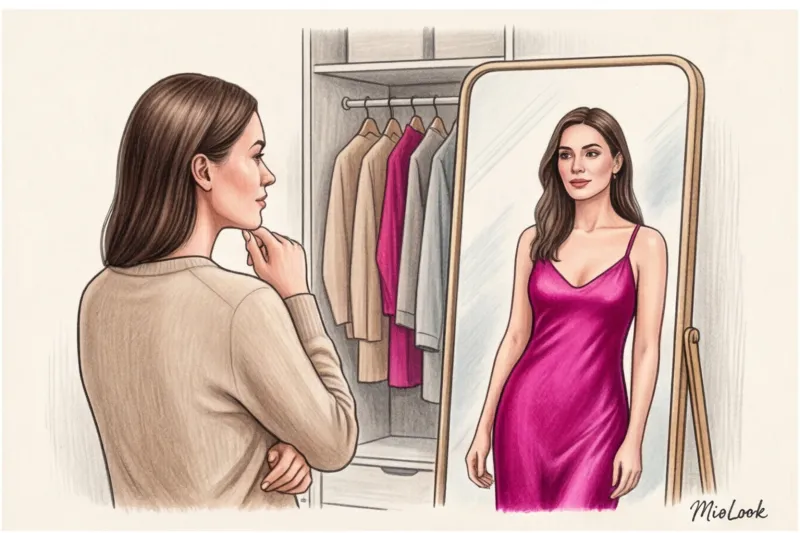
Кроме того, есть психологический аспект. Когда ваше тело меняется каждый день, вы теряете над ним контроль. В этот период красивое, но при этом нигде не пережимающее белье становится мощным якорем для самооценки. Это база, которая говорит: «Я по-прежнему привлекательна и забочусь о себе».
Хронология покупок: когда и что менять в бельевом ящике
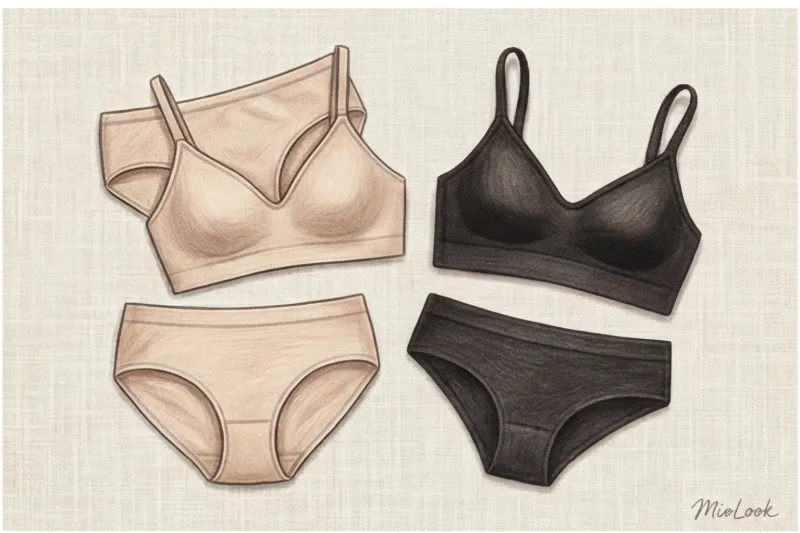
Главная финансовая ошибка будущих мам — побежать в магазин на восьмой неделе и накупить специальных бюстгальтеров для кормления. К 35-й неделе они станут вам безнадежно малы, а деньги (в среднем 40–80 € за качественный бра) будут выброшены на ветер.
В своей работе я всегда опираюсь на формулу Cost Per Wear (стоимость одной носки). Чтобы инвестиция окупилась, вещь должна работать на вас месяцами, а не неделями. Поэтому я рекомендую провести жесткую инвентаризацию: уберите на верхнюю полку все жесткие пуш-апы и стринги. Чтобы не забыть, что именно у вас есть в гардеробе, отсканируйте вещи в приложение MioLook — умный AI-стилист поможет собрать из оставшихся базовых вещей отличные образы, а неактуальное белье можно будет виртуально «заморозить» до следующего года.
Первый и второй триместры: обходимся бесшовной базой
До шестого-седьмого месяца вам не нужен maternity-сегмент. Самое выгодное и стильное решение — купить качественное бесшовное белье лазерной резки в обычном масс-маркете, просто на 1-2 размера больше вашего текущего.
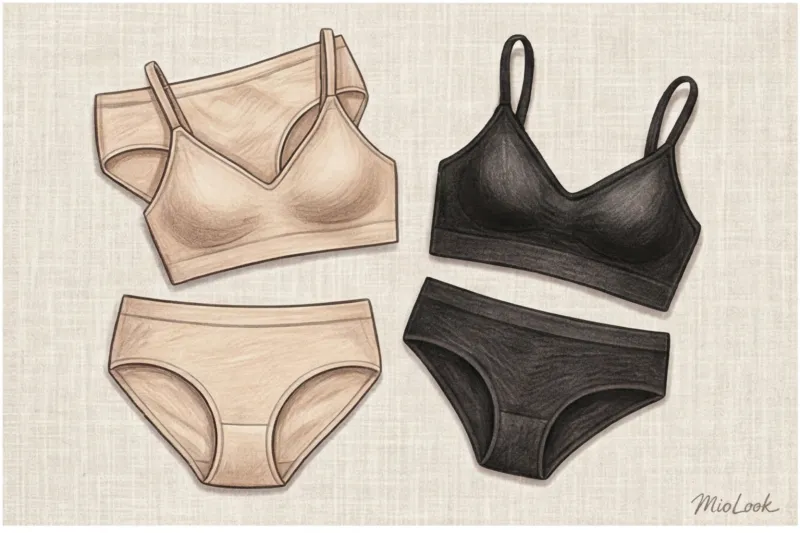
Почему это работает? Бесшовные топы-бралетты и трусы (например, базовые линейки Intimissimi, Oysho или Uniqlo AIRism) тянутся во все стороны. Они будут адаптироваться к вашему телу вплоть до конца второго триместра. Более того, вы сможете носить их и после родов, когда тело будет постепенно возвращаться к прежним объемам.
Обращайте внимание на состав. Вопреки стереотипам, 100% хлопок — не лучший выбор для белья на каждый день в этот период. Хлопок долго сохнет и при намокании (а потоотделение у беременных усиливается) может натирать кожу. По данным Института тестирования текстиля (Textile Exchange report, 2023), смесовые ткани на основе микромодала или вискозы с добавлением 10–15% эластана впитывают на 50% больше влаги и обеспечивают лучшую терморегуляцию.
Важное ограничение: Этот трюк с базовыми бралеттами на размер больше отлично работает для девушек с размером чашки до С или неполного D. Если у вас от природы пышная грудь (размер E, F, G), бесшовные топы не дадут нужной поддержки, и вам придется переходить к следующему этапу уже на четвертом месяце.
Третий триместр: инвестируем в специализированную поддержку
Примерно на 28-й неделе вес живота и груди достигает той точки, когда обычное белье перестает справляться. Центр тяжести смещается, позвоночник испытывает колоссальную нагрузку. Именно сейчас пришло время инвестировать в специальные модели.
Попробуйте MioLook бесплатно
Умный AI-стилист поможет организовать ваш меняющийся гардероб и подберёт идеальные образы для любого триместра.
Начать бесплатноИдеальный бюстгальтер для будущих мам: анатомия комфорта
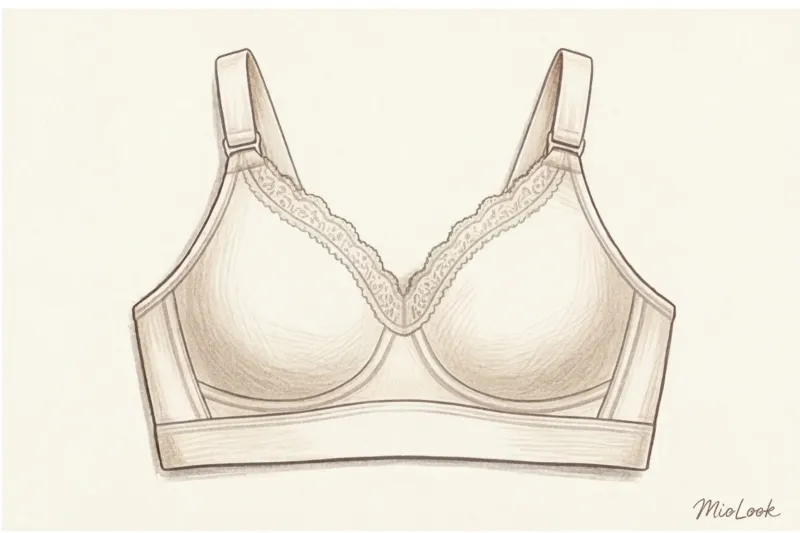
Если мы полностью отказываемся от жестких косточек, что держит грудь? Ответ стилиста-конструктора: пояс и архитектура спинки.
В правильном бюстгальтере для третьего триместра пояс под грудью должен быть в 2-3 раза шире обычного (минимум 3-4 см плотной, но эластичной ленты). Именно пояс, а не бретели, берет на себя 80% веса груди. На спине ищите U-образный вырез — такая конструкция распределяет нагрузку между плечами и лопатками, предотвращая сутулость.
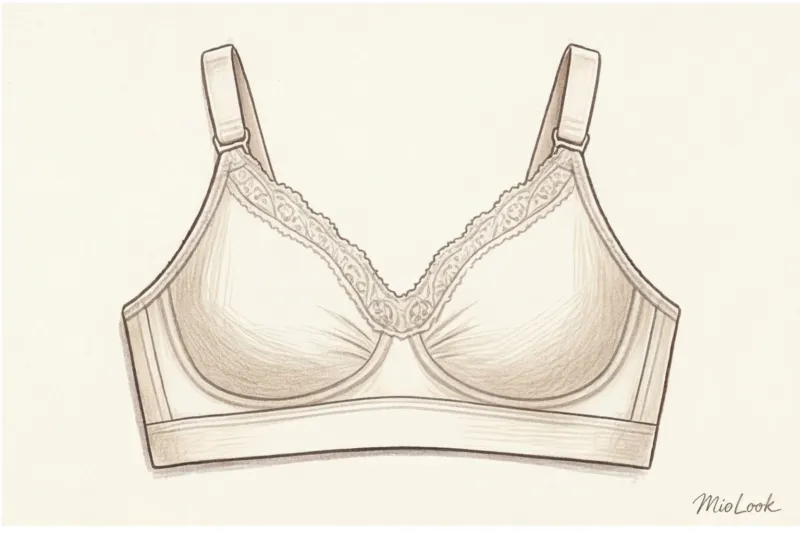
Часто клиентки спрашивают: «Может, сразу купить бюстгальтер для кормления со специальными клипсами на лямках?». Мой совет — купите один базовый на пробу для роддома (часто грудь резко увеличивается с приходом молока, и угадать размер заранее сложно). Для последних месяцев беременности лучше искать бра с мягкими литыми чашками.
И возвращаясь к истории Анны, с которой я начала статью. Мы нашли потрясающе красивое кружевное белье для беременных в линейках H&M Conscious (в диапазоне 30–40 €) и у нидерландского бренда Hunkemöller. У них есть модели с нежным кружевом шантильи, которые визуально не отличить от премиальных французских марок, но внутри они дублированы мягким хлопком, а вместо косточек вшиты гибкие силиконовые валики.
Трусы для беременных: посадка «под живот» или высокая талия?
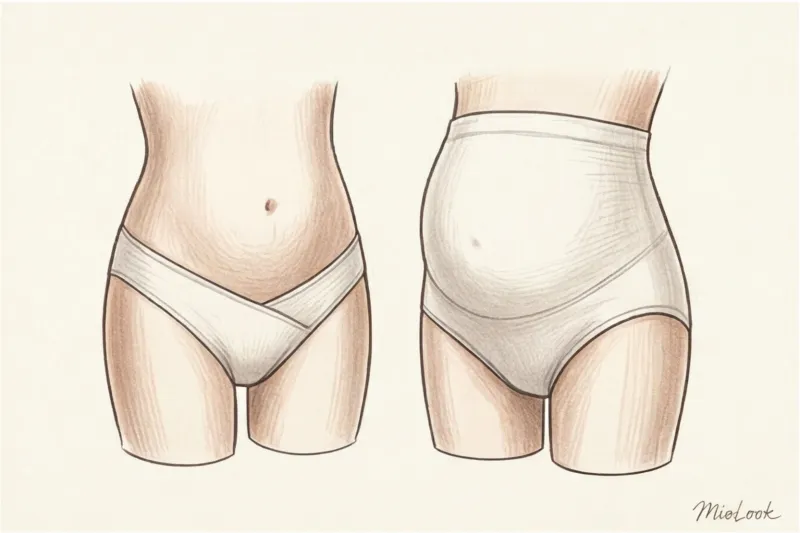
В мире maternity-белья есть два противоборствующих лагеря: те, кто любит натягивать белье до самых ребер, и те, кто не терпит ни миллиметра ткани на животе. Выбор зависит исключительно от сезона и вашей чувствительности кожи.
- V-образный вырез (посадка под живот): Идеальный вариант для лета. Передняя часть трусиков скроена так, что она проходит строго под животом, не оказывая никакого давления. Огромный плюс — их не видно под облегающими трикотажными платьями, которые так красиво подчеркивают фигуру в этот период.
- Высокая талия (на живот): Спасение для холодного времени года. Они дают эффект легкой поддержки (не путать с медицинским бандажом!) и защищают поясницу от сквозняков. При покупке следите, чтобы верхний край не имел тугой вшитой резинки — ткань должна просто мягко заканчиваться или иметь бесшовный край.
О стрингах придется забыть. Из-за изменения микрофлоры и снижения местного иммунитета во время беременности врачи настоятельно рекомендуют отказаться от этого фасона. Моими фаворитами для клиенток становятся слипы лазерной резки и бесшовные шортики-кюлоты. Последние особенно хороши для сна.
Скрытые помощники: шорты от натирания и правильные бандажи
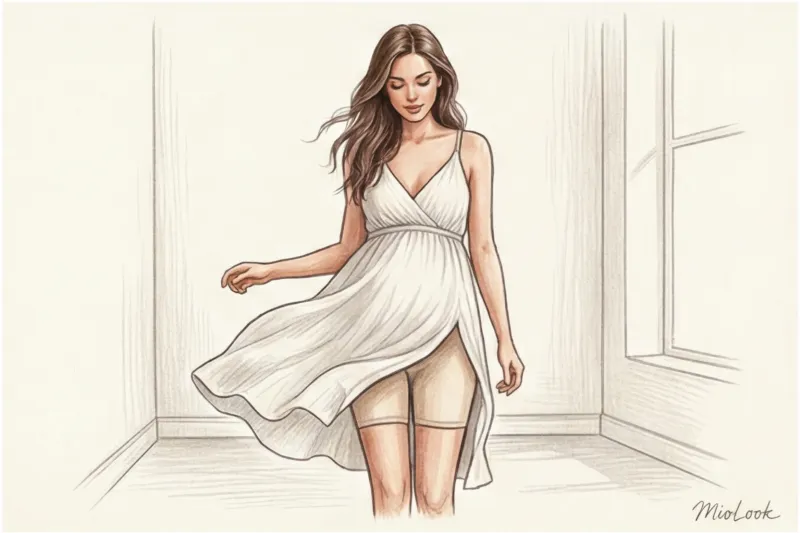
Открою вам главный инсайдерский секрет, о котором забывают 90% женщин при сборе летнего гардероба. Начиная со второго триместра, даже у очень стройных девушек меняется походка и появляется отечность. Внутренняя поверхность бедер начинает предательски тереться друг о друга. Тальк и дезодоранты работают ровно час.
Абсолютный must-have, который спасет ваши летние прогулки — тончайшие шорты от натирания (anti-chafing shorts) со специальной растяжимой вставкой для живота. За 20–35 € вы покупаете возможность носить любые летящие платья и юбки без боли и дискомфорта. Они незаметны под одеждой и работают как легкий корректирующий слой.
Что касается бандажей в виде плотных трусов — будьте осторожны. Часто это маркетинговый трюк. Настоящий поддерживающий бандаж должен подбирать врач-ортопед или гинеколог, и он носится поверх обычного белья. Бельевые трусы со «встроенным бандажом» обычно просто очень тугие и могут пережимать кровоток в области малого таза, если вы сидите в офисе более двух часов.
Офисным сотрудницам также понадобятся правильные колготки. Для делового дресс-кода выбирайте модели плотностью 20-40 den со специальной анатомической вставкой на животе. Главное правило: пояс колготок должен быть шириной не менее 5 сантиметров, иначе он скрутится в жгут и будет впиваться в кожу под грудью.
Чек-лист стилиста: капсула нижнего белья на 9 месяцев
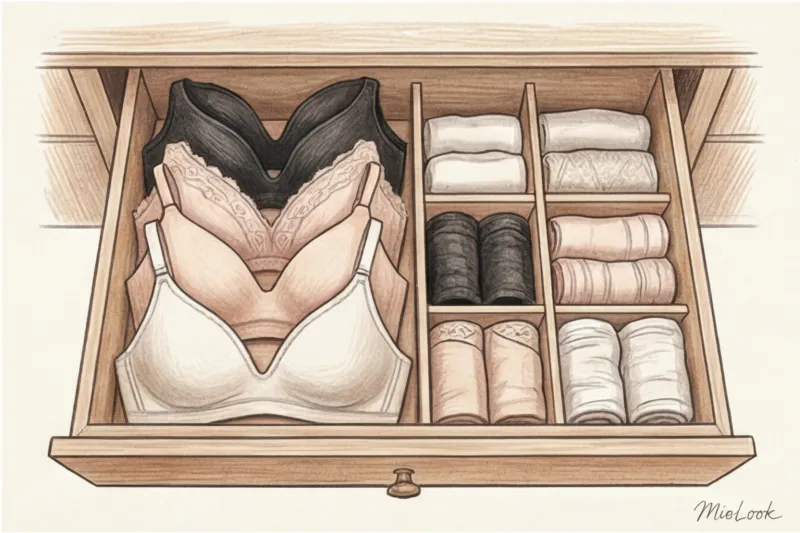
Я сторонник минимализма и разумного потребления. Вам не нужны горы специального белья. Для комфортной жизни в течение всех девяти месяцев достаточно собрать компактную, но идеально работающую капсулу.
Оптимальный состав бельевого гардероба:
- 3 бюстгальтера (топа). Здесь работает мое золотое правило бельевой ротации «1 на себе, 1 в стирке, 1 отдыхает в шкафу». Эластану нужно 24 часа, чтобы восстановить свою форму после носки, поэтому никогда не носите один и тот же бра два дня подряд.
- 7-10 пар трусов. Смесь V-образных слипов и высоких моделей (в зависимости от сезона).
- 2 пары шортиков от натирания (для весны/лета) или 3 пары maternity-колготок (для осени/зимы).
Совет по цвету: Полностью исключите кипельно-белый цвет из базовых покупок. Белый бюстгальтер предательски просвечивает через любую светлую одежду, создавая резкий контраст с кожей. Ваша основа — цвет нюд (подбирайте строго под тон вашей кожи), капучино, мокко и классический черный.
Готовы начать?
Попробуйте бесплатный план — без обязательств. Загрузите свою капсулу в MioLook и создавайте безупречные образы каждый день.
Начать бесплатноНижнее белье во время беременности — это не место для компромиссов между красотой и здоровьем. Современный европейский масс-маркет и специализированные бренды давно научились шить эстетичные модели без жестких косточек и грубых швов. Инвестируйте в правильный крой, выбирайте глубокие благородные оттенки, используйте лайфхаки стилистов с бесшовной базой, и ваше отражение в зеркале будет радовать вас каждый день этого удивительного периода.