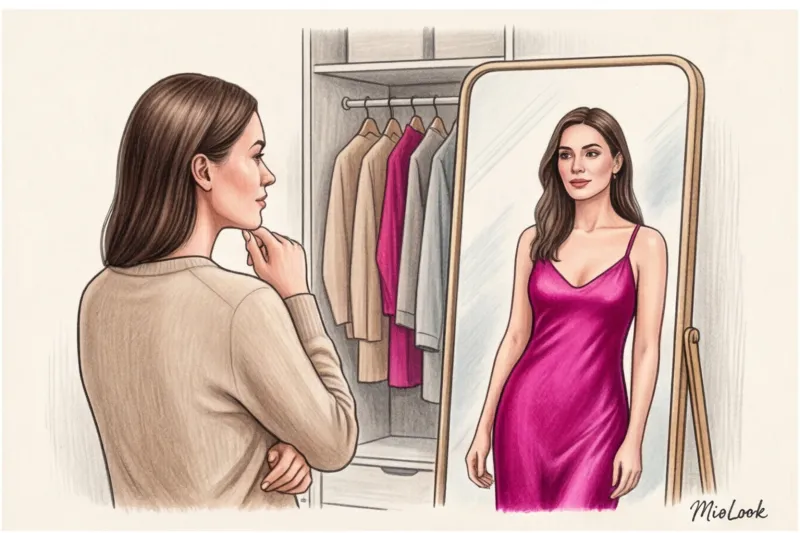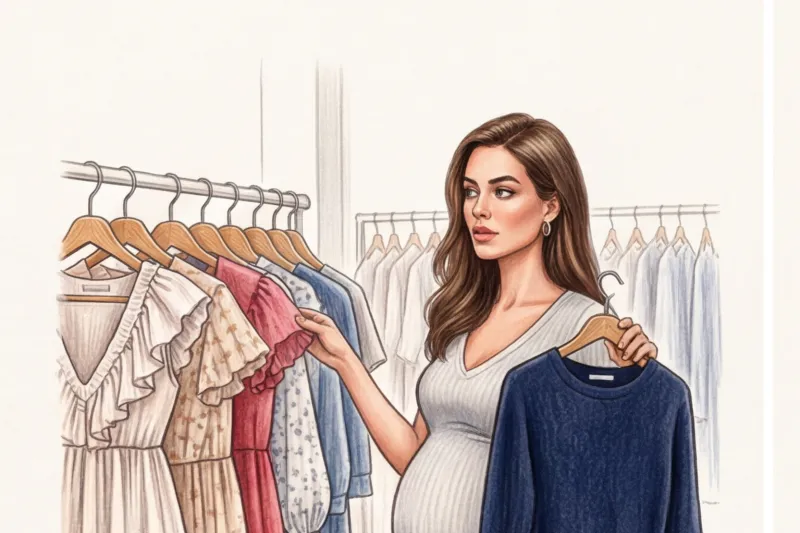
Ви помічали, як модній індустрії подобається перетворювати вагітних жінок на гігантські капкейки? Варто на тесті з'явитися двом смужкам, як алгоритми починають підкидати вам безформні балахони, інфантильні рюші та сукні в дрібну квіточку. Як персональний стиліст із 12-річним досвідом, я категорично проти такого підходу. Вагітність це не привід ставити свій особистий стиль на паузу і переодягатися в уніформу «типової матусі».
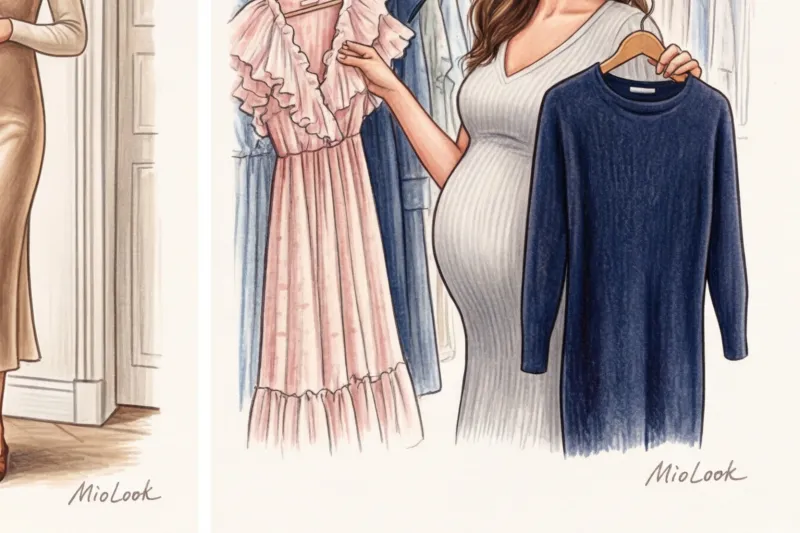
Докладніше про архітектуру гардеробу в цей період ми розповідали у нашому повному гіді по капсульному гардеробу для вагітних. Але сьогодні я хочу поговорити про найголовніший елемент. Правильні базові сукні для вагітних — це зовсім не ті речі, які продаються у спеціалізованих відділах. Це звичайні сукні грамотного крою із регулярних колекцій, які ви із задоволенням продовжите носити і після пологів.
Пастка maternity-маркетингу: чому «базові сукні для вагітних» псують фігуру
Одна з моїх клієнток Анна (провідний архітектор у великому бюро) прийшла до мене на сьомому місяці в розпачі. "Ізабелла, я почуваюся гігантською рожевою хмарою", - сказала вона, показуючи на свою maternity-сукню зі складанням під грудьми. І вона мала рацію. Силует "ампір" (завищена талія зі складання) - це головний ворог вагітної фігури. Він візуально відрізає груди від живота, перетворюючи жінку на монолітний намет.
Другою проблемою спеціалізованого одягу є жахливий показник Cost Per Wear (вартість за вихід). Купувати сукню сумнівної якості за 100 € у maternity-відділі, щоб носити її лише 3-4 місяці – це фінансовий злочин. Набагато розумніше інвестувати 150€ в якісну сукню із щільної віскози або бавовни від брендів на кшталт COS або Massimo Dutti. Ви будете носити його три роки, обігруючи ременями та жакетами після того, як малюк з'явиться на світ.
Замість того, щоб купувати речі-одноденки, робіть ставку на архітектурний крій, косі лінії та правильний оверсайз. Ваш одяг має адаптуватися до вас, а не навпаки.
Спробуйте MioLook безкоштовно
Розумний AI-стиліст підбере ідеальний образ для будь-якого етапу вашого життя та допоможе проаналізувати гардероб.
Почати безкоштовноФасон №1: Трикотажне плаття-колона (Ідеальна основа)
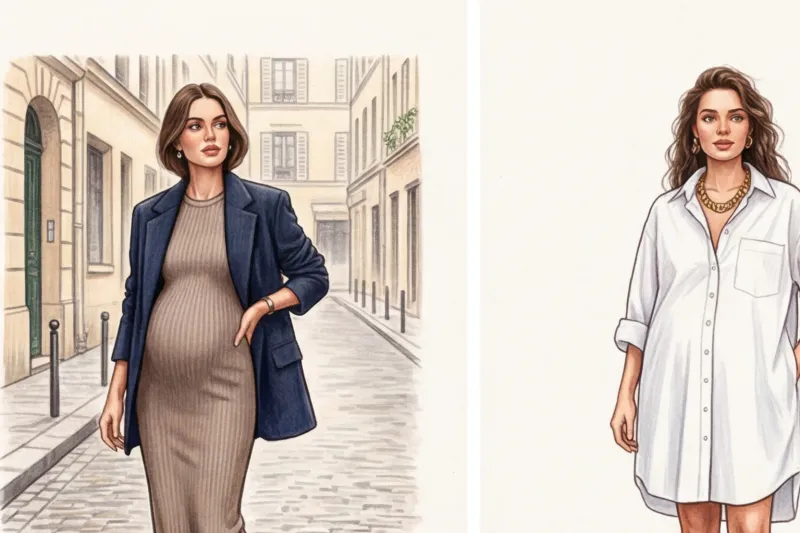
Багато жінок у становищі інстинктивно намагаються сховатися за метрами тканини. Але парадокс полягає в тому, що об'ємні балахони роблять вас візуально більшим. Сукня-колона довжини міді або максі працює зовсім інакше: вона підкреслює красиві вигини тіла, створюючи чітку, зрозумілу вертикаль.
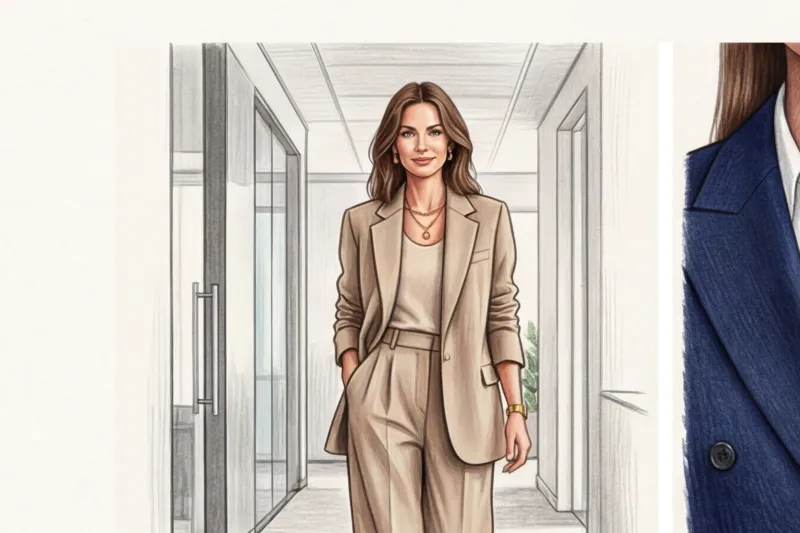
Моя улюблена формула стилю: сукня-колона + структурний чоловічий жакет (не застібаючи) + класичні лофери = миттєвий шик.
Але тут є суворі правила вибору тканини. Це не працює , якщо ви купите тонкий кволий трикотаж щільністю нижче 200 г/м² - він підкреслить кожну складочку білизни і розтягнеться на колінах в перший же день. Шукайте щільну в'язку в рубчик (ribbed knit). У складі має бути не менше 5-7% еластану у поєднанні з бавовною або віскозою. Саме еластан змусить тканину повертатися у вихідну форму після того, як ви знімете сукню.
І не забудьте про середземноморський акцент: зберіть волосся в гладкий пучок і надягніть масивні вінтажні сережки золотого кольору. Це вмить перенесе фокус уваги на портретну зону.
Фасон №2: Сукня-сорочка оверсайз із щільної бавовни
Якщо трикотаж облягає, то щільна бавовна створює архітектурну рамку. Сукня-сорочка з хрустких поплін (вибирайте щільність від 120-130 г/м²) - це порятунок для офісних буднів та міських прогулянок. Жорстка тканина тримає форму і не облягає фігуру, створюючи рятівний повітряний прошарок.
- Як стилізувати: Розстебніть верхні гудзики, щоб створити V-подібний виріз, і обов'язково закатайте рукави. Показ тонких зап'ясть і щиколоток - критично важливий прийом для збереження витонченості силуету при об'ємному животі.
- Секрет багатошаровості: на останніх термінах носите його повністю розстебнутим поверх трикотажної майки та якісних легінсів.
- Як вибрати розмір: забудьте про відділи для вагітних. Ідіть у регулярну колекцію улюбленого бренду та беріть на 1-2 розміри більше. Або взагалі загляньте в чоловічий відділ - там часто ідеальний крій плечей.
Після пологів ця сукня не вирушить на далеку полицю. Ви просто додасте широкий шкіряний ремінь на талію і отримаєте бездоганну базу на кожен день.
Ваш ідеальний образ починається тут
Приєднуйтесь до тисяч користувачів, які щодня виглядають бездоганно з MioLook. Зберіть свою ідеальну капсулу у додатку.
Почати безкоштовноФасон №3: Справжня сукня на запах (The True Wrap Dress)
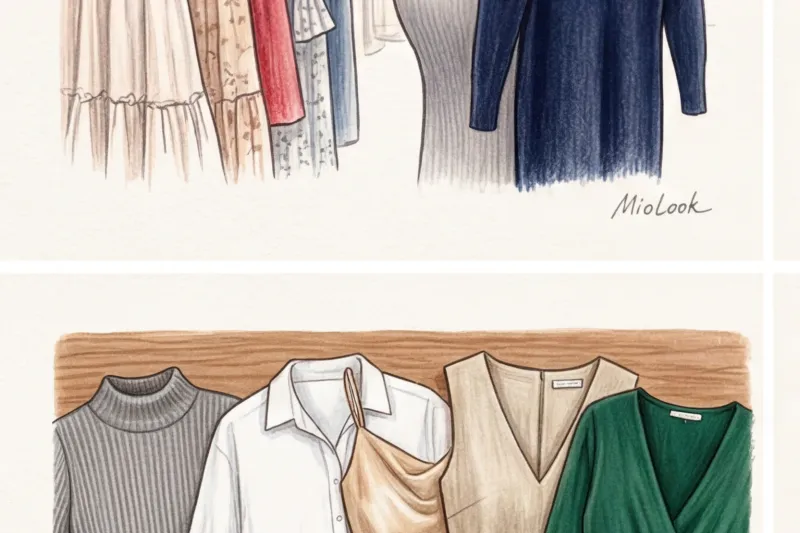
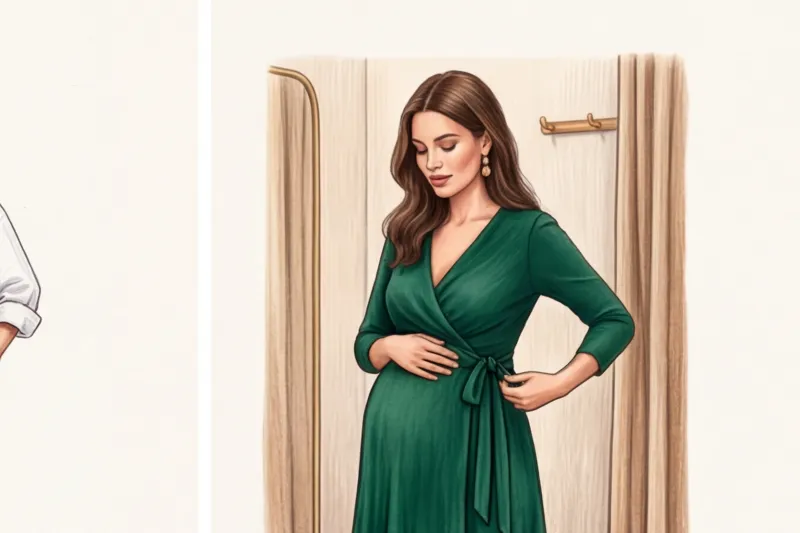
Дизайн, популяризований Діаною фон Фюрстенберг, ніби спеціально створений для жіночого тіла, що трансформується. Але будьте дуже уважні: уникайте імітації запаху (faux wrap). Якщо під грудьми вшита фіксована гумка, а зверху просто пришиті декоративні зав'язки - відмовтеся від покупки. Така гумка неминуче почне врізатися в живіт, що росте.
Справжня сукня на запах є цільним полотном з довгими стрічками, динаміка крою якого дозволяє адаптувати річ до ваших обсягів буквально щотижня. V-подібний виріз витягує шию і неймовірно красиво підкреслює лінію декольте, що змінилася.
Лайфхак від стиліста: Зав'язуючи стрічки, не пускайте їх горизонтально під грудьми. Введіть вузол трохи асиметрично вгору чи вбік, щоб створити діагональну лінію. Діагональ у стайлінгу завжди струнить і додає образу динаміки, тоді як горизонталь безжально ріже фігуру.
Фасон №4: Сукня А-силуету на кшталт 60-х (Трапеція)
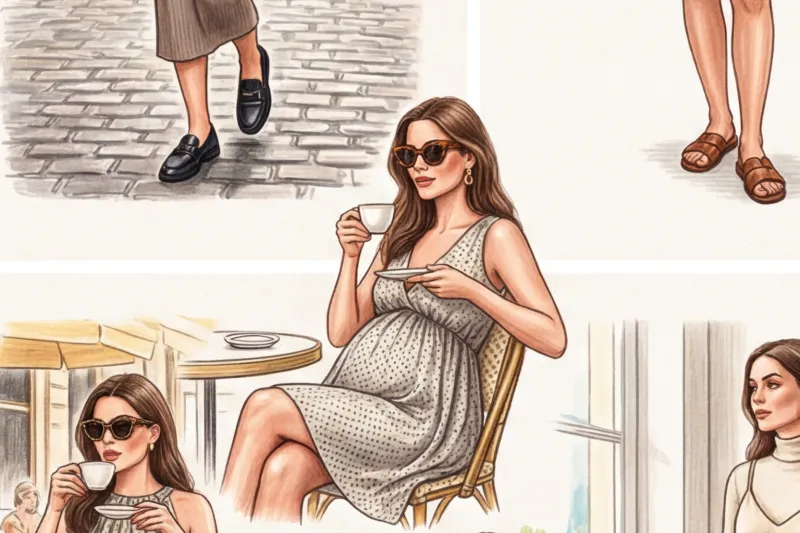
Якщо вам потрібний більш зібраний та статусний образ, зверніть увагу на сукні-трапеції. Згідно з історичними архівами Vogue (2023), силует «трапеція» був популяризований Івом Сен-Лораном наприкінці 50-х саме з метою звільнення жіночого тіла від жорстких рамок діоровського нью-луку. Виявилося, що цей фасон феноменально підходить жінкам у положенні.
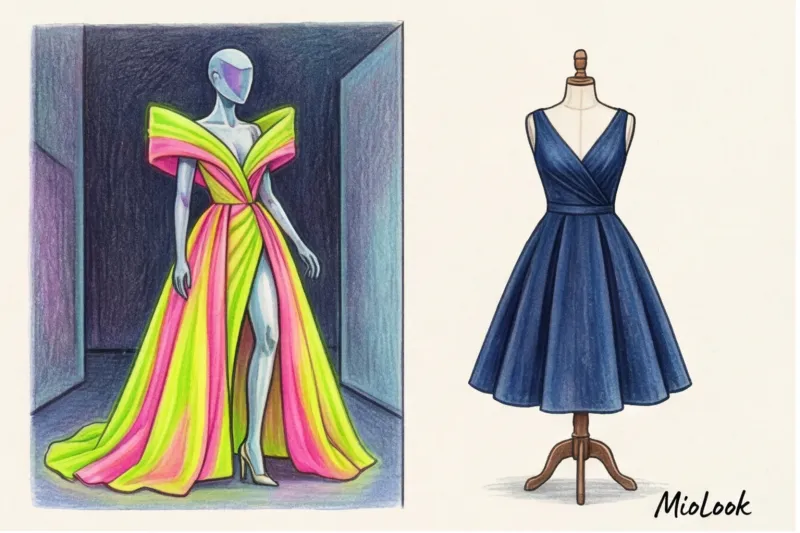
Конструкція сукні розширюється від плечей чи ключиць. Воно повністю приховує обсяги талії, але за рахунок жорсткості плечового пояса не виглядає безформним мішком. Це ідеальний вибір для офісу із суворим дрес-кодом або ділових зустрічей.
Якщо генетика нагородила вас стрункими ногами, і вони не схильні до сильних набряків, вибирайте довжину міні. Сукня-трапеція + щільні колготки (100 den) + грубі черевики челсі створять ультрамодний британський образ у стилі Твіггі. Якщо міні не для вас, вибирайте впевнене міді, але обов'язково покажіть щиколотку.
Чи готові почати?
Спробуйте безкоштовний план MioLook без обов'язків. Штучний інтелект допоможе вам скласти стильні образи з речей.
Почати безкоштовноФасон №5: Шовкова сукня-комбінація крою по косій (Bias-cut)
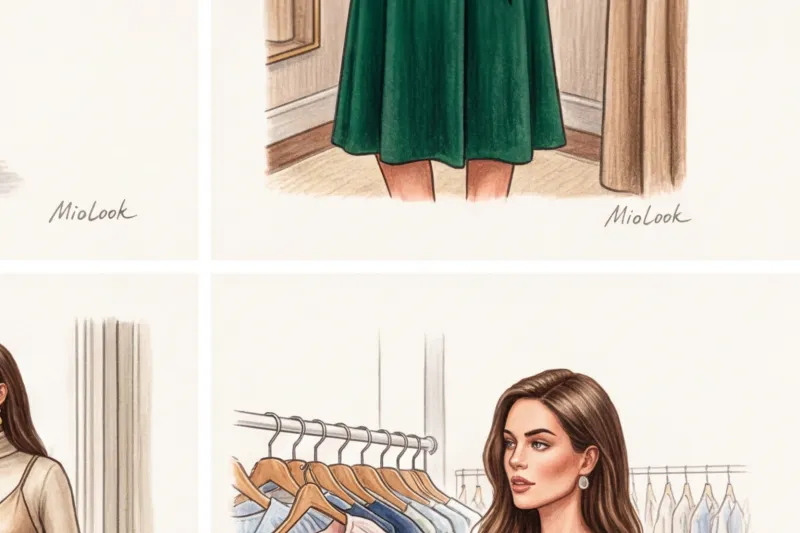
Коли мої клієнтки готуються до червоних доріжок або важливих вечірніх виходів на 7-8 місяці вагітності, я ніколи не веду їх у салони за сукнями зі стразами на сітці. Ми вибираємо шовкове slip-dress, але з однією важливою умовою: воно має бути скроєне по косій (bias-cut).
Цю геніальну техніку винайшла мадам Мадлен Віонне у 1920-х роках. Суть у тому, що тканина ріжеться не за пайовою або поперечною ниткою, а під кутом 45 градусів. Завдяки цьому навіть 100% натуральний шовк без грама еластану починає тягнутися природним чином, як вода, огортаючи вигини тіла.
Сукня по косій не чинить абсолютно ніякого тиску на живіт - це найбільш фізіологічна і комфортна річ у гардеробі. Дослідження аналітичної платформи Lyst за 2024 показало, що сукні-комбінації залишаються в топ-5 найрозумніших модних інвестицій. Вдень ви можете носити його поверх тонкої вовняної водолазки, а ввечері накинувши на плечі об'ємний кашеміровий светр. Це виглядає у тисячу разів дорожче, ніж типові вбрання для вагітних.
Чек-лист стиліста: Як вибирати базові сукні для вагітних
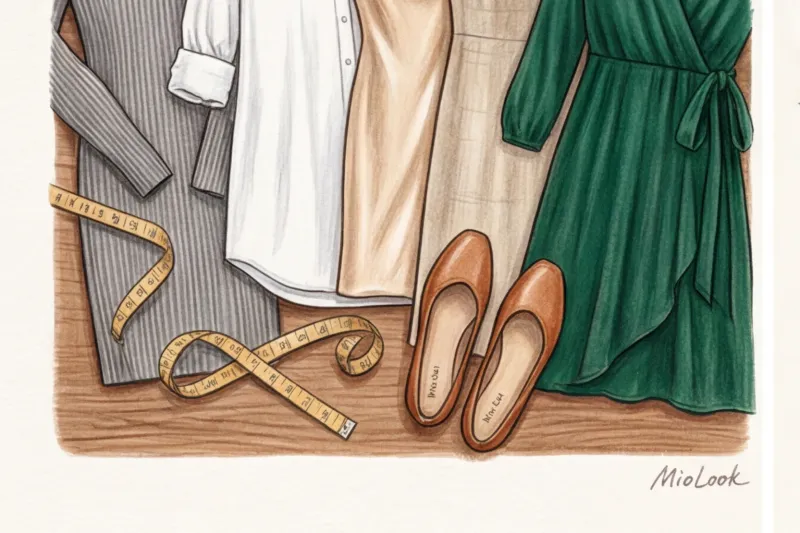
Щоб шопінг був успішним, я склала вам строгий фільтр. Пропускайте кожну річ через ці чотири пункти, перш ніж нести її на касу:
- Тканини: Абсолютне табу на 100% дешевий поліестер. Під час вагітності терморегуляція тіла сильно змінюється (вас частіше кидатиме в жар). Синтетика перетворить сукню на парник. Шукаємо щільну бавовну, льон, ліоцелл (тенсель), віскозу та шовк.
- Фурнітура: Уникайте металевих блискавок на спині і тим більше на животі. Жорстка фурнітура зіпсуватиметься. Відмовтеся від вшитих декоративних поясів - вони обмежують варіативність речі.
- Правило подола: Пам'ятайте, що в третьому триместрі живіт неминуче підніме передню частину сукні на 3-5 см. Тому уникайте довжини трохи вище за коліно (вона стане некомфортно короткою спереду). Ваш вибір - впевнений міді, максі або асиметричний поділ (подовжений ззаду).
- Колір та принт: Глибокий монохром (шоколадний, смарагдовий, графітовий, винний) працює на витяг силуету. А ось контрінтуїтивний факт: дрібний контрастний принт (ті самі квіточки чи горошок), який багато хто вважає «милим», на об'ємному животі створює ефект оптичної ілюзії, візуально роблячи фігуру ще ширшою.
Резюме: Інвестуйте у свій стиль, а не у тимчасовий статус
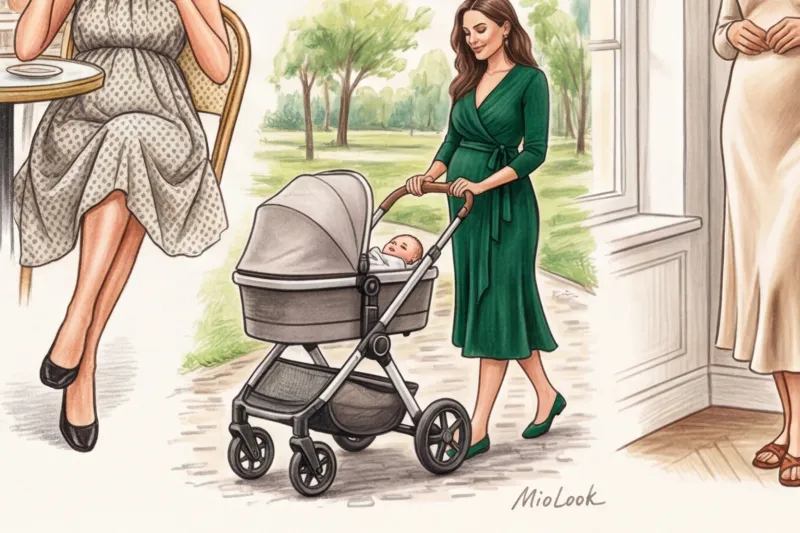
Вагітність це дивовижний, але дуже короткий період у масштабах всього життя. Не дозволяйте рекламним прийомам змусити вас відмовитися від власного смаку. Відмова від спеціалізованих maternity-лінійок на користь грамотного, архітектурного крою із звичайних магазинів не тільки заощаджує ваш бюджет (зберігаючи ті самі євро на справді важливі речі), а й береже самооцінку.
Перш ніж вирушати на шопінг, раджу провести ревізію того, що ви вже маєте. Завантажте фото своїх речей у MioLook — можливо, ви виявите, що в шафі вже висить пара відмінних суконь-сорочок і вільних трикотажних міді, які просто чекають на правильну стилізацію з жакетом і аксесуарами.
Залишайтеся вірні собі. Ваше тіло виконує колосальну роботу, і ви заслуговуєте виглядати розкішно, стильно та сучасно кожен день цього неймовірного шляху.