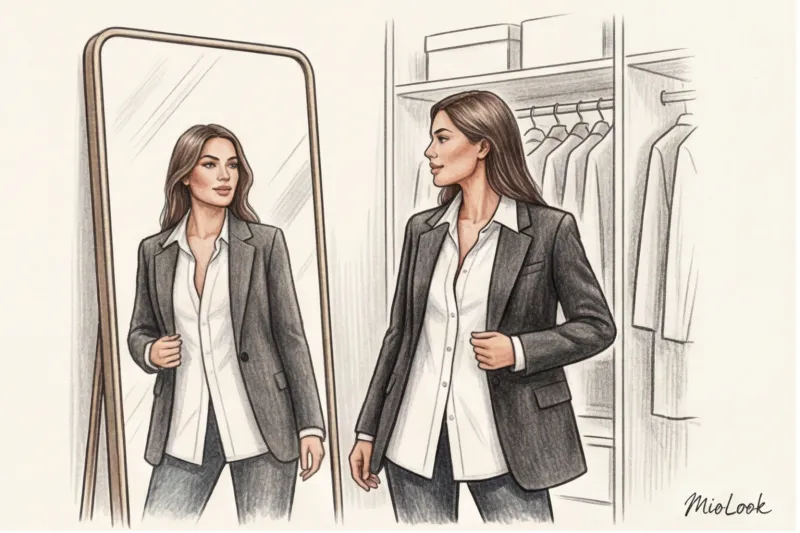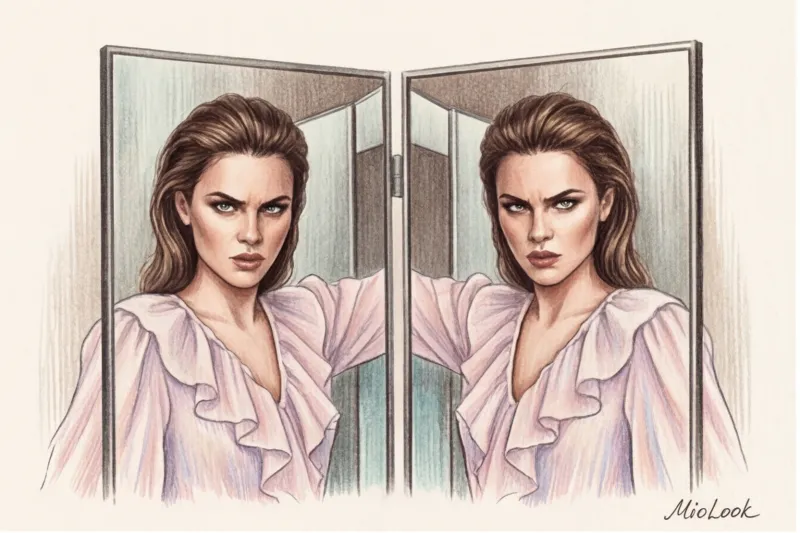
Ви коли-небудь дивилися в дзеркало примірочної дорогого бутика і відчували себе ряженим на шкільному спектаклі? На вас ідеальний, бездоганно скроєний костюм. Колір ваш. Розмір ваш. Але з дзеркала дивиться чужа людина. Моя клієнтка Анна, СЕО великого IT-стартапу, описала це так: «Я надягаю цей строгий піджак, щоб виглядати як бос, а виглядаю як першокласниця, яка стягла мамин жакет».
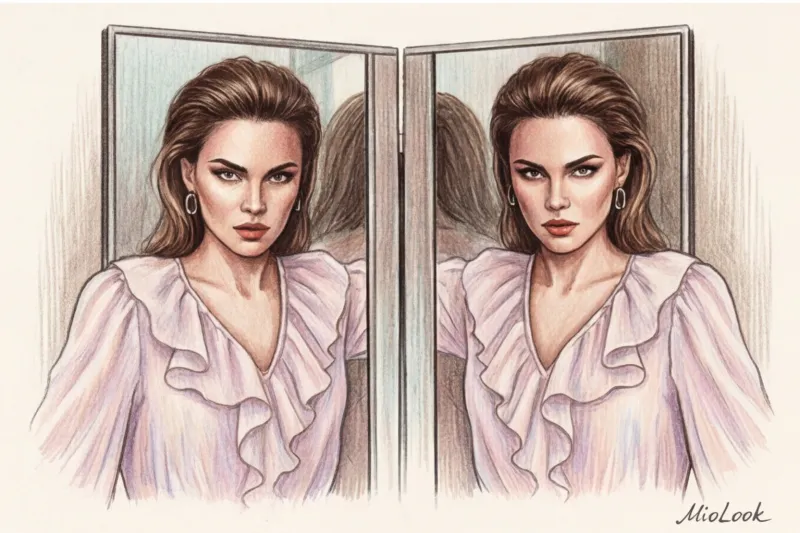
Анна зіткнулася з класичною проблемою: у неї зовнішність типажу Софт Гамін (делікатна кісткова структура, "обличчя підлітка", зріст 158 см), а її внутрішній архетип - безкомпромісний Імператор. Коли ваша зовнішність не збігається з характером, стиль перетворюється на щоденну боротьбу. Ви або зраджуєте свої природні дані і виглядаєте безглуздо, або зраджуєте свій характер і втрачаєте впевненість у собі.
Докладніше про цей феномен ми розповідали в нашому повному гіді за стильовими типажами зовнішності та архетипами в одязі Але сьогодні я хочу дати вам зовсім інший, суто практичний інструмент. Ми не шукатимемо «компроміси», які зазвичай закінчуються нудною сірістю. Ми навчимося створювати стилістичний міст.
Чому виникає дисонанс: коли зовнішність не збігається з характером
Щоб вирішити проблему, потрібно хірургічно точно поділити її на дві частини. Ваша фізіологія та ваша психологія – це різні всесвіти.
Теорія Девіда Кіббі, описана ним у книзі «Metamorphosis» (1987), працює виключно з кістковою структурою, геометрією обличчя та розподілом м'яких тканин. Ваш стильовий типаж – це фізика. Вона незмінна. Якщо у вас похилені плечі та коротка шия, ніякі афірмації цього не змінять.
З іншого боку, система архетипів Керол Пірсон, що базується на працях Карла Юнга, визначає вашу психологію. Це ваші амбіції, страхи, поточні життєві завдання та спосіб взаємодії зі світом. І тут виникає головна пастка: модна індустрія роками продавала нам ідею, що одяг має відбивати внутрішній світ. Але ніхто не пояснив, як натягнути цей внутрішній світ на скелет, що не підходить.
Анатомія конфлікту: чому класичні поради не працюють
Найчастіша (і найшкідливіша) порада глянцю звучить так: «Просто знайдіть золоту середину». Насправді це означає відмови від крайнощів. Якщо ви ніжна фея всередині, але з різкими рисами обличчя (Драматик), вам запропонують носити невиразні трикотажні кофтини пастельних тонів. Підсумок? Ви виглядаєте стомленою, а ваш образ втрачає фокус.
«За статистикою повернень у преміум-сегменті (засновано на аналітиці рітейл-платформ за 2023 рік), близько 65% речей повертаються клієнтами не через неправильний розмір, а з позначкою "річ не монтується з обличчям". Це прямий наслідок конфлікту ліній та фактур».
Не можна ігнорувати природні дані — одяг просто не сяде. Не можна ігнорувати характер — ви транслюватимете невпевненість.
Спробуйте MioLook безкоштовно
Розумний AI-стиліст підбере ідеальний образ, враховуючи ваші риси обличчя та особисті уподобання.
Почати безкоштовноМетод «Полотно та Фарби»: як примирити фізику та психіку
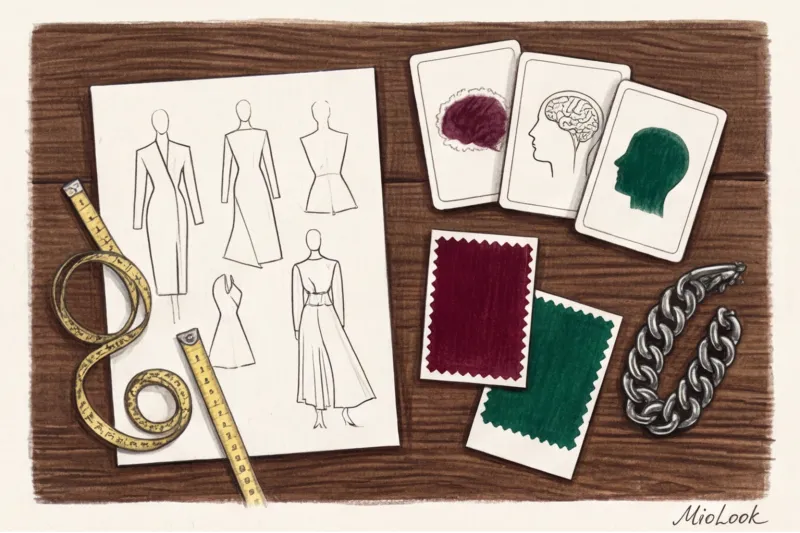
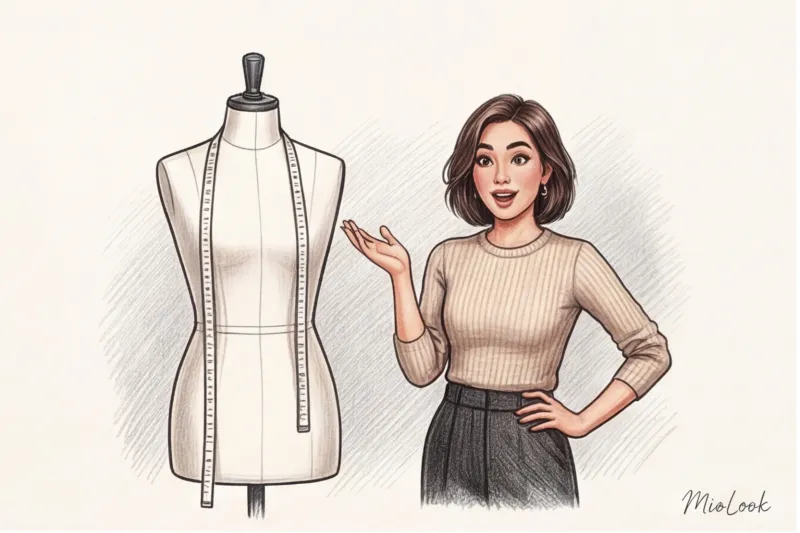
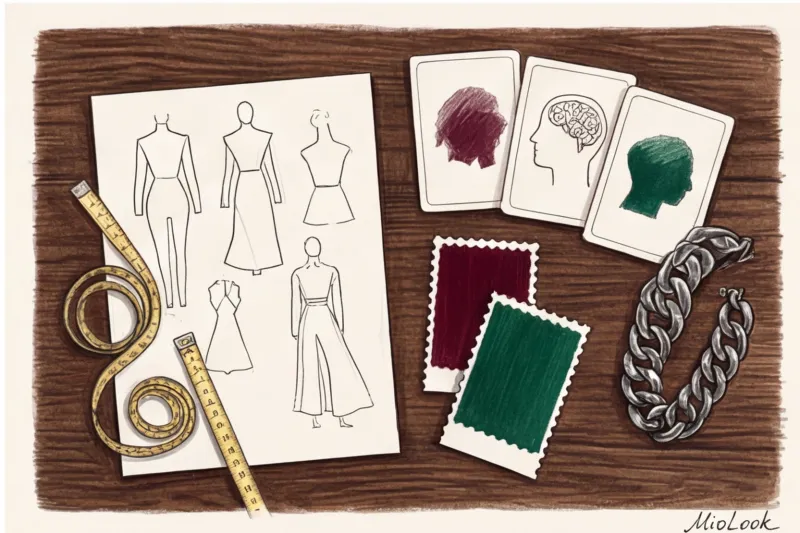
За 12 років роботи стилістом я вивела для себе чітке правило, яке лягло в основу алгоритмів підбору одягу MioLook. Я називаю його «Полотно та Фарби».
Полотно (диктується типажем зовнішності):
Це крій, довжина, силует та щільність тканини. Це архітектура вашого одягу. Якщо ви натурал по Кіббі, вам потрібні розслаблені лінії та свобода облягання. Це ваше полотно, його не можна міняти.
Фарби (Диктуються архетипом/характером):
Це колір, фактура (гладка, ворсиста, блискуча, матова), принти та деталі. Це настрій речі. Фарбами ми малюємо ваш характер поверх ідеального полотна.
Вам не потрібно одягатись у «речі Правителя» (суворі костюми), якщо ваша зовнішність їх не тягне. Вам потрібно взяти фасон, який вам іде, і виконати його в кольорах та фактурах Імператора.
Секрет щільності тканини
Тканина – це ваш головний стилістичний міст. Вона має дивовижну властивість: може тримати форму (відбиваючи жорсткість), але при цьому струменить (відбиваючи м'якість). Ідеальний приклад – натуральний шовк високої щільності (від 22 моммі). Блуза з такого шовку в якісному виконанні коштуватиме приблизно 150–250 €, але вона стане фундаментом вашого гардеробу. Вона створює ефект "м'якої броні": драпірується за законами м'якого типажу, але виглядає дорого, статусно і недоступно - точно як цього вимагає архетип Правителя або Естета.
Популярні конфлікти та їх вирішення: практика стиліста
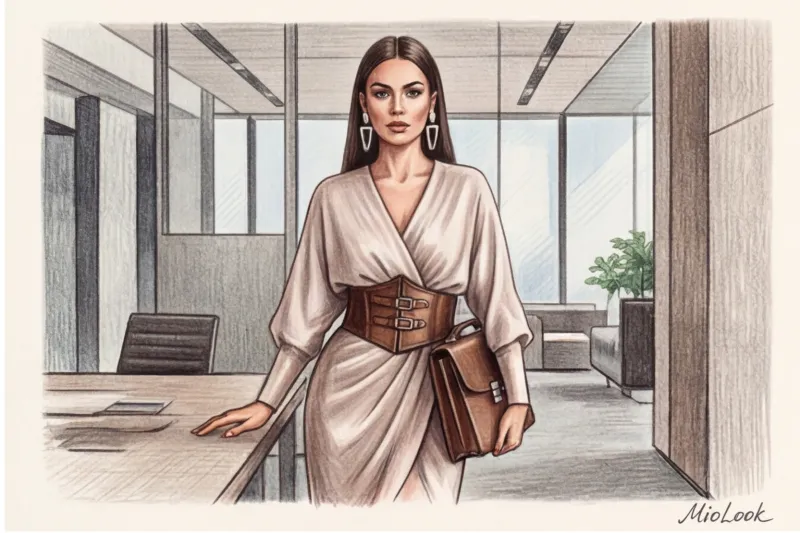
Давайте розберемо на реальних прикладах, як цей метод працює у житті.
Кейс 1: Зовнішність "Романтик" (округлості, м'які риси) + Характер "Правитель / Бос"
Вам протипоказані жорсткі чоловічі піджаки з широкими плечима - у них ви здається повніше і нижче. Як транслювати владу? Зберігаємо драпірування, підкреслену талію та м'які лінії (полотно Романтика). Але вибираємо глибокі, безкомпромісні кольори (бордо, смарагд, гіркий шоколад, чорний) та гладкі, «дорогі» фактури (щільний шовк, шкіра, кашемір). Сукня на запах із щільного шовку рубінового кольору кричить про владу голосніше, ніж будь-який сірий піджак офісний.
Кейс 2: Зовнішність «Драматик» (вугільність, зростання, різкість) + Характер «Опікун / Славний малий»
Ви висока, з різкими вилицями, і люди часто вважають вас зарозумілою до того, як ви встигнете заговорити, хоча насправді ви душа компанії і обожнюєте пекти пироги. Якщо ви одягнете рюші та квіточку, це буде виглядати як вовк у овечій шкурі. Рішення: зберігаємо ваші драматичні подовжені, чіткі силуети (прямі довгі пальта, стрілки на штанах), але відводимо їх у максимально тактильні, м'які фактури (ворсиста альпака, об'ємний кашемір, замша) та світлу, теплу палітру (кемел, молоко, персик). Штани зі стрілками залишаються, але вони пошиті з м'якої вовни та доповнені пухнастим кардиганом правильного прямого крою.
Повертаючись до Анни з початку статті (Софт Гамін + Імператор). Ми прибрали з її гардеробу великі жорсткі піджаки. Замість них ми замовили укорочені жакети в стилі Chanel (ідеальна геометрія для Гаміна), але виконали їх із щільної, гладкої костюмної вовни 120S глибокого сапфірового кольору та додали масивні золоті гудзики-монети. Лінії залишилися гамінними, а вайб став на 100% босівським.
Ваш ідеальний образ починається тут
Приєднуйтесь до тисяч користувачів, які щодня виглядають бездоганно з MioLook. Завантажте свої речі та отримайте готові капсули.
Почати безкоштовно"Костюм чужої ролі": головна помилка при створенні іміджу
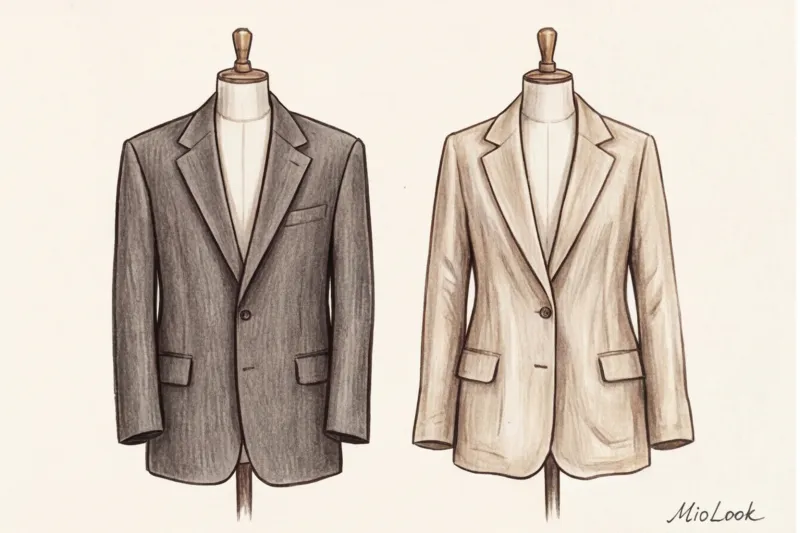
Одна з найруйнівніших ілюзій у сучасному стайлінгу – сприйняття архетипу як уніформи. У своїй книзі The Hero and the Outlaw (2001) Маргарет Марк і Керол Пірсон детально описали систему архетипів для брендингу. На жаль, мас-маркет переклав це надто буквально.
Хочете бути Бунтарем? Ось вам косуха із Zara за 60 €. Хочете бути Мудрецем? Вдягайте сірий кардиган. Шукач? Тримайте черевики Timberland. Це абсурд.
Найбільша помилка — намагатися буквально «одягнутися в архетип», ігноруючи свою анатомію. Якщо у вас тендітні, похилі плечі та ніжне обличчя, груба косуха oversize зробить з вас не бунтаря, а жертву обставин. Архетип Бунтаря – це не шкірянка. Це енергія порушення правил. Для тендітної дівчини Бунтарем може стати шовкова сукня-комбінація, що ідеально сидить, одягнена з грубими армійськими черевиками, або асиметричний крій, що руйнує звичні пропорції.
Чесне обмеження: Метод тонких налаштувань не працює, якщо вам потрібний сценічний епатаж. Якщо ваша мета – театралізований перформанс (як на червоній доріжці Met Gala), ви можете ігнорувати будь-які правила. Але для реального життя, де потрібно проводити переговори, ходити на побачення та керувати людьми, комічний ефект «рядженого» неприпустимий.
Інструменти «перекладача»: як адаптувати тренди під себе
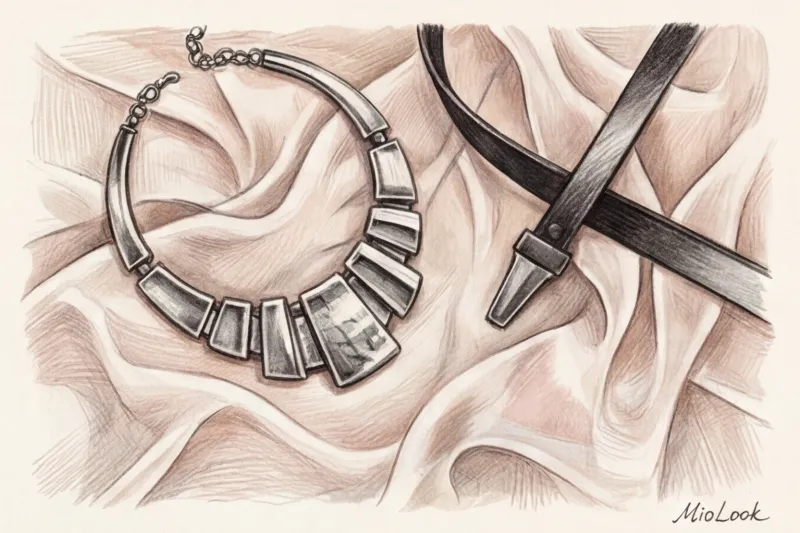
За 10 років роботи, зокрема на бекстейджах модних показів Парижа та Лондона, я помітила одну річ. На показах Alexander McQueen жорстка, лякаюча структура крою завжди балансувалася найтоншим мереживом або делікатним пір'ям. Дизайнери використовують стайлінг (styling tricks), щоб змінити настрій речі.
Ось три мікро-інструменти, які допоможуть вам адаптувати будь-який образ:
- Аксесуари як еквалайзер: Сумки, взуття та прикраси можуть «витягнути» весь образ у потрібний архетип. Ви можете бути одягнені в базовий джемпер і джинси, що сидять точно по вашій фігурі, але якщо ви додасте туфлі з гострим металевим мисом і сумку жорсткої геометрічної форми - включиться енергія Імператора.
- Укладання та макіяж: Ваше обличчя це фокусна точка. Якщо обличчя надто м'яке, а характер вимагає структури, не потрібно вдягати жорсткий комір. Зробіть гладке укладання або чітке графічне каре. Це зрушить сприйняття особи. У MioLook є чудовий інструмент для тестування таких контрастів на вашому обличчі.
- Мікро-стилізація: Те, як ви носите річ, важливіше за те, що це за річ. Підгорнуті до ліктя рукави оголюють зап'ястя (найтендітнішу частину руки), додаючи образу динаміки та легкості (Шукач/Славний малий). Застебнута на всі гудзики сорочка транслює дистанцію та контроль.
Чи готові почати?
Спробуйте безкоштовний план без зобов'язань. Підберіть стрижку та укладання, які ідеально доповнять вашу природну геометрію.
Почати безкоштовноЧек-лист: якщо зовнішність не збігається з характером, будуємо стиль покроково
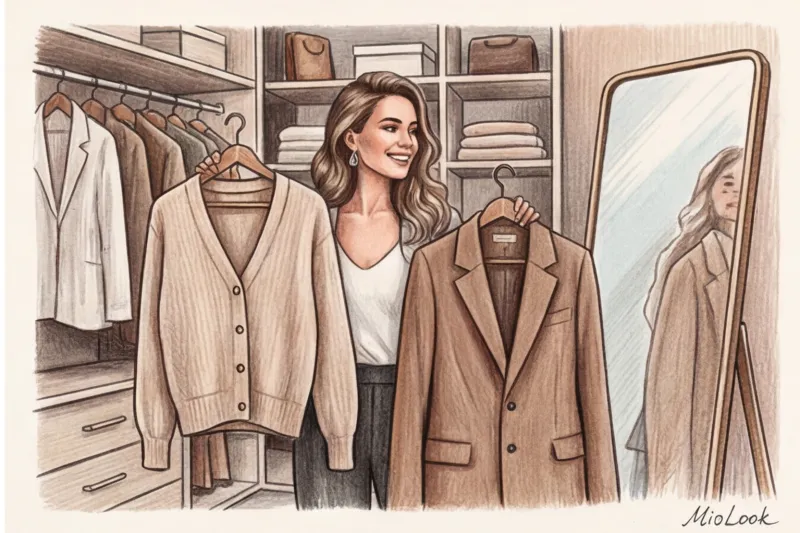
А тепер давайте перейдемо до практики. Якщо ви виявили у себе конфлікт зовнішності та характеру, не намагайтеся вирішити його на око. Використовуйте цей алгоритм, який ми застосовуємо при розборі гардеробу з клієнтами:
- Визначте своє «Полотно»: Проведіть чесну ревізію. Які лінії (прямі, плавні, ламані) та довжини (міні, міді, максі) вас прикрашають? Який ступінь прилягання робить фігуру точеною? Запишіть це. Це ваш закон, порушувати який не можна.
- Сформулюйте 3 прикметники: Опишіть свій характер (або грань, яку хочете транслювати). Наприклад: безкомпромісна, динамічна, розкішна.
- Переведіть слова до матерії: "Бескомпромісна" - це глибокий чорний колір, гострі кути в прикрасах. "Динамічна" - це асиметрія, контрастні смуги. "Розкішна" - це кашемір, замша, шовк.
- Зберіть образ: Візьміть фасон із пункту 1 і виконайте його у тканинах/квітах із пункту 3.
- Проведіть стрес-тест: Надягніть образ і зробіть селфі. Якщо ви дивитеся на фото і бачите одяг раніше, ніж своє обличчя, потрібно пом'якшити образ. Річ не повинна перекрикувати вас.
Висновок: автентичність народжується на стику
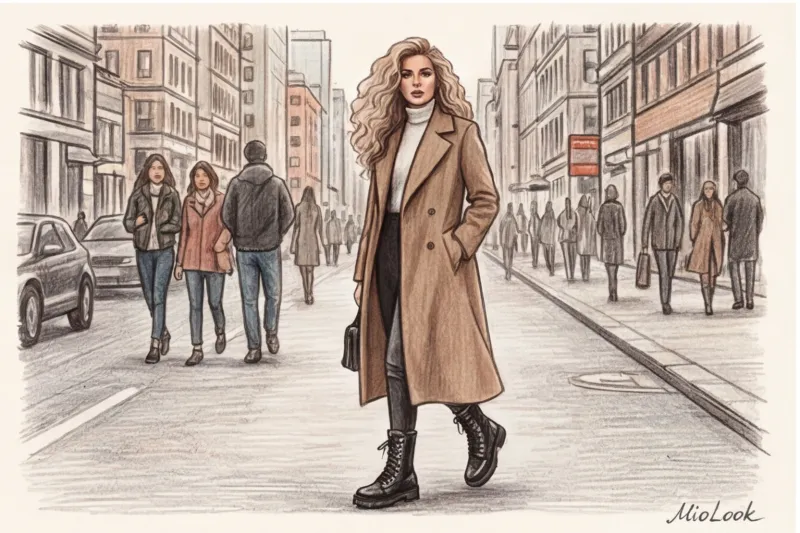
Конфлікт зовнішності та характеру – це не прокляття. Це ваш найпотужніший козир. Найцікавіші, стильні жінки в історії ніколи не були односкладовими. Джейн Біркін поєднувала тендітну, ніжну зовнішність з бунтарською, розслабленою недбалістю. Тільда Суінтон використовує свою інопланетну, холодну зовнішність як полотно для найшаленіших інтелектуальних експериментів.
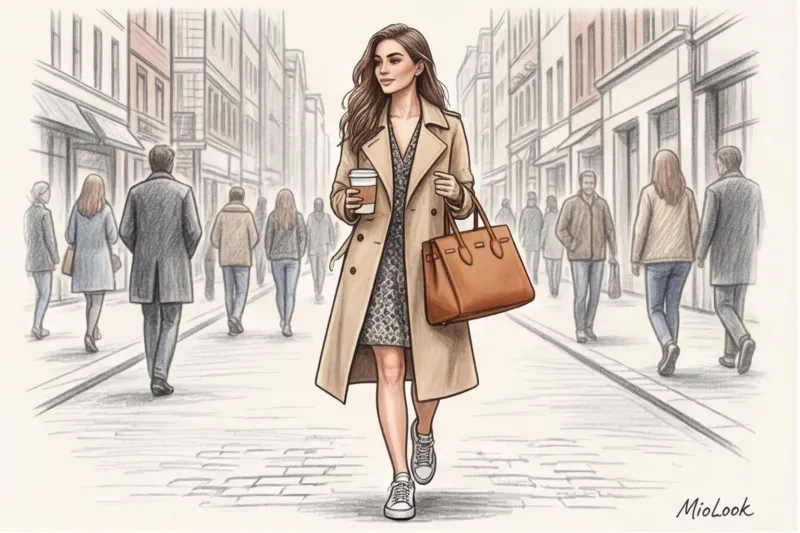
В епоху fast fashion, коли мас-маркет штампує однакові тренди кожні два тижні (і все це в бюджетному сегменті 30-80 €), спроба вписатися в шаблон це прямий шлях до втрати себе. Перестаньте боротися зі своєю природою. Ваша зовнішність – це ідеальний, унікальний каркас. А ваш характер це той вогонь, який змусить цей каркас ожити. Вибирайте правильне полотно, не шкодуйте фарб, і ви більше ніколи не побачите в дзеркалі чужої людини.