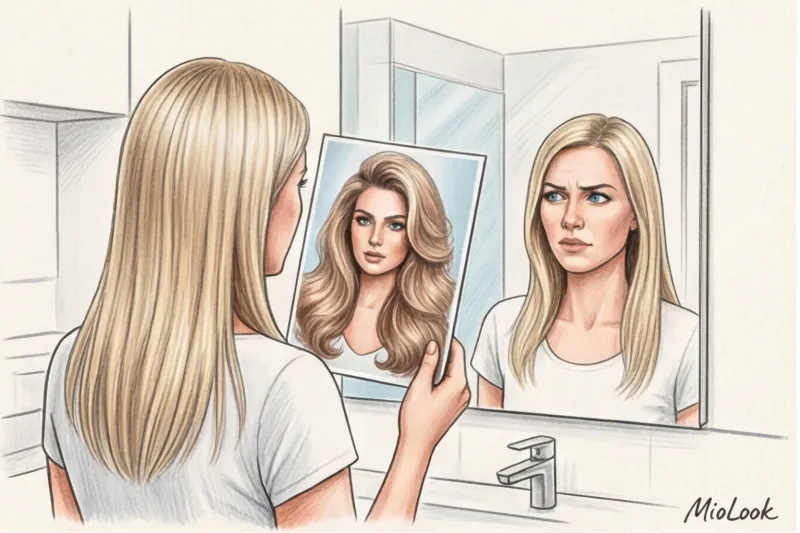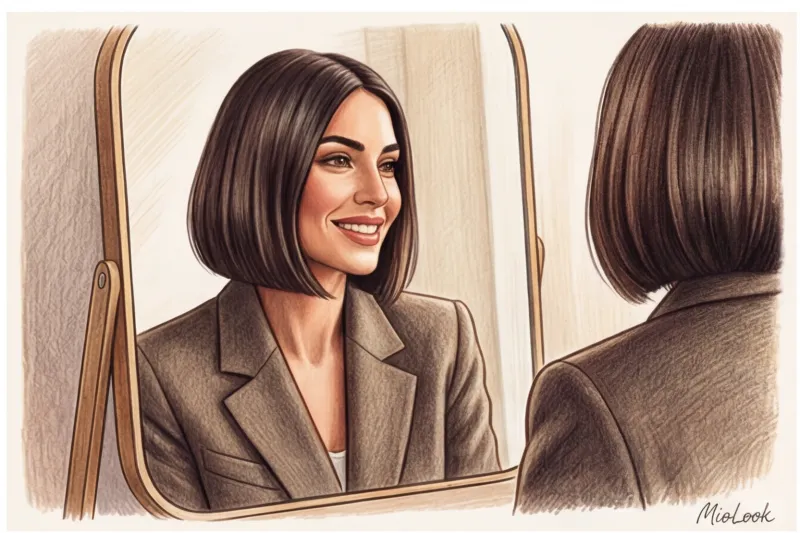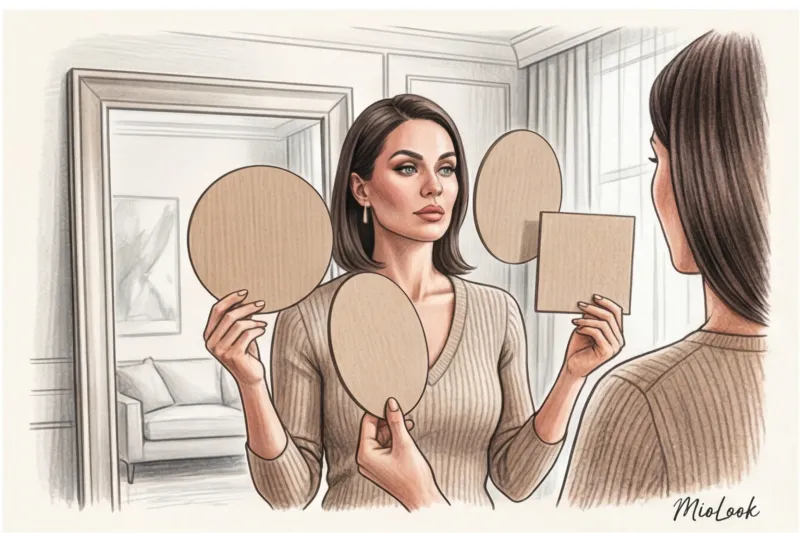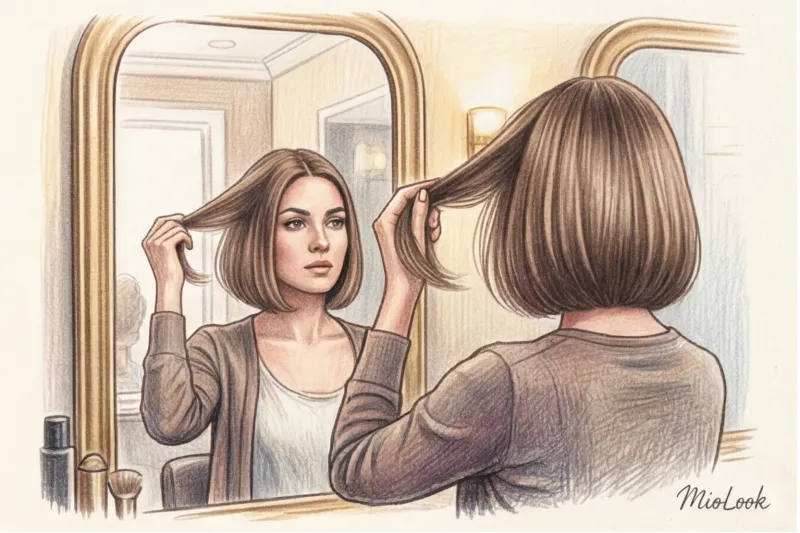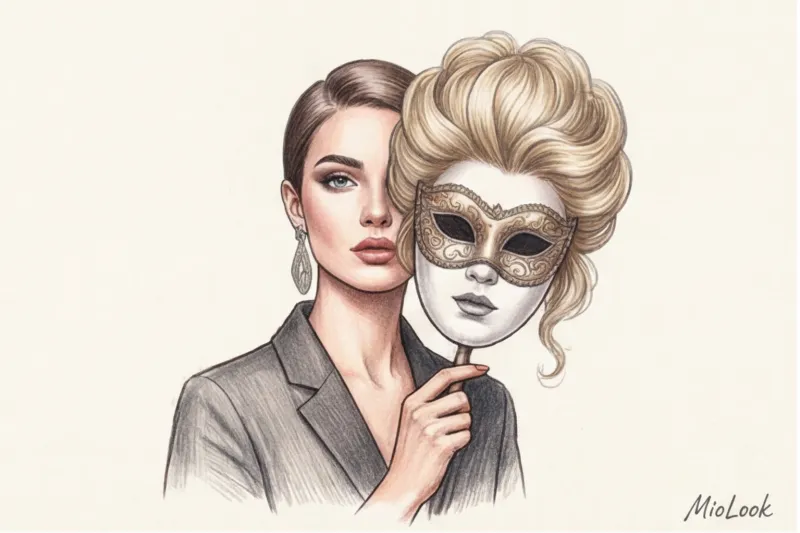
А ви знали, що невдало підібрана довжина волосся здатна візуально додати вам п'ять кілограмів і вкрасти до чотирьох сантиметрів росту? Це звучить неймовірно, але, згідно з принципами гештальт-психології (зокрема закону цілісності), наш мозок ніколи не сприймає деталі окремо. Навколишні бачать не вашу стрижку саму по собі - вони бачать весь ваш силует цілком.
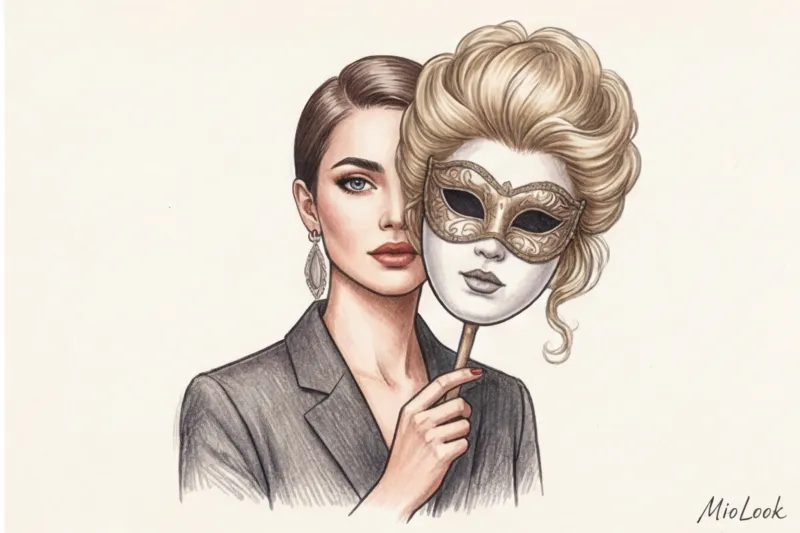
Тим не менш, статистика невблаганна: 90% жінок при зміні іміджу орієнтуються виключно на форму обличчя - овал, квадрат, трикутник. Як стиліст, який працює з преміальними гардеробами, я постійно стикаюся з наслідками такого підходу. Волосся – це не просто обрамлення обличчя. Це потужний архітектурний елемент, який працює як дах будівлі, балансуючи або, навпаки, руйнуючи пропорції вашої фігури. І сьогодні ми поговоримо про те, чому звичайна примірка стрижки онлайн часто веде до помилок у салоні, і як використовувати штучний інтелект правильно.
Докладніше про основи цього архітектурного підходу ми розповіли у нашому повному гіді за стрижками на кшталт фігури , А тепер давайте розберемо саму механіку віртуальної примірки.
Синдром «літаючої голови»: чому стандартна примірка стрижки онлайн часто розчаровує
Більшість популярних додатків для примірки зачісок працюють за одним примітивним сценарієм: ви завантажуєте селфі анфас, і програма просто «вклеює» ваше обличчя у шаблон. У промисловості ми називаємо це синдромом «літаючої голови».
Проблема в тому, що ви не існуєте у вакуумі по плечі. У реальному житті стрижка, яка ідеально підкреслила ваші вилиці на екрані смартфона, може зробити вашу фігуру важкою та важкою. Волосся має так звану «візуальну вагу». Густа копиця кучерів до лопаток забирає на себе масу уваги, змушуючи нижню частину тіла здаватися непропорційно маленькою або, навпаки, підкреслюючи ширину стегон.
За 12 років практики в Мілані та Парижі я помітила одну постійну деталь: жоден перукар-стиліст преміального рівня не почне стригти, доки не попросить вас встати з крісла і пройтися перед дзеркалом на повний зріст.
Майстру необхідно оцінити ваш зріст, ширину плечей, довжину шиї та поставу. Програми-маски цього не роблять, пропонуючи вам ілюзію, яка розсипається при першому ж погляді в дзеркало ростом.
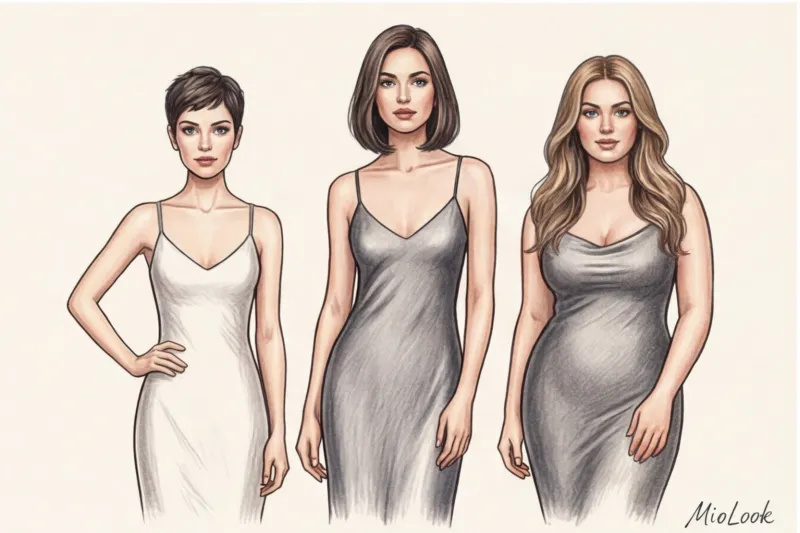
Архітектура силуету: як довжина волосся змінює пропорції фігури
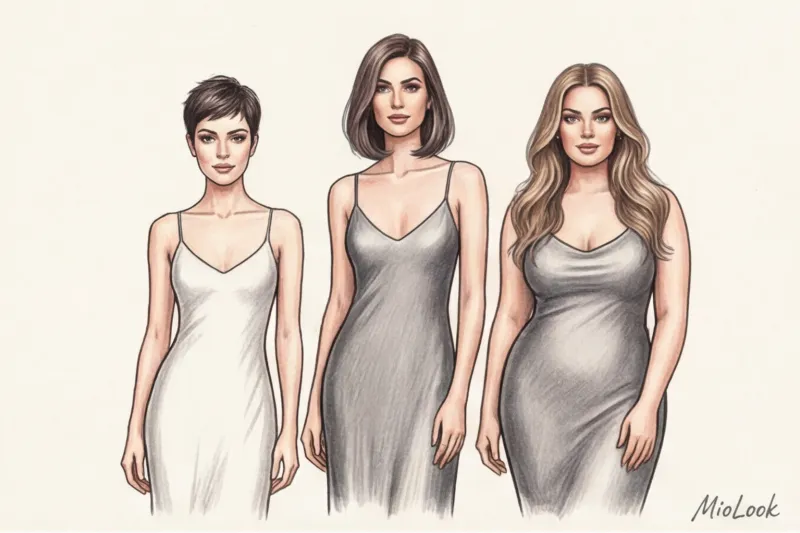
Ще Леонардо да Вінчі у своїх дослідженнях «золотого перерізу» визначив, що в ідеальних пропорціях голова має становити приблизно 1/8 частину тіла. Коли ми змінюємо довжину та об'єм волосся, ми штучно змінюємо цей коефіцієнт.
Крім чистої анатомії, волосся постійно взаємодіє з вашим одягом. Подумайте про те, як кінці волосся лягають на комір розкішного кашемірового жакету (наприклад, від Massimo Dutti або COS у ціновому сегменті 150-300 €). Якщо довжина волосся закінчується рівно на лінії жорсткого коміра, вони будуть постійно заламуватись, створювати неохайний об'єм у зоні шиї та візуально робити її коротше.
Доступ до MioLook за €0,99 — разовий платіж
Розумний AI-стиліст підбере ідеальний образ із урахуванням ваших пропорцій фігури.
Відкрити доступ — €0,99 разовоІлюзія зростання: кого довге волосся «приземлює»
Найпоширеніша помилка серед моїх мініатюрних клієнток (зростом до 160 см) — віра в те, що довге волосся робить його більш жіночним. Насправді волосся довжиною нижче лопаток візуально вкорочує зростання мініатюрних дівчат на 3-5 сантиметрів.
Це відбувається через усунення візуального центру тяжкості. Око спостерігача ковзає зверху донизу і зупиняється там, де закінчується волосся. Якщо лінія зрізу знаходиться на талії, ноги візуально здаються коротшими. Саме тому каре, подовжений боб (lob) або елегантна піксі роблять невисоких дівчат набагато більш статними, «витягуючи» вертикаль.
А ось для дівчат високого зросту (від 175 см) ультракороткі, гладкі стрижки можуть послужити погану службу, створивши ефект занадто масивного тіла по відношенню до маленької голови.
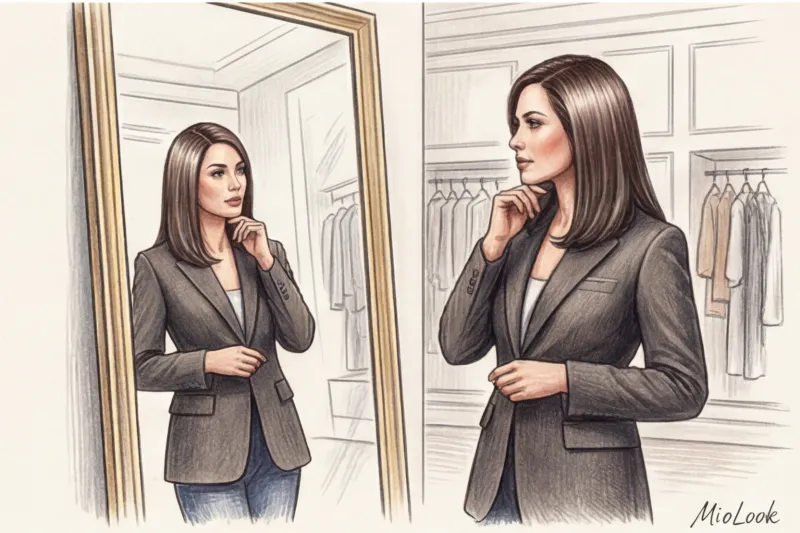
Ширина плечей та «ефект маленької голови»
Ще один критичний параметр – лінія плечей. Якщо у вас фігура типу «перевернутий трикутник» (широкі плечі, вузькі стегна), гладкі, прилизані зачіски або коротке каре візуально розширять плечі ще більше. У цьому випадку довжина трохи нижче за ключиці з м'якими шарами розіб'є горизонтальну лінію плечей.
Навпаки, для фігури «груша» (пишні стегна та крихкий верх) додавання об'єму у верхній частині тіла за допомогою каскаду або пишних локонів до плечей блискуче збалансує силует.
Як розумна примірка стрижки онлайн з ІІ-стилістом змінює правила гри
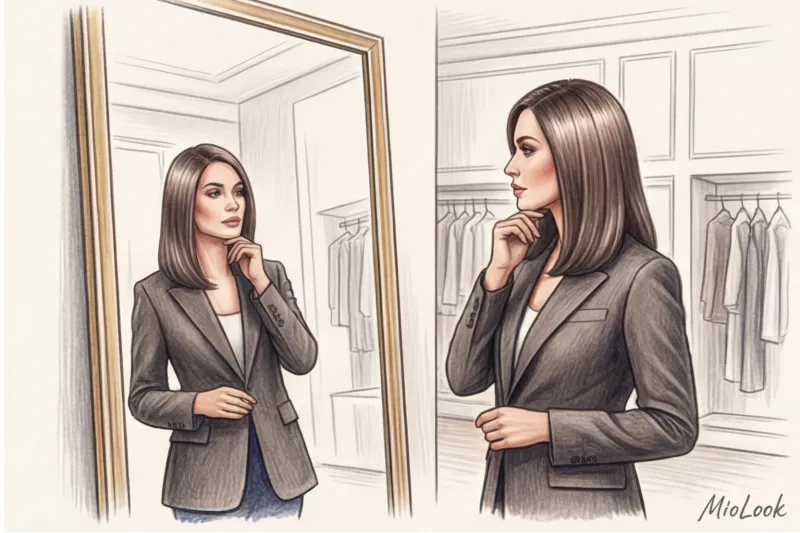
Відповідно до звіту аналітичного агентства WGSN за 2024 рік, персоналізація в б'юті-індустрії остаточно змістилася від фрагментарного підходу (тільки обличчя або тільки тіло) до холістичного (сприйняття образу цілком). Саме тому сучасні технології зробили крок далеко за межі «літаючої голови».
Коли ви використовуєте MioLook , алгоритм аналізує ваше «полотно» цілком. ІІ зчитує ширину плечей, довжину шиї та загальні пропорції перед тим, як візуалізувати результат. Ви бачите себе на повний зріст, у вашому звичному одязі.
Одна з моїх клієнток, Олена (зростання 155 см), роками носила нарощене до попереку волосся, яке коштувало їй близько 800 € кожні кілька місяців. Вона відмовлялася їх зістригати зі страху втратити жіночність. Ми використали ІІ-генерацію, щоб показати їй подовжений боб на повний зріст. Тільки побачивши, як ця довжина «відкрила» її гарну шию, зону декольте і дозволила нарешті продемонструвати дороге кольє (яке раніше губилося в пасмах), вона зважилася на стрижку. Результат перевершив усі очікування – вона візуально «виросла» на кілька сантиметрів.
Ваш ідеальний образ починається тут
Приєднуйтесь до тисяч користувачів, які щодня виглядають бездоганно з MioLook.
Відкрити доступ — €0,99 разовоЧек-лист: на що дивитися при віртуальній примірці нової довжини
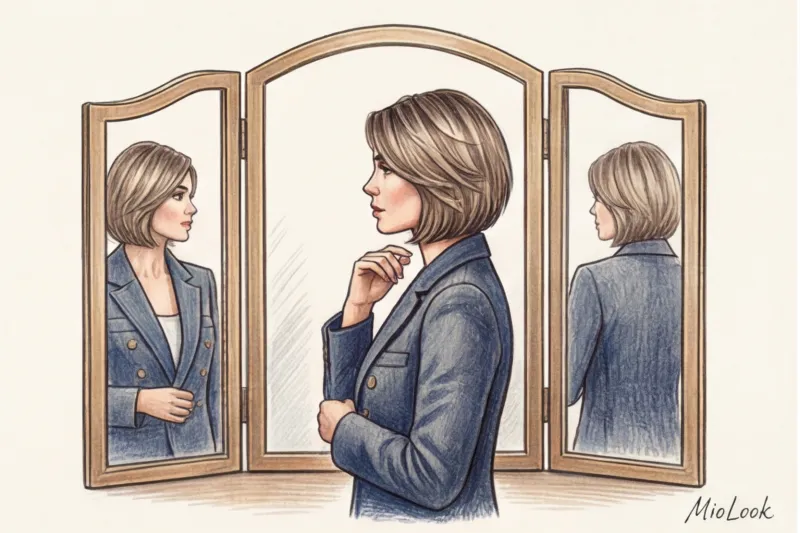
Якщо ви вирішили скористатися ІІ-стилістом для підбору стрижки, не дивіться тільки на те, як волосся обрамляє вилиці. Я даю своїм клієнткам суворий алгоритм оцінки із чотирьох кроків:
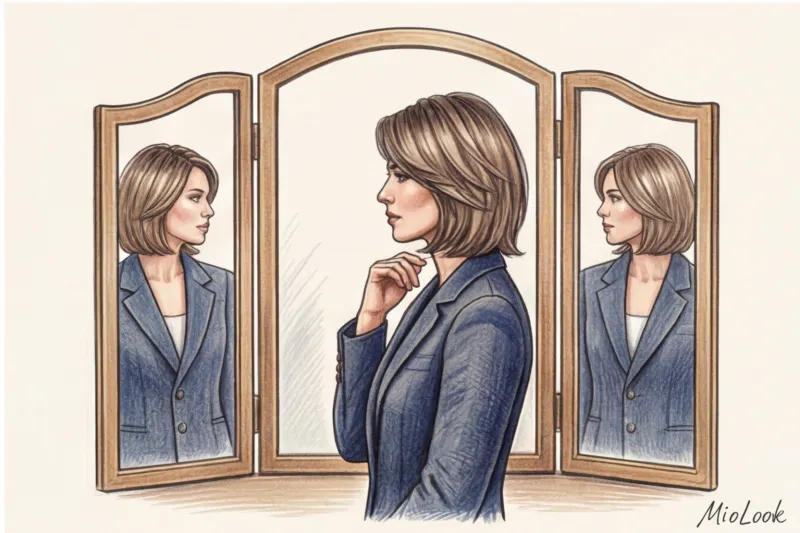
- Оцінка у профіль: Зверніть увагу на потиличний об'єм. Якщо у вас коротка шия, важкий і низький об'єм на потилиці (як у класичному карі на ніжці) повністю її з'їсть. У профіль шия має читатися ясно.
- Лінія зрізу: Ніколи не розташовуйте щільний, рівний зріз волосся на рівні найширшої частини вашого тіла, яку ви хочете скоригувати. Якщо у вас широкі плечі, зріз не повинен лежати прямо на них.
- Ступінь відкритості: Оцініть, як нова довжина взаємодіє із вирізами вашого одягу. Для любительок водолазок та глухих комірів довжина до середини шиї стане щоденним кошмаром через заломи пасм.
- Баланс із стегнами: Подумки проведіть лінію від об'єму волосся до ширини стегон. Якщо верх виглядає крихітним на фоні нижньої частини тіла (або навпаки) – довжину та текстуру потрібно міняти.
До речі, цей принцип оцінки пропорцій працює не тільки з волоссям, але і коли вам потрібна віртуальна примірка одягу онлайн для складання гармонійного капсульного гардеробу.
Від екрану до реальності: як використовувати результати ІІ-примірки в салоні
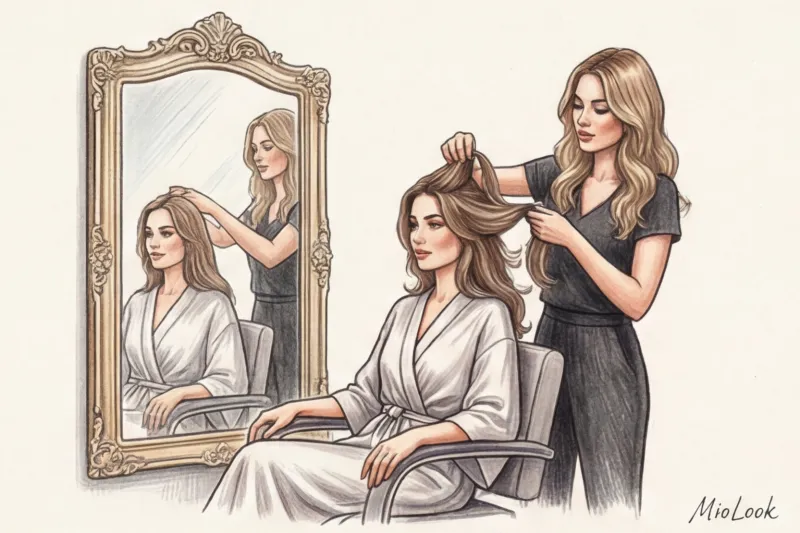
Тут важливо бути чесними та розуміти обмеження технологій. ІІ не чіпає ваше волосся руками, не оцінює його пористість, густоту або напрям зростання вихрів.
Фотографія, згенерована нейромережею, - це концепт пропорцій , ваш архітектурний план, але не пряме технічне завдання текстури. Коли ви приносите результат віртуальної примірки в салон, ваш діалог з майстром має будуватися навколо геометрії, а не сліпого копіювання картинки.
Скажіть перукарю: «Мені подобається, де закінчується ця лінія щодо моїх ключиць» або «Подивіться, як цей об'єм гармонує з моїми плечима, знайдемо спосіб відтворити цю форму на моїй густоті волосся». Професійний майстер візьме ідеальний ІІ-креслення та адаптує його під властивості вашого волокна.
Чи готові почати?
Спробуйте безкоштовний план без зобов'язань. Завантажте фото та знайдіть свою ідеальну довжину.
Відкрити доступ — €0,99 разовоВибираючи нову стрижку, пам'ятайте, що ви не просто обличчя на фотографії. Ви - цілісна архітектурна композиція. Використання розумних технологій, таких як ІІ-стиліст, дозволяє уникнути фатальних помилок і знайти ту саму довжину, яка не просто оновить ваш образ, а й виведе вашу впевненість у собі на абсолютно новий, преміальний рівень.